Zanzibar's Coral Reefs: Snorkelling, Marine Life & Conservation Guide
Zanzibar's coral reefs rank among the Indian Ocean's most accessible and biodiverse. This guide covers the top snorkelling sites, what you'll actually see underwater, current pricing, the best seasons to go, and what responsible tourism looks like in practice.
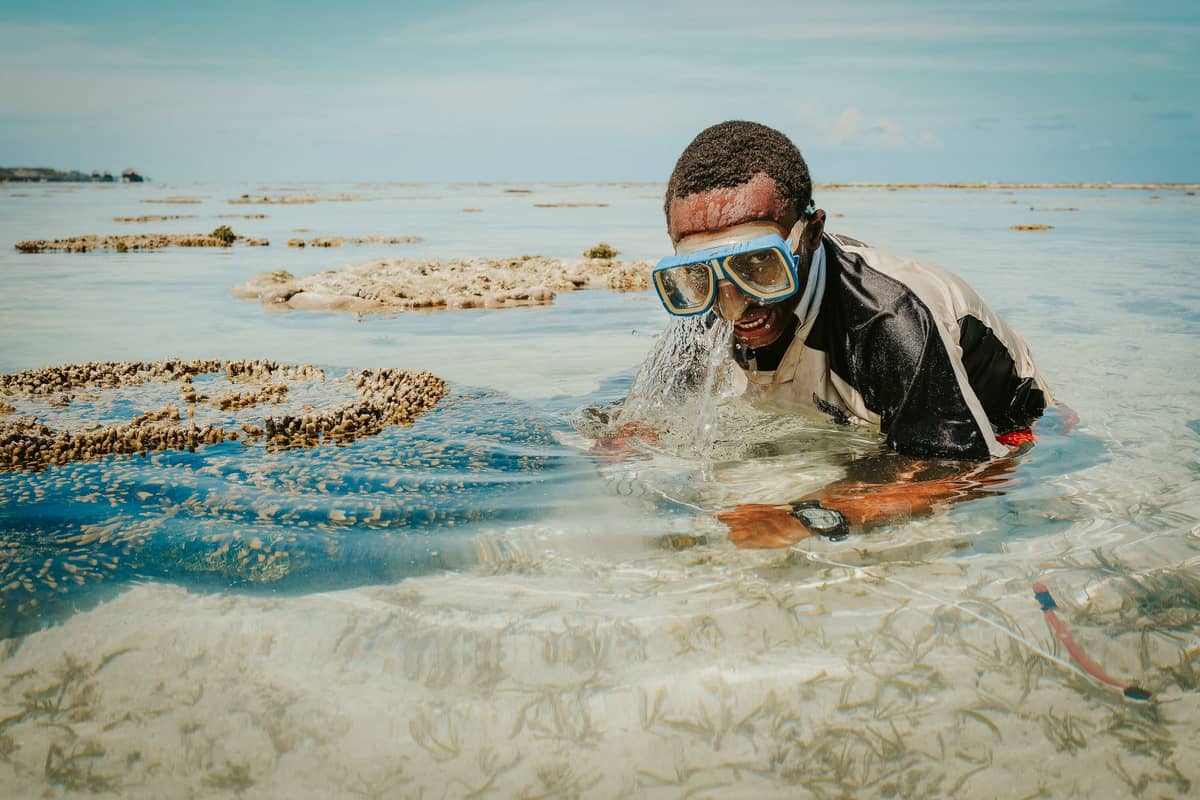
Tickets & tours
Live prices and dates from our booking partner. If you book, we may earn a commission at no extra cost to you.
TL;DR
- Mnemba Atoll is the standout snorkelling site — shared tours start around US$45-55; the island itself is private, so you snorkel the surrounding conservation zone by boat.
- Other protected marine areas worth knowing: Chumbe Island Coral Park, Menai Bay, and Misali Island (Pemba) — each with different access requirements and reef character.
- June to October and December to March offer the calmest seas and best underwater visibility; the long rains (April-May) reduce visibility significantly.
- Snorkel equipment rental runs around US$12 per session from most operators — bring your own mask if fit and hygiene matter to you.
- For deeper dives into the underwater world, pair this guide with the full Zanzibar diving guide for scuba-specific site breakdowns.
Why Zanzibar's Coral Reefs Are Worth the Attention
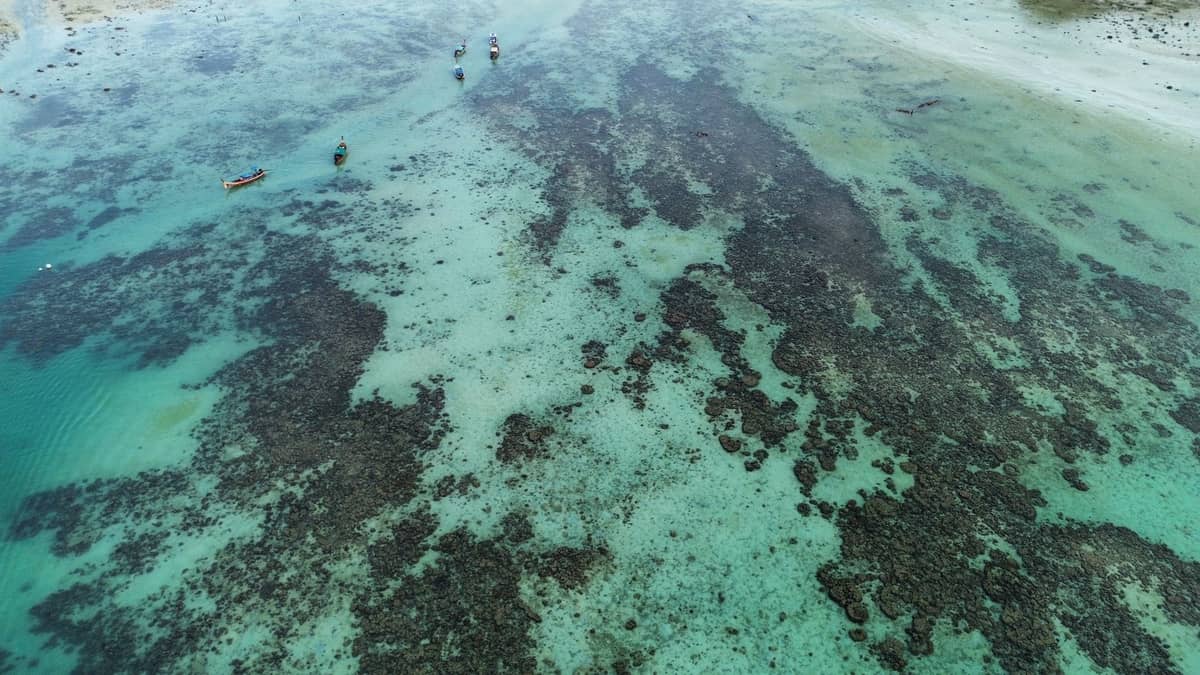
The waters surrounding Unguja and Pemba islands sit within the Western Indian Ocean coral reef province, one of the most biodiverse marine regions on the planet. Zanzibar's coral reefs benefit from warm, clear water and, increasingly, from protected marine areas that limit fishing and anchor damage. The result is a snorkelling destination that is unusually accessible: you don't need to be a certified diver to see reef sharks, sea turtles, and dense schools of tropical fish on a morning trip from shore.
The archipelago has four formally designated marine conservation areas: Mnemba, Chumbe Island Coral Park, Menai Bay, and Misali Island off Pemba. Each has its own access rules, fee structures, and reef character. The degree to which rules are enforced varies significantly between sites, which matters for both the reef's health and your experience.
ℹ️ Good to know
Zanzibar's marine parks are managed by the Zanzibar government and, in the case of Chumbe, a private NGO. Entry and conservation fees are separate from what tour operators charge. Always confirm what's included in a tour price — sometimes park fees are added on arrival and catch visitors off guard.
The Best Snorkelling Sites, Ranked Honestly
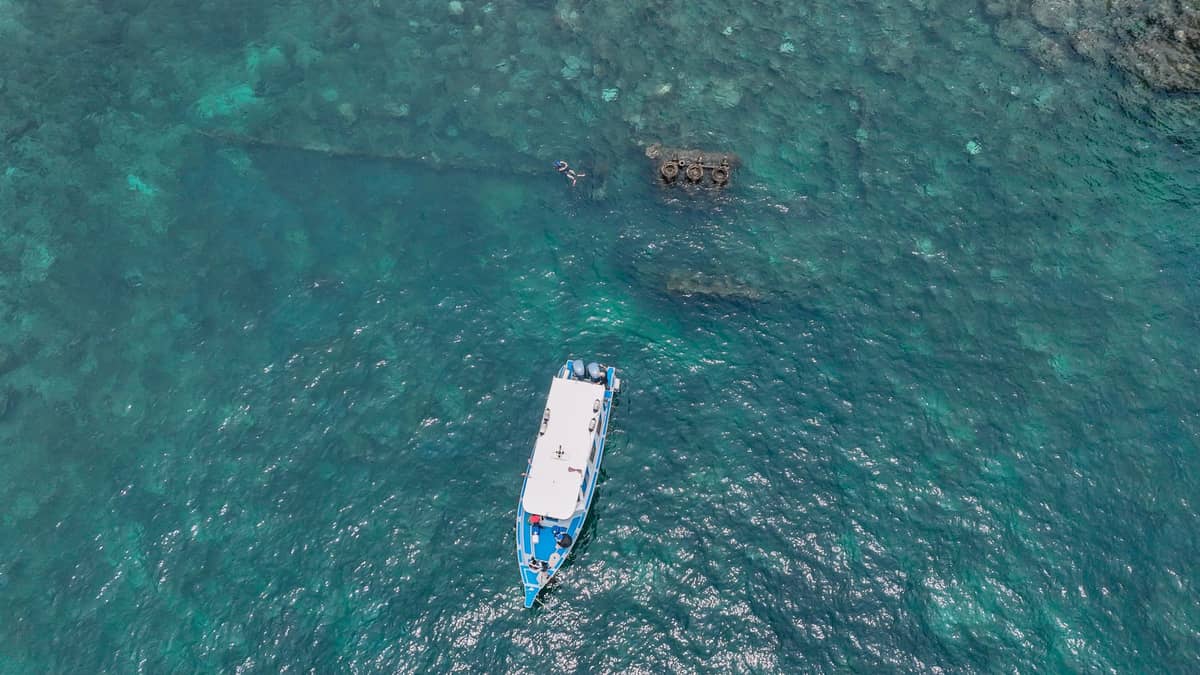
Mnemba AtollMnemba Atoll is the most-discussed snorkelling destination in Zanzibar, and the reputation is largely deserved. The atoll sits about 3 km off the northeast coast near Matemwe and is enclosed within a conservation zone that restricts fishing. Green turtles nest here, and the reef hosts dolphins, reef sharks, parrotfish, and moray eels. What to be clear about: Mnemba Island itself is a private luxury resort. Snorkelling tours take you to the reef by boat — you're not setting foot on the island. Shared half-day tours run around US$45-55 including lunch, with snorkel gear rented separately for around US$12 if you need it. Morning departures are strongly recommended; afternoon seas on the northeast coast tend to get choppy.
Chumbe Island Coral Park is a different proposition entirely. The island is a strictly managed private nature reserve off the southwest coast of Unguja, roughly 12 km south of Stone Town. Its reef is widely considered the most pristine snorkelling reef accessible from the main island — decades of protection have produced extraordinary coral cover and fish density. Access is by day trip only (there are a handful of eco-bungalows if you want to stay overnight), and numbers are capped daily to limit impact. Expect to pay more here than on a standard Mnemba tour, but the reef quality justifies it for serious snorkellers.
In the south, the Menai Bay Conservation Area around Fumba offers a more varied marine environment: seagrass beds, mangroves, and coral gardens that attract dolphins and dugong. The snorkelling here is shallower and more suitable for beginners or families. Boat trips into Menai Bay also frequently double as dolphin-watching excursions — just be aware that dolphin interaction tourism quality varies dramatically by operator. Choose operators who observe distance guidelines rather than those who chase pods.
- Mnemba Atoll (Northeast Unguja) Best for: diversity of marine life, sea turtles, reef sharks. Access by boat tour only. Shared trips from US$45-55. Suitable for confident snorkellers.
- Chumbe Island Coral Park (Southwest Unguja) Best for: pristine, high-density coral reef. Daily visitor numbers capped. Higher cost but the most protected reef in the archipelago.
- Menai Bay Conservation Area (South Unguja) Best for: beginners, families, dolphin encounters. Shallower water, calmer conditions. Combines well with a sandbank trip.
- Misali Island (Pemba) Best for: truly uncrowded reefs. Western reefs are a no-fishing sanctuary. Requires a separate trip to Pemba — serious effort, serious reward.
- Kizimkazi Reef (South Unguja) Best for: adding snorkelling to a dolphin tour without a dedicated full day. Reef quality is moderate compared to Mnemba or Chumbe.
What You'll Actually See Underwater
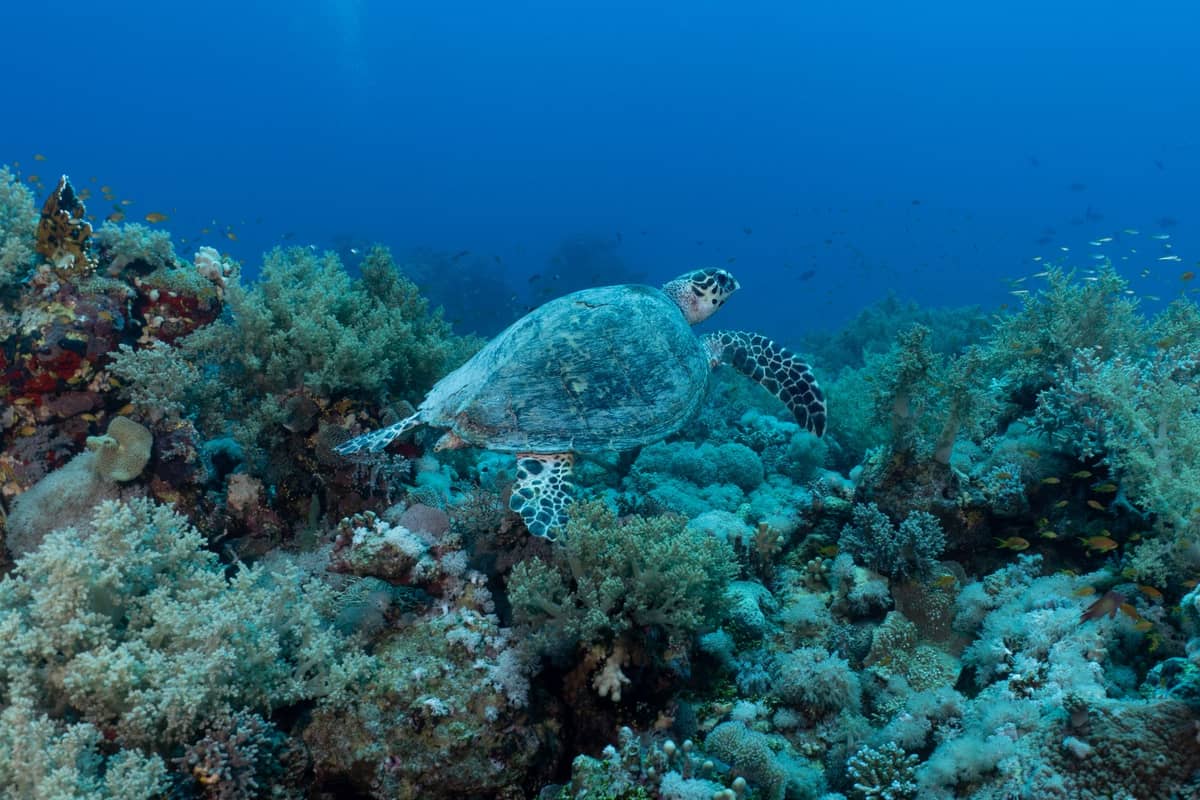
Zanzibar's reefs support a substantial range of Indo-Pacific species. At Mnemba and Chumbe, expect to encounter green and hawksbill turtles, white-tip reef sharks (non-aggressive), lionfish, octopus, nudibranchs, and dense shoals of anthias and fusiliers around coral heads. Larger pelagic species — including barracuda and jack — pass through the atoll's outer edges.
Coral composition varies by site. Chumbe has exceptional hard coral coverage including brain corals, staghorn, and table corals that have had decades to recover. Mnemba's reef shows more variation: some sections are heavily recovered, others show bleaching scars from past El Nino events. This isn't a flaw unique to Zanzibar — it's a reality of Indian Ocean reef systems globally, and the actively protected zones show measurably better recovery than unmanaged areas.
⚠️ What to skip
Coral bleaching events have affected Zanzibar's reefs, particularly during El Nino years. If a tour operator promises guaranteed pristine coral across the board, treat it with skepticism. The honest answer is that reef quality varies by site, depth, and season. Protected zones consistently outperform unprotected ones, which is the strongest argument for booking through operators who respect marine park rules.
When to Go: Seasons, Visibility, and Timing
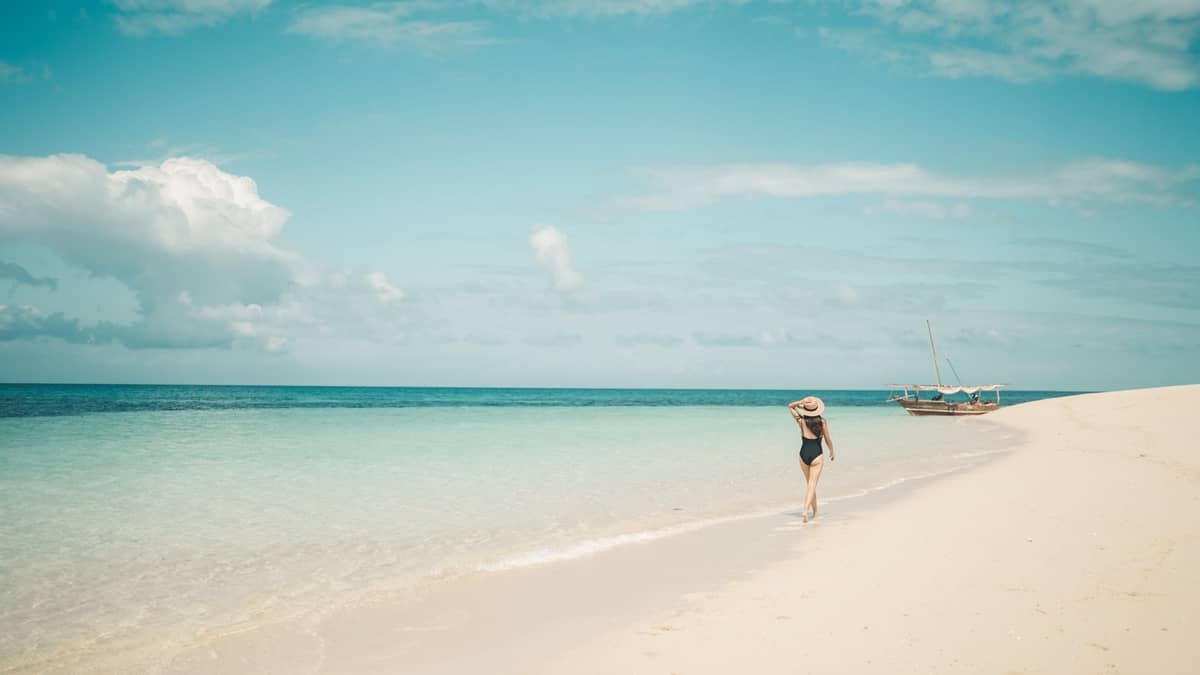
Zanzibar has two distinct rainy seasons: the long rains from roughly April through May, and a shorter wet period in November. The best snorkelling windows align with the dry seasons: June to October on the west coast and southern sites, and December to March around the northeast coast including Mnemba. During the long rains, run-off reduces visibility dramatically and boat trips are frequently cancelled due to sea conditions.
The northeast monsoon (roughly November to March) produces calmer conditions on the east coast, making Mnemba tours more reliable during this period. The southeast trade winds (June to October) suit the west-coast and southern sites better. If your trip timing is flexible, check the best time to visit Zanzibar for a full breakdown of wind patterns, rainfall, and how they affect each part of the island. Whatever the season, book morning departures: sea surface conditions are almost universally calmer before noon.
- June to October: Reliable visibility on west and south coast sites; east coast can be rougher
- December to March: Best season for Mnemba Atoll; calmer northeast-coast seas
- April to May: Long rains — reduced visibility, frequent cancellations, not recommended for snorkelling
- November: Short rains — a shorter disruption than April-May but still unpredictable
- Year-round: Morning departures consistently better than afternoon for sea conditions
Booking Tours: What to Look For and What to Avoid
Most snorkelling tours in Zanzibar are arranged through hotels, beach operators, or dedicated dive and water sports centres. If you're based on the east coast near Matemwe or Nungwi, you'll have the shortest boat rides to Mnemba. From Stone Town or the southwest, Chumbe Island day trips make more geographic sense. Booking directly with established water sports operators or through your accommodation generally produces better outcomes than accepting last-minute offers on the beach from unlicensed touts.
Shared Mnemba snorkelling tours run from around US$45 per person for a half-day including lunch; private charters cost considerably more. Snorkel equipment rental is typically around US$12 if not included. Always confirm: whether park fees are included, the group size limit, how long you'll actually spend in the water (versus on the boat), and whether the operator follows marine park guidelines on anchoring and reef proximity.
✨ Pro tip
Bring your own mask if you can. Rental masks from beach operators often don't seal properly, which ruins the experience. A decent travel snorkel mask costs under US$30 and makes an enormous difference to comfort and visibility. Fins are less critical — rental fins are usually fine.
If you're a certified diver and want to go deeper, the snorkelling and scuba worlds overlap significantly at Mnemba and Chumbe. Zanzibar diving guideZanzibar diving guide covers the scuba-specific sites, depths, and dive operators worth knowing. Non-divers can also consider a discover scuba experience at several operators on the north coast — no certification required for introductory dives at shallow sites.
Conservation: What Responsible Tourism Looks Like Here
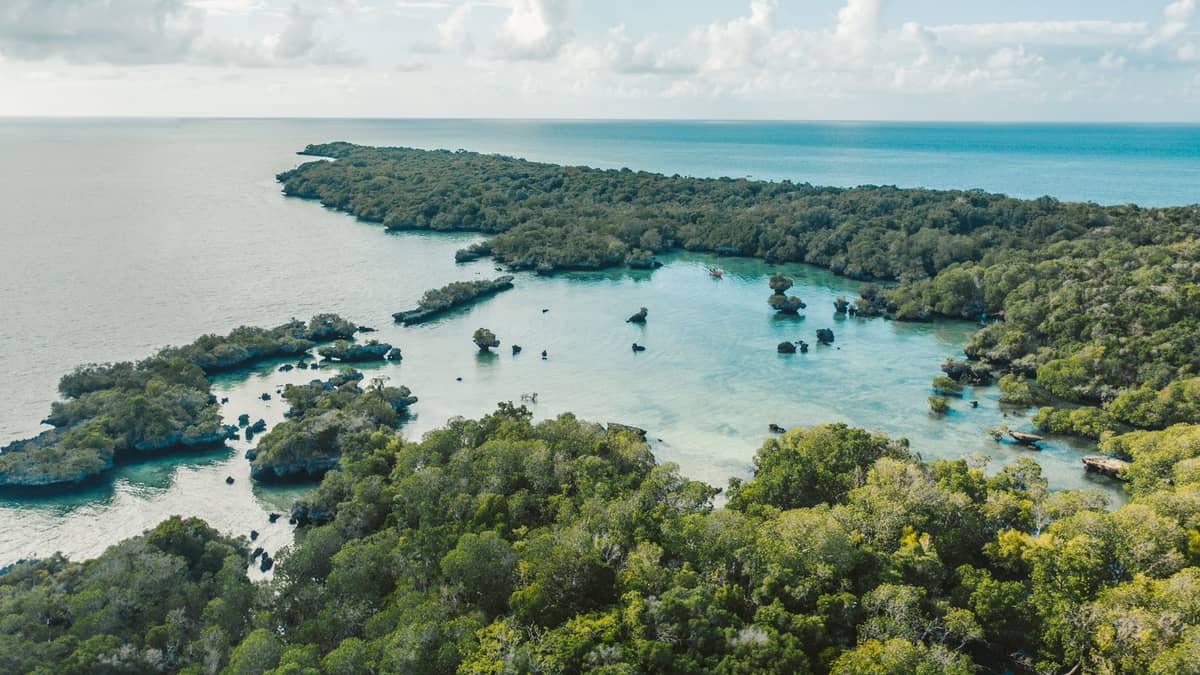
Zanzibar's marine protected areas have measurably better reef health than unprotected coastline, but they're not immune to pressure. Overfishing adjacent to boundaries, anchor damage, and physical contact with coral from poorly supervised snorkellers are ongoing issues. The gap between conservation rules on paper and enforcement in practice varies by site: Chumbe Island operates its own ranger system and is considered one of the best-managed small marine reserves in East Africa. Mnemba's conservation zone has had periods of inconsistent enforcement.
As a visitor, your choices matter in concrete ways. Use reef-safe sunscreen (standard chemical sunscreens are toxic to coral — mineral sunscreens with zinc oxide are a better option). Never stand on or touch coral, even accidentally. If you see a tour guide encouraging clients to handle marine life or feed fish, choose a different operator next time and mention it in your review. For those interested in the broader environmental picture around Zanzibar, the Jozani forest and its adjacent mangrove systems play an important supporting role in coastal water quality — healthy mangroves reduce run-off sediment that smothers coral.
💡 Local tip
Booking through operators who actively support marine conservation — either through park fee contributions or direct funding — is the most effective action a visitor can take. Chumbe Island's fees directly fund the marine reserve's management. Ask operators directly how their fees contribute to reef protection.
FAQ
Can you snorkel directly from the beach in Zanzibar, or do you need a boat?
Some beaches offer near-shore snorkelling, particularly around the north coast near Nungwi and parts of the east coast, but the best coral reefs — including Mnemba and Chumbe — require a boat. Shore snorkelling sites tend to have more variable water clarity and less marine diversity than the offshore conservation zones.
Is Mnemba Island open to visitors for snorkelling?
You cannot land on Mnemba Island itself — it's a private luxury resort. Snorkelling tours operate in the surrounding marine conservation zone, accessed by boat from the mainland. The snorkelling area around the atoll is excellent regardless of the island's private status.
How much does a snorkelling trip to Mnemba Atoll cost?
Shared half-day tours to Mnemba typically cost around US$45-55 per person, usually including lunch and a guide. Snorkel equipment rental is additional at around US$12 if not bundled in. Private charters cost significantly more. Always confirm whether park entry fees are included in the quoted price.
What is the best time of year for snorkelling in Zanzibar?
June to October is generally best for the west and south coast sites. December to March suits the northeast coast, including Mnemba, when the northeast monsoon keeps seas calm. Avoid April to May (the long rainy season) when visibility drops and many trips are cancelled. Morning departures are better than afternoon year-round.
Are Zanzibar's coral reefs affected by bleaching?
Yes. Like most Indian Ocean reef systems, Zanzibar's coral has experienced bleaching, particularly during El Nino-related warming events. Marine protected areas like Chumbe show better recovery than unprotected reefs. Coral health varies by site and depth — protected zones consistently offer better conditions than open-access areas.
Tickets & tours
Live prices and dates from our booking partner. If you book, we may earn a commission at no extra cost to you.
Planning a trip? Discover personalized activities with the Nomado app.