Menai Bay Conservation Area: Zanzibar's Largest Marine Conservation Area
Designated in 1997, the Menai Bay Conservation Area protects about 470 square kilometres of reef, seagrass beds, and open water off Unguja. It is the largest marine protected area in Zanzibar and one of the few places in the Indian Ocean where dolphins, sea turtles, and dugongs share the same habitat. Access is exclusively by boat, typically through full-day excursions departing from Fumba village.
Quick Facts
- Location
- Southwest Unguja (Zanzibar Island), departures from Fumba or Kizimkazi
- Getting There
- Taxi or private transfer to Fumba (~45 min from Stone Town); no public dala-dala route serves the departure point reliably
- Time Needed
- Full day (most excursions run 8–10 hours)
- Cost
- Typically included in tour package price; confirm conservation fee with operator before booking
- Best for
- Snorkelling, wildlife spotting, sandbank picnics, responsible marine tourism
What Menai Bay Actually Is
The Menai Bay Conservation Area (MBCA) is not a single beach or a tidy visitor attraction with a ticket booth at the gate. It is a roughly 470-square-kilometre expanse of protected ocean covering shallow tidal flats, seagrass meadows, fringing coral reefs, and open-water channels off Zanzibar's southwest coast. Six small islets sit within its boundaries. The whole system was formally gazetted by the Zanzibar government in August 1997, making it one of the earliest community-based marine reserves in East Africa.
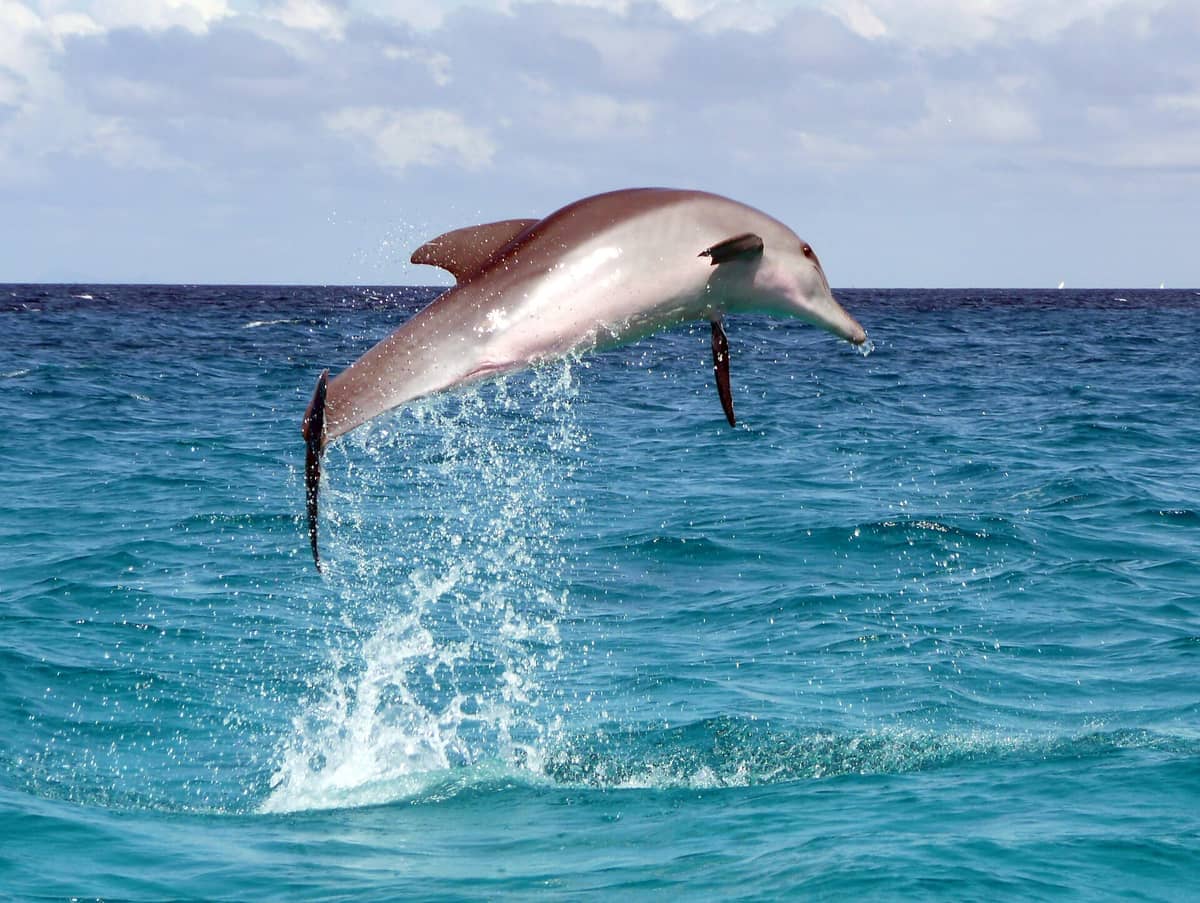
The conservation area exists because Menai Bay is ecologically extraordinary. The seagrass beds sustain one of the last viable dugong populations in the western Indian Ocean, a species so rare on this coast that most local guides have never seen one. Green and hawksbill sea turtles feed and nest here. Several pods of Indo-Pacific bottlenose dolphins and spinner dolphins use the bay year-round, making wildlife encounters far more reliable than in areas further from structured protection.
ℹ️ Good to know
The MBCA is jointly managed by the Zanzibar government and local fishing communities. A portion of tour fees is intended to support conservation; always book with operators who can confirm they contribute to the fund.
How You Actually Get Here and What Departure Looks Like
Most visitors reach the conservation area through full-day boat excursions, the most well-known of which is the 'Safari Blue' format run by several licensed operators. Departures are typically from Fumba, a fishing village on the western peninsula of Unguja, roughly 45 minutes by road from Stone Town. A smaller number of dolphin-watching excursions depart from Kizimkazi on the southern coast, which also lies within the expanded MBCA boundaries.
Getting to Fumba requires a taxi or pre-arranged private transfer. There is no reliable dala-dala route connecting Stone Town to the Fumba departure point. If you are staying in the southeast at places like Jambiani or Paje, factor in a longer overland journey of up to 90 minutes. Most organized tours include hotel pickup from the main resort areas, which simplifies logistics considerably.
At Fumba, the scene in the early morning has a working quality to it: wooden dhows and fiberglass speedboats loaded with cooler boxes and snorkel gear, fishermen sorting their overnight catch nearby, and the smell of low tide mixing with outboard fuel. Groups usually depart between 8 and 9 a.m. to make the most of morning light and calmer seas. The boat ride out into the bay takes between 20 and 40 minutes depending on your destination within the reserve.
Tickets & tours
Live prices and dates from our booking partner. If you book, we may earn a commission at no extra cost to you.
Snorkelling tour to Kwale Island and Menai Bay with private transfer
From 198 €Instant confirmationFree cancellationZanzibar snorkelling tour to Kwale Island and Menai Bay
From 89 €Instant confirmationFree cancellationZanzibar catamaran and snorkelling tour to Mnemba Marine Park
From 114 €Instant confirmationFree cancellationNyerere National Park two-day safari with two game drives
From 866 €Instant confirmationFree cancellation
Dolphins, Turtles, and the Realities of Wildlife Encounters
Dolphin sightings in Menai Bay are genuinely consistent, not the aspirational kind promoted by operators hoping for the best. Pods are large, sometimes numbering over a hundred individuals, and they frequently bow-ride or surface close to slow-moving boats. Spinner dolphins are the most commonly seen species; their acrobatic leaps, sometimes three or four full rotations in the air, are arresting even for seasoned wildlife watchers.
⚠️ What to skip
Responsible interaction matters here. Some operators allow or encourage swimming directly with dolphins. This stresses the animals and is discouraged by conservation guidelines. Observe from the boat or enter the water calmly only if the pod approaches on its own terms. Ask your operator about their wildlife interaction policy before you book.
Sea turtles appear most often around the reef patches and seagrass areas. You are more likely to see them underwater while snorkelling than at the surface. Dugong sightings are uncommon and cannot be guaranteed; if an operator promises them, treat that as a red flag rather than a selling point.
Snorkelling the Reefs and the Sandbank Lunch
The coral reefs within MBCA vary significantly in condition. Some patches show bleaching damage and are recovering slowly; others, particularly in areas with stronger tidal exchange, support dense fish populations including parrotfish, angelfish, lionfish, and moray eels. Visibility depends on tidal phase and wind direction. Morning snorkel sessions, before afternoon chop picks up, are consistently clearer.
The signature event of most full-day excursions is lunch on a sandbank, sometimes called a 'floating sandbar' in promotional materials. These low, white strips of sand appear at low tide and disappear again as the tide rises, which gives them a temporary, almost unreal quality. The closest comparison in the region is the Nakupenda sandbank near Stone Town, though the Menai Bay sandbanks are generally less crowded. Operators typically serve a barbecue-style lunch of freshly caught seafood here, eaten in shallow ankle-deep water if the tide is already returning.
Bring reef-safe sunscreen. Standard sunscreens with oxybenzone and octinoxate are toxic to coral and contribute to bleaching. Some operators provide it; most do not. Water shoes are useful for reef walking during low tide but are not essential if you are comfortable swimming in fins.
Photography and Best Conditions
The light in Menai Bay between 8 and 10 a.m. is genuinely good: low-angle, warm, and reflective off the flat water surface. This is when dolphin encounters tend to happen, and the combination of morning light and spinning dolphins makes for striking images even with a phone camera. Bring a waterproof case or a dry bag. By midday, the overhead sun flattens contrast and the glare off the water becomes harsh.
Underwater photography is possible but requires patience. Snorkelling conditions move between murky and crystal-clear depending on tidal movement, so scope conditions before committing your camera to the water. The sandbank lunch, shot late in the afternoon as the tide creeps back in, can be quietly beautiful if you stay alert to the changing light.
When to Visit and What Affects the Experience
The dry season from June through October offers the most reliable conditions: calmer seas, better underwater visibility, and lower humidity on the boat. This aligns with the broader best time to visit Zanzibar for outdoor activities. The short rains in November and the long rains from March through May can make full-day excursions uncomfortable or cancelled entirely, depending on swell and wind. Operators will generally cancel or reschedule in genuinely bad weather, but refund policies vary.
Menai Bay in July, specifically, tends to have the clearest snorkelling water of the year and the most active dolphin pods. The trade-off is that July is also peak tourist season across Zanzibar, so excursion boats can be numerous. If you book with a smaller operator rather than a large hotel-affiliated company, you are likely to have a significantly less crowded experience on the water.
💡 Local tip
Book your excursion directly with a Fumba-based operator rather than through a hotel desk. You will often pay less, the groups are smaller, and the guides tend to have deeper local knowledge of the bay and its seasonal wildlife patterns.
Who Should Reconsider This Trip
A full day on open water in a small boat is genuinely demanding for anyone prone to seasickness. The bay can be choppy in the afternoons, and some legs of the journey involve open-water crossings. Motion sickness medication should be taken before departure if this is a concern, not after you are already on the water. People with limited mobility should check with operators directly about the physical requirements of boarding, swimming, and beach landings, as these vary.
Travellers primarily interested in beach relaxation, rather than wildlife and snorkelling, may find a full-day excursion excessive. A beach day at Nungwi or a half-day trip to Prison Island might suit that preference better. The Menai Bay experience rewards curiosity and comfort with the ocean; it is not a passive trip.
Insider Tips
- Tide timing is critical. Ask your operator when low tide falls on your visit date. The sandbank is only exposed for a few hours, and the best snorkelling spots shift with tidal movement. A guide who can answer this question fluently is a guide who knows the bay.
- Pack a light long-sleeve layer. Eight or more hours of equatorial sun reflected off open water causes serious burns, even on overcast days. A thin rash guard worn over your swimsuit is more practical than reapplying sunscreen every hour on a moving boat.
- The dolphin encounters happen early. If you arrive at Fumba and your boat lingers at the dock past 9 a.m. without explanation, that is time you are losing. The pods are most active and most accessible in the first two hours after sunrise.
- Some excursions stop at the mangrove channels on the eastern edge of the bay near Fumba. This section is often skipped by larger operators. It is quieter, the birdlife is good, and the tidal colours at low water are striking. Ask specifically if this stop is included.
- Conservation fees are real costs that support enforcement patrols and reef monitoring. If a tour price seems unusually cheap, ask what portion goes to MBCA management. Operators who cannot answer are likely not contributing.
Who Is Menai Bay Conservation Area For?
- Snorkellers and free divers who want reef fish and turtle encounters without scuba certification
- Wildlife photographers looking for reliable dolphin and marine megafauna sightings
- Travellers interested in conservation-led tourism who want their money to support a functioning marine reserve
- Couples or small groups who want a full-day adventure that combines ocean, wildlife, and a beach lunch away from resort crowds
- Repeat Zanzibar visitors who have already done the standard coastal attractions and want something with more ecological substance
Planning a trip? Discover personalized activities with the Nomado app.