Zanzibar Diving Guide: Best Sites, Operators & Tips
Zanzibar offers some of the Indian Ocean's most accessible reef diving, from the shallow coral gardens of Mnemba Atoll to the deeper, current-swept walls of Leven Bank. This guide covers the best dive sites, what to pay, when to go, and how to avoid the pricing traps that catch first-time visitors.
Tickets & tours
Live prices and dates from our booking partner. If you book, we may earn a commission at no extra cost to you.
TL;DR
- Mnemba Atoll is the standout site: protected marine park, multiple reef zones, and suitable for beginner to advanced divers. Expect around 1.5 hours by boat from Nungwi.
- A two-dive day typically costs around US$110, but the mandatory marine conservation fee (around US$10 per person per day) is often listed separately. Always check inclusions before booking.
- June to October and January to March offer the best visibility. April and May bring rain, wind, and runoff that can significantly reduce conditions.
- If you want to combine diving with other activities, read the full things to do in Zanzibar guide for context.
- A PADI Open Water certification course runs around US$550 with established operators. Cheaper quotes usually mean reduced instruction time or shared equipment.
Why Zanzibar Works as a Dive Destination
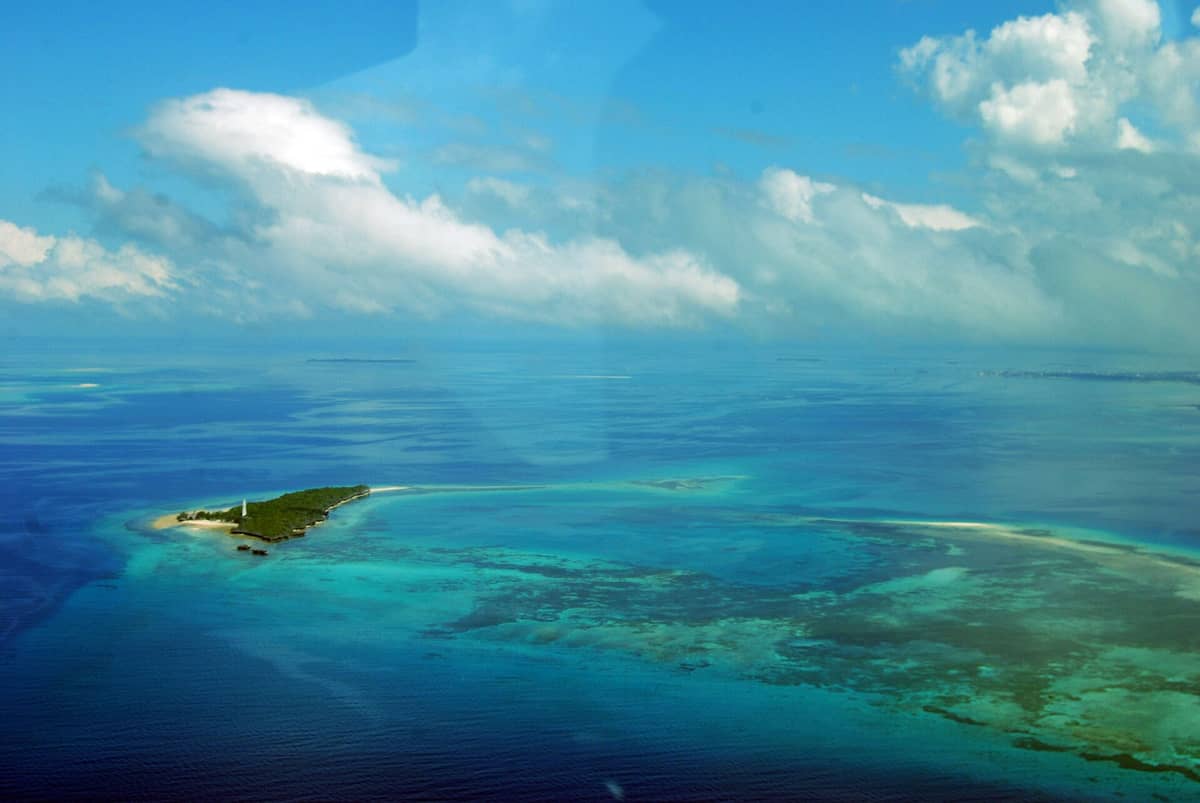
The Zanzibar archipelago sits off the coast of Tanzania in the western Indian Ocean, close enough to the mainland to benefit from nutrient-rich currents, yet far enough out to avoid heavy coastal silting most of the year. The result is a reef system that punches well above its weight for this part of the world, with hard coral coverage, a healthy fish population, and reliable encounters with larger pelagics at the deeper sites.
Unguja, the main island, is the base for most diving operations. The northwest coast near Nungwi and Kendwa gives the quickest access to Mnemba Atoll, which sits roughly 3 kilometres off the northeast tip of the island. The east coast near Matemwe is the closest land point to Mnemba and is increasingly popular with dive operators who want to cut boat time. The southern and western sites see fewer divers and require more planning.
ℹ️ Good to know
Zanzibar diving is largely recreational, with most popular sites sitting between 8 and 30 metres. The deepest frequently dived site, Leven Bank, reaches technical depths, but the vast majority of day trips are designed for Open Water certified divers and above.
The Best Dive Sites Around Unguja
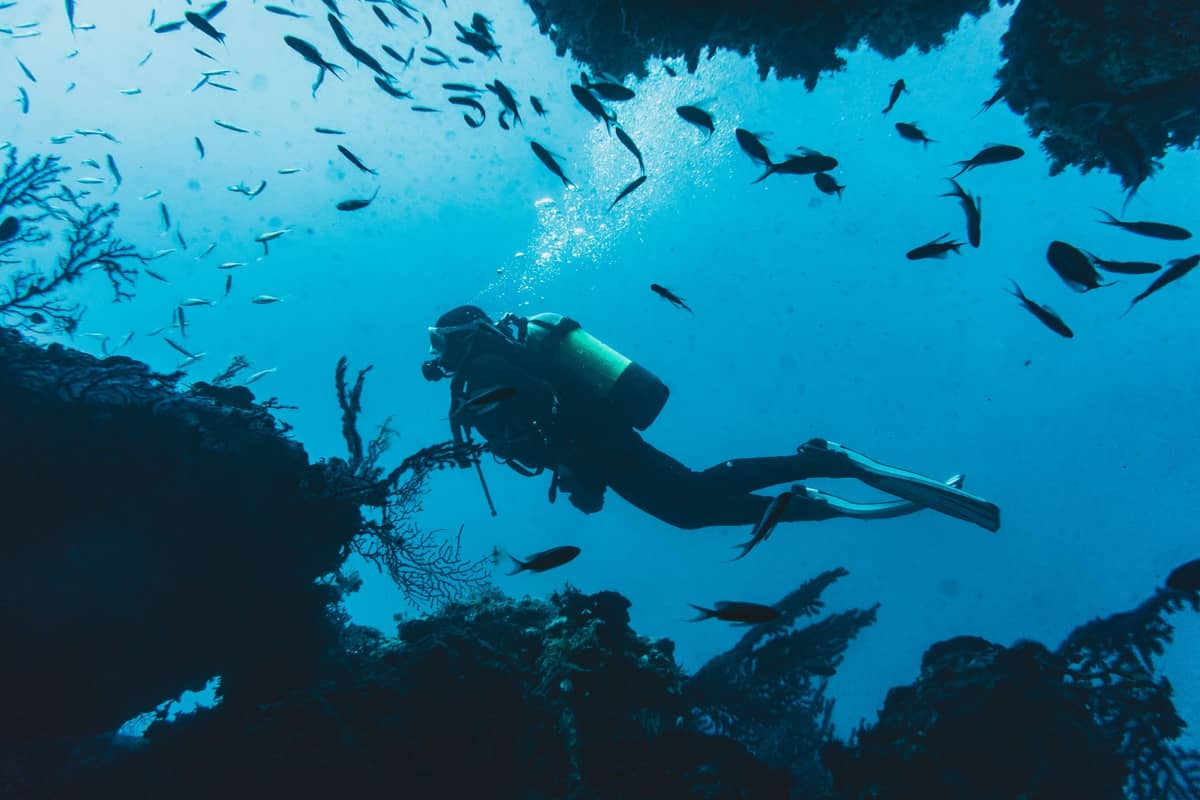
Mnemba Atoll is the headline act and, in most conditions, rightfully so. The atoll is a protected marine conservation area ringed by a series of named sites that cater to different experience levels. The shallower sections — around 8 to 14 metres — offer dense coral gardens, schools of snapper, turtles, and occasional dolphin passes. The outer walls drop further and introduce reef sharks and larger grouper. The key limitation is that Mnemba sees the most boat traffic; mornings during peak season can feel crowded at the entry points.
Leven Bank sits northeast of Unguja in open water and is a different category of dive. The bank tops out around 18 metres and drops sharply, with strong currents that attract barracuda, eagle rays, and in the right season, whale sharks. It is not suitable for beginners, and operators will typically require Advanced Open Water certification or a logged dive count before taking you out. Tumbatu, off the northwest coast, is a more sheltered option with varied topography and less consistent visibility than Mnemba but fewer crowds. For divers staying near Jambiani or Paje on the southeast coast, local operators run trips to nearby reefs that are shallower and better suited to introductory dives.
- Mnemba Atoll Best overall site. Multiple zones from 8–30m. Marine park entry fee applies. Boat time: ~1.5 hours from Nungwi, ~40 minutes from Matemwe.
- Leven Bank Advanced-level open-water dive. Strong currents. Pelagic encounters. Not suitable for beginners or in rough weather.
- Tumbatu Northwest reef. Less visited, varied terrain. Good option when Mnemba is crowded or weather restricts the longer crossing.
- Southeast Coast Reefs (Paje, Jambiani area) Shallow and calm. Suited to first-time divers and snorkellers. Less dramatic than Mnemba but convenient if you're based on the east coast.
- Chumbe Island A protected coral sanctuary southwest of Stone Town. The reef here is exceptionally well preserved. Access is tightly controlled and diving is limited to overnight guests or day visitors with advance booking.
✨ Pro tip
If you're staying in Matemwe rather than Nungwi, you can cut your boat time to Mnemba to around 20–40 minutes. Several smaller operators based in Matemwe run daily trips with fewer divers per boat.
Understanding the Costs: What You'll Actually Pay
Zanzibar diving prices look reasonable until you read the fine print. A two-dive day is typically quoted at around US$110, but this figure often excludes equipment rental (approximately US$15 per day) and the mandatory marine conservation fee at Mnemba, which runs around US$10 per person per day. Add these together and a day trip to Mnemba Atoll with rented gear costs closer to US$135. Budget operators may quote lower headline prices but compensate with larger group sizes, older equipment, or unlicensed instruction.
Certification courses represent the other major expense. A PADI Open Water course with a reputable operator is around US$550, covering theory, pool sessions, and four open-water dives. Some operators offer discounted courses that appear cheaper but reduce classroom hours or share instructors across too many students simultaneously. If you're investing in a certification, the quality of instruction matters more than saving US$50 on the course fee.
- Two-dive day trip (excluding equipment): approximately US$110
- Equipment rental: approximately US$15 per day
- Marine conservation fee at Mnemba: approximately US$10 per person per day
- Full day at Mnemba with rented gear, all-in: approximately US$135
- PADI Open Water certification course: approximately US$550
- Single discover scuba / introductory dive: typically US$60–80 depending on operator and site
⚠️ What to skip
Always ask operators to confirm what is included in the quoted price before booking. Marine park fees, equipment, and site supplements are commonly listed separately. A 'cheap' two-dive day that doesn't include the conservation fee or gear can end up costing more than a clearly priced all-inclusive package.
When to Dive: Seasonal Conditions by Month
Zanzibar has two main diving seasons, both shaped by the monsoon cycle. June through October is the long dry season: winds from the southeast bring cleaner water to the west and northwest coasts, visibility at Mnemba regularly exceeds 20 metres, and seas are generally calm enough for daily departures. January through March is the short dry season, slightly warmer and with calmer conditions than the June-October period. Visibility is good, and this window is particularly popular for whale shark sightings at Leven Bank, though sightings cannot be guaranteed.
April and May are the long rains, known locally as Masika. Boat trips still run when weather permits, but visibility can drop sharply due to runoff and surface chop. Some operators reduce schedules during this period and prices may be lower. November and December bring lighter rains, and while diving continues, conditions are less predictable than the dry season windows. If you're visiting in December specifically, see the Zanzibar in December guide for what to expect across all activities, not just diving.
For a broader look at how seasons affect everything from beach quality to wildlife encounters, the best time to visit Zanzibar guide provides a month-by-month breakdown that goes beyond the standard wet/dry split.
Choosing a Dive Operator: What Separates Good from Average
The Zanzibar dive industry ranges from PADI five-star centres with trained instructors and well-maintained equipment to small beach operations with informal credentials. For recreational diving, PADI or SSI affiliation is the minimum standard worth accepting. Check that the operator holds a current Tanzanian dive operator licence, that their instructors carry verifiable professional cards, and that tanks and BCDs are in good condition. Dive Point Zanzibar is one of the most established operators with transparent public pricing. PADI Travel also lists bookable Mnemba trips with verified operators, including a full-day, two-dive option that departs Nungwi at 8:00 a.m.
Group size is worth asking about directly. The best operators cap recreational groups at six to eight divers per instructor or divemaster. Larger groups are harder to manage underwater and reduce the quality of the dive for everyone. Operators who won't tell you the maximum group size before you book are telling you something important about their approach.
If you're combining diving with a beach holiday, your choice of base affects which operators you can realistically use. Nungwi gives the widest operator choice and the most departures. Matemwe is the best base if Mnemba is your primary goal. If you're also planning to dolphin-watch or explore the forest interior, consider that Jozani Chwaka Bay National Park and Kizimkazi for dolphin encounters are more conveniently reached from the south.
Practical Logistics for Your Dive Trip
Most dive operators require proof of certification before boarding. Bring your certification card, whether physical or digital through the PADI app. If you're newly certified, bringing your logbook helps instructors gauge your experience and place you in an appropriate group. Medically, you should not fly within 12 to 18 hours of your last dive. If your flight departs from Abeid Amani Karume International Airport in the afternoon or evening, plan your last dive accordingly.
Getting to diving bases from Stone Town is straightforward by taxi, which typically costs around US$35–60 to Nungwi and takes approximately 1 to 1.5 hours depending on road conditions. Shared dala-dala minibuses run north and east but are slower and not ideal for early morning dive departures. For a full breakdown of transport options across the island, the getting around Zanzibar guide is the most practical starting point.
💡 Local tip
Book diving 24 to 48 hours in advance during peak season (July, August, early January). Popular operators at Mnemba fill up quickly, especially full-day trips. Walk-in availability exists outside peak periods, but it's a gamble on a short trip.
If your itinerary includes more than just diving, the one week in Zanzibar itinerary shows how to structure dive days alongside spice tours, Stone Town, and beach time without overloading your schedule. Zanzibar also pairs well with a Tanzania safari: many visitors fly in from the Serengeti or Ngorongoro for a post-safari beach and dive extension, covered in the Zanzibar and Tanzania safari combo guide.
FAQ
Do I need to be certified to dive in Zanzibar?
No certification is required for an introductory or 'discover scuba' dive, which costs around US$60–80 and is conducted in shallow water with a divemaster. However, to dive at Mnemba Atoll proper or join a two-dive day trip, operators require a minimum Open Water certification. Courses run year-round and typically take 3–4 days to complete.
Is Zanzibar good for beginner divers?
Yes, for the right sites. The shallow inner reefs of Mnemba Atoll and the southeast coast reefs near Paje and Jambiani are well suited to recently certified or less experienced divers. Leven Bank and the more exposed offshore sites are not. A good operator will assess your experience and recommend appropriate sites; be cautious of any operator who doesn't ask about your certification level or dive count.
What is the marine conservation fee and do I have to pay it?
The marine conservation fee is a mandatory charge applied when diving or snorkelling in the Mnemba Atoll Marine Conservation Area. It runs around US$10 per person per day. Some operators include it in their quoted price; others add it separately. Always confirm before booking.
When is the best time of year for zanzibar scuba diving?
June to October and January to March offer the most reliable visibility and calmest seas. April and May (the long rains) are the most challenging months, with reduced visibility and occasional cancellations. Water temperature hovers between 24°C and 29°C year-round, so thermal comfort is rarely the deciding factor.
Can I see whale sharks while diving in Zanzibar?
Whale shark sightings are possible, particularly at Leven Bank during the January to March window. However, they cannot be guaranteed. Operators that promise whale shark sightings are overselling. If you encounter one, it is a bonus rather than an expectation.
Tickets & tours
Live prices and dates from our booking partner. If you book, we may earn a commission at no extra cost to you.
Planning a trip? Discover personalized activities with the Nomado app.