Best Things to Do in Zanzibar: The Complete 2026 Guide
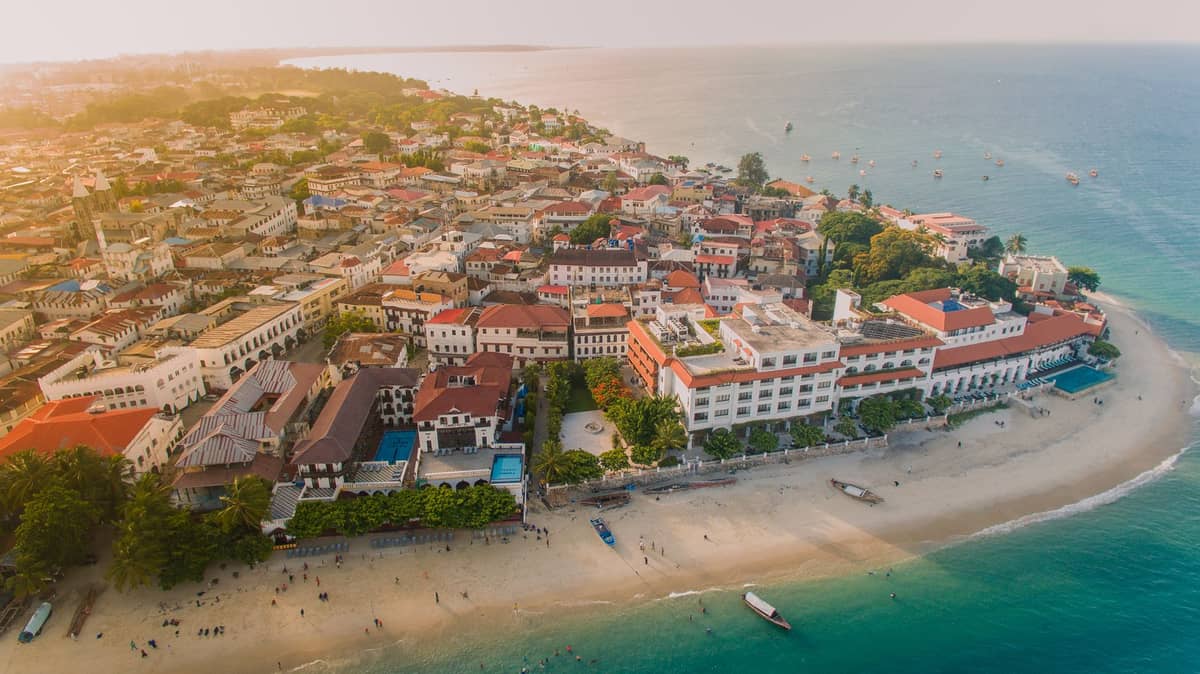
Zanzibar packs an extraordinary range of experiences into a relatively small island. This guide covers the best things to do in Zanzibar across history, beaches, wildlife, food, and water sports — with clear advice on what's worth your time and what to skip.
Tickets & tours
Live prices and dates from our booking partner. If you book, we may earn a commission at no extra cost to you.
TL;DR
- Stone Town is the cultural and historical heart of Zanzibar — give it at least a full day, ideally two.
- The north coast (Nungwi, Kendwa) suits beach lovers and divers; the southeast coast (Paje, Jambiani) is better for kitesurfers and a quieter pace. See our guide to Zanzibar's best beaches to choose your base.
- June to October is the driest and most reliable window for outdoor activities, though Zanzibar has both long rains (March–May) and short rains (November–early December) rather than one single rainy season.
- Budget around $10–15 for a taxi from the airport to Stone Town; dala-dala minibuses are far cheaper but slower.
- If you have one week, follow our one-week Zanzibar itinerary to balance culture, wildlife, and beach time efficiently.
Explore Stone Town: History You Can Walk Through
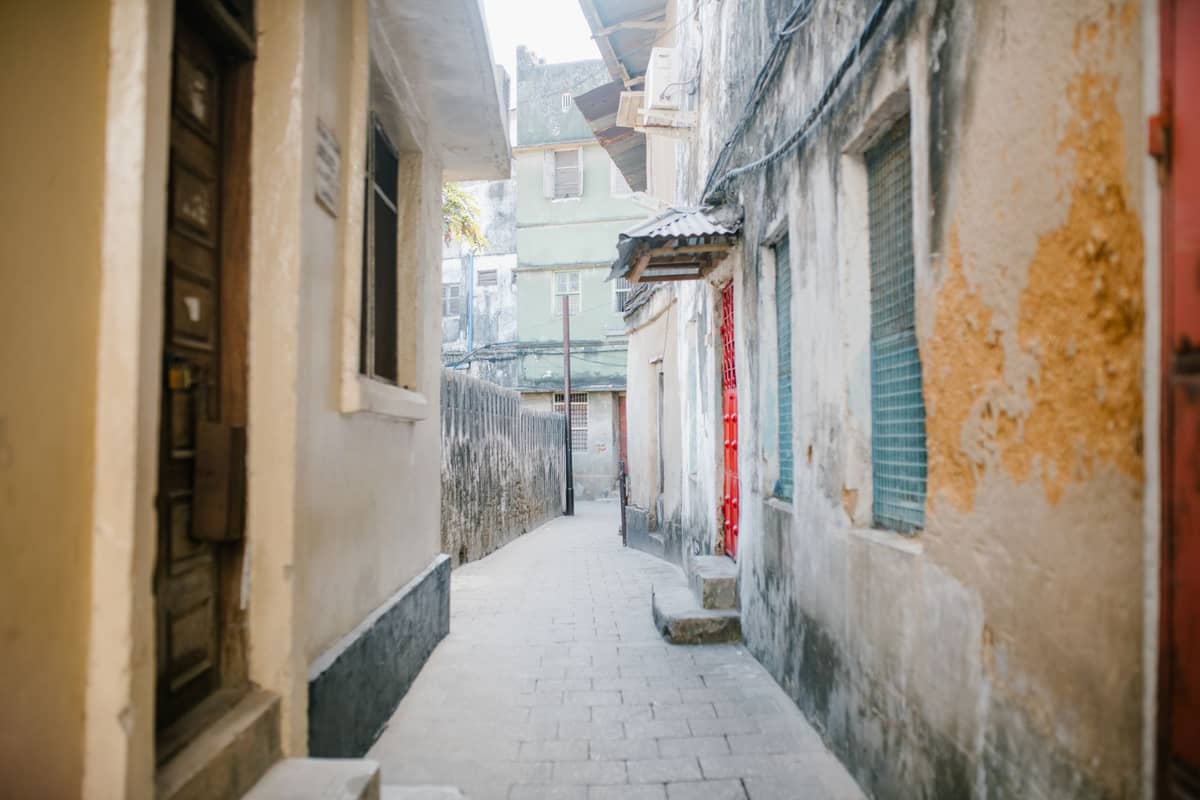
Stone Town is where most visits begin, and for good reason. The historic center of Zanzibar City is a UNESCO World Heritage Site, and unlike many such designations, the label genuinely earns its keep. The narrow coral-stone streets, ornate carved wooden doors, and layers of Omani, Indian, and colonial European architecture tell a history that is both fascinating and, in parts, deeply uncomfortable. Plan at least one full day here. Two is better. Follow our Stone Town walking guide to avoid getting turned around in the lanes and to find the sites that matter most.
The Slave Trade Museum and the underground slave holding chambers nearby are not pleasant experiences, but they are essential ones. Zanzibar was the largest slave-trading port in East Africa during the 19th century, and the exhibits document this history with honesty. The House of Wonders is currently undergoing restoration after partial structural collapse — check its status before planning a visit. Forodhani Gardens on the waterfront comes alive at dusk when street food vendors set up coal grills; Zanzibar pizza, grilled seafood, and urojo (Zanzibar mix) are sold here nightly and cost very little.
💡 Local tip
The best time to walk Stone Town is early morning, before 9am, when the light is soft and the alleys are quiet. By midday the narrow streets can feel airless and crowded. Save Forodhani Gardens and Jaws Corner — Zanzibar's famous open-air coffee spot — for the evening.
For a sharper understanding of the island's complex past, visit the complete guide to Zanzibar's slave history. And if you are curious about the island's most famous son, the Freddie Mercury Museum on Kenyatta Road is a modest but genuine tribute to the Queen frontman who was born Farrokh Bulsara in Stone Town in 1946.
Beaches: Where to Go and What to Expect
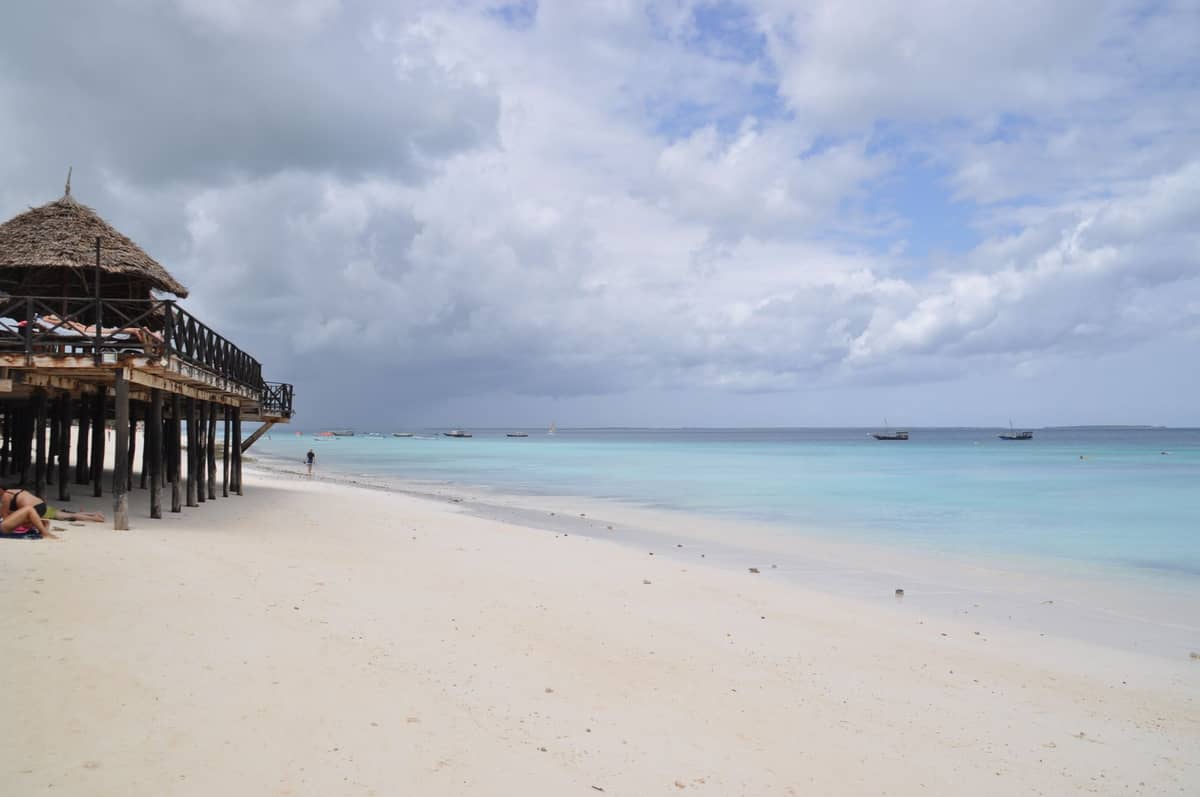
Zanzibar's beaches vary more than most visitors expect. The north coast around Nungwi has the most consistent swimming conditions because the tidal variation here is smaller than on the east coast. The water stays swimmable even at low tide, which is not the case everywhere. Nungwi is the most developed beach area, with a full range of accommodation and a reliable boat scene for snorkeling and diving trips.
Paje on the southeast coast is the island's kitesurfing capital, and the flat lagoon and consistent southeast wind make it genuinely world-class for the sport. The beach itself is beautiful but the tidal flats can stretch hundreds of metres at low tide, making swimming intermittent. If kitesurfing is on your list, read the full kitesurfing guide before booking, because timing relative to the wind season matters significantly.
- Nungwi Beach Best all-round swimming, reliable boat trips, lively bar scene. Works year-round but gets crowded in peak season (July–August, December).
- Kendwa Beach 10 minutes south of Nungwi, slightly quieter, famous for the monthly full moon party. Similar swimming conditions to Nungwi.
- Paje Beach Southeast coast. Best for kitesurfing (June–October prime season), good snorkeling on the reef edge, limited swimming at low tide.
- Jambiani Beach South of Paje, noticeably quieter, traditional fishing village atmosphere, seaweed farming visible in the shallows. Good for travelers who want less tourist infrastructure.
- Matemwe Beach Northeast coast, long and rarely crowded, excellent base for Mnemba Atoll diving trips. Limited dining options beyond resort restaurants.
⚠️ What to skip
East and southeast coast beaches drop to very low water at low tide, sometimes exposing large areas of seagrass and sand flat. Check a tide table before planning beach activities. Swimming is generally best 2 hours either side of high tide on these beaches.
Water Activities: Snorkeling, Diving, and Boat Trips
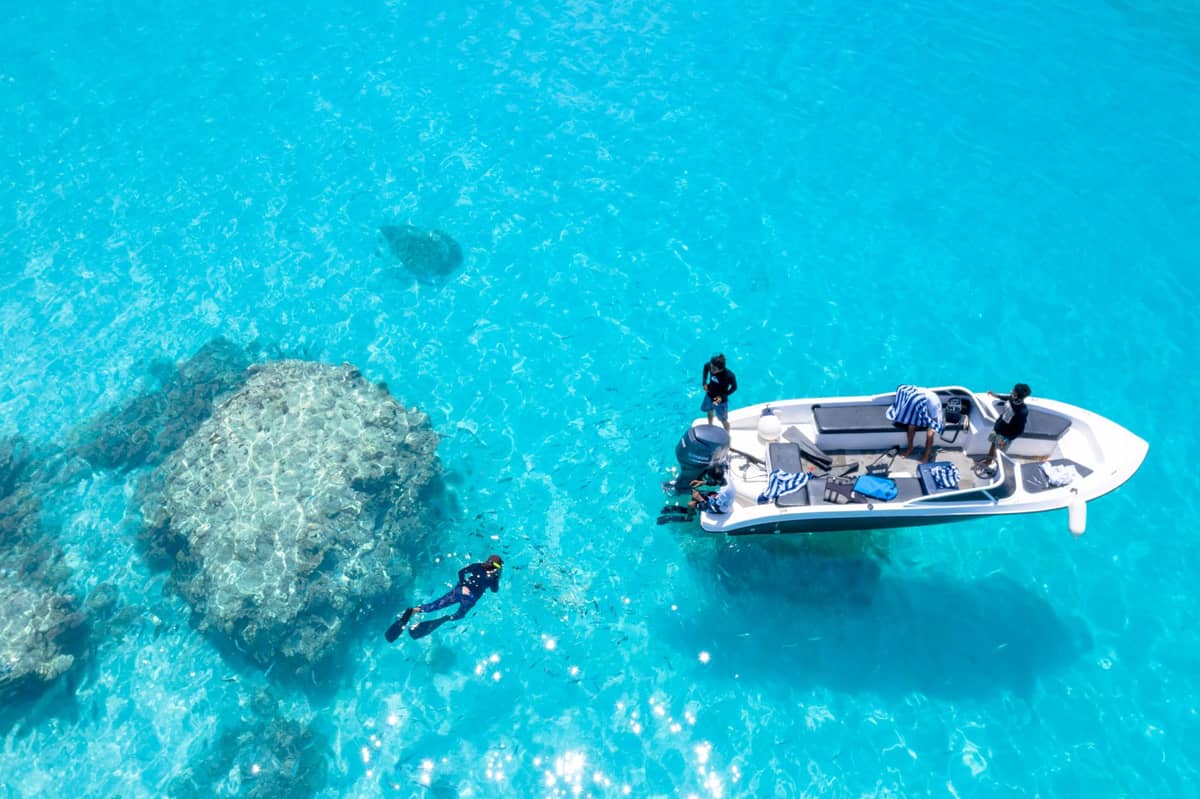
Zanzibar sits alongside some of the most significant coral ecosystems in the western Indian Ocean. Mnemba Atoll off the northeast coast is consistently rated among East Africa's best dive sites, with reef sharks, sea turtles, and dense fish life on walls that drop sharply from 15 to over 30 metres. Day trips to Mnemba depart from Matemwe and Nungwi; expect to pay around $50–80 per person for a snorkeling excursion, with diving costing more depending on certification requirements and equipment.
For a gentler introduction to the marine environment, Prison Island (formally Changuu Island) is a short boat ride from Stone Town and combines snorkeling on a modest patch reef with a visit to the island's giant Aldabra tortoises, some of which are over 100 years old. It is heavily visited, especially in the morning, so time your trip for late afternoon if crowds bother you. The full Zanzibar diving guide covers dive sites, operators, certification options, and the best conditions by season.
Dolphin watching around Kizimkazi in the south is one of the most searched activities on the island. The spinner and bottlenose dolphins that live in these waters are wild and unpredictable. Many operators use aggressive chase tactics that stress the animals. If you choose to go, pick an operator that follows responsible wildlife guidelines: no more than two boats near a pod, no entering the water when dolphins are clearly diving deep or fleeing. The experience varies enormously by day and season.
Culture and History Beyond Stone Town
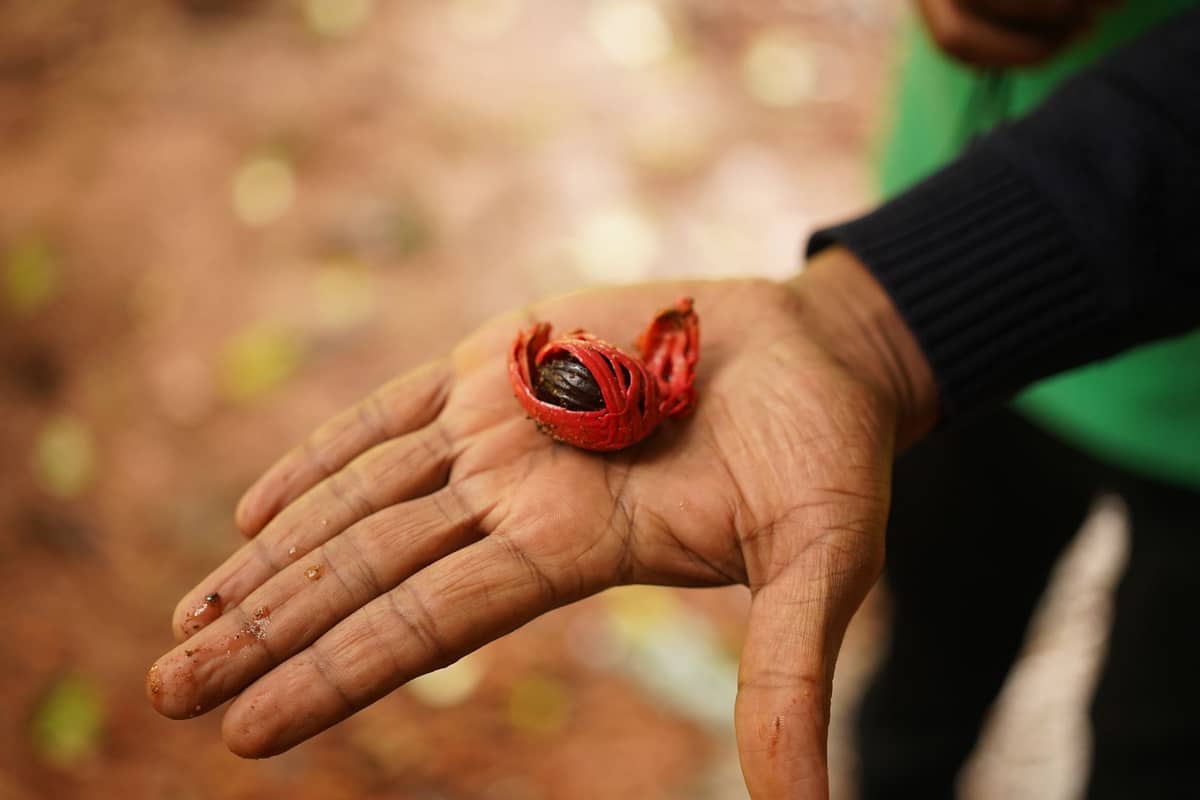
A half-day spice tour through the plantation farms in the island's central region is one of the most distinctive experiences Zanzibar offers. Zanzibar was historically known as the Spice Island, and cloves, vanilla, cinnamon, nutmeg, and black pepper are still grown here, albeit at smaller commercial scale than in the 19th century. The Kidichi Spice Farm is among the most visited, combining a spice walk with a tasting. For more context on the trade routes and cultural significance, the spice tour guide explains what to expect and how to avoid the rushed group-tour format.
Jozani Chwaka Bay National Park is the island's only national park and home to the endemic Red Colobus monkey, found nowhere else on earth. The forest walk takes around 45–60 minutes and is best done in early morning when the monkeys are active. Entry fees apply and support conservation. The park also includes mangrove boardwalks. If you are combining nature with beach time on the east coast, Jozani sits roughly in the middle of the island and is easy to build into a journey between Stone Town and the southeast beaches.
✨ Pro tip
The Zanzibar Butterfly Centre near Jozani is often missed by visitors rushing between Stone Town and the beaches. It is a small but genuinely worthwhile stop — a walk-through enclosure with dozens of tropical species and a breeding program that supports local conservation. Budget around 30 minutes and combine it with the Jozani forest visit.
Zanzibar's food scene deserves separate planning attention. The nightly market at Forodhani Gardens is the most accessible entry point, but the island's Swahili-Arab-Indian culinary blend goes much deeper. The Zanzibar food guide covers everything from pilau rice and urojo soup to the best hole-in-the-wall spots that most tourists never find.
Day Trips and Outer Islands
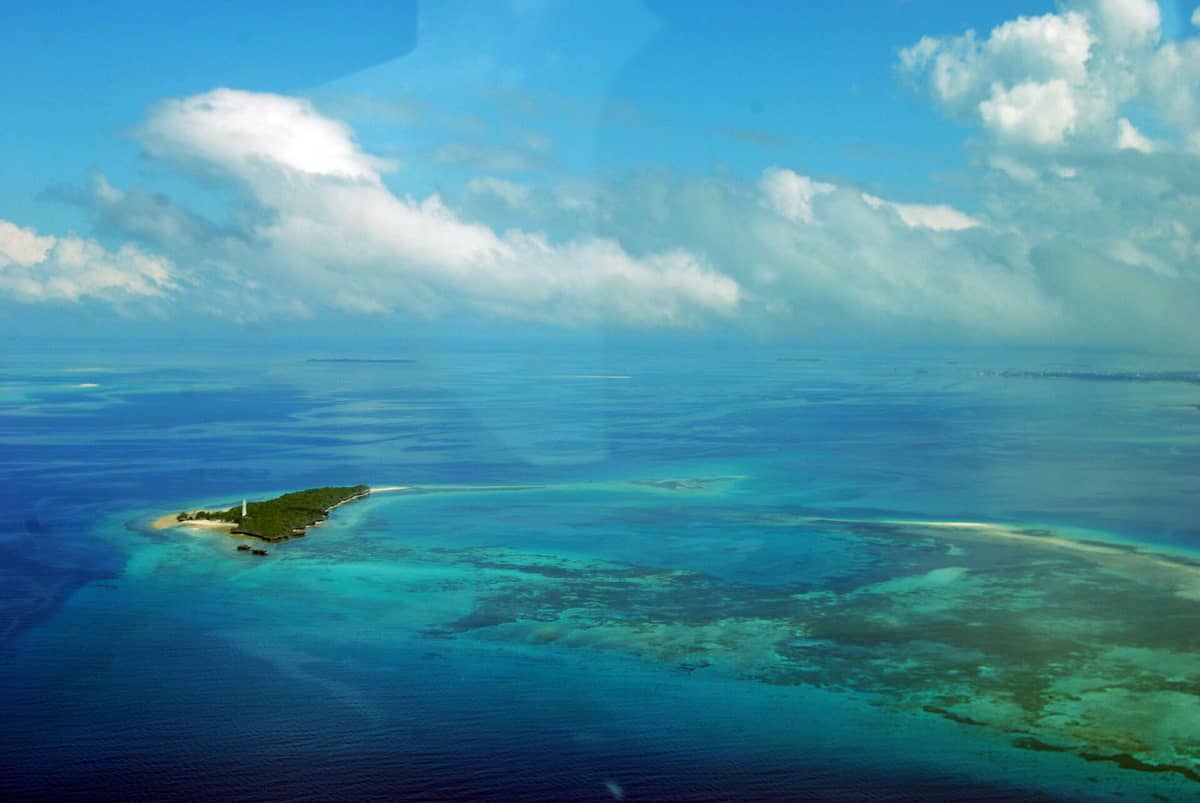
Several of the best experiences in the archipelago require leaving Unguja's main roads entirely. Chumbe Island Coral Park is a privately managed marine protected area about 12 kilometres south of Stone Town. The coral reef here is among the most pristine in East Africa, having been protected since 1994. Day trips include snorkeling, a forest walk, and lunch; numbers are limited so booking weeks in advance is advised. It is not cheap (expect around $100+ per person), but it is worth it for serious snorkelers or anyone who wants to understand what healthy reef ecology looks like.
The Nakupenda sandbank, a low strip of white sand that appears at low tide near Stone Town, makes for a photogenic half-day boat trip. It is extremely popular with day-trippers and can feel crowded at peak hours, but the turquoise water surrounding it is genuinely striking. For more ambitious day-trip options, the day trips from Zanzibar guide covers offshore islands, the Menai Bay area in the south, and logistics for getting between them.
- Book Chumbe Island at least 3–4 weeks ahead during peak season (July–August, December–January)
- Sandbank trips are tide-dependent — operators will advise on timing, but morning trips generally offer calmer seas
- Combine a Jozani forest visit with a southeast coast beach day; the park sits roughly halfway between Stone Town and Paje
- Dolphin trips from Kizimkazi work best at dawn, before the wind picks up and the seas get choppy
- The ferry from Dar es Salaam to Stone Town takes approximately 1 hour 20 minutes to 2 hours; one-way fares range from around $45 to $80 depending on class
Practical Planning: When to Go, Getting Around, and Costs
Timing your visit correctly makes a significant difference. June through October is the main dry season, with reliable sunshine and average daily temperatures around 25°C (77°F). July and August bring the highest visitor numbers, which means premium prices and more competition for boat trips, dive spots, and restaurant tables. If you want dry weather with fewer crowds, June and September–October are the sweet spots. For a detailed breakdown of conditions across the year, the best time to visit Zanzibar guide is worth reading before you book flights.
Getting around the island requires some planning. Dala-dala shared minibuses are the cheapest option and connect Stone Town to most areas, but they run on their own schedule, stop frequently, and are not comfortable for long journeys. Taxis and private transfers are considerably faster and more straightforward. Scooter and motorbike hire is widely available and gives the most flexibility for independent travelers, though road quality varies and the island drives on the left. For a full breakdown of options including costs and routes, see the getting around Zanzibar guide. From the airport to Stone Town, budget $10–15 for a taxi; agree the fare before you get in.
Zanzibar can be done on a budget or with significant comfort spending, but the gap between the two experiences is wide. The Zanzibar budget guide gives honest numbers for accommodation, food, and activities at different spending levels. The currency is the Tanzanian shilling (TZS), though US dollars are widely accepted in tourist-facing businesses. Smaller local restaurants and dala-dalas will expect shillings.
FAQ
How many days do you need in Zanzibar?
Most visitors find that 5–7 days allows a reasonable balance of Stone Town exploration, beach time, and at least one or two activity days (diving, spice tour, Jozani forest). Three days is enough for a focused beach trip with a half-day in Stone Town, but you will feel rushed. Ten days or more gives you time to explore the southeast and north coasts separately and add day trips to Chumbe or the Menai Bay area.
Is Zanzibar safe for tourists?
Zanzibar is generally considered safe for tourists, with petty theft being the most common concern in Stone Town's busier areas. Avoid walking alone on beaches at night, keep valuables out of sight, and use established taxi operators rather than accepting unsolicited offers. Women traveling solo should be aware that Zanzibar is a predominantly Muslim community with conservative dress expectations, particularly away from beach resort areas.
What is the best area to stay in Zanzibar?
Stone Town is best for history, culture, and a central base. The north coast (Nungwi, Kendwa) suits beach-first travelers who want consistent swimming and easy access to dive operators. The southeast coast (Paje, Jambiani) is quieter and better suited to kitesurfers and travelers seeking a slower pace. Your choice should depend on what you plan to do most, since the island is small enough to day-trip between areas but large enough that moving base is worth the effort for a week-long stay.
Do you need a visa to visit Zanzibar?
Entry requirements depend on your nationality and apply at the Tanzanian level, since Zanzibar is a semi-autonomous part of Tanzania. Many nationalities can obtain a visa on arrival or e-visa. Requirements and fees change, so check current official Tanzanian immigration guidance before booking travel rather than relying on third-party sources.
What are the most overrated things to do in Zanzibar?
The dolphin tours at Kizimkazi receive heavy criticism for the boat chase tactics used by many operators, which stress wild dolphins and deliver an unreliable experience. Prison Island is pleasant but extremely crowded in the morning; the reef snorkeling there is mediocre compared to Mnemba Atoll. And some of the spice farm tours operate more like performance showcases for groups than genuine agricultural experiences — choosing a smaller, slower-paced operator makes a real difference.
Tickets & tours
Live prices and dates from our booking partner. If you book, we may earn a commission at no extra cost to you.
Planning a trip? Discover personalized activities with the Nomado app.