Zanzibar Food Guide: What to Eat on the Spice Island
Zanzibar's cuisine is one of the most distinctive in East Africa, shaped by centuries of Arab, Indian, and Swahili influence. This guide covers the dishes worth seeking out, where to eat them, what to pay, and a few traps to avoid.
Tickets & tours
Live prices and dates from our booking partner. If you book, we may earn a commission at no extra cost to you.
TL;DR
- Zanzibar food is built around spices, coconut, and fresh seafood. The island's cooking tradition draws from Swahili, Arab, and Indian influences — learn more in our guide to Swahili culture in Zanzibar.
- The unmissable street foods are Zanzibar pizza (a griddle-folded dough, nothing like Italian pizza), urojo (a tangy tamarind soup), and mishkaki (spiced grilled skewers).
- Forodhani Gardens in Stone Town is the best single spot for street food — vendors set up from around 6 p.m. See our Forodhani Gardens guide for what to expect.
- Budget for roughly TSh 3,000–5,000 per Zanzibar pizza and TSh 2,000–4,000 per meat skewer. Always confirm prices before ordering.
- Choose food cooked fresh in front of you. Pre-prepared seafood left sitting out in the heat is a real concern.
Why Zanzibar Food Is Different
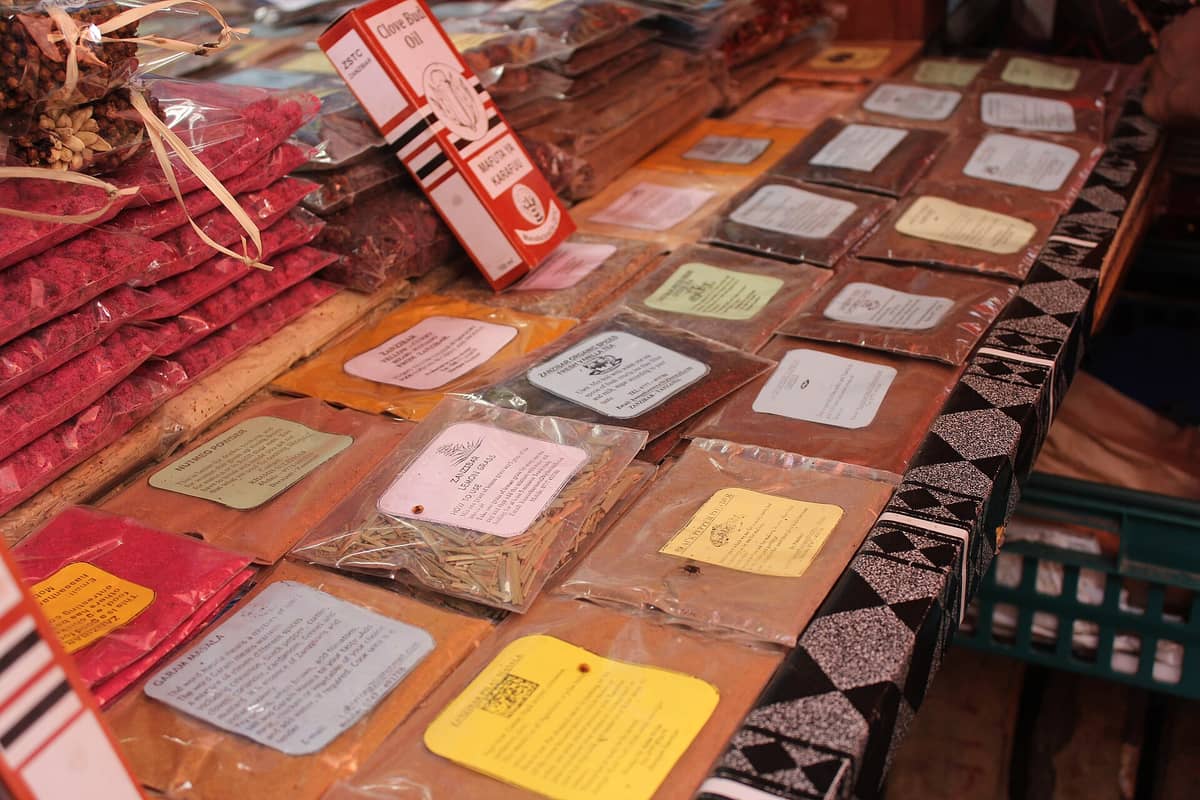
Zanzibar sits at the confluence of centuries of trade routes. Arab merchants, Indian traders, Portuguese colonisers, and East African coastal communities all left a mark on what people eat here. The result is a cuisine that does not fit neatly into any single category. You will find cardamom-heavy biryanis sitting alongside coconut-laced fish curries and tamarind-spiked street soups, often at the same market stall.
The spice connection is real, not just a tourism tagline. Zanzibar was once the world's leading producer of cloves, and the island still grows vanilla, cinnamon, turmeric, and black pepper. These are not background flavors here — they define the food. Taking a spice tour before eating your way around the island gives you a much better frame of reference for what lands on your plate.
Because Zanzibar is predominantly Muslim, pork is not on the menu in most local restaurants, and alcohol is served mainly in tourist-facing establishments. This shapes the street food scene significantly: the flavors lean toward aromatic spice blends, fresh citrus, and tamarind rather than fermented or cured preparations.
The Dishes You Should Actually Seek Out
A few dishes come up on every Zanzibar food list, and for good reason. These are the ones that genuinely represent the island's culinary identity rather than just its tourist economy.
- Zanzibar Pizza Nothing like Italian pizza. It is a thin dough folded around a filling of egg, minced meat, vegetables, or cheese (sometimes all of them), then cooked flat on a griddle with butter. Sweet versions come with Nutella or banana. At Forodhani, expect to pay around TSh 3,000–5,000 depending on the filling. Always watch it made in front of you.
- Urojo (Zanzibar Mix) A tangy, turmeric-yellow soup made with tamarind and coconut, loaded with bhajia (lentil fritters), potato, boiled egg, cassava, and chilli. It sounds chaotic but it works. This is one of the most genuinely local things you can eat in Stone Town.
- Mishkaki Spiced beef or chicken skewers grilled over charcoal. The marinade typically includes garlic, cumin, and chilli. At Forodhani, skewers run around TSh 2,000–4,000 each. The lobster and prawns at the same market are significantly more expensive — get prices upfront.
- Pilau and Biryani Both are spiced rice dishes common across the island. Pilau is cooked with whole spices (cloves, cardamom, cinnamon) and usually served with meat. Biryani here carries a distinctly Zanzibari-Arab spice profile. Both appear at local restaurants for a fraction of what similar dishes cost in tourist spots.
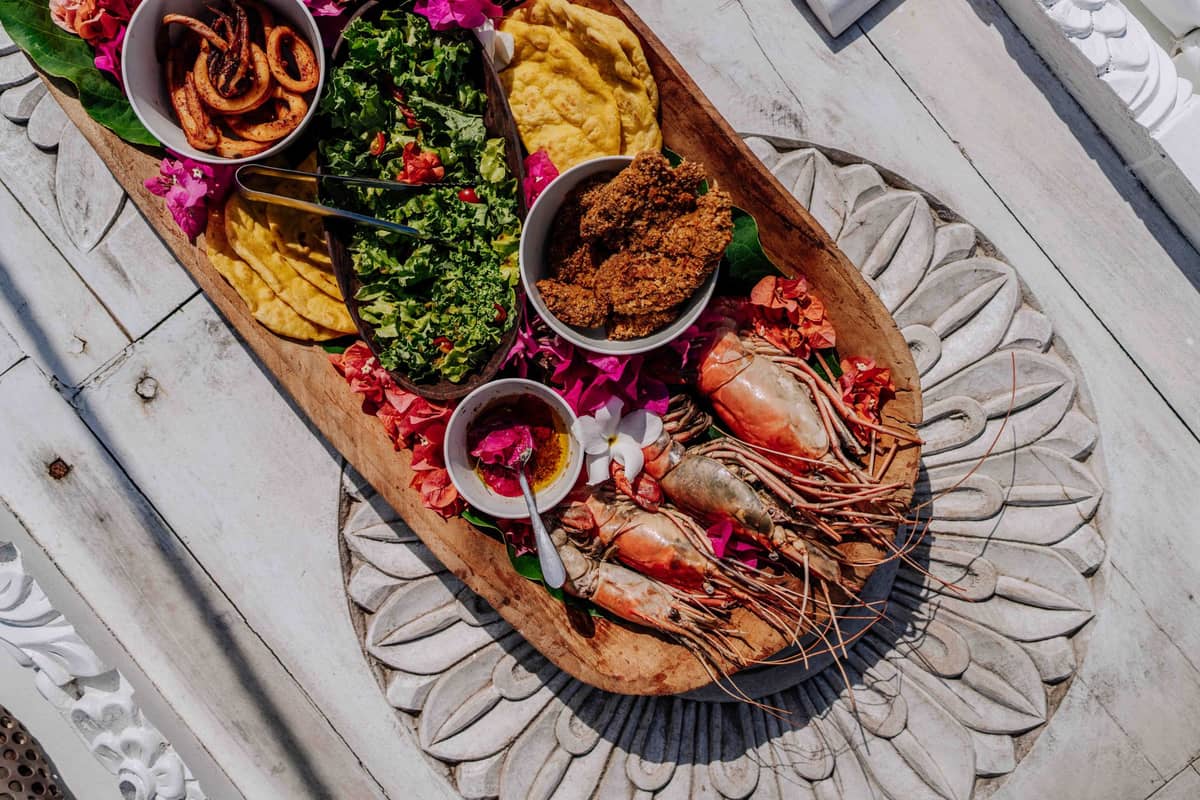
- Grilled Seafood Caught locally and cooked to order, grilled octopus, kingfish, and red snapper are the reliable choices. Coconut-based curries are the other dominant preparation. Along the coast in areas like Nungwi and Jambiani, guesthouses and beach restaurants often grill the day's catch in the evening.
- Sugarcane Juice Pressed fresh from the cane, sometimes with a squeeze of lime. At Forodhani, this runs about TSh 1,000–2,000. It is the sensible drink choice at an outdoor night market in a tropical climate.
⚠️ What to skip
Zanzibar pizza is frequently described as a 'must-try street food' across travel blogs, which has turned some vendors into tourist-price traps. The food itself is excellent — just confirm the price before the dough hits the griddle.
Forodhani Gardens: The Night Market Explained
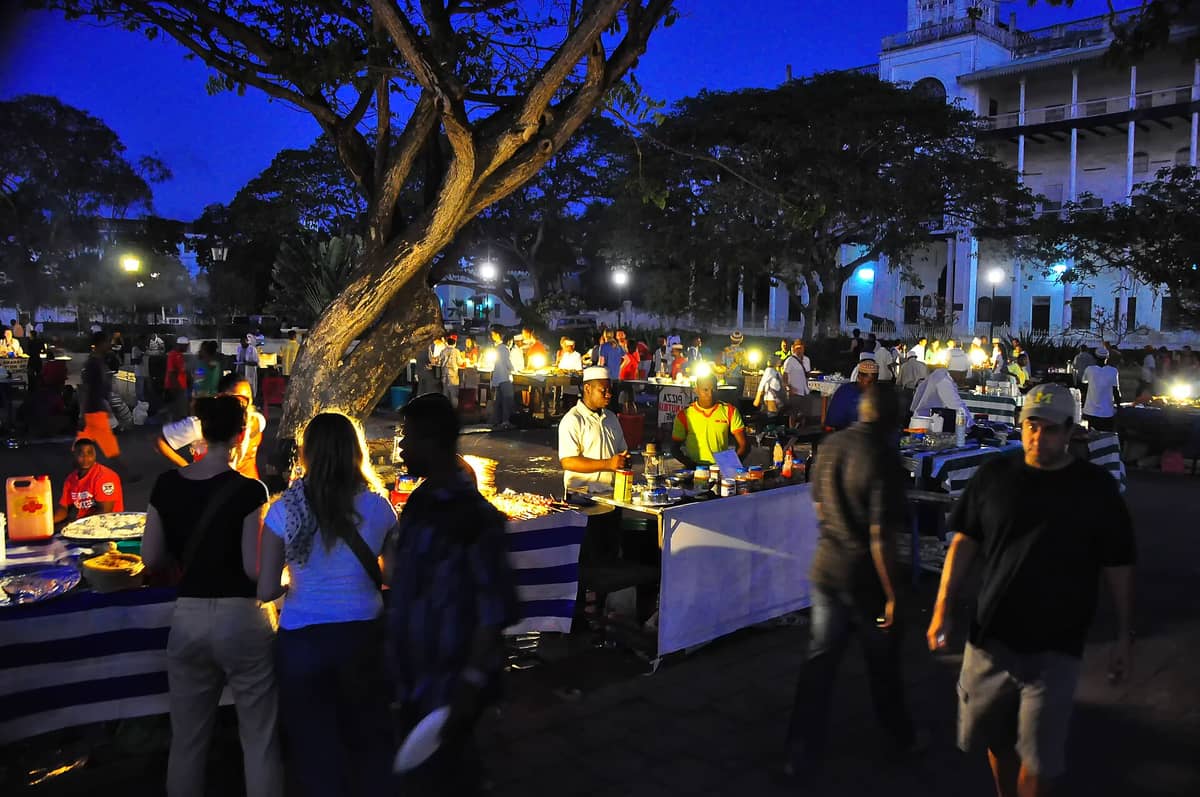
Forodhani Gardens is a waterfront square in Stone Town that transforms into an open-air food market every evening. Vendors begin setting up around 6 p.m. and trading typically continues into the late evening, though individual stalls close at different times and there is no fixed official schedule. The market operates year-round, including during the rainy season, though seafood availability can be more limited depending on fishing conditions.
Forodhani is genuinely worth visiting, but go in with realistic expectations. It is one of the most photographed spots in Zanzibar, and vendors know it. Prices are not posted, are not standardised, and can be higher than what locals pay at nearby lunch spots. Treat it as an experience rather than a budget meal option. The urojo, Zanzibar pizza, and sugarcane juice are the best value; the lobster and large seafood platters are where costs climb sharply.
✨ Pro tip
Arrive at Forodhani early — around 6:30 p.m. — before the evening tour groups descend. You will get fresher food, more vendor attention, and an easier time negotiating a fair price. By 8 p.m. it is considerably more chaotic and prices tend to drift upward.
Where to Eat Beyond the Night Market
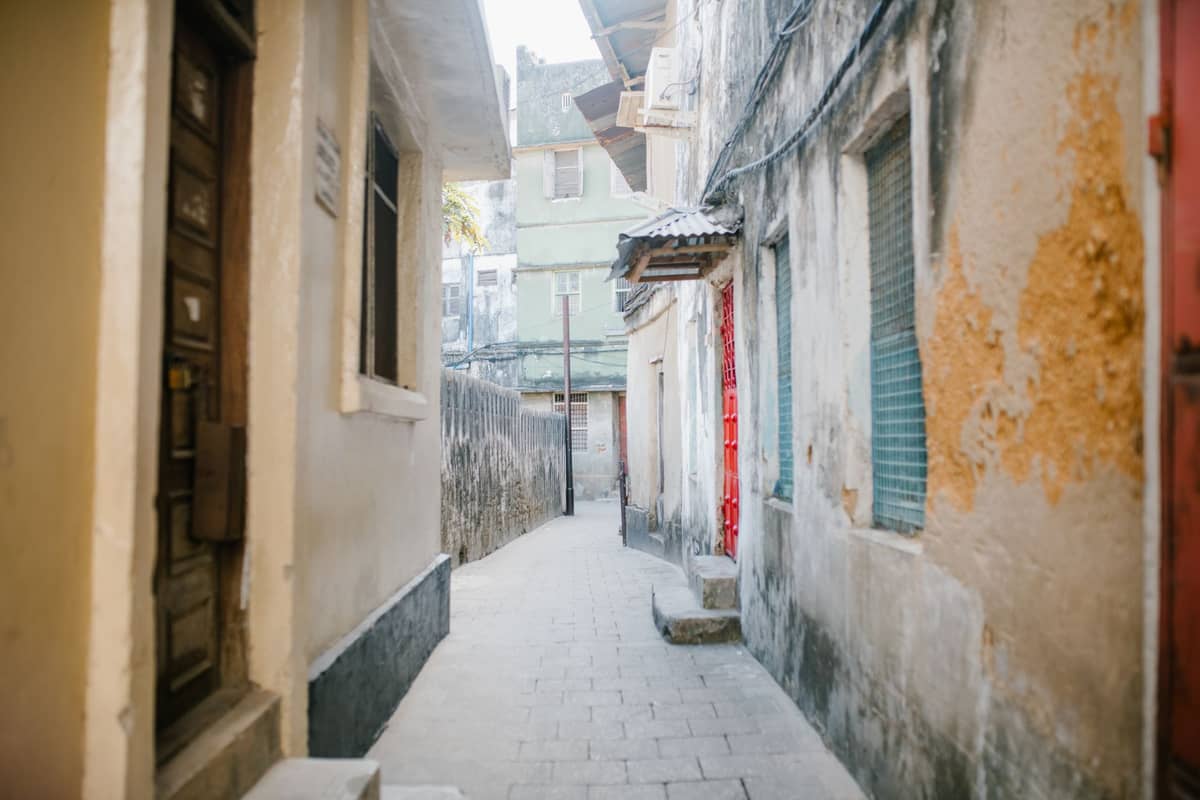
Stone Town has a concentrated restaurant scene, and the gap in quality between a good local spot and a mediocre tourist restaurant is significant. The rooftop and seafront restaurants along the waterfront tend to charge for the view as much as the food. For better value, walk a few blocks inland toward the Old Fort area or explore the lanes around Darajani Market.
Along the east and north coasts, the food scene is more dispersed. In Nungwi and Kendwa, beach restaurants serve fresh grilled fish in the evenings, and the quality is generally high because the supply chain is short. In Paje and Jambiani on the southeast coast, small local guesthouses often produce some of the best home-style Zanzibari cooking on the island. These are not restaurants with menus — they cook what is fresh that day, and you eat what arrives.
One genuinely exceptional dining experience worth singling out is The Rock Restaurant, built on a coral rock just offshore near Michamvi on the east coast. It is famous for good reason, but reservations are essential and prices are firmly in the upper tier. It is not an everyday meal option, but it is a legitimate special-occasion choice rather than just a photogenic tourist trap.
- Stone Town local lunch spots: Look for Swahili kitchens serving rice, lentils, and curried vegetables in the streets around Darajani Market. These are typically open from mid-morning through early afternoon and charge a fraction of waterfront prices.
- Guesthouse cooking: Along the southeast coast particularly, guesthouses run by local families often prepare the day's menu based on market availability. Ask about dinner when you check in.
- Beach barbecues: In the north (Nungwi, Kendwa) evening barbecues with freshly caught fish are a reliable fixture. The quality varies but the setting is hard to fault.
- Upscale resorts: Many all-inclusive resorts have skilled kitchens, but the menus are often internationally oriented. If you stay at one, make at least a couple of trips out for local food.
💡 Local tip
At Darajani Market in Stone Town, the ground floor sells fresh produce, spices, and fish. Eating near the market rather than at it gives you the best prices on the island for a proper sit-down Swahili meal.
Food Safety and Practical Eating Advice
Street food safety in Zanzibar follows the same logic as anywhere with a hot climate: prioritise food cooked to order directly in front of you, and be cautious with anything that has been sitting out. Pre-prepared seafood is the main concern, particularly at busy markets where display platters can sit in the heat for extended periods. If a vendor is cooking fresh per order, the risk drops significantly.
Tap water in Zanzibar is generally considered unsafe to drink; bottled water is widely available and inexpensive. Ice in drinks at established restaurants is usually made from filtered or bottled water, but it is worth asking at street stalls. Fresh coconut water, sold directly from the coconut, is both safe and excellent.
If you are planning a more active trip that involves multiple parts of the island, understanding how to get between food destinations matters. Our guide to getting around Zanzibar covers transport options between Stone Town and the coastal areas where the best local restaurants are found.
Budget Expectations for Food in Zanzibar
Zanzibar has a wide price spread depending on where and what you eat. A full day of local food, including street snacks and a sit-down lunch, can cost under $5 USD if you eat where locals eat. Seafood restaurants targeting tourists can push a single dinner to $40–60 per person. For a realistic breakdown of how food costs fit into your overall spend, the Zanzibar budget guide is worth reading before you arrive.
- Urojo or pilau at a local kitchen: around TSh 3,000–6,000 (under $2 USD)
- Zanzibar pizza at Forodhani: TSh 3,000–5,000 depending on filling
- Mishkaki (meat skewer): TSh 2,000–4,000 each
- Sugarcane juice: TSh 1,000–2,000
- Mid-range restaurant meal with seafood: $10–20 USD per person
- Upscale seafront restaurant: $30–60 USD per person including drinks
Prices at all tourist-facing venues are quoted in USD as often as Tanzanian shillings. Both currencies are accepted widely. If you are paying in USD, small bills are useful since change is often given in shillings at an unfavorable rate. Confirm prices in whichever currency you intend to pay before ordering.
FAQ
What is Zanzibar food like?
Zanzibar food is a blend of Swahili, Arab, and Indian cooking traditions, built around fresh seafood, coconut, and aromatic spices like cloves, cardamom, and cinnamon. Grilled fish and octopus, spiced rice dishes like pilau and biryani, and street foods like Zanzibar pizza and urojo (a tamarind-based soup) are all central to the local diet.
What should I eat at Forodhani Gardens?
The best value options at Forodhani are Zanzibar pizza, urojo (Zanzibar mix soup), mishkaki (grilled meat skewers), and sugarcane juice. Lobster and large seafood platters are available but significantly more expensive — always confirm the price before ordering. Arrive around 6:30 p.m. for the freshest food and fewer crowds.
Is street food in Zanzibar safe to eat?
It can be, with some care. Choose food cooked fresh to order directly in front of you rather than pre-prepared items sitting out in the heat. Pre-prepared seafood left on display is the main risk. Cooked-to-order dishes at Forodhani and local kitchens are generally safe. Avoid tap water and use bottled water or fresh coconut water instead.
Are there vegetarian options in Zanzibar?
Yes, more than many visitors expect. Urojo can be ordered without meat, bhajia (lentil fritters), cassava, and spiced rice dishes are all vegetarian, and Indian-influenced restaurants in Stone Town serve dal and vegetable curries. That said, many dishes are cooked in stock or served alongside meat by default, so it is worth specifying your requirements when ordering.
Where is the best place to eat local food in Zanzibar?
For a single location, Stone Town has the most concentrated mix of street food and local restaurants. The area around Darajani Market and the lanes inland from the waterfront offer the most authentic and affordable options. Outside Stone Town, small guesthouses on the southeast coast (particularly around Jambiani) often serve excellent home-style Swahili cooking based on whatever is fresh that day.
Tickets & tours
Live prices and dates from our booking partner. If you book, we may earn a commission at no extra cost to you.
Planning a trip? Discover personalized activities with the Nomado app.