Zanzibar Culture Guide: Swahili Traditions, Customs & Etiquette
Zanzibar's culture is one of the most layered in East Africa, shaped by centuries of Arab, Persian, Indian, and African exchange along the Swahili coast. This guide covers what to wear, how to behave, when to visit, and what most tourists overlook about life here.
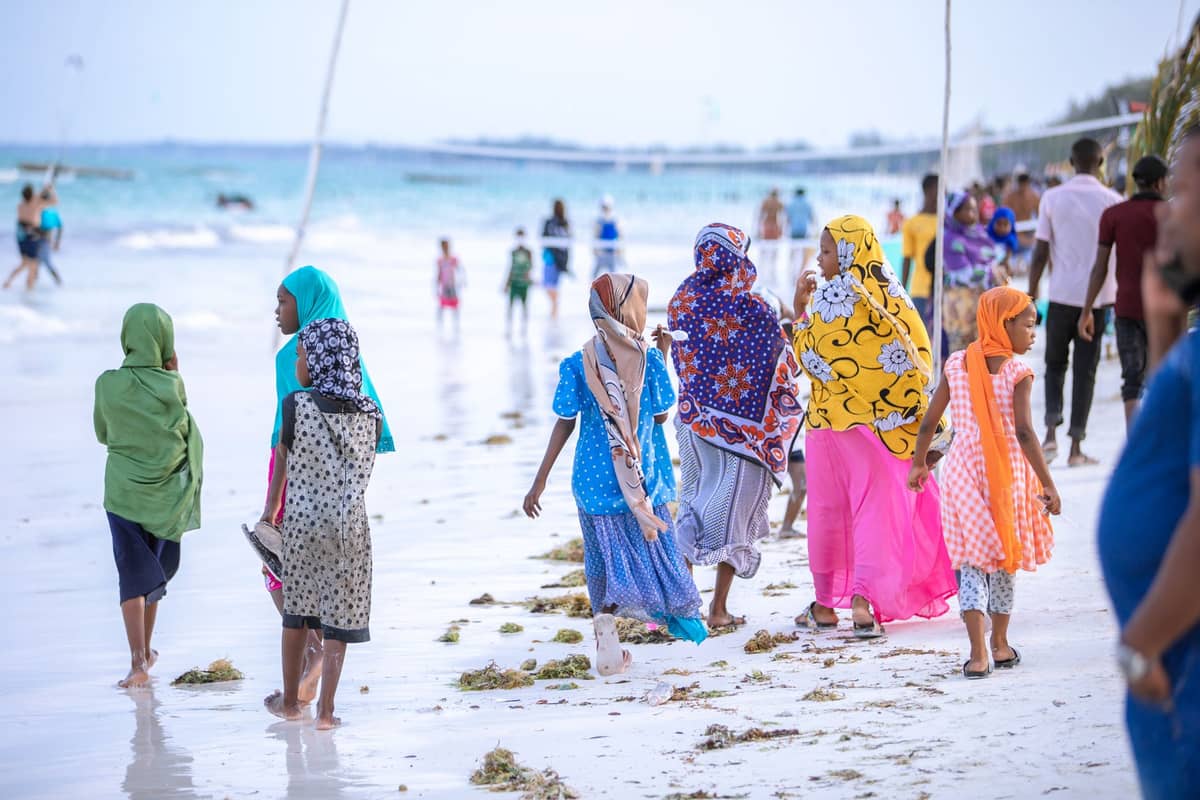
Tickets & tours
Live prices and dates from our booking partner. If you book, we may earn a commission at no extra cost to you.
TL;DR
- Zanzibar's culture is Swahili coastal, not simply Arab or African. UNESCO recognizes Stone Town as a product of centuries of multicultural trade and exchange.
- Dress modestly outside of beach areas: cover shoulders and knees in Stone Town and villages, regardless of your gender.
- During Ramadan, avoid eating or drinking in public during daylight hours. Some restaurants will close or reduce service.
- Swahili is the official language. Learning a few basic phrases earns genuine goodwill.
- Always ask before photographing people. Check our Stone Town walking guide for neighborhood-specific advice.
Understanding Swahili Culture: More Than One Influence
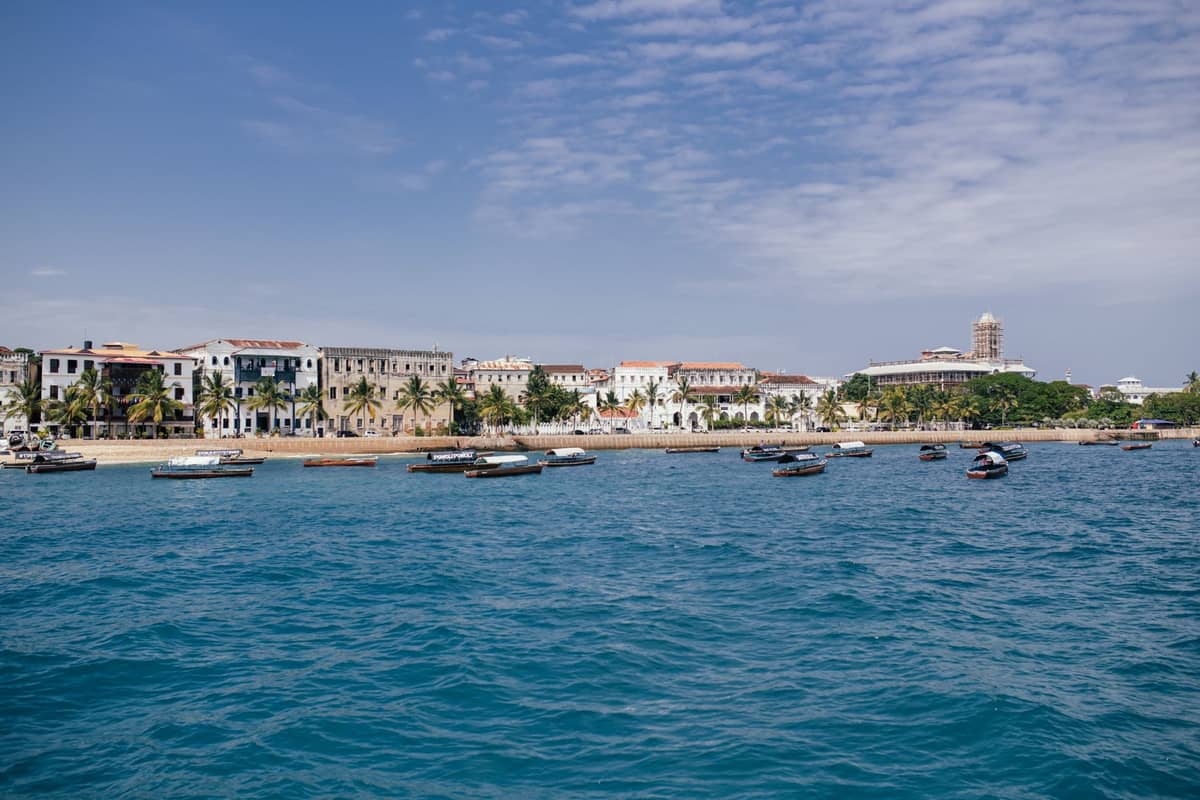
One of the most common mistakes visitors make is expecting Zanzibar's culture to fit a single narrative. It does not. The Swahili culture of the archipelago is the product of at least a thousand years of Indian Ocean trade, layering Arab, Persian, South Asian, and Bantu African influences into something genuinely distinct. UNESCO recognized this complexity when it included Stone Town in the World Heritage List, describing it as an outstanding example of a Swahili coastal trading town that reflects this long-standing cultural exchange.
This matters practically for how you engage with the island. The carved wooden doors in Stone Town's famous doorways show Indian, Arab, and African motifs combined in a single frame. The food blends coconut milk with spices that once passed through Zanzibar on their way to Europe. The call to prayer echoes through the same alleyways where Hindu traders once kept warehouses. Approaching the culture as a layered conversation rather than a monolith changes the quality of your experience significantly.
ℹ️ Good to know
Swahili is spoken across East Africa, but Zanzibar's dialect, known as Kiunguja, is considered the prestige form and served as the basis for standardized Swahili. When Zanzibaris notice you attempting even basic phrases, the response is almost universally warm.
Dress Code and Modesty: What to Wear and Where
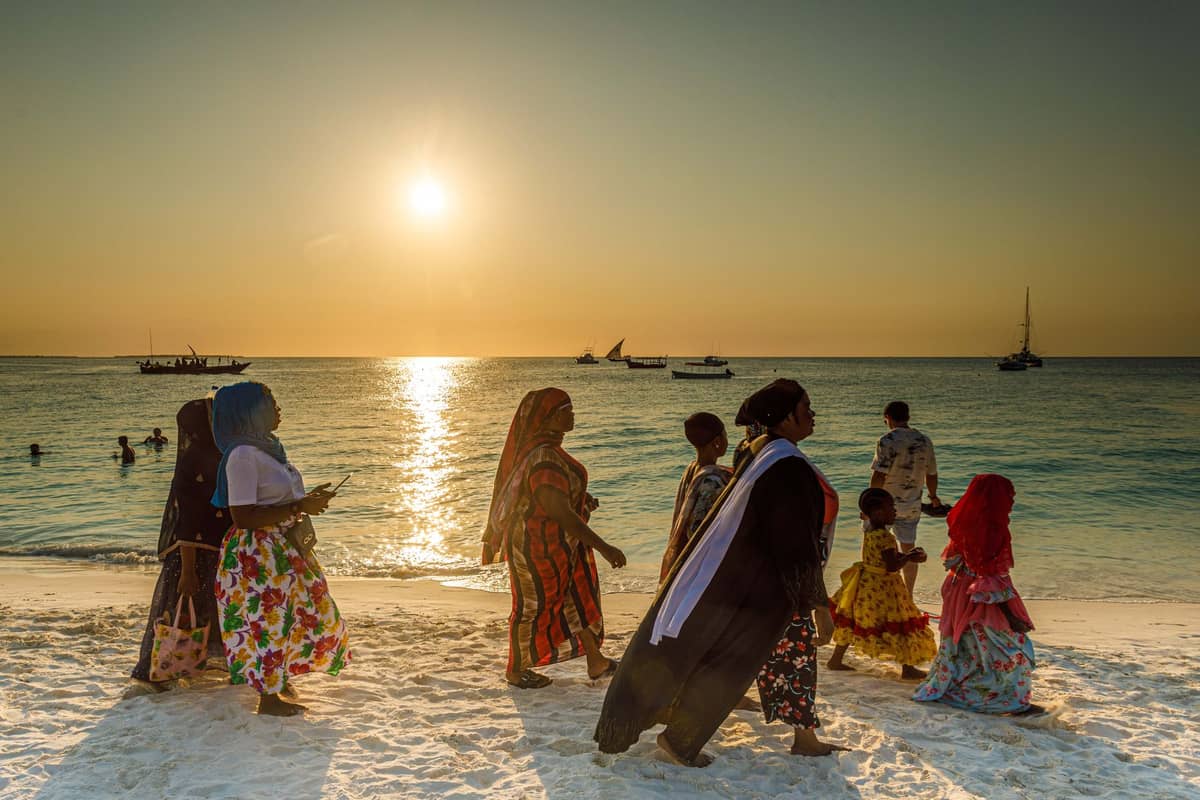
Zanzibar's dress expectations are real, enforced socially, and easy to follow with a small amount of planning. The general rule: cover shoulders and knees whenever you are outside of a beach or resort setting. This applies to Stone Town, local markets, villages, and religious sites. Beachwear stays at the beach. Arriving at the Darajani market or walking through Stone Town's old quarter in a bikini top will cause genuine offense and may invite unwanted attention.
- Stone Town and markets Loose trousers or a long skirt plus a top covering the shoulders. Light cotton works well in the heat.
- Villages and rural areas Err on the side of conservative. Long sleeves are appreciated, particularly for women.
- Mosques and religious sites Remove shoes before entering. Women should cover their hair if entering active prayer spaces. Non-Muslims may not be permitted inside during prayers.
- Beach resorts and beach areas Swimwear is acceptable. However, walking through a fishing village in beachwear on the way to the water is considered disrespectful.
- Evenings out in Stone Town Smart casual is fine. The standard loosens somewhat after dark in tourist-facing restaurants, but modesty is still appreciated.
⚠️ What to skip
Lightweight sarongs (known locally as kanga) are sold cheaply in Stone Town's markets and solve the modesty problem elegantly. Keep one in your bag when visiting beaches that border fishing communities. Kanga also make practical and culturally appropriate souvenirs.
Religion and Daily Life: Islam in Practice
The majority of Zanzibar's population is Muslim, and Islam shapes the rhythm of daily life in ways that visitors will notice within hours of arrival. The adhan (call to prayer) sounds five times a day from mosques throughout Stone Town and across the island. Friday midday prayers are particularly significant, and some businesses will close or reduce hours on Friday afternoons. Planning your itinerary around this avoids frustration.
Ramadan is the period that most affects visitors. Dates shift each year according to the lunar calendar, so check before you travel. During daylight fasting hours, eating, drinking, or smoking in public is considered disrespectful and, in some contexts, may attract legal attention. Many local restaurants will close during the day or operate with limited menus. Tourist-facing restaurants in resort areas are usually an exception, but be discreet. The atmosphere after sunset changes significantly: the streets come alive, food stalls appear near the waterfront, and the social energy is worth experiencing if your timing allows.
💡 Local tip
Visiting during Ramadan is not a bad experience, but it requires flexibility. If you arrive during this period, ask your accommodation what is open locally. The post-sunset Iftar atmosphere near Forodhani Gardens is a cultural experience in itself.
It is also worth understanding that Zanzibar's history includes a dark chapter that intersects directly with its religious and cultural heritage. Zanzibar's role in the East African slave trade is documented at the slave trade museum and the Anglican Cathedral built on the site of the former slave market. Engaging with this history respectfully, rather than treating it as a checkbox on a tour, reflects well on visitors and acknowledges the complexity of the island's past.
Festivals and Cultural Events Worth Planning Around
Zanzibar has a calendar of cultural events that most package tourists miss entirely. The most distinctive is Mwaka Kogwa, a Shirazi New Year festival held annually in Makunduchi in the south of Unguja, typically in late July. The celebrations involve ritual mock-fights, music, and communal gatherings that reflect the pre-Islamic Persian heritage absorbed into Zanzibari culture centuries ago. It is one of the few events that shows how layered the cultural inheritance here really is. It follows the Shirazi solar new year and is typically held in late July; confirm exact dates locally before building your trip around it.
The Sauti za Busara music festival, held annually in Stone Town in February, is another significant event. It draws artists from across Africa and the diaspora and is genuinely beloved locally, not just a tourist production. Accommodation books up quickly around this period. The Sauti za Busara festival is a good anchor for a trip that combines culture, music, and the cooler shoulder-season weather of February.
- Mwaka Kogwa (late July): Shirazi New Year in Makunduchi. Ritual, music, and traditional ceremony.
- Sauti za Busara (February): Pan-African music festival in Stone Town's Old Fort.
- Ramadan: Not a festival, but the month reshapes daily life across the island. Dates shift annually.
- Eid al-Fitr and Eid al-Adha: Major celebrations with prayer gatherings and family events. Expect reduced business hours.
Social Customs and Practical Etiquette
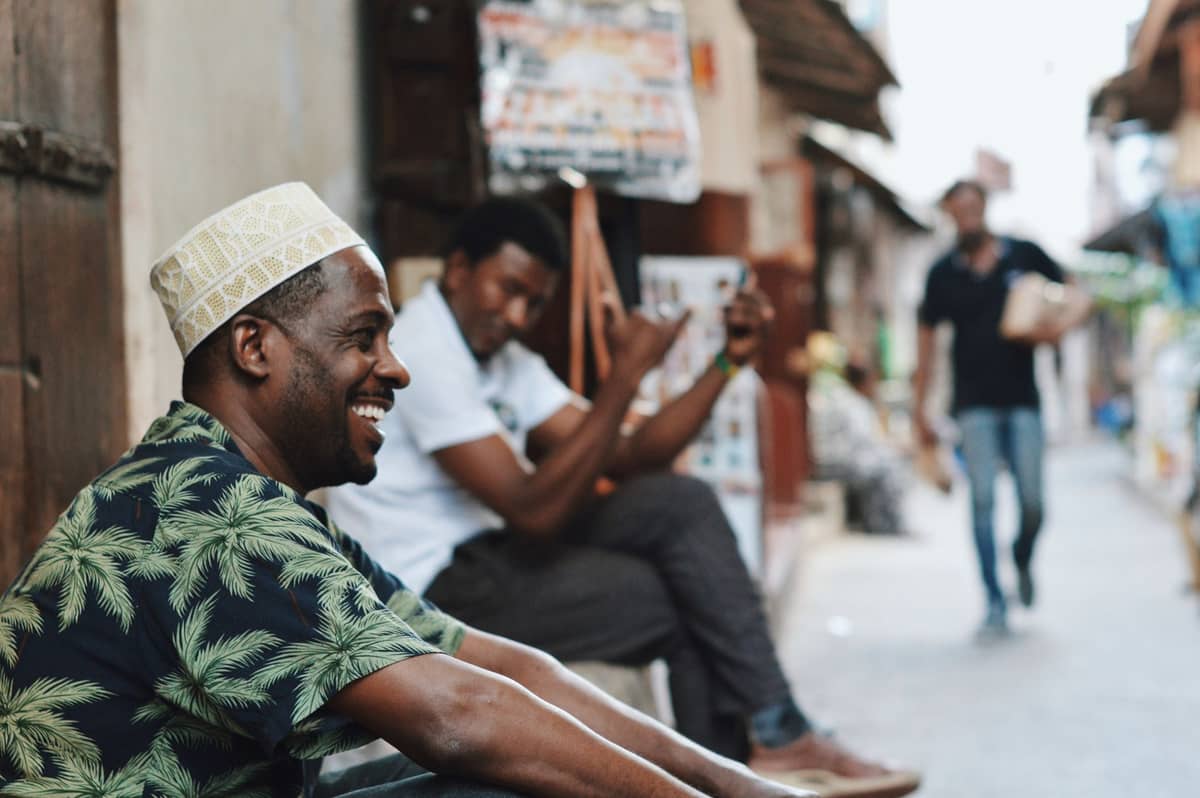
Greetings carry real weight in Zanzibari social culture. The standard Swahili greeting, 'Jambo' or the more respectful 'Hujambo', followed by 'Habari' (how are things?) signals basic courtesy. Older community members are typically greeted first. Rushing past without acknowledgment is considered brusque. In a culture where relationship and respect underpin most interactions, slowing down and greeting people properly opens doors that money alone does not.
Photography is an area where tourists routinely cause offense without realizing it. Pointing a camera at someone without asking is intrusive, regardless of how open a place feels. This is particularly true in local markets, near the waterfront fishing communities, and in residential parts of Stone Town. Ask permission, accept a refusal gracefully, and if someone poses for a photo, showing them the image on your screen afterward is universally appreciated.
Bargaining is expected in markets, but there is a line between negotiating and being dismissive of someone's livelihood. At the Darajani Market, which is Stone Town's main daily market, prices for produce are generally fixed and not negotiated. Souvenir and craft stalls are different: a counter-offer around 60-70% of the opening price is normal. Aggressive lowballing in a place where margins are thin is bad form.
✨ Pro tip
The phrase 'Asante sana' (thank you very much) goes a long way. So does 'Samahani' (excuse me / sorry). Learning five or six Swahili phrases before you arrive will change how locals interact with you throughout the trip.
Cultural Experiences Worth Seeking Out
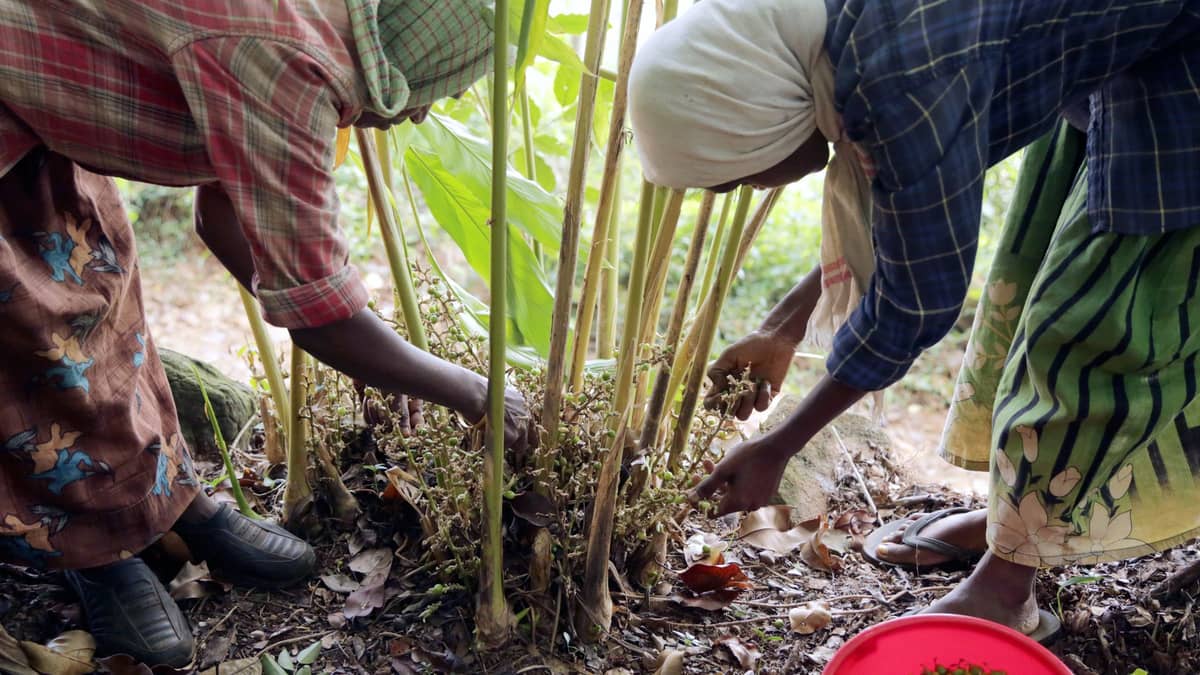
Beyond the standard itinerary, Zanzibar offers cultural experiences that reward curiosity. A spice tour is often marketed as a tourist activity, but the best versions are genuinely educational: a working farm where a knowledgeable guide connects the spices you smell with the trade routes that made Zanzibar a global destination centuries ago. Avoid the roadside version and ask your accommodation to recommend a reputable operator.
Stone Town itself is a living cultural artifact. The Stone Town walking guide covers the architectural detail, but the cultural value lies in wandering without a rigid agenda. The coffee vendors at Jaws Corner, where old men gather to play bao and drink spiced kahawa coffee, represent a social ritual that has continued for generations. Sitting down, ordering a small cup, and watching the game unfold is free, non-intrusive, and far more revealing than any guided tour.
For visitors specifically interested in the layers of Zanzibar's history, the Slave Trade Museum and the Hamamni Persian Baths represent two very different threads of the same complex past. The baths, built in the 19th century by Sultan Barghash, show the Persian architectural influence absorbed into Zanzibari identity. Both sites are within walking distance in Stone Town and are best visited with some background reading rather than cold.
FAQ
Do I need to cover up in Zanzibar as a tourist?
Yes, outside of beach areas. Cover your shoulders and knees in Stone Town, villages, markets, and religious sites. Beachwear is appropriate on the beach and within resort grounds, but walking through a local community in swimwear causes genuine offense. A lightweight kanga (sarong) from a local market is a practical solution.
Is it safe to visit Zanzibar during Ramadan?
Yes, but it requires some adjustment. During daylight hours, avoid eating, drinking, or smoking in public. Some local restaurants will close during the day. Tourist-facing establishments in resort areas usually remain open. The atmosphere after sunset is lively and worth experiencing. Check the Ramadan dates for your travel year, as they shift annually with the lunar calendar.
What are the most important etiquette rules for visiting Stone Town?
Dress modestly (shoulders and knees covered), greet people before asking for anything, ask permission before taking photographs, and avoid pointing your camera at people without consent. Remove shoes before entering mosques. Bargaining is acceptable in souvenir markets but not in the fresh produce sections of local markets.
What language do people speak in Zanzibar?
Swahili (specifically the Kiunguja dialect) is the official and widely spoken language. English is understood in most tourist-facing businesses and by younger Zanzibaris in Stone Town. Arabic is used in some religious and community contexts. Learning basic Swahili phrases is appreciated and will noticeably improve how locals engage with you.
What cultural festivals happen in Zanzibar?
The two most significant are Mwaka Kogwa, a Shirazi New Year festival held in Makunduchi in late July, and the Sauti za Busara music festival in Stone Town in February. Eid al-Fitr and Eid al-Adha are also major events that reshape daily life across the island. Confirm dates locally before planning your trip around any of these events.
Tickets & tours
Live prices and dates from our booking partner. If you book, we may earn a commission at no extra cost to you.
Planning a trip? Discover personalized activities with the Nomado app.