Is Zanzibar Safe? What Tourists Actually Need to Know
Zanzibar attracts hundreds of thousands of visitors each year, and most have uneventful trips. But the island has real risks that travel blogs often downplay. This guide covers crime patterns, health hazards, common scams, transport dangers, and practical precautions so you can travel with clear eyes.
Tickets & tours
Live prices and dates from our booking partner. If you book, we may earn a commission at no extra cost to you.
TL;DR
- Zanzibar is safe for most tourists, but it is not risk-free. Petty theft, opportunistic scams, and transport hazards are the most common problems.
- Check the current U.S. State Department travel advisory for Tanzania before departure; ratings change and should be read in full.
- Malaria is present on the island. The CDC explicitly includes Zanzibar in its Tanzania health guidance and recommends prescription prophylaxis for many travelers.
- Solo travelers, particularly women, face heightened harassment in Stone Town and on some beaches. See our Zanzibar solo travel guide for targeted advice.
- Mandatory travel insurance through the Zanzibar Insurance Corporation (ZIC) is required for visitors. Factor this into your budget and paperwork.
The Honest Overall Picture

Is Zanzibar safe? The short answer is: yes, with caveats. Hundreds of thousands of tourists visit the archipelago each year and the vast majority return home without incident. Stone Town, Nungwi, Paje, and other major tourist areas function well for visitors who take sensible precautions. Zanzibar is not a war zone, and day-to-day life in most tourist-facing areas is calm.
The longer answer requires honesty that many travel blogs skip. Check the current U.S. State Department travel advisory for Tanzania, including Zanzibar, before you travel. Advisories typically reflect crime, periodic civil unrest, and a general terrorism threat, not just the odd pickpocket. Other governments including New Zealand and Canada issue similar cautions. This does not mean you should cancel your trip. It means you should read the advisory, understand what it applies to, and travel accordingly.
⚠️ What to skip
Check your government's current travel advisory before departure, not just once at the planning stage. Advisories for Tanzania and Zanzibar can change quickly, particularly around election periods. The U.S. State Department, UK FCDO, and New Zealand SafeTravel all publish updated guidance.
Crime: What You're Actually Likely to Encounter
The crime tourists encounter in Zanzibar is overwhelmingly opportunistic rather than organized or violent. Bag snatching on Stone Town's narrow alleys, theft from unattended beach towels, and phone grabs from people walking while distracted account for the majority of reported incidents. Violent crime against tourists exists but is not common at popular resorts and daytime tourist areas.
Stone Town is where most theft occurs, particularly at night in poorly lit streets near the waterfront and the Darajani Market area. Walking in pairs or small groups after dark significantly reduces risk. The alleys between Forodhani Gardens and the Old Fort are a known hotspot for bag-grab attempts on tourists heading back to hotels after dinner.
Drink-spiking has been reported in Zanzibar, primarily in bar settings. New Zealand's SafeTravel specifically flags this risk for Tanzania broadly. Do not accept drinks from strangers or leave your drink unattended. This applies equally to men and women.
- Petty theft The most common risk. Keep bags closed and worn across the body in Stone Town. Do not leave valuables on beaches, even briefly.
- Phone snatching Avoid using your phone while walking in Stone Town at night. Theft of phones held at shoulder height is a reported tactic.
- Drink-spiking Flagged in regional advisories. Stick to drinks you ordered yourself and watch them being poured when possible.
- Violent crime Rare at mainstream tourist areas. Isolated incidents have occurred on more remote beaches, particularly after dark.
Scams Targeting Tourists
Zanzibar has a well-established set of tourist scams that have been running for years. Knowing them in advance is the best protection. None are particularly sophisticated, but first-time visitors often get caught off guard simply because they are jet-lagged and excited.
- The friendly guide scam A local approaches you on arrival, offers help, gives a short 'free' tour, then demands payment or becomes aggressive. Agree on terms and price before accepting any assistance.
- Overpriced taxis with no meter Taxis in Zanzibar have no meters. Drivers quote inflated prices to arrivals at the airport. The airport-to-Stone-Town fare should be around US$10–15. Agree the price before you get in.
- Fake spice tour operators Unlicensed individuals sell 'spice tours' in Stone Town that bear little resemblance to a real farm visit. Book through your hotel or a verified operator.
- Beach vendor pressure On Nungwi and Paje beaches, persistent vendors use guilt and extended conversation to extract purchases or tips. A polite but firm 'no thank you' repeated consistently is the most effective response.
- Currency confusion Some vendors and drivers quote prices in USD but expect Tanzanian shillings at an unfavorable exchange rate, or vice versa. Clarify currency before agreeing to any price.
✨ Pro tip
Negotiate your taxi fare from the airport before loading your luggage. Once your bags are in the car, your negotiating position disappears. The standard Stone Town fare is US$10–15 at time of writing, but always confirm the current rate with your hotel in advance.
Health Risks: Malaria, Water, and More
This is the area where Zanzibar's safety record gets genuinely complicated, and where too many travel guides give dangerously incomplete advice. Zanzibar is not malaria-free. The CDC explicitly includes the archipelago in its Tanzania traveler health guidance and recommends that many visitors take prescription malaria prophylaxis. The precise medication recommended depends on your itinerary, health history, and other factors, so consult a travel medicine clinic at least four to six weeks before departure.
Malaria transmission risk rises during and after rainy periods, which typically peak around April to May and November. If you are visiting at the tail end of the rains or during the shoulder season, do not assume the risk is low simply because the weather looks fine. Mosquito prevention is essential regardless of season: long sleeves at dusk, DEET-based repellent, and a mosquito net if your accommodation does not provide one.
Tap water on the island is not reliably safe to drink. Use bottled water for drinking and brushing teeth. Stomach issues from food or water are among the most common health complaints travelers report. Be cautious with raw salads and street food prepared in standing water, though Zanzibar's food scene is excellent when you choose wisely.
💡 Local tip
Zanzibar law requires visitors to hold travel insurance through the Zanzibar Insurance Corporation (ZIC), purchased in advance. This covers emergency medical costs up to a defined limit. It does not replace comprehensive travel insurance. Buy both.
Transport Safety: The Overlooked Risk
Road safety is one of the least discussed but most statistically significant risks in Zanzibar. Dala-dala shared minibuses, which are the main form of public transport around the island, are frequently overloaded and driven at speed on roads that are not always well-maintained. Rental scooters and motorcycles are popular with backpackers and are involved in a disproportionate number of tourist injuries. If you rent a scooter, wear a helmet, do not ride at night, and check that your travel insurance covers motorcycle incidents (many policies exclude them by default). For more on getting around safely, see our guide to getting around Zanzibar.
Ferry travel between Dar es Salaam and Zanzibar is generally considered safe on the main licensed routes operated by established companies. Canada's travel advice describes the Dar es Salaam route as regular and reliable. However, regional advisories from multiple governments warn that other marine travel in the area, including smaller local boats and dhow trips offered informally on the beach, can be hazardous. Life jacket provision is inconsistent on smaller vessels. If you take a boat excursion to a sandbank, Prison Island, or Mnemba Atoll, ask specifically about life jackets and choose operators with visible safety equipment.
⚠️ What to skip
Do not rent a scooter without verifying your travel insurance covers it. Many standard and even specialist travel policies exclude motorbike accidents unless you hold a valid motorcycle license. Read the fine print before you ride, not after.
Safety by Area and Traveler Type
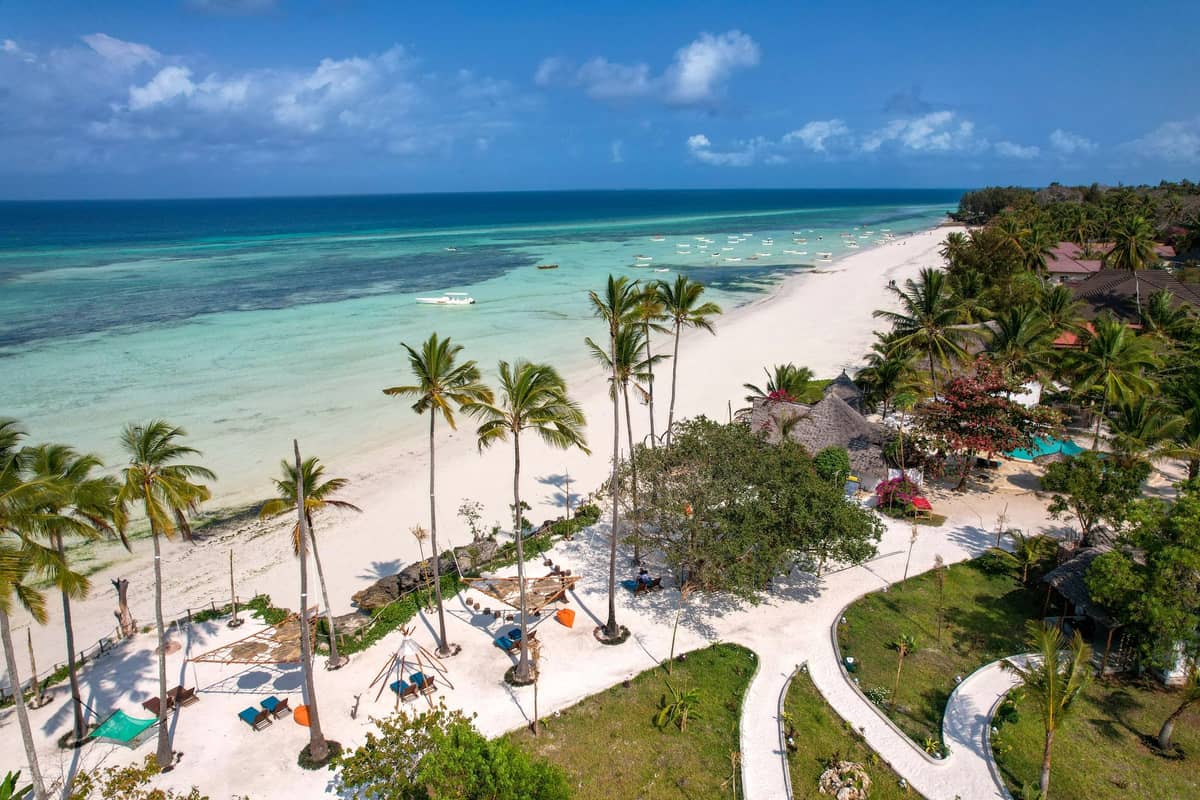
Safety in Zanzibar is not uniform across the island. Stone Town carries the highest petty crime risk due to its dense, disorienting layout and heavy tourist foot traffic. Nungwi and Kendwa in the north are relatively relaxed beach resort areas, though late-night party scenes at Kendwa's full moon parties bring their own risks around alcohol and petty theft. The east coast villages of Paje and Jambiani are among the most low-key and genuinely peaceful parts of the island.
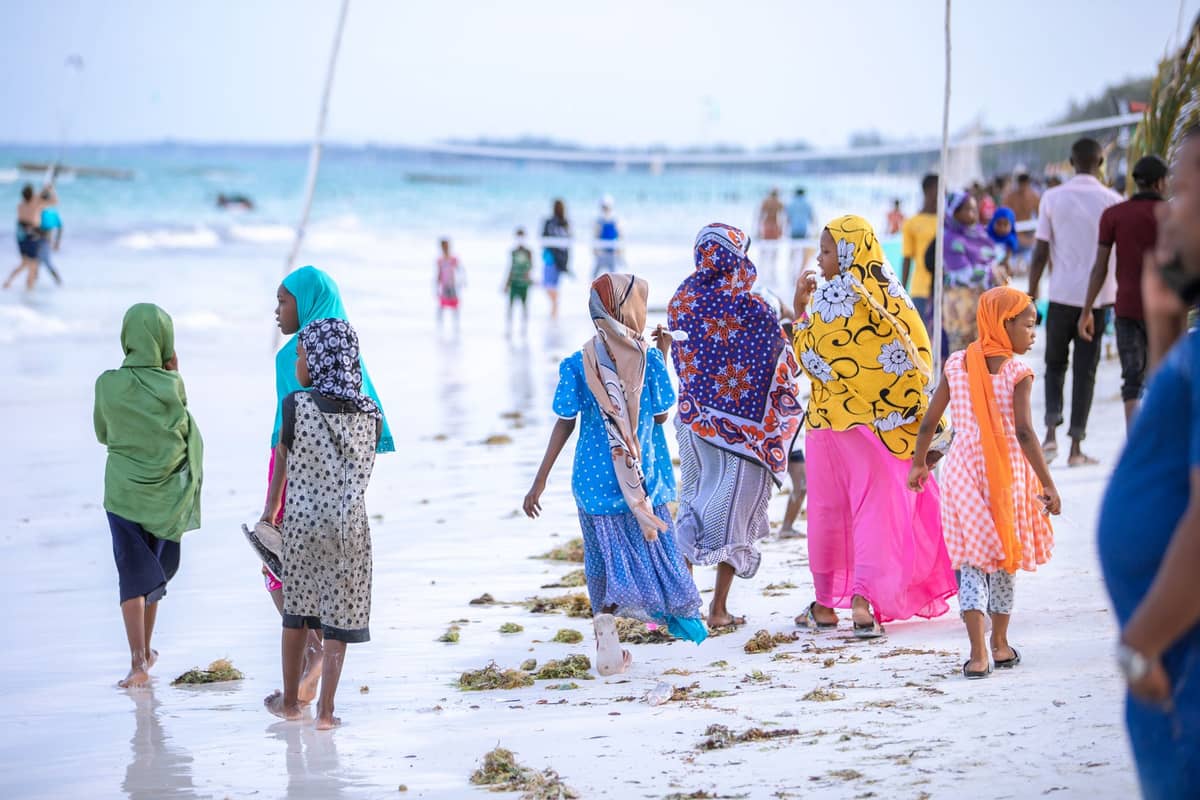
For solo female travelers, Zanzibar presents specific challenges. Harassment in Stone Town from touts and men offering unsolicited company ranges from mildly irritating to genuinely uncomfortable. Wearing modest clothing, particularly covering shoulders and knees in Stone Town, is both a cultural norm and a practical way to reduce unwanted attention. Zanzibar's population is predominantly Muslim, and Islamic customs around dress and behavior are observed locally even in tourist areas. Loud or provocative behavior, public displays of affection, and beachwear worn away from the beach all attract negative attention.
Families traveling with children will find Zanzibar manageable with preparation. The main risks for children are the same as for adults, with added considerations around sun exposure, water safety (swimming near Nungwi is safer than east coast beaches, which have stronger currents), and food hygiene. See our guide to Zanzibar with kids for specific recommendations on family-friendly resorts and activities.
Practical Safety Checklist Before You Go
- Visit a travel medicine clinic 4-6 weeks before departure. Discuss malaria prophylaxis, required vaccinations, and any destination-specific health concerns.
- Buy comprehensive travel insurance that covers medical evacuation, trip cancellation, and if relevant, adventure sports or motorcycle use.
- Register with your country's official traveler registration program (e.g., STEP for U.S. citizens, FCDO for UK travelers) so your embassy can reach you in an emergency.
- Check current travel advisories from your government the week before you depart, not just when you book.
- Carry a color photocopy of your passport and store the original in your hotel safe. Keep a digital copy in secure cloud storage.
- Carry small denominations of Tanzanian shillings for local markets and dala-dalas. Reserve USD for hotel and tour payments where they are accepted.
- Note the contact details for your country's embassy or consulate in Tanzania before you travel, not after something goes wrong.
- Share your itinerary with someone at home, including accommodation details and any planned excursions.
For a fuller picture of what Zanzibar offers beyond its risks, the is Zanzibar worth visiting guide weighs the island's genuine appeal against its practical challenges. And if you are still in the planning stage, the best time to visit Zanzibar guide breaks down how season affects both safety and experience.
FAQ
Is Zanzibar safe for tourists in 2026?
Zanzibar is relatively safe for tourists who take standard precautions. Petty theft, scams, and transport risks are the main concerns. Read the current U.S. State Department advisory for Tanzania before departure and ensure you have the mandatory ZIC policy as well as comprehensive travel insurance.
Is Zanzibar safe for solo female travelers?
Zanzibar is manageable for solo female travelers but requires more preparation than some destinations. Stone Town in particular involves a high frequency of street harassment from touts. Wearing modest clothing that covers shoulders and knees, avoiding walking alone at night, and staying in reputable accommodation significantly reduce risk. Many solo female travelers have positive experiences, particularly on the east coast and in smaller villages.
Do I need malaria tablets for Zanzibar?
The CDC includes Zanzibar in its Tanzania malaria guidance and recommends that many travelers take prescription prophylaxis. Whether you need tablets depends on your specific itinerary, health history, and the advice of a travel medicine professional. Do not skip this consultation. Malaria risk on the island is real, particularly during and after rainy periods.
What are the most common scams in Zanzibar?
The most frequently reported scams are: overpriced unofficial taxis (always agree the fare before entering any car), fake or low-quality spice tours sold by unlicensed operators, the 'friendly guide' routine where someone offers free help then demands payment, and currency confusion where prices are quoted in one currency but payment is expected in another at a disadvantaged rate. None are difficult to avoid once you know what to look for.
Is the ferry from Dar es Salaam to Zanzibar safe?
The main licensed ferry services between Dar es Salaam and Zanzibar are generally considered safe by regional travel advisories. Canada's official guidance specifically describes this route as regular and reliable. However, smaller informal boats and some dhow excursions around the island can be hazardous. Check for life jackets and use established operators rather than informal beach offers for any boat trip.
Tickets & tours
Live prices and dates from our booking partner. If you book, we may earn a commission at no extra cost to you.
Planning a trip? Discover personalized activities with the Nomado app.