Is Zanzibar Worth Visiting? An Honest Assessment
Zanzibar delivers a rare combination: a UNESCO-listed historic city, diverse coastlines, and Indian Ocean marine life, all within a few hours of mainland Tanzania. But it is not the right destination for everyone. Here is what you actually need to know before booking.
Tickets & tours
Live prices and dates from our booking partner. If you book, we may earn a commission at no extra cost to you.
TL;DR
- Zanzibar is genuinely worth visiting for most travelers, but the experience varies significantly depending on which part of the island you choose and when you go.
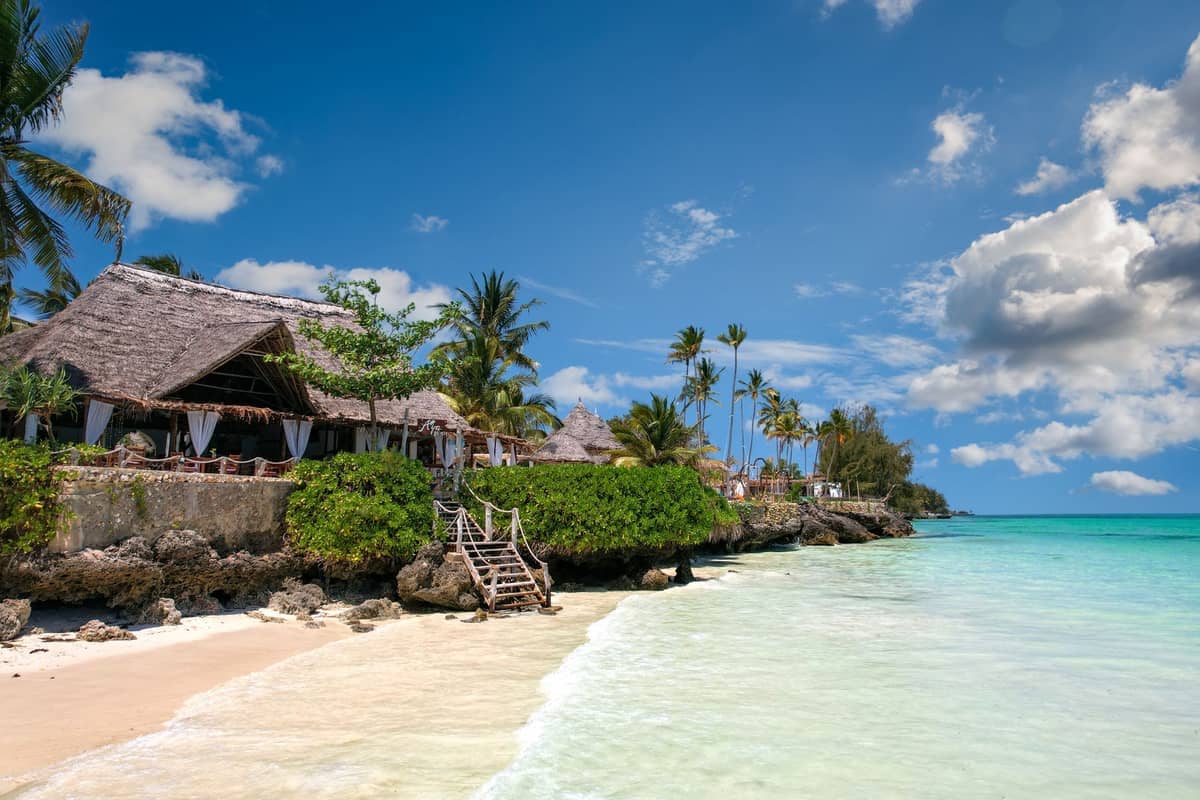
- Stone Town is a UNESCO World Heritage Site with real cultural depth; the beaches range from excellent to mediocre depending on the coast and the tide. Read our guide to the best beaches in Zanzibar before deciding where to base yourself.
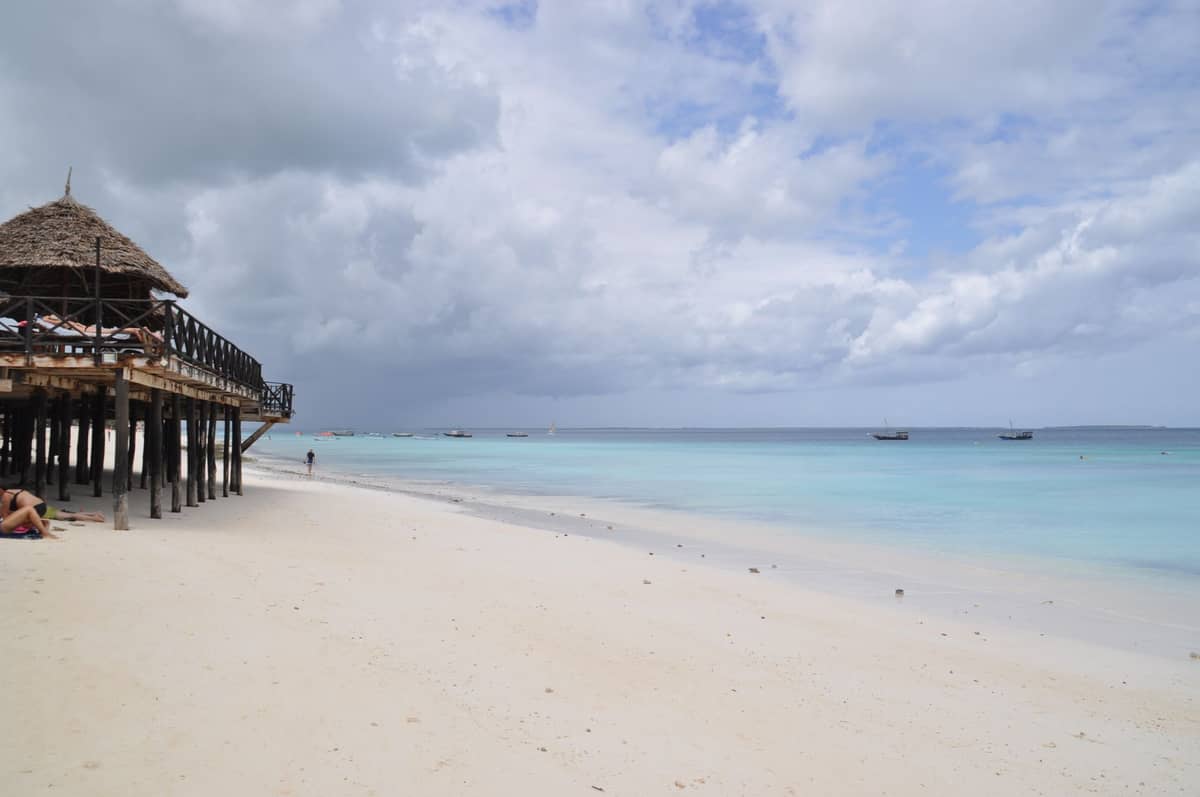
- East-coast beaches like Paje and Jambiani have pronounced tidal shifts that can leave the lagoon shallow or exposed for hours at a time — this surprises many first-time visitors.
- Budget travel is possible but requires planning. See our Zanzibar budget guide for realistic cost breakdowns.
- The best months to visit are June through October and December through February. March to May brings the long rains and is best avoided for beach trips.
What Zanzibar Actually Is (and Is Not)
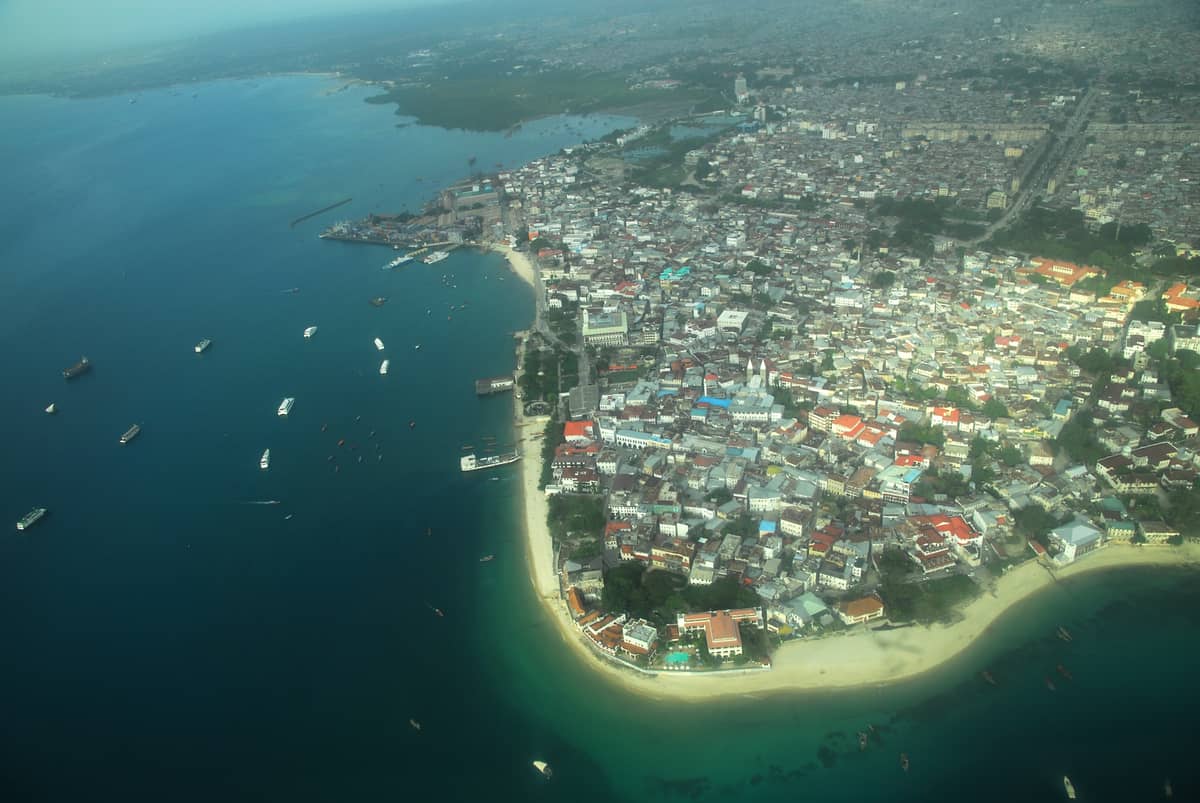
Zanzibar is a semi-autonomous archipelago within Tanzania, sitting roughly 25 miles off the mainland coast in the Indian Ocean. When most travelers say 'Zanzibar,' they mean Unguja, the main island, which is where the beaches, Stone Town, and the vast majority of tourist infrastructure are located. Pemba Island, to the north, is a different proposition entirely: quieter, less developed, and favored by serious divers.
The single biggest misconception about Zanzibar is that it is purely a beach destination. Stone Town, the historic core of Zanzibar City, is a UNESCO World Heritage Site with centuries of Omani, Persian, Indian, and East African influence layered into its architecture, food, and daily life. Travelers who fly in, transfer straight to a beach resort, and leave without setting foot in Stone Town are missing a significant part of what makes Zanzibar distinct from other Indian Ocean island destinations.
ℹ️ Good to know
Zanzibar operates on East Africa Time (EAT, UTC+3) and uses the Tanzanian shilling (TZS) as its official currency. US dollars are widely accepted at hotels, tour operators, and many restaurants, but small vendors and local markets work in shillings. Swahili is the official language; basic phrases go a long way with locals.
The Case For Visiting Zanzibar
Few destinations at this price point offer the combination Zanzibar does. The north-coast beaches around Nungwi and Kendwa have calm, clear water that is accessible at almost any tide — genuinely world-class for swimming and snorkeling. The east coast offers a different experience: wide, photogenic shores backed by casuarina trees and a kitesurfing scene around Paje that draws serious wind sports enthusiasts from across Europe. The Indian Ocean reefs, particularly around Mnemba Atoll, provide excellent diving and snorkeling with reef sharks, turtles, and healthy coral structures.
Beyond the coast, the island's cultural and historical layers make it genuinely interesting for travelers who want more than sun and sand. The Slave Trade Museum and the House of Wonders address a difficult but important history. The House of Wonders remains closed for restoration, so see it from the waterfront rather than planning an interior visit. The spice farms in the island's interior are a legitimate point of difference from other tropical beach destinations — cloves, nutmeg, vanilla, and black pepper all grow here. Zanzibar was once the world's largest clove exporter, and that history still shapes the landscape.
- Nungwi and Kendwa (North Coast) Best all-round swimming, consistent water access regardless of tide, livelier nightlife, and proximity to traditional dhow-building yards.
- Paje and Jambiani (East Coast) Best for kitesurfing, a more laid-back atmosphere, and lower prices. Tidal variation is dramatic — factor this in if swimming is a priority.
- Stone Town Essential for culture, history, food markets, and architecture. Not a place to relax on a beach, but the best food on the island is generally found here.
- Matemwe and Kiwengwa (Northeast) Quieter, upscale, and a good base for Mnemba Atoll diving. Fewer budget options.
- Kizimkazi (South) The main departure point for dolphin-watching trips. Calmer than the north coast but less developed for general tourism.
Honest Drawbacks You Should Know About
Zanzibar is not a flawless destination, and the gap between expectation and reality catches some travelers off guard. Here are the issues that come up most frequently.
The tidal situation on the east coast is the biggest source of disappointment for first-time visitors. At low tide, the water can recede several hundred meters from the shoreline, leaving exposed seagrass flats impassable for swimming for several hours at a stretch. The north coast has much gentler tidal variation. If you are committed to daily swimming from your accommodation, choose the north coast or verify your chosen hotel's tidal conditions carefully before booking.
Tourist pricing is a real phenomenon. Separate pricing tiers exist for locals and foreigners across many attractions, taxis, and services. This is common across East Africa and not unique to Zanzibar, but it can feel relentless if you are unprepared. Agree on taxi fares before getting in, and do not assume posted prices in Stone Town are fixed. The standard airport taxi to Stone Town runs around US$10-15; confirm the fare upfront.
⚠️ What to skip
Beach harassment from vendors and tour touts is a consistent complaint, particularly on the more popular stretches of beach. It is not threatening, but it can become wearing. Acknowledging people politely and moving on works better than ignoring them. Staying at a gated resort minimizes this, though it also reduces contact with local life.
Infrastructure outside Stone Town and the main resort areas is patchy. Power cuts occur, some roads are poor, and getting between the north and south coasts by shared transport (dala-dala) takes significantly longer than the distance suggests. Renting a scooter or booking a private car for day trips gives you far more flexibility. Ride-hailing apps including Uber, Grab, and Careem do not currently operate here, so negotiate directly with drivers or book through your accommodation.
When to Go and When to Avoid
Timing your trip correctly matters more in Zanzibar than in many destinations. The long rains, known locally as Masika, run from around March through May. This is not a light drizzle season — heavy daily rainfall makes beach trips unreliable and some roads difficult. Avoid this window unless you are specifically traveling for budget rates or diving (the rains do not significantly affect underwater visibility in all areas). For a full breakdown of monthly conditions, see our best time to visit Zanzibar guide.
June through October is the dry, cooler season with average temperatures around 26-27°C (about 77°F) and consistently lower humidity. This is the peak season for good reason: water conditions are excellent, wildlife sightings are reliable, and the mosquito presence is lower. December through February is a second dry window, slightly hotter and more humid, and tends to attract European visitors escaping winter. July and August are the absolute peak months, with higher prices and more crowded conditions at the main beaches.
✨ Pro tip
If you want the best of the dry season without peak-season crowds, target June or early October. Prices are meaningfully lower than July or August, and most beaches are far less congested. The weather is nearly as reliable.
Getting There and Getting Around
Zanzibar is reached via Abeid Amani Karume International Airport (IATA: ZNZ), located approximately 3 miles south of Zanzibar City on Unguja. The airport receives direct flights from Nairobi, Dar es Salaam, Addis Ababa, Dubai, and several European hubs, with connectivity varying by season. Budget carriers from Europe typically route through Nairobi or Dar es Salaam.
An alternative entry point is the ferry from Dar es Salaam. Fast ferries operated by Azam Marine and others run daily, taking roughly two hours and costing significantly less than a flight. This is a practical option if you are combining Zanzibar with a Tanzania mainland trip or a safari. Check schedules directly with operators before travel, as timings and fares change. For logistics on combining destinations, our guide to traveling between Zanzibar and Dar es Salaam covers the ferry in detail.
On the island itself, dala-dala shared minibuses cover most routes but can be slow and crowded. They are the cheapest option by a wide margin, but not practical if you are covering multiple areas in a day. For day trips around the island, a private car hire arranged through your hotel or a local driver is the most efficient choice. Our full guide to getting around Zanzibar covers all transport options with current price ranges.
Is Zanzibar Right for Your Style of Travel?
Zanzibar works extremely well for: couples combining beach time with cultural exploration, divers and snorkelers looking for good Indian Ocean reef access, travelers pairing it with a mainland Tanzania safari, and anyone with more than four or five days who wants depth alongside relaxation. The island also functions as a solid solo destination, with enough backpacker infrastructure and group tours to make it easy to meet other travelers.
It is less suited to travelers who want guaranteed calm water swimming from any accommodation they choose, or those who expect high-speed internet for remote work as standard. Families should plan around tides and choose north-coast beaches for predictability. Our guides on Zanzibar with kids and solo travel in Zanzibar cover those specific situations in more depth.
- Zanzibar is worth it if you want both beach and cultural depth in one destination
- It is worth it if you are combining it with a Tanzania or Kenya safari
- It is worth it if you can visit June through October or December through February
- It may disappoint if you expect all beaches to be swimmable at all times
- It may frustrate budget travelers who do not research local transport and pricing in advance
- It is not ideal as a pure relaxation beach destination if you have under three days — Stone Town alone deserves at least a full day
For travelers coming from or continuing to mainland Tanzania, the combination of a safari and Zanzibar is one of the most popular East Africa itineraries. Our guide to a Zanzibar and Tanzania safari combo explains how to structure the logistics efficiently.
FAQ
Is Zanzibar worth visiting for just a few days?
Three to four days is the practical minimum to get meaningful value from the trip. One day in Stone Town and two or three days at a beach area is a workable structure. Less than three days makes the travel logistics hard to justify unless you are already in Dar es Salaam. A week gives you enough time to explore multiple parts of the island properly.
Is Zanzibar safe for tourists?
Zanzibar is generally safe for tourists by East African standards. Petty theft exists in Stone Town, particularly around the port and market areas, and beach harassment from vendors is common. Violent crime targeting tourists is uncommon but not unheard of. Standard precautions — not carrying valuables on the beach, using your hotel safe, avoiding poorly lit streets late at night — cover most situations. The island is also a predominantly Muslim community, so modest dress away from resort areas is respectful and will improve your interactions with locals.
Are Zanzibar beaches really as good as the photos suggest?
Some of them are. Nungwi and Kendwa in the north have genuinely excellent white-sand beaches with clear water suitable for swimming at most tides. Paje and Jambiani on the east coast are photogenic but heavily affected by tidal variation — at low tide, the water retreats far from the shore. Manage expectations on the east coast if daily swimming is the priority, or time your beach sessions to coincide with high tide.
How expensive is Zanzibar compared to other Indian Ocean destinations?
Zanzibar sits at the mid-to-affordable end of Indian Ocean destinations. It is considerably cheaper than Maldives or Seychelles for comparable beach quality, and roughly similar to coastal Kenya or Mozambique. Budget backpackers can get by on US$40-60 per day staying in guesthouses and eating local food. Mid-range travelers should expect US$100-200 per day for decent hotel accommodation, tours, and restaurant meals. Luxury resorts range from US$300 to over US$1,000 per night.
Can you visit Zanzibar as a day trip from Dar es Salaam?
Technically yes, but it is not a good use of your time. The fast ferry from Dar es Salaam takes roughly two hours each way, which leaves you only four to six hours on the island before the return trip. Stone Town can be seen in half a day, but reaching any beach from the ferry terminal adds significant travel time. A day trip works only if Stone Town alone is the objective and you accept that it will be a rushed visit.
Tickets & tours
Live prices and dates from our booking partner. If you book, we may earn a commission at no extra cost to you.
Planning a trip? Discover personalized activities with the Nomado app.