Zanzibar in July: Weather, Events & What to Expect
July sits in the heart of Zanzibar's dry season, making it one of the most popular months to visit. Here's what the weather actually looks like, what cultural events are happening, which beaches perform best, and what to plan ahead for.
Tickets & tours
Live prices and dates from our booking partner. If you book, we may earn a commission at no extra cost to you.
TL;DR
- July is dry season: temperatures average 22–29°C with around 50 mm of rain spread over roughly eight days — brief showers still happen.
- Southeast trade winds are strong through July, which affects swimming conditions on some beaches and makes kitesurfing excellent on the east coast.
- Mwaka Kogwa, a traditional Shirazi New Year festival, takes place in Makunduchi village — one of Zanzibar's most culturally significant events. See our guide to the best time to visit Zanzibar for a full seasonal breakdown.
- July is peak season: accommodation books up fast and prices are at their highest — reserve at least 2–3 months in advance for popular spots.
- Ocean temperatures hover around 26°C, ideal for snorkelling and diving despite the trade winds.
July Weather in Zanzibar: What the Numbers Actually Mean
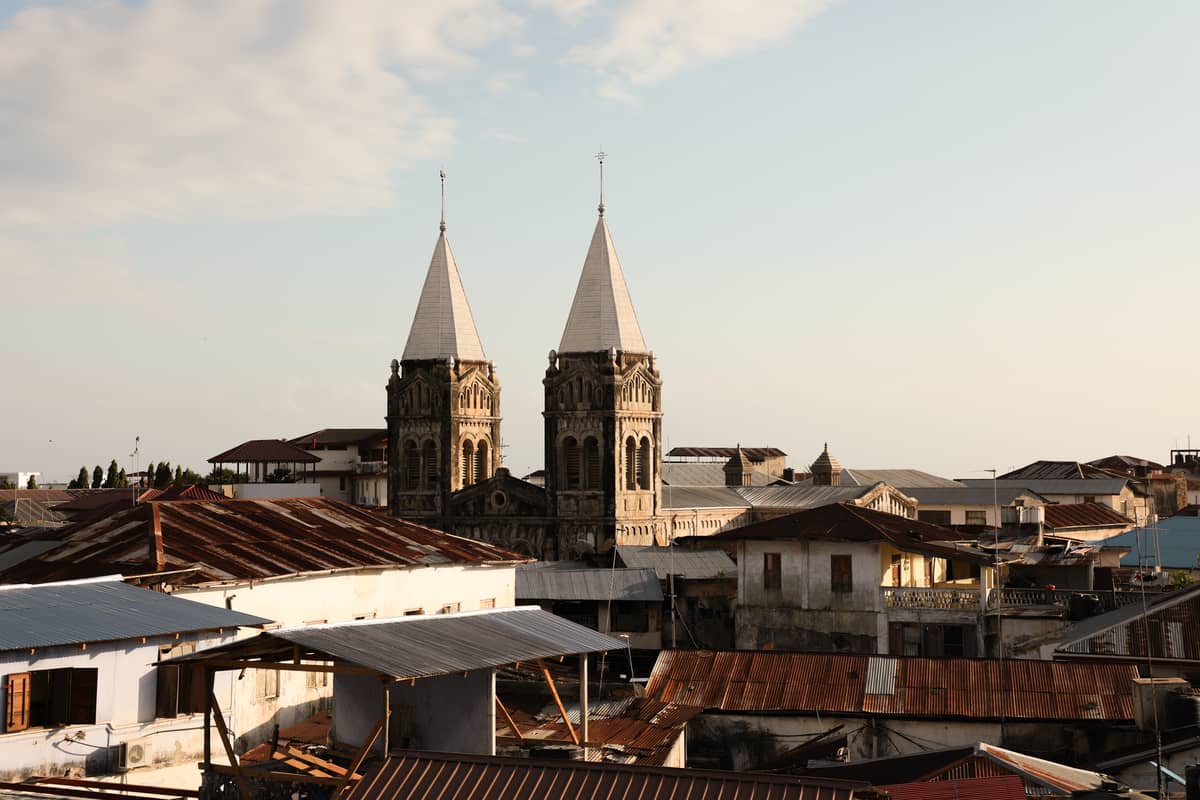
July falls within the kusi season, when the southeast monsoon is in effect. Long-term climate averages put daytime temperatures between 22°C and 29°C, with nights feeling genuinely cool by Indian Ocean standards. It is the kind of weather that makes walking around Stone Town in the afternoon actually enjoyable, rather than exhausting.
Rainfall averages around 50 mm for the month, distributed across roughly eight days. That sounds low, and compared to April and May it is — but 'dry season' does not mean zero rain. Brief afternoon showers are still possible, particularly on the interior of the island and in Jozani Forest. They rarely last more than an hour and should not disrupt well-planned itineraries. Pack a light rain layer rather than leaving it out entirely.
⚠️ What to skip
Dry season is a climate average, not a guarantee. Zanzibar's weather can vary year to year. A 50 mm monthly average still allows for days with heavy localized showers, especially in the forest interior. Check forecasts during your trip rather than assuming sunshine every day.
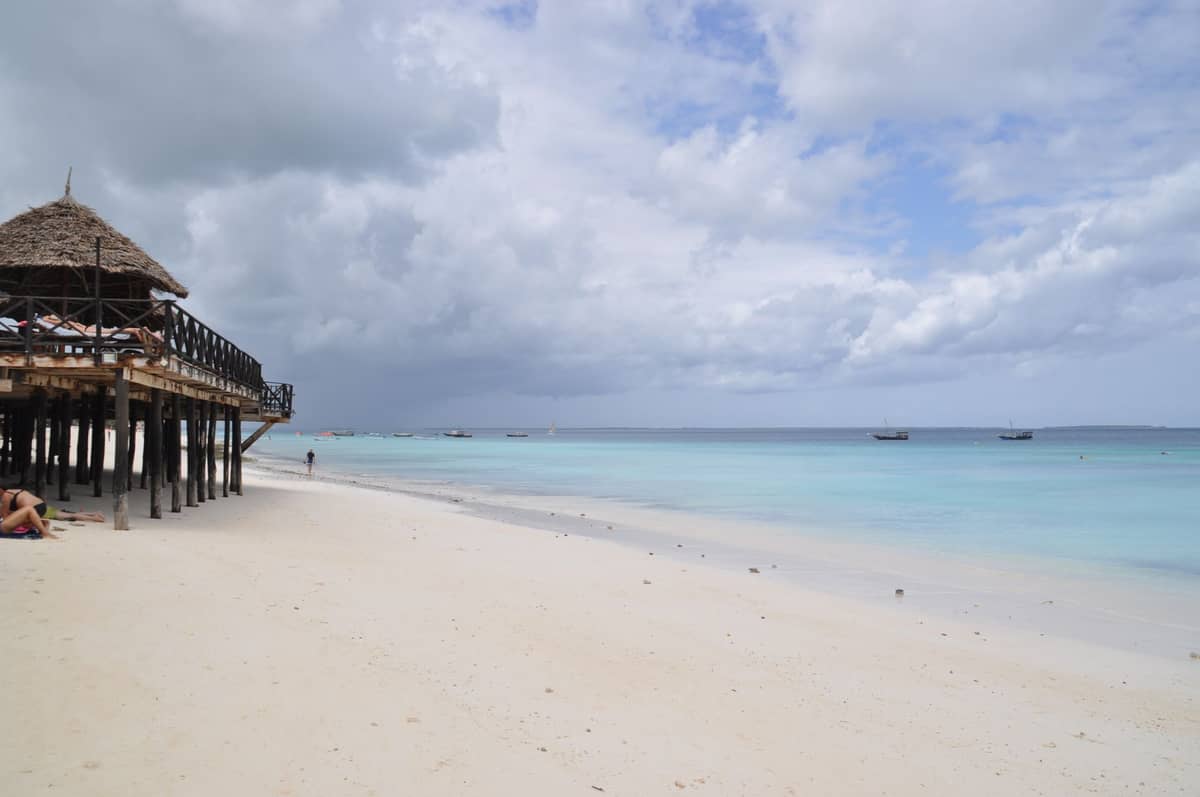
Sea temperatures sit around 26°C in July, which is warm enough for comfortable swimming and snorkelling. The main variable is wind. The southeast trade winds (kusi) blow from May through August. On the east coast — beaches like Paje and Matemwe — this can mean choppier conditions and wave action. On the sheltered north coast around Nungwi and Kendwa, conditions are noticeably calmer, and these beaches are the best choice for swimming-focused trips in July.
Which Beaches Work Best in July
The trade winds create a clear divide between Zanzibar's coastlines in July. The north coast, particularly Nungwi and Kendwa, faces northwest and is largely sheltered from the southeast winds. The water is calmer, the beaches are wider, and conditions are reliable for swimming. These spots are also the most developed, with a strong range of accommodation from budget guesthouses to luxury resorts.
- Nungwi Beach The most sheltered north-coast beach in July. Calm waters, good snorkelling off the reef, and the Mnarani turtle sanctuary nearby. Expect crowds — this is peak season here.
- Kendwa Beach Slightly quieter than Nungwi and known for the monthly full moon beach party. The beach holds its sand at high tide better than most on the island.
- Paje Beach Windy, wave-driven, and excellent for kitesurfing — but not for leisurely swimming. If watersports are the point, this is peak season for kite conditions on the southeast coast.
- Matemwe Beach A quieter alternative to Nungwi, further east and slightly more exposed to wind, but still manageable. Better for travellers who want space over amenities.
- Jambiani Beach A long, low-key beach on the southeast coast. Wind-exposed in July but worth considering if you want local atmosphere over resort infrastructure.
✨ Pro tip
If kitesurfing is on your itinerary, July is one of the best months of the year to be at Paje. The consistent southeast trade winds deliver reliable conditions. Book lessons or equipment rental in advance — reputable operators fill up during peak season.
Mwaka Kogwa: Zanzibar's Most Distinctive July Event
Mwaka Kogwa is a traditional Shirazi New Year celebration held in Makunduchi, a village on the southeastern tip of Unguja. It takes place in July, typically around the third or fourth week of the month, though exact dates shift each year based on the traditional calendar. Confirm dates with a local operator or tour company before planning your trip around it.
The festival involves a ritual mock fight using banana stalks, intended to settle disputes from the past year and start fresh. There is also singing, dancing, and the symbolic burning of a grass hut. It is a genuinely local event, not a tourist production, and that is precisely what makes it worth attending. Visitors are generally welcomed as observers, but the day belongs to the Makunduchi community. Dress modestly, follow the lead of locals, and hire a guide if you are unfamiliar with Shirazi customs.
ℹ️ Good to know
Mwaka Kogwa is not widely publicised on official tourism channels, which means it can be hard to verify exact dates in advance. The best approach is to contact your accommodation or a local guide at least a month before travel to confirm the schedule for your specific travel year.
Makunduchi is about 60 km from Stone Town by road, roughly a 90-minute drive. Most visitors reach it by hired car or as part of a guided day trip. It can be combined with a visit to Jambiani or the Jozani Chwaka Bay National Park to make a full day on the southeast coast.
Crowds, Costs, and Booking Reality
July is unambiguously peak season in Zanzibar. European and North American summer holidays coincide with the dry season, and the island sees its highest visitor numbers during this window. That affects everything from accommodation availability to restaurant wait times at popular spots.
Accommodation prices in July can be 30–60% higher than during shoulder months like November or March. Beachfront rooms at reputable properties in Nungwi and Kendwa book out months in advance. If you are visiting in July, a 2–3 month lead time is a minimum, not a luxury. Budget travellers still have options, but you will need to look further from the most popular beaches. Our where to stay in Zanzibar guide breaks down all the main areas and price tiers.
- Book accommodation at least 2–3 months ahead for July travel, especially in Nungwi, Kendwa, and Stone Town.
- Ferry tickets between Dar es Salaam and Zanzibar City sell out quickly in peak season — pre-book directly with operators like Azam Marine or Coastal Fast Ferries.
- Popular tours (spice farms, Prison Island, Mnemba Atoll snorkelling) fill up fast — arrange them through your accommodation or a local operator before you arrive.
- Airport taxis cost around $10–15 to Stone Town; agree the price before getting in.
- The Kendwa full moon party is particularly busy in July — arrive early if you plan to attend.
What to Do in Zanzibar in July
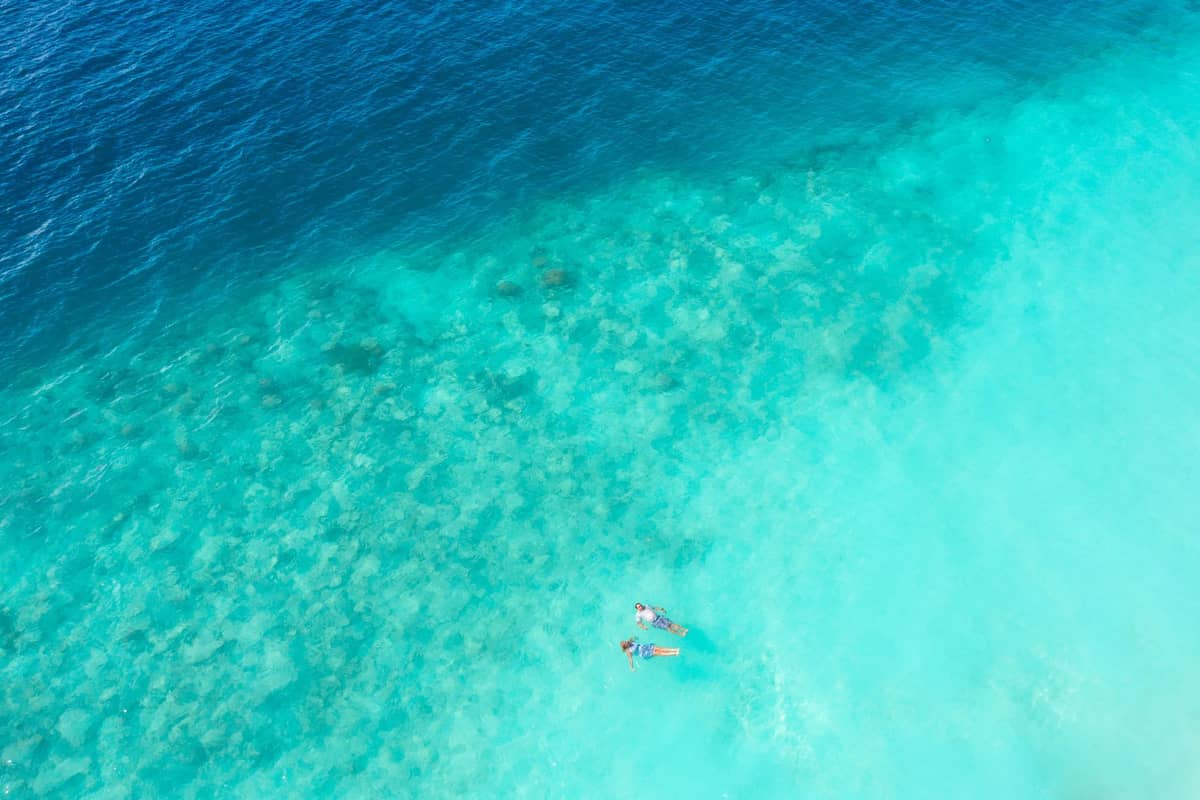
The dry, clear conditions of July make it an excellent month for underwater activities. Visibility around Mnemba Atoll is typically at its best during the dry season, with good chances of seeing turtles, reef fish, and occasional dolphins. Snorkelling day trips from Nungwi and Matemwe run regularly during this period. Diving conditions are also strong — see our Zanzibar diving guide for site recommendations and operator advice.
Stone Town rewards exploration in July, with the cooler temperatures making long walks through the old city far more comfortable than during the humid shoulder months. The historic Swahili-Arab architecture, including the House of Wonders and the ornate carved Zanzibar doors, is best explored in the early morning before the tour groups arrive. Our Stone Town walking guide covers the essential routes and hidden corners.
A spice tour is worth doing any time of year, but July sees some farms at a productive point in their growing cycle. Tours typically visit clove, vanilla, cinnamon, and nutmeg plantations and include tastings. Kizimkazi on the south coast is also reliable for dolphin spotting year-round, though July's clear water improves the experience. Head out early in the morning for the best chance of seeing resident spinner dolphins before the boat traffic increases.
Practical Tips for Travelling Zanzibar in July
Zanzibar is a predominantly Muslim island, and modesty norms apply particularly in Stone Town and inland villages. Shoulders and knees covered when away from beach areas is a practical rule of thumb, not just a courtesy. At the beach, standard swimwear is fine.
Getting around the island requires planning. Dala-dala shared minibuses run routes around Unguja at low cost, but are slow and can be crowded in peak season. Taxis and private transfers are the most flexible option for multi-stop days. Renting a scooter or small car is possible for those comfortable driving on the left on roads that range from good tarmac to unpaved tracks. See our full guide to getting around Zanzibar for current transport options and pricing.
- Bring lightweight layers for evenings in July — 22°C nights feel genuinely cool after dark, especially with the sea breeze.
- Sunscreen and a hat are essential despite the 'cool' temperatures; UV index remains high year-round.
- Tap water is not reliably safe to drink — stick to bottled or filtered water.
- US dollars are widely accepted alongside Tanzanian shillings; carry small denominations for local purchases.
- Mobile data works reasonably well across the island; local SIM cards are cheap and available at the airport.
FAQ
Is July a good time to visit Zanzibar?
Yes, July is one of the best months to visit. It falls in the dry season, with temperatures between 22–29°C, low humidity, and clear skies most of the time. The trade winds keep things cool. The main downside is that it is peak season, so expect higher prices and more visitors at popular spots.
Is it too windy to swim in Zanzibar in July?
It depends on which coast you are on. The southeast trade winds create choppy conditions on the east coast (Paje, Matemwe) in July. The north coast beaches at Nungwi and Kendwa are sheltered and have calm, swimmable water throughout July. If swimming is the priority, stay north.
What is Mwaka Kogwa and when does it happen?
Mwaka Kogwa is a traditional Shirazi New Year festival held in Makunduchi village on the southeast coast of Unguja. It usually falls in the third or fourth week of July, though the exact date shifts each year. The celebration includes ritual mock fights with banana stalks, singing, and the burning of a symbolic hut. Confirm dates locally before travelling.
How far in advance should I book accommodation for July in Zanzibar?
At minimum 2–3 months ahead, and longer if you want a specific property in Nungwi, Kendwa, or Stone Town. July is Zanzibar's peak season and popular beachfront hotels sell out well in advance. Flexible travellers have more options, but budget rooms in good locations also fill quickly.
Does it rain in Zanzibar in July?
Some rain is still possible. The long-term average is around 50 mm for the month across roughly eight days. That is significantly drier than the April and May rainy season, but brief afternoon showers do occur, particularly in the island's interior. The Jozani Forest area and highland zones see more rainfall than the coast.
Tickets & tours
Live prices and dates from our booking partner. If you book, we may earn a commission at no extra cost to you.
Planning a trip? Discover personalized activities with the Nomado app.