Zanzibar Butterfly Centre: What to Expect at This Quiet Tropical Enclosure
Tucked beside the road linking Stone Town to Paje, the Zanzibar Butterfly Centre in Pete Village gives visitors a close look at tropical butterflies in a walk-through garden enclosure. It is a calm, low-key stop that pairs naturally with a visit to Jozani Chwaka Bay National Park nearby.
Quick Facts
- Location
- Pete Village, Unguja, near Jozani National Park
- Getting There
- By taxi or rental car along the Stone Town–Paje road; confirm public-transport routes locally
- Time Needed
- 45 minutes to 1.5 hours
- Cost
- TSh 15,000 per adult (verify current pricing before visiting)
- Best for
- Families, nature lovers, photographers, slow-travel visitors
- Official website
- zanzibarbutterfly.com
What the Zanzibar Butterfly Centre Actually Is
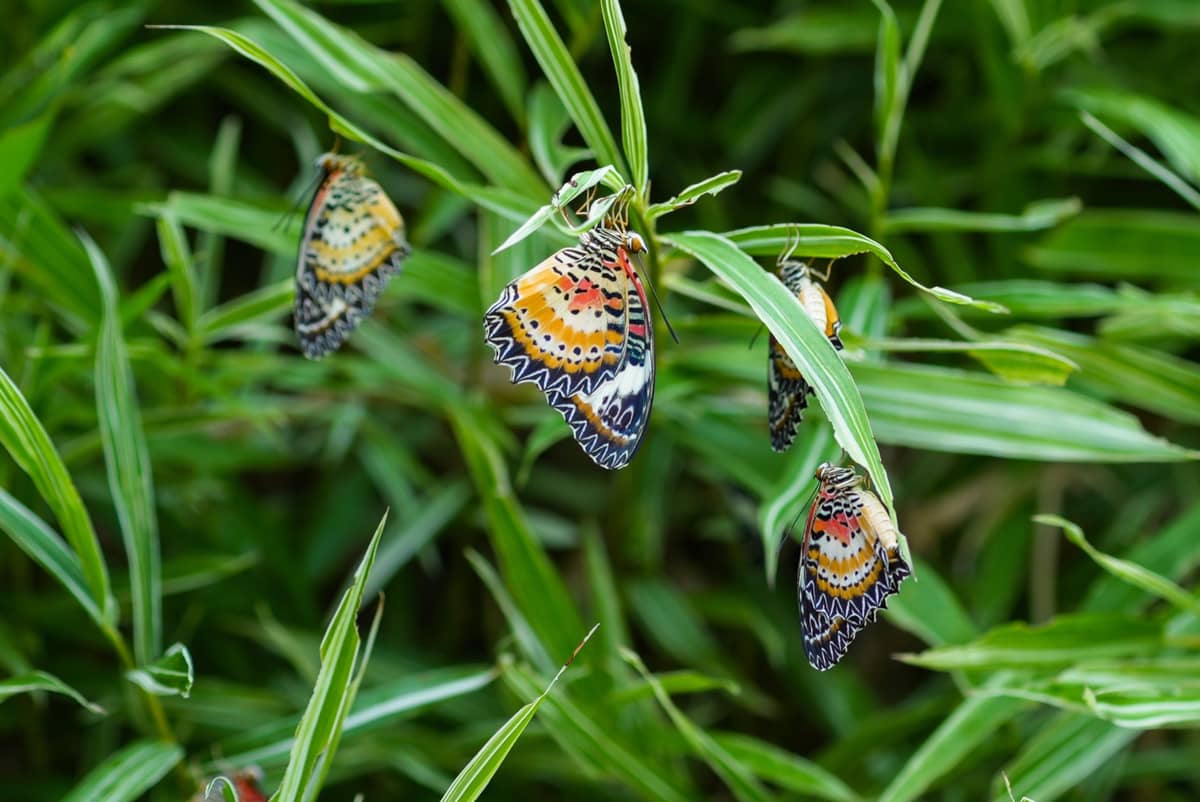
The Zanzibar Butterfly Centre is a small, managed tropical butterfly enclosure in Pete Village, on the main road between Stone Town and Paje in the south of Unguja island. The centre sits roughly 1 km from the Jozani Chwaka Bay National Park entrance, which makes it a natural pairing on a day trip into the island's interior. The attraction is not a zoo or a research facility in any grand sense. It is a garden flight house where several species of butterfly native to East Africa complete their life cycle, from egg to caterpillar to chrysalis to adult, in conditions visitors can observe up close.
That modest scope is worth stating clearly, because it shapes expectations. This is not a sweeping wildlife experience. It is a quiet, educational stop that tends to work particularly well for families with young children, travellers who appreciate slowing down, and anyone interested in the ecology of the Zanzibari coastal forest. For visitors expecting dramatic spectacle, it may feel understated. But for the right kind of traveller, the calm is the point.
💡 Local tip
Opening hours listed on the official website are 9:00 a.m. to 4:30 p.m. daily, though at least one external listing gives 5:00 p.m. as the closing time. Confirm directly before you visit, especially if you plan to arrive late in the afternoon.
Inside the Enclosure: What You See and Smell
Entering the flight enclosure, the first thing most visitors notice is the temperature shift. The garden is sheltered by shade netting and dense plantings, so it holds warmth and humidity in a way that feels distinctly different from the open coastal air. The air has a faint green, earthy smell, somewhere between a greenhouse and a forest floor, mixed with the occasional sweetness from flowering plants that serve as nectar sources for the adult butterflies.
The butterflies themselves move unpredictably, which is part of what makes photographing them a genuine exercise in patience. Some species rest on large leaves with wings folded flat; others land briefly on flowers before lifting off again. The variety of wing patterns on display reflects the extraordinary diversity of Lepidoptera along the East African coast, and staff are generally available to point out species and explain the life stages on display in the breeding area.
In addition to the adult butterflies in the flight enclosure, the centre displays pupae at various stages of development. Watching a chrysalis that is close to eclosion is the kind of slow, specific observation that few mass-market tourist attractions offer. It rewards visitors who are genuinely curious rather than those moving through on a tight schedule.
Tickets & tours
Live prices and dates from our booking partner. If you book, we may earn a commission at no extra cost to you.
Zanzibar catamaran and snorkelling tour to Mnemba Marine Park
From 114 €Instant confirmationFree cancellationSerengeti National Park private three-day safari from Zanzibar
From 2.144 €Instant confirmationFree cancellationZanzibar north coast sunset dhow cruise
From 42 €Instant confirmationFree cancellationZanzibar Prison Island private tour
From 224 €Instant confirmationFree cancellation
Best Time of Day to Visit
Mid-morning tends to offer the most butterfly activity. As temperatures rise after 10:00 a.m., adults become more mobile and are easier to observe in flight. Early arrivals around 9:00 a.m., immediately after opening, often find the enclosure quieter in terms of other visitors, but the butterflies themselves may still be less active in the cooler morning air.
The afternoon, particularly after 2:00 p.m., is when group tours from larger resorts are more likely to pass through. If solitude matters to you, aim for the first hour or two after opening. The centre is small enough that even a modest group can fill the flight house and alter the atmosphere considerably.
ℹ️ Good to know
Photography tip: Bring a camera with a macro or close-focus capability if you have one. Smartphone cameras work adequately in the bright enclosure, but a slightly longer focal length helps you fill the frame without startling a resting butterfly into flight.
Getting There from Stone Town and Nearby
Pete Village is located on the central-south road that runs between Stone Town and Paje. By taxi or rental car, the journey from Stone Town takes roughly 45 minutes to an hour depending on traffic and road conditions. The drive passes through farmland and patches of secondary forest as the road moves inland, and it is a pleasant route in its own right.
Dala-dala shared minibuses do serve routes toward Pete from Stone Town, though services in rural areas can be infrequent and schedules informal. If you plan to rely on public transport, allow considerable extra time, and confirm the current route locally. For a more structured approach to getting around the island, the guide to getting around Zanzibar covers your main options including dala-dalas, taxis, and scooter hire.
Most visitors combine the Butterfly Centre with Jozani Chwaka Bay National Park, which is only about 2 km further along the same road. The two make a natural half-day outing from Stone Town or from east-coast beach bases like Paje or Jambiani, which are closer still.
Cultural and Ecological Context
The Butterfly Centre operates within the broader ecological zone of the Jozani-Chwaka Bay area, one of the few remaining stretches of indigenous forest on Unguja. The coral rag forest and mangrove systems of this part of the island support a range of endemic and near-endemic species, and the butterfly centre draws on this natural context by focusing on locally occurring Lepidoptera rather than exotic or imported species.
The centre also functions as a source of supplementary income for people in the surrounding community, fitting into the broader model of conservation-linked tourism that defines the Jozani area. This is worth understanding before you visit: the admission fee supports both the facility and, to some degree, the community around it. Zanzibar's approach to community-based conservation is explored in more detail in the guide to things to do in Zanzibar.
Accessibility and What to Wear
The garden paths within the enclosure are described in travel sources as flat and soft underfoot, which suggests the site is reasonably accessible for visitors with limited mobility. However, no official accessibility statement has been verified, and the ground surface can vary after rain. If mobility is a specific concern, contact the centre directly before visiting.
Wear light, breathable clothing. The enclosure is warm and humid, and long sleeves, while not required, are worth considering if you are sensitive to insects. Closed shoes or sandals with good grip are fine; the paths do not require hiking footwear. Bring a small amount of cash in Tanzanian shillings to cover the entrance fee, as card payment availability at small rural attractions in Zanzibar cannot be guaranteed.
⚠️ What to skip
The admission fee listed on the official website is TSh 15,000 per adult as of the most recent available information. Child pricing was not listed. Fees and policies can change, so confirm current rates directly with the centre or its official website before your visit.
Who Should Skip This Attraction
The Zanzibar Butterfly Centre is genuinely not for everyone. Travellers on a packed itinerary who are trying to cover Stone Town's historic sites, a beach, and a spice tour in a single day will likely find it hard to justify the detour into the south-central interior. The experience is gentle and unhurried by design, and that quality only lands well if you have time to appreciate it.
If your primary interest is wildlife in the sense of mammals or marine life, your time in the Jozani area is better directed entirely toward the national park, where you can observe the rare Kirk's red colobus monkey. For ocean-focused experiences, Chumbe Island Coral Park and the reefs around Mnemba Atoll offer more dramatic natural encounters.
Insider Tips
- Visit between 10:00 a.m. and noon for the best combination of butterfly activity and relatively thin crowds. Most resort group tours arrive in the early afternoon.
- Ask staff to show you the chrysalis display area and point out any that are close to eclosing. Watching an adult butterfly emerge is a slow process but genuinely remarkable if timing is on your side.
- The gift shop, if operational during your visit, sometimes stocks locally made products that support community projects in Pete Village. It is worth a look even if you do not intend to buy anything.
- Combine the visit with Jozani Chwaka Bay National Park on the same morning. The two sites are about 1 km apart on the same road, and pairing them makes the journey from the coast worthwhile.
- If you are arriving by dala-dala, confirm with the driver or other passengers that they know the Pete Village stop for the Butterfly Centre. The main entrance can be easy to miss if you are not watching for it.
Who Is Zanzibar Butterfly Centre For?
- Families with children who have a genuine curiosity about insects and life cycles
- Photographers interested in close-up natural subjects in a controlled setting
- Slow travellers who want to break up a beach holiday with something educational and low-intensity
- Visitors already heading to Jozani who want to add an hour to the outing
- Travellers interested in community-based conservation and eco-tourism models in East Africa
Nearby Attractions
Other things to see while in Jozani & Chwaka Bay:
- Jozani-Chwaka Bay National Park
Jozani Chwaka Bay National Park is Zanzibar's only national park, protecting ancient groundwater forest, coastal mangroves, and the endangered Zanzibar red colobus monkey across roughly 50 square kilometres of southern Unguja. It is a serious nature destination, not a theme park, and rewards patient visitors who arrive early and move quietly.
Planning a trip? Discover personalized activities with the Nomado app.