Kotor, Montenegro

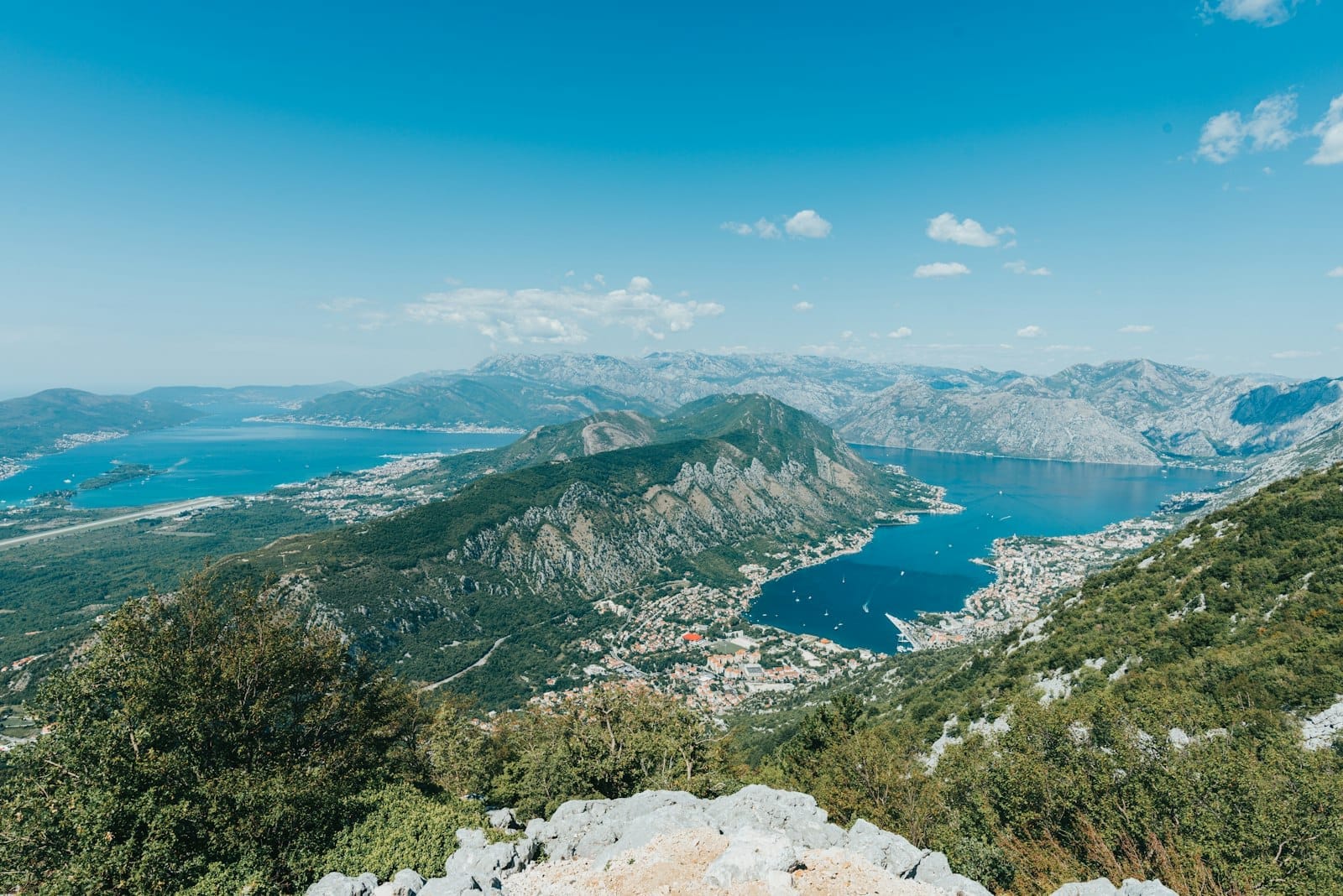
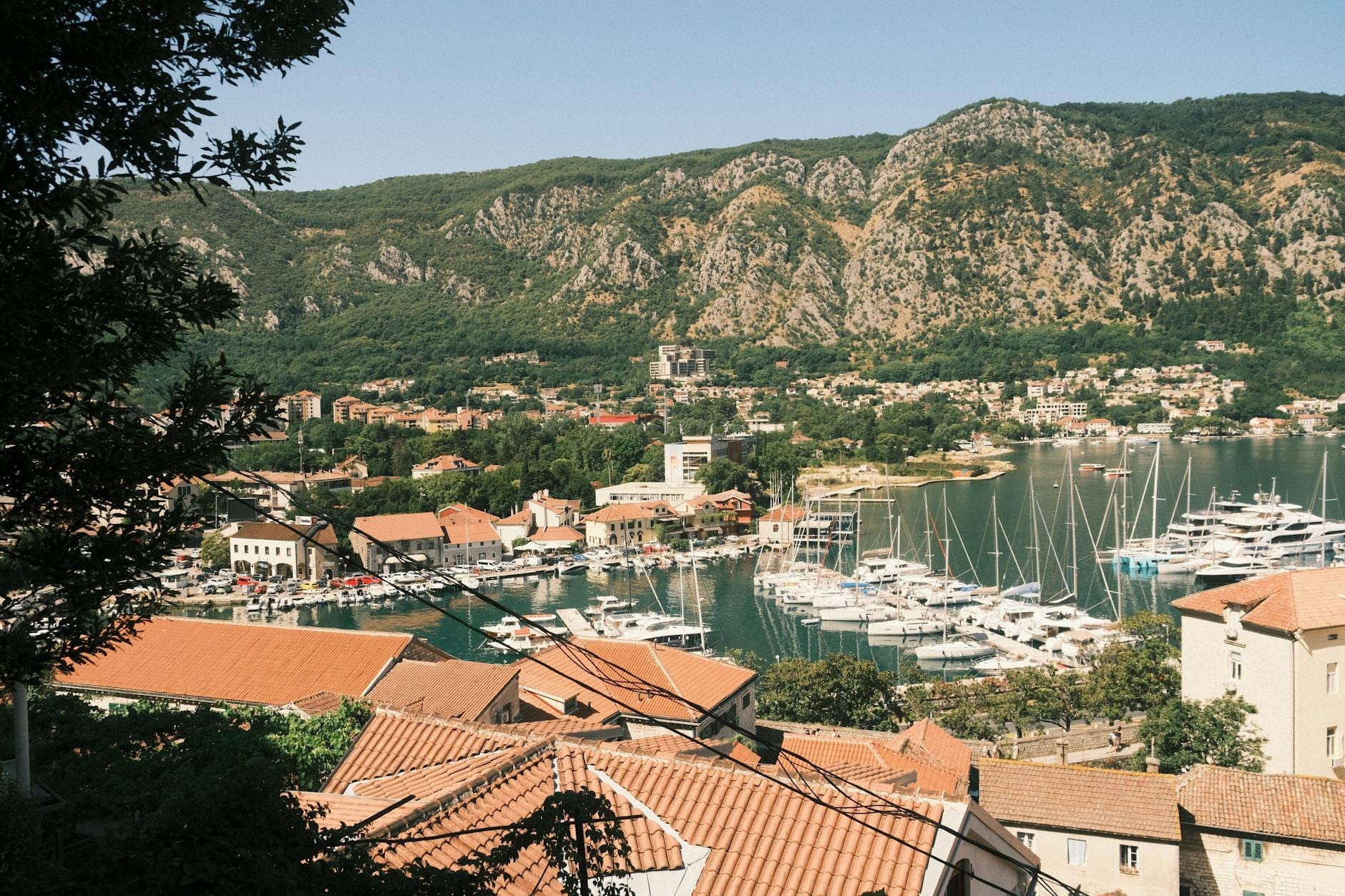
Kotor is a UNESCO-listed medieval walled city nestled at the foot of dramatic limestone cliffs on the Bay of Kotor — one of Europe's most spectacular natural harbours. Its labyrinthine old town blends Venetian Gothic architecture, Byzantine churches, and Slavic history within perfectly preserved 9th-century walls. Whether you're climbing the fortress for panoramic bay views or wandering cobblestone squares at dusk, Kotor rewards every kind of traveller.

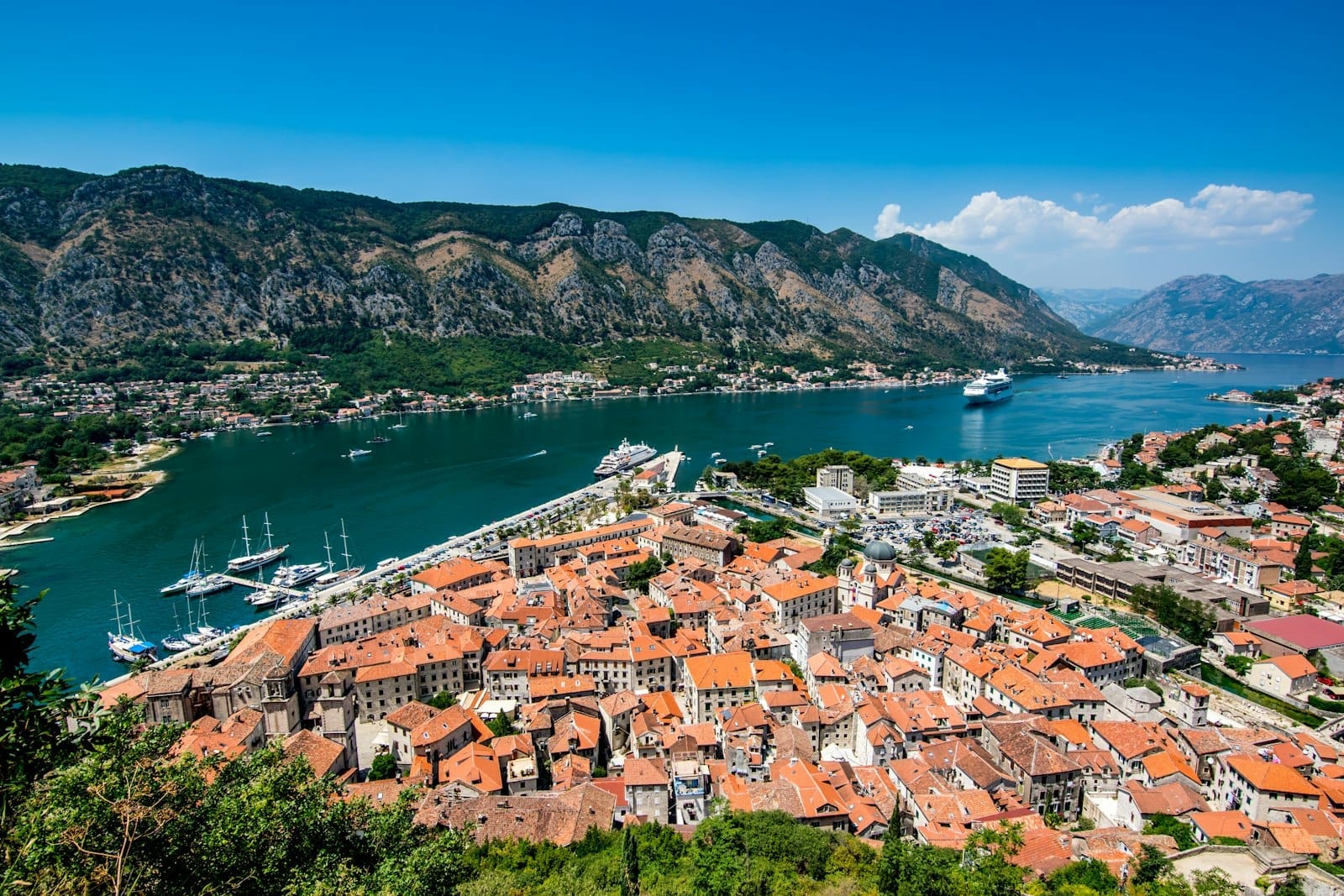
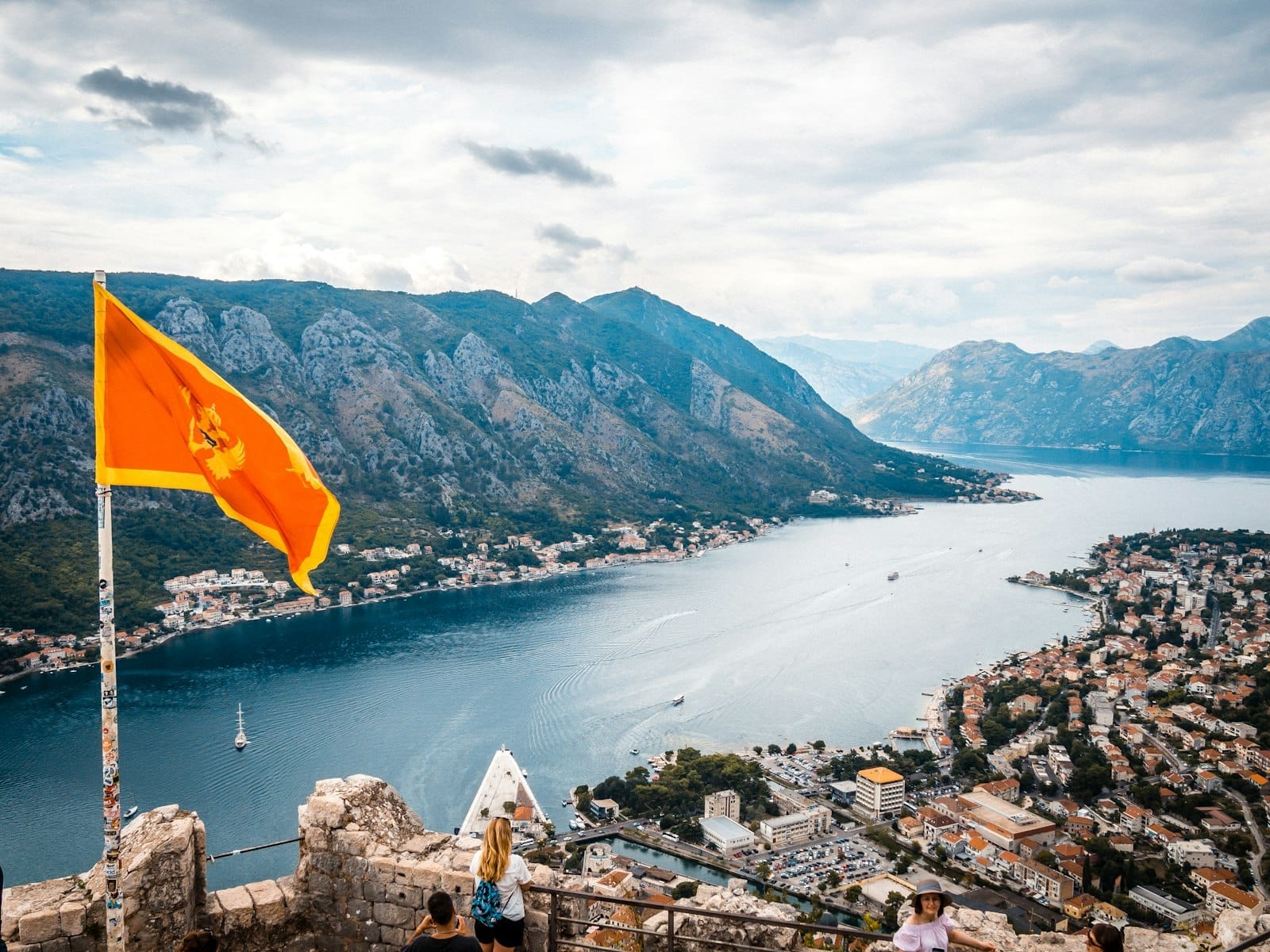
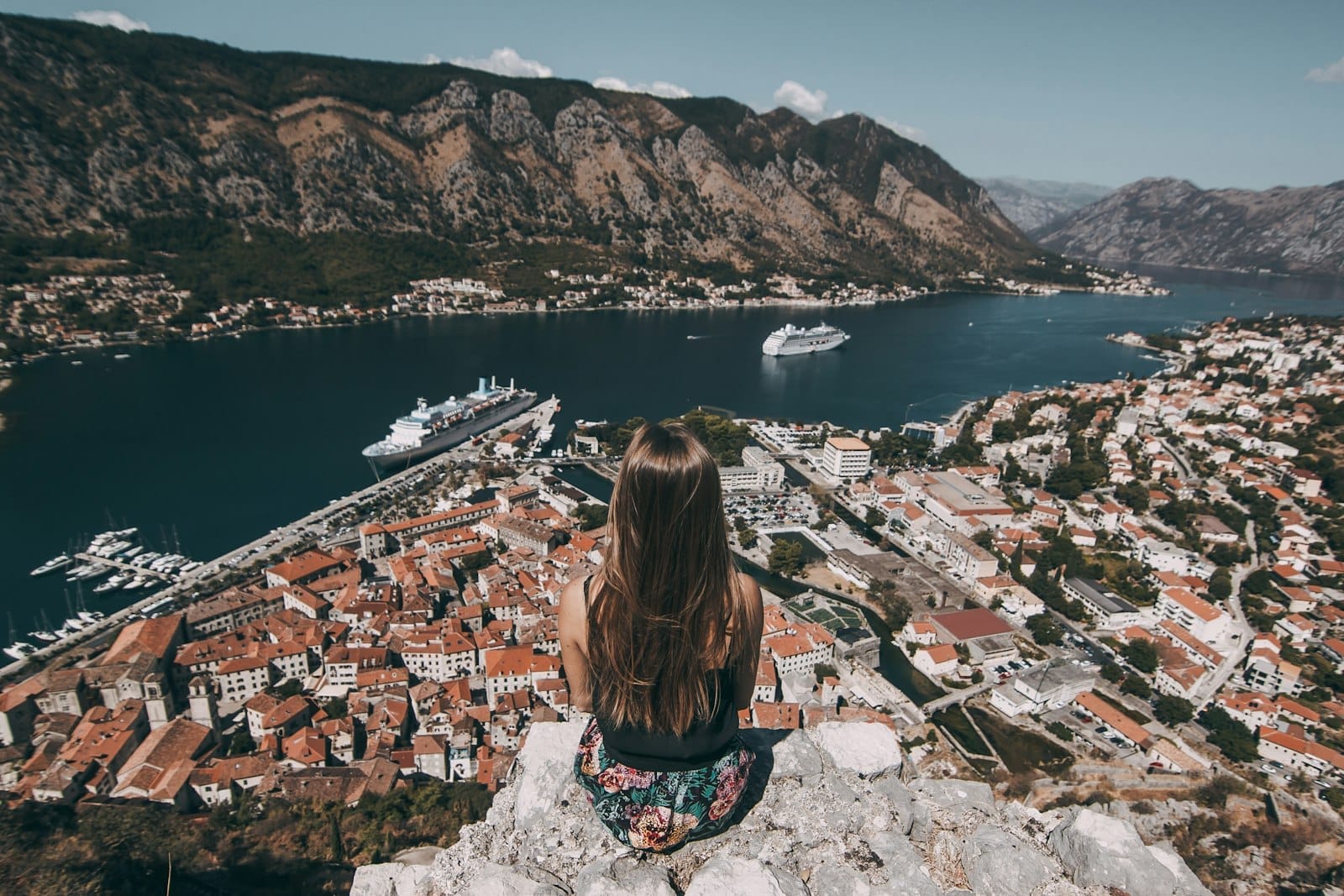
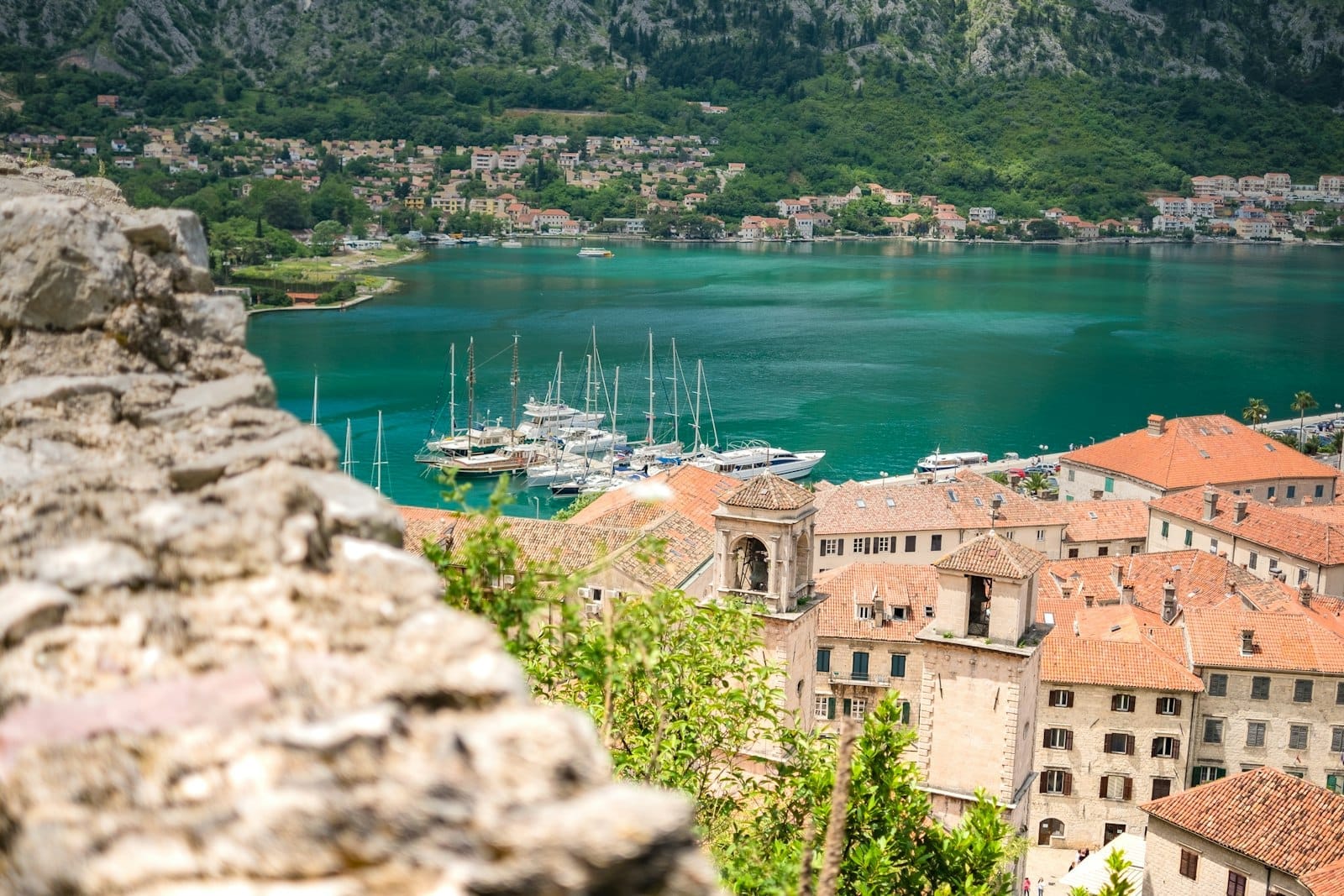
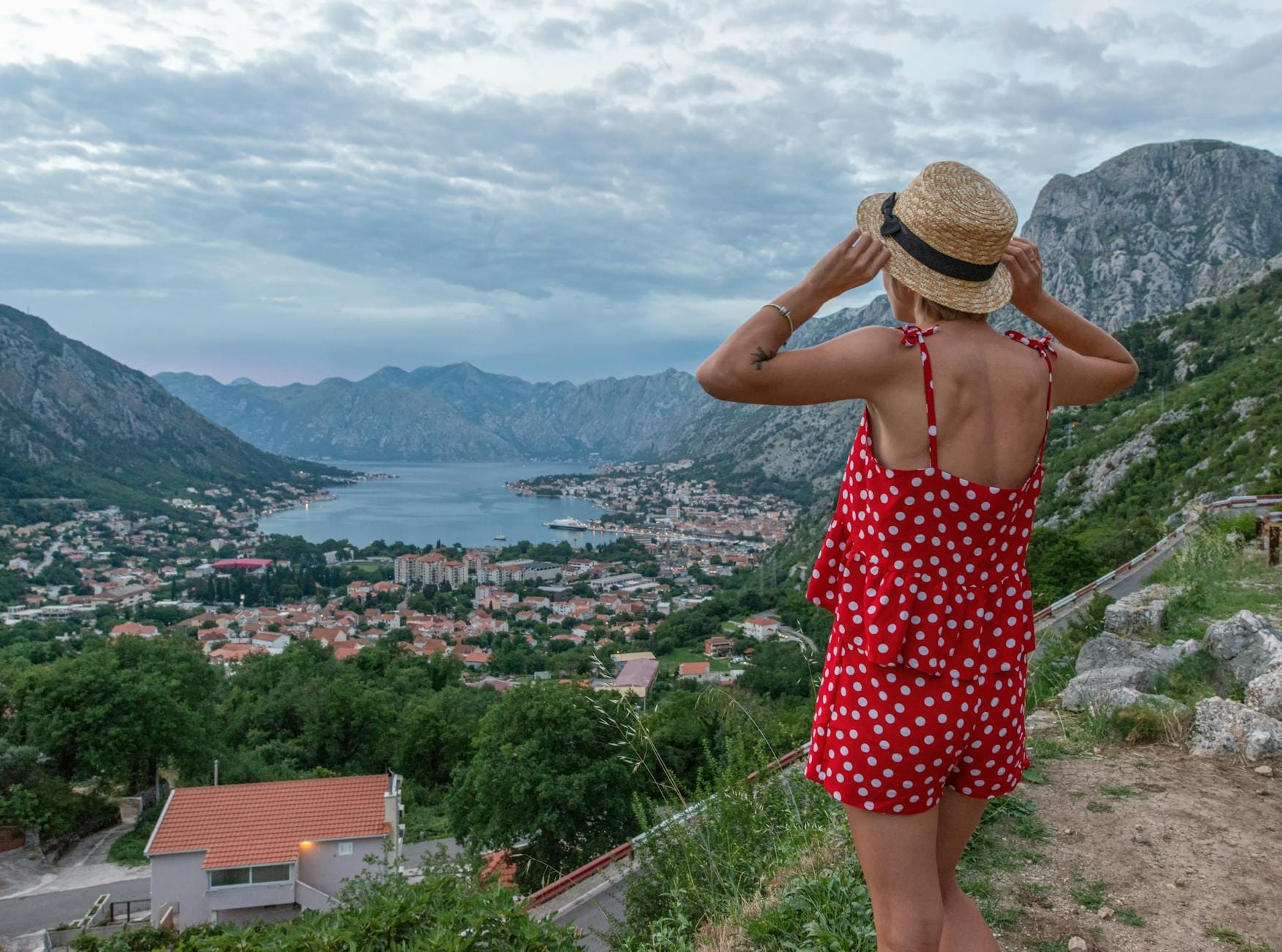
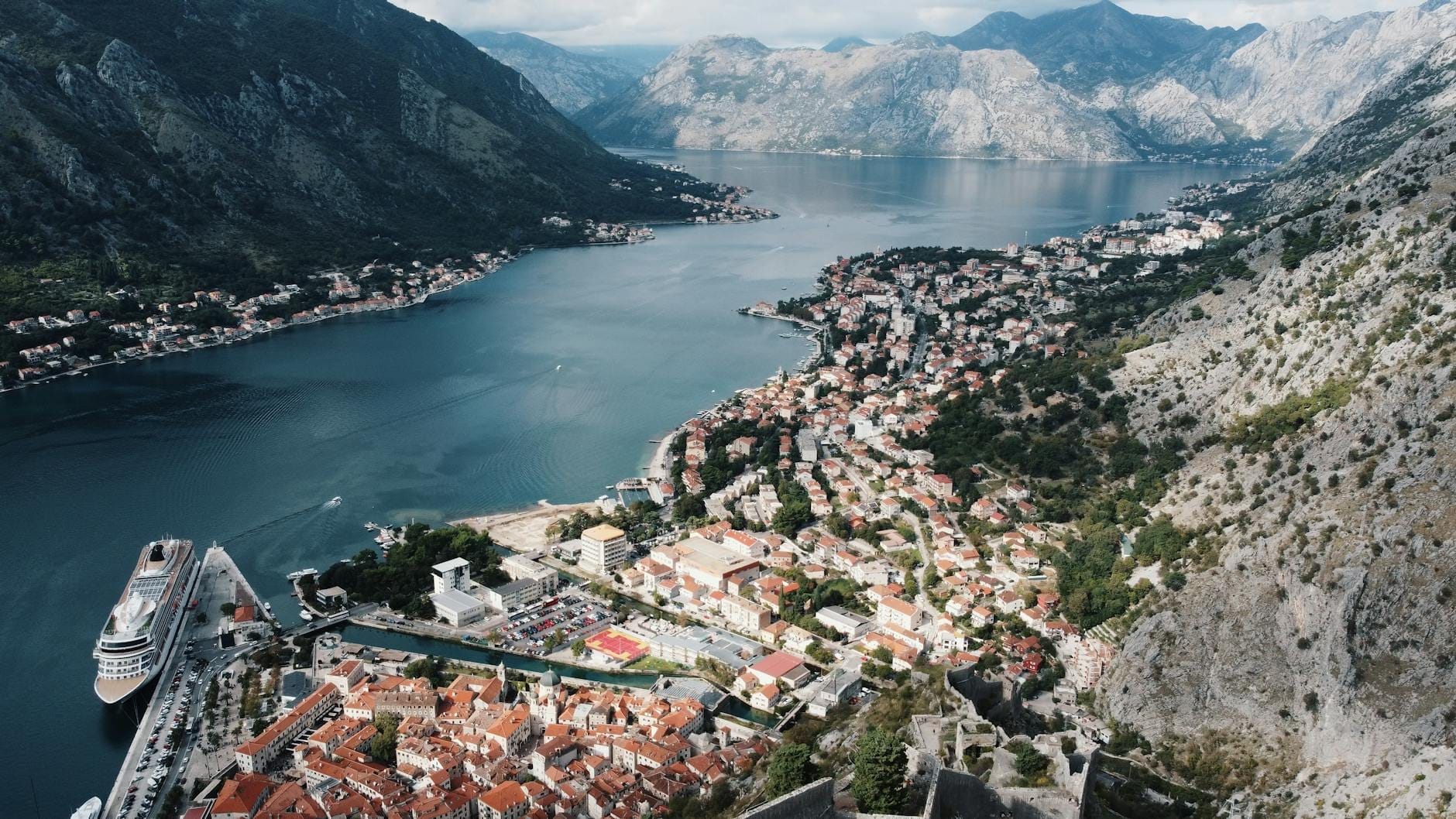
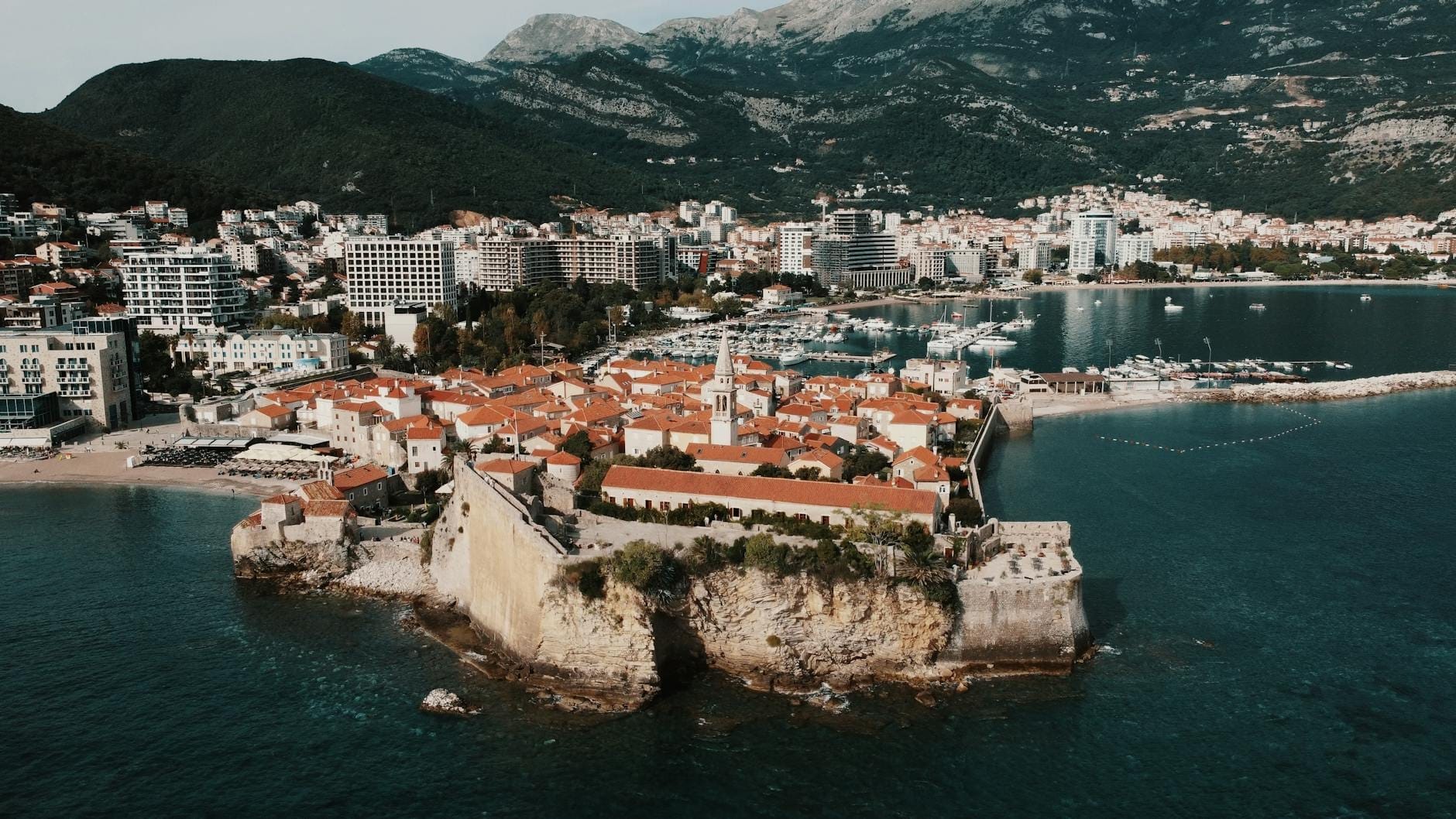
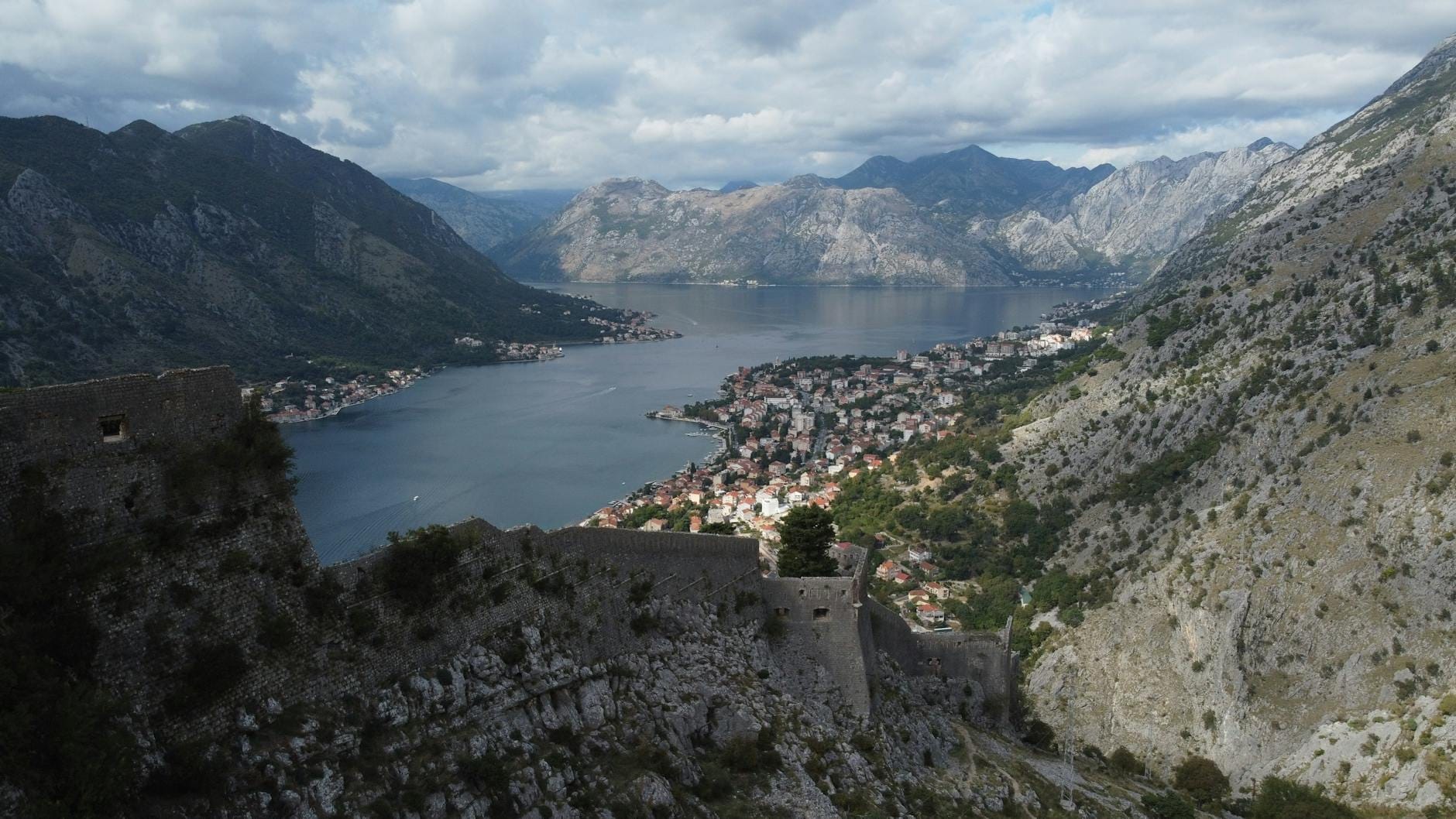
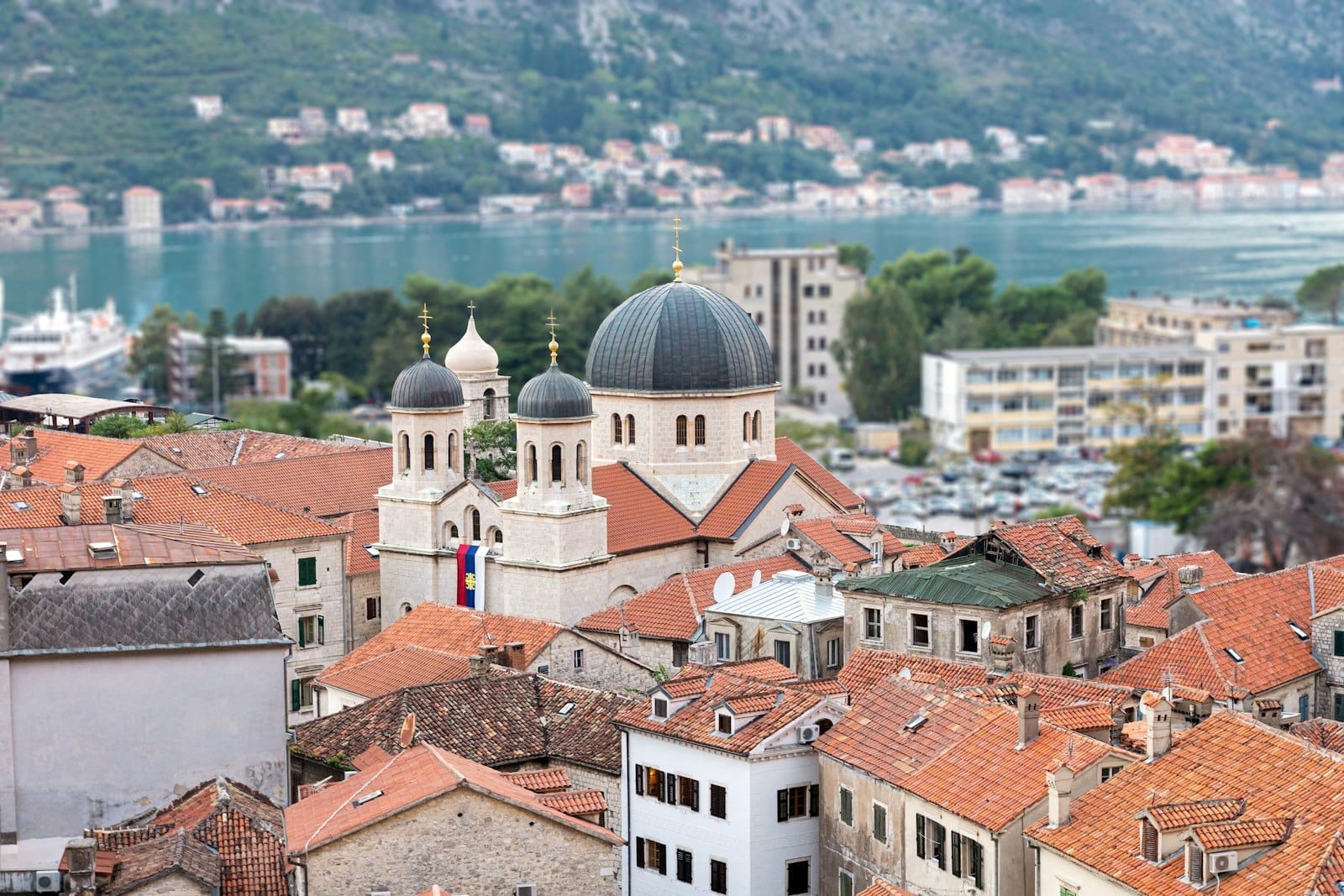
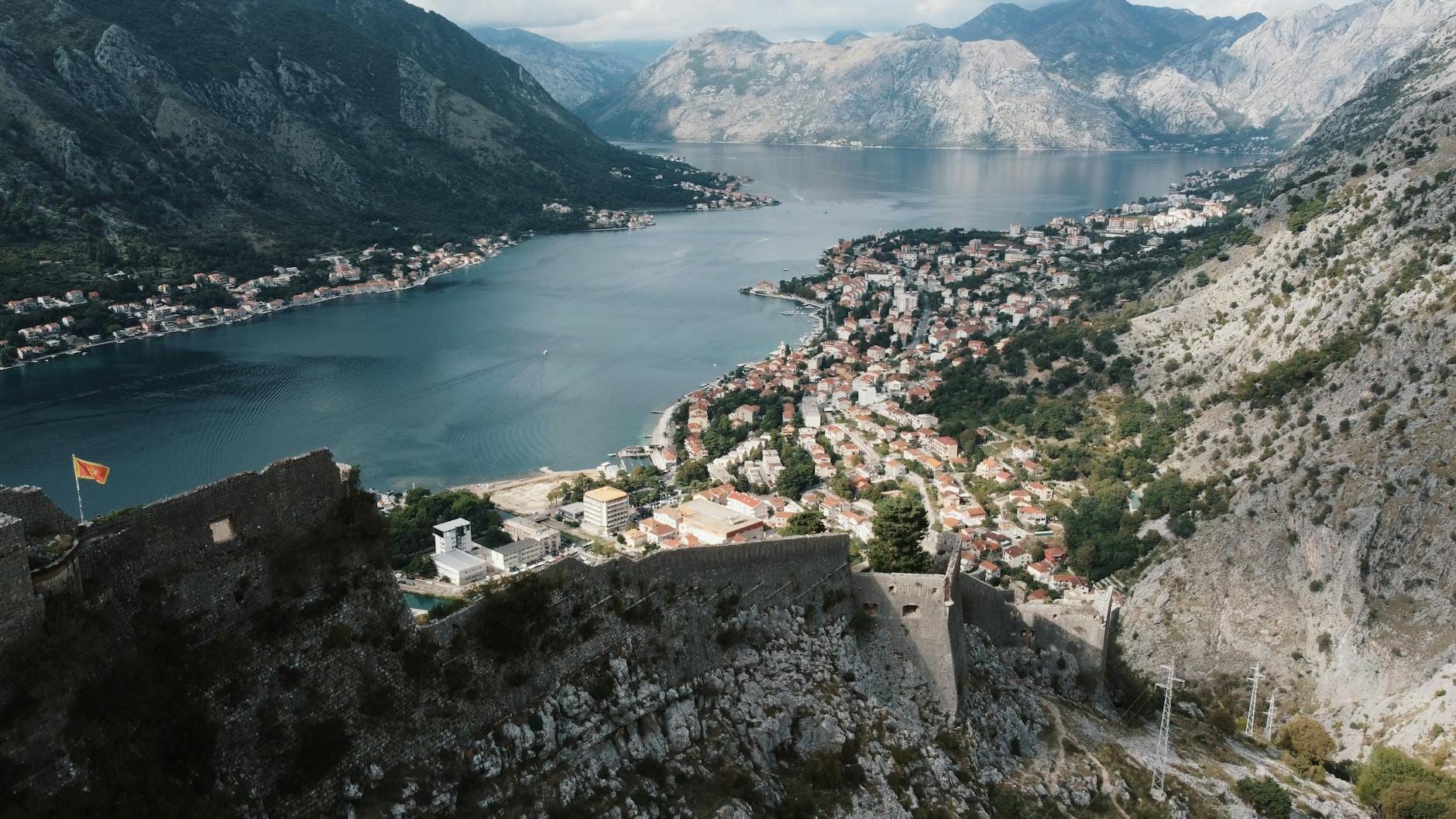
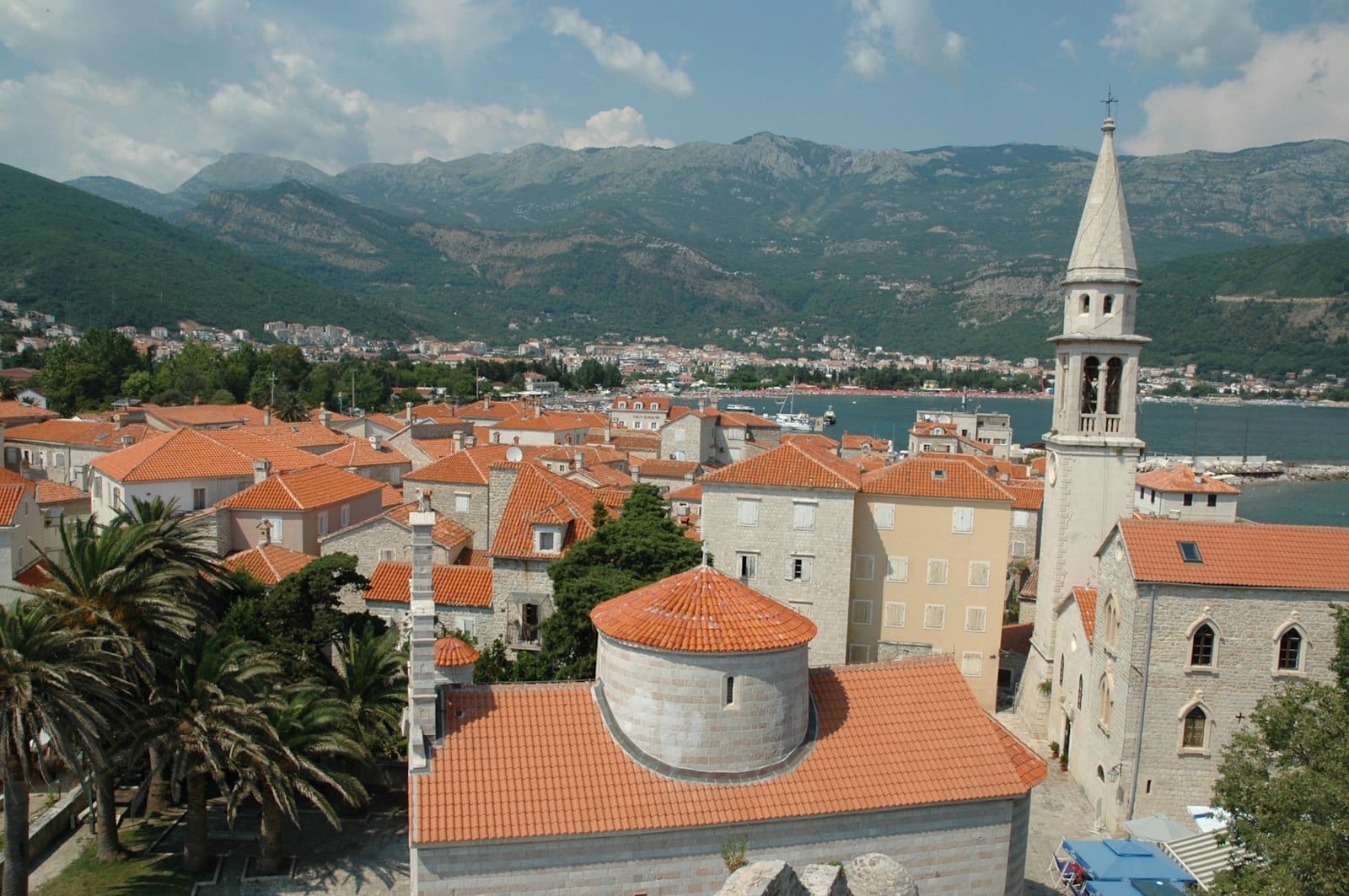
A stunning panoramic view over the Bay of Kotor, showing the walled old town below, surrounded by dramatic mountains and blue water under a partly cloudy sky.

Kotor, MontenegroTravel Essentials

Currency
Euro (EUR)
Language
Montenegrin (Serbian); English widely spoken in tourist areas
Best time
May–June & September
Plug
Type C/F, 230V

Overview

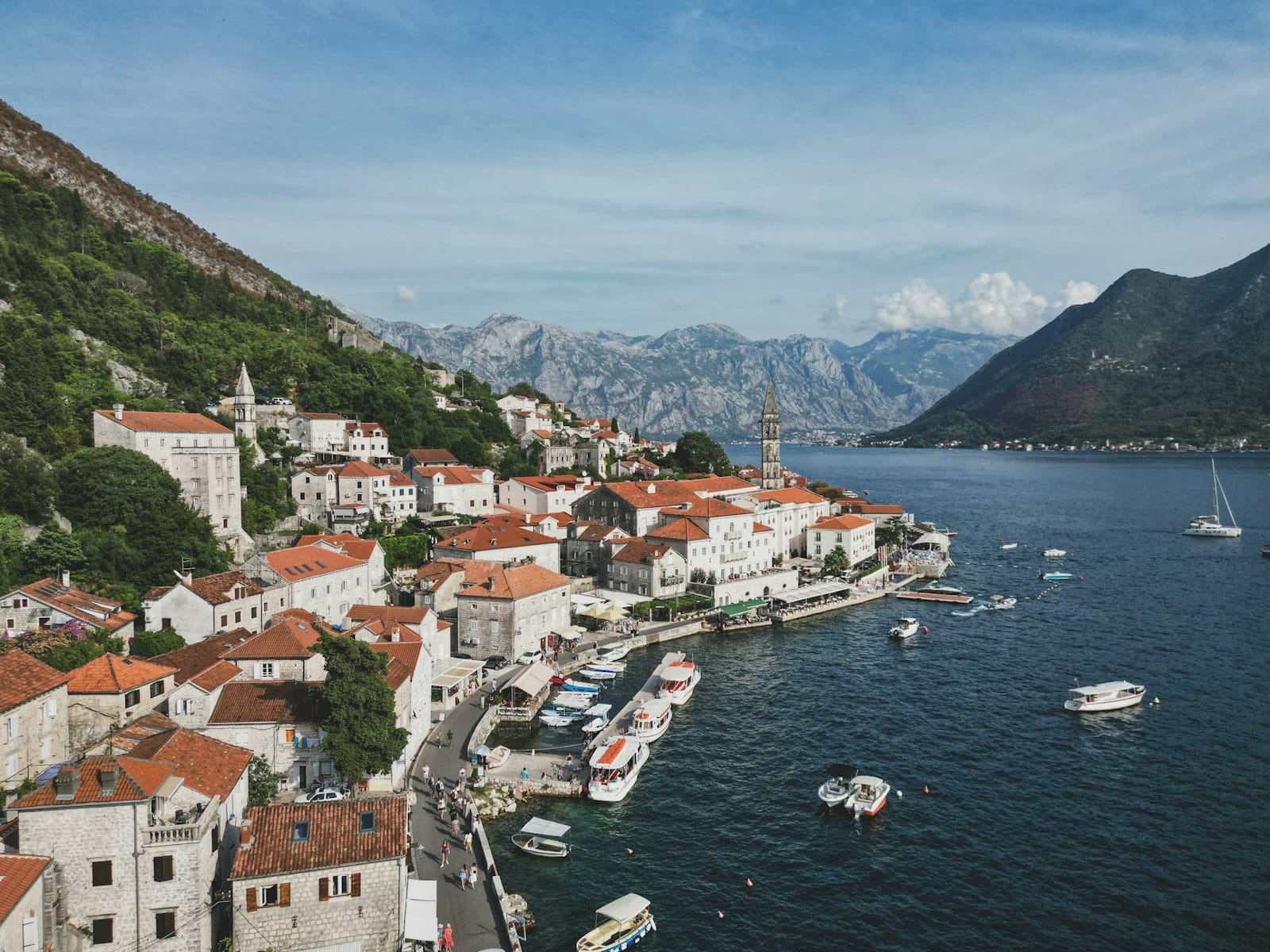
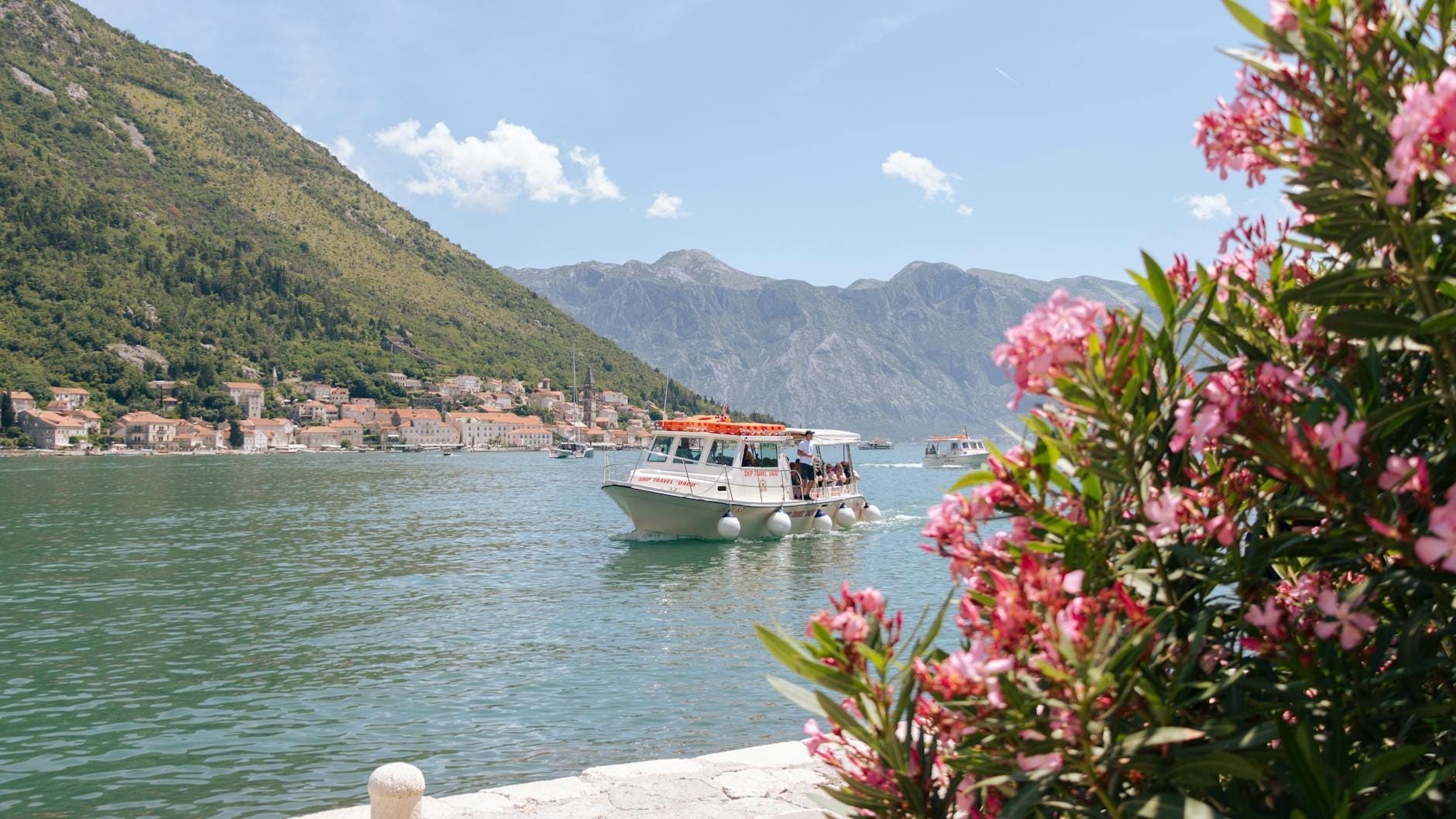
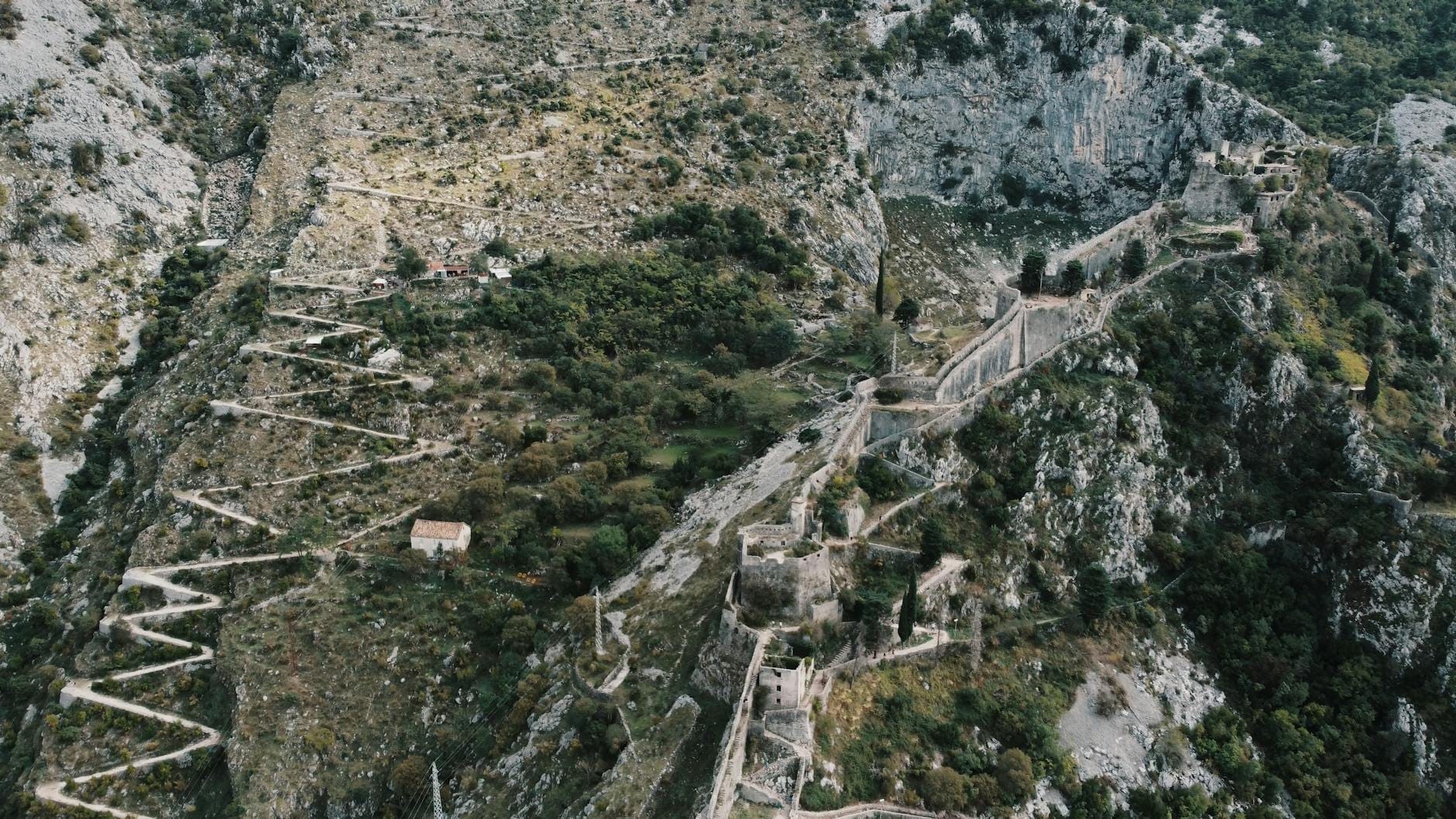
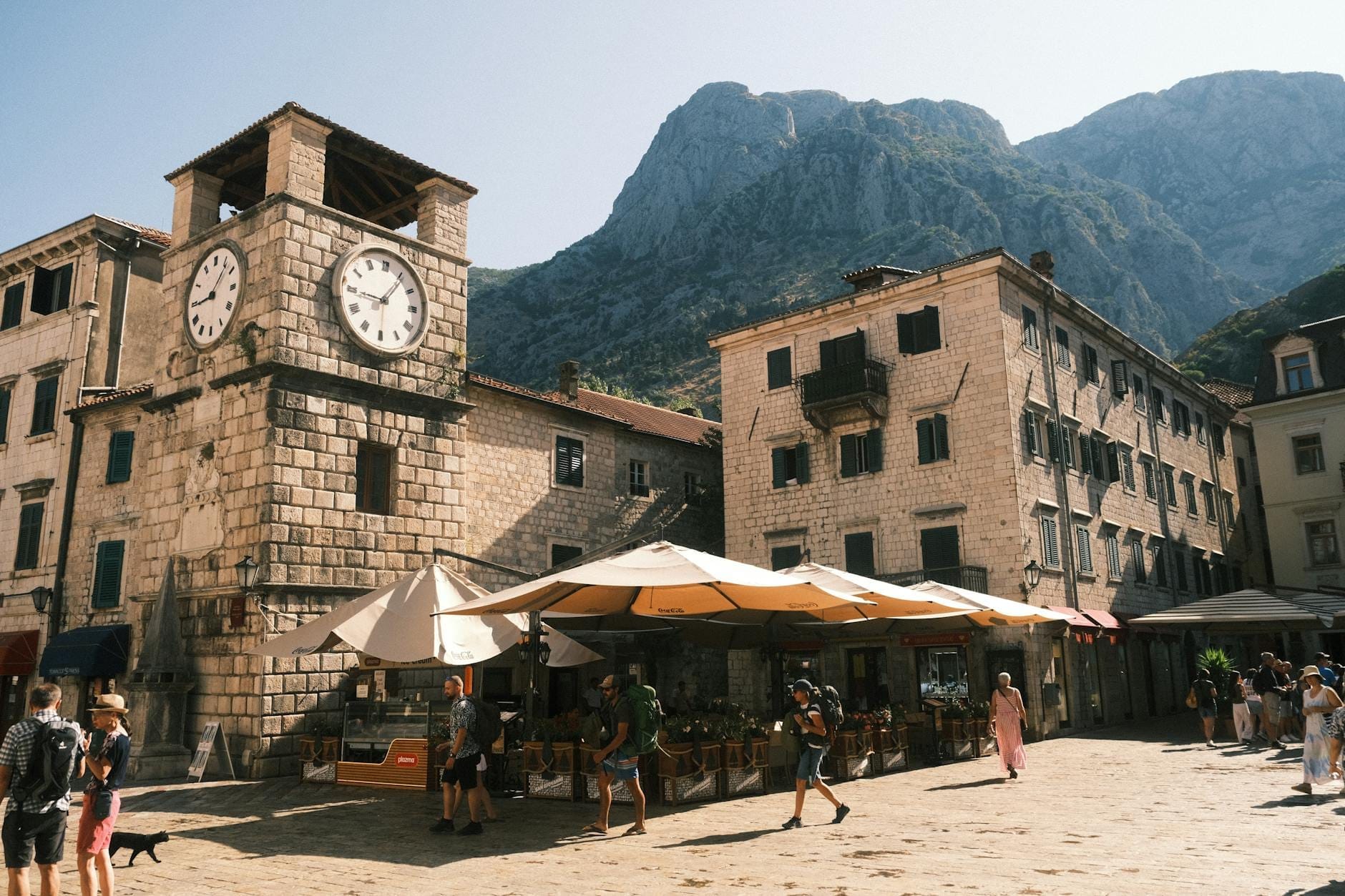
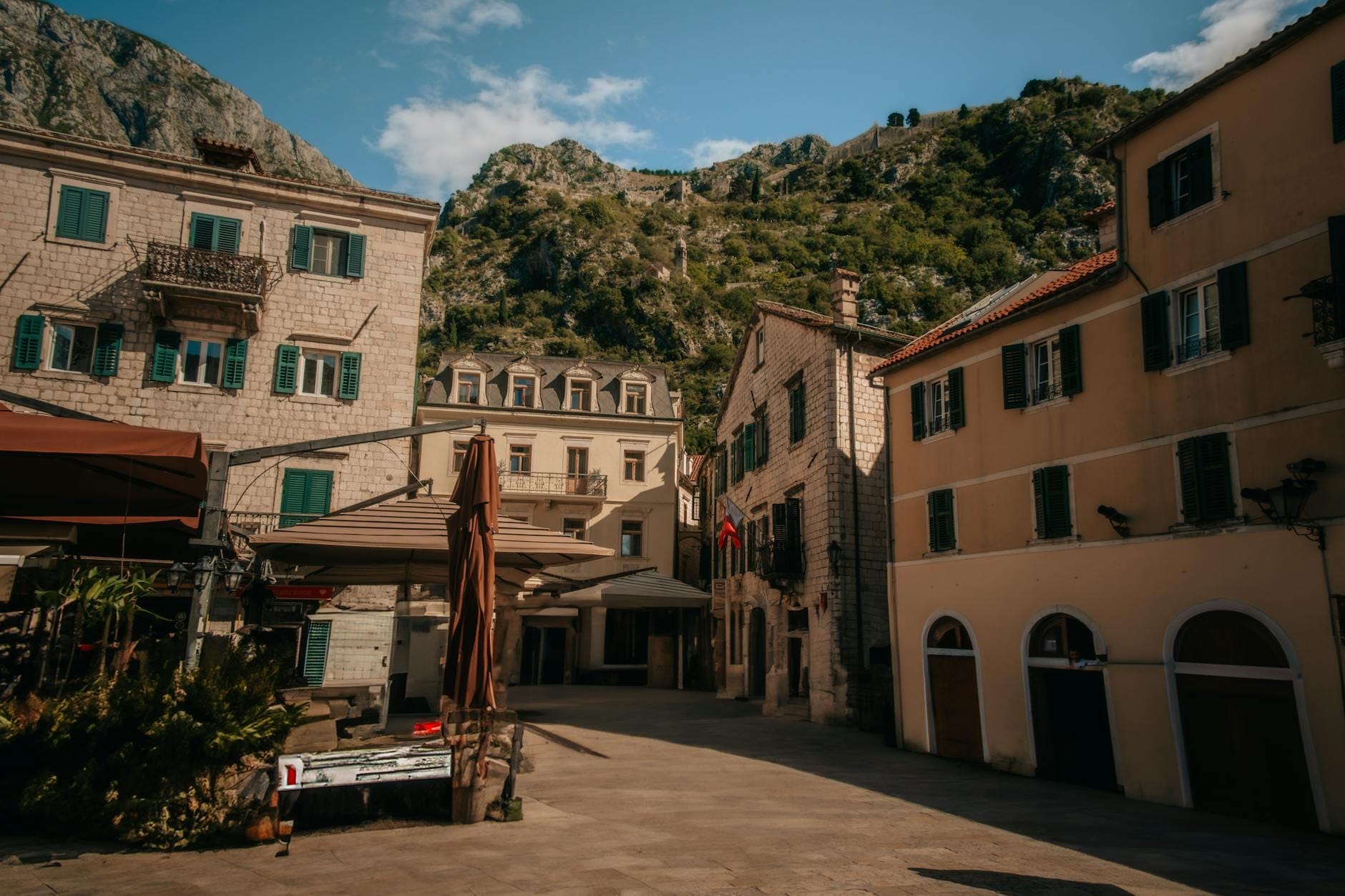
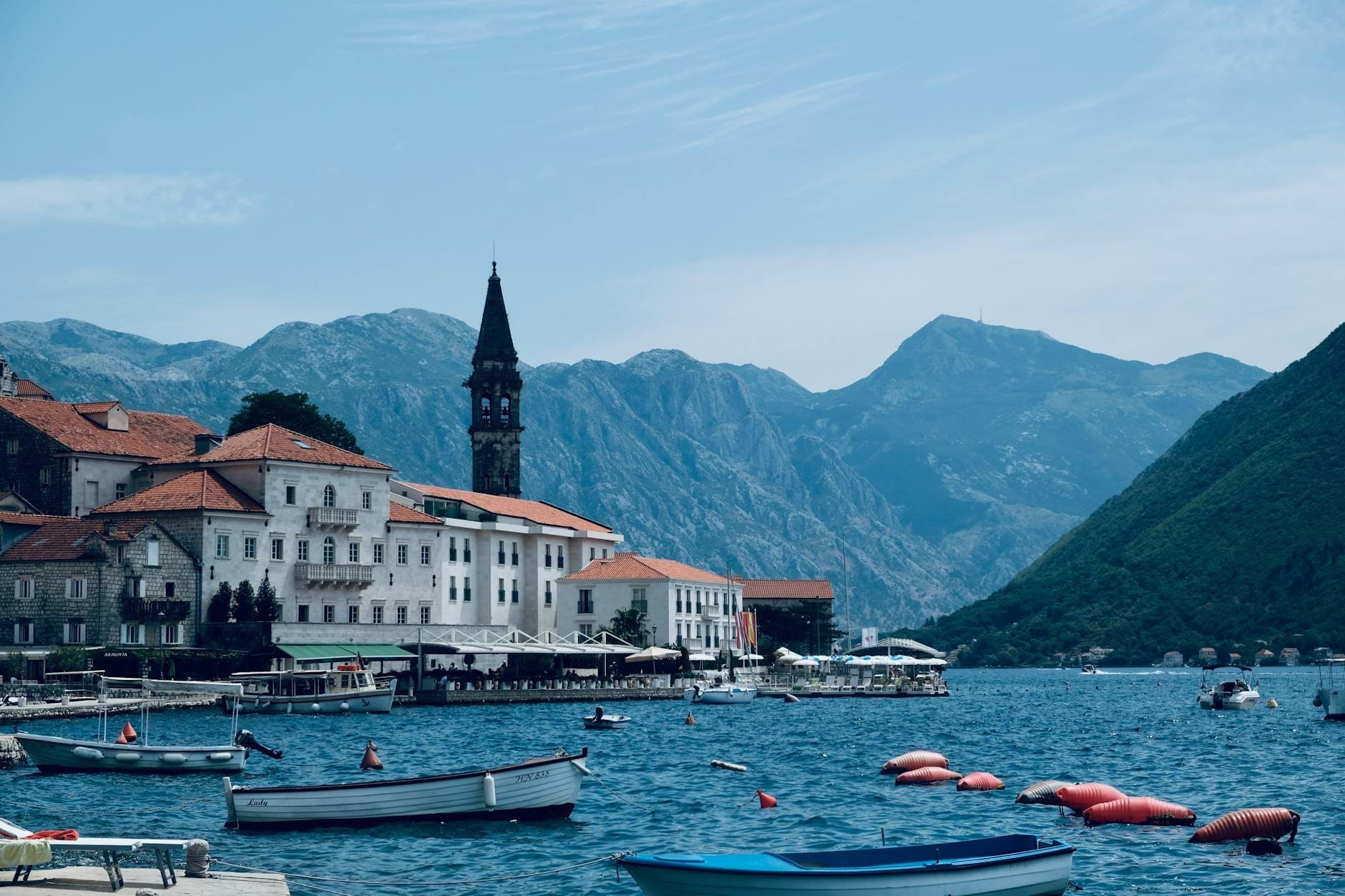
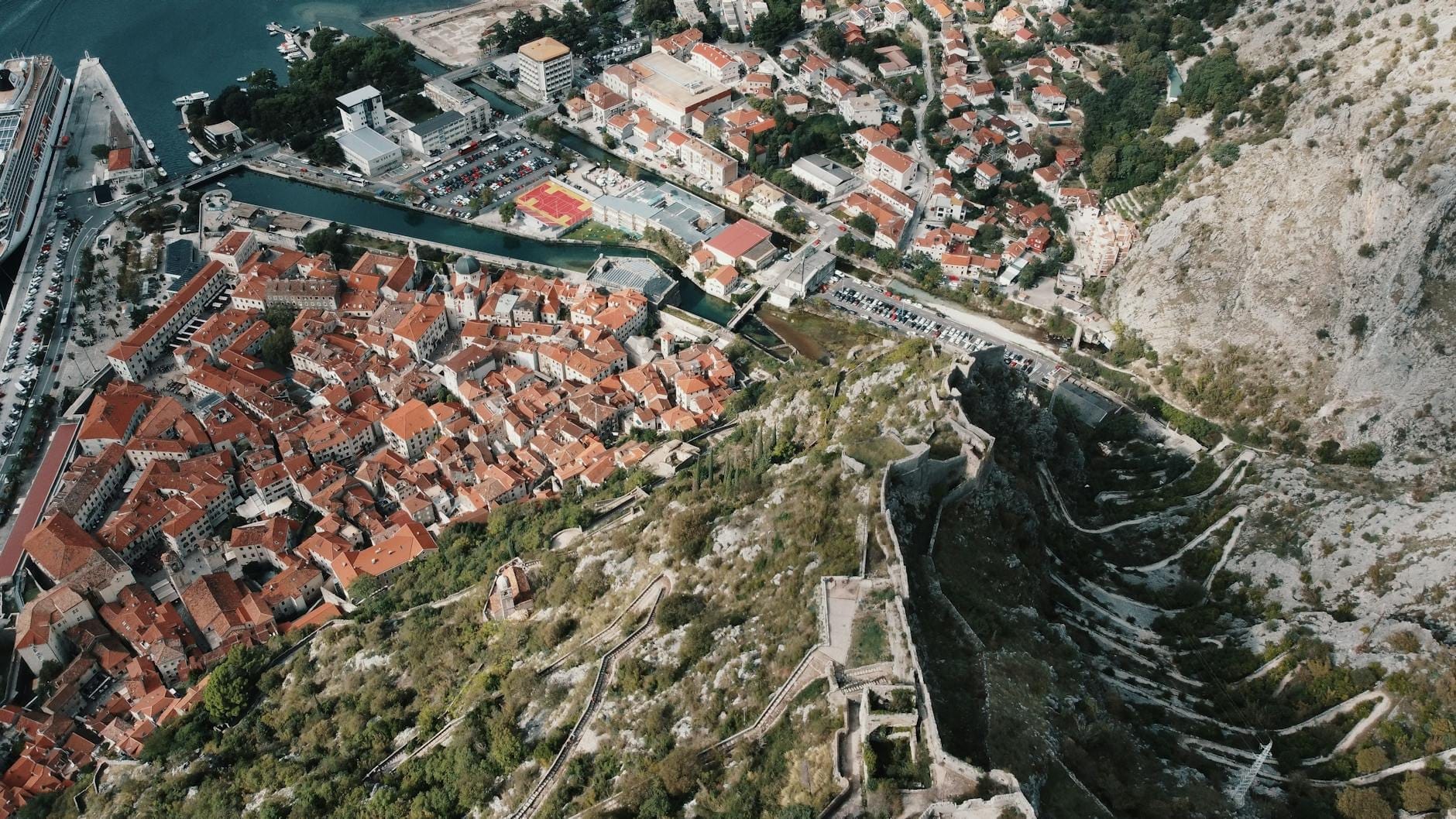
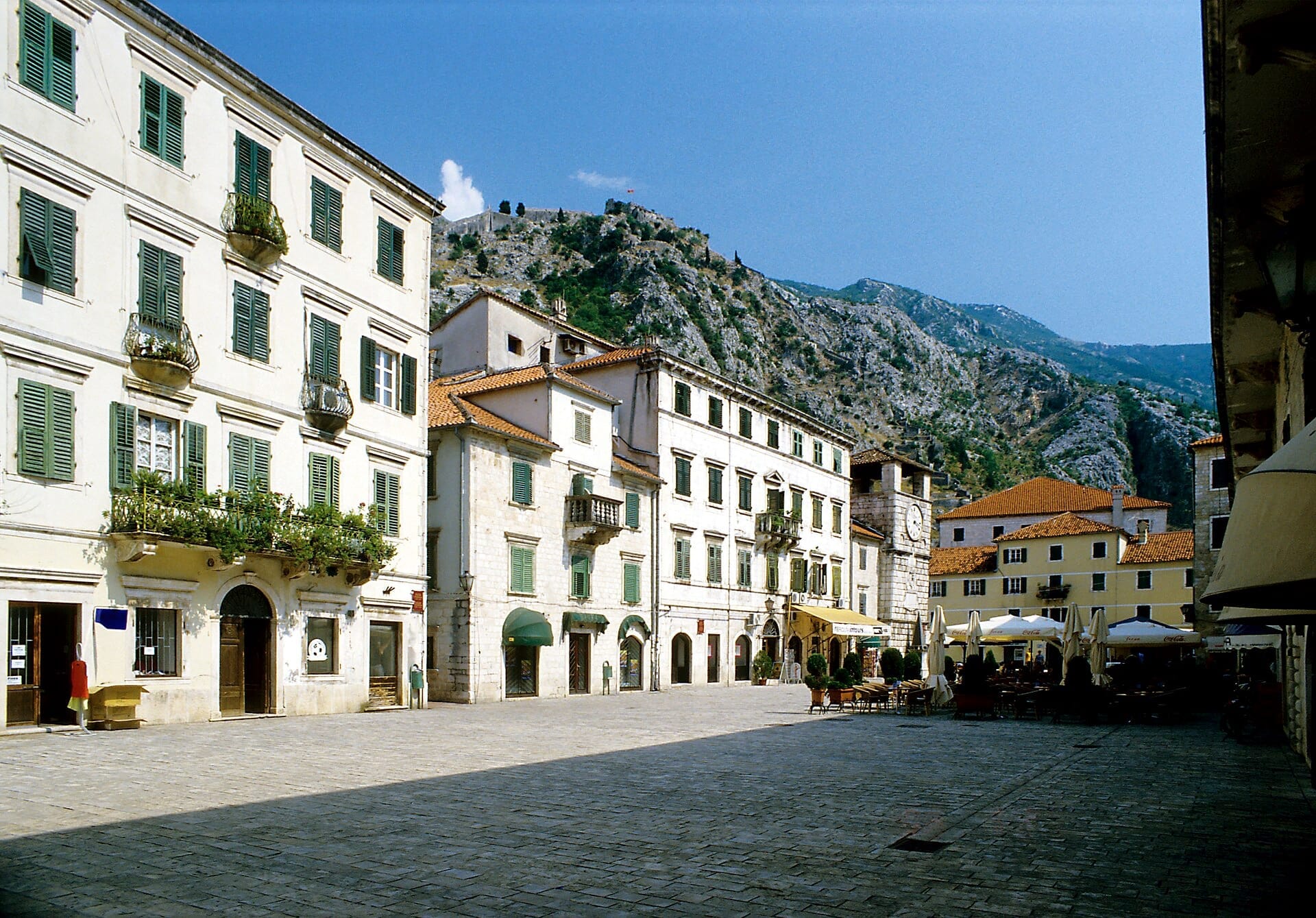
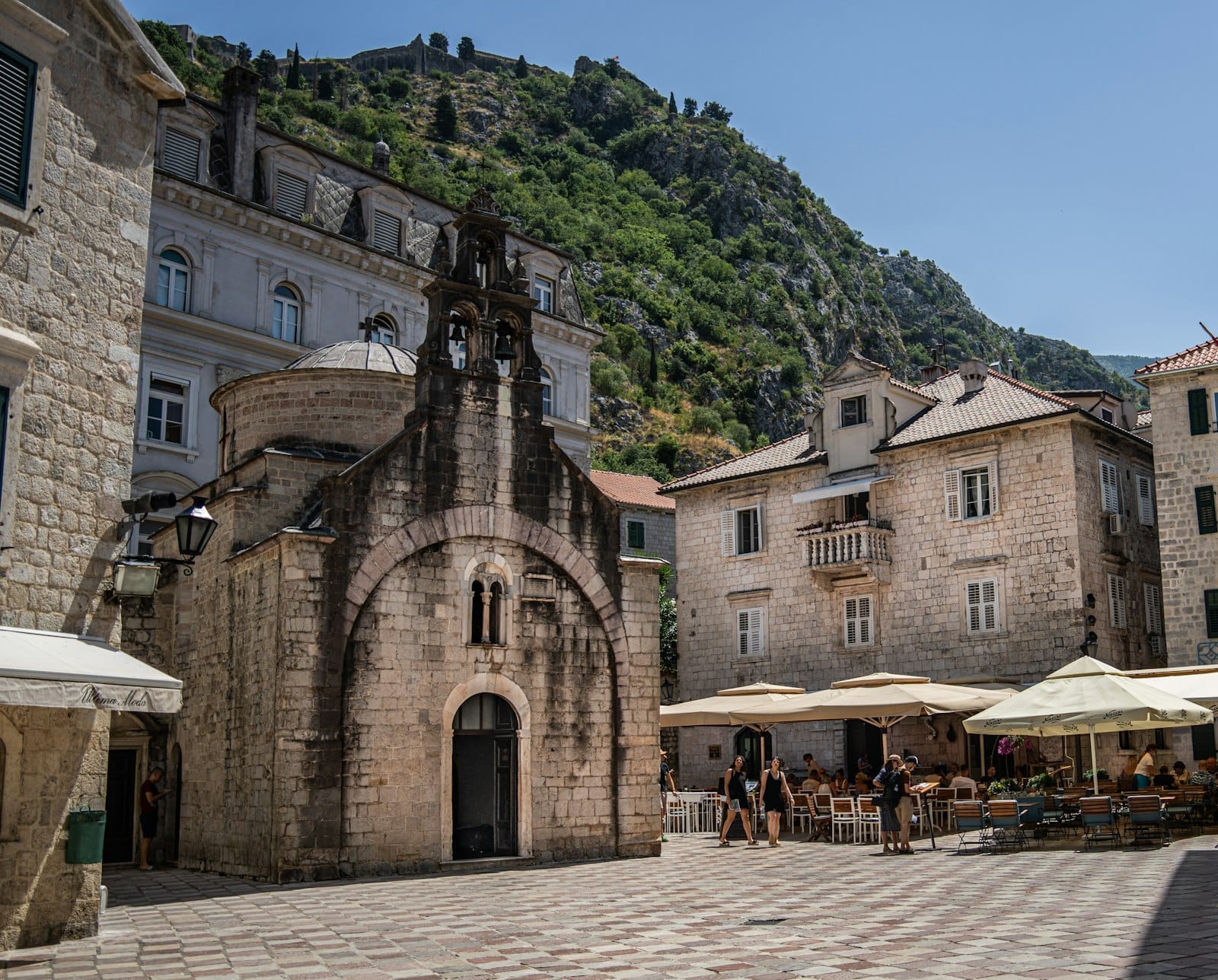
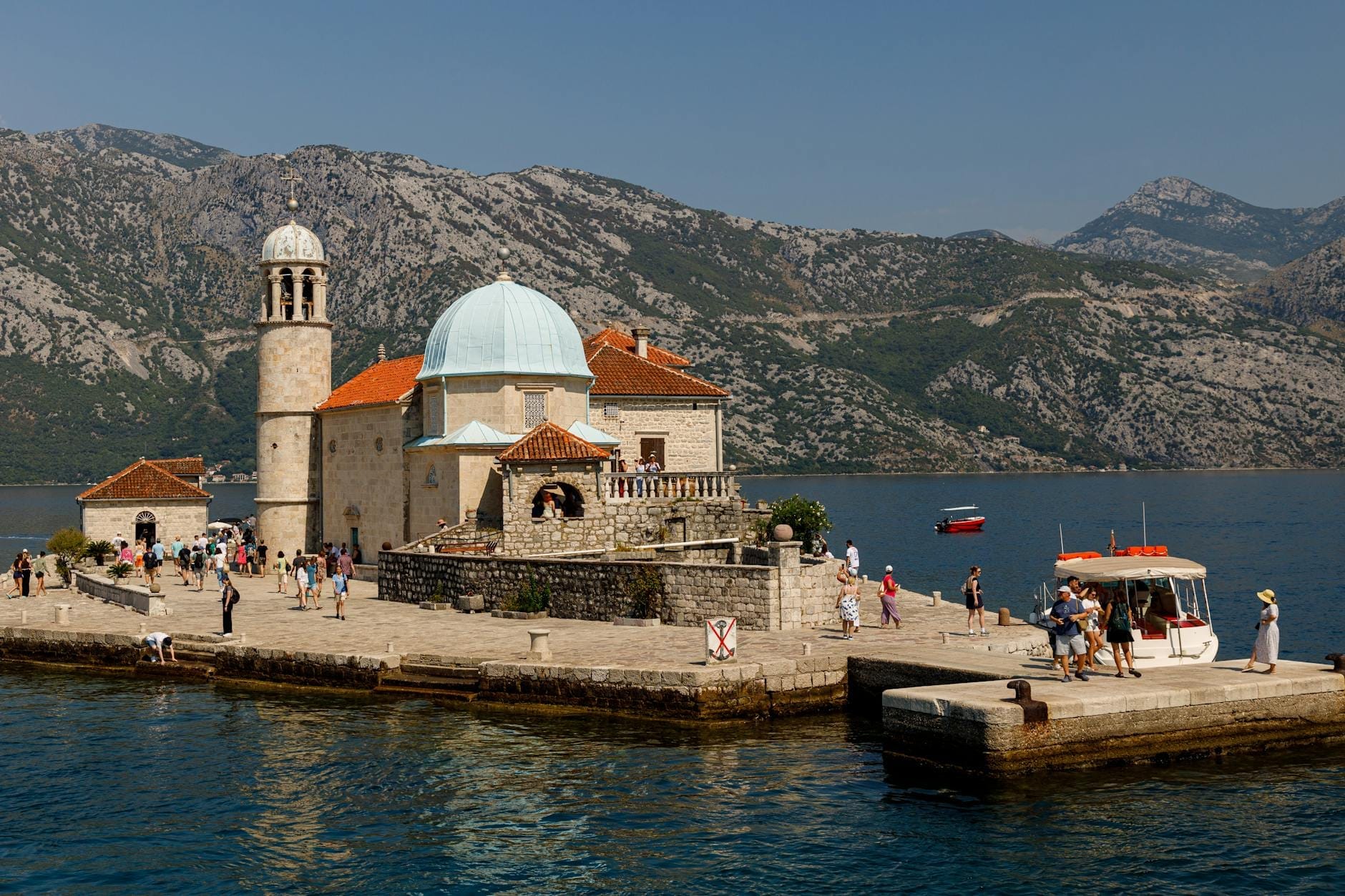
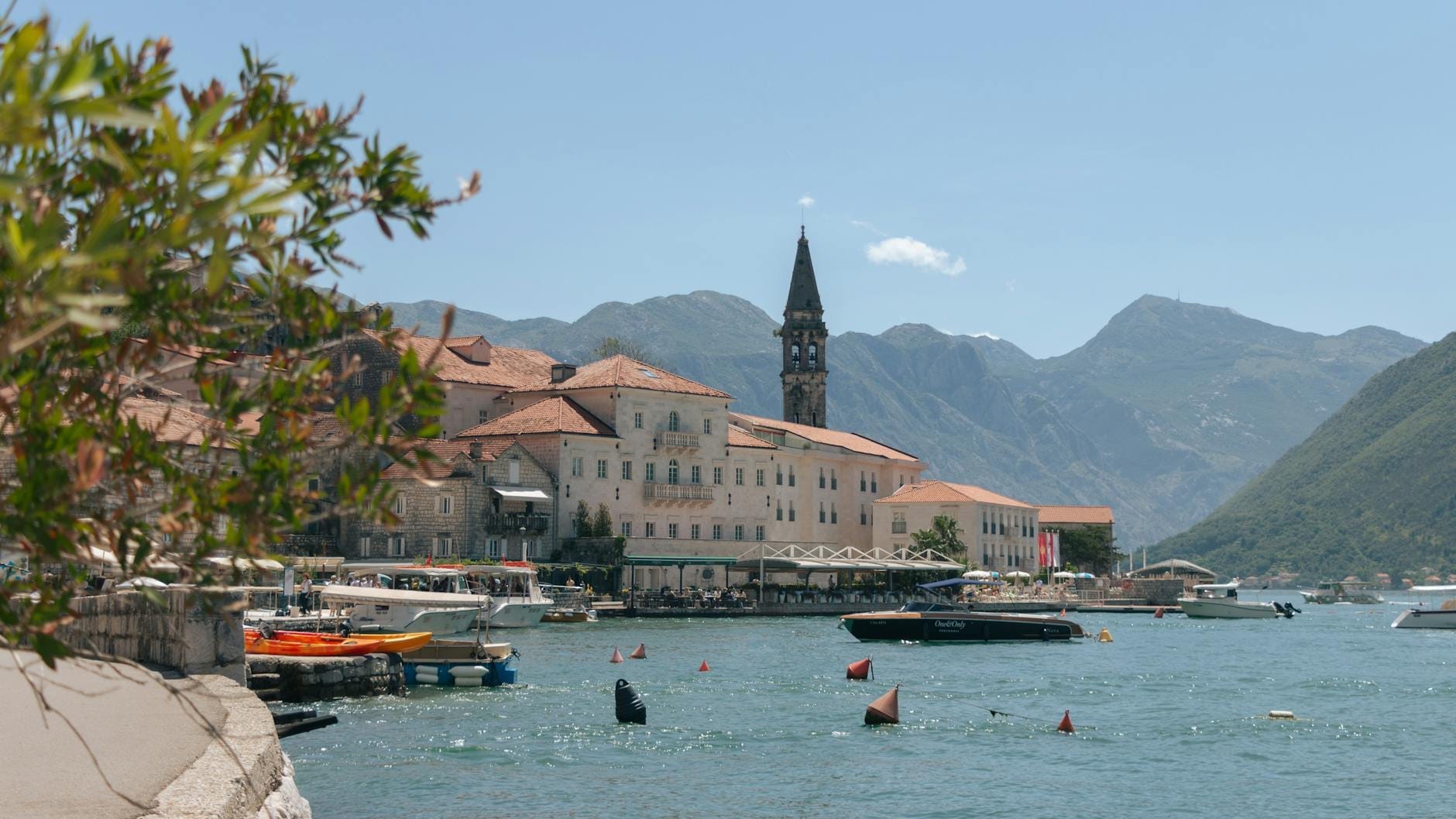
Tucked into the innermost corner of the Bay of Kotor — a fjord-like inlet on Montenegro's Adriatic coast — Kotor is one of the best-preserved medieval towns in the Mediterranean. The UNESCO-protected old town is a dense tangle of Romanesque churches, Venetian palaces, and sun-warmed piazzas enclosed by 4.5 kilometres of ancient walls that climb steeply to the hilltop Fortress of San Giovanni. Beyond the walls, the wider Bay of Kotor offers island churches, the baroque village of Perast, and easy access to Montenegro's wild interior. With most visitors arriving on day-trip cruises, staying overnight unlocks a quieter, more atmospheric side of this extraordinary city.

Why visit Kotor, Montenegro

Kotor offers one of Europe's most dramatic settings — a perfectly preserved medieval walled city framed by sheer karst mountains and a glittering Adriatic bay. It packs world-class history, scenery, and seafood into a compact, walkable destination that still feels genuinely undiscovered compared to its Adriatic rivals.

At a glance

  • UNESCO World Heritage Site since 1979
  • Located on the Bay of Kotor (Boka Kotorska), Montenegro's Adriatic coast
  • Old town walls stretch 4.5 km and climb 260 m to the Fortress of San Giovanni
  • Currency: Euro (EUR), even though Montenegro is not in the EU
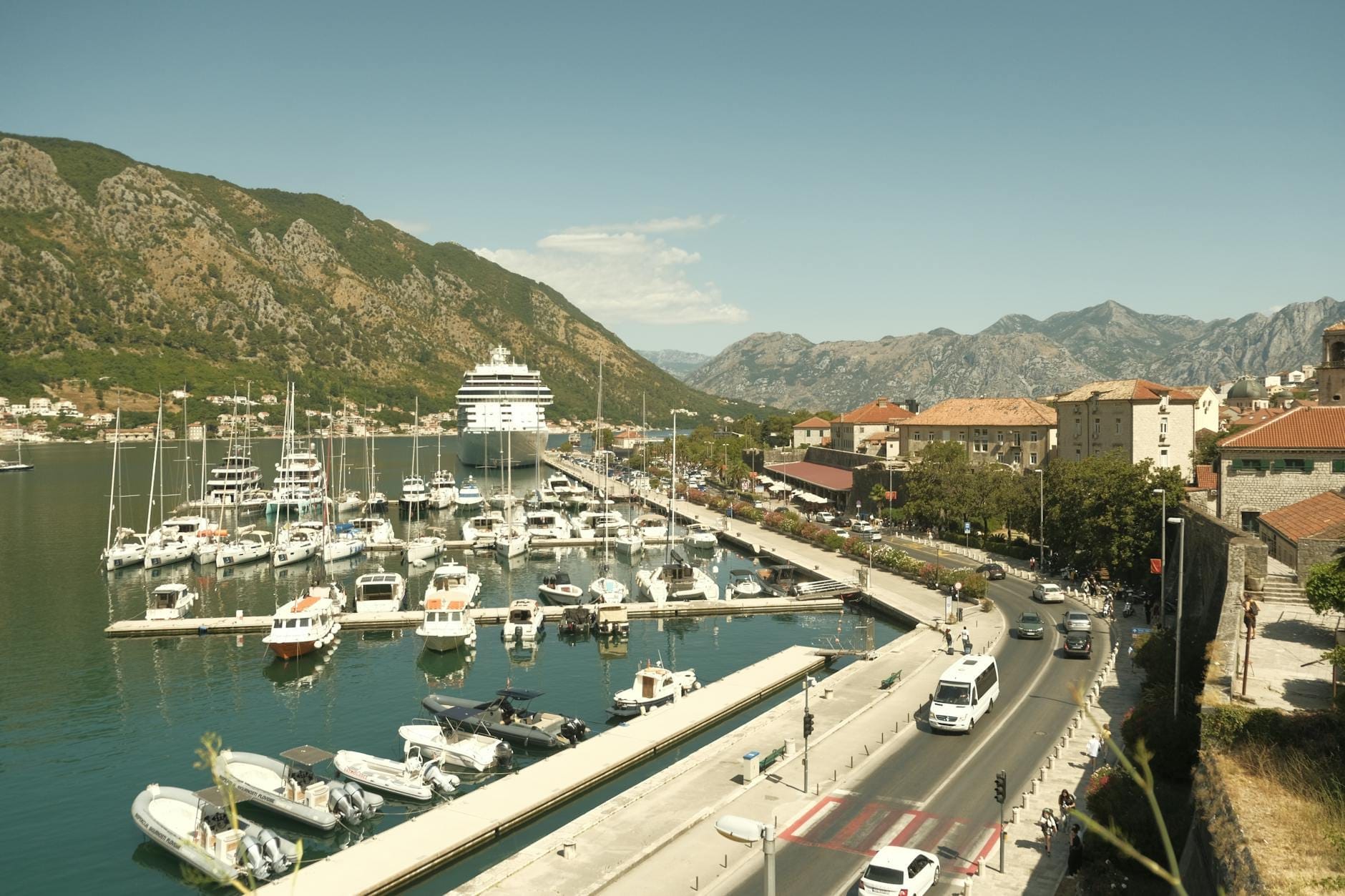
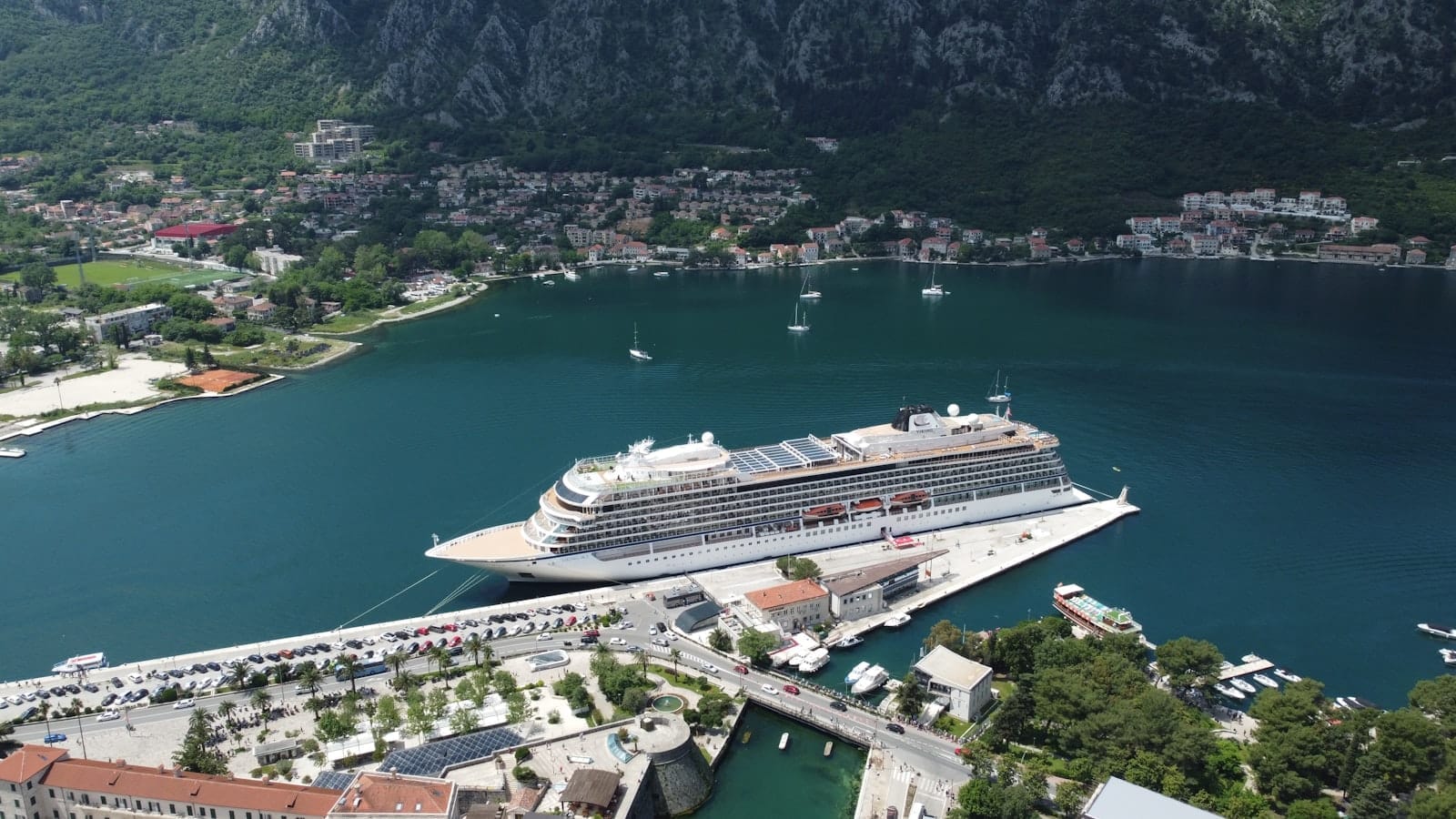
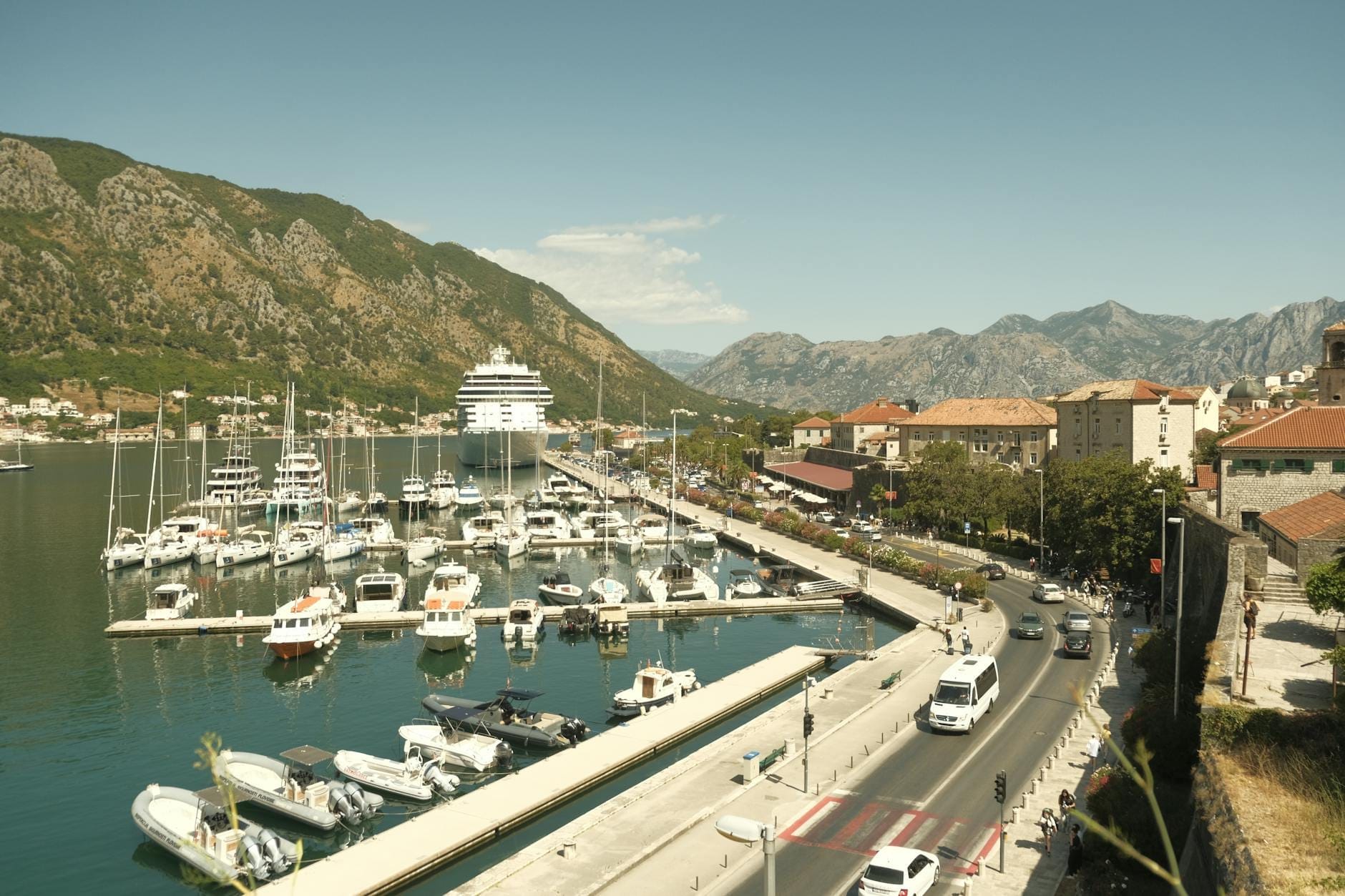
  • Most popular cruise port in Montenegro — day-trippers arrive daily in summer
  • Population of roughly 13,000 in the wider municipality

Best time to visit Kotor, Montenegro

May, June, and September are the sweet spot — warm enough for swimming and hiking, far less crowded than the July–August cruise peak. Spring brings lush green hillsides and mild temperatures ideal for fortress hikes. Read our best time to visit guide.

Places to visit in Kotor, Montenegro

Guides

Top attractions in Kotor, Montenegro

🛫 Continuing to Dubrovnik?

Kotor and Dubrovnik are natural travel partners — just two hours apart by road along one of the Adriatic's most scenic coastal drives. Many travellers combine both walled cities into a single Adriatic itinerary.

Explore our Dubrovnik guide