What to Eat in Kotor: Local Food, Seafood & Boka Bay Specialties
Kotor's food scene is shaped by its geography: Adriatic seafood from the bay, slow-cooked mountain meat from the Montenegrin interior, and centuries of Venetian influence layered into everything. This guide covers what to order, where to eat it, and what to skip.
Plan and book this trip
Tools from our partner Travelpayouts help you compare flights and hotels. If you book through them, we may earn a commission at no extra cost to you.
Flights
Hotels map
TL;DR
- Boka Bay oysters from Ljuta and mussels are the standout local ingredients — order them fresh, simply prepared.
- Lamb or veal cooked ispod sača (under an iron bell) is the defining Montenegrin meat dish and widely available around Kotor.
- The Old Town restaurants are convenient but pricier — a short walk or taxi to Dobrota or Muo gets you better value.
- Breakfast in Kotor skews toward burek and strong coffee; don't expect a full cooked breakfast at most local spots.
- For full dining recommendations including specific restaurants, see our where to eat in Kotor guide.
The Food Identity of Kotor and the Bay
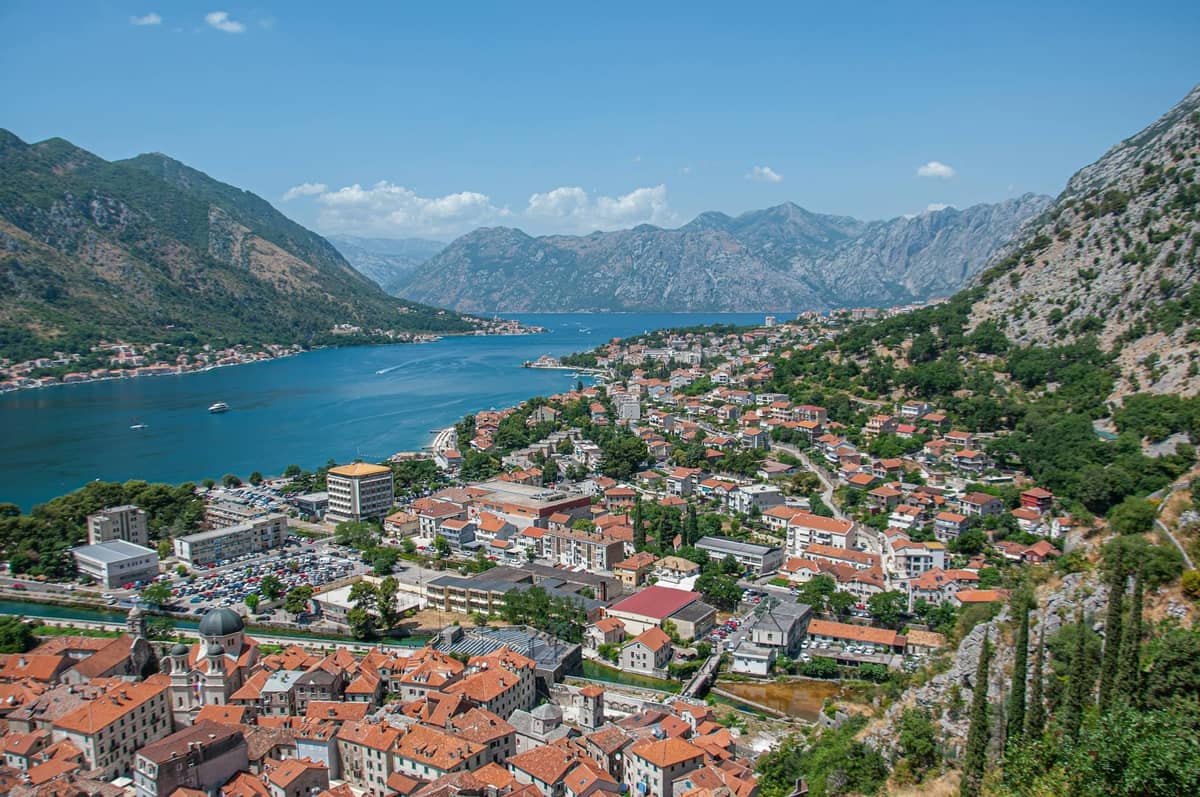
Kotor sits at the edge of Montenegro's deepest bay, and its cuisine reflects that position exactly. You get Adriatic seafood on one side and Dinaric mountain cooking on the other, with four centuries of Venetian rule adding a Mediterranean polish to both. The result is not a fusion cuisine in any trendy sense, but a practical, ingredient-forward kitchen that rewards people who order simply and eat seasonally.
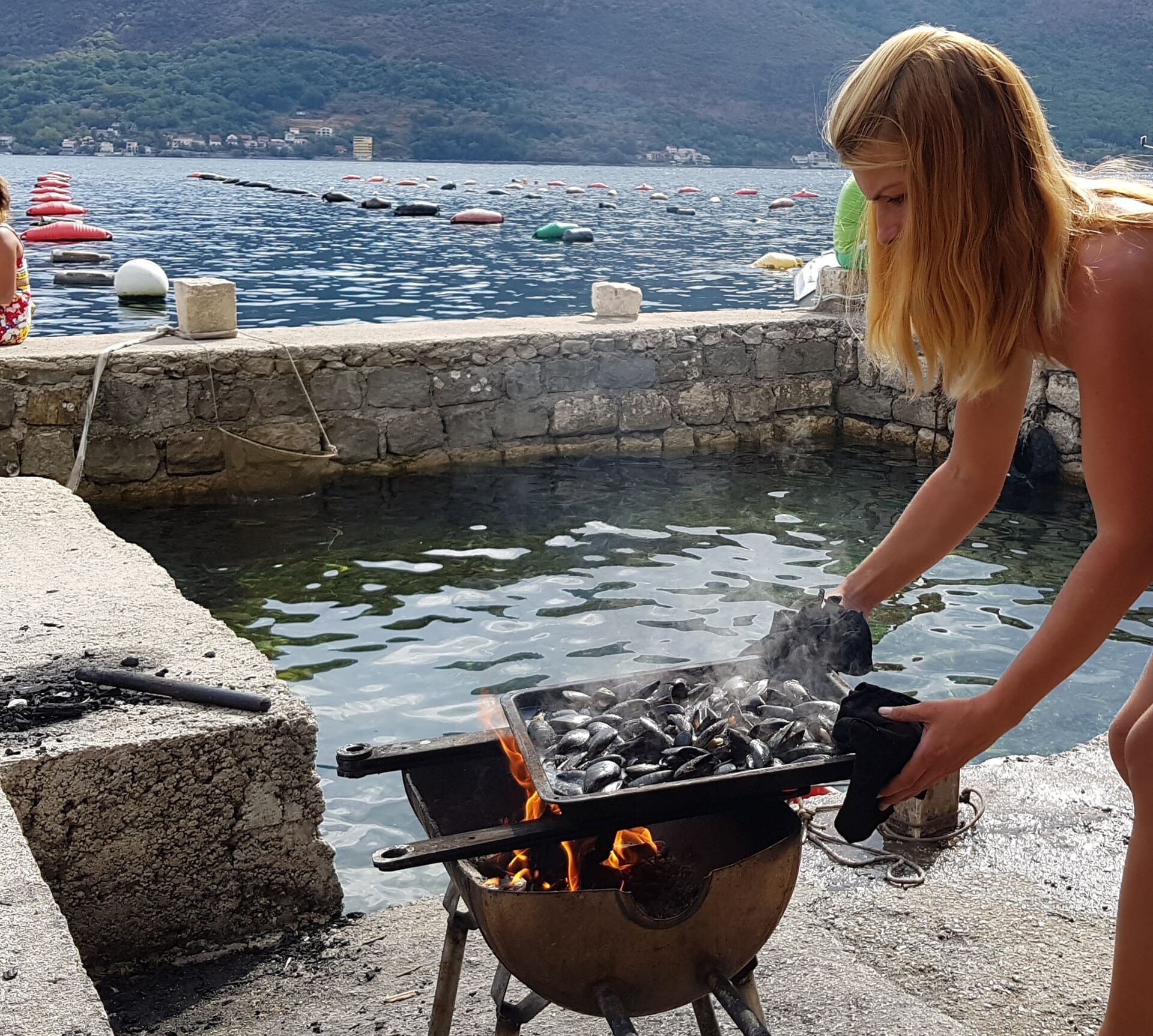
The Bay of Kotor is a ria, not a true fjord, which means its waters are calmer and more sheltered than the open Adriatic. That environment produces exceptionally sweet shellfish, particularly oysters from oyster farms along the road from Perast to Kotor and mussels cultivated around Perast and Risan. These are not shipped in from elsewhere — when you order školjke (shellfish) at a reputable konoba in Kotor, you are eating from the same water you can see from the table.
ℹ️ Good to know
Montenegrin cuisine doesn't have sharp regional borders. What you eat in Kotor overlaps heavily with coastal Croatian food to the north and Albanian food to the south. The differences are subtle: more lamb, more kajmak, and heavier cream-based sauces than you'd typically find in Dalmatia.
Seafood: What to Order and What It Costs
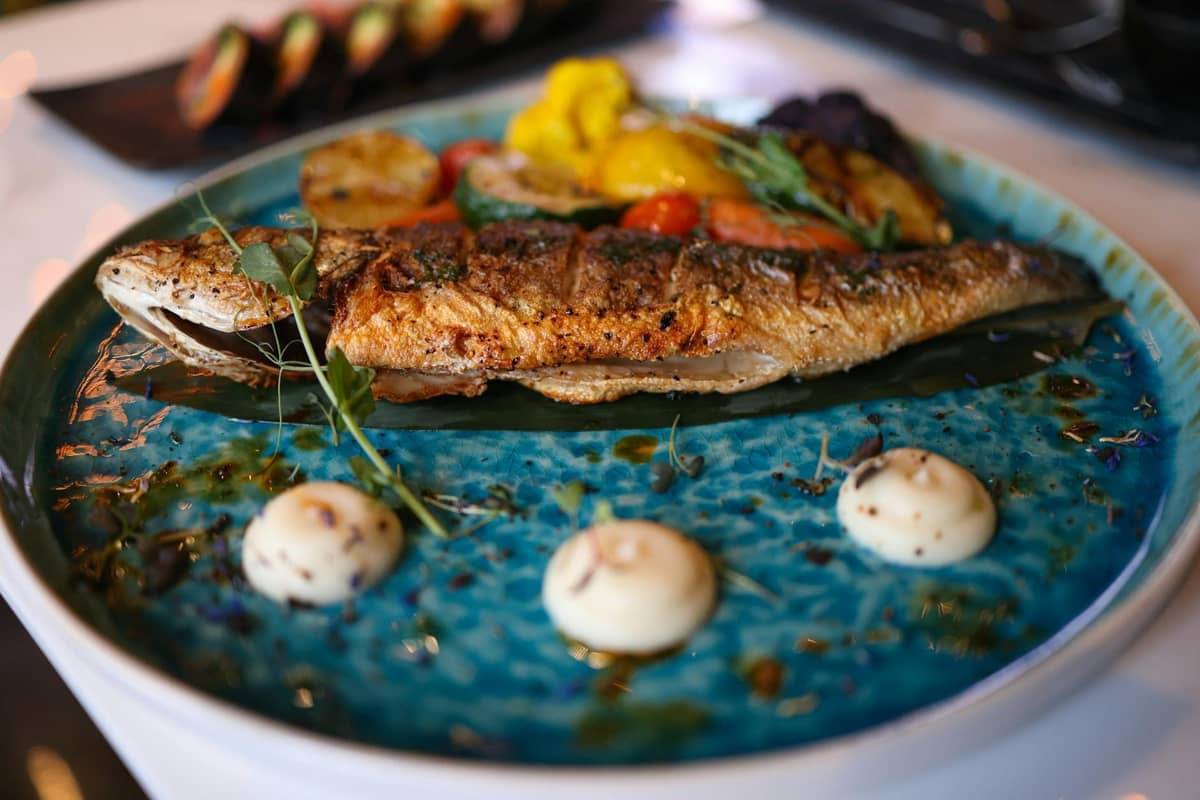
Fresh fish is priced by the kilogram in almost every Kotor restaurant, which catches visitors off guard. A whole sea bass (brancin) or sea bream (orada) typically runs €18-28 per kilogram, and a portion-sized fish usually weighs around 400-500g. Always ask the weight before you commit. Grilled fish with olive oil, lemon, and blitva (Swiss chard with potato) is the standard preparation, and it's the right one — resist any place pushing complicated sauces on fresh fish.
- Boka Bay Oysters (Kamenice) Grown in the clean, brackish water where the Ljuta River meets the bay. Smaller than French varieties, intensely flavoured, and typically served raw with lemon. Expect to pay €1.50-3 per oyster depending on the restaurant. Worth every cent.
- Mussels (Dagnje) Farmed locally and almost always fresh. Best ordered na buzaru — cooked in white wine, garlic, olive oil, and parsley. A large bowl costs €8-14 and works as a shared starter or a light main.
- Grilled Squid (Lignje na žaru) A staple across the whole Adriatic coast. Look for smaller squid (more tender texture) and ask if it's fresh, not frozen. Usually €12-18 for a main portion.
- Black Risotto (Crni rižot) Squid ink risotto, Venetian in origin, found on nearly every menu. Quality varies enormously — the best versions are deeply savoury and slow-cooked; the worst are starchy and undersalted. A reliable test of a restaurant's kitchen.
- Fish Stew (Brudet) A slow-cooked stew of mixed fish and shellfish in tomato, wine, and herbs, served with polenta. Heavier and more flavourful than grilled fish, and better value per euro. Order it for dinner rather than lunch.
⚠️ What to skip
Restaurants right on the Sea Gate waterfront and inside the main square charge a significant premium for the view. The food is rarely better than at konobas a five-minute walk away. If you want to sit and watch the boats, fine — just go in knowing you're paying for location, not quality.
Meat Dishes: Montenegrin Mountain Cooking at the Coast
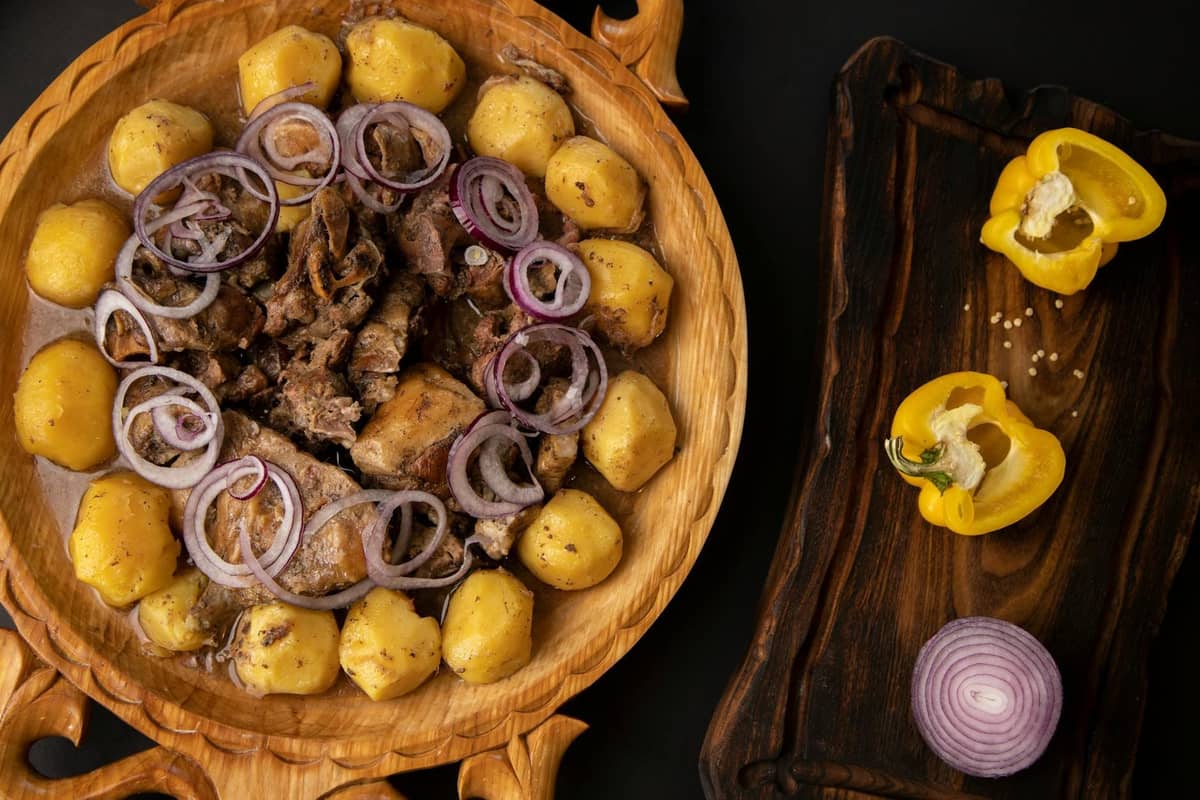
Montenegro's interior is cattle and sheep country, and those traditions travel down to the coast. The single most important meat preparation to understand is ispod sača: meat — usually lamb, veal, or suckling pig — slow-roasted for several hours under a heavy iron or clay dome called a sač. Embers are piled on top of the dome, creating an all-sides heat that produces incredibly tender, smoky meat with crisp skin. It is the centrepiece dish at most traditional restaurants, usually ordered in advance and priced around €15-25 per person depending on the cut.
Ćevapi are small hand-rolled grilled sausages served in a soft flatbread (lepinja) with raw onion and kajmak (a clotted cream similar to crème fraîche but richer). They're cheap (€4-7), filling, and available at fast-casual spots throughout the old town — the correct lunch if you want to eat like a local without spending much. Pljeskavica, a spiced grilled meat patty, is the other ubiquitous street food option.
- Lamb ispod sača: the dish to order if you're only trying one meat dish in Montenegro
- Ćevapi with kajmak: inexpensive, quick, genuinely good — the honest street food of the region
- Njeguški pršut: dry-cured ham from the village of Njeguši near Lovćen, smokier and saltier than Italian prosciutto, served as a cold starter
- Njeguški cheese: semi-hard sheep's milk cheese, often paired with pršut on a cold platter
- Kajmak: order it as a side with anything grilled — it costs €1-2 extra and improves everything
✨ Pro tip
Njeguški pršut and sir (cheese) from the village of Njeguši can be bought at local markets and small shops around Kotor for significantly less than restaurant prices. If you're self-catering or want to build a picnic, look for shops near the old town entrance rather than tourist-facing stalls inside the walls.
Breakfast, Snacks, and Quick Eats
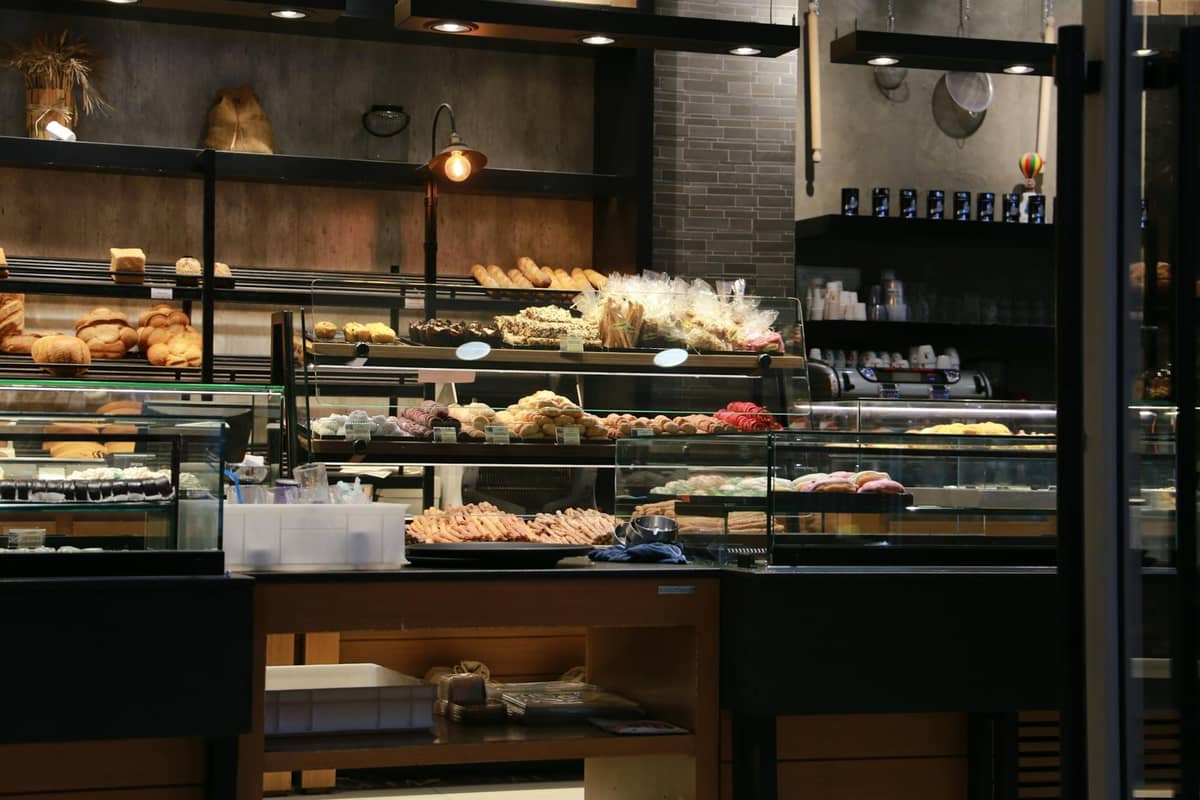
Kotor doesn't do elaborate breakfast culture. Local bakeries (pekara) open early and sell burek — phyllo pastry filled with meat (sa mesom), cheese (sa sirom), or spinach (sa špinatom). A slice costs €1-2 and is the most efficient breakfast available. Pair it with a thick Turkish-style coffee or a macchiato. Sit-down breakfast at a café typically means toast, eggs, and jam for €4-8, but quality is inconsistent across the old town.
For something sweet, priganice are light fried dough fritters served with honey or jam, common at traditional restaurants as a breakfast or dessert item. Palačinke (thin crêpes) filled with Nutella or jam appear on most café menus. For a more substantial mid-morning snack, a plate of pršut and cheese with bread at a konoba sets you up efficiently for a morning walking the city walls and fortress hike.
Drinks: Wine, Rakija, and What to Know
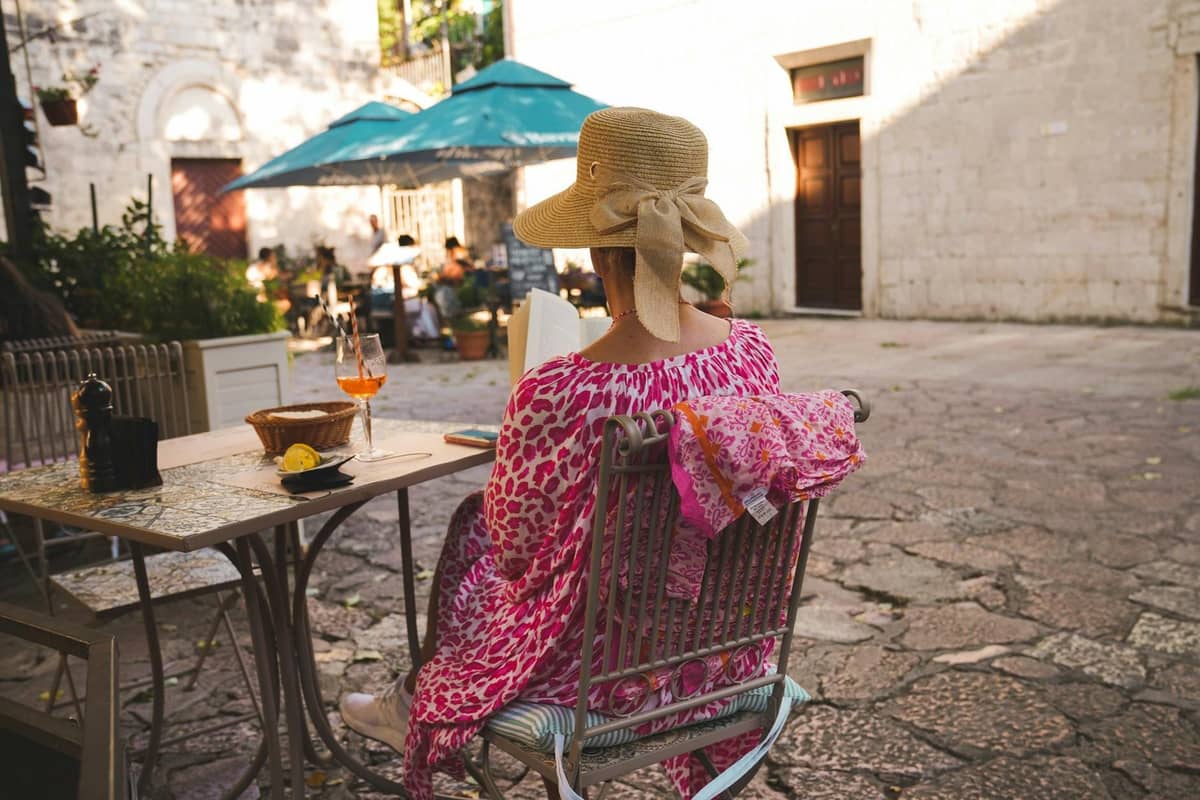
Montenegro has a small but serious wine culture. The dominant local grape is Vranac, a thick-skinned red that produces deep, tannic wines — sometimes structured and age-worthy, sometimes rough and rustic depending on the producer. Plantaže, the large state-founded winery near Podgorica, makes the most widely available Vranac and is a reliable entry point. Krstač is the main white variety, crisp and mineral, and better suited to seafood than Vranac is.
Rakija is the regional spirit, distilled from grapes (lozovača), plums (šljivovica), or various fruit. It arrives unsolicited at many traditional restaurants as a welcome shot, and refusing it is considered slightly rude — a small sip is the socially correct response even if you don't want it. House wine at a konoba typically runs €3-5 for a carafe (200-250ml); bottled Plantaže Vranac is around €8-15 on a restaurant wine list. Beer drinkers will find Nikšićko Pivo (Niksicko), Montenegro's national lager, on tap everywhere for €2-3.
Eating Well: Practical Tips for Kotor
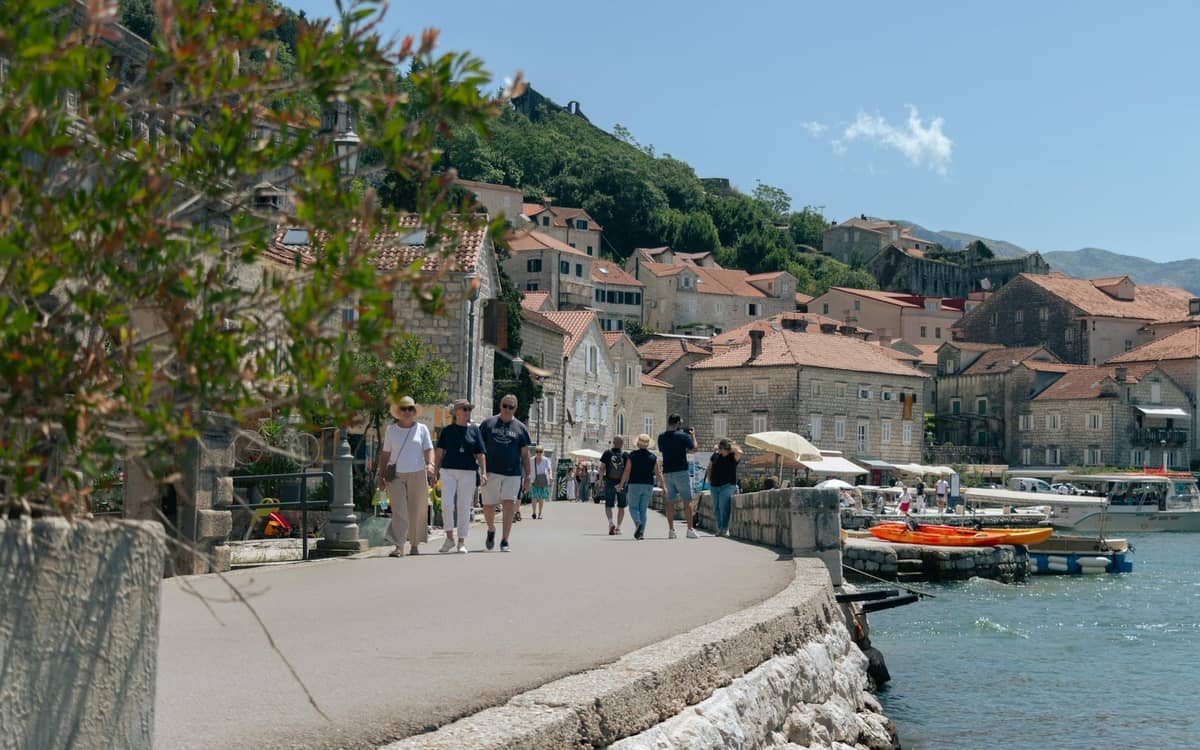
Kotor's Old Town is compact and heavily touristed, which means restaurant prices inside the walls skew higher than the food quality often justifies. The sweet spot for both quality and value is the waterfront strip north of the old town toward Dobrota, where local konobas serve the same seafood and meat dishes with less markup and more space between tables. Getting there takes 10-15 minutes on foot along the seaside promenade or a short taxi ride.
Lunch is typically served from noon to 3pm; dinner from 7pm onwards. Kitchens at traditional konobas often close by 10pm. If you're arriving late after a bay boat tour or evening activity, check closing times in advance. Most restaurants accept cards, but smaller bakeries and market stalls are cash-only — keep some euros on hand.
- Order the fish of the day rather than choosing from a long menu — fresher, better value, and a sign the kitchen is confident
- Avoid set tourist menus (€12-15 'local plate' deals near the Sea Gate) — they use the lowest-quality ingredients
- Ask for tap water (voda iz slavine) if you don't want to pay €2-3 per bottle of still water throughout a meal
- Tipping is not obligatory but 10% is standard and appreciated at sit-down restaurants
- Sunday lunch is the biggest meal of the week culturally — if you're there on a Sunday, konobas fill up fast by 1pm
If you're planning a day trip to Perast or further around the bay, note that Perast has several excellent restaurants where you can eat mussels and fish directly beside the water at similar or slightly lower prices than Kotor's old town. It's a natural combination: visit Our Lady of the Rocks by boat in the morning, then eat lunch at a waterfront konoba before returning to Kotor in the afternoon.
💡 Local tip
Summer (July-August) brings cruise ships and peak crowds to Kotor, which means Old Town restaurants are often fully booked by 7:30pm. Either reserve ahead, eat before 6:30pm, or plan your dinner outside the walls. The shoulder seasons of May, June, and September offer the same menu with shorter waits and cooler evenings for outdoor dining.
FAQ
What is the most famous local food in Kotor?
Boka Bay oysters (kamenice) are Kotor's most distinctive local ingredient — grown in the sheltered bay waters and served raw with lemon at most seafood restaurants. For meat, lamb cooked ispod sača (under an iron bell over embers) is the signature Montenegrin dish you'll find throughout the region.
Is food expensive in Kotor?
By Balkan standards, Kotor is moderately priced but not cheap, especially inside the Old Town. A full dinner with wine at a mid-range restaurant runs €25-40 per person. You can eat well for €10-15 if you stick to bakeries, ćevapi spots, and simple konoba lunches outside the tourist centre.
Are there vegetarian options in Kotor?
Yes, though Montenegrin cuisine is heavily meat and seafood-focused. Most restaurants offer grilled vegetables, cheese dishes, salads, and pasta. Shopska salata (tomato, cucumber, and white cheese) is the standard vegetarian starter. Dedicated vegetarian restaurants are rare — you'll be picking from the menu rather than finding a specialist option.
Where can I buy local Montenegrin products to take home?
Njeguški pršut (smoked ham) and hard sheep's cheese are available at small shops and market stalls just outside the old town walls. Vranac wine from Plantaže travels well and is available at supermarkets and wine shops throughout Kotor at €5-12 per bottle. Vacuum-packed pršut is the easiest option for transport.
Can I eat well in Kotor if I don't like seafood?
Yes. The meat tradition here is strong — lamb, veal, and pork dishes are on every menu, and grilled meats like ćevapi and pljeskavica are widely available. You won't be limited, though you'd be missing the strongest local culinary identity, which is tied to the bay and its shellfish.