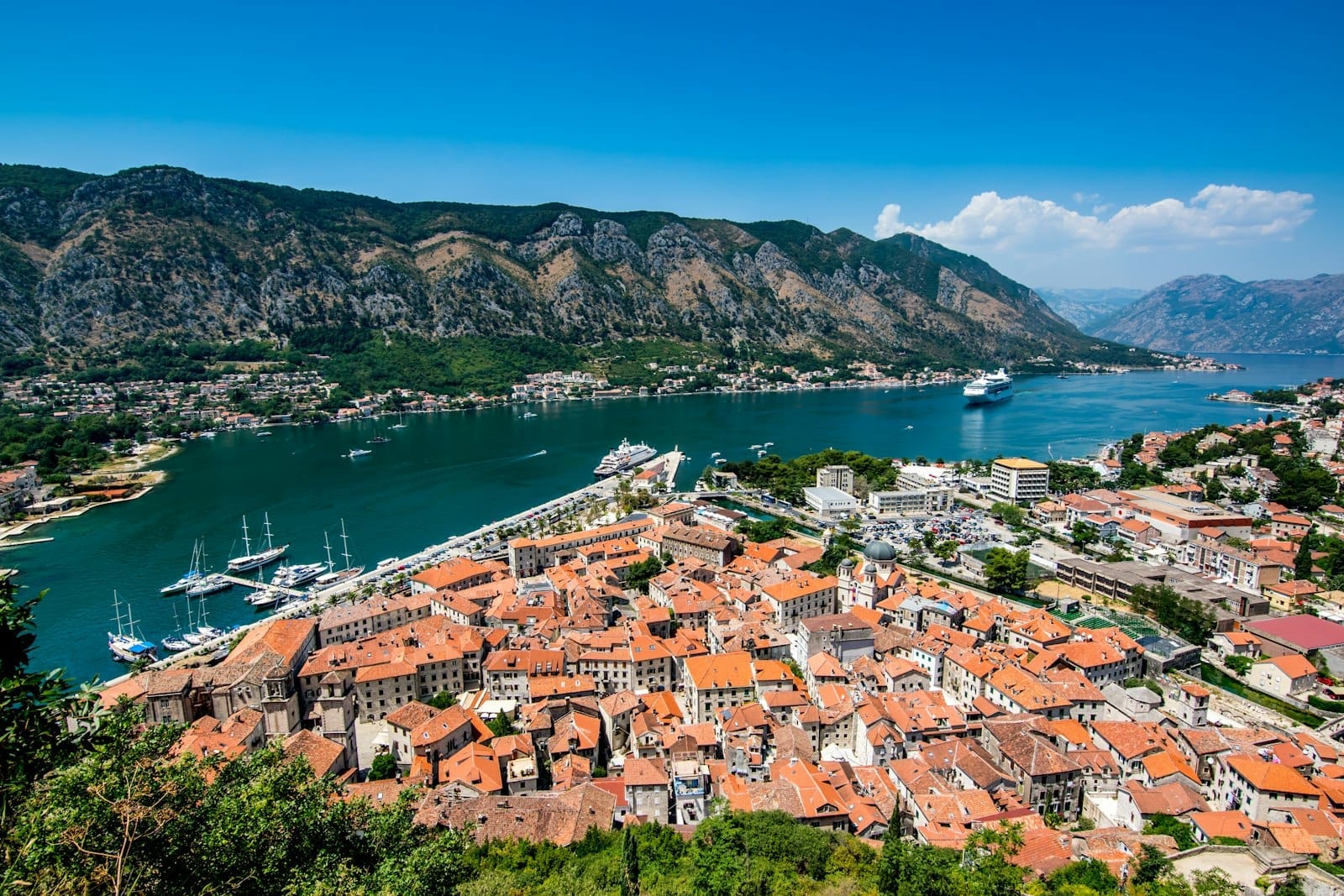
Kotor Old Town, or Stari Grad, is a UNESCO-listed medieval walled city at the foot of Mount Lovćen on the Bay of Kotor. Its labyrinth of Venetian-era stone streets, Romanesque churches, and fortress walls make it one of the Adriatic's best-preserved historic centers. This is where virtually all of Kotor's major sights are concentrated.
Kotor Old Town is the entire reason most visitors come to this corner of Montenegro. Enclosed by 4.5 kilometers of medieval walls and pressed against the steep grey limestone of Mount Lovćen, Stari Grad is one of the most dramatically situated historic cities on the Adriatic coast. Every street leads somewhere unexpected: a Romanesque cathedral, a square full of cats, a crumbling palazzo with laundry strung between the windows.
Orientation
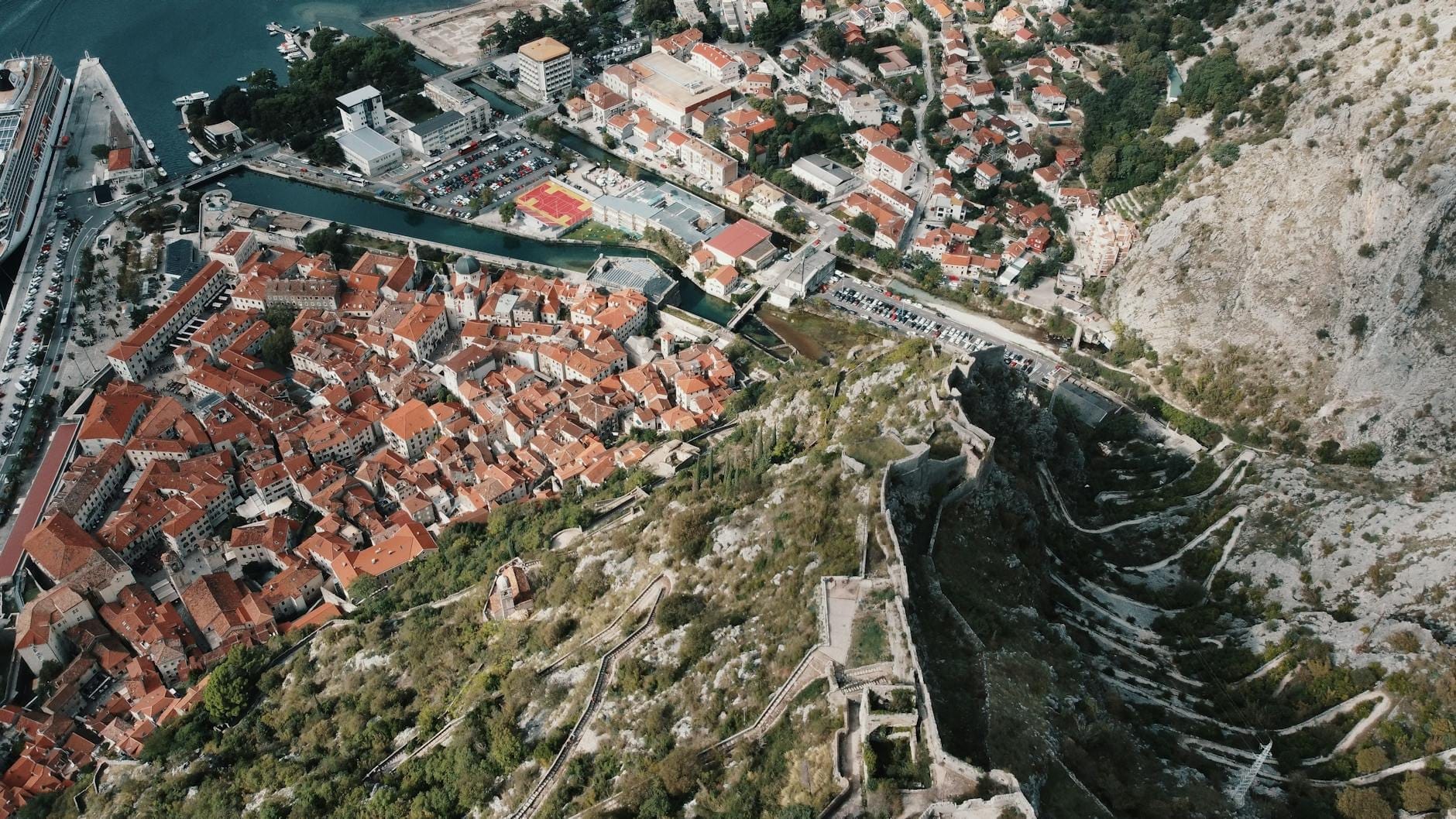
Kotor Old Town occupies a compact triangular footprint at the southeastern corner of the Bay of Kotor, where the Škurda River meets the sea. The walls follow the natural terrain, running from the waterfront northward and then sharply uphill to the fortress of St. John, which sits roughly 260 meters above the town. The walled perimeter is entirely walkable, and the town inside is small enough that you can cross it in about ten minutes at a relaxed pace.
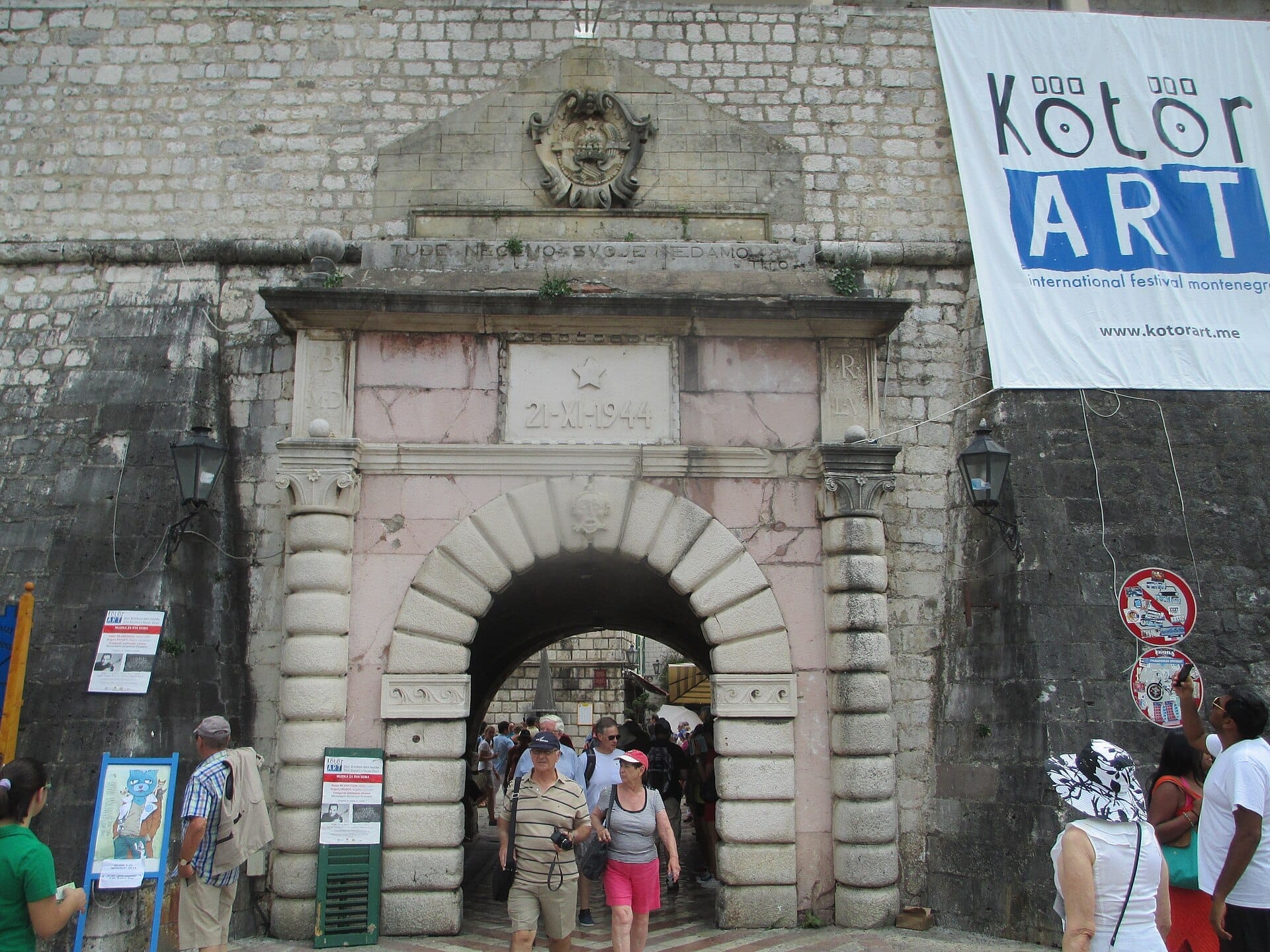
Three main gates mark the entry points: the Sea Gate (Morska Vrata) on the western waterfront facing the bay, the River Gate (Rijeka Vrata) on the northern side near the Škurda, and the Gurdić Gate to the south. The Sea Gate is the primary pedestrian entrance and where most visitors first step inside. From there, a main street runs eastward through the heart of the town, eventually opening onto the Square of Arms and, further in, the Cathedral Square.
The Old Town is completely car-free inside the walls. Parking is available in the large lot just south of the Gurdić Gate or along the waterfront promenade to the north. The nearest town outside the walls is Dobrota to the north, a quieter residential strip running along the bay. To the south, the road curves around the base of the walls toward the Gurdić Gate and eventually leads to Budva, about 22 kilometers away.
ℹ️ Good to know
The Old Town is small but the streets are a genuine maze. The numbered building plaques and occasional signage help, but give yourself permission to get lost for the first hour. You will find more interesting corners that way than by following a map directly.
Character & Atmosphere
Kotor Old Town functions on two overlapping rhythms. Early morning, before 9am, it belongs almost entirely to the people who actually live here: retirees walking small dogs across the stone-paved squares, café owners setting out chairs, the occasional delivery cart squeezing through an alley barely wider than a shoulder span. The light at this hour is soft and directional, cutting through the narrow gaps between buildings and illuminating the honey-colored limestone in a way that makes the whole town feel like it is lit from inside.
By mid-morning, especially in summer, the tone shifts. Cruise ships dock at the port just outside the Sea Gate, and groups move through the main thoroughfares at a steady pace. The core triangle formed by the Sea Gate, the Square of Arms, and St. Tryphon's Cathedral becomes very crowded between 10am and 2pm. The good news is that the town's layout disperses people quickly: the side streets and upper lanes near the walls are almost always quieter, even at peak hours.
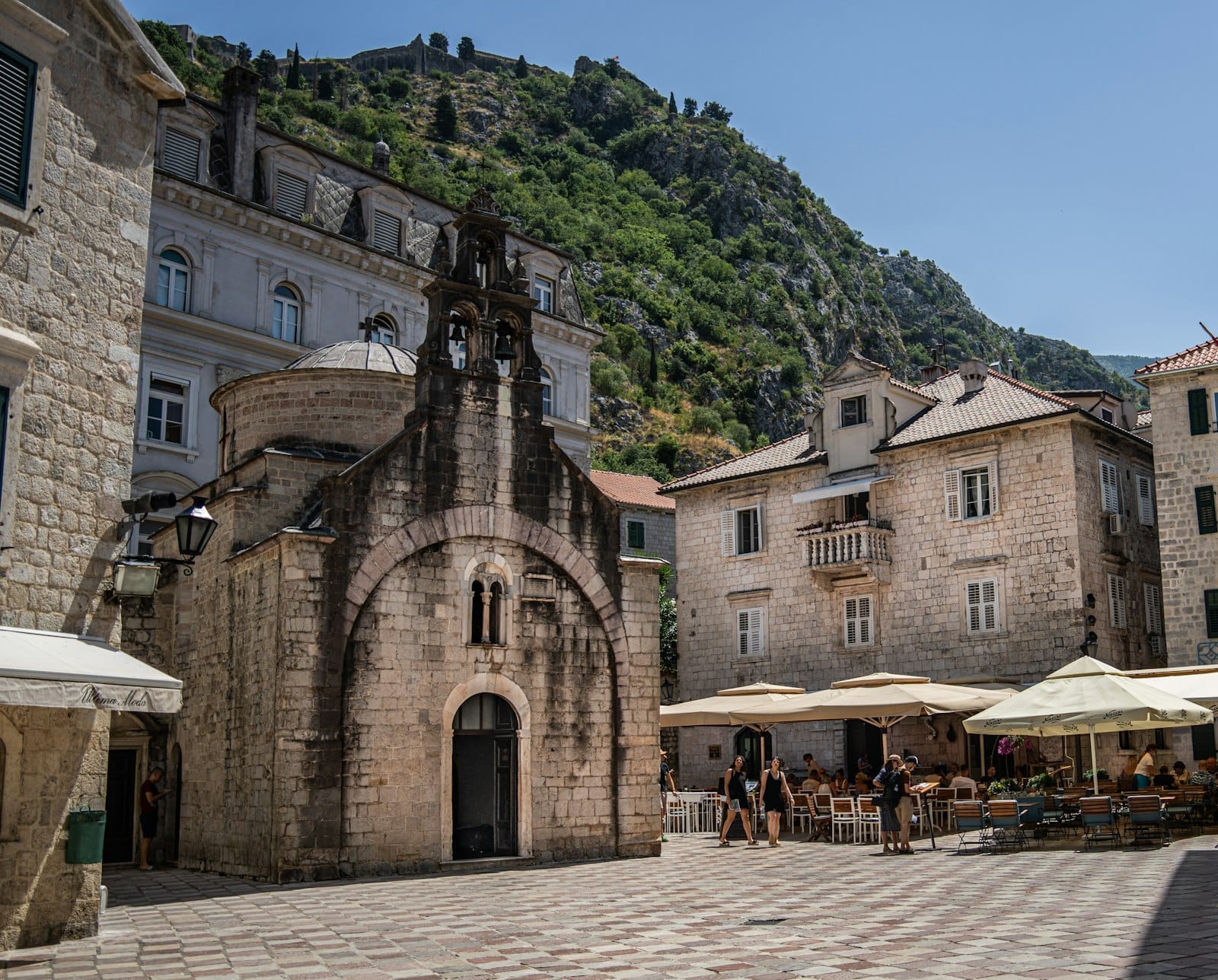
Afternoons have a particular quality in Kotor. The high walls trap heat but also trap sound, and by 3pm the stone streets radiate warmth back at you. Cats, for which the town is justly famous, emerge from doorways and position themselves on window sills and sun-warmed steps. The square outside the Church of St. Luke tends to be less crowded at this hour and is a good place to sit with a coffee and watch the town decompress.
After dark, the Old Town transforms again. The day-tripper crowds largely disappear after dinner, and the streets belong to overnight guests, locals, and the handful of bars that stay open late. The city walls are lit with warm floodlights, and the upper fortress glows faintly against the dark mountain behind it. The sound of conversation from outdoor tables carries far in the still air. It is worth walking the perimeter of the town after 9pm if only to see the walls reflected in the bay.
⚠️ What to skip
During summer cruise ship days (typically April through October, with peak crowding June through September), the Sea Gate area and main street become extremely congested between 10am and 2pm. If you are trying to photograph the Square of Arms or St. Tryphon's Cathedral, aim for early morning or after 5pm. The crowds are real and not exaggerated.
What to See & Do
The Old Town is dense with history in a very literal sense. Churches, towers, palaces, and civic buildings are stacked so closely together that you cannot walk thirty meters without passing something built several centuries ago. The following are the sites that most reward time and attention.
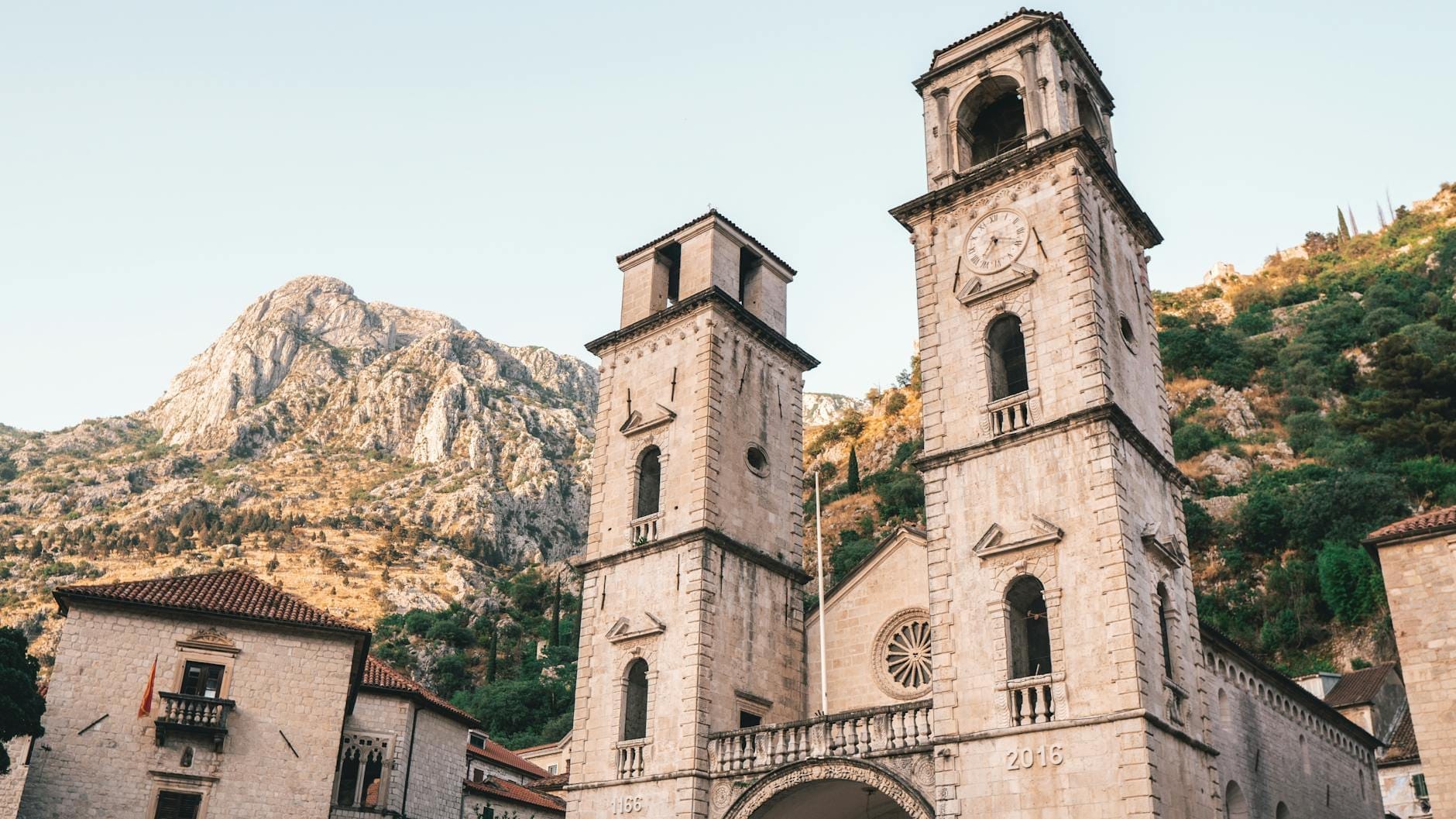
The Cathedral of St. Tryphon is the architectural centerpiece of the Old Town and one of the finest Romanesque buildings on the eastern Adriatic. Built originally in the 12th century and significantly restored after earthquakes, its twin bell towers are the defining silhouette of Kotor's skyline. The interior treasury holds reliquaries and Byzantine silverwork that are genuinely remarkable for a city this size.
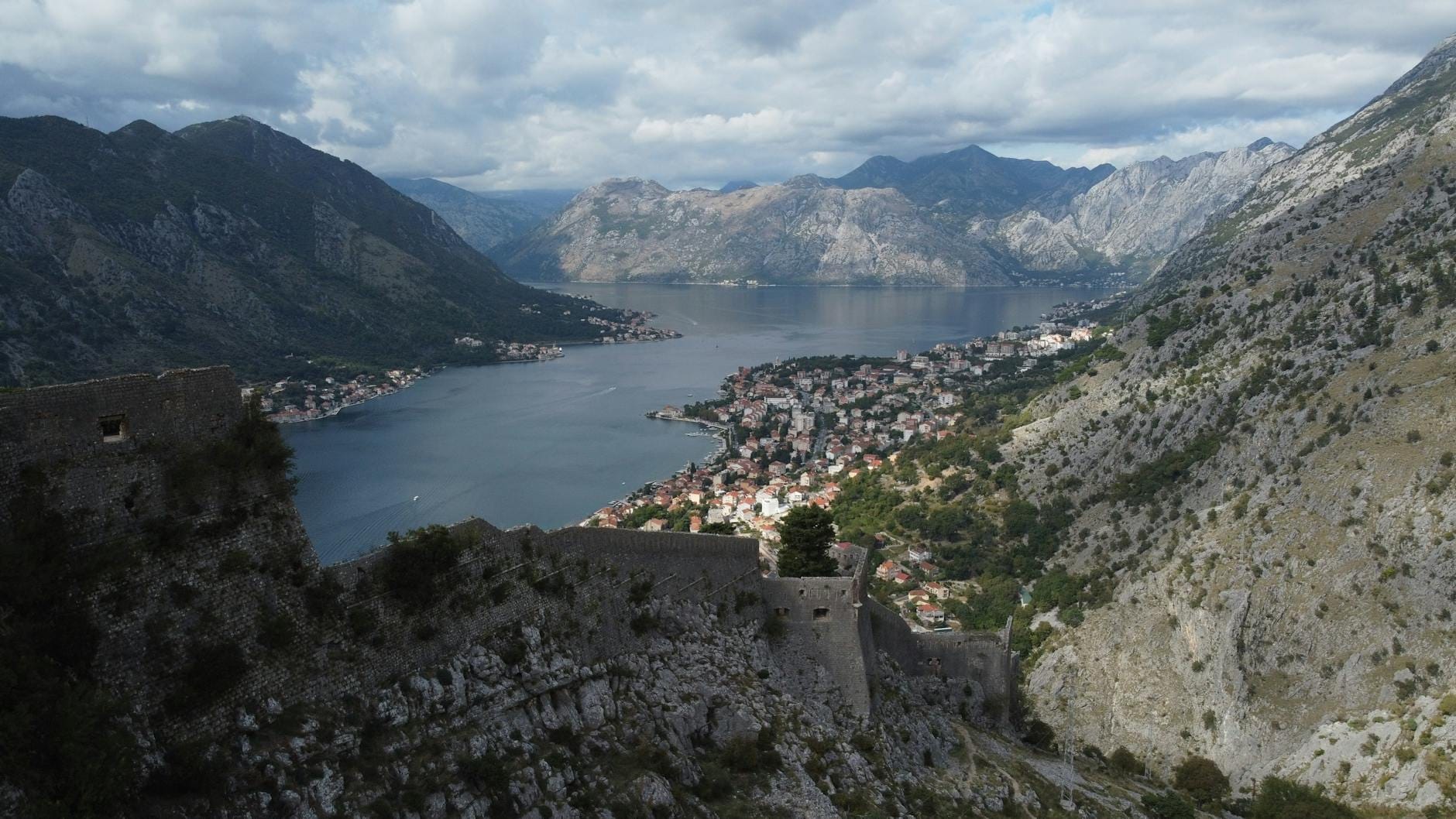
The Kotor City Walls and the hike up to the Fortress of San Giovanni is the experience that separates visitors who spent a day here from those who only passed through. The climb of approximately 1,350 steps takes 30 to 60 minutes depending on pace, and the views over the bay, the Old Town rooftops, and the surrounding mountains are extraordinary. Go early in the morning to avoid the worst heat and the longest queues at the entrance.
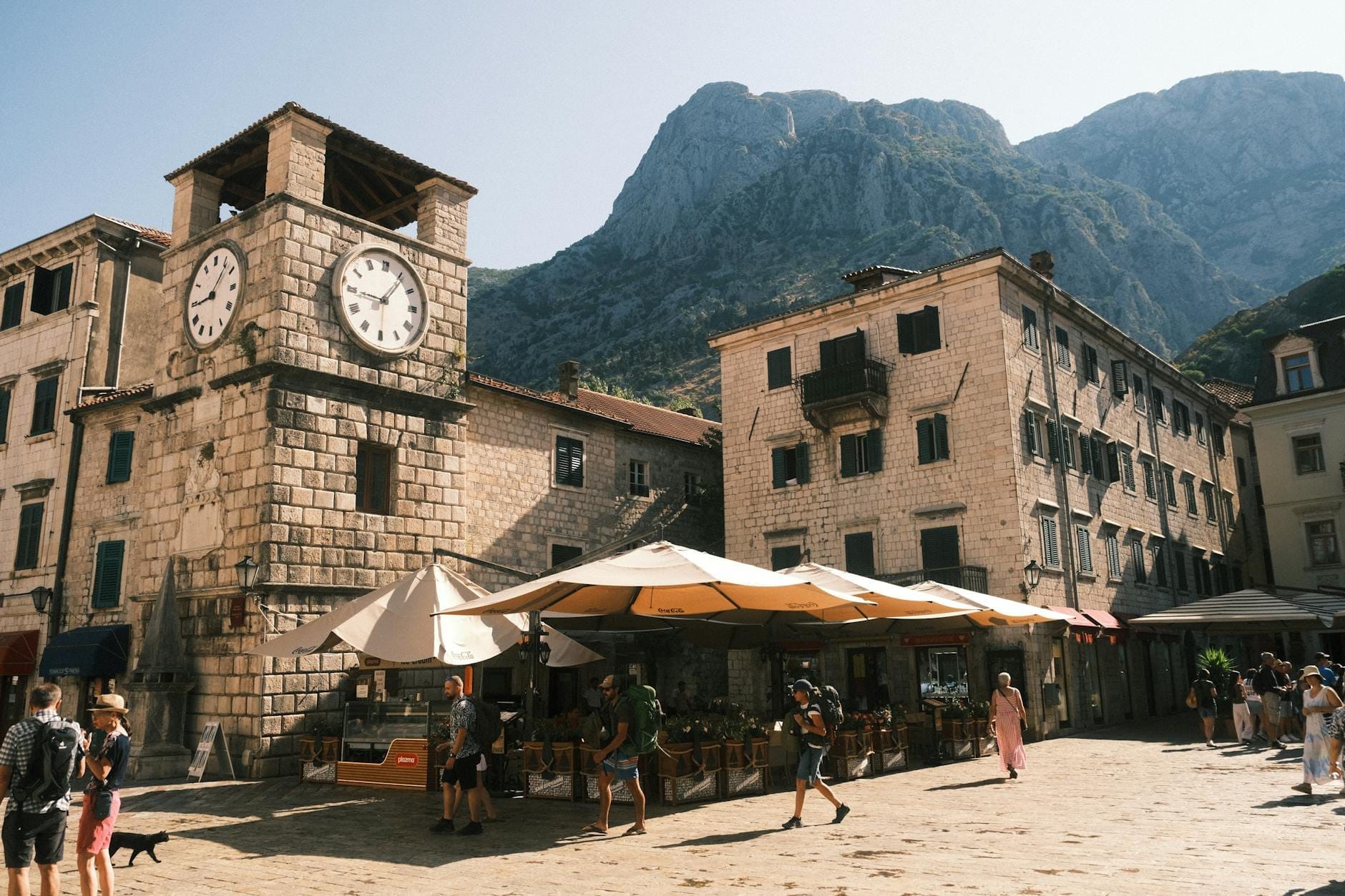
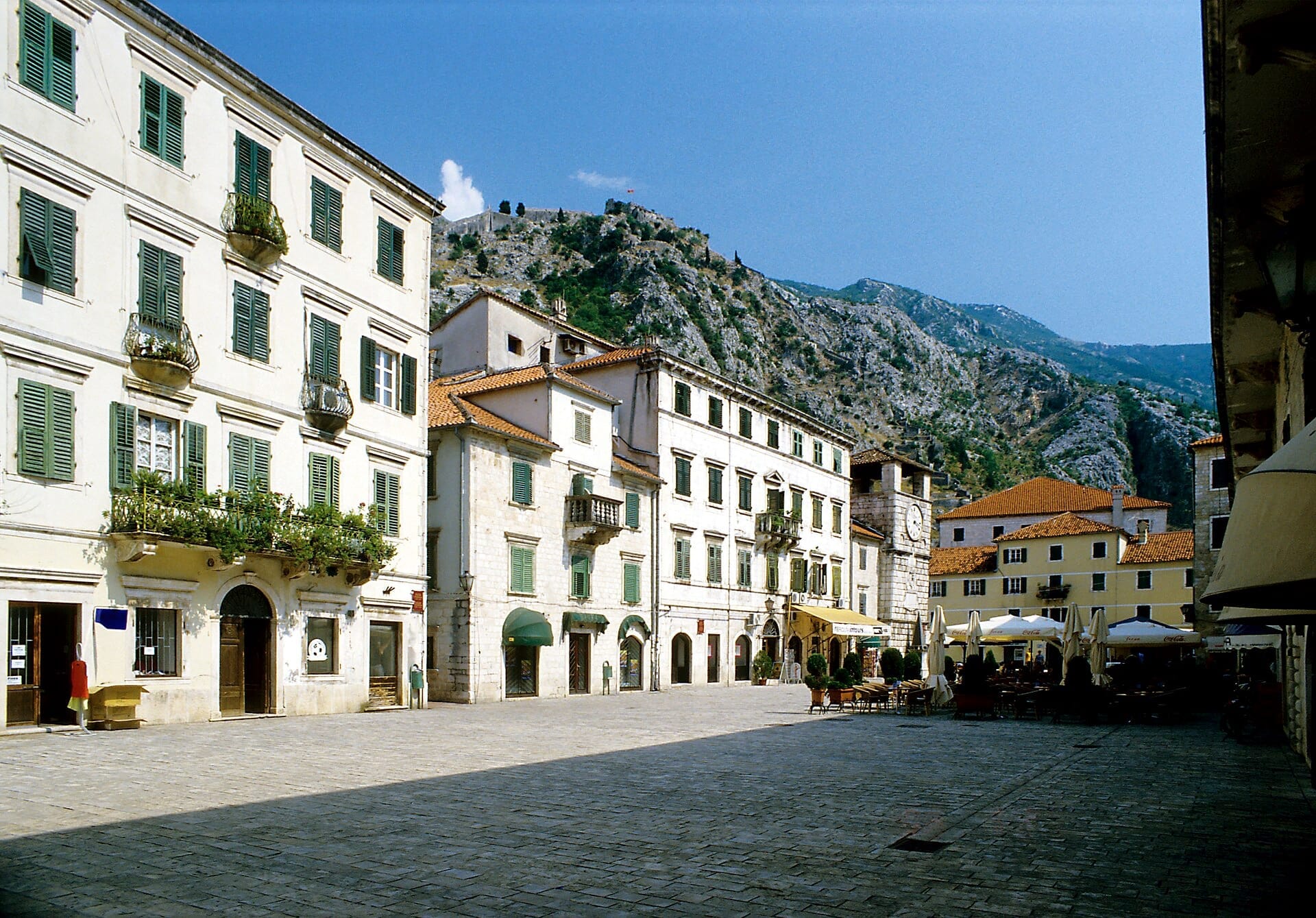
The Square of Arms (Trg od Oružja) is the main public square and the social heart of the Old Town. The 16th-century Clock Tower stands at its edge alongside the old Venetian administrative buildings. The square is heavily used by café tables during the day, but its proportions and the quality of the surrounding architecture make it worth pausing at any hour.
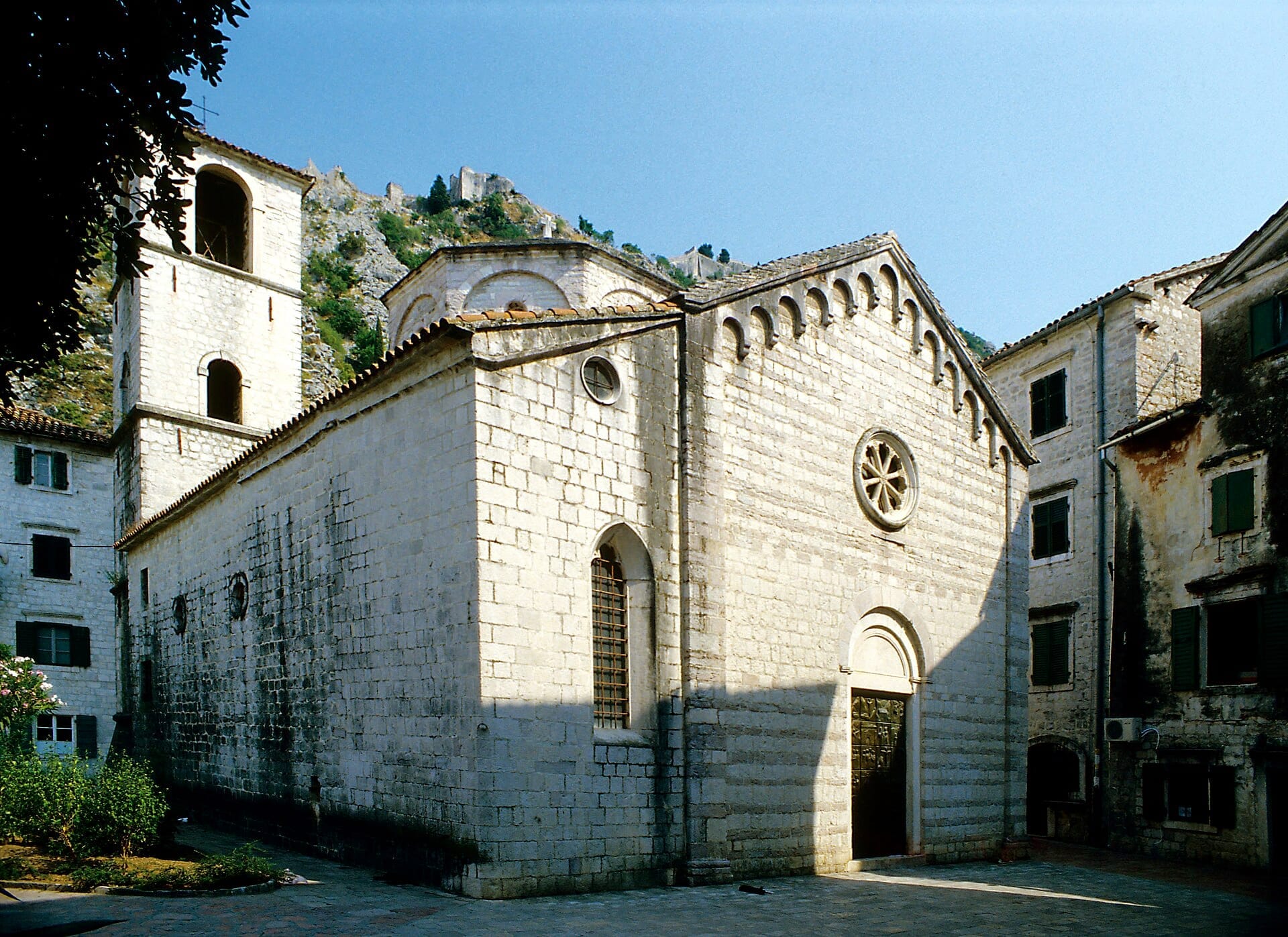
Church of St. Luke (Crkva Sv. Luke): a perfectly preserved 12th-century church with two active altars, one Orthodox and one Catholic, reflecting the town's mixed heritage
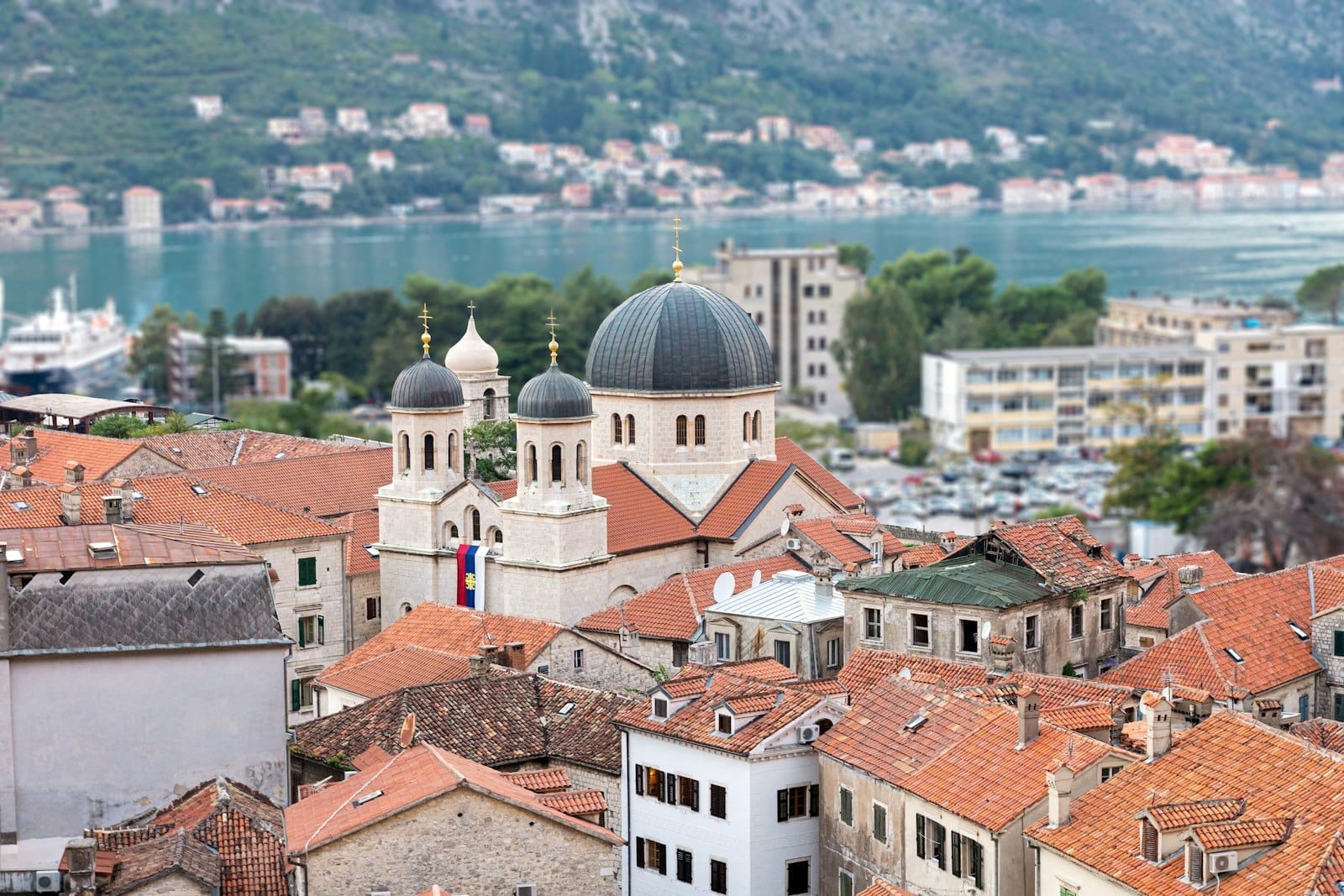
St. Nicholas Church: the main Orthodox church of Kotor, with gilded iconostasis and a distinct Eastern character that contrasts sharply with the Latin buildings nearby
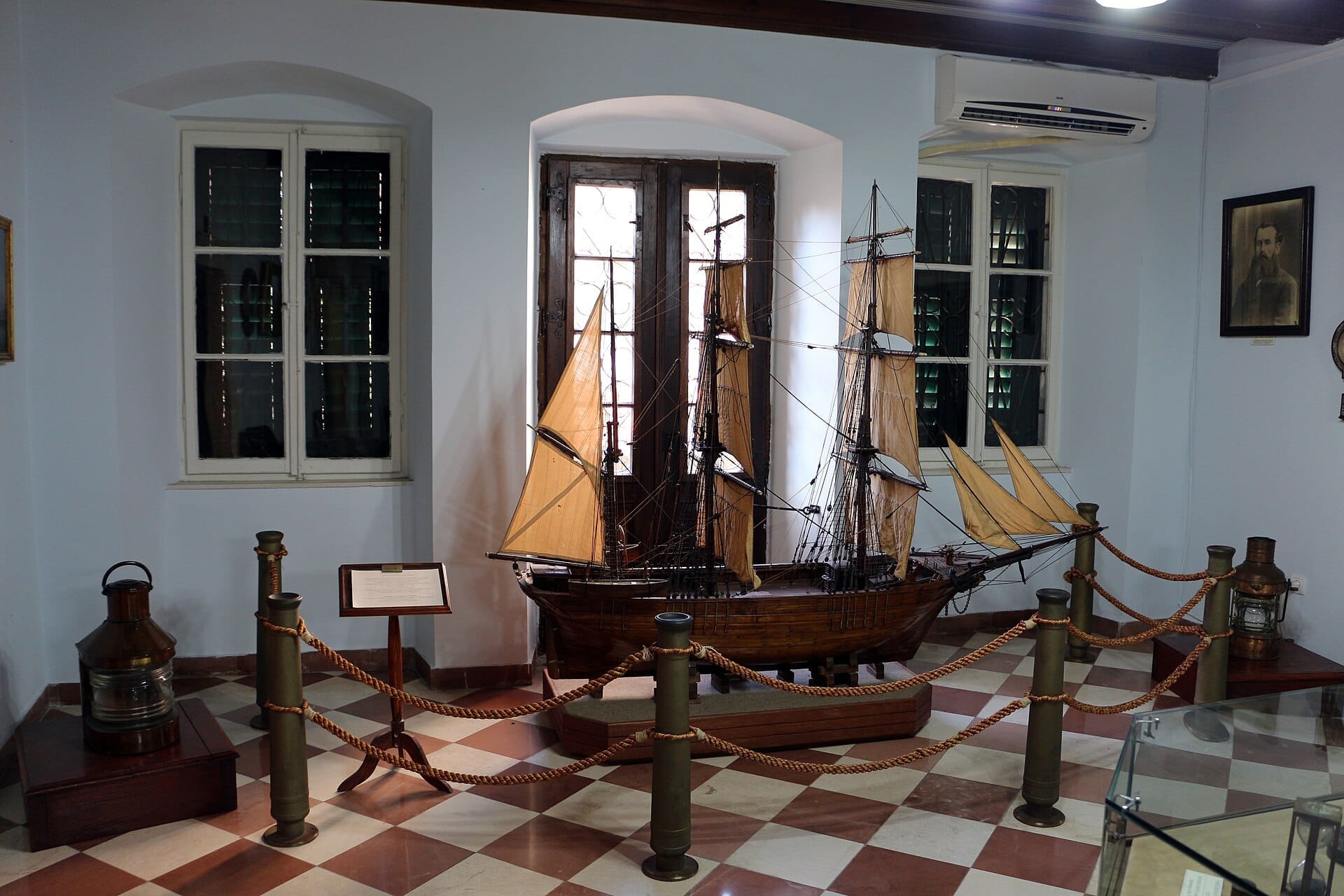
Maritime Museum of Kotor: housed in a Baroque palace, covers the seafaring history of the Bay of Kotor in substantial detail
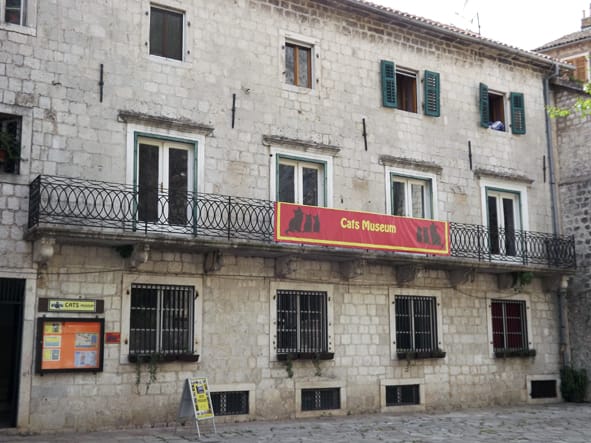
Cats Museum: a small, genuinely charming exhibit dedicated to the cats of Kotor and their long relationship with the town's sailors and residents
The River Gate and north walls: quieter than the Sea Gate approach, the northern edge of the walls follows the Škurda river channel and gives a very different perspective on the town's defensive logic
If you want a guided orientation, the Kotor Old Town walking tour guide covers the key sites in a logical sequence. For practical information about the wall climb, including entry fees and timing advice, the fortress and city walls hike guide is the most thorough resource available.
💡 Local tip
The cats of Kotor are not a marketing invention. The town has had a feline population tied to its maritime history for centuries, and the cats are well-fed and generally comfortable around people. The area around St. Tryphon's Cathedral and the small squares near the north walls tend to have the highest concentrations. The guide to Kotor's cats explains the history behind them in detail.
Eating & Drinking
The food scene inside the Old Town is a mixed picture. There are genuinely good options here, but the concentration of tourists has also produced a predictable strip of mediocre seafood restaurants along the main street and around the Square of Arms, where prices are high and the menus have been calibrated for maximum throughput rather than quality. Knowing where to look makes a significant difference.
The Montenegrin coast specializes in seafood simply prepared: grilled fish, black risotto made with cuttlefish ink, seafood pasta, and fresh oysters sourced from the Boka. Local lamb and veal cooked under a peka (a covered ember dish) appear on menus that lean toward regional rather than generic Adriatic cuisine. The local wine to order is Vranac, a robust red from the interior, or Krstač, a dry white that pairs well with fish.
The better restaurants tend to be in the quieter southeastern quadrant of the Old Town, away from the main tourist axis. Small family-run konobas tucked into side streets generally offer better value and more honest cooking than the places with laminated menus and touts standing outside. The streets in the upper sections of the town, toward the walls, have a handful of cafés that operate more for residents than visitors and tend to charge local prices for coffee.
For a broader overview of the dining options in and around Kotor, including recommendations beyond the Old Town walls, the complete guide to where to eat in Kotor covers the full range. For local specialties to look for on menus, what to eat in Kotor gives useful background on the regional food culture.
Coffee culture: Montenegrins take coffee seriously. A domestic espresso (domaća kafa) is strong and often served with a small glass of water. Linger over it; ordering a second cup is normal.
Burek: flaky filled pastry, more common at bakeries near the gates early in the morning and a legitimate breakfast for under €2
Local beer: Nikšićko Pivo is the national beer, perfectly adequate and consistently cold on a hot day
Aperitivo hours: several bars in the Old Town run informal happy hours between 5 and 7pm that are worth timing your return walk around
Getting There & Around
The Old Town is the destination, not a transit hub. Most visitors arrive by car, bus, or boat and then proceed entirely on foot once inside the walls. There is no public transit inside the walled area, which is entirely pedestrianized.
By bus: The main Kotor bus station is located about 500 meters north of the Sea Gate, along the waterfront road. Buses connect Kotor to Budva (30 to 45 minutes), Podgorica (2 hours), and Dubrovnik (about 3 hours with border crossing). From the bus station, it is a flat 5-7 minute walk south along the promenade to the Sea Gate entrance.
By car: Driving to the Old Town is straightforward via the coastal road (Jadranska Magistrala) from either direction. Parking inside the walls is impossible. The main parking area is just south of the Gurdić Gate or in the large waterfront lot north of the Sea Gate. In high summer, arrive before 9am if you want a space within reasonable walking distance. For visitors arriving on cruise ships, the port is immediately adjacent to the Sea Gate. The Kotor cruise port guide has specific logistics for day visitors.
Day trips from the Old Town are straightforward. Perast, with its island churches including Our Lady of the Rocks, is about 12 kilometers north on the bay road. Taxis and local buses serve this route. Budva is 22 kilometers south and easily reached by bus or taxi. For exploring the wider bay by water, bay of Kotor boat tours depart from the waterfront just outside the Sea Gate.
Getting around within the Old Town means walking, period. The main internal route runs from the Sea Gate east to the Square of Arms and then continues to the cathedral square. From there, lanes fan outward in several directions. Navigating is largely a matter of following the sound of the crowd toward the center or the sound of quiet uphill toward the walls. The guide to getting around Kotor covers transport options for the wider area beyond the walls.
Where to Stay
Staying inside the Old Town walls is a specific experience, and it is not for everyone. The advantages are obvious: you step outside your door into a medieval streetscape, you can walk to every major sight in minutes, and the atmosphere after the day visitors leave is genuinely special. The drawbacks are equally real: noise carries far in the enclosed stone alleys, especially on weekends and in high summer when bars stay open late. Light sleepers should look at rooms on upper floors facing inward or toward the walls rather than the main squares.
Accommodation inside the walls ranges from budget guesthouses in converted historic buildings to boutique hotels with proper reception desks and polished stone interiors. There are no large chain hotels inside the walls; the buildings and the pedestrianized streets simply do not accommodate them. Most properties are small, typically 4 to 15 rooms, and fill up quickly in July and August. Booking two to three months ahead for summer travel is advisable.
Travelers who want more space, easier parking, or quieter nights might consider staying in the Dobrota neighborhood north of the Old Town or along the waterfront promenade, where some guesthouses offer bay views and are still within a 10 to 15 minute walk of the Sea Gate. For a full comparison of accommodation zones in Kotor and which suits different travel styles, the dedicated guide covers the options in detail.
See the complete Kotor accommodation guide for a breakdown of all neighborhoods, price tiers, and specific recommendations suited to different types of travelers.
💡 Local tip
If you are staying inside the Old Town, ask your accommodation about luggage arrival logistics before you book. Wheeled suitcases on cobblestones are audible from three streets away and awkward to maneuver in narrow lanes. A soft bag or backpack makes navigating the streets considerably easier.
Practical Considerations
Wear shoes with grip. The limestone paving stones inside the Old Town are polished smooth by centuries of foot traffic and become genuinely slippery when wet. This is one of the most common sources of minor accidents for visitors, and sandals with hard soles are a particular risk on wet days or after evening rain.
The Old Town gets very hot in July and August. The high walls trap heat efficiently, and the stone streets radiate it back throughout the afternoon. The fortress hike in midday heat is physically demanding and potentially dangerous for people unaccustomed to exertion in high temperatures. Water is available inside the walls, but carrying a bottle from the start of any long walk is sensible.
For practical questions about when to visit relative to crowds, weather, and pricing, the guide on the best time to visit Kotor addresses the seasonal tradeoffs honestly. September and October offer noticeably thinner crowds, lower prices, and temperatures that make the wall hike comfortable rather than punishing.
TL;DR
Kotor Old Town (Stari Grad) is the cultural and historic core of Kotor: every major sight, church, and monument is within its walls.
Best for travelers who want full immersion in medieval Adriatic architecture, walkable sightseeing, and a lively evening atmosphere after the day crowds leave.
Not ideal for visitors who need easy car access, quiet nights in summer, or large modern hotel amenities.
The fortress wall hike and cathedral are the two non-negotiable experiences; everything else can be explored at your own pace by simply walking the lanes.
Visit early morning or in the evening to avoid the worst cruise ship crowds; book accommodation well in advance for summer stays inside the walls.
Two days in Kotor is enough to cover the essentials without feeling rushed, but only if you plan smartly. This itinerary takes you through the walled Old Town, up to the fortress, out onto the Bay of Kotor, and into the best local restaurants — with honest advice on what to skip and when to go.
The Bay of Kotor is one of the most dramatic stretches of water in the Adriatic, and exploring it by boat is genuinely rewarding. But not all tours are equal. This guide breaks down every major option, from group cruises to private speedboats, so you spend your money on the right one.
Kotor rewards visitors differently depending on when you go. This guide cuts through the hype to tell you exactly which months suit which travel styles, what the weather actually feels like inside those medieval walls, and when to avoid the cruise ship crush.
Kotor is a superb base for exploring the Bay of Kotor and the Montenegrin coast. This guide covers the best day trips from Kotor, with real logistics, honest rankings, and the options that most visitors overlook.
The journey from Dubrovnik to Kotor is one of the most scenic short trips in the Adriatic. Here is a complete breakdown of every transport option, realistic timings, border crossing realities, and how to make the most of the route.
Kotor's medieval old town is walkable in under 20 minutes, but the surrounding Bay of Kotor stretches across 28 kilometres of coastline. This guide covers every transport option, with honest advice on what works, what doesn't, and how to move around Montenegro like someone who's done it before.
Kotor Montenegro gets enormous hype, but the reality is more nuanced than the Instagram photos suggest. This guide cuts through the noise with honest takes on the crowds, costs, highlights, and the cases for and against making the trip.
The Blue Cave near Kotor is one of Montenegro's most photographed natural attractions, but getting there takes planning. This guide covers every practical detail: tour options, pricing, seasonal conditions, and what the experience is actually like.
The Kotor Cable Car climbs from Dub, inland from the Old Town, to Kuk on Mount Lovćen at 1,348 metres in 11 minutes. This guide covers fares, hours, how to reach the lower station, what waits at the top, and how the ride differs from hiking Kotor's fortress walls.
Kotor, Montenegro has one of the most celebrated cat cultures in the world. This guide covers the history behind the city's feline reputation, where to spot cats in the Old Town, the dedicated Cat Museum, how to interact responsibly, and what to buy at cat-themed shops.
Kotor is one of the most rewarding cruise stops in the Adriatic. This guide covers everything from where your ship docks to what to prioritize when time is short, including the Old Town walls, viewpoints, day trip options, and practical logistics for first-time visitors.
The hike up Kotor's medieval fortress walls to the Fortress of San Giovanni is one of the most rewarding climbs in the Adriatic. This guide covers the full route, ticket costs, timing advice, what to bring, and honest tips on what the experience is actually like.
Summer is Kotor's peak season, and it shows. Cruise ships, scorching heat, and packed streets define July and August, but the Bay of Kotor is genuinely spectacular in warm weather. This guide breaks down exactly what to expect and how to plan smart.
A detailed self-guided walking tour through Kotor Old Town, covering the best squares, churches, city walls, and hidden corners of Montenegro's UNESCO-listed medieval town. Includes route logistics, timing tips, and honest advice on what to skip.
Kotor and its surrounding bay offer some of the most dramatic scenery in the Mediterranean. This guide covers every worthwhile viewpoint, from the city walls above the old town to the mountain peaks of Lovćen, so you know exactly where to go and when to get there.
Kotor packs an extraordinary range of experiences into a small area: a UNESCO-listed medieval old town, medieval churches, vertiginous fortress hikes, and boat trips to baroque villages across the bay. This guide covers the 18 best things to do in Kotor, organized by theme so you can plan your time well.
Kotor's food scene is shaped by its geography: Adriatic seafood from the bay, slow-cooked mountain meat from the Montenegrin interior, and centuries of Venetian influence layered into everything. This guide covers what to order, where to eat it, and what to skip.
Kotor's food scene punches well above its size. This guide covers the best restaurants, local dishes worth ordering, bars for evening drinks, and the tourist traps to avoid in the Old Town and beyond.
Choosing where to stay in Kotor shapes your entire trip. This guide breaks down every main area, from the medieval Old Town to the quieter bay villages, with honest advice on who each neighborhood suits, what to expect at different price points, and which options to skip.