Dubrovnik to Kotor: Getting There & What to Expect
The journey from Dubrovnik to Kotor is one of the most scenic short trips in the Adriatic. Here is a complete breakdown of every transport option, realistic timings, border crossing realities, and how to make the most of the route.
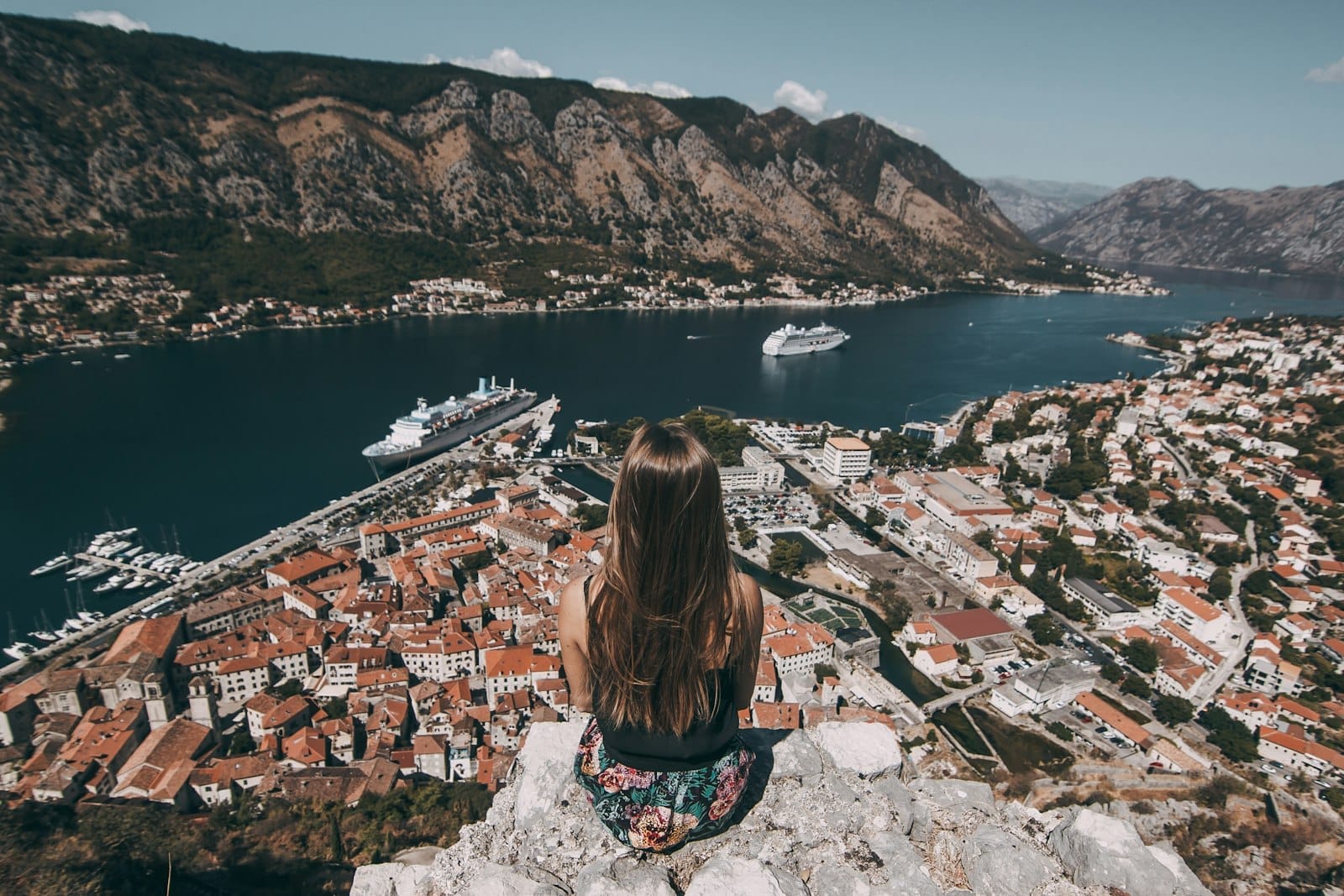
Plan and book this trip
Tools from our partner Travelpayouts help you compare flights and hotels. If you book through them, we may earn a commission at no extra cost to you.
Flights
Hotels map
TL;DR
- The road distance from Dubrovnik to Kotor is roughly 90 km, but expect 2 to 3 hours depending on transport and border waits.
- Public buses run daily and cost around 13 to 18 EUR, making them the best budget option.
- Driving yourself unlocks flexibility and the ability to stop at viewpoints along the Bay of Kotor.
- Private transfers cost 60 to 120 EUR and are worth considering for groups or anyone who wants a stress-free arrival in Kotor Old Town.
- Croatia-Montenegro border crossings can add 30 to 90 minutes during summer peak season, so build that buffer into your plans.
Why This Route Is Worth Doing
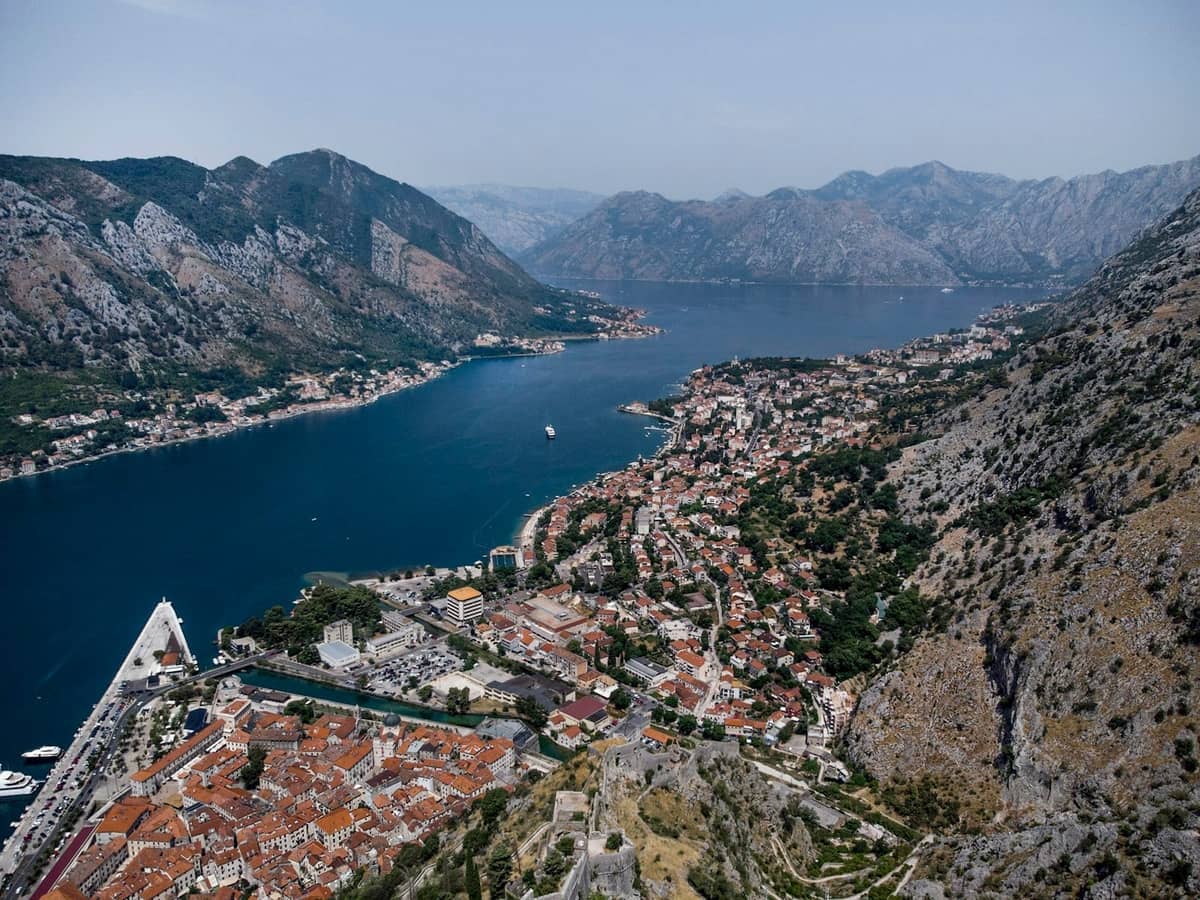
Dubrovnik and Kotor sit only 90 km apart, yet they feel like entirely different worlds. Dubrovnik is polished, expensive, and defined by its Croatian identity. Kotor, Montenegro, is older in feel, quieter outside peak hours, and set against the dramatic fjord-like scenery of the Bay of Kotor. The contrast alone makes the trip compelling.
This is one of the most popular day trips and one-way journeys in the entire Adriatic region. Thousands of travelers make the crossing every week in summer, which is exactly why knowing the logistics in advance matters. A missed detail, like arriving at the wrong bus station or underestimating the border queue, can cost you hours.
Taking the Public Bus: Cheapest and Most Practical
The public bus between Dubrovnik and Kotor is operated by several regional carriers and departs from Dubrovnik's main bus station in Gruž, not from the Old Town. This catches many travelers off guard. The Old Town is a 20 to 30-minute walk or a short taxi ride from Gruž, so factor that in before you head out.
Tickets cost approximately 13 to 18 EUR one-way and can usually be bought at the station on the day, though in July and August it is worth arriving early or booking the day before. Journey time is typically 2 to 2.5 hours under normal conditions, but delays at the Debeli Brijeg border crossing between Croatia and Montenegro can push that to 3.5 hours or more in peak summer. The crossing itself is a full EU-Montenegro international border, so both passports and patience are required.
⚠️ What to skip
Buses depart from Dubrovnik's Gruž bus station, not from the Old Town walls. If you are staying near Pile Gate or Stradun, allow at least 30 minutes to reach the station by taxi or local bus.
The bus passes through Herceg Novi before skirting the edge of the Bay of Kotor and arriving at Kotor's main bus station, which sits just outside the old town walls. From there, the Sea Gate entrance is roughly a 5-minute walk. There is no direct train connection between the two cities, so the bus is the best non-car public option.
Driving from Dubrovnik to Kotor: The Most Flexible Option
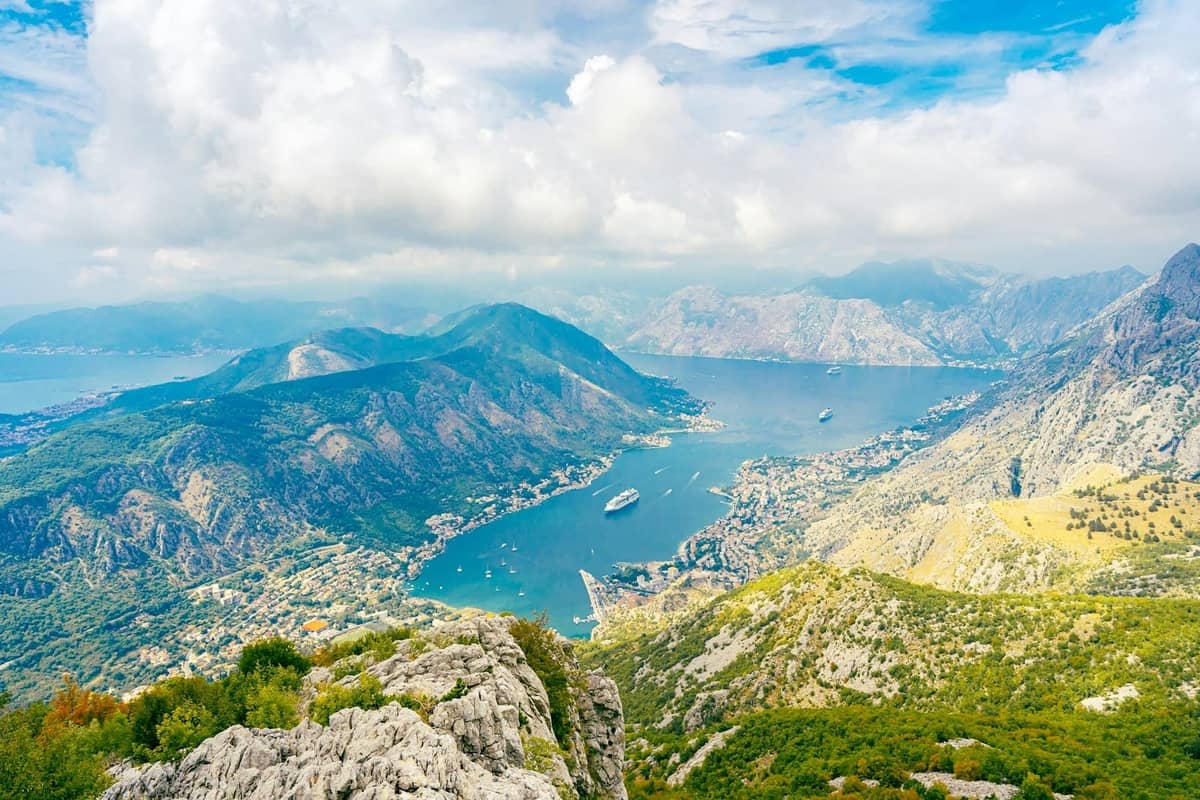
Renting a car and driving the route is the choice that opens up the journey rather than just getting it over with. The coastal road from Herceg Novi around the bay is one of the most photographed stretches of tarmac in the Balkans, and without a car you will see most of it from a bus window.
The route takes you along the E65 south out of Dubrovnik, across the border into Montenegro, and then around the Bay of Kotor through Herceg Novi. If you take the longer coastal route rather than the inland shortcut, you pass through the town of Perast, which is genuinely worth a stop. The town sits at one of the narrowest points of the inner bay and offers views across to Our Lady of the Rocks, the iconic island church.
✨ Pro tip
If you are driving, take the longer coastal route through Perast rather than cutting inland via Risan. The extra 20 minutes adds some of the best scenery on the entire Adriatic coast and lets you stop at will.
Parking in Kotor Old Town is not possible for private vehicles. The closest paid car parks are just outside the old walls, near the bus station and along the waterfront. In summer, these fill by mid-morning. Budget around 1 to 2 EUR per hour, or look for the larger parking area north of the city. If you are renting a car in Dubrovnik, check whether the rental company permits cross-border travel into Montenegro, since some budget operators restrict this and it can invalidate your insurance.
- Check cross-border permissions Some Croatian rental companies do not allow vehicles to be taken into Montenegro. Confirm this before you book and get it in writing.
- Fuel up before crossing Fuel is slightly more expensive in Montenegro than in Croatia. There are stations near the border on the Croatian side.
- Vignette not required Montenegro does not require a motorway vignette for private cars. Standard car insurance should cover you, but verify your rental policy.
- Speed limits drop Montenegro enforces speed limits strictly, especially on the coastal road. 50 km/h through towns is common and fines are issued on the spot.
Private Transfers and Organized Tours
A private transfer from Dubrovnik to Kotor costs roughly 60 to 120 EUR depending on the vehicle size and the operator. For a group of three or four people, this often works out close to the cost of individual bus tickets once you factor in the convenience, door-to-door service, and no border queue anxiety. Most transfer services will handle all the paperwork at the crossing and wait out any delays without charging extra.
Organized day trips from Dubrovnik to Kotor are also widely available. These typically include the drive down, a few hours to explore Kotor Old Town, and sometimes a stop in Perast or at a viewpoint above the bay. They cost around 40 to 70 EUR per person. The upside is that everything is handled for you. The downside is that you are typically given only 2 to 3 hours in Kotor, which is enough for a first impression but not enough to do the fortress wall hike and explore properly.
The Border Crossing: What to Actually Expect
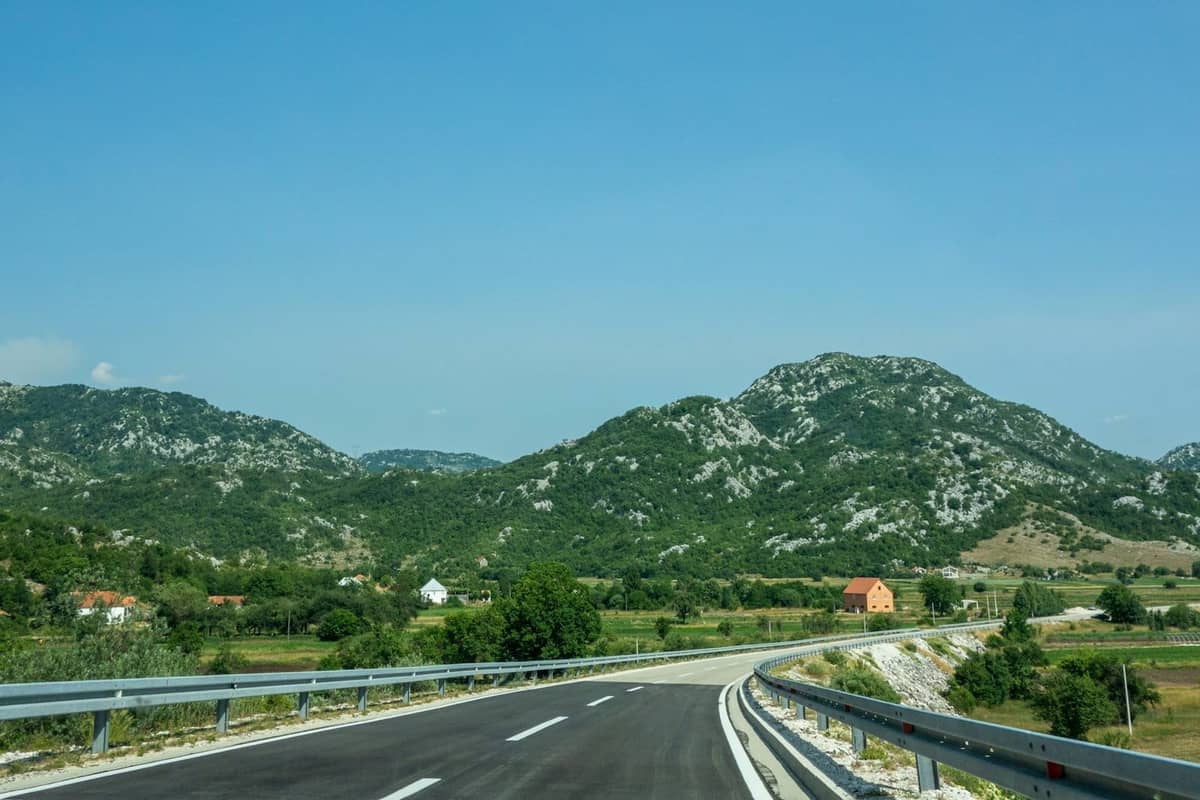
The main border crossing between Croatia and Montenegro on this route is at Debeli Brijeg on the Montenegrin side. It is a standard international land crossing with passport control in both directions. EU citizens can cross with a national ID card. Non-EU travelers need a valid passport. Montenegro is not in the Schengen Zone, so even EU travelers will have their passports or ID cards checked.
In summer, particularly July and August, queues at this border can be serious. Weekend mornings and late afternoons are the worst windows. Allow 30 to 90 minutes extra in your schedule during peak season. In shoulder season, May, June, September, and October, the crossing typically takes 10 to 20 minutes. If you are on a bus, the driver handles the group declaration and the process is usually faster than individual cars.
💡 Local tip
Cross early. Departing Dubrovnik before 9am gets you through the border before the bulk of tour buses and cruise excursions. The difference between an 8am and 11am crossing in July can be over an hour of queuing.
Making the Most of Kotor Once You Arrive
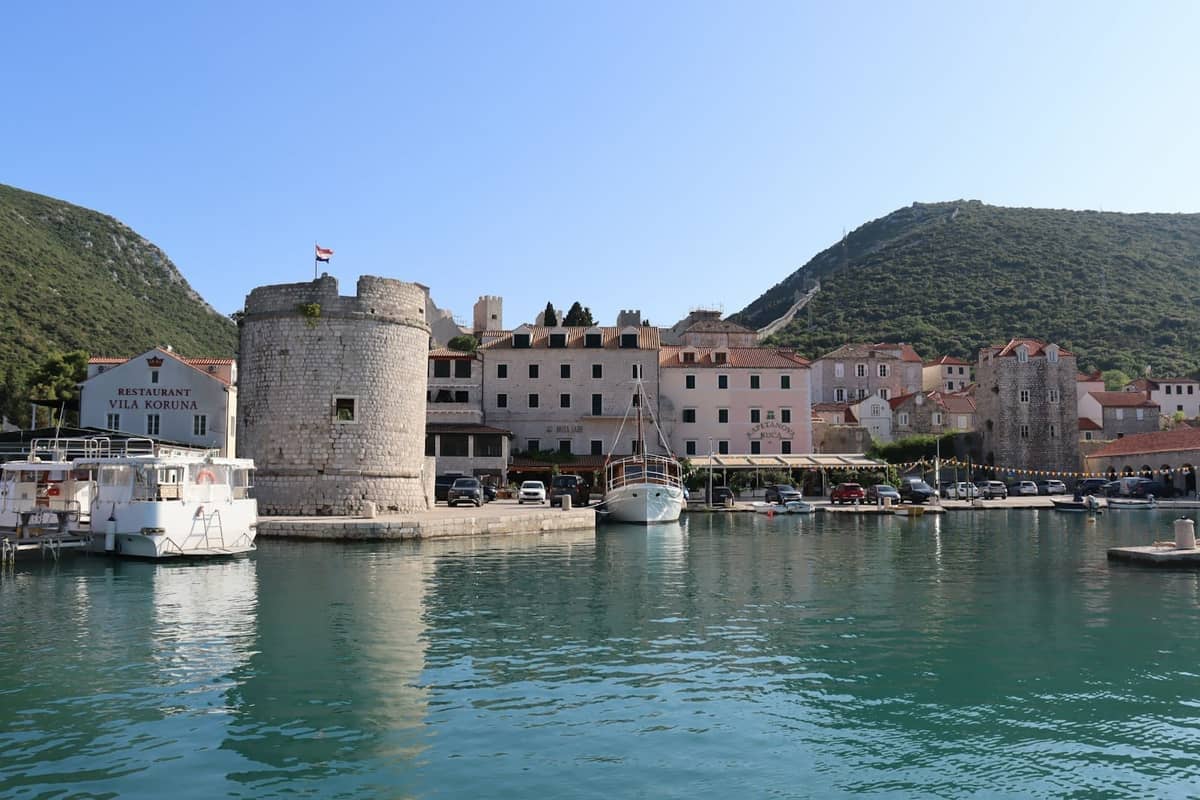
Arriving from Dubrovnik, you will likely have a few hours to a full day in Kotor depending on your plans. If you are doing it as a day trip, prioritize getting inside the old town walls early. The Sea Gate is the main entrance from the waterfront and the natural starting point for any exploration. From there, St. Tryphon's Cathedral and the Square of Arms are within a few minutes' walk.
If you have more than a few hours, the single best use of your time is the hike up to the Fortress of San Giovanni along the medieval city walls. It takes 45 to 60 minutes to reach the top and the views over the bay justify every step. For a broader picture of what to do beyond the walls, see our guide to things to do in Kotor.
- The old town closes its main lanes to vehicles, so leave any car at the designated car parks outside the walls
- Restaurants inside the old town are significantly more expensive than those on the streets just outside, with few exceptions
- Cruise ships dock in Kotor regularly, particularly between 9am and 4pm, making the old town extremely crowded during those hours in summer
- The cats of Kotor are a genuine local institution and there are feeding stations and even a small cats museum worth visiting if you have a spare hour
If you are spending more than a day in the area, Kotor is an excellent base for exploring the broader bay. The town of Perast is 12 km north and worth a dedicated morning. Day trips from Kotor can also take you up to Lovćen National Park or south to Budva, giving the region substantially more depth than a single day from Dubrovnik allows.
FAQ
How long does it take to get from Dubrovnik to Kotor?
Under normal conditions, the journey takes 2 to 2.5 hours by bus or car. In peak summer (July and August), border crossing queues at Debeli Brijeg can add 30 to 90 minutes, so plan for up to 3.5 hours in total.
Is there a direct bus from Dubrovnik to Kotor?
Yes, there are direct buses running daily between Dubrovnik's Gruž bus station and Kotor. Tickets cost around 13 to 18 EUR one-way. The bus crosses the Croatian-Montenegrin border and arrives near Kotor's old town walls.
Do I need a visa to cross from Croatia into Montenegro?
Most Western nationalities, including EU citizens, US, UK, Canadian, and Australian passport holders, can enter Montenegro visa-free for stays up to 90 days. EU citizens can use a national ID card. Always check current entry requirements before travel as regulations can change.
Can I rent a car in Dubrovnik and drive to Kotor?
Yes, but you must confirm with your rental company that cross-border travel into Montenegro is permitted. Some budget operators restrict this or charge an extra fee. Get written confirmation before you pick up the car.
Is Dubrovnik to Kotor worth doing as a day trip?
It works as a long day trip, but the journey time means you will have roughly 3 to 5 hours in Kotor if you want to be back in Dubrovnik by evening. That is enough to explore the old town and climb part of the walls. To do justice to the wider bay area, including Perast and the coastal road, consider staying at least one night in Kotor.