Best Time to Visit Kotor: A Month-by-Month Guide for Every Traveler
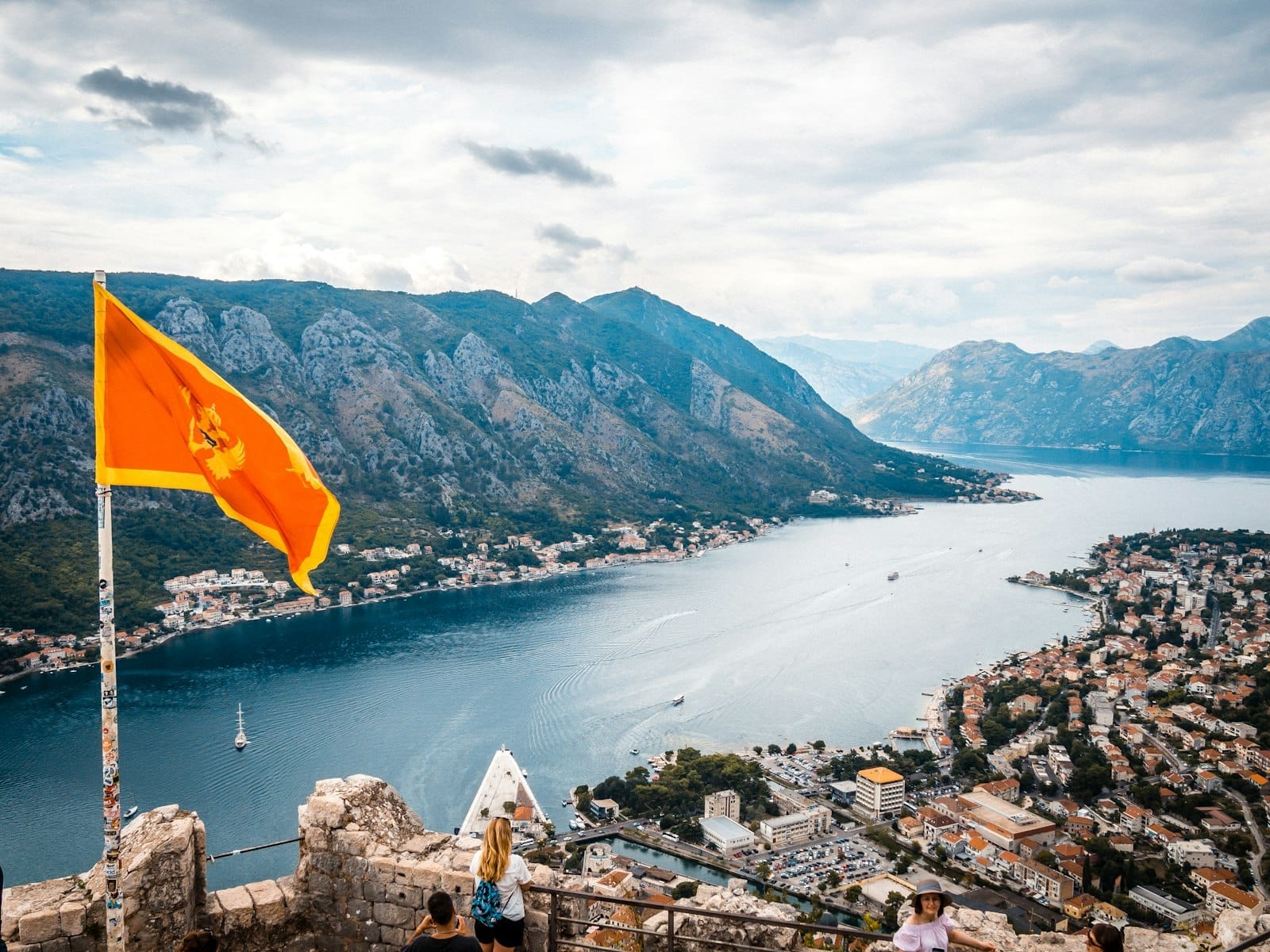
Kotor rewards visitors differently depending on when you go. This guide cuts through the hype to tell you exactly which months suit which travel styles, what the weather actually feels like inside those medieval walls, and when to avoid the cruise ship crush.
Plan and book this trip
Tools from our partner Travelpayouts help you compare flights and hotels. If you book through them, we may earn a commission at no extra cost to you.
Flights
Hotels map
TL;DR
- May and September are the sweet spot: warm weather, manageable crowds, and lower prices than peak summer.
- July and August are the hottest and most crowded months — expect cruise ships daily and temperatures around 30-35°C inside the Old Town walls.
- Winter (December to February) is quiet and atmospheric, but many restaurants and boat tours shut down — check our things to do in Kotor guide to see what stays open year-round.
- Spring wildflowers on the Fortress walls and autumn light over the Bay of Kotor are genuinely special — not just filler travel copy.
- If you are arriving by cruise or from Dubrovnik, timing your visit to Kotor to avoid peak midday crowds makes a real difference.
Understanding Kotor's Climate and Crowd Patterns
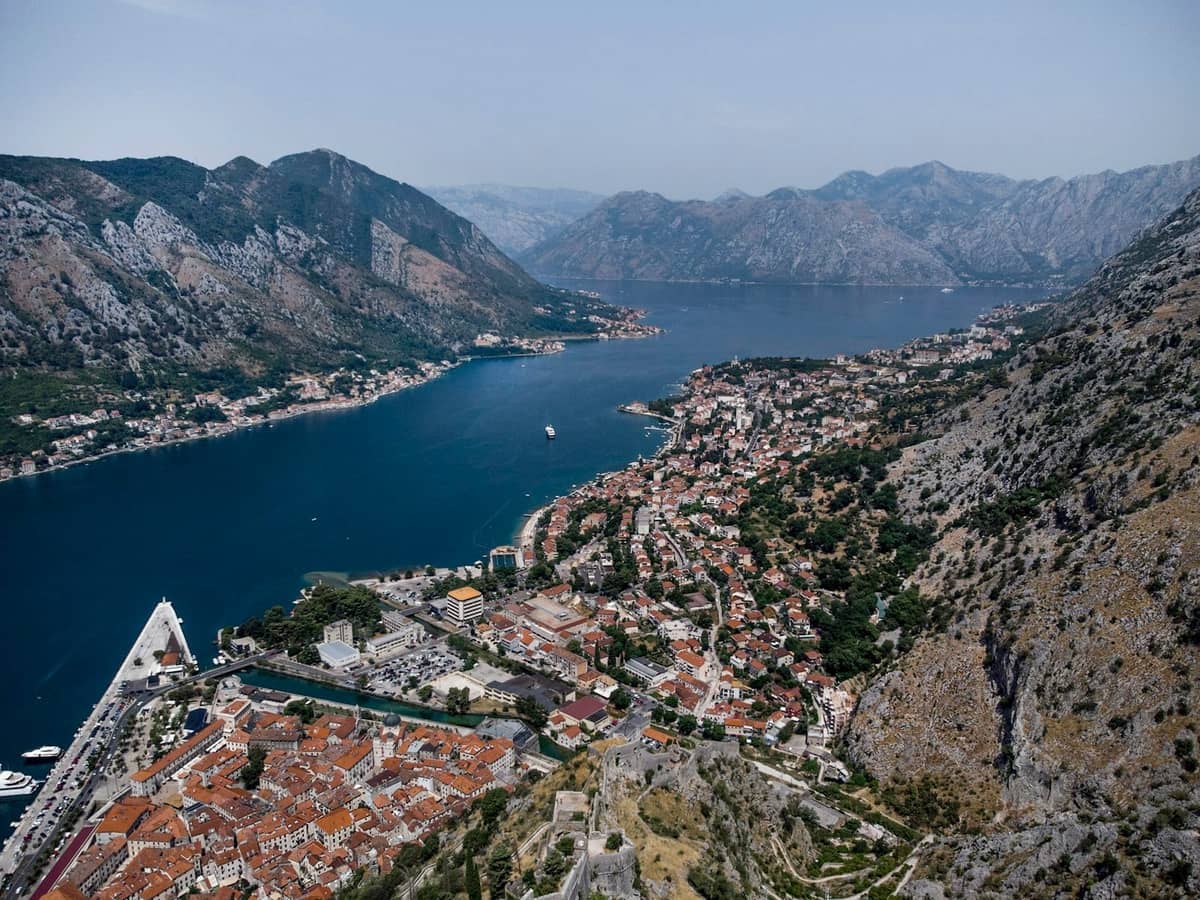
Kotor sits at the southeastern tip of the Bay of Kotor, surrounded on three sides by steep limestone mountains that trap both heat and moisture. The result is a Mediterranean climate with a twist: summers are hotter and more humid than the Dalmatian coast, and the Old Town walls amplify that heat significantly. In July and August, the narrow stone streets can feel like a furnace by midday, reaching 30-35°C. Winters are mild by northern European standards but wet, with frequent rain from November through February and occasional snow on the surrounding peaks.
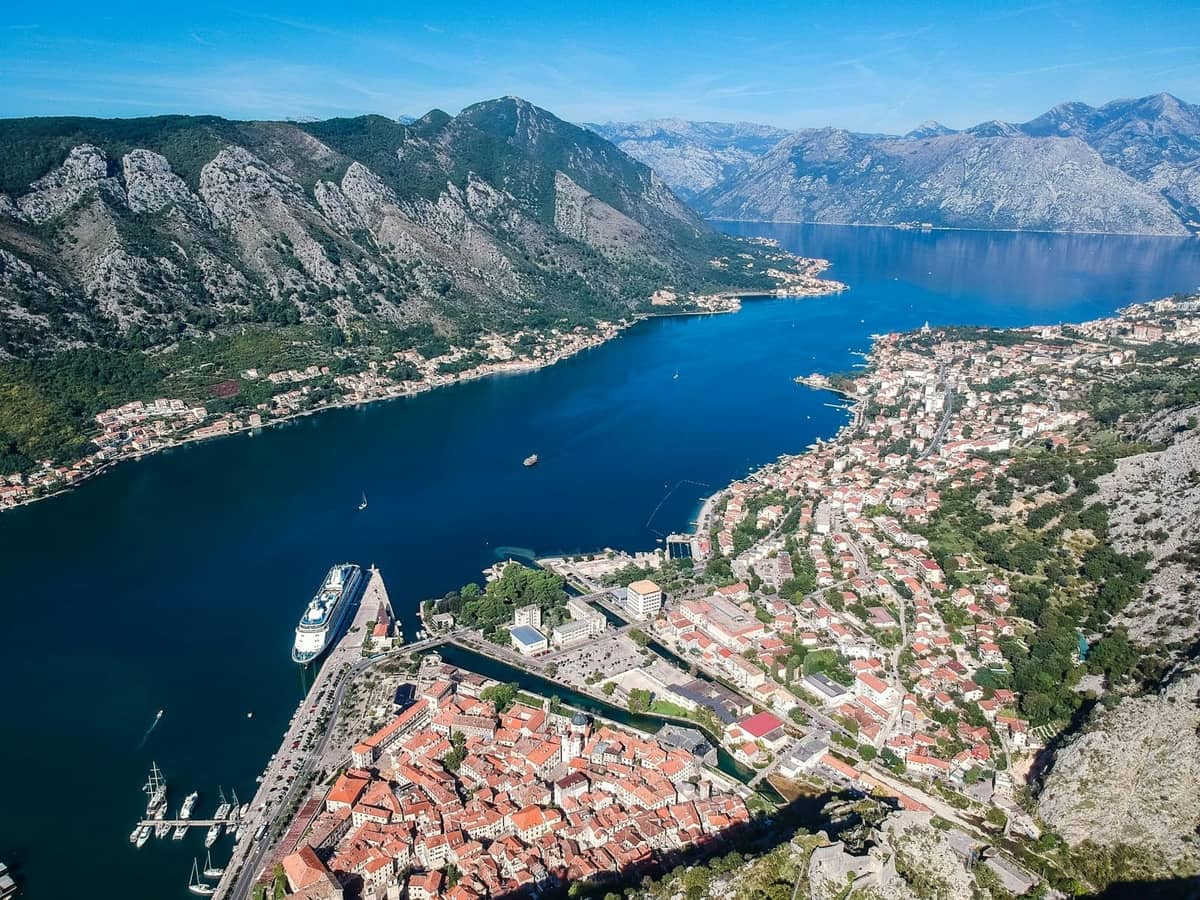
Crowd patterns are driven almost entirely by the cruise ship calendar. On a busy summer day, Kotor can receive five or six ships simultaneously, offloading up to 15,000 passengers into a walled city of roughly 5,000 residents. Ships typically dock between 8am and 6pm, meaning the Old Town is at its most crowded between 10am and 3pm. Outside those windows, and outside July and August entirely, the city feels like a completely different place.
⚠️ What to skip
Cruise ship days in summer are listed on the Port of Kotor's public schedule. Check it before finalizing your dates — some days bring 3-4 ships, others bring none. A Tuesday in mid-August with no ships docked is a far better experience than a weekend in May with three.
Spring (March to May): The Best Overall Window
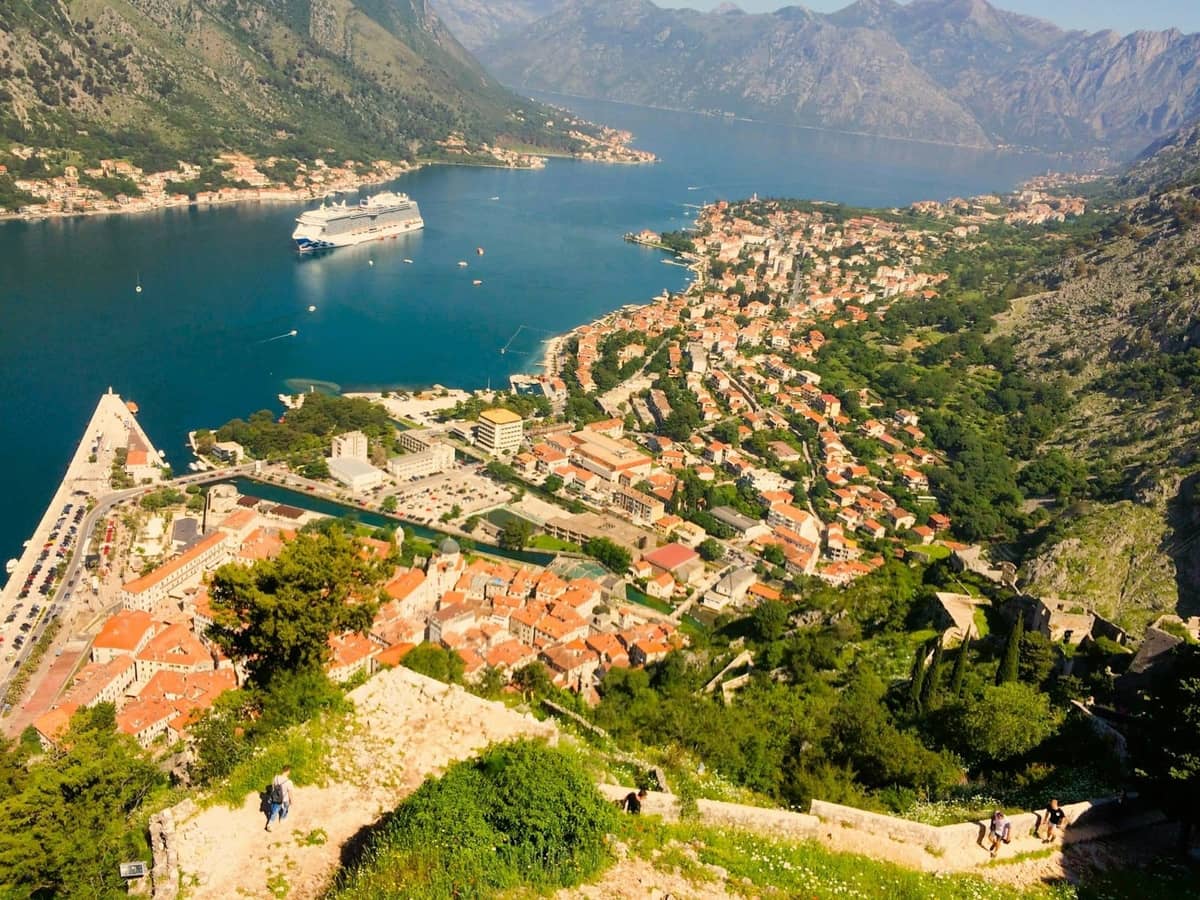
March is genuinely underrated. Temperatures climb from around 12°C early in the month to 18°C by the end, the crowds are thin, and accommodation prices are 30-50% lower than summer rates. The surrounding mountains still carry some snow, which makes the view from the Fortress of San Giovanni particularly dramatic. Rain is possible, but rarely all-day — typically a morning shower followed by clear afternoons.
April and May are the peak of the spring season. Wildflowers cover the hillsides, the fortress wall hike is comfortable at any time of day, and the Bay of Kotor boat tours start running in earnest. Daytime temperatures sit between 18-25°C — warm enough to swim by late May. The city is lively without feeling overwhelmed. If you have flexibility, late April to mid-May is the single best window to visit Kotor.
- Weather 12-25°C, mix of sunny days and brief showers. Mountains visible and snow-capped early in the season.
- Crowds Low to moderate. Cruise ships present but far fewer than summer. Old Town walkable without queuing.
- Prices 30-50% cheaper than July-August for hotels. Restaurants and tours fully open by April.
- Activities Hiking, boat tours, Old Town exploration all viable. Swimming from late May.
Summer (June to August): Peak Season Realities
June is the transition month. Crowds build steadily but have not yet hit July levels, temperatures are warm without being brutal (24-30°C), and the sea is fully swimmable. Early June still gets reasonable hotel rates and you can walk the Old Town without feeling like you are in a queue. By late June, peak season has essentially begun.
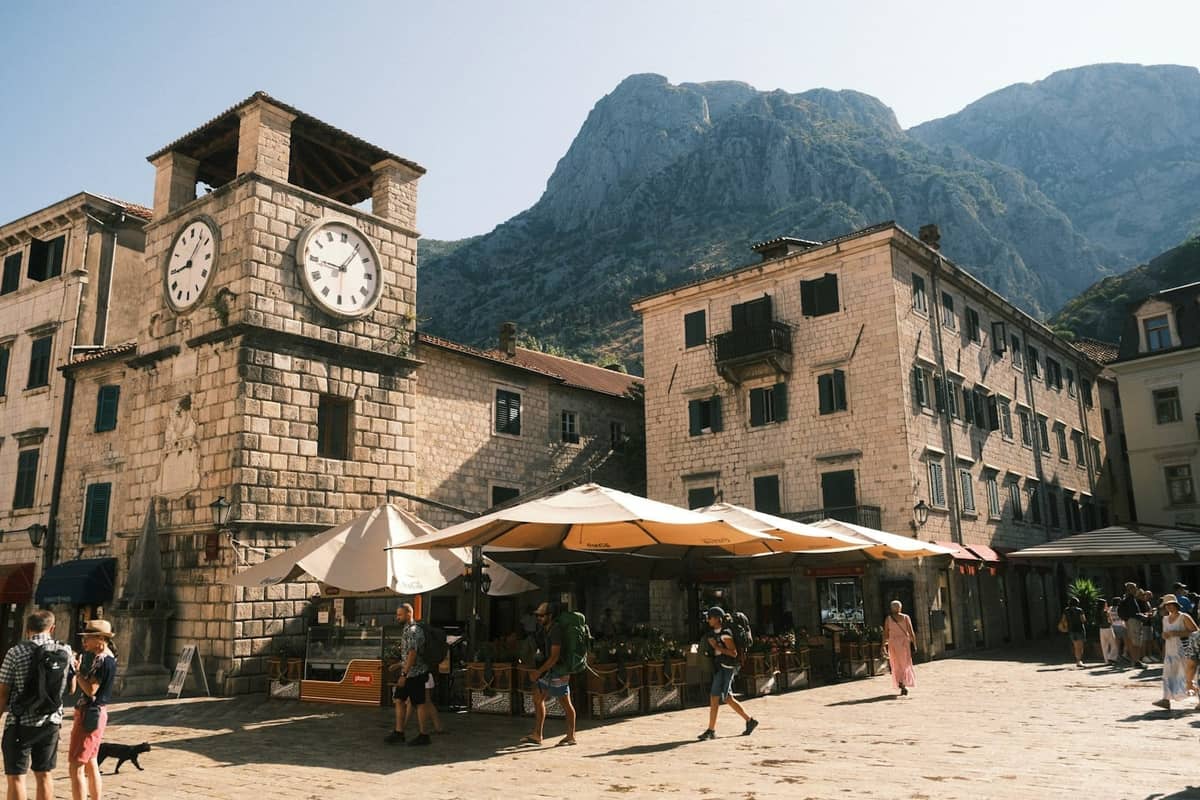
July and August are high season in every sense. If you visit during this window, go in knowing what to expect: high prices, early alarms, and a very different pace. The strategy that works best is to be inside Fortress of San Giovanni by 8am before the cruise passengers arrive, retreat to the beach or a boat tour at midday, and return to the Old Town after 5pm when ships depart. The evening atmosphere in summer is genuinely excellent — outdoor dining, live music near the Square of Arms, and long golden light over the bay.
💡 Local tip
Book accommodation in Kotor's Old Town for summer at least 3-4 months in advance. The walled city has limited beds across all categories. Good options disappear fast, and staying inside the walls means you can retreat during peak midday crowds without a taxi ride.
Kotor in summer is also the gateway for day trips around the region. The Bay of Kotor boat tours run frequently and make a cooler afternoon alternative to walking the Old Town. Perast and Our Lady of the Rocks are both short boat rides away and worth the trip regardless of the heat.
Autumn (September to November): The Underrated Season
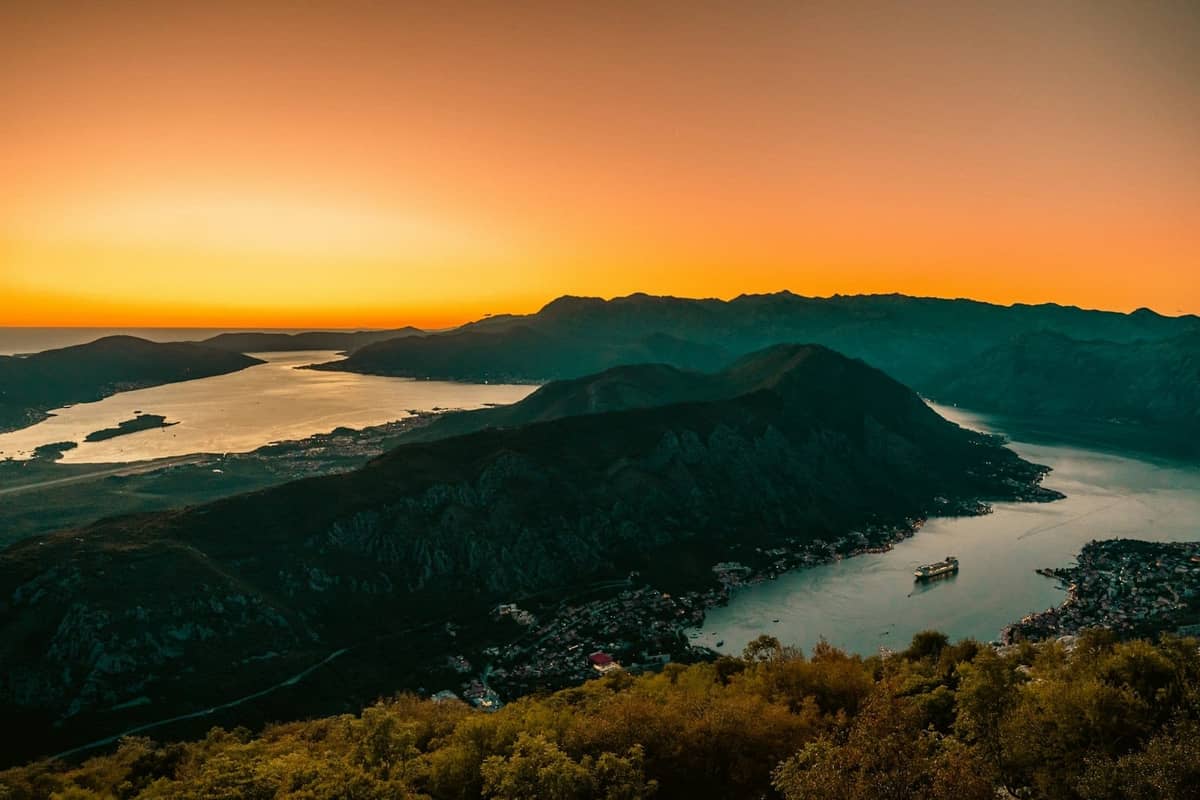
September is arguably the best single month to visit Kotor. The sea temperature remains warm well into September (around 24-25°C), the worst of the summer heat has broken, crowds drop noticeably after the first week, and prices begin to fall. The quality of light in September over the Bay of Kotor is genuinely special — lower in the sky, warmer in tone, and far better for photography than the harsh midday glare of July.
October sees further crowd reductions and the first signs of autumn color on Lovćen Mountain above the city. It is still warm enough to sit outside comfortably and explore the Old Town walking routes without overheating. Some boat tours begin winding down by mid-October, so check availability before planning your itinerary around them.
November brings the first real rain and cooler temperatures (10-16°C). Most restaurants and bars in the Old Town stay open, but hours become less predictable and some close for annual maintenance. It is a fine time to visit if you want near-solitude, but set realistic expectations: this is shoulder season properly, not a secret summer.
Winter (December to February): For the Committed Traveler
Winter in Kotor is quiet in a way that borders on eerie. The cruise ships are gone, the seasonal restaurants are shuttered, and the Old Town's narrow streets are yours almost alone. Temperatures range from 5-12°C, with rain being the main weather consideration rather than cold. Snow in the Old Town itself is rare but not impossible. The surrounding mountains, including Lovćen, regularly have snow from December through February, which creates a dramatic backdrop on clear days.
What stays open in winter: the Cathedral of Saint Tryphon, the Maritime Museum, a handful of year-round restaurants and cafes, and the Old Town walls themselves. What closes or reduces dramatically: boat tours, most beach bars, and many hotels. Check individual listings before booking. The fortress wall hike is doable in winter on dry days and surprisingly rewarding — the views are unobstructed and you will have the path to yourself.
ℹ️ Good to know
Kotor's Carnival (Kotorski Karneval) takes place in late January or early February and is one of the few times in winter when the city genuinely comes alive. Dating back centuries, it features costume parades and outdoor events across the Old Town. Worth building a trip around if the dates align.
Practical Timing: Getting There and Moving Around
Most visitors arrive from Dubrovnik to Kotor, which takes roughly 2-3 hours by bus or car depending on the border crossing wait time. In summer, border queues can add 30-60 minutes each way. Flying into Tivat Airport (TIV) is the fastest option for direct access — it is 30 minutes from Kotor's Old Town and receives regular seasonal flights from major European hubs. Podgorica Airport is 1.5-2 hours away but has more year-round connections.
Once in Kotor, getting around Kotor is straightforward within the Old Town — it is entirely pedestrianized. For day trips to Perast, Budva, or Lovćen National Park, local buses run regularly in summer and less frequently off-season. Taxis and rental cars fill the gaps. Parking outside the Old Town gates fills up fast in July and August by 9am.
- Best month overall: May or September
- Best for budget travelers: March, October, or November
- Best for beach and swimming: June through September
- Best for photography and atmosphere: September (light) or January (solitude)
- Worst months for crowds: July 15 to August 20
- Best for day trips around Montenegro: May through October
✨ Pro tip
If your trip falls in peak summer, spend your first two nights in Kotor then base yourself in Perast or a village further along the bay for the rest. You get the Old Town experience without suffering through the hottest, most crowded days. Day trips back into Kotor are easy and the contrast makes both places feel better.
FAQ
What is the best time to visit Kotor, Montenegro?
Late April through mid-May and the first three weeks of September are the best periods for most travelers. You get warm weather, swimmable sea (by May's end), manageable crowds, and hotel prices well below summer peaks. If you cannot travel in those windows, June and early October are solid alternatives.
Is Kotor worth visiting in winter?
Yes, but with adjusted expectations. Winter offers the most atmospheric version of the Old Town — quiet streets, low prices, and the fortress hike entirely to yourself. The trade-off is that many restaurants, boat tours, and some hotels close seasonally. Best suited for independent travelers comfortable with a slower pace.
How hot does Kotor get in summer?
July and August regularly see temperatures of 32-35°C inside the Old Town walls, which amplify heat significantly. The bay provides some humidity that makes it feel hotter than the numbers suggest. Plan outdoor activities for early morning (before 10am) or evening (after 5pm) in peak summer.
How bad are the cruise ship crowds in Kotor?
On busy summer days, multiple ships can dock simultaneously, adding 10,000-15,000 visitors to a walled city that normally holds a fraction of that number. The crush is real between 10am and 3pm. However, ships leave by early evening, so the city calms considerably after 5-6pm. Avoiding Kotor during peak cruise hours, or visiting in shoulder season, eliminates most of the crowd issue.
Is it better to visit Kotor or Dubrovnik?
They are genuinely different experiences. Dubrovnik is larger, better-serviced, and more internationally famous. Kotor is smaller, less polished, and arguably more authentic — it has not been as thoroughly organized around tourism. Many travelers visit both on the same trip, since the journey between them takes 2-3 hours. If you only have time for one, Kotor rewards those who want fewer tourists and a more layered, less stage-managed experience.