Getting Around Kotor & the Bay of Kotor: The Complete Transport Guide
Kotor's medieval old town is walkable in under 20 minutes, but the surrounding Bay of Kotor stretches across 28 kilometres of coastline. This guide covers every transport option, with honest advice on what works, what doesn't, and how to move around Montenegro like someone who's done it before.
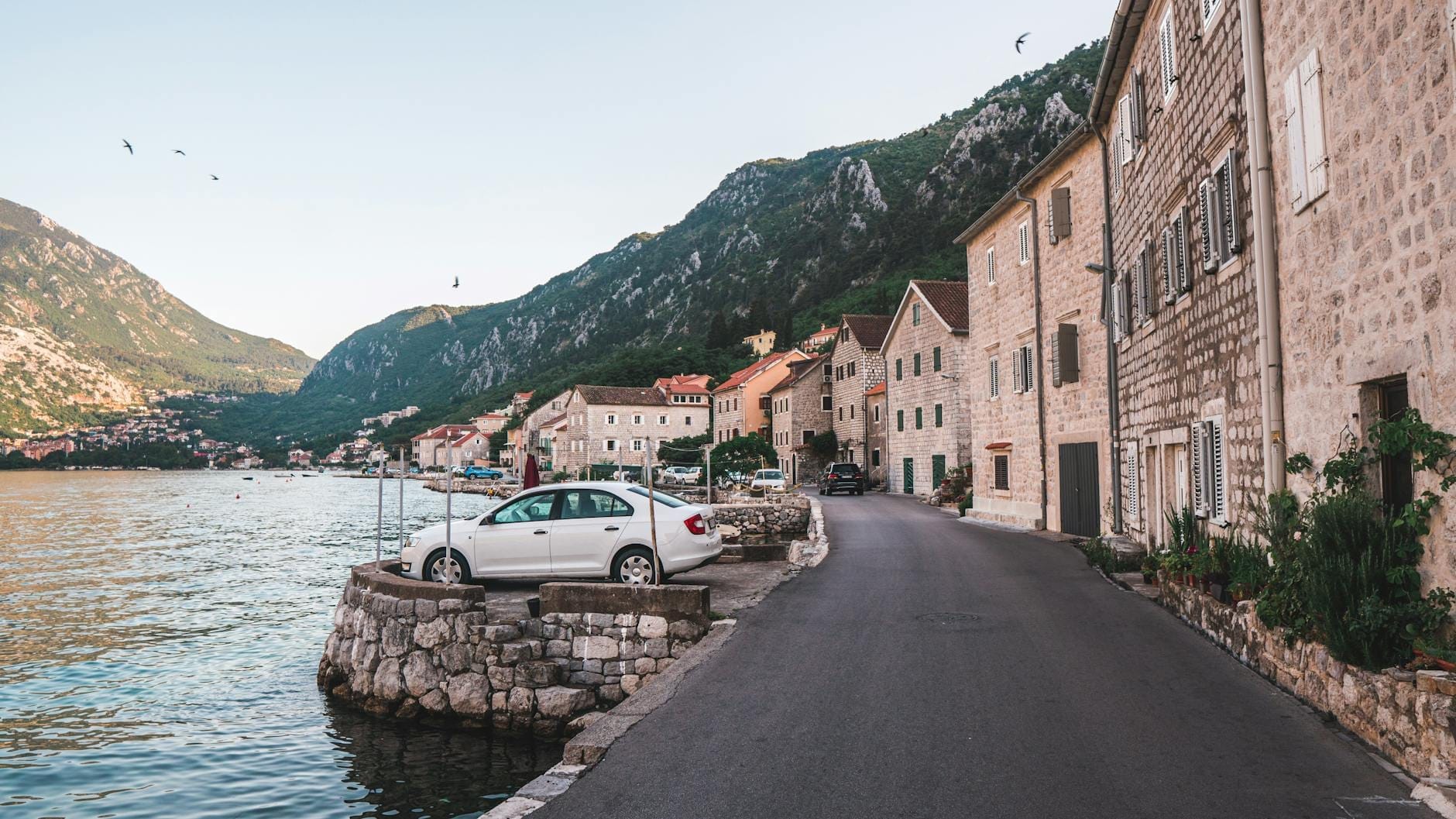
Plan and book this trip
Tools from our partner Travelpayouts help you compare flights and hotels. If you book through them, we may earn a commission at no extra cost to you.
Flights
Hotels map
TL;DR
- Kotor Old Town is entirely walkable — cars cannot enter, and everything inside is within a 10-minute walk.
- Renting a car is the single best way to explore the full Bay of Kotor and reach villages like Perast, Prčanj, and Dobrota independently.
- Local buses are cheap (around €1.50-3 per trip) but slow, infrequent, and unreliable for timed connections.
- Water taxis and boat tours link Kotor to Perast, Our Lady of the Rocks, and other bay destinations — prices are negotiable.
- If you're arriving by cruise ship, read the dedicated Kotor cruise port guide first — the logistics are different from independent travel.
Getting Around Kotor Old Town on Foot
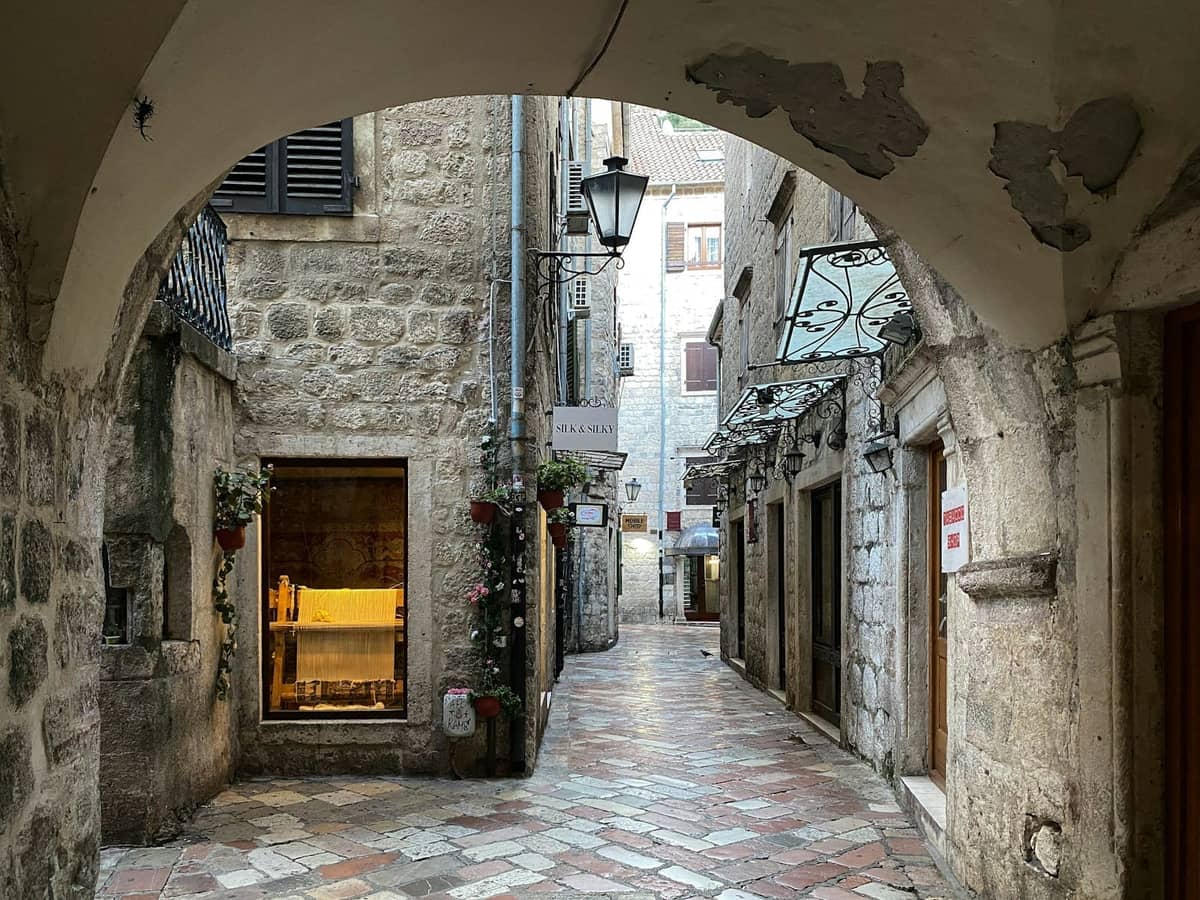
Inside the walls of Kotor Old Town, your feet are the only option. The old town covers roughly 800 metres from the Sea Gate to the far northern walls, and the entire area is pedestrianised. Cars are banned. Cobblestone streets wind between Venetian palaces and Byzantine churches, and most visitors find the layout surprisingly easy to navigate once they've oriented themselves around the central Square of Arms.
Allow 15-20 minutes to walk the full length of the old town at a casual pace. The streets are narrow and shaded, which makes daytime walking comfortable even in summer. The main challenge is the crowds: July and August see cruise ship passengers flooding the old town between 9am and 5pm, making streets genuinely difficult to navigate. If you're staying in the old town or nearby, plan sightseeing before 9am or after 6pm in peak season.
💡 Local tip
The cobblestones inside the old town are uneven and slippery after rain. Wear flat, closed-toe shoes — sandals with grip work fine, but flip-flops are a liability on the steeper lanes near the city walls.
If you plan to hike up to the Fortress of San Giovanni via the city walls trail, budget 45-75 minutes for the ascent depending on fitness. The trail starts near the Church of Our Lady of Remedy and involves around 1,350 steps. It's steep, exposed to direct sun, and best done before 10am in summer.
Renting a Car: The Smartest Option for the Bay
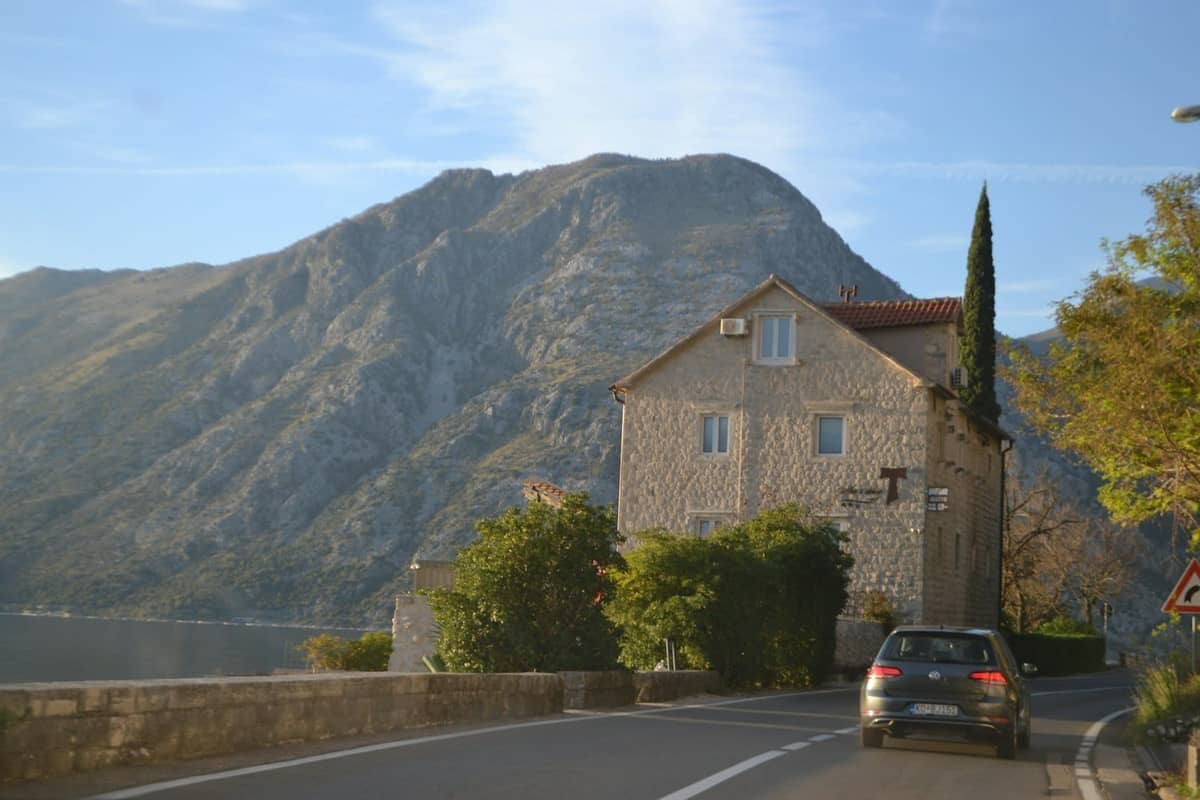
For anyone spending more than two days in the area, renting a car unlocks Montenegro's real appeal. The coastal road circling the Bay of Kotor (the E65 and local routes) is one of the most scenic drives in the Balkans, threading past stone villages, Ottoman fortifications, and ancient churches perched at the waterline. Without a car, you're dependent on buses that may run twice a day to certain villages, or on organised tours that dictate your schedule.
Car rental rates in Kotor typically start around €30-50 per day for a compact car in shoulder season (April-June, September-October), rising to €60-90 per day in July and August. Book in advance during summer — local agencies run out of stock quickly. Several international chains operate from Tivat Airport, about 5-8 kilometres from Kotor, and there are local agencies along the waterfront road outside the old town. A car also makes day trips from Kotor to Lovćen National Park, Budva, or Cetinje genuinely feasible as half-day excursions.
⚠️ What to skip
Do not attempt to park inside or immediately adjacent to Kotor Old Town unless you know the area well. Parking is extremely limited, fines are common, and illegally parked cars can be clamped or towed. Use the designated paid parking lot north of the Sea Gate or the large lot near the Jadran sports complex. Expect to pay around €1-2 per hour in peak season.
- Tivat Airport (TIV) The closest airport, roughly 8 km from Kotor. Most international car hire companies have desks here. A taxi to Kotor costs around €15-20.
- Kotor Waterfront Agencies Several local rental agencies operate along the main coastal road (Jadranski Put) north of the old town. Rates can be cheaper than airport desks, but inspect the car carefully before signing.
- Dubrovnik Airport Many travellers flying into Dubrovnik rent a car and drive directly to Kotor. The journey takes around 2 hours. Make sure your rental agreement permits crossing into Montenegro — not all do.
Local Buses: Cheap but Unpredictable
Montenegro's local bus network covers the main settlements around the Bay of Kotor, but it operates on Balkan time: schedules exist, but delays and gaps are routine. For budget travellers or those with flexible plans, buses are perfectly usable. For anyone with a timed connection or a specific destination to reach by a certain hour, they're a gamble.
The main bus station in Kotor is located on the waterfront, about a 5-minute walk from the Sea Gate. Buses run regularly to Herceg Novi (approximately 45-60 minutes, around €3-4), Budva (around 30-40 minutes, €2-3), and Tivat (around 20 minutes, €1.50-2). Services to smaller bay villages like Perast are less frequent and may require a change at Risan. Check current timetables at the station rather than relying on online sources, which are often outdated.
✨ Pro tip
Pay the driver directly on board local buses — there's no online booking system. Arrive a few minutes early on busy summer days, as popular routes can fill up and drivers occasionally pass stops if the bus is full.
Water Taxis and Boat Transport on the Bay
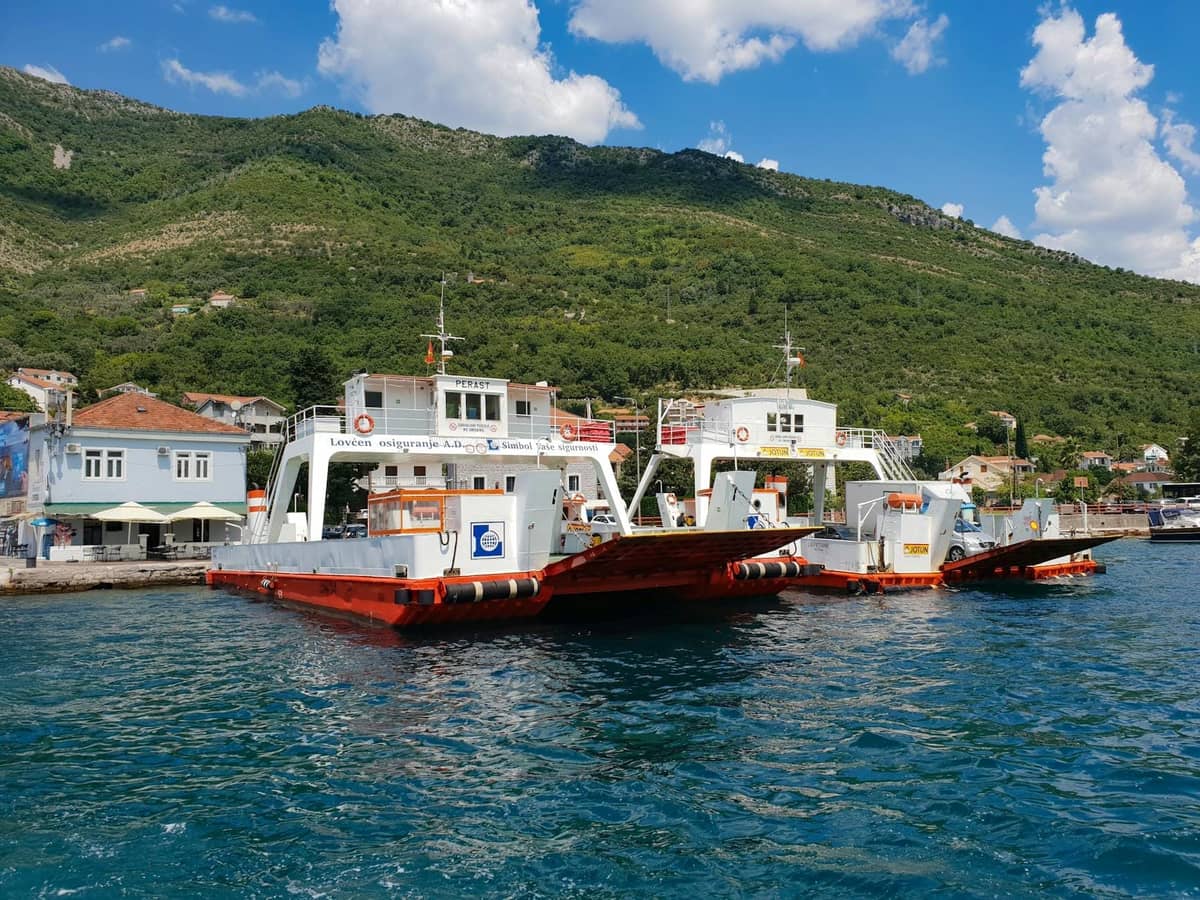
The Bay of Kotor is essentially an inland sea, and boats are both a practical and scenic way to move between destinations. A car ferry crosses the narrowest point of the bay between Lepetane and Kamenari, cutting the road journey between the upper and lower bay from over an hour to about 5 minutes. The ferry runs continuously throughout the day, costs around €4-5 per car including passengers, and is the single most useful transport shortcut in the region. It's especially helpful if you're combining visits to Perast and Herceg Novi in the same day.
Private water taxis operate from Kotor's marina and can be hired for transfers to Perast, Our Lady of the Rocks, and other bay locations. Prices are not fixed, so negotiate before boarding. A return trip to Perast by private water taxi typically costs €40-70 depending on the boat and season. Shared boat tours are significantly cheaper and widely available from the Kotor marina waterfront.
Taxis and Rideshares
Standard taxis are available in Kotor, though the market is largely unregulated. Drivers rarely use meters for tourists, so agree on a price before you get in. A taxi from Kotor to Tivat Airport runs around €15-20; to Budva, expect €20-30. The ride-hailing apps widely used across Europe (Bolt, Uber) have very limited coverage in Montenegro as of 2026, so don't rely on them.
For transfers from Dubrovnik to Kotor, shared shuttle services are worth considering. Several operators run fixed-departure shuttles along this route for around €20-30 per person, significantly cheaper than a private taxi (which can cost €80-120). The journey takes around 2 hours, crossing the border at Debeli Brijeg. Have your passport ready and factor in potential border delays, which can add 30-60 minutes during summer peaks.
- Always agree on a taxi fare before departure. Asking 'how much to X?' at the start avoids disputes on arrival.
- Taxis from the cruise pier to the old town gate cost around €5-8 and are largely unnecessary — it's a 10-minute walk along the promenade.
- For airport transfers, book in advance through your accommodation or a reputable local agency to avoid inflated kerb-side rates.
- WhatsApp is widely used in Montenegro — local taxi drivers and small boat operators often prefer contact this way for advance bookings.
Practical Tips for Getting Around the Bay
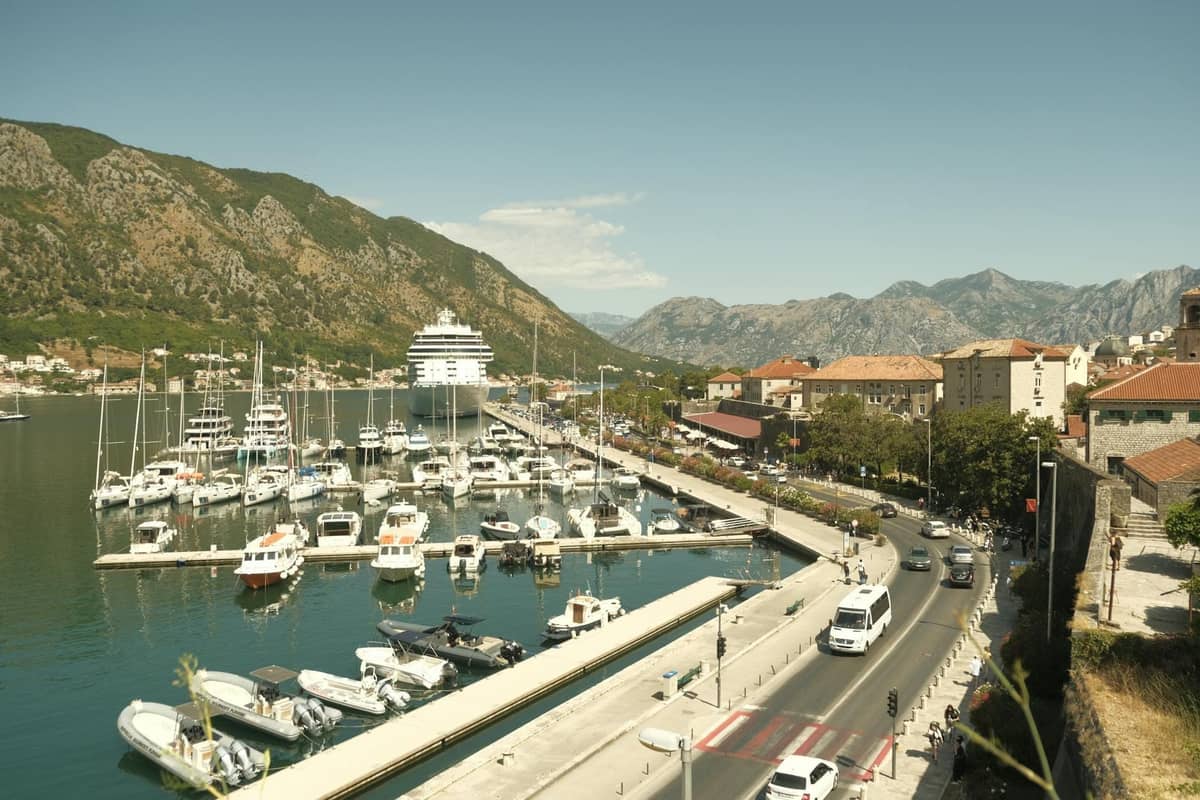
The road around the full bay is narrow in sections, particularly between Kotor and Perast where it squeezes against the cliff face. If you're driving, take it slow and watch for oncoming coaches. The road is also the main route for cruise ship transfer buses, which travel in convoys during peak arrival times (typically 8-11am). For a deeper look at what the bay offers and how to structure your time, the 2 days in Kotor itinerary breaks down a logical sequence by location.
Seasonality matters significantly for transport planning. In July and August, parking is scarce, buses are crowded, and boat operators charge peak rates. April, May, and October offer noticeably easier conditions for getting around — less traffic, more cooperative locals, and greater availability across the board. For a full breakdown of when to come, the best time to visit Kotor guide covers the trade-offs season by season.
ℹ️ Good to know
Montenegro uses the Euro (€) despite not being an EU member state. Cash is still widely preferred for buses, water taxis, small ferry crossings, and parking. Carry small notes — drivers and vendors rarely have change for €50 or €100 bills.
FAQ
Can you walk everywhere in Kotor?
Inside the old town, yes — everything is within a 10-15 minute walk and vehicles are not permitted. But the broader Bay of Kotor is not walkable. Villages like Perast are 12 km away by road, and Herceg Novi is 30 km. You'll need a bus, car, taxi, or boat to explore the bay properly.
Is it easy to get from Dubrovnik to Kotor?
Yes, several options exist. Shared shuttle services run daily for around €20-30 per person and take about 2 hours including the border crossing. Private taxis cost €80-120. Buses connect the two cities but require a change and take longer. Renting a car in Dubrovnik and driving down is popular, but check that your rental agreement covers Montenegro.
How do I get from Kotor to Perast?
By car or bus, Perast is about 12 km along the coastal road and takes 20-25 minutes to drive. Local buses run this route a few times daily but check current timetables at Kotor bus station. Alternatively, private water taxis from Kotor marina take roughly 20-30 minutes by sea and offer better views, though at higher cost.
Is there a cable car or gondola in Kotor?
Yes — the Kotor Cable Car has been running since 2023, though it does not start in town. The lower station is at Dub, about 5 km inland from the Old Town, reachable by official shuttle bus, taxi or car, and the gondola climbs to Kuk on Mount Lovćen at 1,348 metres in 11 minutes. The viewpoint directly above the Old Town is a separate matter: that one you reach by hiking the fortress walls or by driving the serpentine road to Trojica. Our Kotor cable car guide covers fares, hours and how to get to the station.
Where can I park near Kotor Old Town?
The main parking area is the large lot just north of the Sea Gate, near the Jadran sports centre. Additional paid parking exists along the waterfront road. In peak summer, these lots fill by mid-morning. Arrive before 9am or plan to park further out and walk 10-15 minutes. Parking inside or in unmarked zones near the walls risks clamping or towing.