2 Days in Kotor: The Perfect Itinerary
Two days in Kotor is enough to cover the essentials without feeling rushed, but only if you plan smartly. This itinerary takes you through the walled Old Town, up to the fortress, out onto the Bay of Kotor, and into the best local restaurants — with honest advice on what to skip and when to go.
Plan and book this trip
Tools from our partner Travelpayouts help you compare flights and hotels. If you book through them, we may earn a commission at no extra cost to you.
Flights
Hotels map
TL;DR
- Day 1 focuses on Kotor Old Town: the Sea Gate, Cathedral of St. Tryphon, cats, and the fortress wall hike at dawn or dusk to beat the crowds.
- Day 2 opens up the Bay of Kotor with a boat tour to Perast and Our Lady of the Rocks, plus a drive or taxi up to Lovćen for panoramic views.
- Book accommodation inside or directly outside the walls — hotels in Kotor Old Town sell out fast in summer.
- Cruise ship days (typically 8am-6pm) flood the Old Town. Check port schedules and plan your fortress hike for early morning before cruise passengers disembark, or schedule bay trips for when crowds are in the Old Town.
- Two days works best from April to June or September to October. July and August are intense: hot, crowded, and expensive.
Before You Arrive: What to Know About Kotor
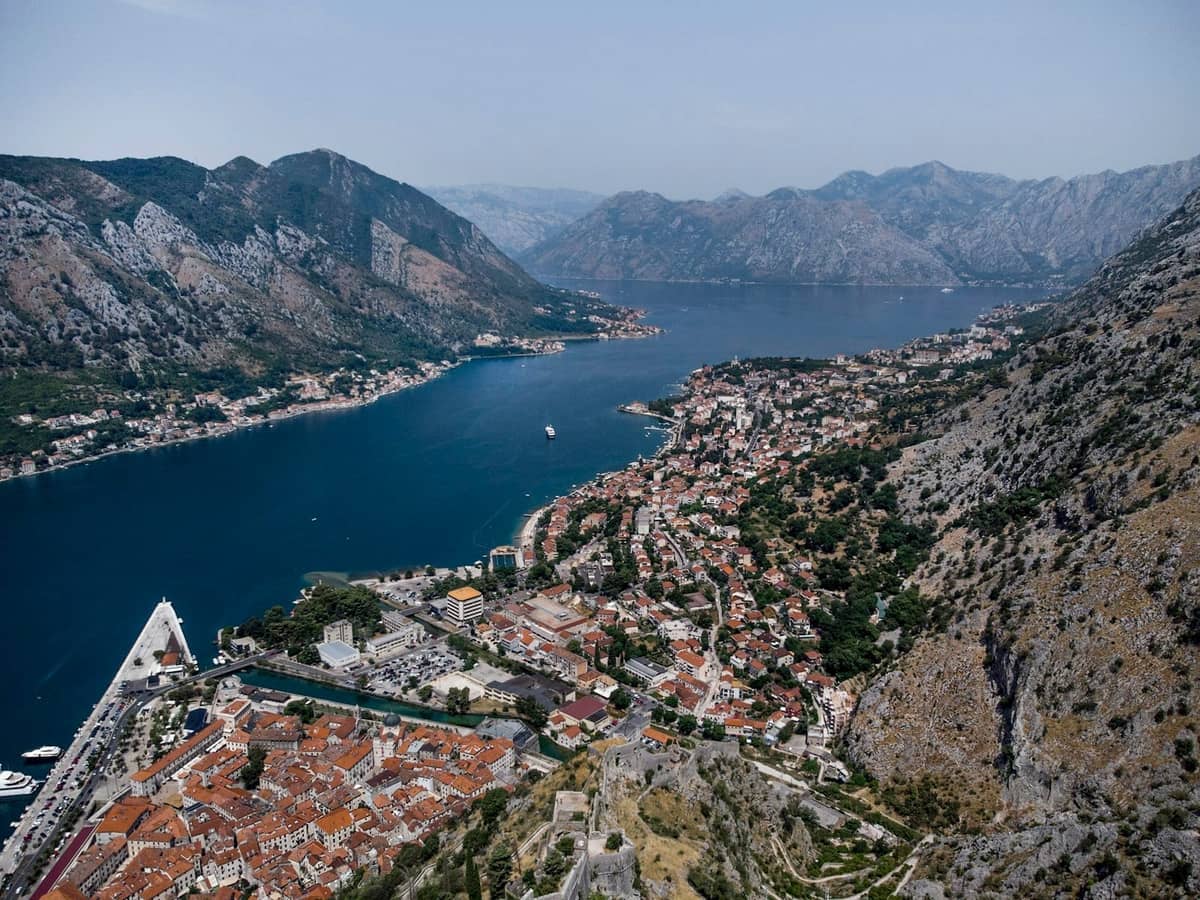
Kotor is a medieval walled city on the southeastern corner of the Bay of Kotor in Montenegro. The bay is technically a drowned river canyon, not a fjord, though it is often described as one of southern Europe's most dramatic coastal landscapes. The UNESCO-listed Old Town sits at the base of Mount St. John, with a fortification system that climbs steeply up the cliff face behind it. The city walls stretch about 4.5 kilometers in total.
Getting to Kotor is straightforward from Dubrovnik (roughly 2 hours by road) or from Tivat Airport, which is only about 8 kilometers away. If you're arriving overland, check the Dubrovnik to Kotor transport options before booking anything — the bus is cheap and reliable, the taxi is flexible but negotiable, and driving gives you freedom along the bay road.
⚠️ What to skip
Kotor's Old Town streets are extremely narrow and the car-free zone is enforced. Do not attempt to drive inside the walls. Paid parking lots sit just outside the Sea Gate and along the waterfront promenade.
Day 1 Morning: The Old Town on Foot
Start your first morning at the Sea Gate, the main western entrance to the Old Town, built in 1555. The carved stone relief above the arch bears the date 1555 and a Venetian winged lion, marking the gate's construction during Venetian rule. Step inside and let the Old Town reveal itself slowly — the streets are a deliberate maze of limestone alleys, Romanesque churches, and small squares that reward wandering without a rigid plan.
Head first to the Square of Arms, the largest piazza inside the walls. The Clock Tower and the old arsenal building dominate the space. From here, walk south toward the Cathedral of St. Tryphon, Kotor's most significant religious monument, built in the 12th century and dedicated to the city's patron saint. Entry costs around €4 and the reliquary collection inside is genuinely remarkable for a town this size.
- St. Tryphon's Cathedral Kotor's finest Romanesque architecture, with a two-nave interior and treasury containing medieval silver reliefs. Allow 30-40 minutes.
- Church of St. Luke A 12th-century church that was shared simultaneously by Catholic and Orthodox congregations for over a century — an unusual arrangement worth knowing about.
- St. Nicholas Church The largest Orthodox church in the Old Town, built in the early 20th century in a Serbian-Byzantine style. The iconostasis is especially detailed.
- Maritime Museum of Kotor Three floors of naval history inside a baroque palace. Covers Kotor's centuries as a seafaring republic. Entry around €4-5.
- Cats of Kotor Kotor has a well-documented cat culture — the cats are semi-feral, well-fed by locals, and genuinely photogenic. They gather around the squares and alleyways in the mornings.
Kotor's relationship with cats goes beyond novelty tourism. The cats arrived with sailors centuries ago to control rodents, and locals still take an active role in caring for them. The Cats Museum in Kotor is a small but genuinely charming space near the Old Town center — entry is a couple of euros and it doubles as a gift shop. For more background on the phenomenon, the guide to Kotor's cats covers their history and where to find the biggest colonies.
💡 Local tip
The Old Town is at its best between 7am and 9am, before the tour groups and cruise ship passengers arrive. Many churches open by 8am. Use this window to photograph the squares without crowds, then have breakfast at a café on the waterfront promenade.
Day 1 Afternoon: The Fortress Wall Hike
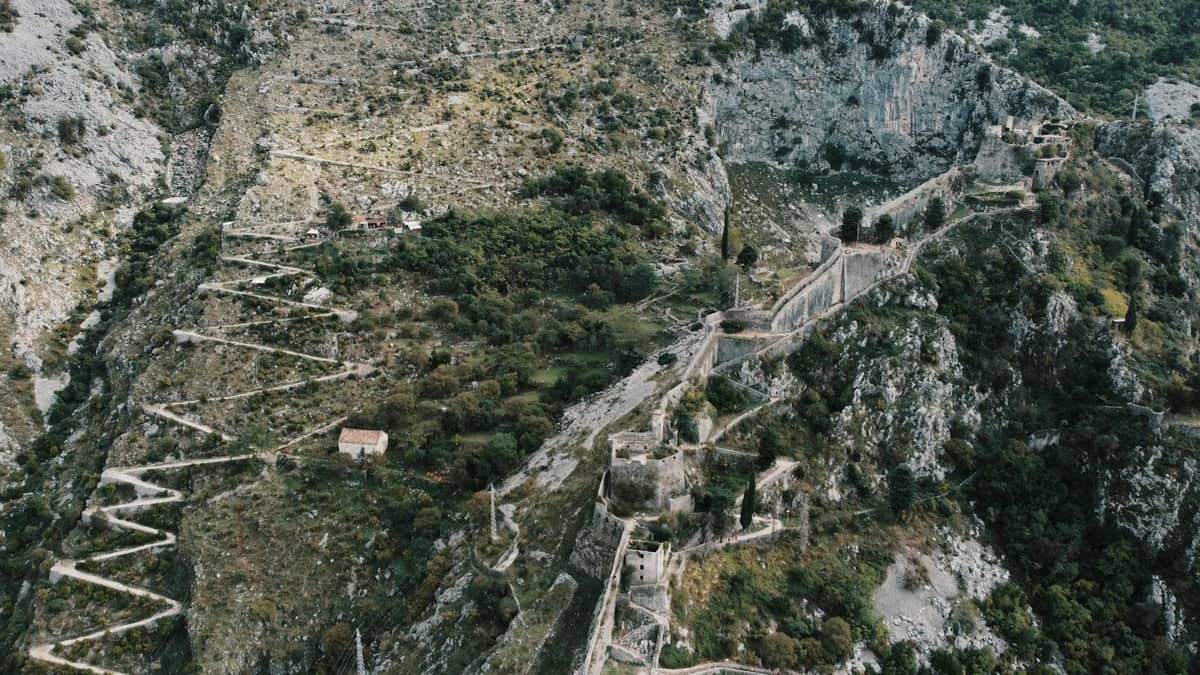
The hike up to the Fortress of San Giovanni is the single most rewarding activity in Kotor, but it has to be timed correctly. The climb involves around 1,350 steps cut into the rock face, rising approximately 260 meters above sea level. On a hot summer afternoon, this is genuinely unpleasant. In spring and autumn, it takes about 45-60 minutes at a moderate pace and delivers views over the entire bay that no other vantage point can match.
The entry fee for the Kotor city walls and fortress hike is around €15 per person. The path begins inside the Old Town, near the Church of Our Lady of Remedy, and is well-marked. Bring water, wear proper shoes (the steps are uneven and can be slippery), and start no later than 4pm in summer to avoid the worst heat. The ruins at the top include the medieval fortress itself and a small church, plus 360-degree views that stretch across the bay toward Perast.
✨ Pro tip
Sunset from the fortress is spectacular, but timing matters. Check the exact sunset time for your dates and start the hike 90 minutes before it. You'll reach the top with time to settle, take photos, and descend in the last of the daylight. Bring a headlamp just in case.
After the hike, the Kotor marina and waterfront is the logical place to decompress. The promenade runs along the water outside the walls and has a good selection of restaurants and bars. For dinner recommendations that go beyond the overpriced tourist traps around the main square, the guide to eating in Kotor is worth reading before you book.
Day 2 Morning: Boat Tour on the Bay of Kotor
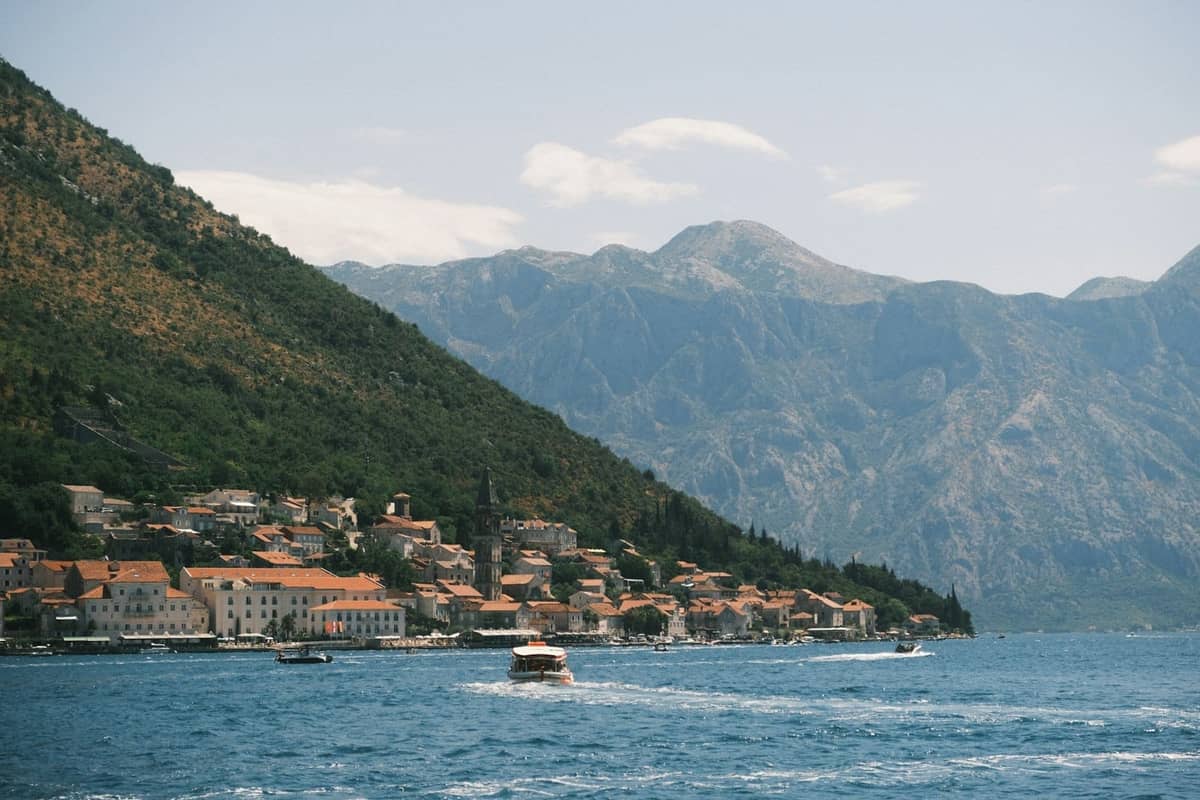
The second day should get you off the city streets and onto the water. The Bay of Kotor is one of Montenegro's most distinctive geographical features: a series of interconnected inlets flanked by limestone mountains that drop nearly vertically to the sea. Seeing it from a boat completely changes your understanding of the landscape.
The standard half-day boat tour from Kotor covers the inner bay, stopping at Perast and the island church of Our Lady of the Rocks. Perast is a small baroque town with a remarkably preserved waterfront and several palace museums. Our Lady of the Rocks is an artificial island built by local sailors over centuries, a process that continues symbolically each year. The church interior is covered in votive paintings left by sailors as thanks for safe passage.
Boat tours depart from the Kotor marina most mornings between 9am and 10am. Half-day tours typically cost €30-50 per person depending on group size and inclusions. Private tours cost significantly more but give you control over the itinerary. The Bay of Kotor boat tour guide breaks down the different options honestly, including which tours are worth the premium and which are generic group experiences.
- Bring a light layer even in summer — moving on water feels 5-8 degrees cooler than onshore.
- Morning departures are better than afternoon: calmer water, better light for photos, and you avoid the cruise ship tenders crossing the bay.
- If you visit Perast independently by bus or taxi instead of a boat tour, the journey takes about 20-25 minutes from Kotor and costs a fraction of a guided tour.
- The Blue Cave near Kotor is sometimes added to bay tour itineraries — it's best appreciated on a sunny morning when the light penetrates the water.
- Seasickness is rarely an issue given the sheltered bay, but the boat rides can feel bumpy if the bora wind picks up in spring.
Day 2 Afternoon: Lovćen Views or Budva Beach
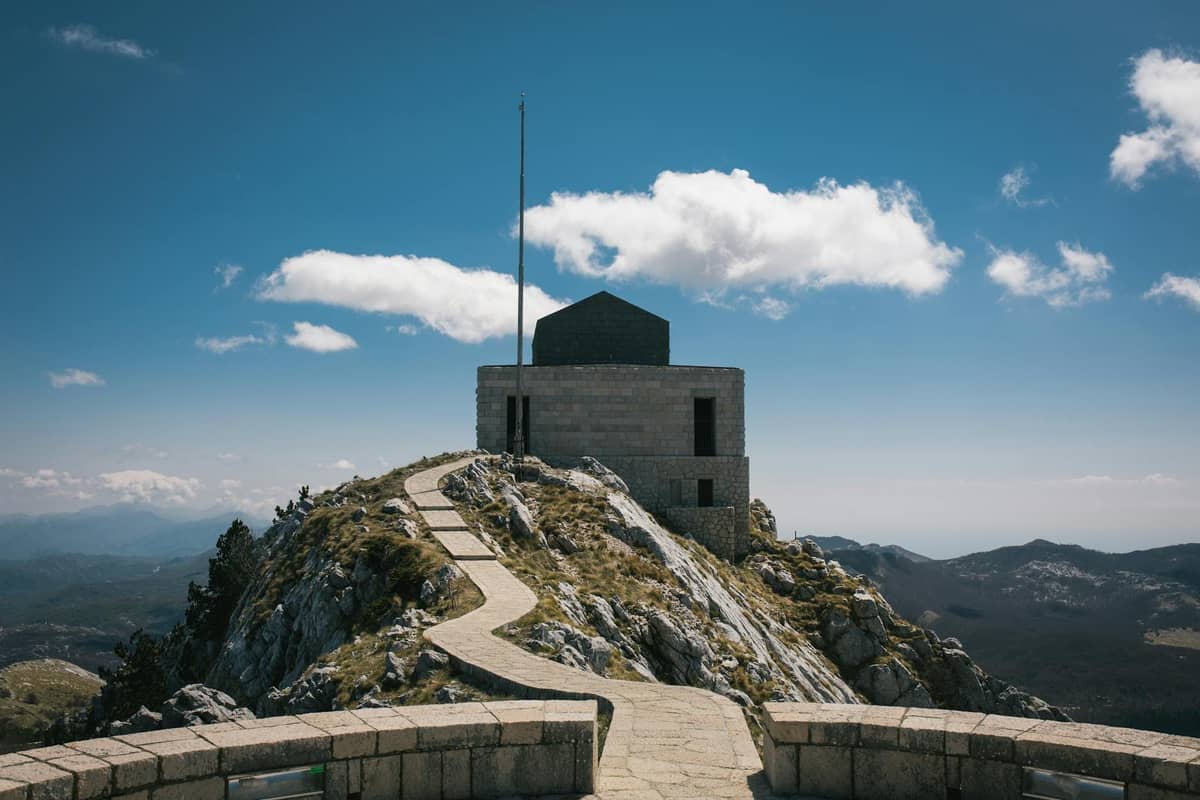
Your afternoon on day two depends on what you haven't done yet and what kind of traveler you are. There are two strong options, and they suit different priorities.
The first option is the drive up to Lovćen National Park, which begins just behind Kotor via the famous serpentine road with 25 hairpin bends. The views down to the bay on the ascent are extraordinary, and the park itself offers hiking, cool temperatures, and a broader sense of Montenegro's mountainous interior. The mausoleum of Petar II Petrović Njegoš at the summit is the country's most visited monument, reached by climbing 461 steps from the parking area.
The second option is heading south to Budva, Montenegro's most developed coastal resort town, about 35 minutes from Kotor by car. Budva has a small walled Old Town worth a quick walk, and several beaches including Mogren and Jaz, which is large enough to breathe even in high season. If your trip to Montenegro doesn't extend beyond these two days, a quick Budva afternoon gives you a sense of the Adriatic beach scene that Kotor itself lacks.
ℹ️ Good to know
Kotor has no beach within the Old Town itself. The nearest swimming spots are Dobrota, a short walk north along the waterfront, or the pebbly shore at Škaljari. For actual sandy beaches, Budva or the Luštica Peninsula are necessary detours.
Practical Details: Logistics, Costs, and Common Mistakes
Two days in Kotor Montenegro is a tight but workable window. The Old Town is compact enough that you can cover the major sites on foot without backtracking, and the bay is small enough that a morning boat trip covers the highlights. Where people go wrong is overloading the schedule. The fortress hike alone takes half a day if you factor in preparation, the climb, time at the top, and descent. Don't combine it with a boat tour on the same day unless you're genuinely fit and have an early start.
- Budget estimate (per person per day) Accommodation €50-150, meals €25-50, fortress entry €15, boat tour €25-40, miscellaneous €10-20. Total: roughly €120-230 per person per day.
- Best accommodation location Inside the Old Town for atmosphere, or along the Dobrota waterfront for space and quiet. Avoid hotels in the cruise terminal area if you want to walk to everything.
- Getting around You won't need a car for Day 1. For Day 2, renting a car or booking a private taxi for the Lovćen loop or Budva trip makes sense. Taxis are cheap by Western European standards.
- Crowds and timing Cruise ships dock most days between late April and October, usually 8am-6pm. The Old Town becomes very crowded during this window. Fortress hike and boat tours are the best escape.
- Food and restaurants Restaurants on the main square charge a tourist premium. Walk one or two streets back and prices drop noticeably. Look for spots serving Montenegrin burek, fresh seafood, and local wine from the Plantaže winery.
For a deeper dive into what's worth your time beyond this two-day framework, the complete things to do in Kotor guide covers additional options like the cable car, viewpoints beyond the fortress, and day trips to less-visited parts of the bay. If you're deciding whether Kotor deserves a spot on your Montenegro itinerary at all, the honest assessment in is Kotor worth visiting addresses the question directly.
FAQ
Is 2 days enough for Kotor?
Two days covers the essential experiences: the Old Town churches and squares, the fortress wall hike, and a bay boat trip. You won't feel rushed if you plan each day around one main activity. Extending to three days allows for a more relaxed pace and day trips to Budva, Lovćen, or the quieter villages along the bay.
What is the best time of year for 2 days in Kotor?
May, June, and September are the sweet spots. Temperatures are comfortable for hiking (18-26°C), the bay is swimmable, crowds are manageable, and accommodation is easier to book. July and August bring extreme heat, very heavy tourist traffic, and higher prices across the board.
Can I do Kotor as a day trip from Dubrovnik?
Technically yes — the drive is around 2 hours each way. But a day trip means you arrive when the Old Town is already filling with cruise passengers, you'll struggle to fit in the fortress hike and a boat trip, and you miss the late afternoon light that makes the fortifications look their best. Two nights in Kotor is a much better investment.
How difficult is the Kotor fortress hike?
The hike involves approximately 1,350 steps rising 260 meters. It's manageable for anyone with a basic fitness level, but the exposed stone steps are steep and can be slippery when wet. The main challenge in summer is heat — start early or go in the last two hours of daylight. Allow 45-90 minutes up depending on pace.
Where should I stay for 2 days in Kotor?
Inside the Old Town walls for the full atmosphere, though rooms are small and noise carries at night. The Dobrota neighborhood just north of the walls offers waterfront hotels with parking and a quieter setting, still within walking distance of everything. Avoid the area around the cruise terminal for leisure stays.