Where to Stay in Kotor: Best Areas, Neighborhoods & Hotels
Choosing where to stay in Kotor shapes your entire trip. This guide breaks down every main area, from the medieval Old Town to the quieter bay villages, with honest advice on who each neighborhood suits, what to expect at different price points, and which options to skip.
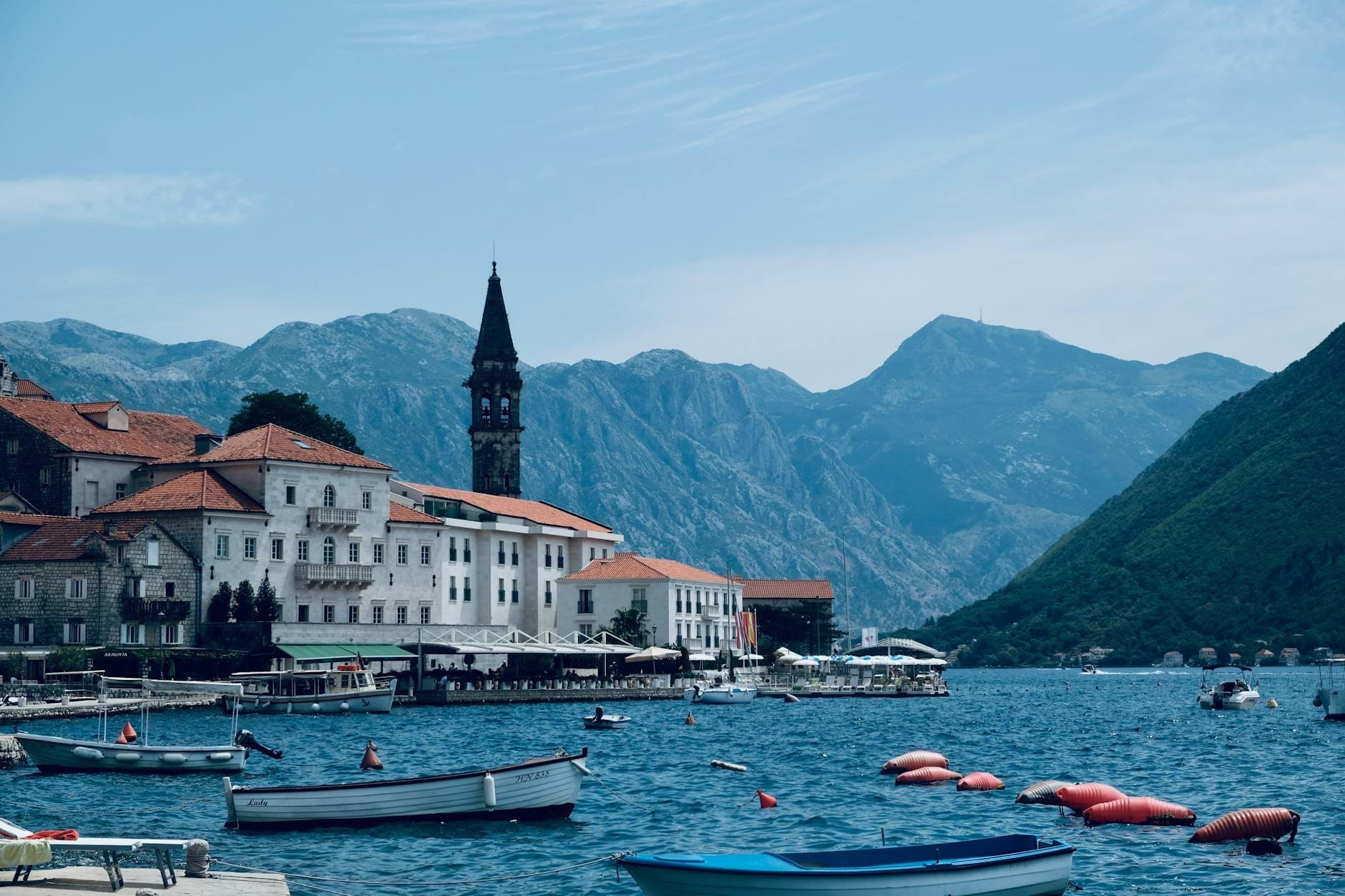
Plan and book this trip
Tools from our partner Travelpayouts help you compare flights and hotels. If you book through them, we may earn a commission at no extra cost to you.
Flights
Hotels map
TL;DR
- The Old Town is the most atmospheric place to stay, but noise, narrow access, and summer heat make it a trade-off worth understanding before you book.
- The waterfront and marina area just outside the walls offers easier access, more hotel choice, and better value than properties inside the Old Town gates.
- Staying in nearby villages like Perast or Dobrota suits travelers who want peace, a car, and the full Bay of Kotor experience.
- Summer (July-August) is peak season: prices spike, availability drops, and Old Town rooms sell out weeks in advance. Book early or consider shoulder season (May, June, September).
- Budget travelers can find solid guesthouses and apartments throughout Kotor for €40-80/night; mid-range hotels run €90-180; luxury boutique options top €200+.
Understanding Kotor's Layout Before You Book
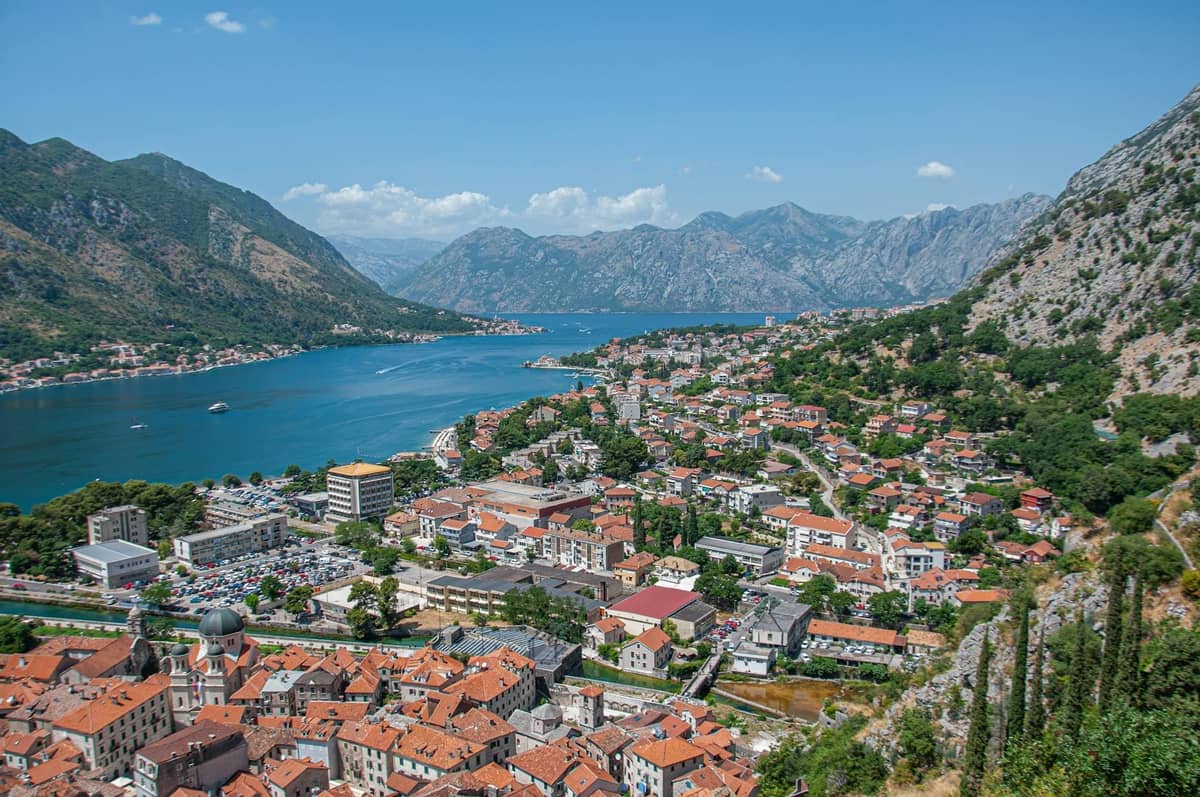
Kotor Montenegro sits at the southeastern tip of the Bay of Kotor, where the mountains drop almost vertically into the water. The city is compact but the surrounding area stretches along the inner bay for several kilometers in each direction. Where you stay determines how you experience the place: inside the medieval walls you get centuries of atmosphere but deal with foot traffic and almost no parking; outside the walls you gain convenience but lose some of the magic.
The main accommodation zones are: the Old Town (inside the city walls), the waterfront strip and marina area immediately outside the walls, the residential neighborhoods of Dobrota and Muo to the north, and the wider bay villages including Perast, Risan, and Prčanj. Each has a distinct character and price point. There is no single best option — the right choice depends entirely on your priorities.
ℹ️ Good to know
Kotor Old Town is a UNESCO World Heritage Site. Properties inside the walls are mostly apartments, guesthouses, and small boutique hotels. Large resort-style hotels are located outside the walls, along the waterfront or further up the bay.
Staying Inside Kotor Old Town: Maximum Atmosphere, Real Trade-Offs
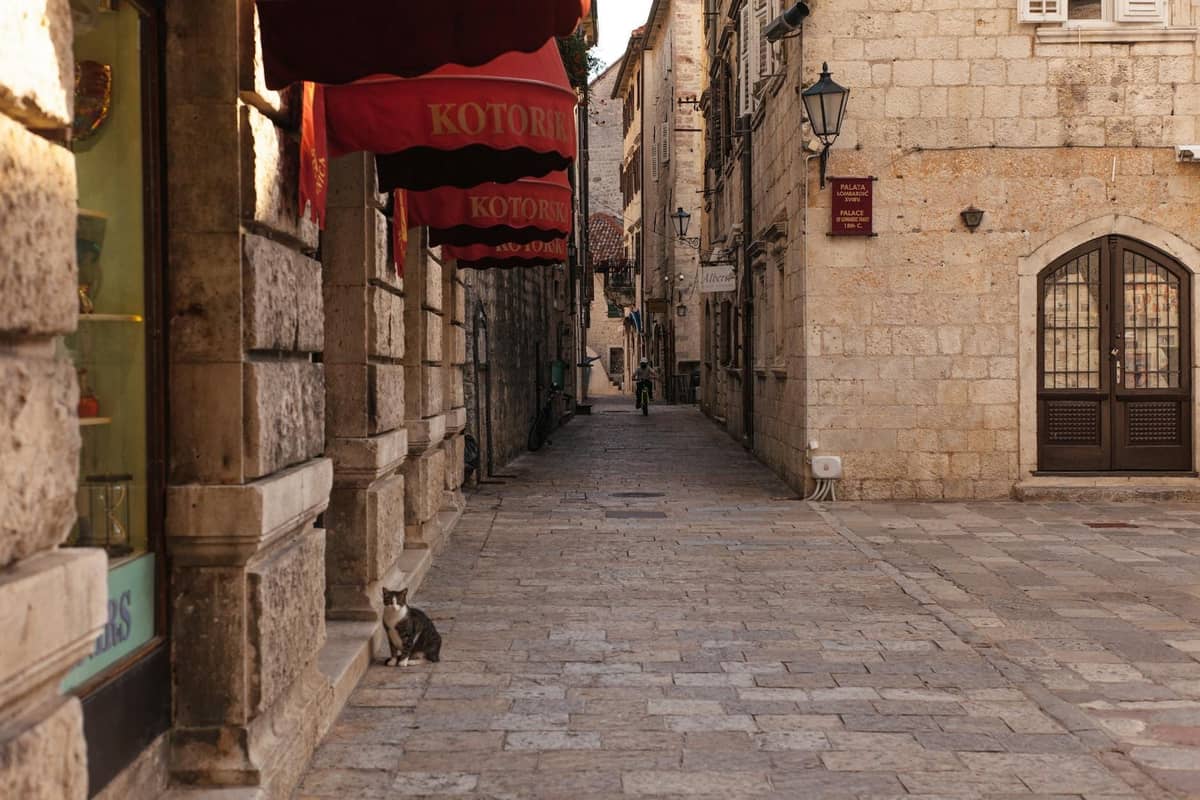
If you want to wake up inside a Venetian citadel, walk to St. Tryphon's Cathedral in two minutes, and step out your door onto ancient cobblestones every morning, the Old Town is where you should stay. The experience is genuinely unlike anywhere else on the Adriatic. Narrow lanes, stone facades, cats weaving between your feet, and the city walls looming overhead: this is the version of Kotor that people travel for.
That said, the trade-offs are real. First, noise: the Old Town's main squares and lanes host bars and restaurants until late, and stone walls carry sound ruthlessly. Light sleepers should request rooms facing interior courtyards and check reviews specifically for noise. Second, access: no cars enter the Old Town. You will carry your luggage from the nearest gate, which can be a 5-10 minute walk over uneven cobblestones. Third, heat: the walls trap warmth and the narrow lanes don't circulate air well. In July and August, midday temperatures inside the walls feel significantly hotter than outside. Confirm air conditioning before booking, as not all properties have it.
- Best for First-time visitors, couples, history and architecture enthusiasts, travelers without a car, anyone on a short trip (1-2 nights)
- Price range Budget guesthouses from €45-70/night; mid-range apartments €80-140/night; boutique hotels €150-250+ in peak season
- Parking No parking inside the walls. Paid lots are available just outside the Sea Gate, roughly €5-10 per day
- Watch out for Noise on weekends and summer nights; steep stairs in some medieval buildings; limited luggage access for heavy bags
💡 Local tip
For the best Old Town experience, choose a property on a side street away from the Square of Arms and the Sea Gate entrance. Streets closer to the city wall tend to be significantly quieter after midnight.
The Waterfront and Marina Area: Convenience Without Compromise
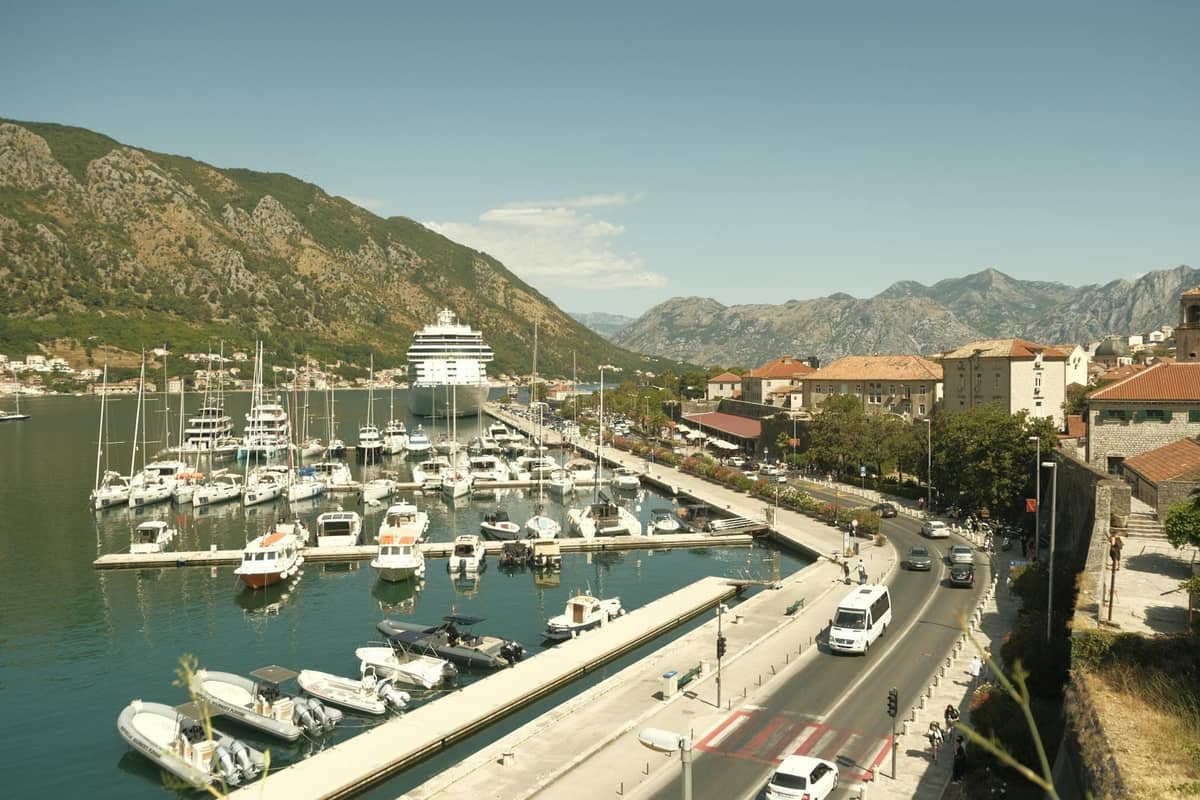
The strip of hotels, apartments, and guesthouses immediately outside the Old Town walls, running along the Kotor seaside promenade and toward the Kotor marina, is where you'll find the most practical accommodation in the city. You're a 5-minute walk from the Old Town's Sea Gate, you can park a car, and the bay views from waterfront rooms are genuinely spectacular.
This area suits travelers who want quick access to the Old Town but also need to move around: day trips by car up the bay, rental scooters, or easy taxi access. Several mid-range hotels here offer rooms with direct bay views, which are harder to find inside the Old Town where windows typically face narrow lanes. For families with young children or travelers with mobility considerations, this is almost certainly the most practical choice.
The waterfront area also gets a steady sea breeze through the summer, which makes a noticeable difference in heat compared to inside the walls. The evening promenade along the bay is pleasant for a walk, and several decent restaurants operate in this zone, although the concentration of quality dining is still inside the Old Town.
Dobrota and the Northern Bay Villages: Local Life, Quieter Pace
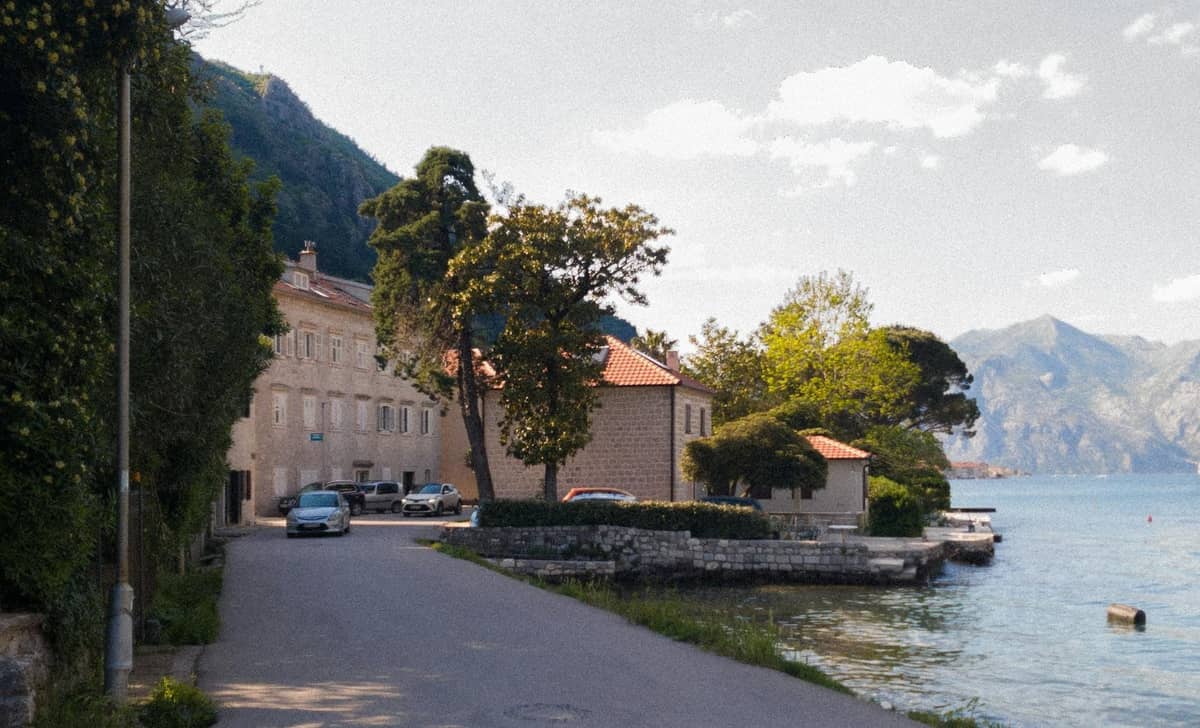
Dobrota is a long, thin residential settlement running north from Kotor along the bay shore. It's technically a separate local community within Kotor municipality but sits only 3-5 km from the Old Town. The accommodation here ranges from private apartments in family homes to a handful of smaller hotels with bay views. Prices are often 15-25% lower than equivalent Old Town options, and the vibe is genuinely more local: you'll shop at small supermarkets, eat at family-run konobas (traditional restaurants), and have stretches of the bay almost to yourself in the morning.
The trade-off is distance. Without a car or scooter, you'll rely on the local bus service (frequent, cheap, but not always reliable in timing) or taxis to reach the Old Town. For travelers who want Kotor as a base for exploring the whole bay, rather than just the city itself, Dobrota is worth serious consideration. The village of Muo, on the opposite (western) side of the bay, requires a drive around the bay (roughly 30 minutes) or an occasional local water taxi and is best suited to travelers who really want isolation.
✨ Pro tip
Dobrota properties directly on the bay road often have small docks or swimming spots with direct water access — something you cannot get from Old Town accommodation. If swimming in the bay is a priority, factor this in when comparing options.
Staying Further Up the Bay: Perast and Beyond
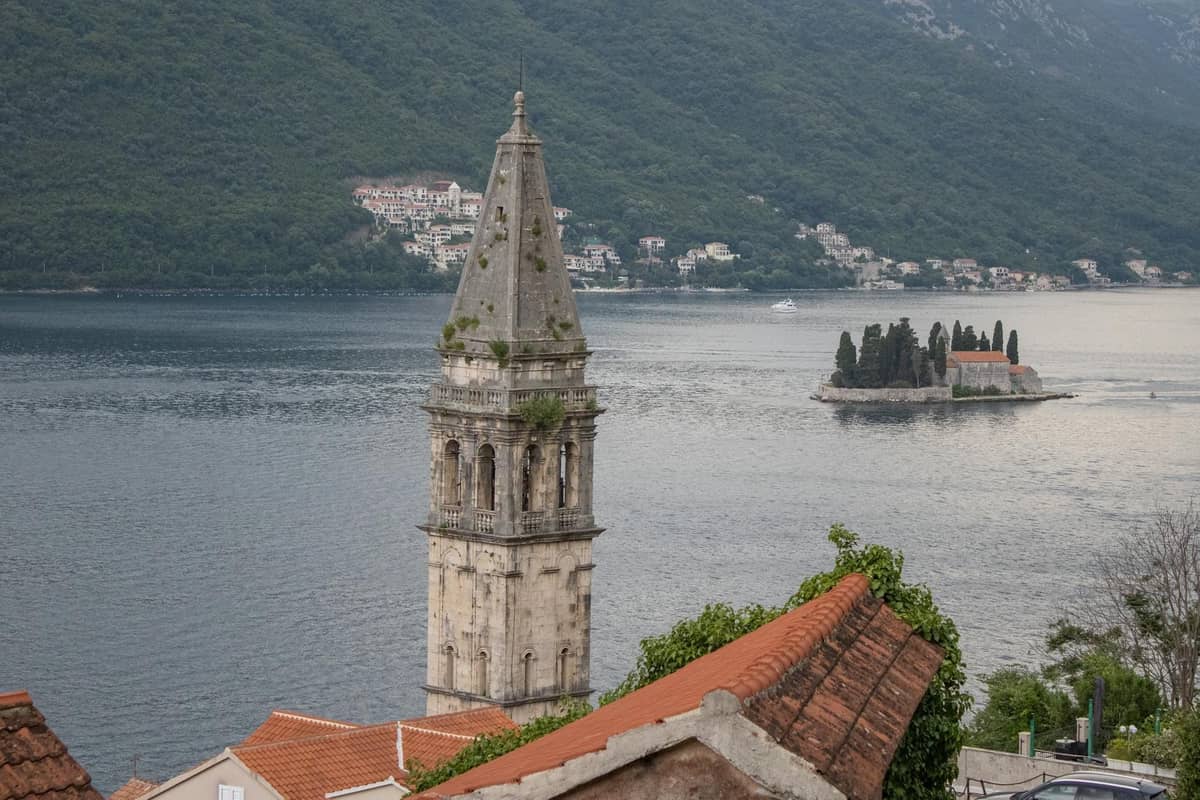
For travelers who want to slow down entirely, Perast is a compelling base. It's a tiny Baroque town about 14 km northwest of Kotor, built on a narrow waterfront strip with views across to the island church of Our Lady of the Rocks. Accommodation is mostly in restored stone palazzi and guesthouses. There are only a handful of restaurants and the village has no nightlife to speak of, which is exactly what its fans love about it.
Staying in Perast requires a car unless you're happy being essentially stranded in a very beautiful small town. The drive back to Kotor along the bay road takes 15-20 minutes and is one of the more scenic drives in Montenegro. Villages like Risan and Prčanj offer similar peace at lower prices, though with less intrinsic character than Perast.
- Old Town: best for atmosphere, worst for noise and heat tolerance
- Waterfront/Marina: best all-round convenience, moderate prices, good bay views
- Dobrota: best value, good for car-based exploration, 15-25% cheaper than Old Town
- Perast: best for total quiet and scenery, requires a car, very limited dining options
- Budva (30 min south): suited to beach-focused travelers who want Old Town day trips rather than basing there
Practical Booking Advice for Kotor Hotels
Kotor's tourist season runs roughly May through October, with July and August being the most congested period — partly due to cruise ship arrivals that can bring thousands of day visitors into the Old Town between 9am and 5pm. If you're arriving in peak summer, book accommodation at least 4-6 weeks in advance, particularly for Old Town properties, which have limited supply. Shoulder season (May, early June, September, early October) offers significantly better availability and prices 20-40% lower than peak.
Most visitors to Kotor come as part of a wider Adriatic itinerary, often traveling from Dubrovnik. The transfer takes roughly 2-2.5 hours depending on border wait times, and many travelers do it by bus, private transfer, or rental car. If you're traveling from Dubrovnik to Kotor, arriving by late afternoon means you'll want accommodation confirmed well in advance, particularly in summer when Old Town guesthouses often show full availability on same-day arrival.
For a 2-night trip, staying in the Old Town makes sense given the time investment. For longer stays, consider splitting nights: 1-2 nights inside the walls, then moving to a quieter bay-side property. Check out our 2 days in Kotor itinerary to see how accommodation location affects what you can realistically do each day.
⚠️ What to skip
Some Old Town 'hotels' advertised online are actually single apartments managed through booking platforms, not staffed properties. Confirm check-in procedures in advance — many require meeting a local contact for key handover with no front desk on site.
- Book by early June for July-August Old Town rooms with good reviews sell out fast. Don't assume you can find quality accommodation on short notice in peak season.
- Confirm air conditioning Not all Old Town properties have AC. In July-August, this is non-negotiable unless you're an experienced heat traveler.
- Ask about luggage access Confirm the exact gate or entrance point for your property and how far you'll carry bags. Some locations are a genuine 10-minute cobblestone walk from parking.
- Read noise reviews specifically Filter for reviews mentioning noise, sleep quality, or street-facing rooms. Old Town noise patterns are very property-specific.
- Check cancellation policies Smaller guesthouses often have stricter cancellation terms than large hotels. Read the fine print, especially for summer bookings made months ahead.
FAQ
Is it worth staying inside Kotor Old Town?
For most first-time visitors, yes. The atmosphere inside the walls is genuinely special and being there at night — after the day-trippers leave — is one of Kotor's best experiences. The main caveats are noise (request a quiet courtyard room), heat in summer (confirm AC), and no car access. If those trade-offs don't suit you, the waterfront area just outside the walls gives you quick Old Town access without the drawbacks.
What is the best area to stay in Kotor for first-timers?
The Old Town or the immediate waterfront outside the Sea Gate. Both put you within walking distance of every main attraction. The Old Town gives more atmosphere; the waterfront gives more convenience, better parking, and usually more available rooms. For a trip of 2-3 nights, most people prefer the Old Town despite the trade-offs.
How far in advance should I book accommodation in Kotor?
For July and August, aim for 4-6 weeks minimum for Old Town properties and 2-4 weeks for waterfront or bay hotels. In May, June, September, and October, you can often book 1-2 weeks out without issues, though good-value options still disappear. Winter travel (November-March) requires almost no advance planning as demand is very low.
Can you stay in Kotor without a car?
Yes, easily. The Old Town and waterfront area are entirely walkable, and the main attractions — including the fortress wall hike and Old Town churches — are all on foot. You'll need a car or taxi for day trips to Perast, Lovcen National Park, or further destinations. Local buses connect Kotor to Budva and other bay towns affordably.
What is the cheapest area to stay in Kotor?
Dobrota and the villages north of Kotor along the bay offer the best value. You can find clean private apartments and guesthouses for €40-65/night in shoulder season. The Old Town is the most expensive zone, especially for properties with reviews and proper AC. Budget travelers who want to be in the Old Town itself should look for apartments rather than boutique hotels.