Visiting Kotor in Summer: What to Expect
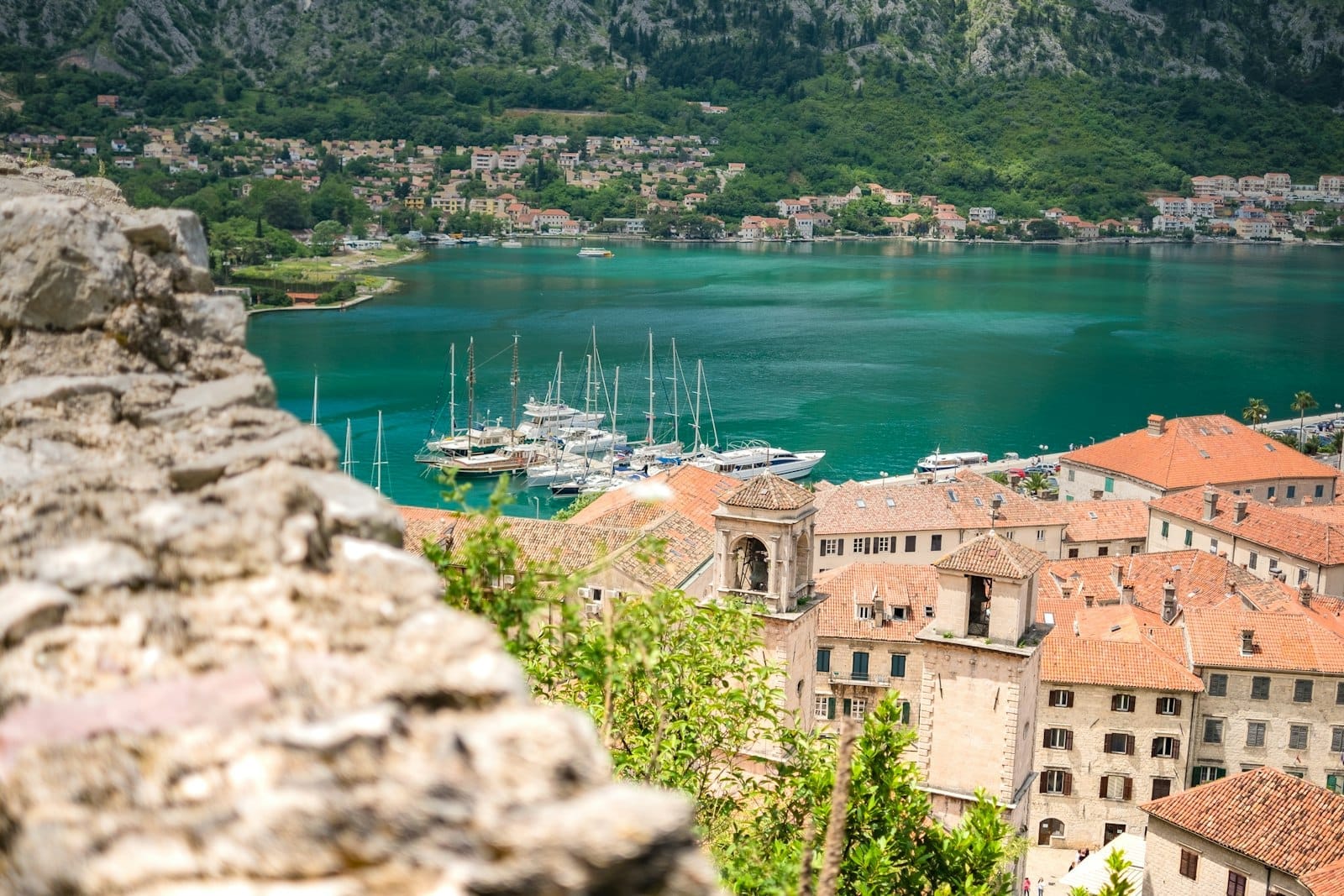
Summer is Kotor's peak season, and it shows. Cruise ships, scorching heat, and packed streets define July and August, but the Bay of Kotor is genuinely spectacular in warm weather. This guide breaks down exactly what to expect and how to plan smart.
Plan and book this trip
Tools from our partner Travelpayouts help you compare flights and hotels. If you book through them, we may earn a commission at no extra cost to you.
Flights
Hotels map
TL;DR
- July and August are the hottest and most crowded months — temperatures regularly hit 35°C (95°F) and cruise ship days can bring thousands of extra visitors into the Old Town.
- Early mornings (before 9am) are the best time to explore Kotor Old Town — the light is better, the air is cooler, and the crowds haven't arrived yet.
- June and September offer the best balance of warm weather, manageable crowds, and lower prices — serious contenders for the ideal summer visit.
- The Fortress of San Giovanni hike should be done before 8:30am in peak summer — after that, the exposed stone staircase becomes genuinely punishing.
- Book accommodation at least 2-3 months in advance for July and August, especially if you want to stay inside or close to the Old Town.
Summer in Kotor: The Big Picture
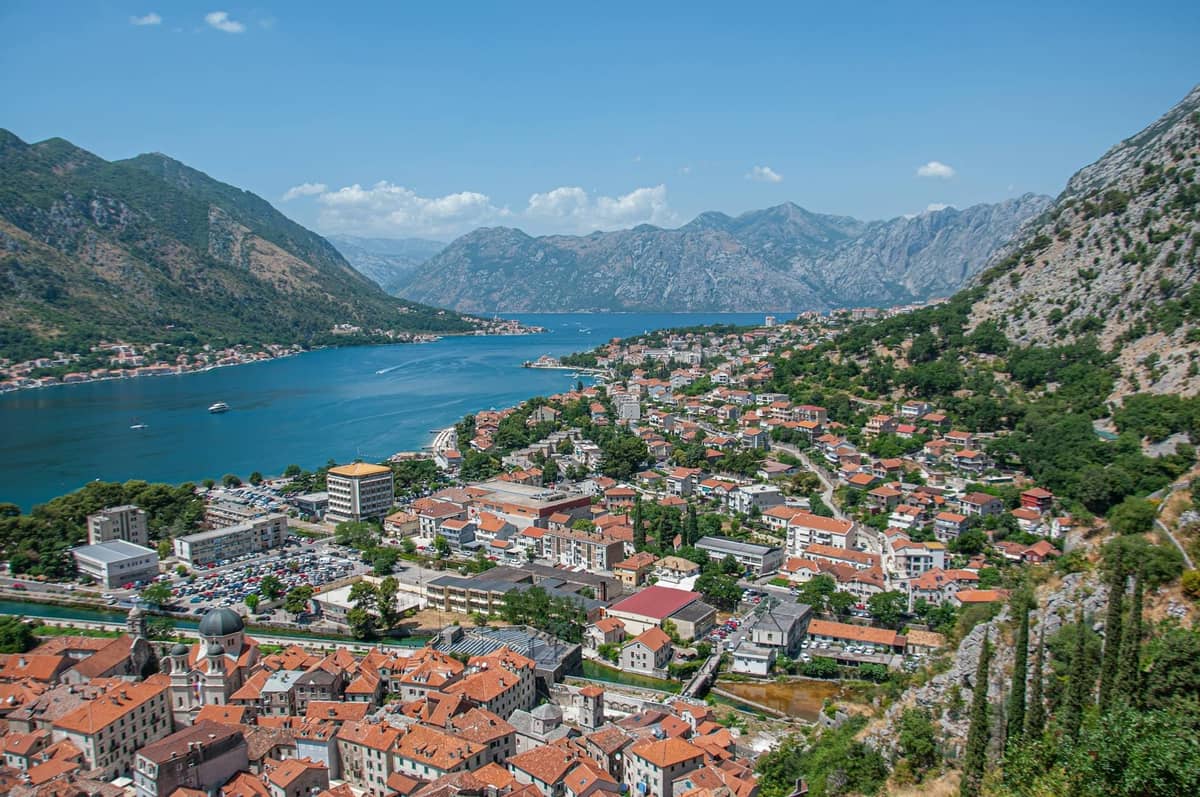
Kotor, Montenegro sits at the innermost point of the Bay of Kotor, a deep coastal inlet that acts like a natural amphitheater. In summer, this geography works both for and against you. The surrounding mountains trap heat, making the bay significantly warmer than the open Adriatic coast — but they also create the dramatic scenery that makes Kotor one of the most photographed destinations in the Balkans.
Summer officially runs from June through September, but the experience varies significantly across those months. For a deeper breakdown of when exactly to visit, the best time to visit Kotor guide covers seasonal differences in detail. The short version: June and September are objectively better for most travelers than July and August, but all four months have their appeal.
The cruise ship factor is real and worth understanding before you book. On days when two or three large ships dock simultaneously, the Old Town's narrow lanes can feel genuinely overwhelming. The good news is that cruise passengers typically disembark mid-morning and reboard by late afternoon, which means evenings reclaim a different character entirely.
ℹ️ Good to know
Check cruise ship schedules before your trip at the Port of Kotor's online calendar. Knowing which days will be heaviest lets you plan excursions outside the Old Town on those dates and save your Old Town exploration for quieter days.
Temperature, Heat, and What It Actually Feels Like
Average July and August highs sit between 32-36°C (90-97°F), and the enclosed bay means humidity is higher than the open coast. The medieval stone walls and cobblestones absorb heat throughout the day and radiate it back in the evening, so the Old Town can feel stuffy well after sunset. Hydration is not optional — pack a refillable bottle and use the drinking fountains scattered around the old city.
June is noticeably different. Average highs around 27-29°C (81-84°F), lower humidity, and the occasional afternoon breeze off the bay make sightseeing genuinely comfortable. September is similar, with the added bonus of warmer sea temperatures that peaked in August. If you have flexibility in your travel dates, either of these months will give you a dramatically more comfortable experience than peak summer.
- June 27-29°C, moderate crowds, sea swimming possible from mid-month, best overall balance for most travelers.
- July 32-35°C, peak crowds, cruise ships frequent, beaches packed, longest daylight hours. Book everything in advance.
- August 33-36°C, absolute peak season, highest prices, most festivals and events. Rewarding if you plan around the crowds.
- September 28-32°C early, dropping to 24-26°C by late month. Sea temperatures still warm (around 25°C), noticeably fewer tourists.
💡 Local tip
Structure your summer days around the heat: explore from 7am-11am, retreat for a long lunch and rest from noon-4pm, then head back out in the late afternoon. This is how locals operate, and it works.
What to Do in Kotor in Summer
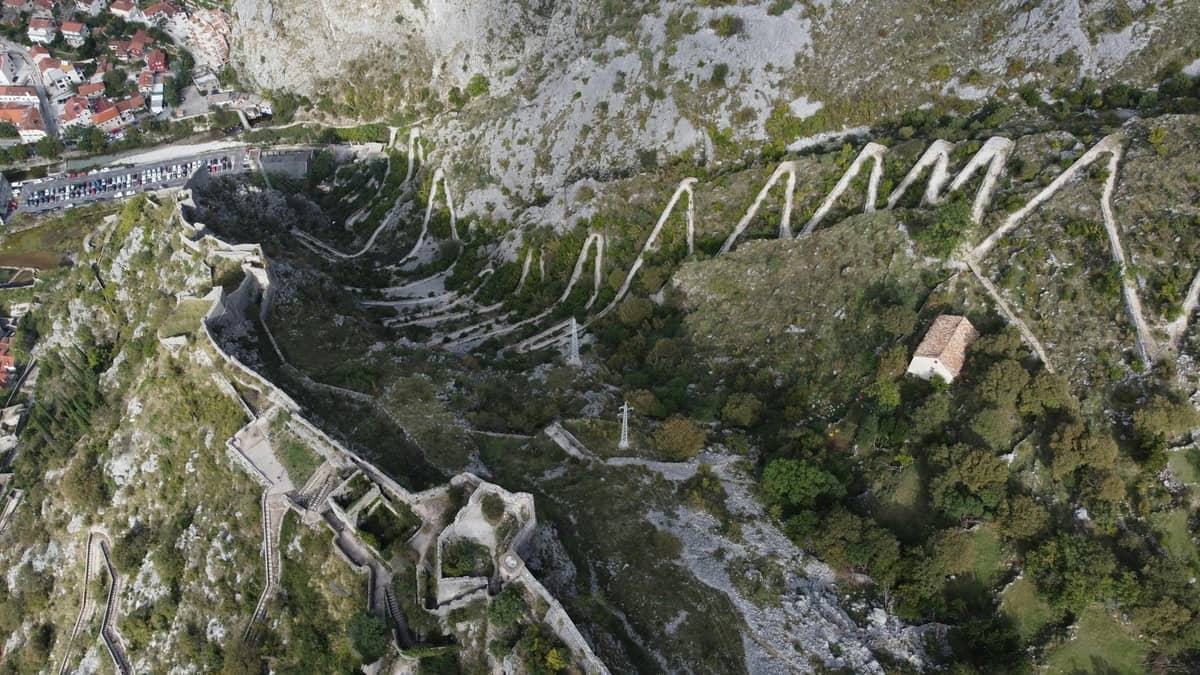
The single best summer activity in Kotor remains the fortress wall hike up to St. John's Fortress, but timing is everything. Start before 8am to catch the morning light on the bay and finish before the heat becomes dangerous. The roughly 1,350 steps gain around 260 meters of elevation, and the stone reflects heat mercilessly by mid-morning. It's one of the most rewarding climbs on the Adriatic coast, but it's not a casual stroll in July.
On the water, summer is the ideal time for Bay of Kotor boat tours. Half-day and full-day tours depart from the marina and typically include stops at the famous island church of Our Lady of the Rocks near Perast, swimming spots in the bay, and sometimes the Blue Cave. This is genuinely one of the best ways to experience the bay in warm weather, and the boat provides relief from the land-based heat.
Inside the Old Town, the pace slows in summer heat but the sights remain excellent. St. Tryphon's Cathedral offers cool respite and genuine historical depth — it dates to 1166 and houses a remarkable collection of Romanesque silver relief panels. The Maritime Museum of Montenegro is another air-conditioned option that's worth an hour of your time if you're interested in the region's seafaring history.
- Swim at Dobrota or drive 20 minutes to Budva's beaches for proper sand — Kotor itself has no beach
- Take an evening walk along the Kotor seaside promenade when temperatures drop and locals reclaim the waterfront
- Day-trip to Perast in the early afternoon when cruise passengers have left Kotor — the village is quieter and the boat to Our Lady of the Rocks is less crowded
- Catch a summer concert or festival in the Square of Arms — July and August bring regular outdoor performances
- Explore Lovćen National Park for dramatically cooler temperatures (it sits at 1,657m elevation) — a one-hour drive from Kotor
Crowds, Cruise Ships, and Managing Expectations
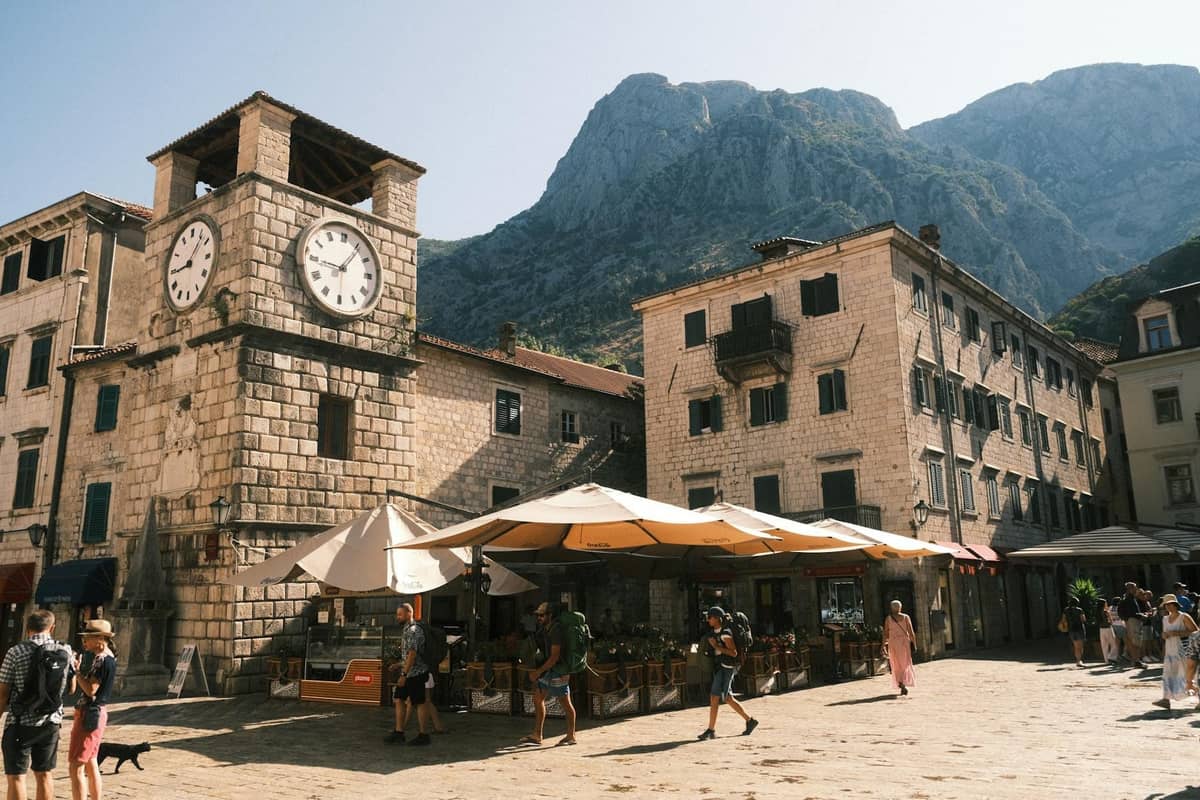
Kotor receives over a million visitors per year, and a substantial portion arrive in summer. On heavy cruise days, the Old Town's population can effectively double between 9am and 5pm. The streets are narrow — some barely two meters wide — so this creates genuine congestion around the main sites.
The honest assessment: if you dislike crowds, July and August in Kotor will test your patience. The Square of Arms becomes a bottleneck, the lines at St. Tryphon's Cathedral stretch out the door, and finding a quiet corner takes effort. That said, the evening transformation is real. After 6pm, most day-trippers are gone, restaurants fill with overnight guests, and the old city takes on a genuinely atmospheric quality that the daytime experience doesn't capture.
⚠️ What to skip
Do not plan to drive into Kotor Old Town in summer — there is no public parking inside the walls, and the areas just outside fill up completely by 9am on busy days. Use the main parking area north of the Sea Gate and walk in, or stay in accommodation with parking arranged.
For a break from the crowds without leaving the area, the town of Perast sits 12km along the bay road and rarely gets the same volume of visitors. It's smaller and quieter, and the views back toward the mountains are arguably better. A half-day trip from Kotor works well, especially combined with a boat ride to Our Lady of the Rocks.
Accommodation and Pricing in Summer
Summer prices in Kotor run significantly higher than shoulder season. Budget travelers can find hostel beds from around €20-30 per night in July and August, while mid-range hotels within walking distance of the Old Town typically run €80-160 per night. Properties inside the Old Town walls carry a premium and book out months in advance. The where to stay in Kotor guide breaks down the neighborhoods and accommodation tiers in detail.
Staying inside the Old Town is atmospheric but comes with practical trade-offs: no cars, which means carrying luggage over cobblestones, and the late-night noise from restaurants and bars can be significant in peak summer. Staying in Dobrota or the new town offers easier logistics and lower prices, with a 10-15 minute walk to the Old Town walls.
Eating and Drinking in Summer Kotor
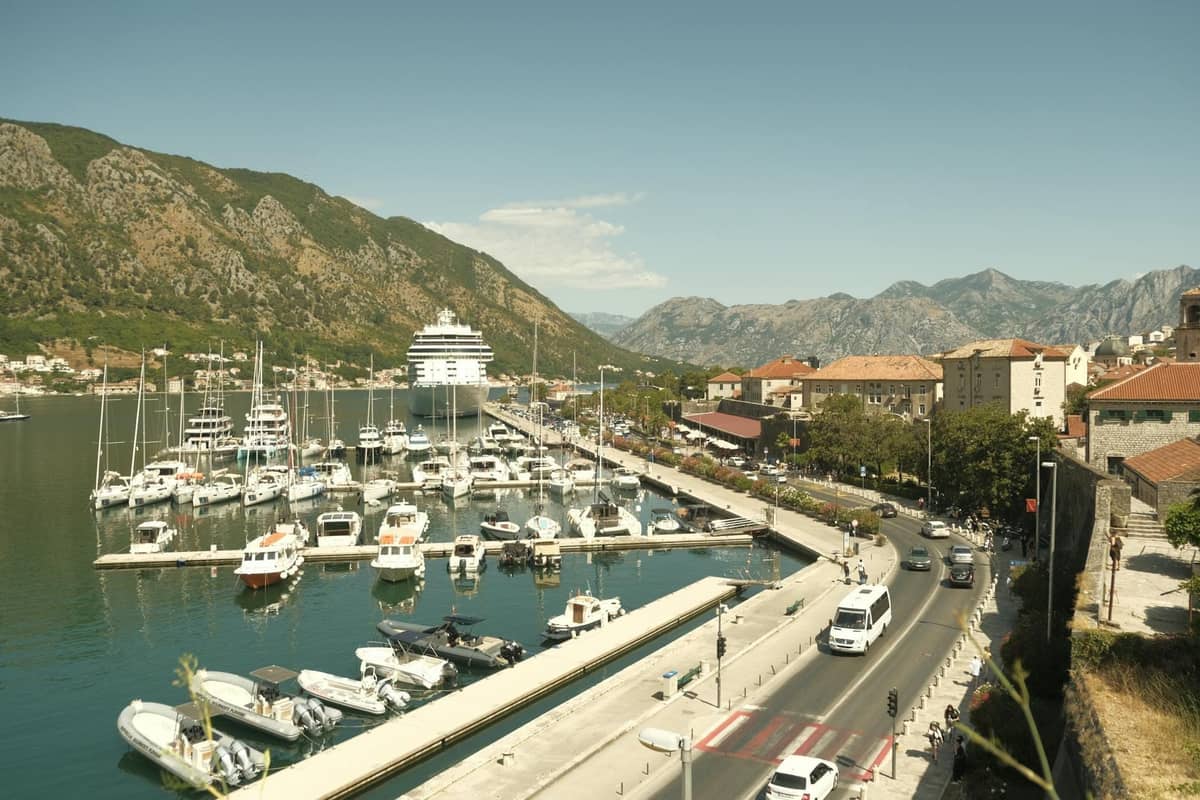
Summer brings Kotor's restaurant scene to full capacity, which is a double-edged situation. The waterfront tables facing the marina are prime real estate, and the restaurants that line the Kotor Marina waterfront know it. Prices at tourist-facing spots are higher in July and August, and quality doesn't always follow. The best strategy is to walk one or two streets back from the main squares and waterfront before choosing a restaurant.
The local food is genuinely worth exploring. Fresh Adriatic fish, Montenegrin cheese, prosciutto from the Njeguši village, and local wine from the Plantaže winery are all worth seeking out. For specific recommendations on where to eat well without overpaying, the where to eat in Kotor guide covers the best options across different budgets.
✨ Pro tip
Lunch menus (often called 'dnevni meni') at local konobas offer two or three courses for €8-12, which is substantially better value than ordering à la carte. These typically run from noon to 3pm and are a reliable way to eat well on a budget during summer peak season.
FAQ
Is Kotor too crowded in summer?
It depends on your tolerance and how you plan your time. July and August are genuinely crowded, especially on cruise ship days when thousands of additional visitors pour into the Old Town. However, strategic timing — early mornings, late evenings, and excursions outside the Old Town during peak hours — makes the experience significantly better. June and September give you most of the summer upside with far fewer crowds.
How hot does Kotor get in summer?
July and August regularly reach 32-36°C (90-97°F), and the enclosed bay traps heat and adds humidity. The medieval stone city radiates heat through the evening. June and September are meaningfully cooler at 27-30°C (81-86°F). Hydration and early-morning sightseeing are essential in peak summer.
What is the best month to visit Kotor in summer?
June is the best summer month for most travelers: warm enough to swim, cool enough to sightsee comfortably, crowds are manageable, and prices are lower than July-August. September is a close second with the advantage of warmer sea temperatures from the summer peak.
How do I get from Dubrovnik to Kotor in summer?
The most common route is by bus or private transfer — the journey takes roughly 2 to 2.5 hours depending on the border crossing wait at Debeli Brijeg. In summer, border queues can add 30-60 minutes to the trip. Organized tours that combine both cities are also popular and handle the logistics for you.
Is there a beach in Kotor?
Kotor Old Town itself has no beach. The closest swimming is along the bay at Dobrota (a short walk or drive north) where there are concrete and pebble access points to the sea. For proper sandy beaches, Budva is about 25 km south and accessible by bus or car in roughly 30-40 minutes.