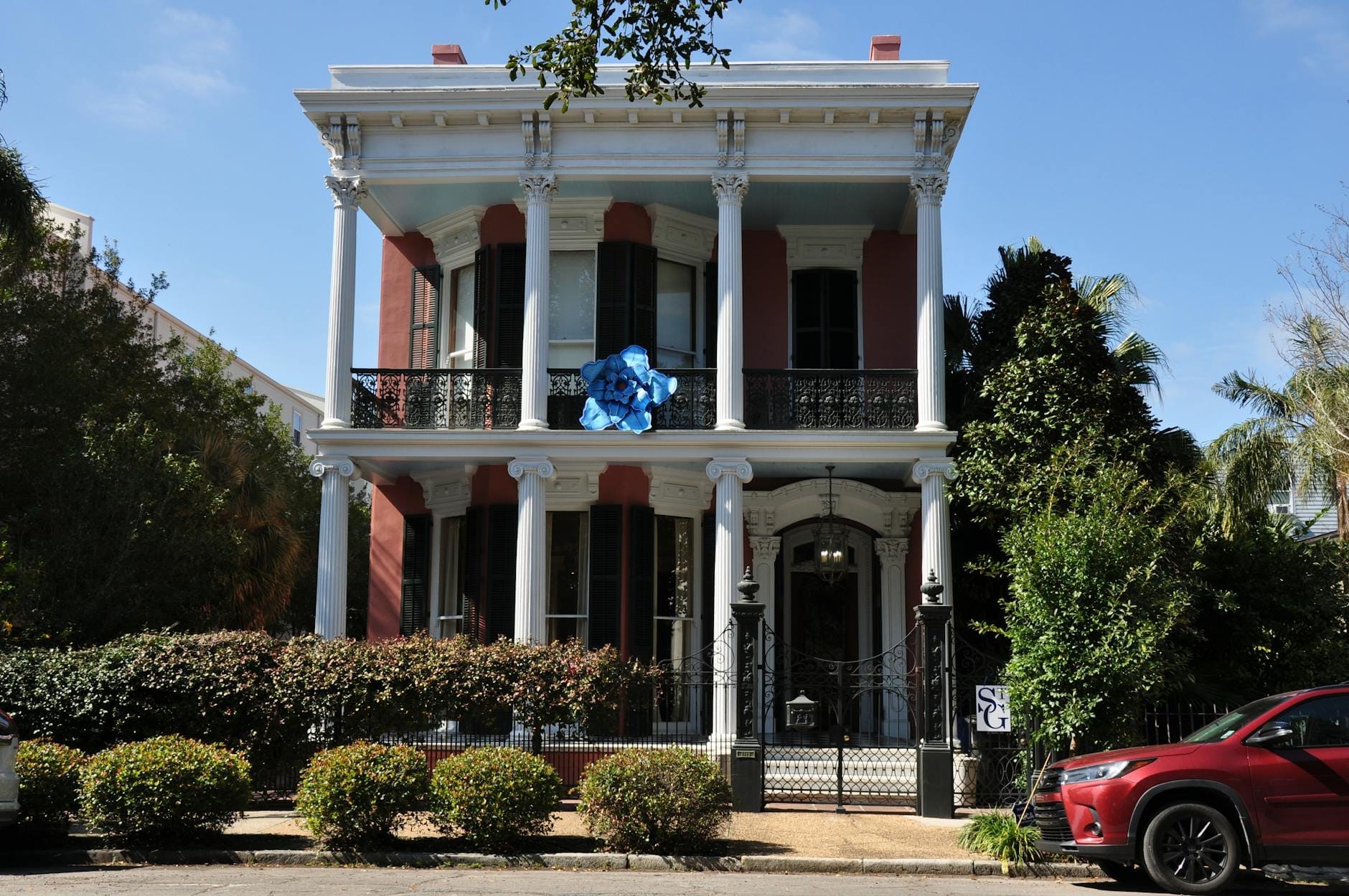
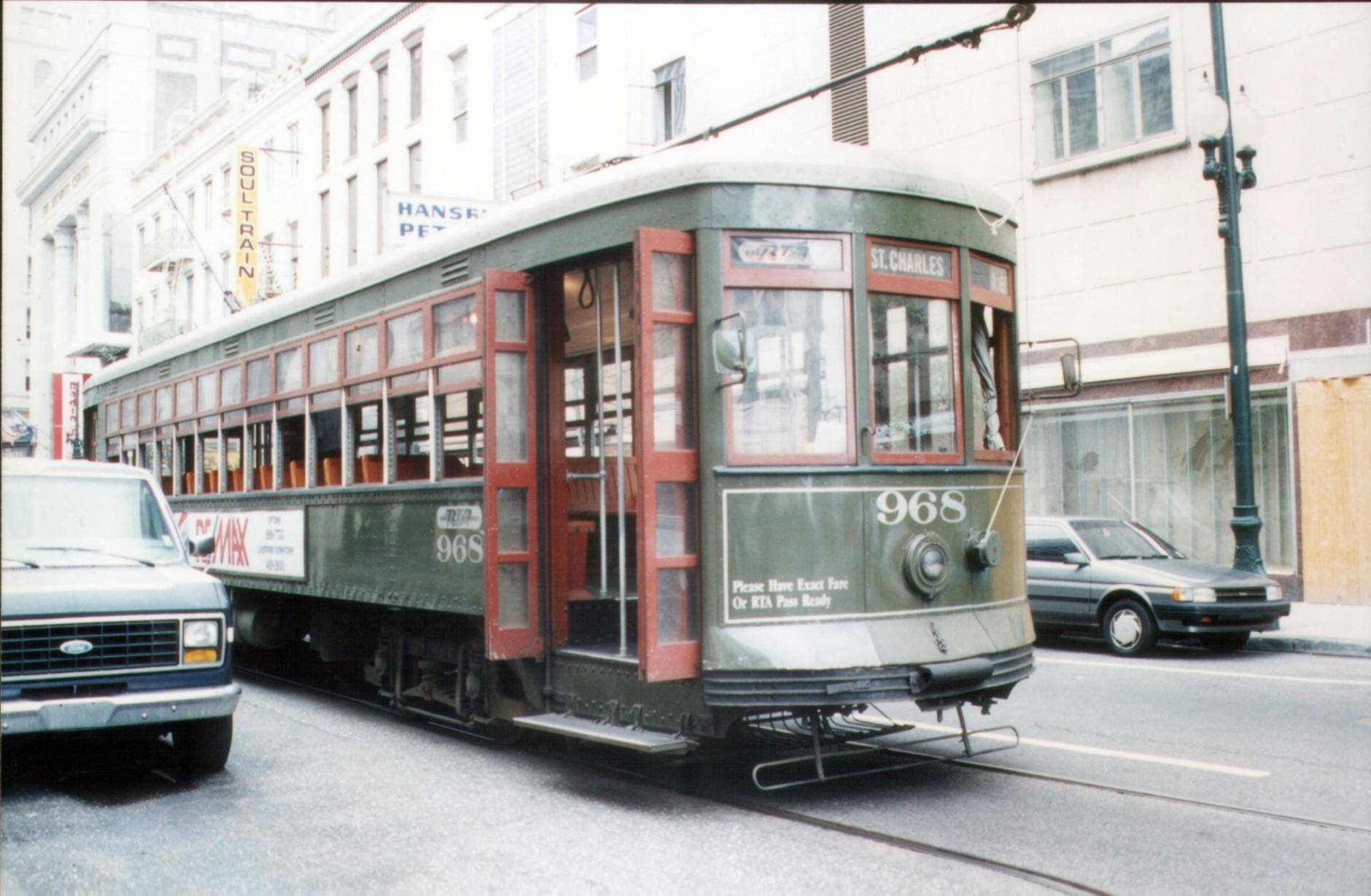
The Garden District is New Orleans' grandest residential neighborhood, where antebellum mansions sit behind wrought-iron fences and centuries-old live oaks arch over quiet sidewalks. Developed by American merchants and planters in the mid-19th century as a deliberate contrast to the Creole French Quarter, it remains one of the best-preserved collections of 19th-century architecture in the American South. Today it balances genuine neighborhood life with enough attractions, restaurants, and transit access to make it an excellent base for visitors.
The Garden District is where New Orleans' 19th-century American elite built their fortunes into brick and plaster, lining blocks with Greek Revival and Italianate mansions still occupied by old-money families today. It is quieter than the French Quarter, more residential than the Central Business District, and far more photogenic than either. Walking its streets on a weekday morning, with sunlight filtering through the canopy of ancient live oaks and the St. Charles streetcar clanging in the distance, is one of the more genuinely atmospheric experiences the city offers.
Orientation
The Garden District sits upriver from the Central Business District, roughly two miles southwest of Jackson Square. It is compact: roughly 0.5 square miles in total, bounded by St. Charles Avenue to the north, First Street to the east, Magazine Street to the south, and Toledano Street to the west. The National Historic Landmark designation, awarded in 1974, reinforces those rough edges, though the Historic District Commission recognizes Louisiana Avenue, Josephine Street, and Carondelet Street as part of the broader historic fabric.
To build a mental map, think of the neighborhood as a rectangle sitting between two very different commercial spines. To the north, St. Charles Avenue carries one of the oldest continuously operating streetcar lines in the United States past the fronts of the grandest houses. To the south, Magazine Street runs parallel: a lower-key corridor of independent boutiques, coffee shops, antique dealers, and neighborhood restaurants. Between these two streets, a grid of numbered and named cross streets (First, Second, Third, Fourth, Prytania, Coliseum, Camp) holds the residential core.
The Garden District shares a border with the broader Uptown neighborhood to the west and north, and connects eastward toward the Central Business District via the streetcar or a roughly 20-minute walk along St. Charles. The French Quarter is about 3 miles away, a 12-minute streetcar ride or a ~$15 rideshare (prices vary). That distance is part of the Garden District's appeal: close enough for easy access to the Quarter's attractions, far enough to sleep through the night.
Character & Atmosphere
The neighborhood's character is a product of its peculiar history. When the area was subdivided from the Livaudais Plantation and incorporated as the independent City of Lafayette in 1833, it attracted a different class of builder than the Creole families developing the French Quarter. Anglo-American merchants, cotton factors, and planters chose this ground, and the architecture they built reflected Anglo-American tastes: deep setbacks, wide verandas, formal gardens. When Lafayette was annexed into New Orleans proper in 1852, the neighborhood was already established as a statement of wealth and identity.
Walk along Prytania Street or Coliseum Street on a Tuesday morning and you will understand what distinguishes this neighborhood from the rest of the city. The streets are quiet enough to hear birds and the distant whistle of the streetcar. Houses sit behind low iron fences or dense hedges, their facades ranging from severe Greek Revival colonnades to elaborate Italianate bracketing to the gingerbread trim that was added to older homes as lots were subdivided in the late Victorian period. Gardeners work front grounds. Residents walk dogs. The physical scale is generous compared to the shotgun-house density you find in the Marigny or Treme.
By midday, Magazine Street picks up pace. Lunch crowds fill the corner restaurants, and tourists doing the walking tour circuit start trickling through the residential blocks. Afternoons on the north side of the neighborhood see the most visitor traffic, particularly around the blocks south of the streetcar stops. Late afternoon light on the live oak canopies of Fourth Street and Chestnut Street is the kind of thing that makes photographers stop walking.
After dark, the Garden District is genuinely quiet. This is not a nightlife neighborhood. The restaurants on Magazine Street draw dinner crowds, but there are no late-night bars on the residential streets, no second-line parades rolling past at midnight. That restraint is deliberate: this is still a family neighborhood, occupied by some families whose names appear in the social records of New Orleans since the 19th century. Visitors expecting the energy of Frenchmen Street or Bourbon Street after 10pm will not find it here.
💡 Local tip
The best time to walk the interior residential streets is early morning on a weekday, ideally before 9am. The light is soft, the streets are nearly empty, and the neighborhood reads as it actually is: a working residential community, not a tour stop.
What to See & Do
Architecture is the primary attraction, and it does not require a ticket. The most rewarding walking loop covers the six-block stretch between First and Fourth Streets, crossing between Prytania and Coliseum. This is where the density of significant 19th-century houses is highest. The houses are private residences, so the etiquette is to view from the sidewalk and keep voices down in the early hours.
Lafayette Cemetery No. 1, at the corner of Washington Avenue and Prytania Street, is the neighborhood's most iconic public site and one of the older above-ground cemeteries in the city, established in 1833 to serve the City of Lafayette. The above-ground tombs, family vaults, and society tombs follow the same logic as St. Louis Cemetery in the French Quarter: the water table in this low-lying city made conventional burial impractical for much of its history. The cemetery is free to enter during daylight hours and is routinely used by joggers and dog walkers as well as visitors. The shading from mature trees makes it comfortable even in summer.
Organized walking tours run through the neighborhood daily and represent good value for first-time visitors who want historical context rather than just facades. Check the options covered in the New Orleans walking tours guide for vetted operators. Several of the ghost tour companies also run Garden District circuits after dark, leaning into the neighborhood's association with Anne Rice, whose novel Interview with the Vampire is set partly in these streets. The ghost tour circuit is atmospheric if not always historically rigorous.
Walk Prytania Street from First to Washington Avenue for the densest concentration of antebellum architecture
Visit Lafayette Cemetery No. 1 (Washington Ave at Prytania St) during daylight hours — free entry
Browse Magazine Street between Louisiana Avenue and Jackson Avenue for independent shops and galleries
Ride the St. Charles streetcar from the neighborhood all the way to Carrollton to see Uptown deepen toward the riverbend
Join a morning walking tour for architectural and historical context on the major houses
ℹ️ Good to know
Anne Rice lived at 1239 First Street for many years. The house, known as the Brevard-Rice House, is frequently pointed out on tours. It is a private residence, not a museum, but the exterior is visible from the sidewalk and is one of the more photographed facades in the neighborhood.
Eating & Drinking
The food scene in the Garden District is anchored by Magazine Street, which runs through the southern edge of the neighborhood and continues into the broader Uptown corridor. The range covers neighborhood coffee shops and casual lunch spots at the lower end to serious destination restaurants at the higher end. For a broader view of what to order throughout the city, the what to eat in New Orleans guide covers the essential dishes worth seeking out.
The neighborhood's dining culture reflects its residential character: places that work well for a long weekend lunch or a quiet dinner, not scenes designed around tourist throughput. Brunch on Saturday and Sunday is a serious ritual on Magazine Street, and the lines at the more popular spots form early. The cuisine skews toward New Orleans classics, Creole cooking, and upscale Southern comfort food, though there are international options scattered through the corridor.
For coffee and morning pastries, the stretch of Magazine Street between Jackson and Louisiana Avenue has several independent cafes with good outdoor seating. Midday, the options broaden significantly: po'boys, salads, sandwiches, and more formal lunch menus at the higher-end spots. Dinner reservations are strongly recommended on weekends for the better-regarded restaurants in the area, particularly in spring and fall when the neighborhood sees its highest visitor traffic during Mardi Gras and Jazz Fest season.
Cocktail culture is present but muted compared to the French Quarter or Marigny. The bars that exist are neighborhood places: lower-key, locals-oriented, not competing on spectacle. If your priority is late-night drinking and live music, you will want to travel to the French Quarter or Frenchmen Street rather than try to find it here.
⚠️ What to skip
Restaurant hours and menus in New Orleans change frequently. Always check current hours before visiting, particularly on Mondays and Tuesdays when some of the better independent restaurants close for the week.
Getting There & Around
The St. Charles Avenue streetcar is the most practical and most scenic way to reach the Garden District from downtown. The line runs from Canal Street uptown through the CBD and the Garden District before continuing through Uptown to Carrollton Avenue. The ride from Canal Street to the Garden District takes roughly 15 to 20 minutes depending on traffic and stops. The streetcar operates daily, generally from early morning until after midnight, though frequency varies by time of day. A single ride costs $1.25 (exact change required, or use a Jazzy Pass; verify current fares with RTA before your trip).
The most useful streetcar stops for the Garden District are between First Street and Washington Avenue on St. Charles. From the First Street stop, you are at the northeast corner of the Historic District and can walk south and west through the core residential blocks. The Magazine Street corridor is a 3 to 5-minute walk south from most St. Charles stops. For full guidance on navigating the city, the getting around New Orleans guide covers the streetcar system, RTA buses, and rideshare options in detail.
From Louis Armstrong New Orleans International Airport (MSY), roughly 15 miles away, the most straightforward options are rideshare (Uber or Lyft, typically 30 to 50 minutes depending on traffic, verify current pricing) or taxi. The RTA E2/E3 Airport Express bus connects to the CBD for $1.25 to $2, from where you can transfer to the St. Charles streetcar. Driving and parking in the Garden District is easier than in the French Quarter, but many of the residential streets are narrow and on-street parking fills up near popular restaurants.
Within the neighborhood, walking is the only practical way to see the architecture. The distances are short, the sidewalks are generally good, and the streetcar provides easy escape to other parts of the city when you want a change of scene. The blocks between St. Charles and Magazine are compact enough that even a slow walker can cover the core of the neighborhood in two to three hours.
Where to Stay
The Garden District is a genuinely viable base for a New Orleans visit, particularly for travelers who want a quieter, more residential experience than the French Quarter provides. The accommodation stock is made up primarily of boutique hotels converted from historic properties, bed and breakfasts in restored Victorian or antebellum houses, and a smaller supply of short-term rental apartments. For a full comparison of neighborhoods for accommodation, the where to stay in New Orleans guide breaks down the tradeoffs across the city's main areas.
The best-positioned hotels and guesthouses sit within a few blocks of the St. Charles streetcar stops, giving you easy access to the CBD, French Quarter, and Uptown universities without needing a car. The Magazine Street side of the neighborhood is slightly less convenient for transit but puts you closer to the restaurant and shopping corridor. Properties on the quieter residential cross streets (Prytania, Coliseum, Chestnut) offer the most atmospheric settings but require a short walk to get anywhere.
The Garden District suits couples, solo travelers, and anyone prioritizing architecture, food, and daytime exploration over nightlife access. Families with children generally find it comfortable. Budget travelers should be aware that the character of the neighborhood trends toward mid-range and upscale accommodation, though Magazine Street has more accessible options, and transit makes cheaper CBD hotels an easy alternative.
💡 Local tip
If you are visiting during Mardi Gras, the Garden District sits directly on the Uptown parade routes, particularly along St. Charles Avenue. This is both an attraction and a logistical complication: streets close, crowds are large, and accommodation prices spike. Book months in advance and understand that the neighborhood transforms completely during parade season.
Connecting to the Rest of New Orleans
One of the Garden District's practical advantages is its position as a transit hub connecting the city's main visitor areas. From the St. Charles streetcar, you can reach the Central Business District in under 15 minutes and the edge of the French Quarter in 20 to 25 minutes. Heading in the opposite direction, the same streetcar continues uptown past Tulane and Loyola universities and through the Carrollton neighborhood, showing you a side of the city that most short-stay visitors never see.
For the city's major museums and cultural attractions, the Garden District is centrally positioned. The National WWII Museum in the Warehouse District is a 10-minute streetcar or rideshare trip. The French Quarter's core attractions, including Jackson Square and Preservation Hall, are accessible without a car. Mid-City's City Park and the New Orleans Museum of Art require a bus transfer or rideshare but are manageable on a day trip.
If you are planning a full three-day visit and want to structure your time efficiently, the 3 days in New Orleans itinerary provides a practical sequence that works well from a Garden District base. The neighborhood's proximity to the streetcar line means you spend less time organizing logistics and more time actually moving through the city.
TL;DR
The Garden District is the right choice for travelers who want to stay in a historically significant, genuinely residential New Orleans neighborhood with excellent transit access and a strong food corridor on Magazine Street.
The architecture, particularly along Prytania, Coliseum, and the numbered cross streets between First and Fourth, is the primary draw: a dense concentration of antebellum and Victorian mansions largely intact and still inhabited.
Lafayette Cemetery No. 1 (free to enter) and the St. Charles streetcar (low-cost, pay exact fare or use a Jazzy Pass) are the two non-negotiable experiences, providing direct access to the neighborhood's history and its connection to the rest of the city.
This is not a nightlife neighborhood. After 10pm the residential streets are quiet and bars are few. Travelers prioritizing late-night music and bar culture should stay in the French Quarter or Marigny and visit the Garden District during the day.
Best suited to: couples, architecture enthusiasts, first-time visitors wanting a quieter base, and anyone planning to spend significant time in Uptown or the CBD.
Three days is enough to fall hard for New Orleans. This itinerary moves through the French Quarter, Garden District, Tremé, and Marigny in a logical order, covering the landmarks, food, music, and history that make this city unlike anywhere else in America.
New Orleans has one of the richest museum landscapes in the American South. Whether you're tracing the history of jazz, confronting the legacy of slavery, or exploring 5,000 years of fine art, these are the museums worth your time.
New Orleans rewards visitors differently depending on when you show up. This guide breaks down every season by weather, crowd levels, festival calendars, and food — so you can pick the visit that actually matches what you're after.
New Orleans rewards those who stay, but the surrounding Louisiana landscape rewards those who venture out. Within two hours of the city, you can drift through ancient cypress swamps, stand inside a plantation that centers the enslaved rather than the enslavers, and cycle along a river bluff. These are the best day trips from New Orleans.
New Orleans rewards curious walkers, music lovers, and history buffs with an extraordinary amount that costs nothing. From the French Quarter's architecture to world-class outdoor sculpture, here's how to experience the city on a zero-dollar budget.
New Orleans has no subway, but it does have the oldest continuously operating streetcar in the world, a surprisingly affordable bus network, and a city core compact enough to walk. This guide breaks down every transport option with real fares, route details, and honest assessments of what actually works for visitors.
New Orleans is one of the most visually dramatic cities in America. These 20 locations deliver the best shots, from the iconic ironwork of the French Quarter to the ancient oaks of City Park and the sweeping Mississippi River views from Crescent Park.
New Orleans beignets are one of the city's great culinary institutions — pillowy, square-cut fried dough buried in powdered sugar, best eaten hot and fast. This guide covers where to go, when to show up, and which spots are worth skipping the tourist line.
New Orleans does romance on its own terms: candlelit Creole restaurants, live jazz spilling into cobblestone streets, and century-old cocktail bars with stories on every wall. This guide covers the best things to do in New Orleans for couples, from free afternoon strolls through the Garden District to splurge-worthy riverboat dinners and everything in between.
New Orleans has earned its reputation as America's most haunted city through centuries of layered history, tragedy, and folklore. This guide covers the best ghost tours, cemetery visits, and voodoo cultural experiences — including what operators don't tell you before you book.
New Orleans takes Halloween more seriously than almost any other American city. With centuries-old cemeteries, a voodoo tradition that predates the city itself, and a culture that genuinely embraces the macabre year-round, October here hits differently. This guide covers the best haunted tours, major events, neighborhood-by-neighborhood tips, and honest advice on what's worth your time.
New Orleans carries more history per square mile than almost any American city. This guide cuts through the myth to explain what actually shaped NOLA — and where to encounter that history in person, from the Vieux Carré to the Whitney Plantation.
October transforms New Orleans into one of its most enjoyable versions: temperatures drop to the mid-70s, hurricane season winds down, and a calendar packed with music festivals, food events, and Halloween revelry takes over. This guide covers exactly what to do, when to go, what to skip, and how to make the most of autumn in the Crescent City.
New Orleans Jazz Fest is one of the largest music and culture festivals in the world, drawing hundreds of thousands to Fair Grounds Race Course each spring. This guide covers the lineup structure, ticket prices, stage breakdown, food, logistics, and how to make the most of your time at the festival.
New Orleans is the birthplace of jazz and one of the world's great live-music cities. This guide covers where to hear the best music, when to go, how to navigate the scene like a local, and what separates the real experience from the tourist circuit.
Mardi Gras is not a single night. Carnival season runs from Twelfth Night (January 6) through Fat Tuesday, lasting several weeks (the exact length varies by year depending on when Easter falls). With over 70 krewes, millions of throws, and traditions rooted in centuries of Creole culture, this guide covers the full timeline, major parades, viewing logistics, and the practical details that separate a great experience from a chaotic one.
The Mississippi River is the soul of New Orleans, and experiencing it from the water is unlike anything else the city offers. Whether you want a 75-minute sightseeing cruise, a jazz dinner aboard a paddlewheeler, or a multi-day voyage upriver, this guide covers every option worth booking.
New Orleans at night is unlike anywhere else in the United States. Live music spills out of open doors seven nights a week, many bars stay open very late or around the clock — New Orleans has no statewide mandatory closing time, so nightlife runs on its own schedule — and the line between a concert venue and a neighborhood bar barely exists. This guide covers the best spots across every neighborhood, from tourist-friendly classics to where locals actually drink.
New Orleans has a reputation for indulgence, but the city offers more than 50 free or low-cost experiences year-round. From free sculpture gardens and streetcar rides to $7 breakfasts and no-cover live music, this guide shows exactly how to do NOLA without draining your wallet.
The River Road plantations sit 45-55 miles west of New Orleans and tell the full, complicated story of Louisiana's sugar economy. Here is how to choose the right tour, what each site focuses on, and how to make the most of your visit.
New Orleans draws millions of visitors every year, and the vast majority leave without incident. But the city does have real safety considerations that deserve honest discussion. This guide covers neighborhood-by-neighborhood risk, common tourist hazards, and the practical steps that make the biggest difference.
Second line parades are one of New Orleans' most authentic cultural traditions, rooted in West African dance and the city's history of Social Aid and Pleasure Clubs. This guide covers the history, how to find the Sunday parades, what to expect, and how to participate respectfully.
The Louisiana wetlands surrounding New Orleans are unlike anywhere else in North America. This guide covers every swamp tour type, from thrilling airboats to peaceful kayak paddles, plus the city attractions that bring the swamp experience closer to home.
New Orleans rewards walkers like few cities in America. Its compact historic neighborhoods pack centuries of architecture, music, and complex history into streets you can cover on foot. This guide covers the best stops, routes, and attractions to seek out on any walking tour of the city.
New Orleans rewards curious families with alligators, jazz, beignets, and centuries of history. This guide covers the best family activities in New Orleans, organized by age, budget, and neighborhood, so you can plan a trip your kids will actually remember.
New Orleans rewards visitors who go beyond Bourbon Street. This guide covers the top things to do in New Orleans across music, history, food, neighborhoods, and outdoor experiences, with practical details on prices, timing, and what to skip.
New Orleans food is one of the most distinctive culinary traditions in the United States, shaped by centuries of French, Spanish, African, and Native American influence. This guide breaks down the essential dishes, explains the real difference between Creole and Cajun cooking, and points you to the restaurants worth your time.
New Orleans food is unlike anywhere else in America. This guide breaks down the best restaurants by neighborhood and style, from century-old Creole institutions to the modern kitchens adding a contemporary edge to the city's already legendary food scene.
Choosing where to stay in New Orleans is the single most important decision you'll make before your trip. The right neighborhood shapes your entire experience, from what you hear at night to how far you walk to dinner. This guide breaks down every major area with honest assessments, so you can match your hotel to your travel style.