What to Eat in New Orleans: Essential Creole & Cajun Dishes
New Orleans food is one of the most distinctive culinary traditions in the United States, shaped by centuries of French, Spanish, African, and Native American influence. This guide breaks down the essential dishes, explains the real difference between Creole and Cajun cooking, and points you to the restaurants worth your time.
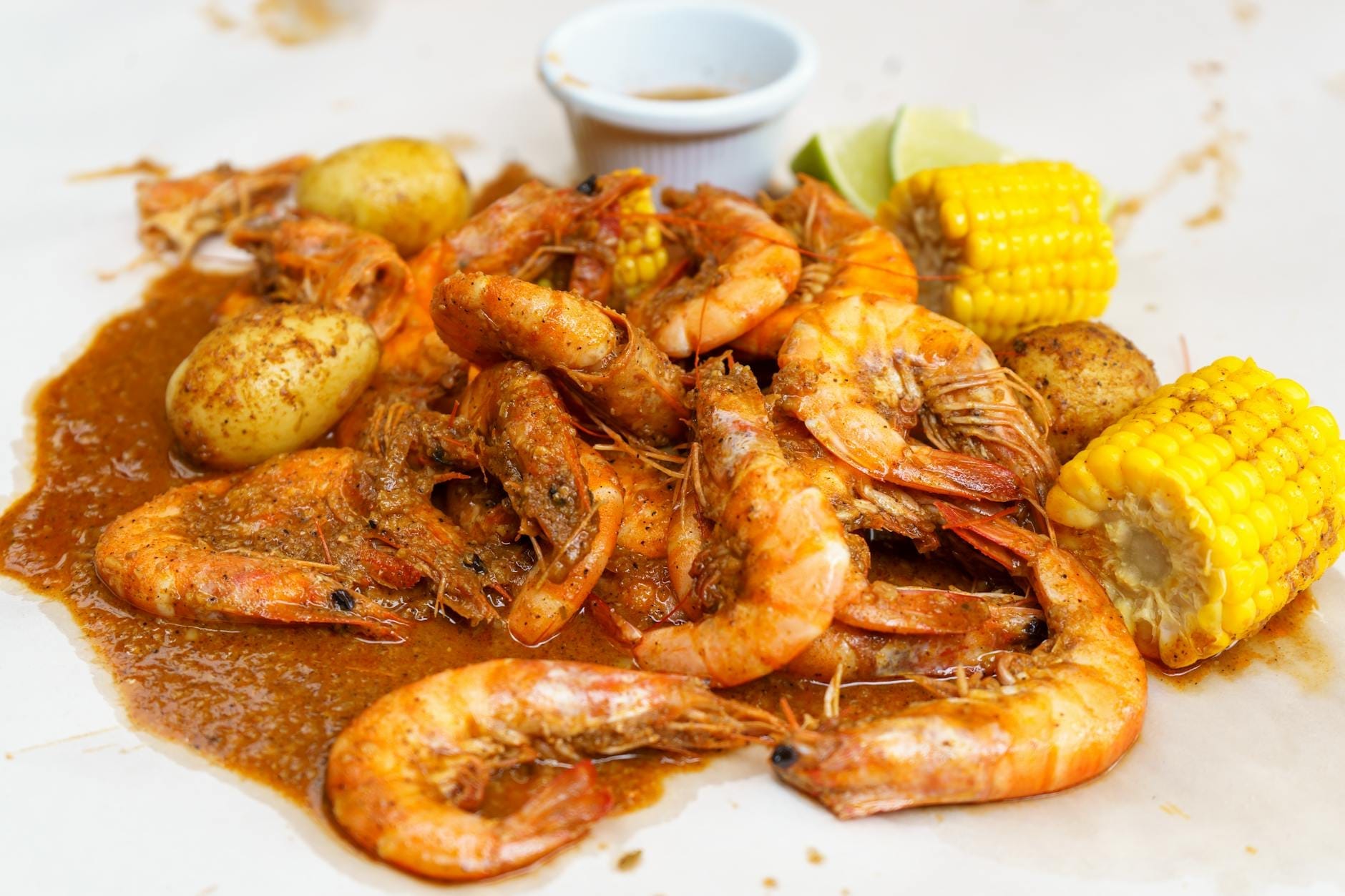
Plan and book this trip
Tools from our partner Travelpayouts help you compare flights and hotels. If you book through them, we may earn a commission at no extra cost to you.
Flights
Hotels map
TL;DR
- Creole and Cajun are distinct cuisines: Creole is urban, often tomato-based, and seafood-forward; Cajun is rural, heartier, and usually tomato-free.
- Both cuisines share the "Holy Trinity" base (onion, celery, green pepper) and dishes like gumbo and jambalaya. See the full New Orleans restaurant guide for neighborhood-by-neighborhood picks.
- Must-eat dishes: gumbo, po'boys, red beans and rice, beignets, shrimp Creole, boudin, and bananas foster.
- Skip tourist traps on Bourbon Street for food. Uptown, Mid-City, and the Marigny deliver better value and authenticity.
- Tip 15-20% at sit-down restaurants; seafood specials change daily and are almost always worth ordering.
Creole vs. Cajun: Why the Difference Actually Matters
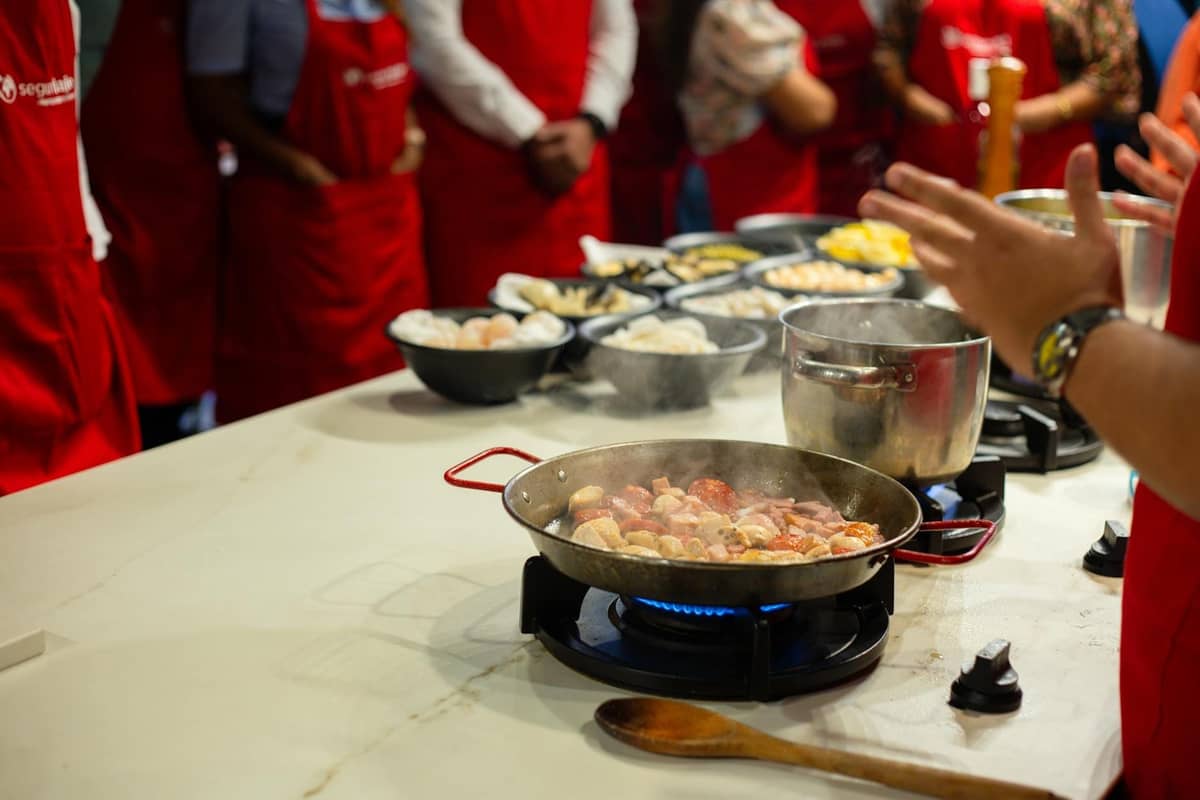
These two terms get used interchangeably on menus, in travel articles, and by well-meaning locals, but they describe genuinely different cooking traditions. Understanding the distinction helps you order smarter and appreciate what you're eating.
Creole cuisine is a product of New Orleans itself. It developed in the city over several centuries, absorbing French and Spanish colonial techniques, West African flavor profiles, Native American ingredients like filé powder, and later Italian and German immigrant influences. The result is cosmopolitan cooking: refined sauces, tomatoes used liberally, and an emphasis on Gulf seafood. Think shrimp Creole, courtbouillon, and grillades.
Cajun cooking has a different origin story. It comes from the Acadians, French settlers who were expelled from Nova Scotia in the 18th century and eventually settled in the Louisiana bayou country. Cut off from fancy imported ingredients, they developed a hearty, resourceful cuisine built around smoked meats, game, and whatever grew or swam locally. Cajun food is generally richer and more rustic, without tomatoes, and leaning heavily on pork fat, andouille sausage, and bold seasoning. Neither cuisine is inherently fiery hot, despite what tourist menus suggest.
ℹ️ Good to know
Both Creole and Cajun cooking start with the "Holy Trinity": roughly equal parts chopped onion, celery, and green bell pepper cooked down in fat. It is the flavor base for gumbo, jambalaya, étouffée, and dozens of other dishes. Knowing this helps you recognize the common thread across menus that look very different on the surface.
The Dishes You Need to Eat
New Orleans food rewards curiosity. The following dishes appear across both cuisines and represent the core of what makes eating here so distinct from anywhere else in the country.
- Gumbo A thick, deeply flavored stew built on a dark roux, the Holy Trinity, and either seafood or smoked sausage (sometimes both). The roux is cooked low and slow until it turns the color of dark chocolate — this is where most of the flavor lives. Filé powder or okra thickens it further. Order it over rice.
- Jambalaya Rice cooked with meat, seafood, and the Trinity in a single pot. Creole jambalaya is red (tomatoes included); Cajun jambalaya is brown. Both are filling and intensely seasoned. It is a reliable indicator of kitchen quality.
- Po'Boy A New Orleans sandwich on crusty French bread, traditionally stuffed with fried shrimp, oysters, roast beef, or debris (roast beef scraps and gravy). It was reportedly created to feed striking streetcar workers in the 1920s. Order it "dressed" — that means lettuce, tomato, pickles, and mayo.
- Red Beans and Rice Monday's dish in New Orleans, traditionally made with kidney beans slow-cooked with andouille sausage and served over white rice. Simple, cheap, and deeply satisfying. Many restaurants serve it all week.
- Étouffée Crawfish or shrimp smothered in a buttery, roux-based sauce and served over rice. The name means "smothered" in French. It is richer and more refined than gumbo, and one of the best arguments for ordering the seafood special.
- Shrimp Creole Gulf shrimp in a tomato-based sauce seasoned with the Trinity, garlic, and Creole spices. Classic Creole cooking at its most representative.
- Boudin A Cajun sausage made with pork, rice, and liver stuffed into a casing. It is sold at gas stations and specialty butchers across Louisiana and eaten by squeezing the filling directly into your mouth. The casing is typically not eaten.
- Beignets Fried dough squares covered in powdered sugar, served hot and in orders of three. The association with Café du Monde is deserved, but they are available citywide.
- Bananas Foster Created at Brennan's Restaurant in 1951, this dessert of bananas flambéed in butter, brown sugar, and rum over vanilla ice cream has become a New Orleans classic. It is worth ordering once.
- Maque Choux A Cajun side dish of creamed corn with peppers and onions, sometimes with shrimp or crawfish added. Pronounced "mäk SHÜ." Underrated and rarely seen outside Louisiana.
💡 Local tip
At any upscale Creole restaurant, always ask about the seafood special before ordering. Gulf fish, blue crab, and shrimp change with the season and the catch, and the daily special is almost always the freshest thing on the menu.
Where to Eat: Restaurants Worth Your Time
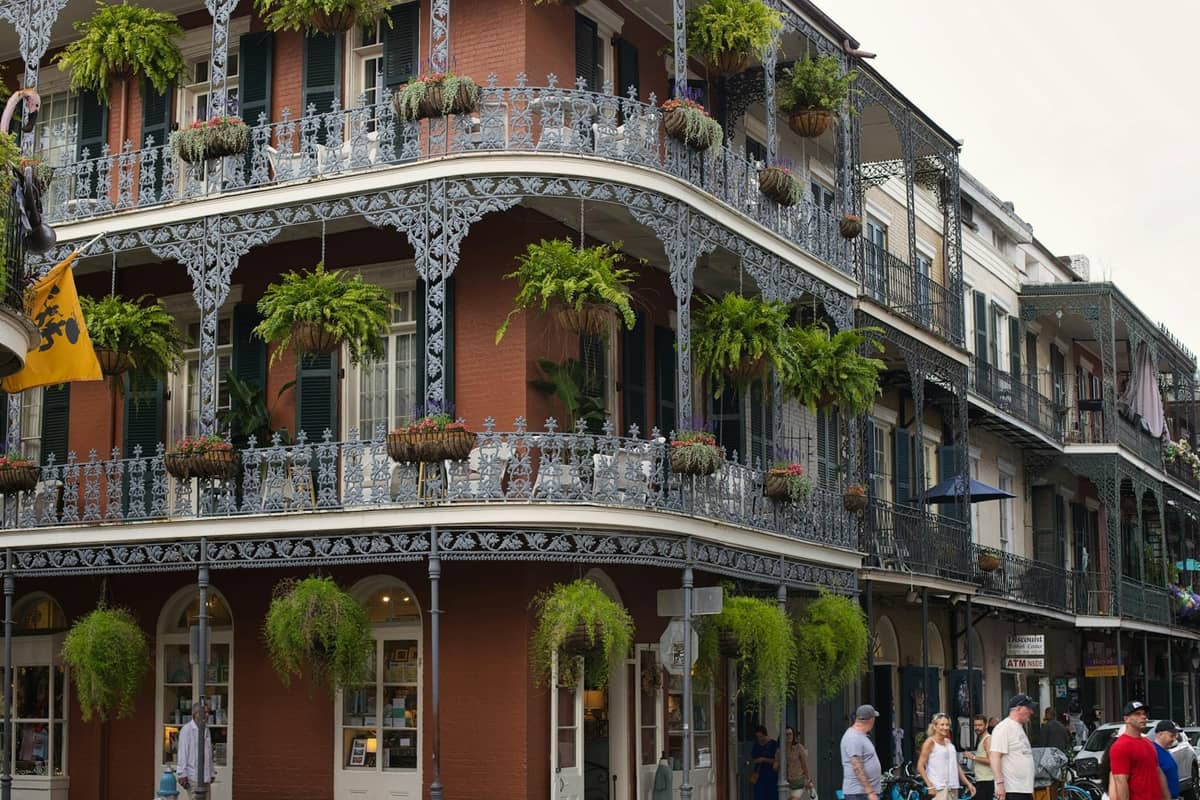
New Orleans has an embarrassment of dining options, from century-old white-tablecloth institutions to counter-service lunch spots that locals actually eat at. The full dining guide covers the city by neighborhood, but the following restaurants consistently deliver on authenticity and quality.
- Clancy's Restaurant (Uptown) A family-owned neighborhood spot that has been operating since 1983. The menu is upscale but unpretentious Creole, with a serious wine list. Go for the smoked soft-shell crab when it is in season and order whatever the server recommends — they know the menu cold.
- Parkway Bakery and Tavern (Mid-City) The definitive po'boy shop. Open since 1911 with a brief closure and revival, it serves roast beef debris po'boys that are widely considered the benchmark. Cash-friendly, no-frills, and almost always busy. Arrive before noon on weekdays if you want to avoid a wait.
- Coop's Place (French Quarter) A dark, loud dive bar that also happens to serve some of the most honest Cajun and Creole food in the Quarter: jambalaya with rabbit and sausage, chicken Tchoupitoulas, étouffée, and red beans. Do not go for the atmosphere unless you like neon signs and loud regulars. Go for the food.
- Toups' Meatery (Mid-City) Chef Isaac Toups is a Louisiana native who takes Cajun cooking seriously. The menu rotates around smoked and cured meats, game, and local produce. The boudin here is considered among the best in the city, which is saying something in Louisiana.
- Café du Monde (French Quarter) Yes, it is a tourist institution. It is also genuinely good. The beignets are hot, the café au lait (coffee with chicory and steamed milk) is the correct accompaniment, and sitting outside by Jackson Square at 2am is a specific New Orleans experience that should not be skipped. Expect powdered sugar everywhere.
For a wider sweep of the city's food scene across different price points, the New Orleans budget dining guide covers where to eat well without overspending, including the best lunch counters and neighborhood spots that rarely appear on tourist itineraries.
Neighborhoods That Deliver on Food
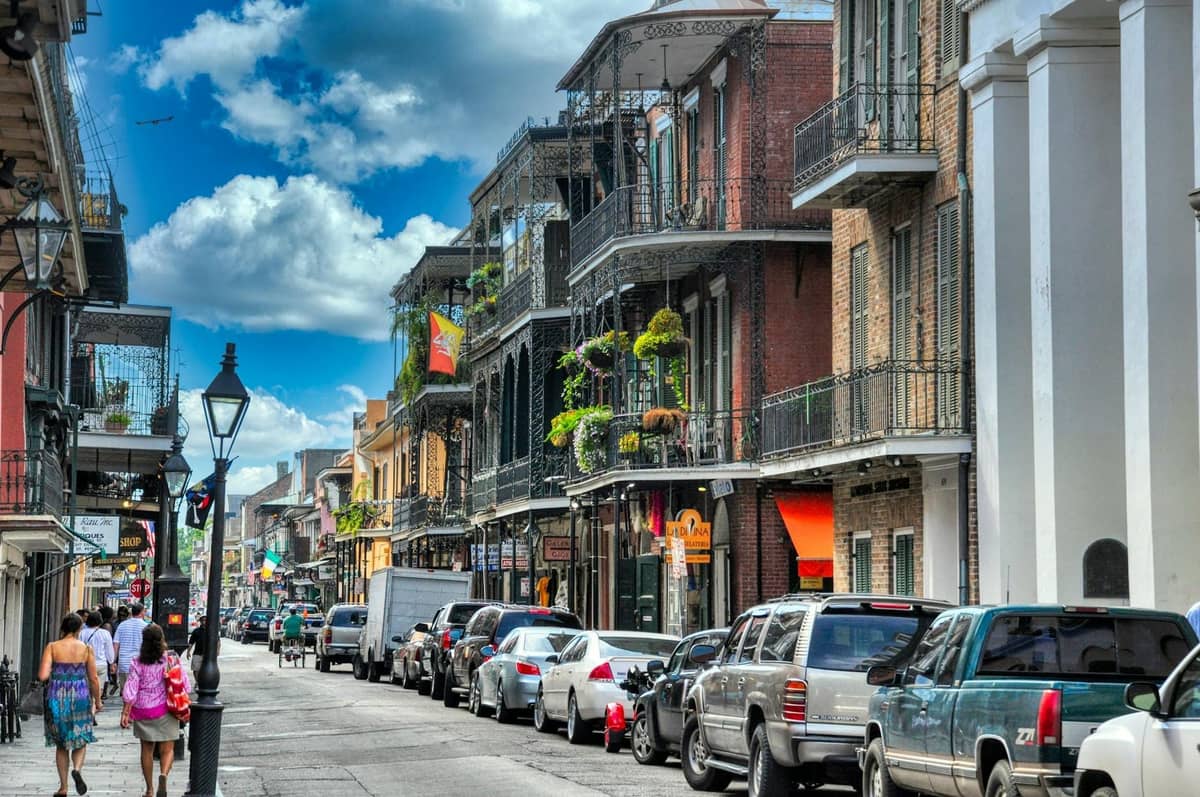
Where you eat in New Orleans matters almost as much as what you eat. The French Quarter has name recognition, but many of its restaurants are priced for tourists and coast on location. The best food tends to be a short streetcar or rideshare ride away.
Uptown is where many of the city's most respected Creole restaurants operate, away from the crowd pressure of the Quarter. Mid-City has become a serious food destination over the last decade, with a concentration of chef-driven spots along Canal Street and Esplanade Avenue. The Marigny and Bywater skew younger and more eclectic, mixing Creole cooking with influences from across the food world.
The Garden District has solid options along Magazine Street, particularly for brunch. If you are already taking the St. Charles streetcar out to see the mansions, build a meal into the trip.
⚠️ What to skip
Bourbon Street restaurants are almost universally overpriced and mediocre. The street excels at bars and late-night drinks, not food. If someone recommends a Bourbon Street restaurant for an authentic New Orleans meal, treat that as a red flag and look elsewhere.
Seasonal Eating and What to Look for by Time of Year
New Orleans food is closely tied to the Gulf's seasonal rhythms. Knowing what is in season helps you make better decisions at the table.
Crawfish season runs roughly from January through June, peaking in March and April. This is when crawfish étouffée, crawfish bisque, and boiled crawfish are at their best and most affordable. Oysters are at peak quality in the cooler months, roughly October through April, following the old "R months" rule. Blue crab is available most of the year but is particularly good in summer. Gulf shrimp runs nearly year-round, with brown shrimp dominant in summer and white shrimp in fall.
If you are visiting during Mardi Gras season (typically February or early March), king cake is everywhere and impossible to avoid. It is a yeasted, cinnamon-spiced ring cake covered in purple, gold, and green sugar, sometimes filled with cream cheese or praline. The tradition is worth participating in. For timing your visit around food festivals and seasonal peaks, the best time to visit New Orleans guide breaks down the calendar in detail.
Practical Dining Tips for First-Time Visitors
New Orleans operates on its own schedule. Lunch service often runs until 2:30 or 3pm, and dinner can stretch well past midnight at the more serious spots. Brunch is a genuine institution, not a weekend novelty, and many restaurants serve it on Saturdays as well as Sundays.
- Tip 15-20% at sit-down restaurants. Counter service and food trucks operate on a different expectation, but tipping is appreciated.
- Reservations matter for dinner at well-known spots, especially on weekends. Book at least a week in advance for places like Commander's Palace.
- Portions are large. Sharing a starter is sensible, especially if you plan to eat multiple meals in a day, which the city encourages.
- Chicory coffee is the local standard, not a specialty order. Café au lait at most traditional spots means drip coffee with hot milk, often with chicory added for a slightly bitter, roasted flavor.
- The French bread used for po'boys is specific to New Orleans. The crust is crackling-crisp, the interior soft. It does not travel well, which is part of why po'boys taste different elsewhere.
- Look for restaurants that post a daily chalkboard or ask about specials before ordering. The freshest, most seasonal cooking rarely ends up on the printed menu.
For a specific deep-dive into one of the city's most iconic food experiences, the New Orleans beignets guide covers where to find them beyond Café du Monde, including the spots locals prefer.
FAQ
What is the most iconic food in New Orleans?
Gumbo is probably the single dish most associated with New Orleans food, but po'boys, red beans and rice, and beignets are equally fundamental. If you only have time for a few meals, prioritize gumbo from a neighborhood restaurant and a dressed po'boy from a dedicated po'boy shop.
Is Cajun food the same as Creole food?
No. Creole cooking is urban, developed in New Orleans with tomatoes, seafood, and refined European techniques. Cajun cooking is rural, originating with French Acadian settlers in the Louisiana bayou, and is heartier, smokier, and typically tomato-free. Both cuisines share a Holy Trinity base and appear on most New Orleans menus, but they are distinct traditions.
Where should I eat in New Orleans if I want to avoid tourist traps?
Head to Mid-City, Uptown, or the Marigny and Bywater neighborhoods. Avoid restaurants on Bourbon Street for sit-down meals. Parkway Bakery in Mid-City, Clancy's in Uptown, and Toups' Meatery are all well-regarded by locals and accessible to visitors.
When is crawfish season in New Orleans?
Crawfish season generally runs January through June, with March and April being the peak months. During this period, boiled crawfish, étouffée, and crawfish bisque are at their best quality and lowest prices. Outside of season, farmed crawfish may be available but is generally not as good.
How much should I budget for food in New Orleans?
A po'boy or plate lunch at a neighborhood spot runs around $10-15. Mid-range restaurant dinners average $25-45 per person before drinks. Upscale Creole institutions like Commander's Palace or Galatoire's can run $80-150 per person with wine. The city has excellent food at every price point, and some of the best meals cost under $20.