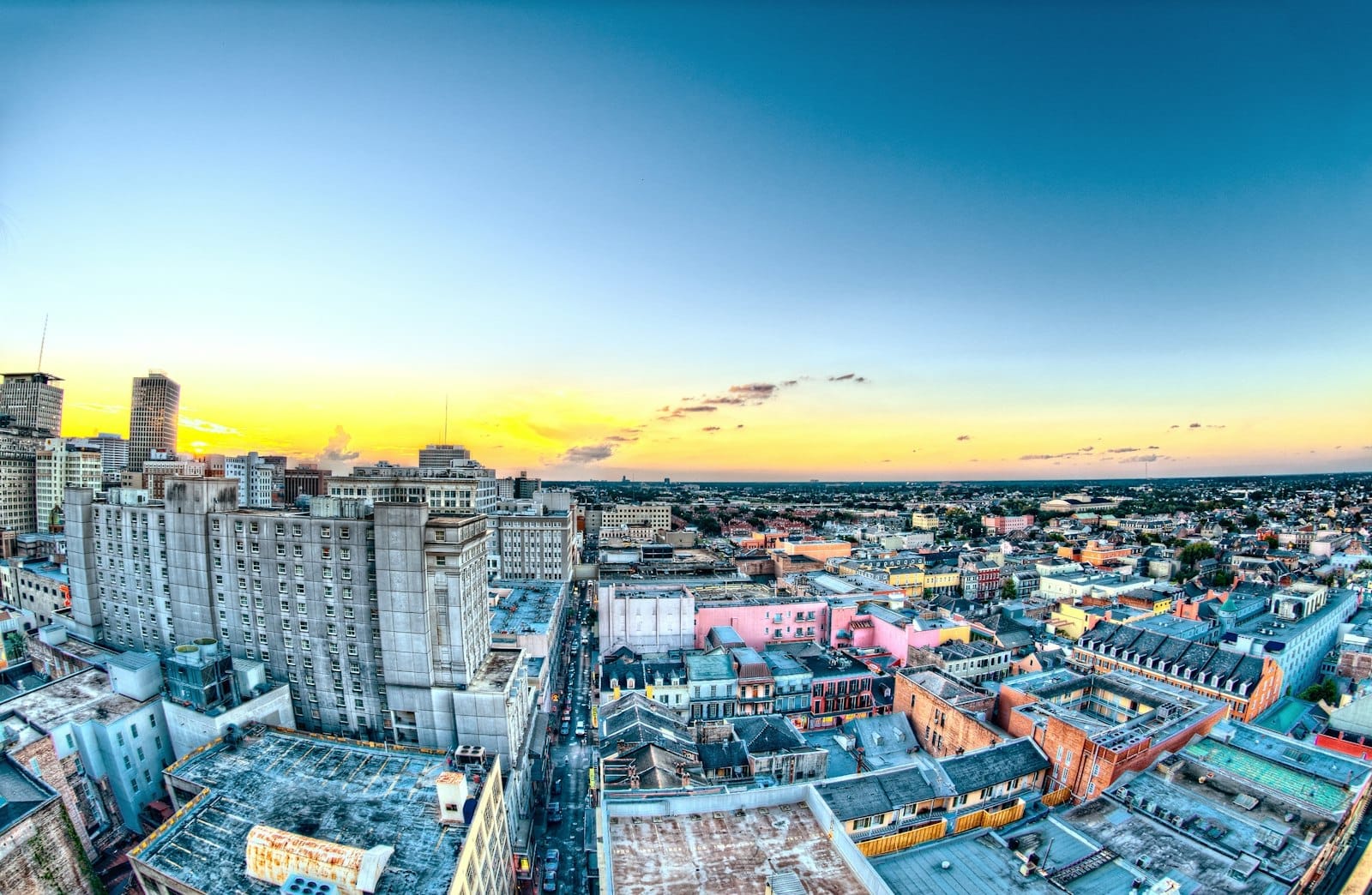
Mid-City is the geographical and cultural center of New Orleans, spanning roughly 1.7 square miles between the Mississippi River and Lake Pontchartrain. It combines a nationally designated historic district with City Park, the New Orleans Museum of Art, the Lafitte Greenway, and a food scene built for residents rather than tourists.
Mid-City sits at the literal midpoint of New Orleans, equidistant between the Mississippi River and Lake Pontchartrain, and it carries that sense of balance into its character: historic enough to feel rooted, local enough to feel lived-in, and connected enough to reach every corner of the city without much effort. In 2023, Time Out named it one of the coolest neighborhoods in the world, and the distinction makes sense not because of any single attraction, but because of how naturally everything fits together here.
Orientation
Mid-City occupies the geographic center of New Orleans, bounded by City Park Avenue, Toulouse Street, North Carrollton, Orleans Avenue, Bayou St. John and St. Louis Street to the north, North Broad Street to the east, and the Pontchartrain Expressway to the west. The neighborhood covers approximately 1.7 square miles and sits at essentially sea level, which is worth understanding: the low elevation means this area flooded significantly during Hurricane Katrina, and the recovery that followed reshaped its demographics and building stock in ways still visible today.
The name is literal. Mid-City sits roughly halfway between the riverfront and the lake, a positioning that gives it strong transit links in multiple directions. Canal Street, one of New Orleans' great boulevards, bisects the neighborhood and connects it directly to the French Quarter to the east and to the cemeteries and lake-adjacent streets to the west. Carrollton Avenue runs north-south and links Mid-City to Uptown. Tulane Avenue, which doubles as the terminus of U.S. Route 61, pushes toward the Central Business District.
For anyone staying in the French Quarter or the Central Business District, Mid-City is roughly 10 minutes by car or 20-25 minutes by streetcar. It also borders the Tremé to the southeast, making it a natural extension for anyone exploring that area. The Lafitte Greenway, a 2.6-mile bike and pedestrian path running from Basin Street near the Tremé all the way to Carrollton Avenue, effectively draws a line between the neighborhood and the lower city.
Character & Atmosphere
Mid-City operates on a different rhythm than the tourist-facing neighborhoods closer to the river. On a weekday morning, the streets around Carrollton and Canal feel genuinely local: people walking dogs past double-shotgun houses, coffee shops filling with regulars, and the Canal Street streetcar sliding past on its way toward the cemeteries. There is no performance happening here. The neighborhood is simply going about its day.
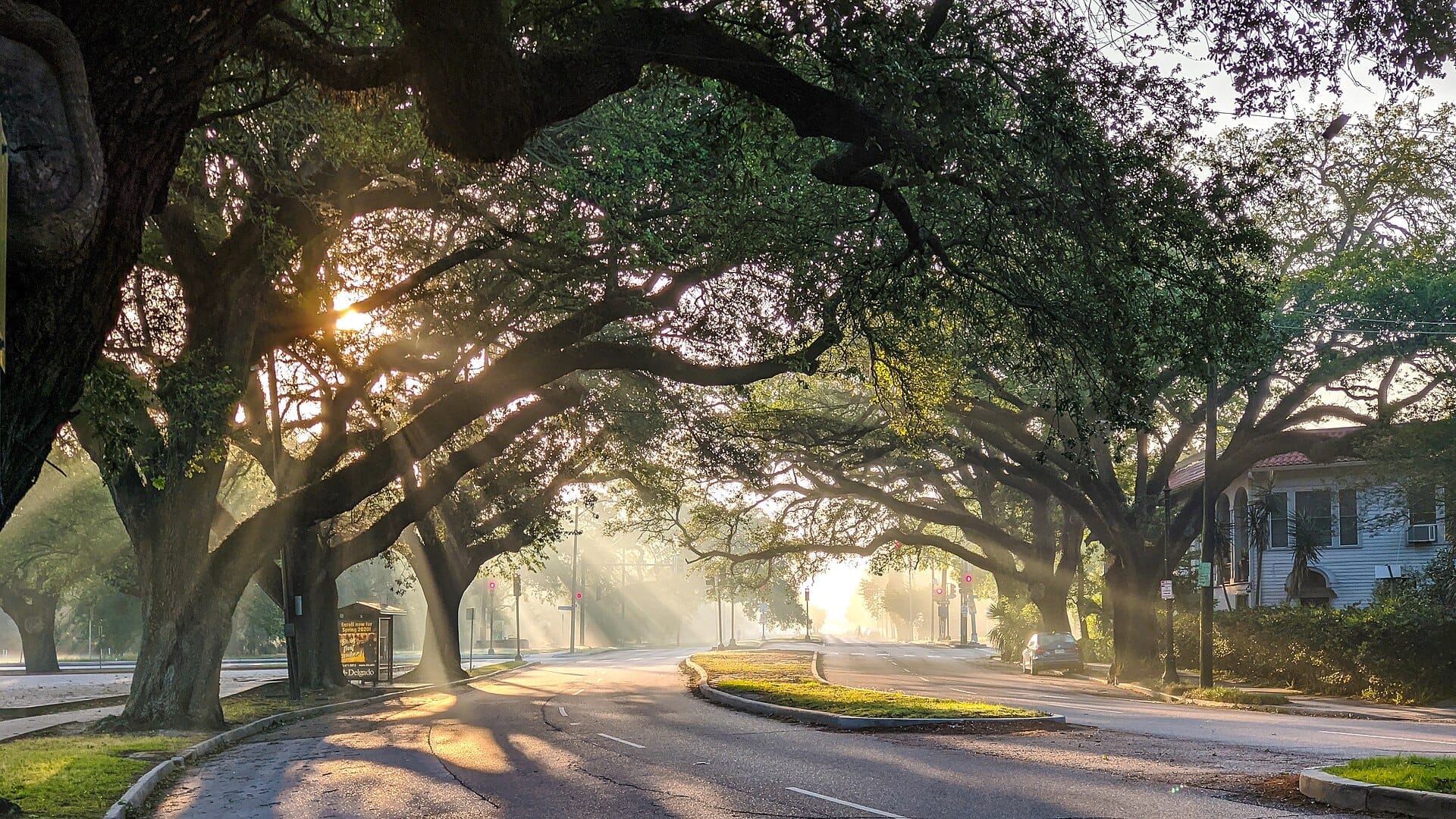
By afternoon, the pace shifts depending on where you are. The blocks immediately around Canal Street stay active with cars and buses. But walk a few blocks north toward City Park Avenue, and the scale drops: narrower streets, large oaks arching overhead, front porches close to the sidewalk. The light in late afternoon, filtered through that oak canopy, hits the painted wood siding of the Creole cottages and camelback houses in a way that makes the architecture feel more three-dimensional than it does in the sharper grid of the Quarter.
After dark, Mid-City is not a nightlife destination in the way that Frenchmen Street or Bourbon Street are. The bars and restaurants draw a neighborhood crowd rather than bar-hoppers. Rock 'n Bowl on Carrollton, a combination bowling alley and live music venue, is genuinely beloved and genuinely local. The Irish pub culture along the corridor brings its own low-key weekend energy. The streets are quieter than the French Quarter at midnight, which is either a relief or a drawback depending on why you are in New Orleans.
ℹ️ Good to know
Mid-City is listed on the National Register of Historic Places as a historic district. The architectural mix includes Creole cottages, camelback doubles, and early 20th-century bungalows, many of which were rebuilt or heavily renovated after Katrina-related flooding.
What to See & Do
The single most significant draw in Mid-City is City Park, one of the largest urban parks in the United States. At over 1,300 acres, it dwarfs Central Park in New York and includes a botanical garden, a sculpture garden, an amusement park for children, Bayou Metairie, and extensive live oak stands, some of them among the oldest in the country. The park does not feel like a civic amenity you visit once and check off. People return for morning runs, weekend picnics, and afternoon paddle boats on the lagoons.
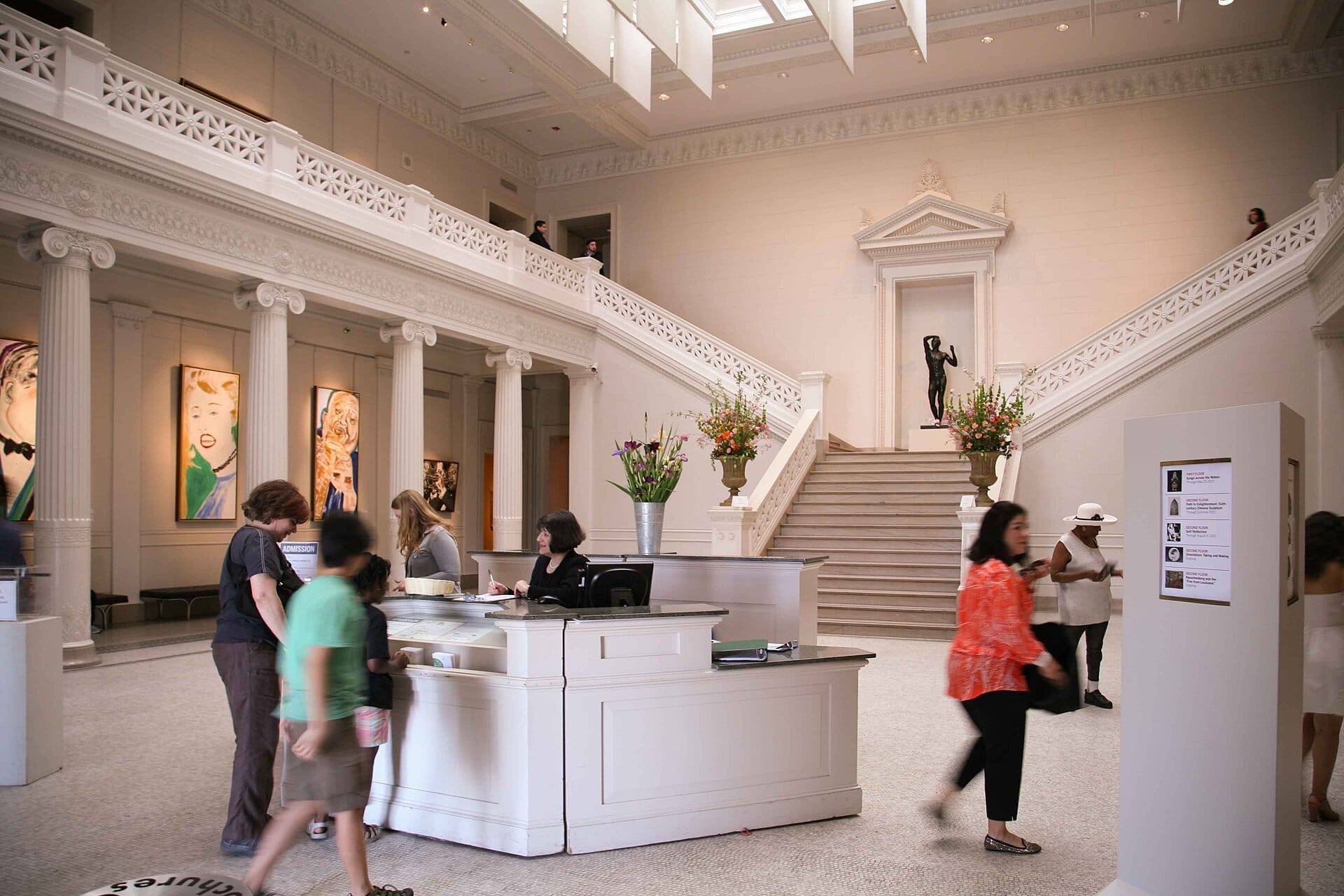
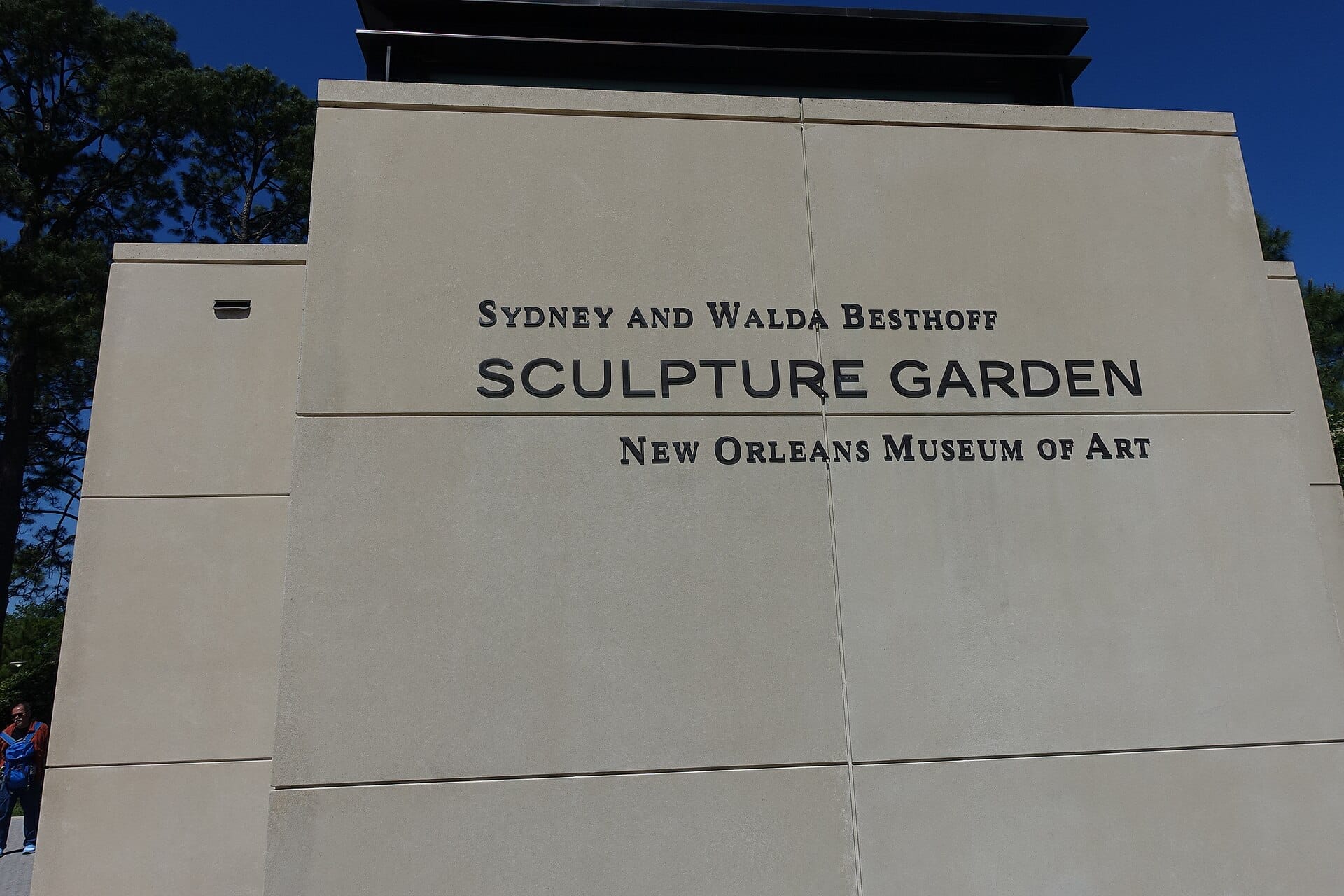
Inside City Park, the New Orleans Museum of Art anchors the cultural weight of the neighborhood. The permanent collection spans 40,000 works and includes strong holdings in French and American art, photography, and African art. Admission is reasonable, and the building itself, a 1911 Beaux-Arts structure, is worth the walk up the front steps alone. Directly behind the museum, the Sydney & Walda Besthoff Sculpture Garden offers free entry and contains works by major 20th and 21st-century artists placed among the oaks and lagoons. It is one of the genuinely underrated experiences in the city.
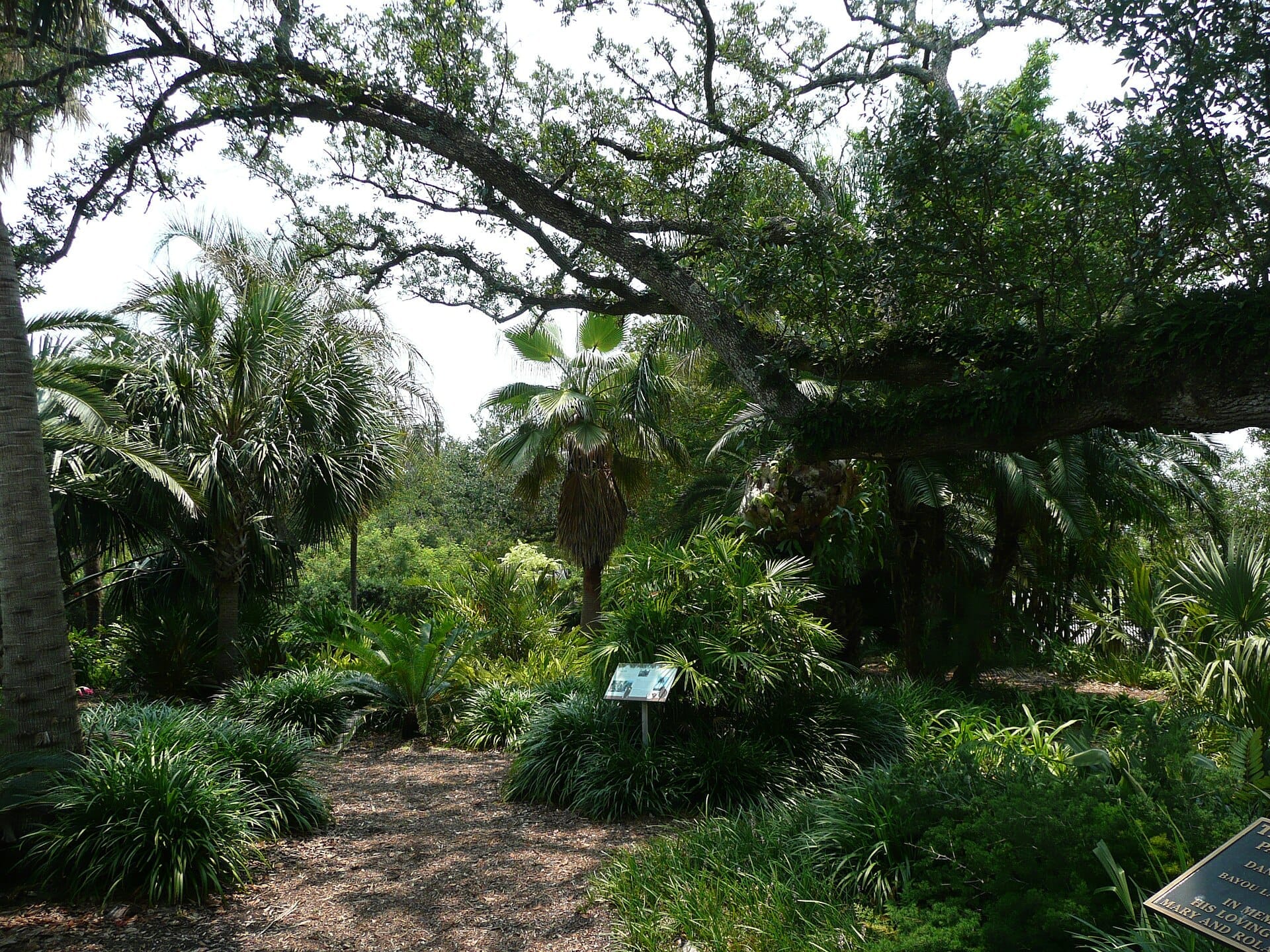
The New Orleans Botanical Garden, also within City Park, is compact but well-maintained, with a focus on subtropical and tropical plants that thrive in Louisiana's climate. It is particularly worth visiting in spring when the azaleas are in bloom. For families, the adjacent Carousel Gardens Amusement Park has a 1906 wooden carousel that is a National Historic Landmark.
The Lafitte Greenway is the neighborhood's most practical green amenity. The 2.6-mile trail follows an old railroad corridor and is flat and well-maintained, making it easy for cyclists and walkers alike. It connects Mid-City directly to the edge of the Tremé and, eventually, to the French Quarter area. Several small businesses, coffee shops, and restaurants have opened along its length, particularly near the Carrollton end.
City Park: lagoon paddleboats, morning runs, weekend events year-round
New Orleans Museum of Art: free for Louisiana residents on Wednesdays, strong permanent collection
Sydney & Walda Besthoff Sculpture Garden: always free, open most days
New Orleans Botanical Garden: rotating exhibits, subtropical plant collection
Lafitte Greenway: biking and walking corridor connecting to Tremé
Rock 'n Bowl: live music (zydeco, jazz, funk) on a working bowling alley floor
St. Louis Cemetery access: the Canal Street streetcar stops near the cemetery gates
💡 Local tip
The New Orleans Museum of Art offers free admission on Wednesdays for Louisiana residents, but all visitors can enter the Besthoff Sculpture Garden free any day it is open. Combine both in a single afternoon for one of the most rewarding low-cost experiences in the city.
Eating & Drinking
The food scene in Mid-City is built around neighborhood regulars, not tourist foot traffic, and the quality reflects it. Restaurants here compete for repeat customers, which creates a different kind of pressure than places sustained by one-time visitors. The result is a corridor, particularly along Carrollton Avenue and the blocks feeding into it, that rewards walking and choosing based on what looks right that day.
Angelo Brocato's, on North Carrollton Avenue, has been making Italian ices, gelato, and cannoli since 1905. It survived Katrina flooding, rebuilt, and reopened to long lines of locals who had been waiting for it. The spumoni and lemon ice are the benchmarks, but the pastry case is worth a full study before ordering. It is a genuine institution and functions as a neighborhood gathering point in a way that few dessert shops manage.
Mid-City has a range of po' boy shops, a micro-brewery, and Irish pubs that have served the neighborhood through multiple generations. The Irish pub culture here is not a theme: it reflects the historical immigration patterns of the city, where Irish workers settled the areas between Canal Street and the lake in the 19th century. Several of those bars have been operating in some form since before World War II.
For a broader sense of what to eat across New Orleans neighborhoods, the what to eat in New Orleans guide covers the essential dishes and where to find them citywide. Mid-City contributes particularly strong entries in the Italian-influenced bakery and po' boy categories, reflecting the immigrant communities that shaped this part of the city.
Angelo Brocato's Ice Cream & Confectionery: gelato, Italian ices, cannoli since 1905
Carrollton Avenue corridor: po' boy shops, neighborhood restaurants, bars with covered patios
Rock 'n Bowl: food service alongside live music, local crowd
Irish pub strip near Canal: long-standing neighborhood bars, unpretentious and welcoming
City Park adjacent cafes: casual options for post-museum or post-run stops
Getting There & Around
The Canal Street streetcar line is the most direct public transit link between Mid-City and the rest of the city. The line runs from the French Quarter riverfront along Canal Street and splits into two branches: one continues toward City Park and the cemeteries (the red line), and one extends toward Carrollton. Fares are $1.25 per ride (verify current pricing with the Regional Transit Authority). The St. Charles streetcar line runs parallel to the west and serves Uptown, connecting at Carrollton Avenue. Between the two lines, most of the city's tourist zones are reachable without a car.
RTA buses also serve the neighborhood, with routes along Tulane Avenue, Canal Street, and Carrollton connecting Mid-City to the CBD, Uptown, and points north toward the lakefront. The bus network is more comprehensive than the streetcar but less intuitive for first-time visitors. The Moovit and RTA GoMobile apps make route planning easier.
For cyclists, the Lafitte Greenway is the most pleasant and direct route between Mid-City and the Tremé or the lower French Quarter area. Bike rentals are available near the greenway entrances, and the flat terrain makes cycling accessible even for occasional riders. Uber and Lyft are active throughout the neighborhood, and street parking is generally available, making Mid-City one of the easier New Orleans neighborhoods to reach by car.
For a full breakdown of transit options across the city, including streetcar maps and bus routes, the getting around New Orleans guide is the best starting point.
⚠️ What to skip
The Canal Street streetcar stops near the St. Louis Cemetery gates but does not enter City Park directly. For the museum and sculpture garden, plan to walk from the Carrollton branch stop or take an Uber to the park's main entrance on Esplanade Avenue. The walk from the streetcar stop to the museum is pleasant but takes about 15 minutes on foot.
Where to Stay
Mid-City is not a primary hotel zone. Most accommodation options here are short-term rentals, bed and breakfasts, and small guesthouses rather than large hotels. For travelers who want to stay somewhere that feels like a real New Orleans neighborhood rather than a tourist corridor, this is an advantage. The streets around City Park Avenue and Esplanade Avenue have clusters of Creole cottage rentals that are quiet, walkable to the park, and a legitimate change of pace from the French Quarter. For a full comparison of where to stay across the city, the where to stay in New Orleans guide covers all major neighborhoods with honest trade-offs.
The best positioning within Mid-City for visitors is the northern section, within walking distance of City Park and the museum. This keeps you away from the heavier traffic on Canal Street and Tulane Avenue, puts the Lafitte Greenway within easy reach, and provides a calmer base for exploring the park in the early morning before heat and crowds arrive. The trade-off is that you are slightly further from the French Quarter and nightlife, which means more reliance on transit or rideshare for evenings out.
Mid-City suits travelers who are not primarily chasing live music or bar culture, couples who want a quieter base for daytime exploration, and anyone staying more than a few days who wants to experience New Orleans beyond the tourist core. It is less suited to first-time visitors on short trips who want everything within walking distance, or to groups whose primary goal is Bourbon Street.
Practical Considerations
Mid-City is a residential neighborhood, which means the same common-sense awareness applies here as in any urban residential area. The blocks immediately around Canal Street and Tulane Avenue are busy and well-lit at night. Side streets should be treated with the same caution you would apply in any unfamiliar city after dark: stay aware of your surroundings and stick to main corridors if walking alone late. For broader safety guidance across New Orleans, the New Orleans safety tips guide provides practical, honest context.
Summer heat in New Orleans is serious. From June through August, temperatures regularly exceed 90°F (33°C) with high humidity, and City Park, despite its shade, can feel punishing by midday. Plan outdoor activities for before 10 a.m. or after 5 p.m. during peak summer. The museum and botanical garden provide air-conditioned relief during midday hours. Spring and fall, particularly October and November, offer the best conditions for walking the park and the Lafitte Greenway.
During major festival seasons, particularly Jazz Fest in late April and early May, the Fair Grounds Race Course sits just east of Mid-City near Esplanade Avenue. The neighborhood absorbs significant foot traffic during festival weekends, and accommodation books out months in advance. If you are planning a visit around Jazz Fest, Mid-City is one of the most convenient bases outside the French Quarter, with direct access via the Esplanade corridor.
TL;DR
Mid-City is the geographic center of New Orleans and the best neighborhood for accessing City Park, the New Orleans Museum of Art, and the Besthoff Sculpture Garden without tourist-zone crowds or prices.
The Canal Street streetcar connects Mid-City directly to the French Quarter and the CBD, making it a practical base for wider exploration despite being away from the main tourist core.
The food scene, anchored by historic institutions like Angelo Brocato's and a strong Irish pub and po' boy culture, is built for residents and rewards repeat visits.
Best suited to travelers staying multiple days who want a quieter, more residential experience; less suited to short trips focused on nightlife or maximum walkability to the French Quarter.
Spring and fall are the best seasons to visit: the Lafitte Greenway, City Park, and the outdoor sculpture garden are at their most comfortable, and Jazz Fest in late April puts the Fair Grounds within easy reach.
Three days is enough to fall hard for New Orleans. This itinerary moves through the French Quarter, Garden District, Tremé, and Marigny in a logical order, covering the landmarks, food, music, and history that make this city unlike anywhere else in America.
New Orleans has one of the richest museum landscapes in the American South. Whether you're tracing the history of jazz, confronting the legacy of slavery, or exploring 5,000 years of fine art, these are the museums worth your time.
New Orleans rewards visitors differently depending on when you show up. This guide breaks down every season by weather, crowd levels, festival calendars, and food — so you can pick the visit that actually matches what you're after.
New Orleans rewards those who stay, but the surrounding Louisiana landscape rewards those who venture out. Within two hours of the city, you can drift through ancient cypress swamps, stand inside a plantation that centers the enslaved rather than the enslavers, and cycle along a river bluff. These are the best day trips from New Orleans.
New Orleans rewards curious walkers, music lovers, and history buffs with an extraordinary amount that costs nothing. From the French Quarter's architecture to world-class outdoor sculpture, here's how to experience the city on a zero-dollar budget.
New Orleans has no subway, but it does have the oldest continuously operating streetcar in the world, a surprisingly affordable bus network, and a city core compact enough to walk. This guide breaks down every transport option with real fares, route details, and honest assessments of what actually works for visitors.
New Orleans is one of the most visually dramatic cities in America. These 20 locations deliver the best shots, from the iconic ironwork of the French Quarter to the ancient oaks of City Park and the sweeping Mississippi River views from Crescent Park.
New Orleans beignets are one of the city's great culinary institutions — pillowy, square-cut fried dough buried in powdered sugar, best eaten hot and fast. This guide covers where to go, when to show up, and which spots are worth skipping the tourist line.
New Orleans does romance on its own terms: candlelit Creole restaurants, live jazz spilling into cobblestone streets, and century-old cocktail bars with stories on every wall. This guide covers the best things to do in New Orleans for couples, from free afternoon strolls through the Garden District to splurge-worthy riverboat dinners and everything in between.
New Orleans has earned its reputation as America's most haunted city through centuries of layered history, tragedy, and folklore. This guide covers the best ghost tours, cemetery visits, and voodoo cultural experiences — including what operators don't tell you before you book.
New Orleans takes Halloween more seriously than almost any other American city. With centuries-old cemeteries, a voodoo tradition that predates the city itself, and a culture that genuinely embraces the macabre year-round, October here hits differently. This guide covers the best haunted tours, major events, neighborhood-by-neighborhood tips, and honest advice on what's worth your time.
New Orleans carries more history per square mile than almost any American city. This guide cuts through the myth to explain what actually shaped NOLA — and where to encounter that history in person, from the Vieux Carré to the Whitney Plantation.
October transforms New Orleans into one of its most enjoyable versions: temperatures drop to the mid-70s, hurricane season winds down, and a calendar packed with music festivals, food events, and Halloween revelry takes over. This guide covers exactly what to do, when to go, what to skip, and how to make the most of autumn in the Crescent City.
New Orleans Jazz Fest is one of the largest music and culture festivals in the world, drawing hundreds of thousands to Fair Grounds Race Course each spring. This guide covers the lineup structure, ticket prices, stage breakdown, food, logistics, and how to make the most of your time at the festival.
New Orleans is the birthplace of jazz and one of the world's great live-music cities. This guide covers where to hear the best music, when to go, how to navigate the scene like a local, and what separates the real experience from the tourist circuit.
Mardi Gras is not a single night. Carnival season runs from Twelfth Night (January 6) through Fat Tuesday, lasting several weeks (the exact length varies by year depending on when Easter falls). With over 70 krewes, millions of throws, and traditions rooted in centuries of Creole culture, this guide covers the full timeline, major parades, viewing logistics, and the practical details that separate a great experience from a chaotic one.
The Mississippi River is the soul of New Orleans, and experiencing it from the water is unlike anything else the city offers. Whether you want a 75-minute sightseeing cruise, a jazz dinner aboard a paddlewheeler, or a multi-day voyage upriver, this guide covers every option worth booking.
New Orleans at night is unlike anywhere else in the United States. Live music spills out of open doors seven nights a week, many bars stay open very late or around the clock — New Orleans has no statewide mandatory closing time, so nightlife runs on its own schedule — and the line between a concert venue and a neighborhood bar barely exists. This guide covers the best spots across every neighborhood, from tourist-friendly classics to where locals actually drink.
New Orleans has a reputation for indulgence, but the city offers more than 50 free or low-cost experiences year-round. From free sculpture gardens and streetcar rides to $7 breakfasts and no-cover live music, this guide shows exactly how to do NOLA without draining your wallet.
The River Road plantations sit 45-55 miles west of New Orleans and tell the full, complicated story of Louisiana's sugar economy. Here is how to choose the right tour, what each site focuses on, and how to make the most of your visit.
New Orleans draws millions of visitors every year, and the vast majority leave without incident. But the city does have real safety considerations that deserve honest discussion. This guide covers neighborhood-by-neighborhood risk, common tourist hazards, and the practical steps that make the biggest difference.
Second line parades are one of New Orleans' most authentic cultural traditions, rooted in West African dance and the city's history of Social Aid and Pleasure Clubs. This guide covers the history, how to find the Sunday parades, what to expect, and how to participate respectfully.
The Louisiana wetlands surrounding New Orleans are unlike anywhere else in North America. This guide covers every swamp tour type, from thrilling airboats to peaceful kayak paddles, plus the city attractions that bring the swamp experience closer to home.
New Orleans rewards walkers like few cities in America. Its compact historic neighborhoods pack centuries of architecture, music, and complex history into streets you can cover on foot. This guide covers the best stops, routes, and attractions to seek out on any walking tour of the city.
New Orleans rewards curious families with alligators, jazz, beignets, and centuries of history. This guide covers the best family activities in New Orleans, organized by age, budget, and neighborhood, so you can plan a trip your kids will actually remember.
New Orleans rewards visitors who go beyond Bourbon Street. This guide covers the top things to do in New Orleans across music, history, food, neighborhoods, and outdoor experiences, with practical details on prices, timing, and what to skip.
New Orleans food is one of the most distinctive culinary traditions in the United States, shaped by centuries of French, Spanish, African, and Native American influence. This guide breaks down the essential dishes, explains the real difference between Creole and Cajun cooking, and points you to the restaurants worth your time.
New Orleans food is unlike anywhere else in America. This guide breaks down the best restaurants by neighborhood and style, from century-old Creole institutions to the modern kitchens adding a contemporary edge to the city's already legendary food scene.
Choosing where to stay in New Orleans is the single most important decision you'll make before your trip. The right neighborhood shapes your entire experience, from what you hear at night to how far you walk to dinner. This guide breaks down every major area with honest assessments, so you can match your hotel to your travel style.