Free Things to Do in New Orleans: 12 Ways to Experience the City Without Spending a Dime
New Orleans rewards curious walkers, music lovers, and history buffs with an extraordinary amount that costs nothing. From the French Quarter's architecture to world-class outdoor sculpture, here's how to experience the city on a zero-dollar budget.
Plan and book this trip
Tools from our partner Travelpayouts help you compare flights and hotels. If you book through them, we may earn a commission at no extra cost to you.
Flights
Hotels map
New Orleans is one of the most generously free cities in America. Its greatest pleasures, live street jazz, centuries-old architecture, sweeping river views, and some of the best people-watching in the world, don't require a ticket. Whether you have an afternoon or a full week, you can build a rich itinerary without opening your wallet. This guide covers the best genuinely free experiences across the city, from the French Quarter to Marigny and Bywater. For a fuller picture of how to stretch your budget, see our guide to New Orleans on a budget.
Historic Streets & Architecture
The French Quarter is itself the attraction. Strolling its roughly 78–85 city blocks costs nothing, and the density of history, architecture, and street performance per city block is unmatched anywhere in the United States. Start at Jackson Square and fan out from there. Our New Orleans walking tours guide has tips on the best self-guided routes.
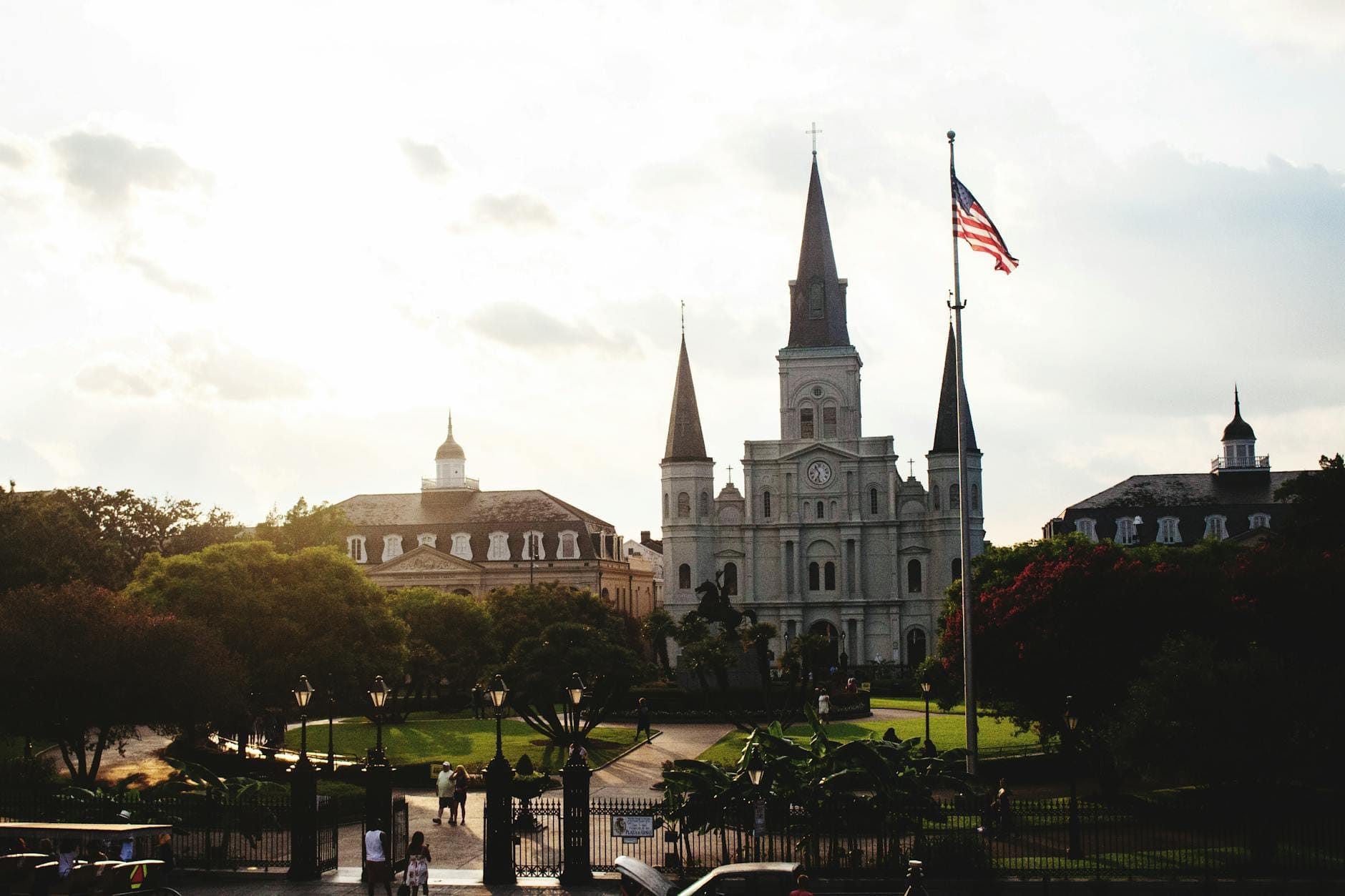
1. Spend an Afternoon at the City's Iconic Public Square
Jackson Square is always free and always lively. Street musicians, tarot readers, and portrait artists surround the St. Louis Cathedral. It's the single best place to absorb the French Quarter's energy without paying for anything.
Explore1. Spend an Afternoon at the City's Iconic Public Square
Jackson Square is always free and always lively. Street musicians, tarot readers, and portrait artists surround the St. Louis Cathedral. It's the single best place to absorb the French Quarter's energy without paying for anything.
Explore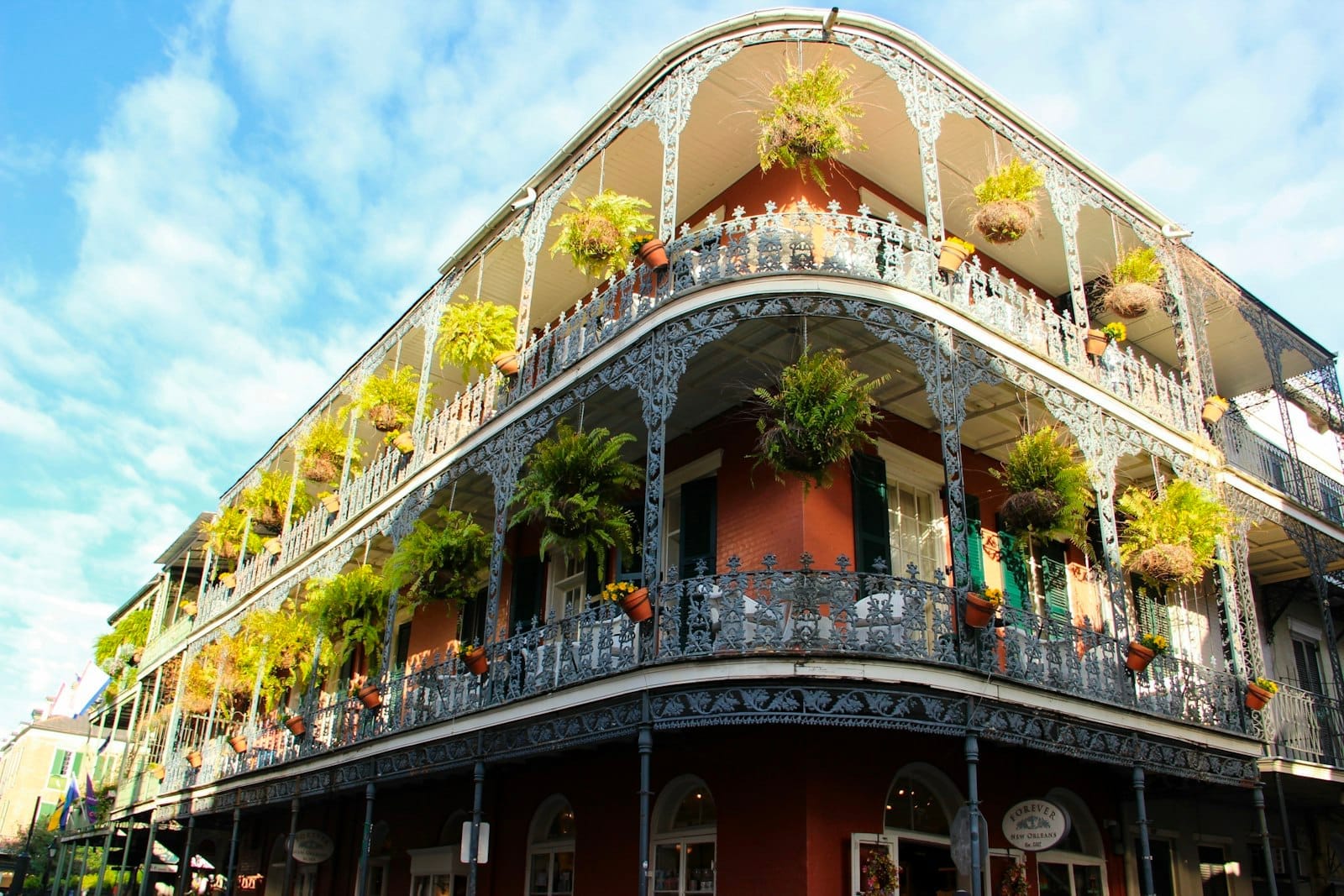
2. Walk the Full French Quarter Historic District
The entire 78-block district is free to explore on foot. Spanish Colonial buildings, iron-lace balconies, and hidden courtyards around every corner. Allow 2-3 hours for a leisurely loop; Royal and Chartres streets are the most architecturally rewarding.
Explore2. Walk the Full French Quarter Historic District
The entire 78-block district is free to explore on foot. Spanish Colonial buildings, iron-lace balconies, and hidden courtyards around every corner. Allow 2-3 hours for a leisurely loop; Royal and Chartres streets are the most architecturally rewarding.
Explore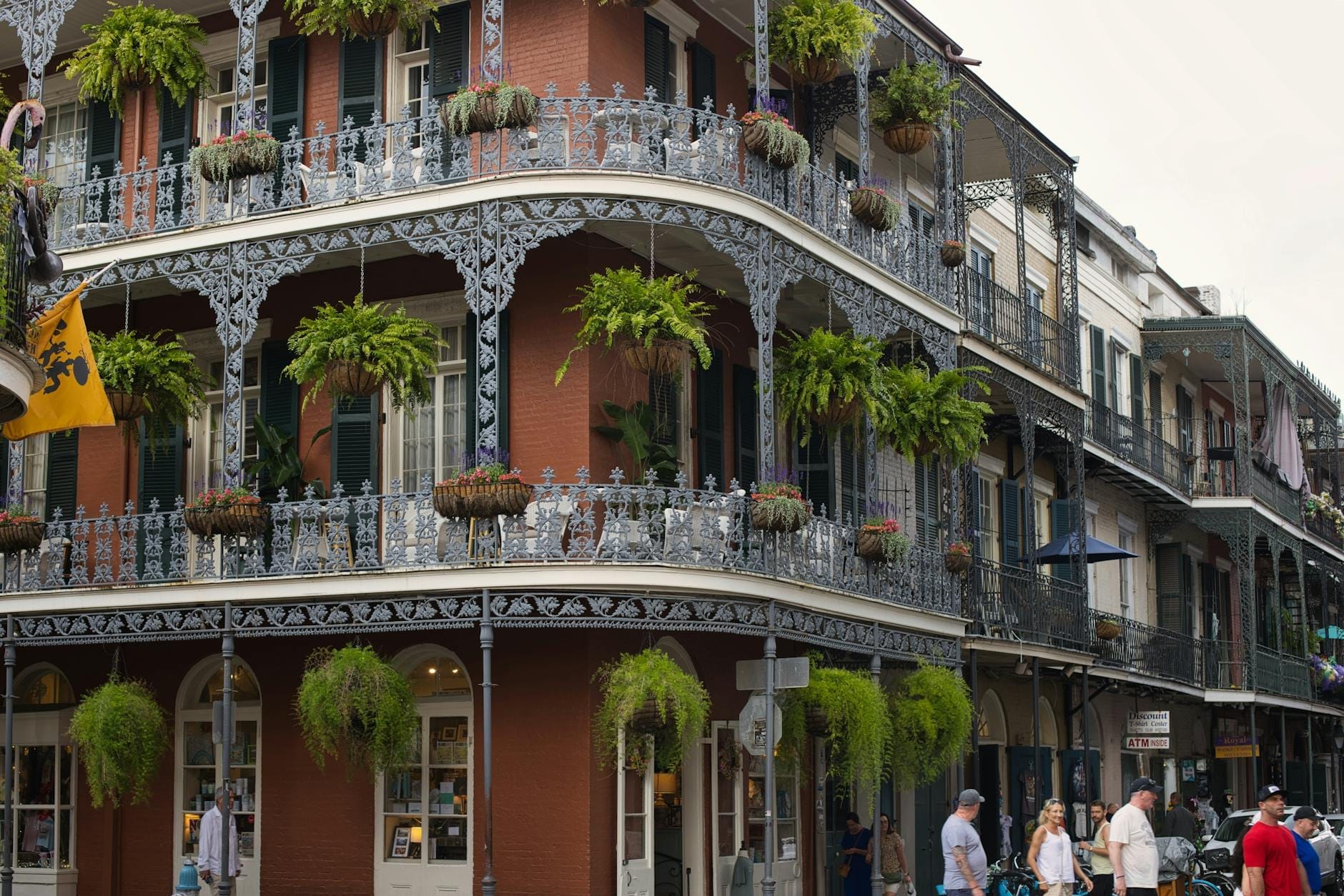
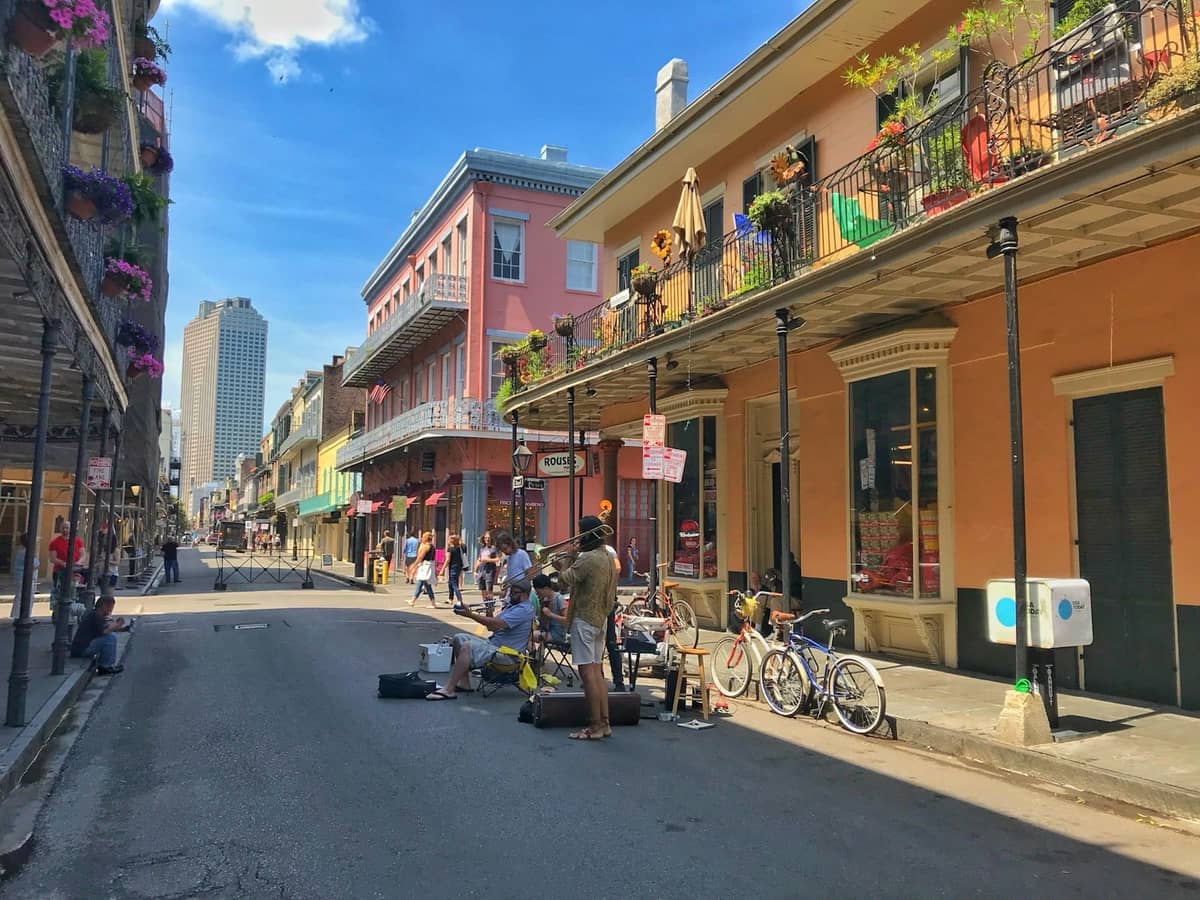
3. Browse the Galleries and Ironwork Along Royal Street
Royal Street is the French Quarter's most elegant corridor, lined with antique dealers, fine art galleries, and musicians performing in front of ornate balconies. Window-shopping and people-watching here are completely free and endlessly absorbing.
Explore3. Browse the Galleries and Ironwork Along Royal Street
Royal Street is the French Quarter's most elegant corridor, lined with antique dealers, fine art galleries, and musicians performing in front of ornate balconies. Window-shopping and people-watching here are completely free and endlessly absorbing.
Explore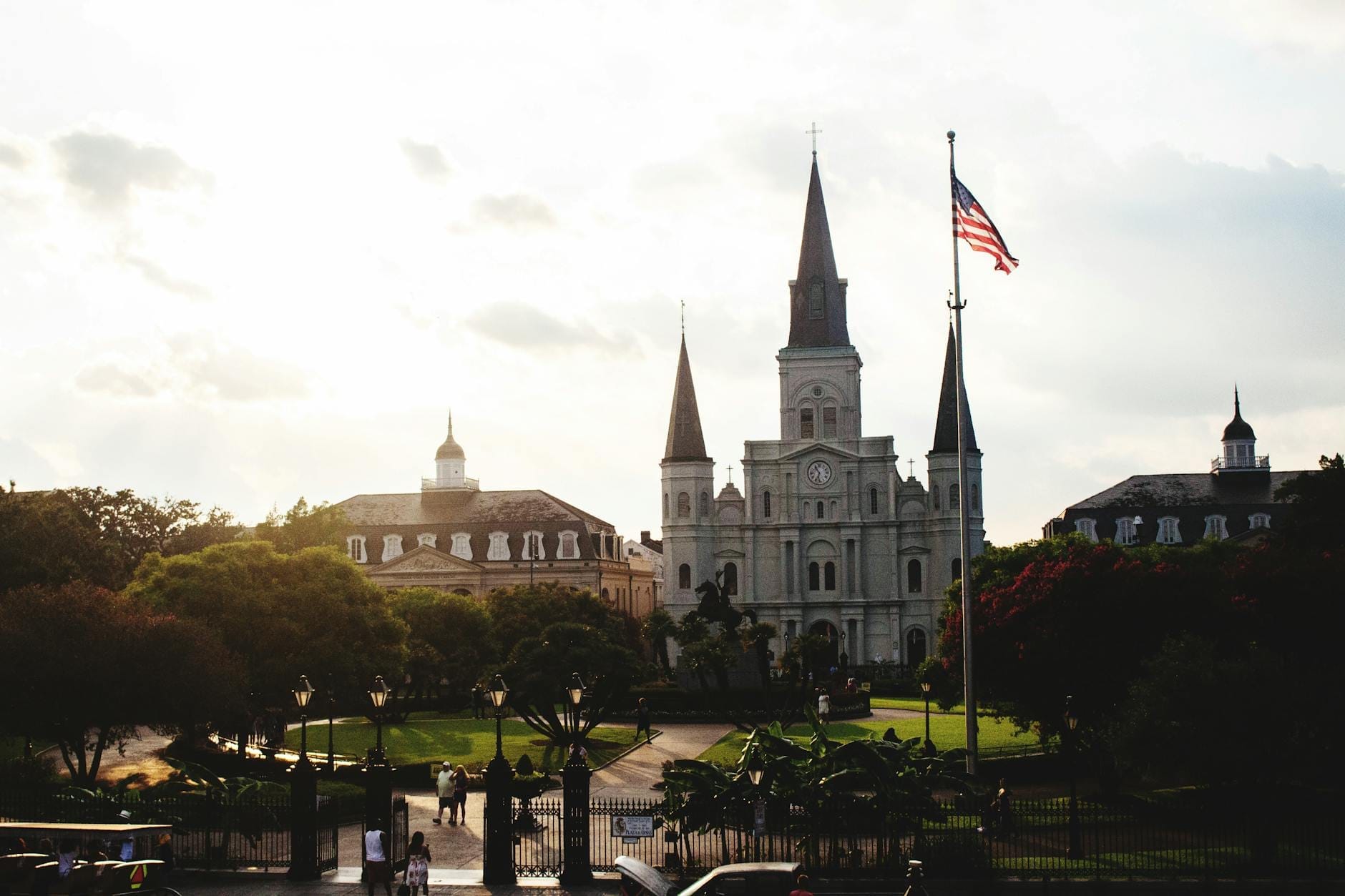
4. Step Inside America's Oldest Active Catholic Cathedral
The interior of St. Louis Cathedral is free to enter during visiting hours. Built in 1794, the Spanish Colonial landmark dominates Jackson Square. The gilded interior, painted ceiling, and centuries of history make it one of the finest free cultural stops in the city.
Explore4. Step Inside America's Oldest Active Catholic Cathedral
The interior of St. Louis Cathedral is free to enter during visiting hours. Built in 1794, the Spanish Colonial landmark dominates Jackson Square. The gilded interior, painted ceiling, and centuries of history make it one of the finest free cultural stops in the city.
Explore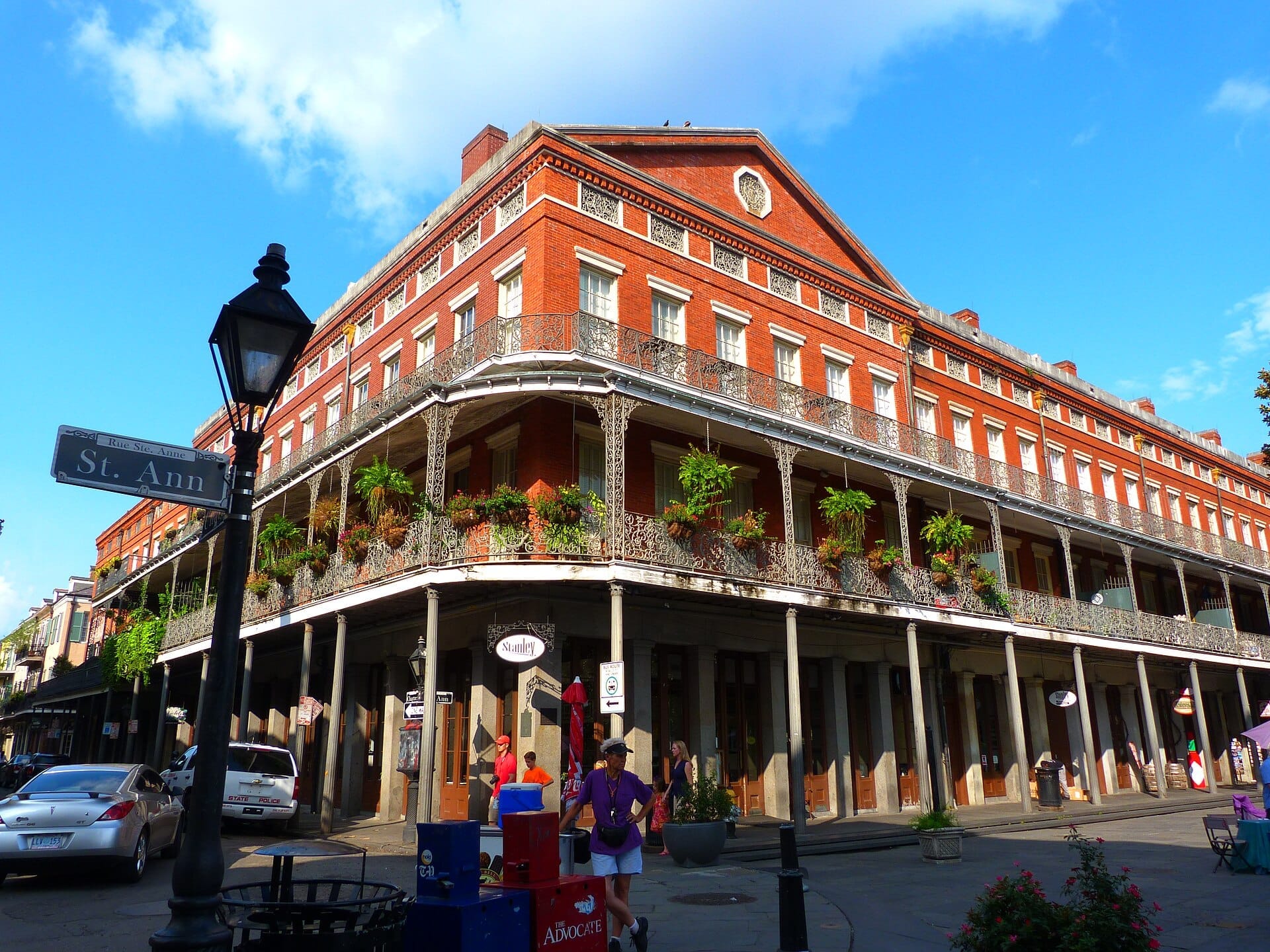
5. Admire America's Oldest Apartment Buildings
The 1840s Pontalba Buildings flank Jackson Square on both sides. Their cast-iron galleries, monogram ironwork, and ground-floor shops are free to observe and photograph. They're among the most important examples of Creole architecture in the country.
Explore5. Admire America's Oldest Apartment Buildings
The 1840s Pontalba Buildings flank Jackson Square on both sides. Their cast-iron galleries, monogram ironwork, and ground-floor shops are free to observe and photograph. They're among the most important examples of Creole architecture in the country.
Explore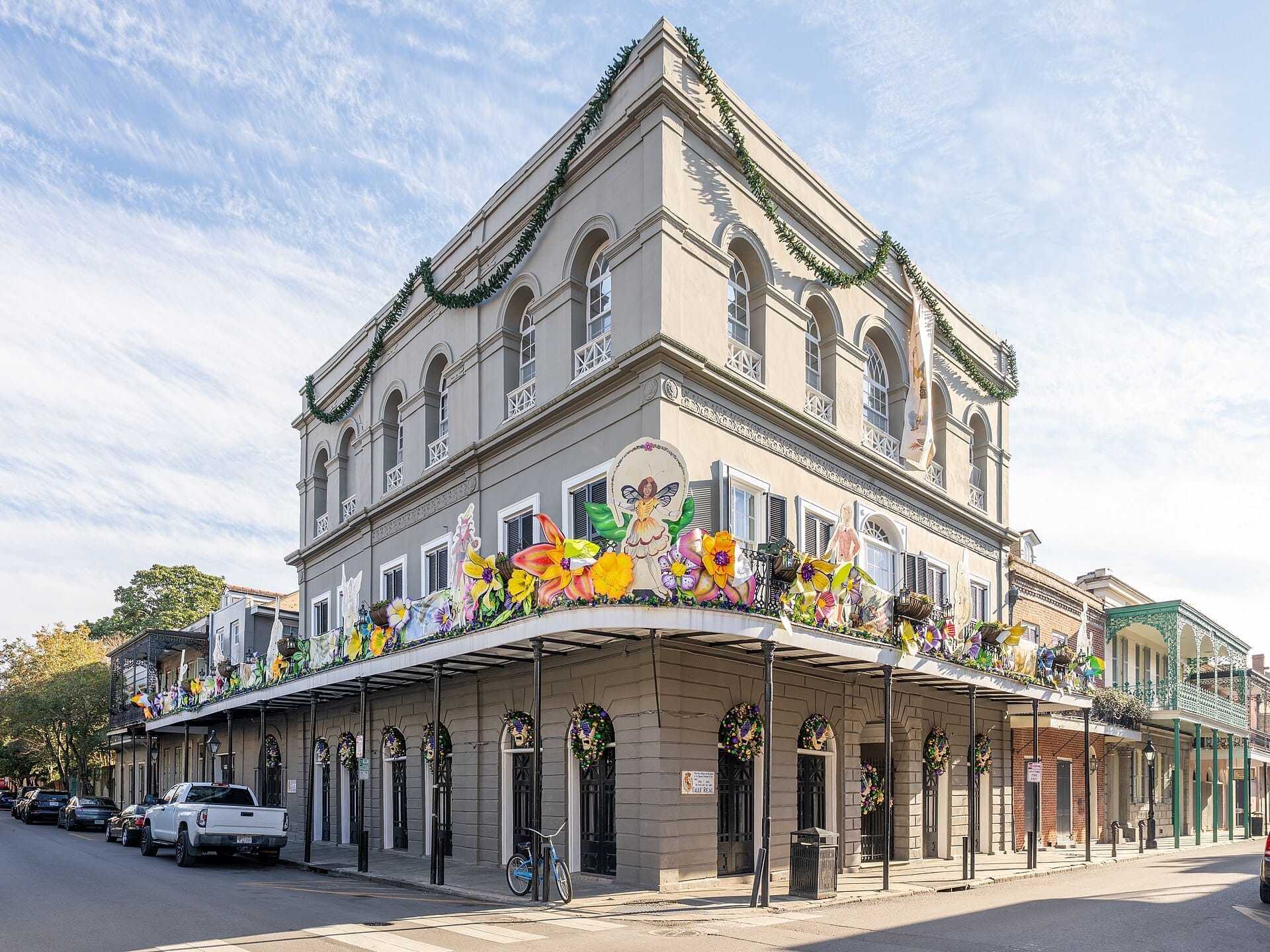
6. See the Most Infamous Address on Royal Street
The LaLaurie Mansion is free to view from the sidewalk. The Greek Revival facade at 1140 Royal Street hides a documented history of brutality toward enslaved people, making it one of the most sobering and historically significant stops in the Quarter.
Explore6. See the Most Infamous Address on Royal Street
The LaLaurie Mansion is free to view from the sidewalk. The Greek Revival facade at 1140 Royal Street hides a documented history of brutality toward enslaved people, making it one of the most sobering and historically significant stops in the Quarter.
Explore💡 Local tip
French Quarter Fest, held in late April, turns Jackson Square and several stages along the riverfront into one of the largest free music festivals in the South. If your dates overlap, prioritize it.
Live Music & Nightlife Without a Cover
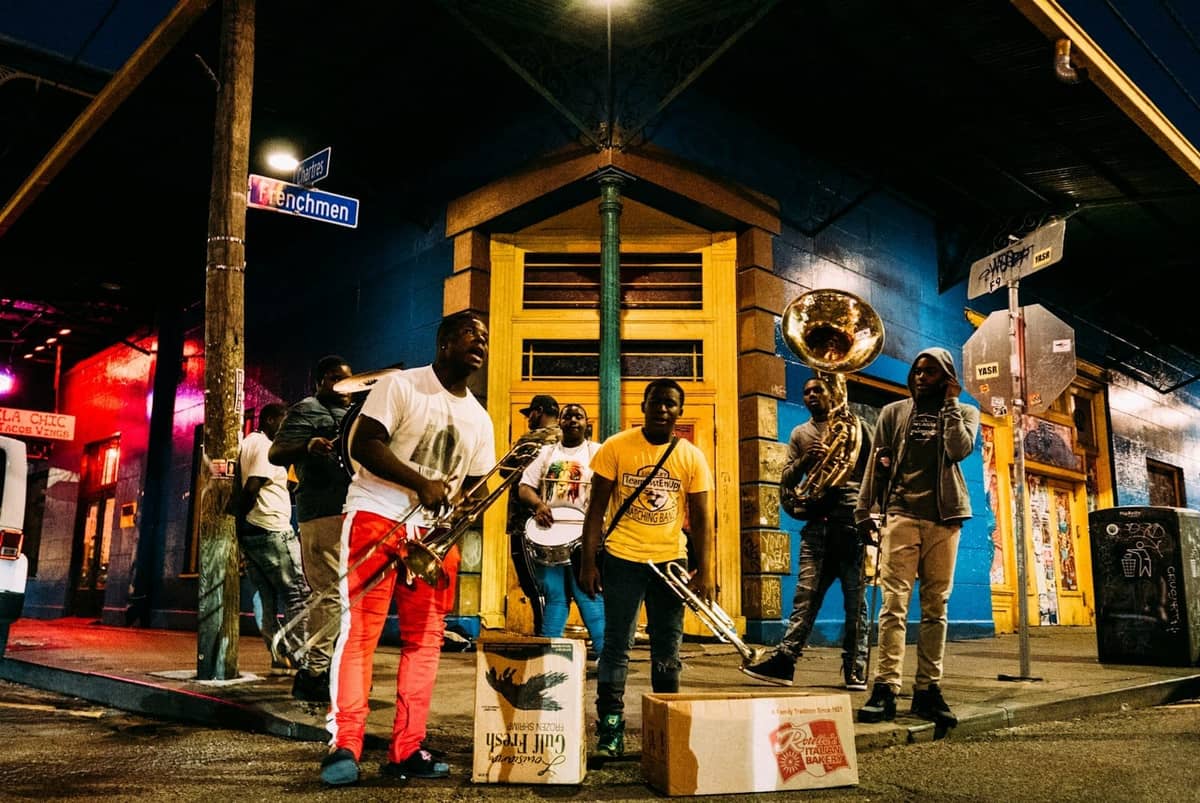
New Orleans music culture spills onto the streets, and much of the best of it is free. The jazz music scene extends well beyond paid venues, from the corner of Frenchmen Street to buskers on Royal Street performing intricate traditional jazz for tips. Walking these corridors on any evening costs nothing.
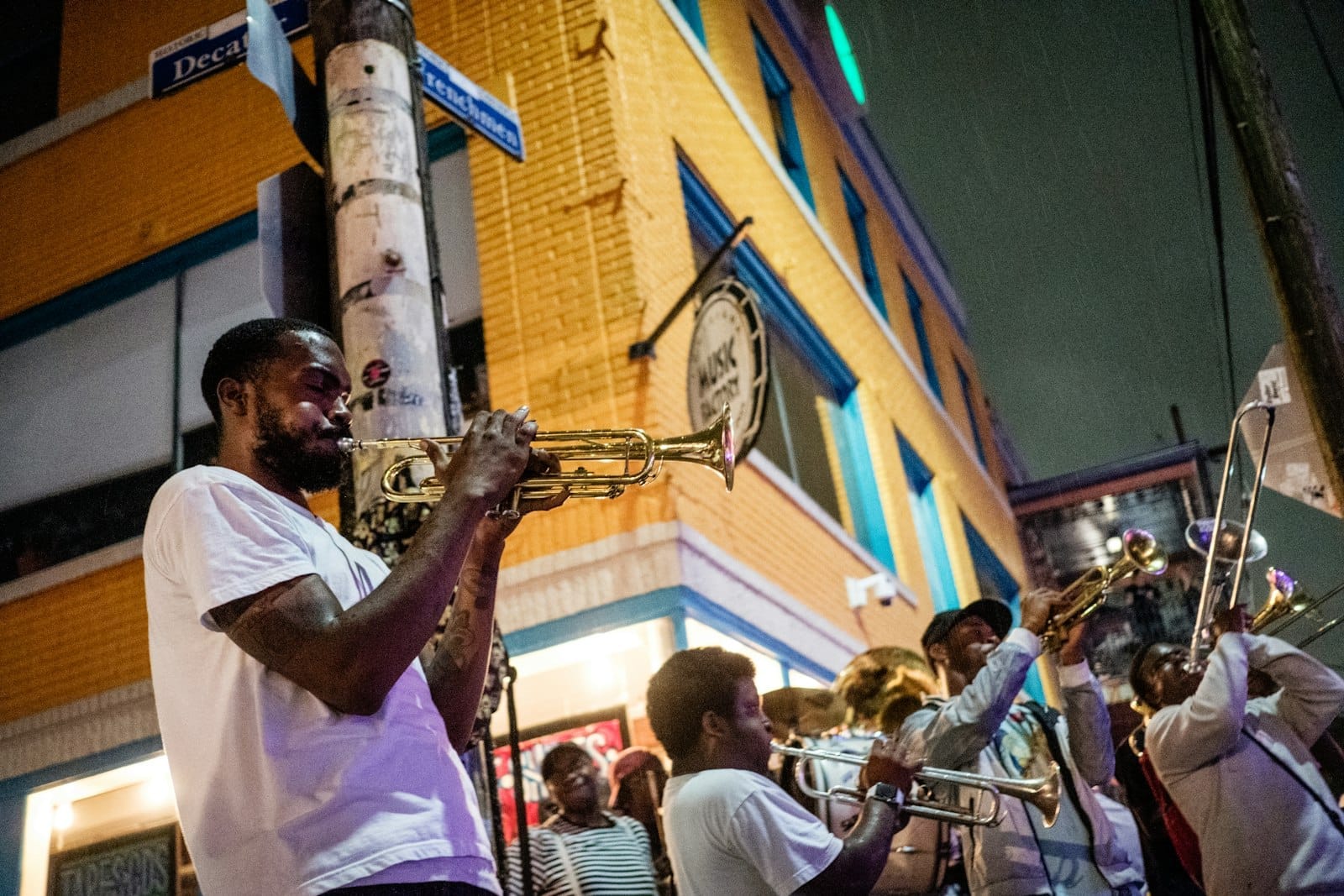
7. Hear World-Class Jazz for Free on Frenchmen Street
Most Frenchmen Street clubs charge no cover before 10pm, and the music spills out of open doors onto the sidewalk all night. The outdoor art market between the clubs adds to the scene. This is the best free music corridor in New Orleans, hands down.
Explore7. Hear World-Class Jazz for Free on Frenchmen Street
Most Frenchmen Street clubs charge no cover before 10pm, and the music spills out of open doors onto the sidewalk all night. The outdoor art market between the clubs adds to the scene. This is the best free music corridor in New Orleans, hands down.
Explore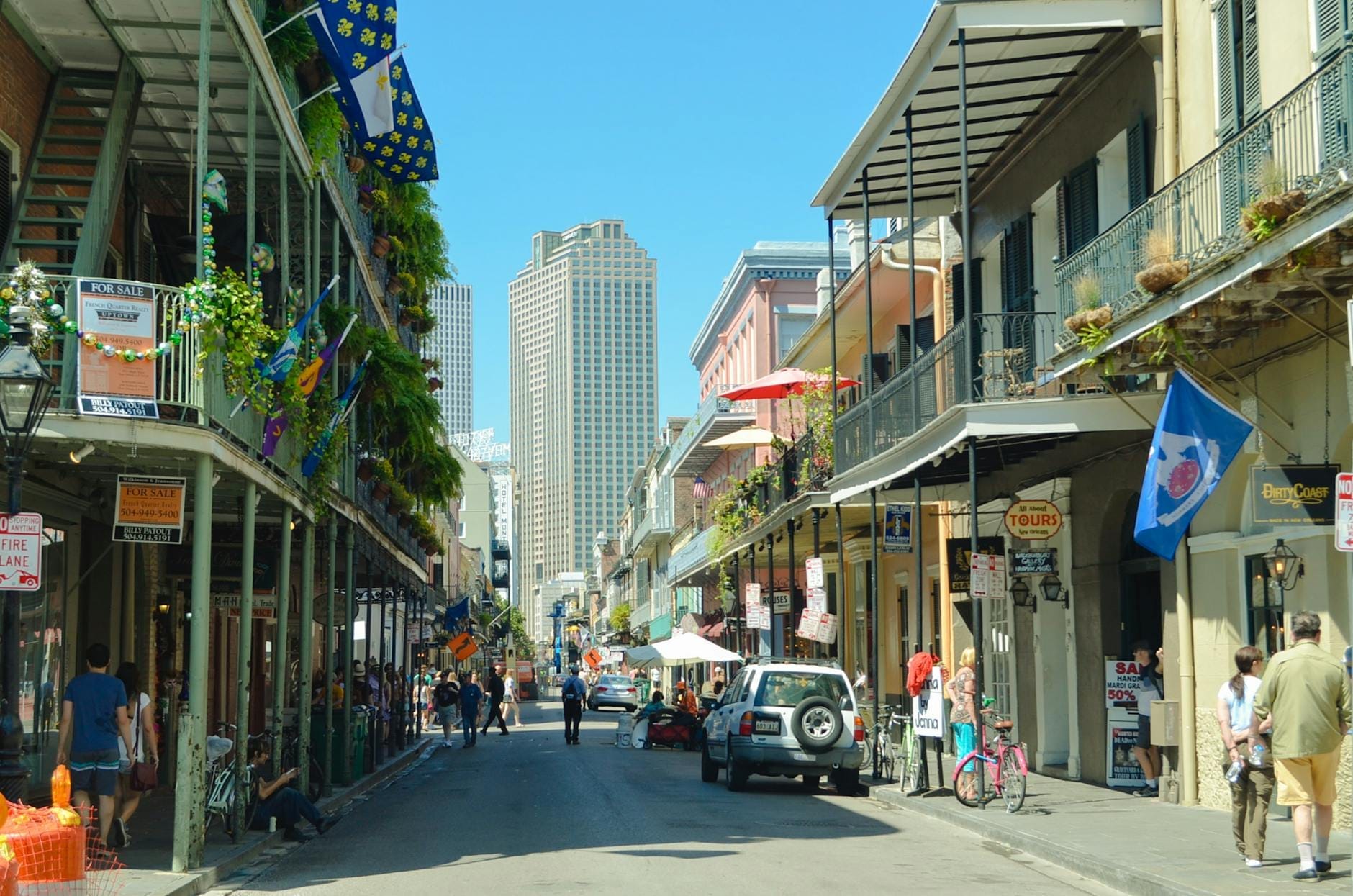
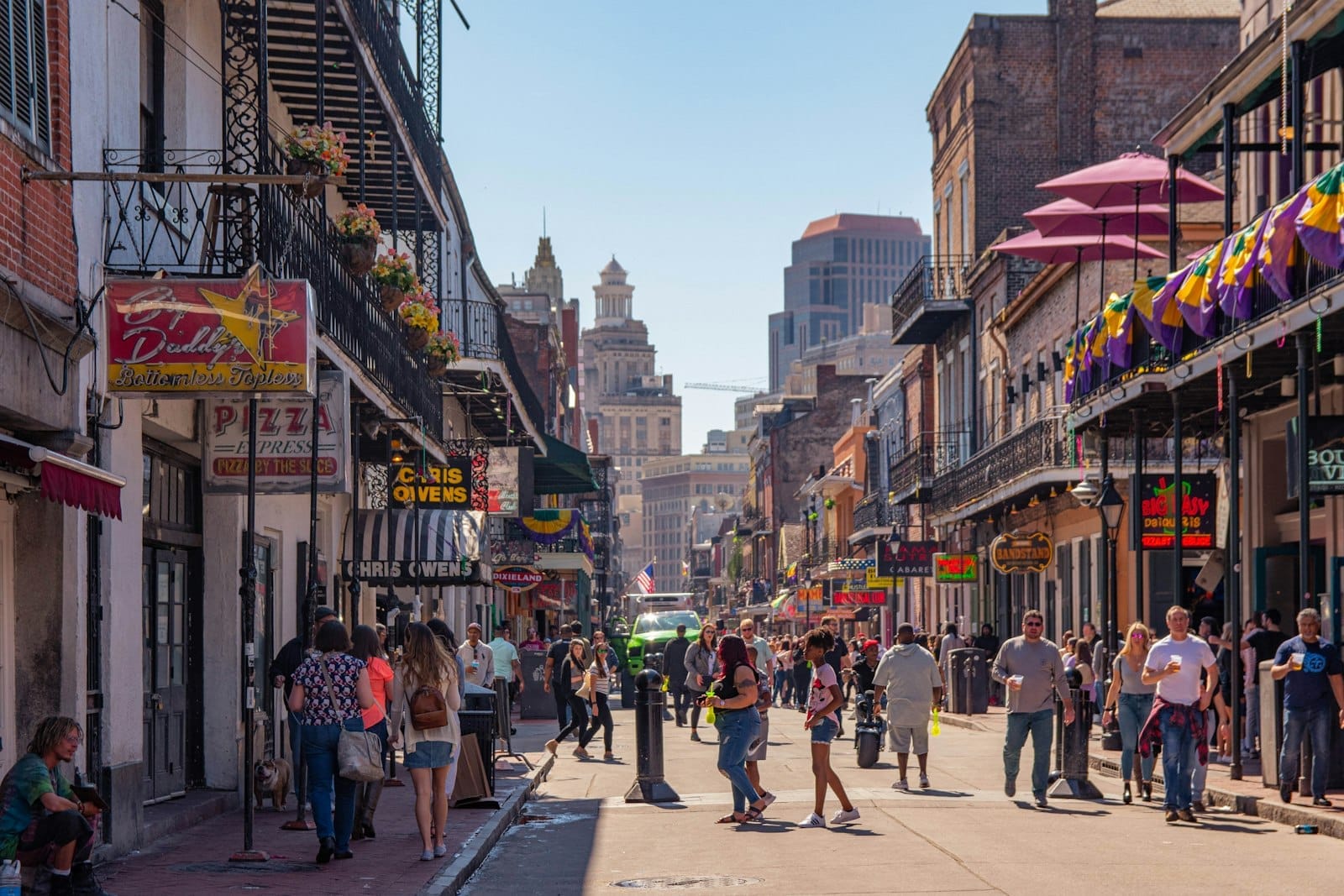
8. Walk Bourbon Street After Dark (It's Free to Stroll)
Bourbon Street charges no admission to walk. The neon signs, competing music from open bar fronts, and street crowds create a spectacle that is uniquely New Orleans. It's loud and touristy, but experiencing it at least once is part of understanding the city.
Explore8. Walk Bourbon Street After Dark (It's Free to Stroll)
Bourbon Street charges no admission to walk. The neon signs, competing music from open bar fronts, and street crowds create a spectacle that is uniquely New Orleans. It's loud and touristy, but experiencing it at least once is part of understanding the city.
Explore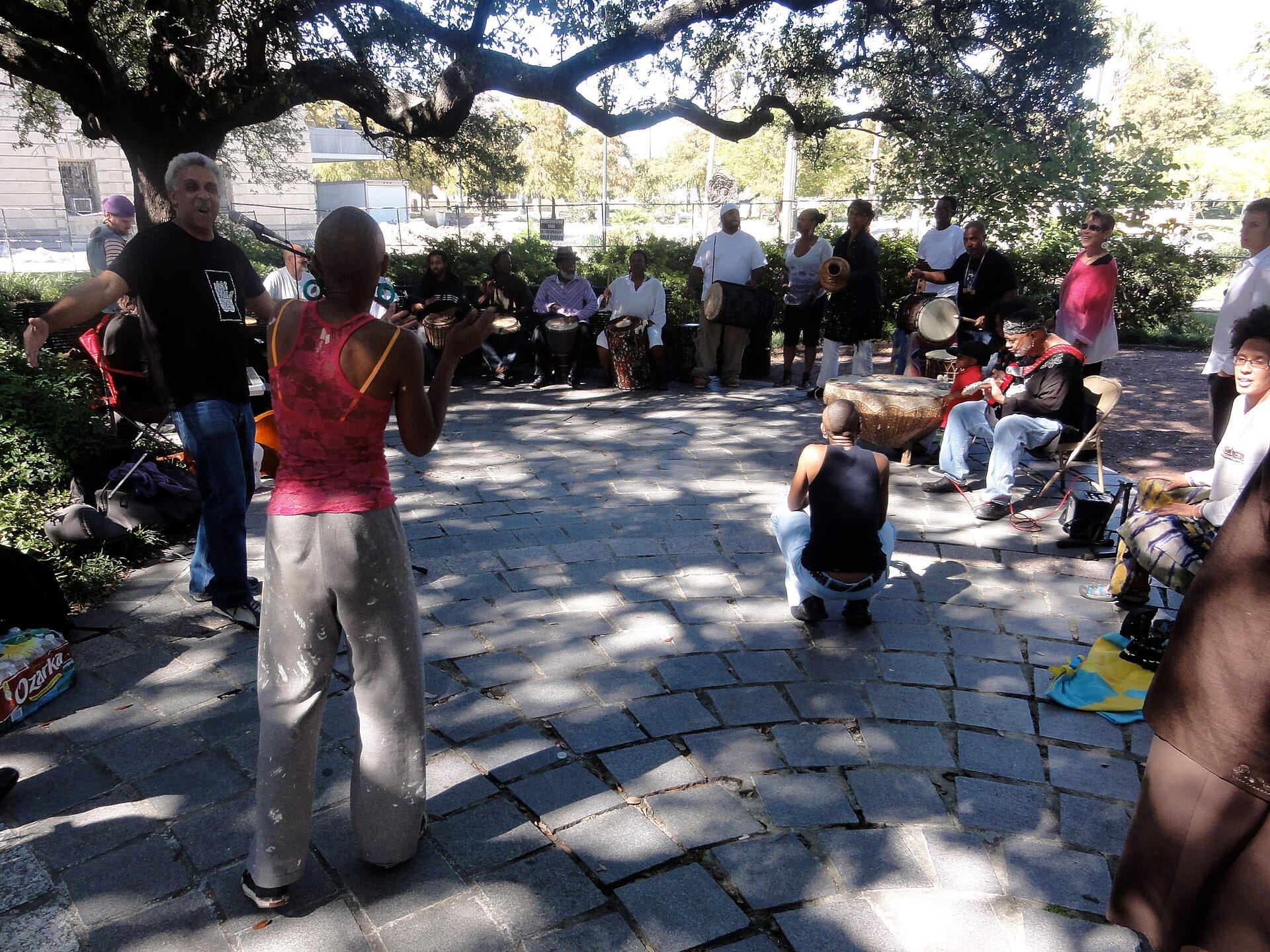
9. Visit the Birthplace of Jazz at Congo Square
Congo Square inside Louis Armstrong Park is free to enter. This is where enslaved Africans gathered on Sundays to play music, preserving African traditions that seeded jazz itself. The historical weight of standing here is extraordinary and entirely free to experience.
Explore9. Visit the Birthplace of Jazz at Congo Square
Congo Square inside Louis Armstrong Park is free to enter. This is where enslaved Africans gathered on Sundays to play music, preserving African traditions that seeded jazz itself. The historical weight of standing here is extraordinary and entirely free to experience.
Explore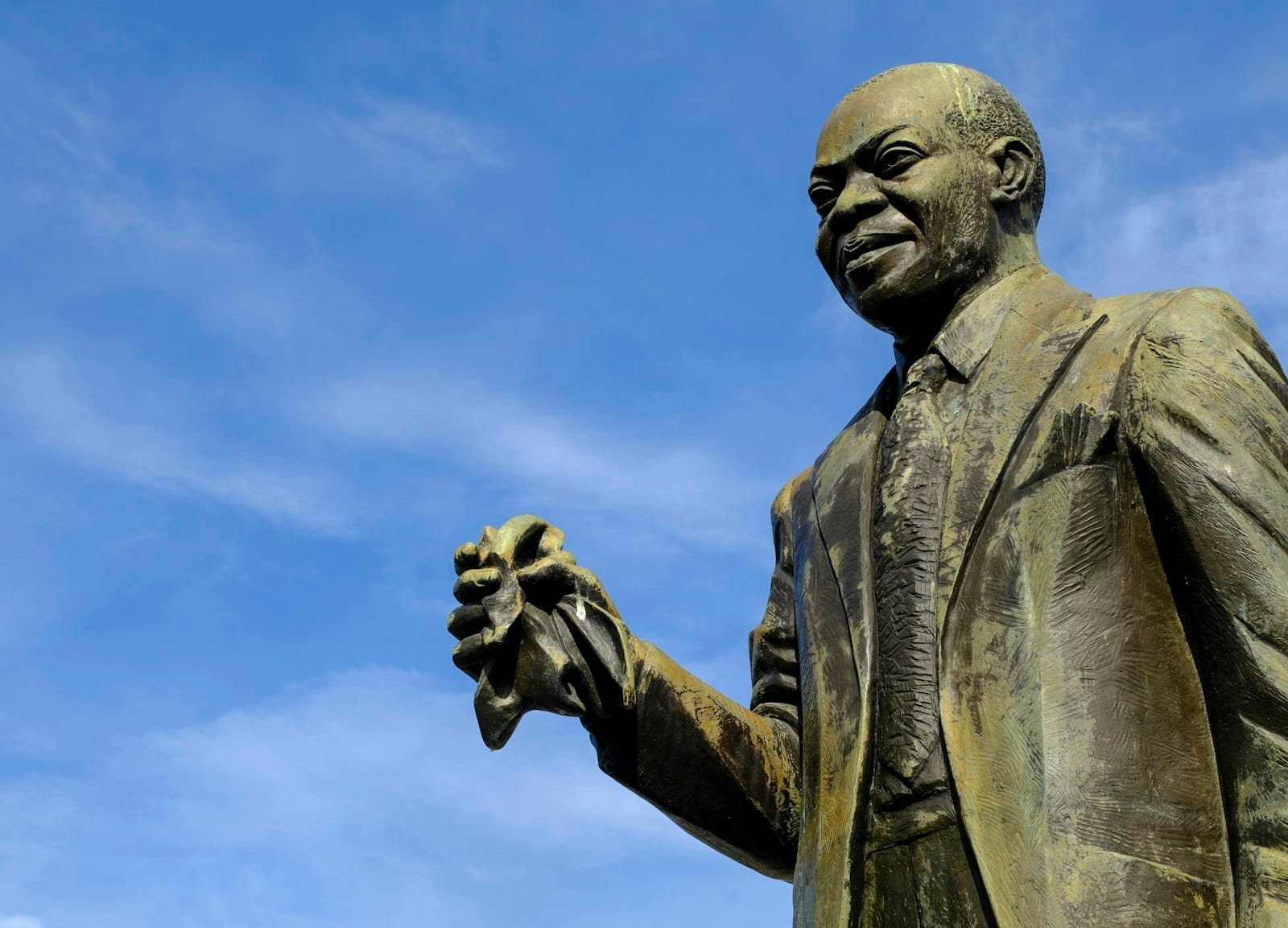
10. Walk Through Louis Armstrong Park in the Tremé
The park is free and open daily. Its grand entrance arch, lagoons, and bronze statue of Louis Armstrong sit at the gateway to the Tremé, the oldest African American neighborhood in the country. Combine it with Congo Square for a meaningful half-hour loop.
Explore10. Walk Through Louis Armstrong Park in the Tremé
The park is free and open daily. Its grand entrance arch, lagoons, and bronze statue of Louis Armstrong sit at the gateway to the Tremé, the oldest African American neighborhood in the country. Combine it with Congo Square for a meaningful half-hour loop.
ExploreParks, Riverfront & Outdoor Spaces
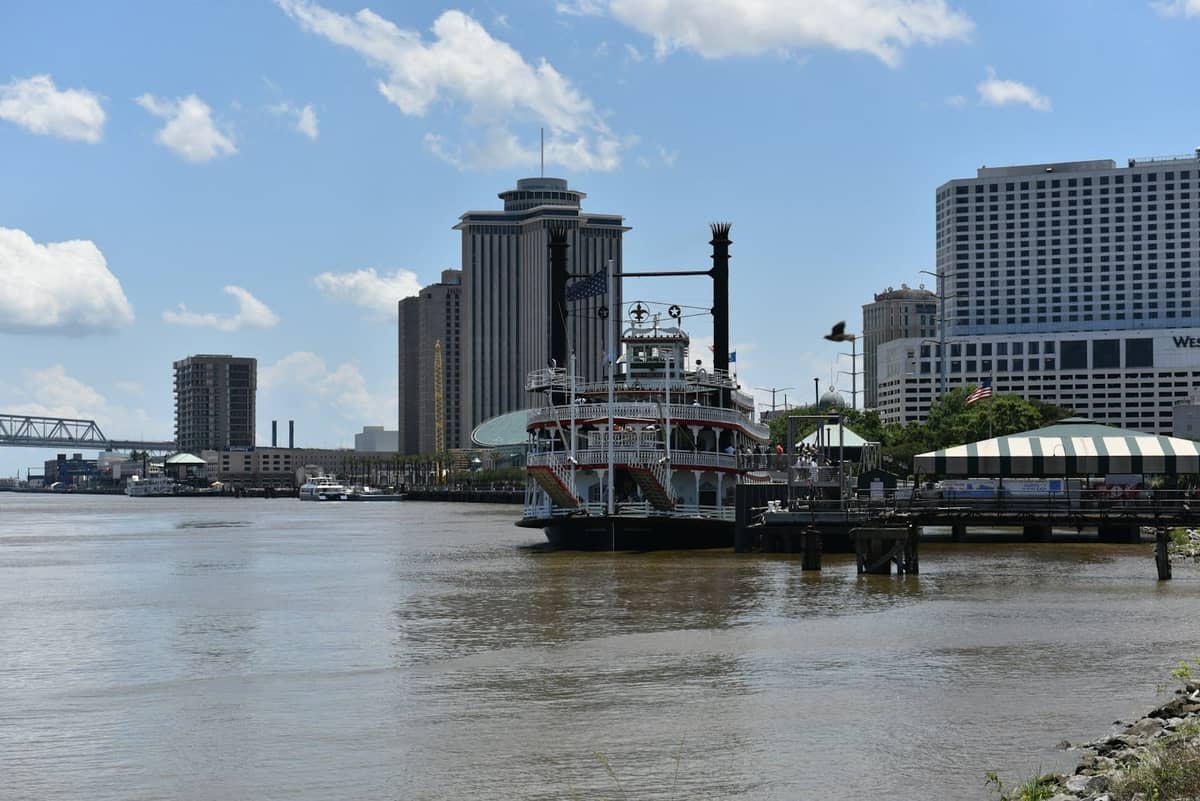
New Orleans has exceptional public green space, from the formal gardens of Mid-City to the modern riverfront parks of Marigny and Bywater. Most are free and easily combined into a half-day outdoor itinerary.
11. Explore One of America's Finest Free Sculpture Gardens
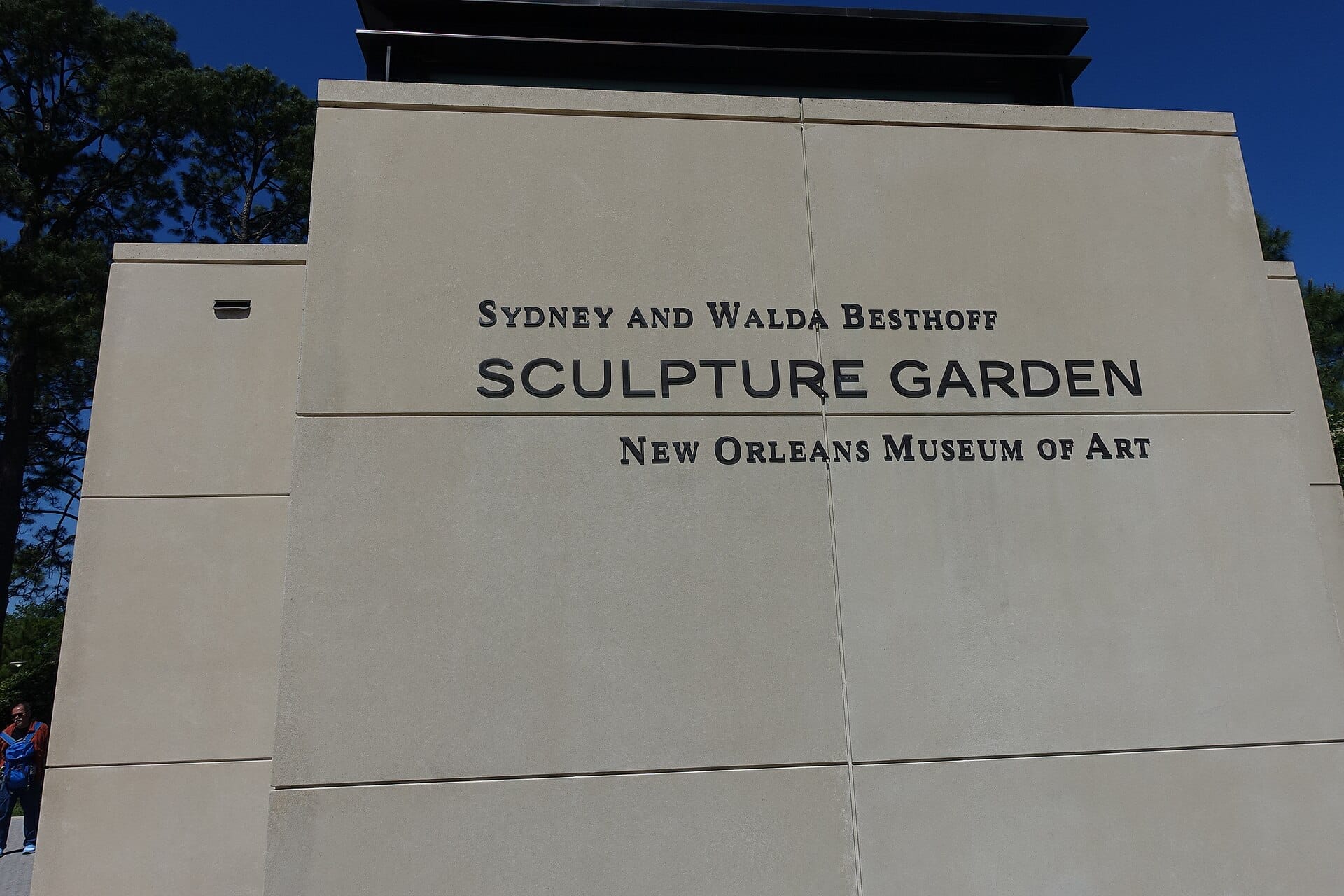
The Besthoff Sculpture Garden in City Park is free and open seven days a week. Over 90 works by major 20th and 21st-century sculptors are arranged across 11 acres of live oaks and lagoons. Plan an hour; it consistently rivals paid museum experiences in quality.
Explore11. Explore One of America's Finest Free Sculpture Gardens
The Besthoff Sculpture Garden in City Park is free and open seven days a week. Over 90 works by major 20th and 21st-century sculptors are arranged across 11 acres of live oaks and lagoons. Plan an hour; it consistently rivals paid museum experiences in quality.
Explore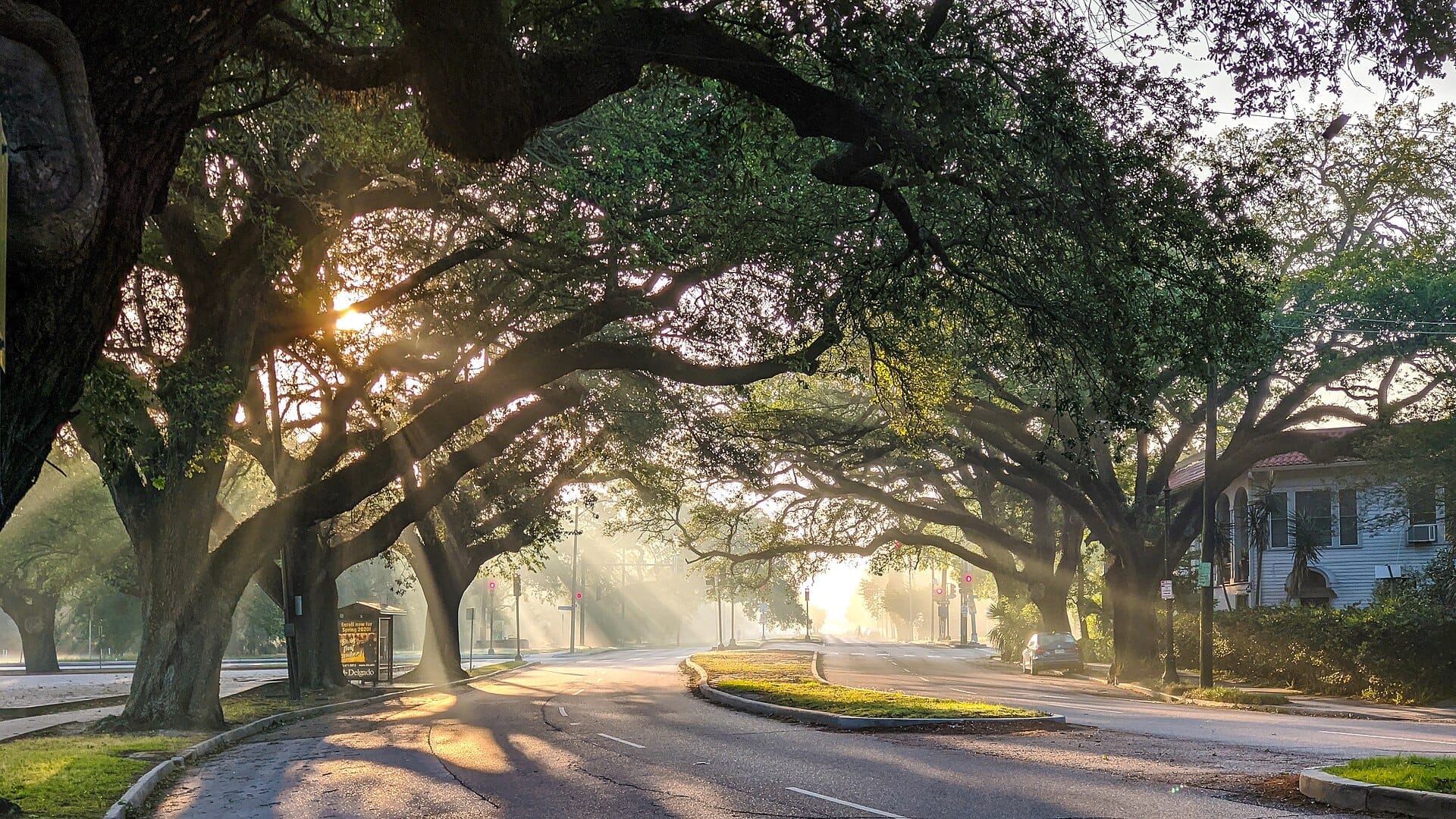
12. Spend a Morning in the 1,300-Acre City Park
City Park's trails, lagoons, ancient live oaks, and open fields are all free. Bring a bike or just walk. The park's paid attractions like Botanical Garden and Carousel Gardens are optional add-ons; the green space alone is worth the trip out to Mid-City.
Explore12. Spend a Morning in the 1,300-Acre City Park
City Park's trails, lagoons, ancient live oaks, and open fields are all free. Bring a bike or just walk. The park's paid attractions like Botanical Garden and Carousel Gardens are optional add-ons; the green space alone is worth the trip out to Mid-City.
Explore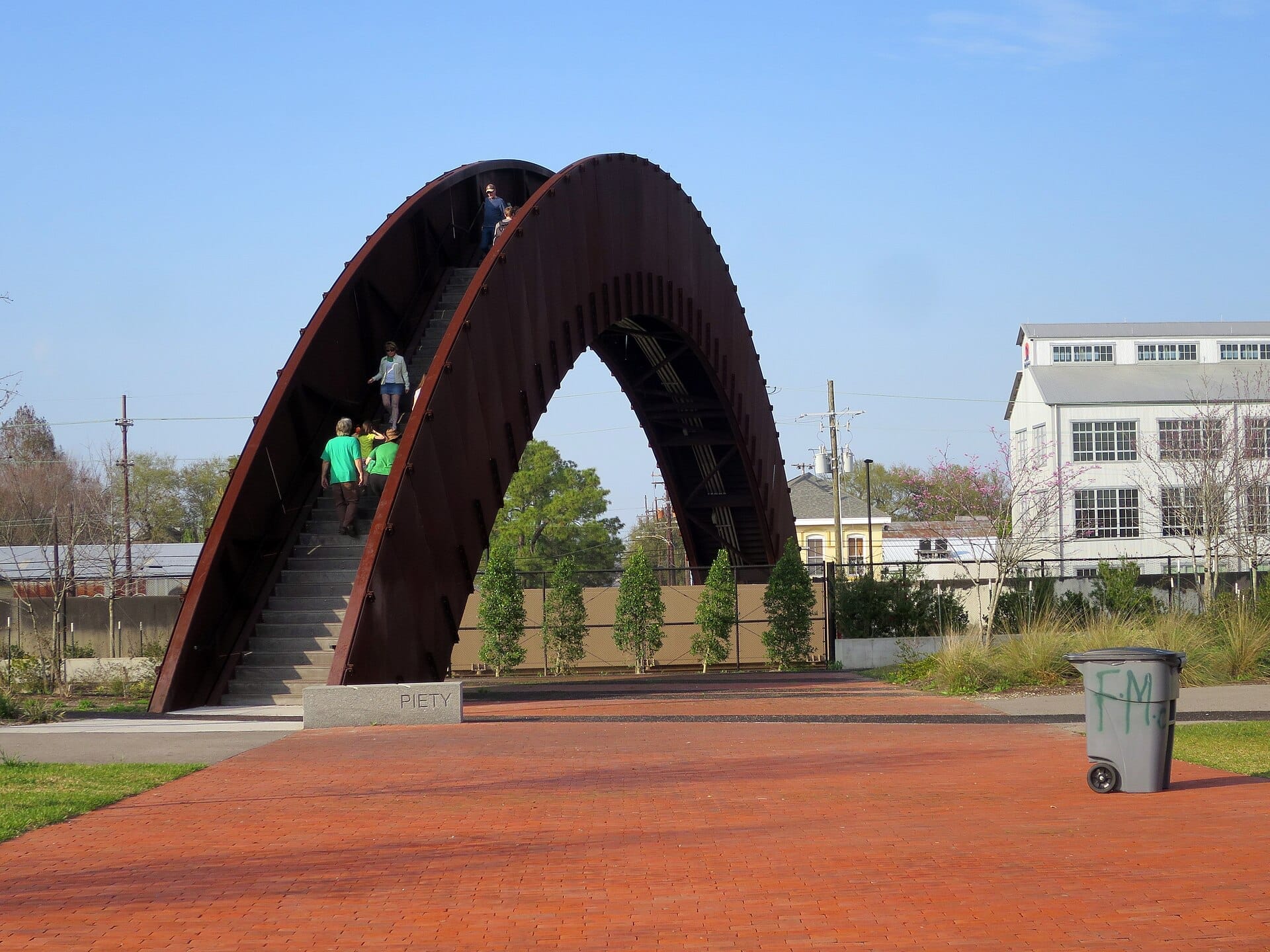
13. Watch the Mississippi from Crescent Park in Bywater
Crescent Park is a free, beautifully designed riverfront space in the Marigny and Bywater. The arched pedestrian bridge, riverside promenade, and views of the Crescent City Connection make it the most photogenic free outdoor spot outside the French Quarter.
Explore13. Watch the Mississippi from Crescent Park in Bywater
Crescent Park is a free, beautifully designed riverfront space in the Marigny and Bywater. The arched pedestrian bridge, riverside promenade, and views of the Crescent City Connection make it the most photogenic free outdoor spot outside the French Quarter.
Explore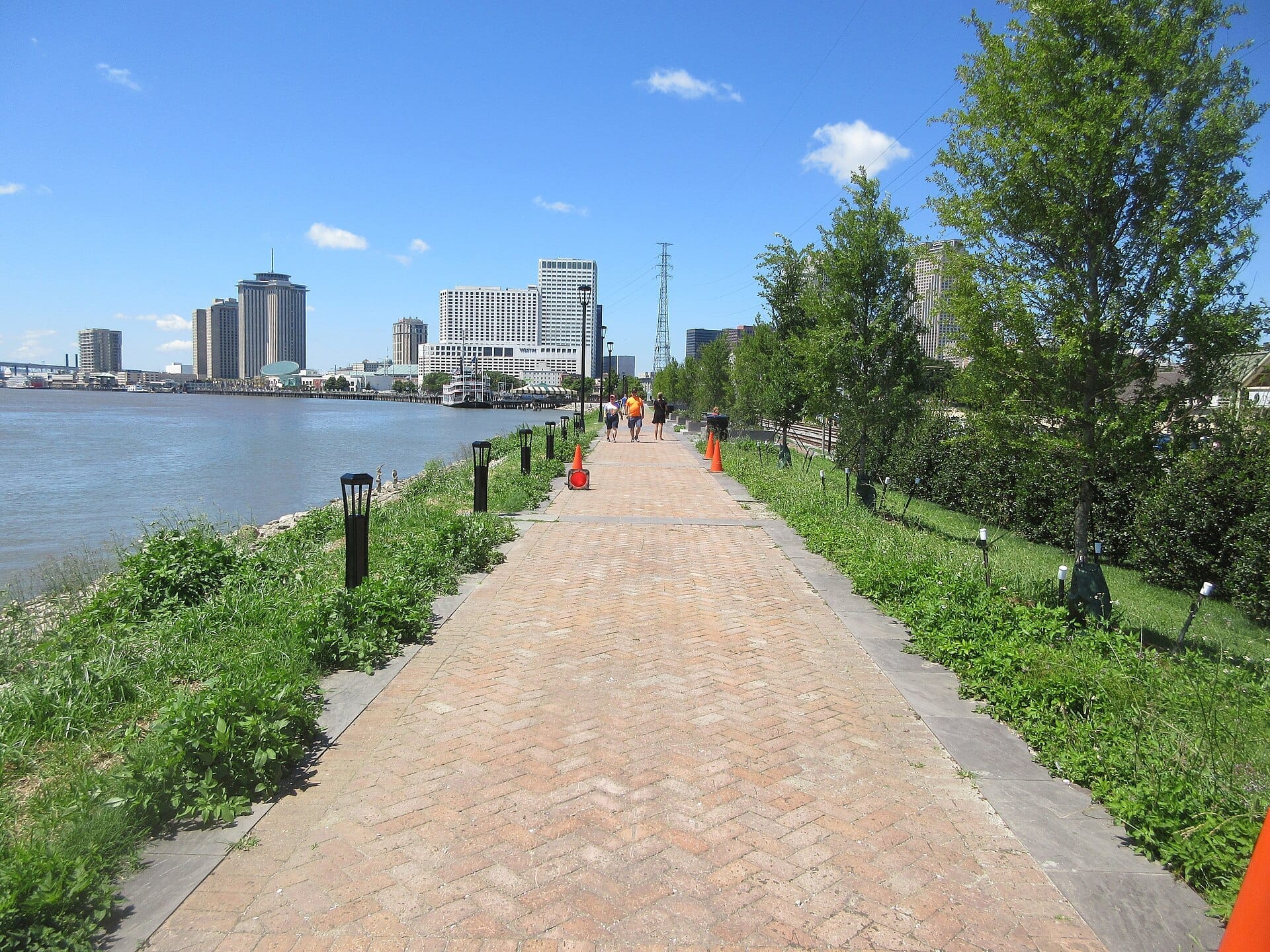
14. Watch the Sunset Over the Mississippi from Moon Walk
The Moon Walk is a free riverside promenade directly behind Jackson Square. Watching cargo ships and riverboats pass while the sun drops behind the West Bank is one of the most quietly spectacular free experiences in New Orleans. Best visited late afternoon.
Explore14. Watch the Sunset Over the Mississippi from Moon Walk
The Moon Walk is a free riverside promenade directly behind Jackson Square. Watching cargo ships and riverboats pass while the sun drops behind the West Bank is one of the most quietly spectacular free experiences in New Orleans. Best visited late afternoon.
Explore✨ Pro tip
City Park is large and spread out. The Besthoff Sculpture Garden, Museum of Art entrance, and Botanical Garden are clustered near the main entrance on Collins Diboll Circle, so you can hit multiple stops in one visit without backtracking.
Markets, Neighborhoods & Street Life
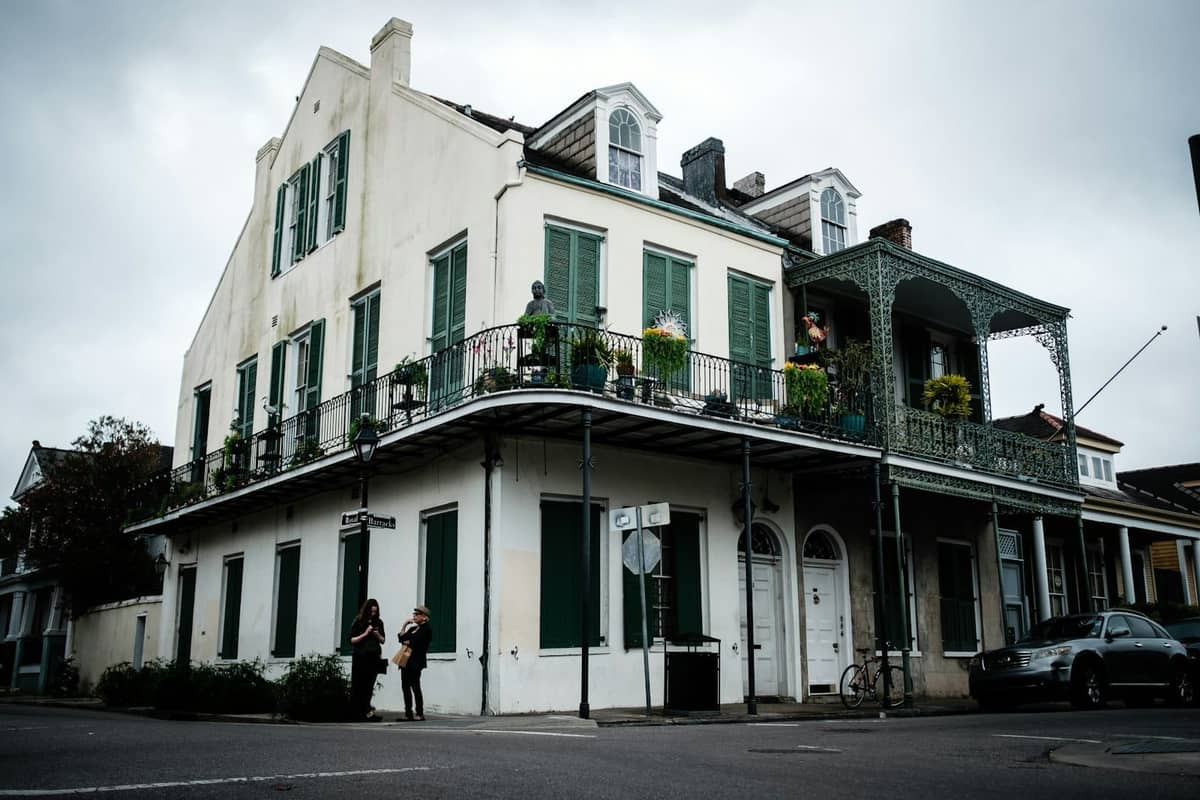
Some of the best free time in New Orleans is spent simply walking a neighborhood. The Garden District and Uptown offer antebellum mansions and oak-shaded sidewalks that cost nothing to walk through. Markets are free to browse even if you spend nothing inside.
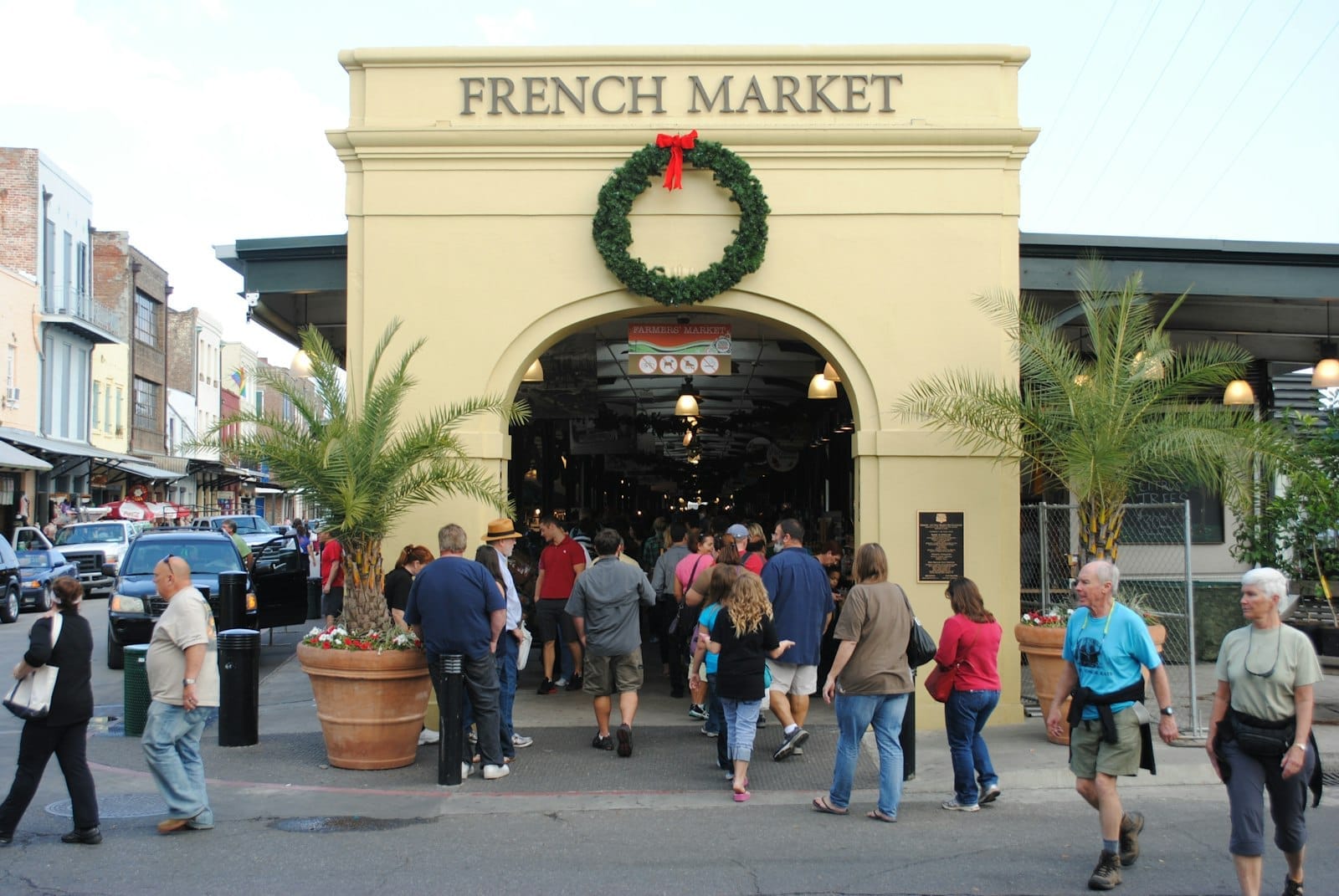
15. Browse the Oldest Public Market in the Country
The French Market along the riverfront is free to walk through. Produce stalls, Creole spice vendors, local crafts, and street food line the covered arcade. You can browse without buying; the atmosphere and architecture of the market sheds are worth the detour alone.
Explore15. Browse the Oldest Public Market in the Country
The French Market along the riverfront is free to walk through. Produce stalls, Creole spice vendors, local crafts, and street food line the covered arcade. You can browse without buying; the atmosphere and architecture of the market sheds are worth the detour alone.
Explore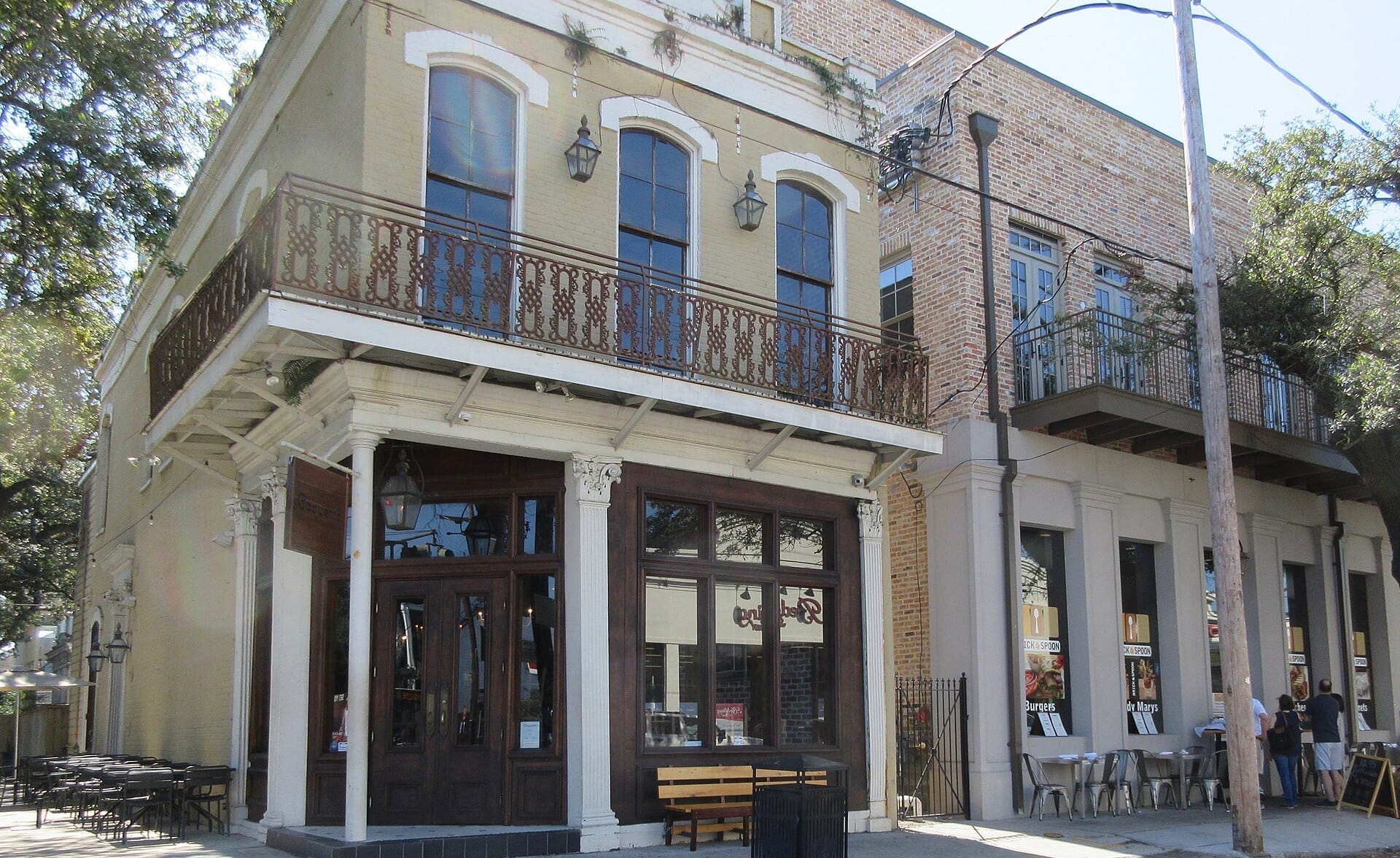
16. Window-Shop Six Miles of Boutiques on Magazine Street
Magazine Street is free to walk and rewards a long, slow stroll. Six miles of antique shops, art galleries, and independent boutiques run through the Garden District and Uptown. Even without buying anything, it's a genuinely pleasant way to see how locals live.
Explore16. Window-Shop Six Miles of Boutiques on Magazine Street
Magazine Street is free to walk and rewards a long, slow stroll. Six miles of antique shops, art galleries, and independent boutiques run through the Garden District and Uptown. Even without buying anything, it's a genuinely pleasant way to see how locals live.
Explore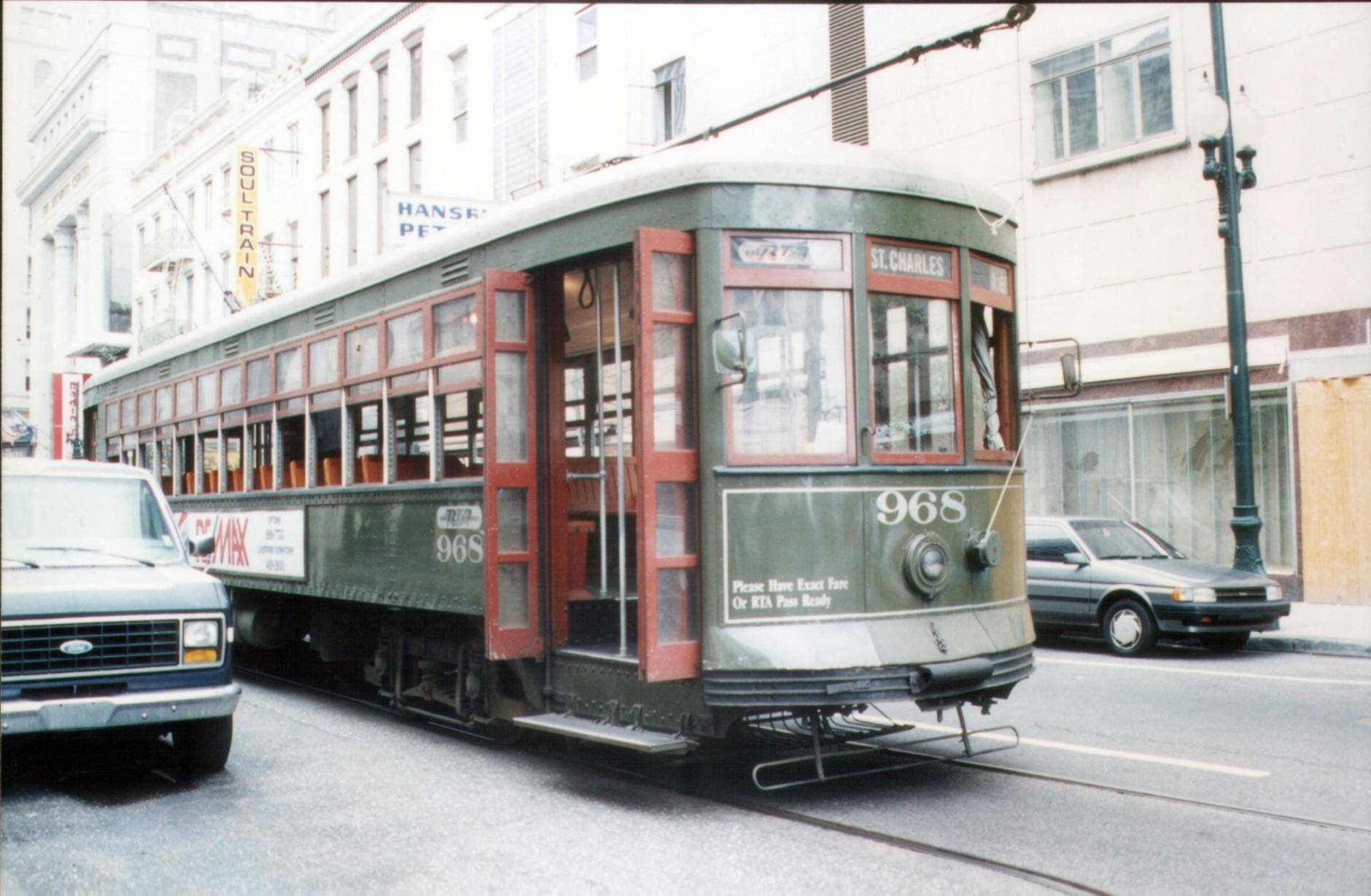
17. Ride the World's Oldest Streetcar Line for $1.25
At $1.25 per ride, the St. Charles Streetcar is nearly free and ranks among the most scenic public transit rides in America. The oak-canopied route from Canal Street through the Garden District to Carrollton shows you the city's grandest residential architecture in real time.
Explore17. Ride the World's Oldest Streetcar Line for $1.25
At $1.25 per ride, the St. Charles Streetcar is nearly free and ranks among the most scenic public transit rides in America. The oak-canopied route from Canal Street through the Garden District to Carrollton shows you the city's grandest residential architecture in real time.
ExploreHistoric Sites & Cemeteries
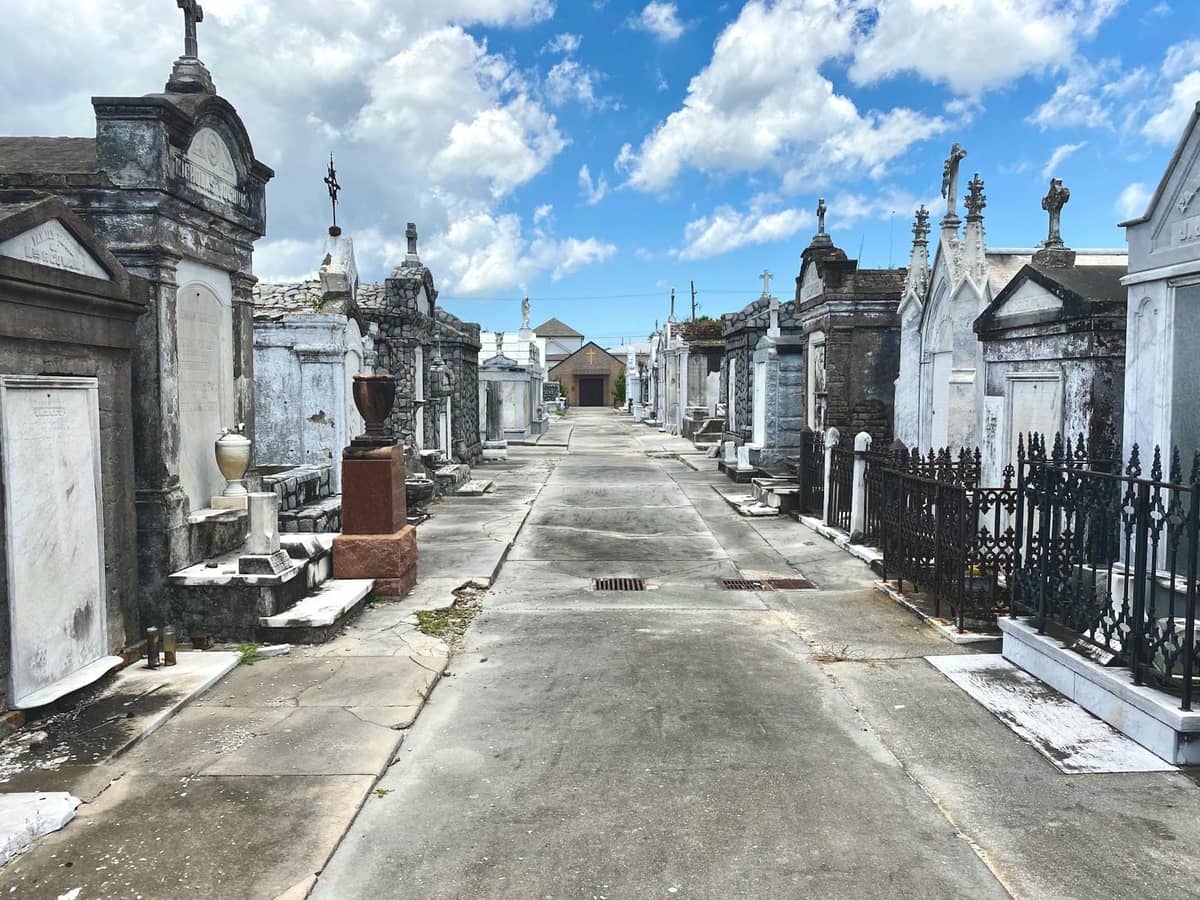
New Orleans' history runs deep and much of it is visible from the street. The city's above-ground cemeteries and historic Tremé neighborhood are central to understanding the culture that produced jazz, Voodoo, and Creole identity. For deeper context on the history, see our New Orleans history guide.
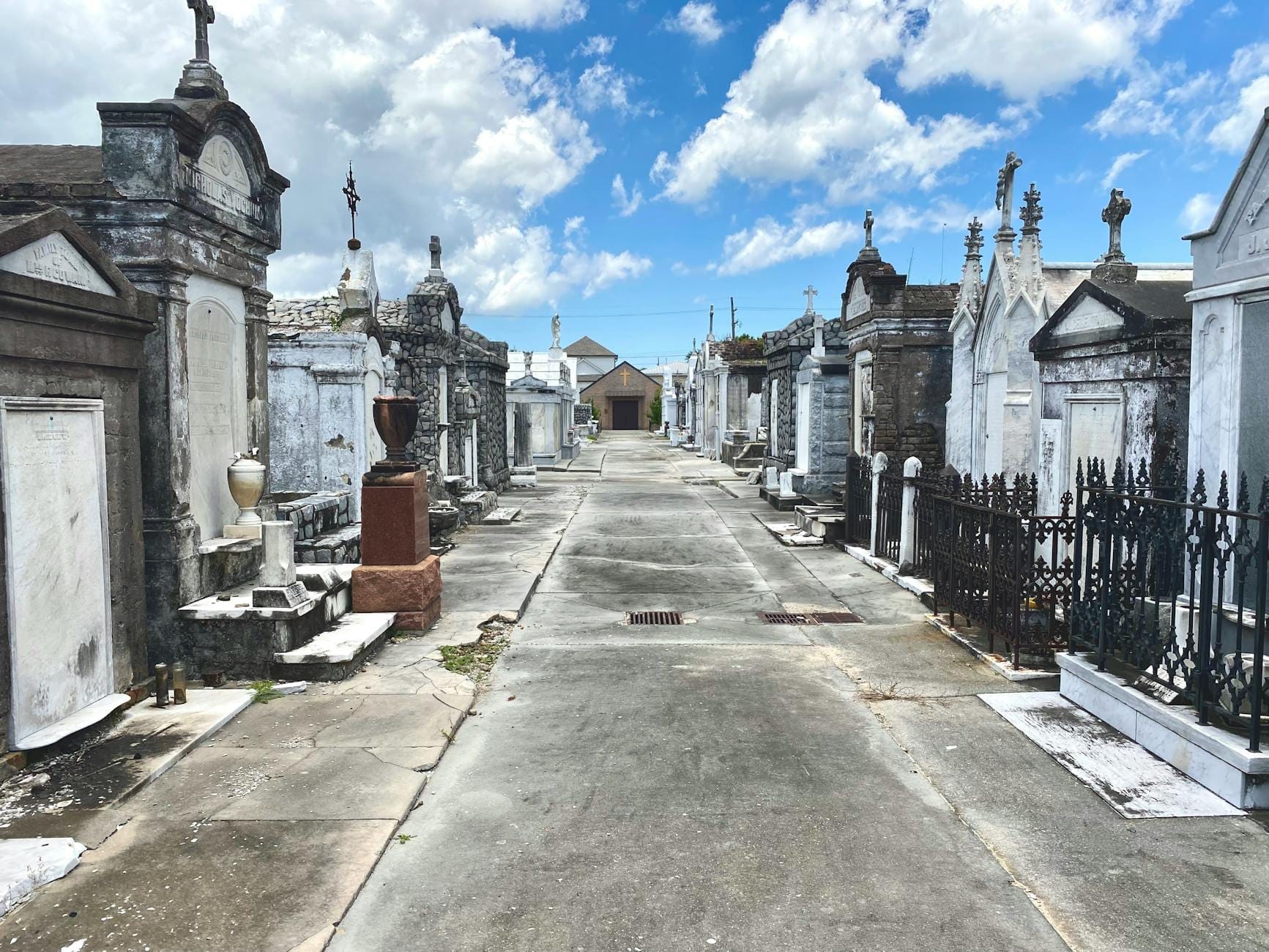
18. See New Orleans' City of the Dead at St. Louis Cemetery No. 1
St. Louis Cemetery No. 1 requires a paid authorized tour (no independent entry since 2015); it is not a free activity. The above-ground tombs, dating to 1789, and the alleged tomb of Marie Laveau make this the most historically charged site in New Orleans. Book through an Archdiocese-approved operator in advance.
Explore18. See New Orleans' City of the Dead at St. Louis Cemetery No. 1
St. Louis Cemetery No. 1 requires a paid authorized tour (no independent entry since 2015); it is not a free activity. The above-ground tombs, dating to 1789, and the alleged tomb of Marie Laveau make this the most historically charged site in New Orleans. Book through an Archdiocese-approved operator in advance.
Explore⚠️ What to skip
St. Louis Cemetery No. 1 requires entry with an authorized tour guide. Solo visits are not permitted. Free Tours by Foot and other tip-based operators offer guided access; verify current policies before visiting.
FAQ
What is completely free to do in New Orleans?
Quite a lot. Jackson Square, the full French Quarter, Louis Armstrong Park, Congo Square, Crescent Park, Moon Walk, the Besthoff Sculpture Garden, City Park trails, Frenchmen Street (no-cover hours), Magazine Street, and the French Market are all free to visit. Street music throughout the French Quarter and Marigny is also free.
Is the Besthoff Sculpture Garden at NOMA really free?
Yes. The Sydney and Walda Besthoff Sculpture Garden in City Park is free and open seven days a week. The New Orleans Museum of Art (NOMA) building next to it charges admission, but the outdoor garden is entirely separate and always free.
Can I watch live jazz in New Orleans for free?
Yes. Royal Street buskers, Congo Square in Louis Armstrong Park, and Frenchmen Street (where music spills from open club doors with no cover before 10pm) all offer live jazz at no cost. French Quarter Fest in late April is a major free music festival spread across multiple stages.
Are New Orleans cemeteries free to visit?
St. Louis Cemetery No. 1 requires entry with an authorized guide (no solo access since 2015). Many tour operators offer tours that include the cemetery; tip-based options may keep costs low. Lafayette Cemetery No. 1 in the Garden District has generally been open for self-guided visits during daylight hours — verify current access before visiting.
What free things can I do in New Orleans in the summer?
Prioritize shaded or breezy options: the Besthoff Sculpture Garden under the live oaks, Moon Walk in the early morning, indoor browsing at the French Market, and evening walks on Frenchmen Street after temperatures drop. City Park is large enough to find shade. Avoid midday outdoor time in July and August when heat index regularly exceeds 100°F.