Best Walking Tours in New Orleans: Neighborhoods, History, and Hidden Stories
New Orleans rewards walkers like few cities in America. Its compact historic neighborhoods pack centuries of architecture, music, and complex history into streets you can cover on foot. This guide covers the best stops, routes, and attractions to seek out on any walking tour of the city.
Plan and book this trip
Tools from our partner Travelpayouts help you compare flights and hotels. If you book through them, we may earn a commission at no extra cost to you.
Flights
Hotels map
Walking is the best way to experience New Orleans. The city's most storied neighborhoods are dense, flat, and endlessly photogenic, and the real texture of the place lives in its ironwork balconies, above-ground cemeteries, and corner jazz clubs rather than in any single landmark. Whether you join a guided tour or build your own route, the French Quarter, Garden District, and Tremé each reward slow, deliberate exploration. This guide pairs the city's best walkable attractions with the context you need to make the most of your time on foot. For a broader overview of how to spend your days, see our things to do in New Orleans guide.
✨ Pro tip
"Free" walking tours in New Orleans are tip-based. Guides earn nothing unless you tip — $10–20 per person is standard for a good 2-hour tour. Always book in advance, even for free tours, as group sizes are capped.
The French Quarter: Where Every Walking Tour Begins
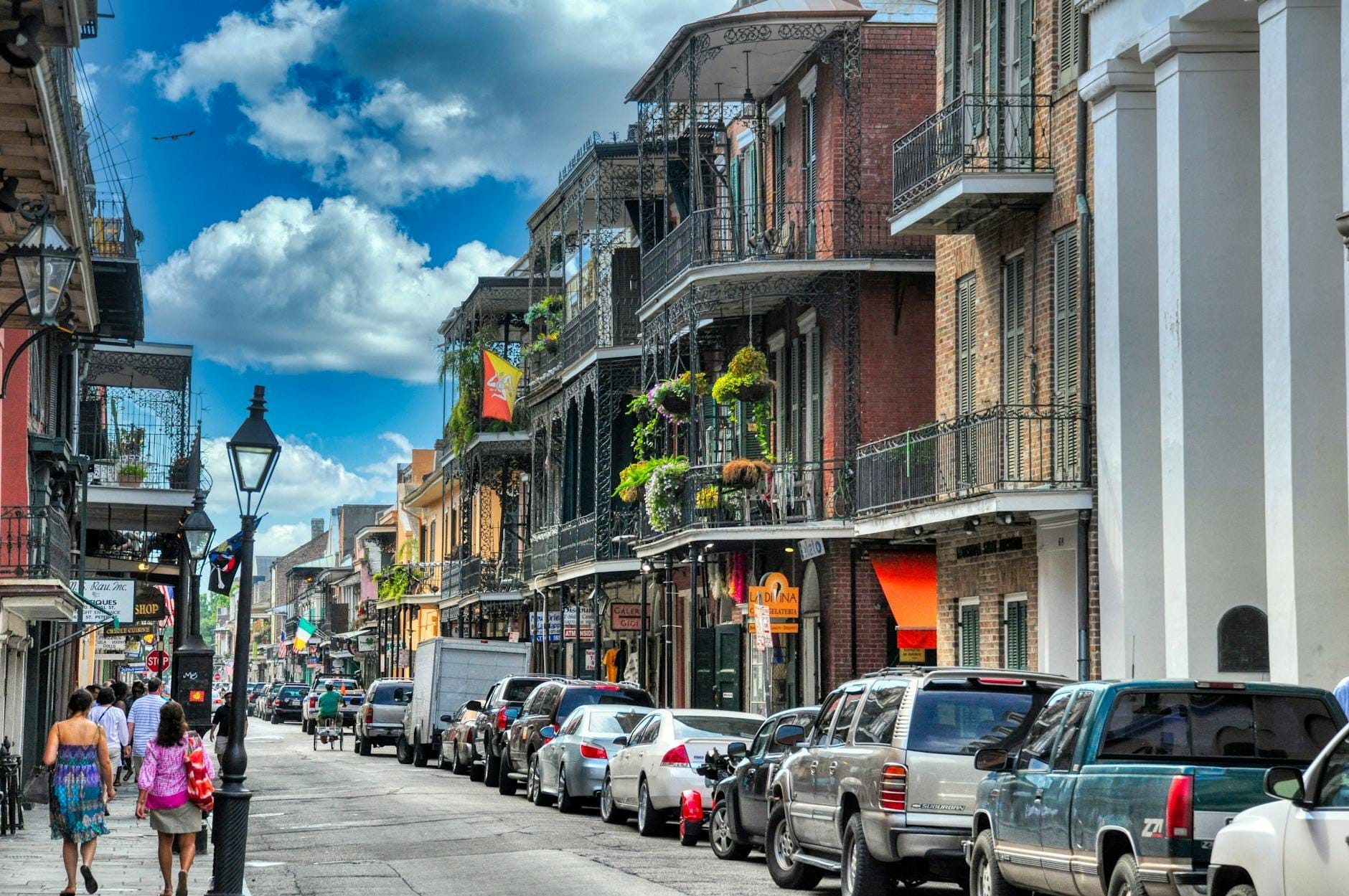
The French Quarter is the starting point for almost every walking tour in the city, and for good reason. Its 78-block grid of Spanish Colonial and Creole architecture is one of the most intact historic urban landscapes in the United States. Most guided tours cover 2 hours at a comfortable pace, hitting the major squares, streets, and haunted addresses. If you're planning your own route, Royal Street and Jackson Square are the two anchors. For photography tips on the best architectural shots, check our most Instagrammable spots in New Orleans guide.
1. Walk the Full French Quarter Historic District
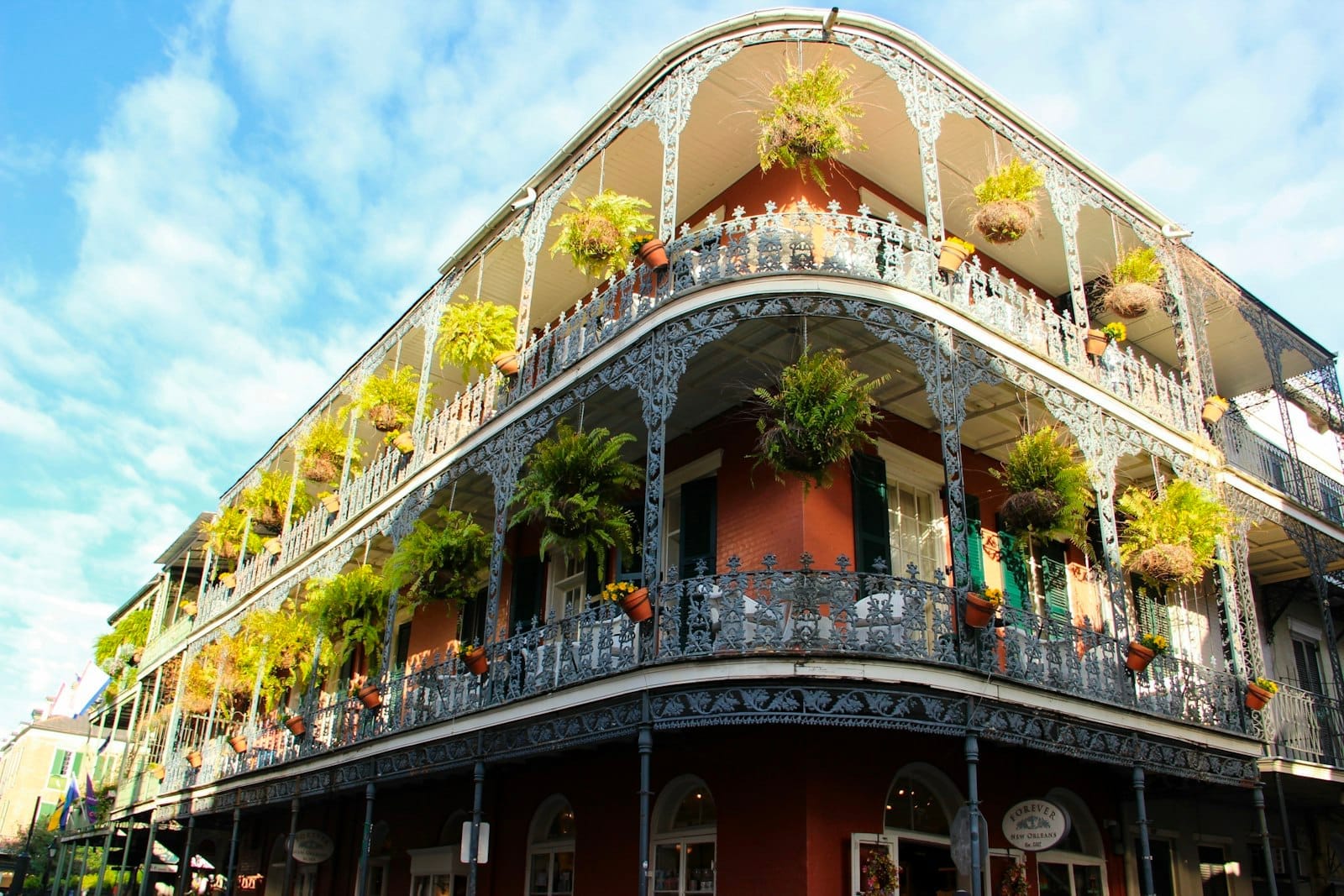
All 78 blocks of the Vieux Carré are protected under a 1936 ordinance, making this one of America's most intact historic districts. Walking tours typically trace the perimeter and core streets to explain the Spanish Colonial rebuilding after the 1788 and 1794 fires.
Explore1. Walk the Full French Quarter Historic District
All 78 blocks of the Vieux Carré are protected under a 1936 ordinance, making this one of America's most intact historic districts. Walking tours typically trace the perimeter and core streets to explain the Spanish Colonial rebuilding after the 1788 and 1794 fires.
Explore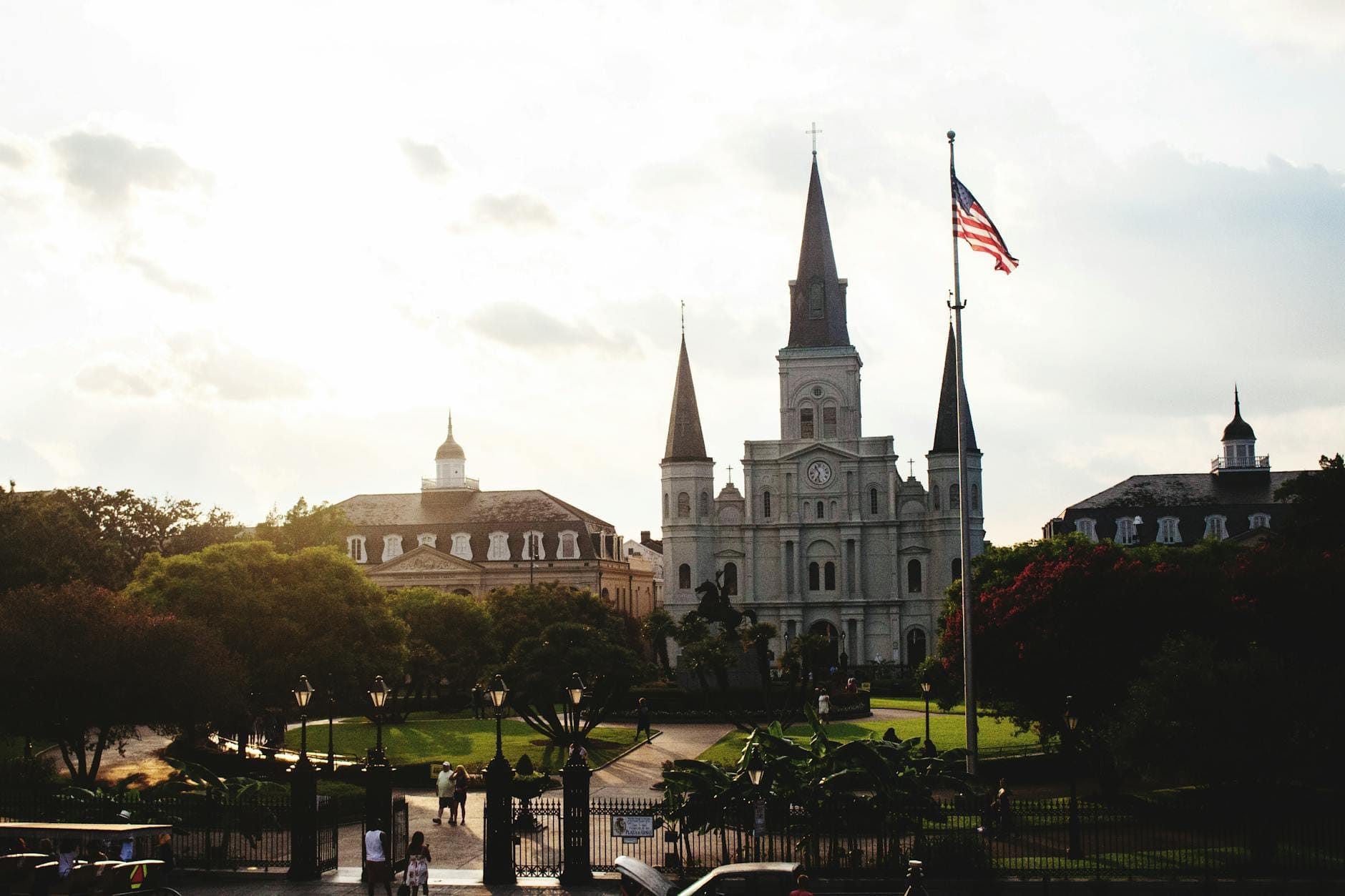
2. Start Your Route at Jackson Square
Every major French Quarter walking tour passes through Jackson Square. Street musicians, tarot readers, and portrait artists animate the square daily, while St. Louis Cathedral, the Cabildo, and Pontalba Buildings form a near-perfect ensemble of historic architecture around you.
Explore2. Start Your Route at Jackson Square
Every major French Quarter walking tour passes through Jackson Square. Street musicians, tarot readers, and portrait artists animate the square daily, while St. Louis Cathedral, the Cabildo, and Pontalba Buildings form a near-perfect ensemble of historic architecture around you.
Explore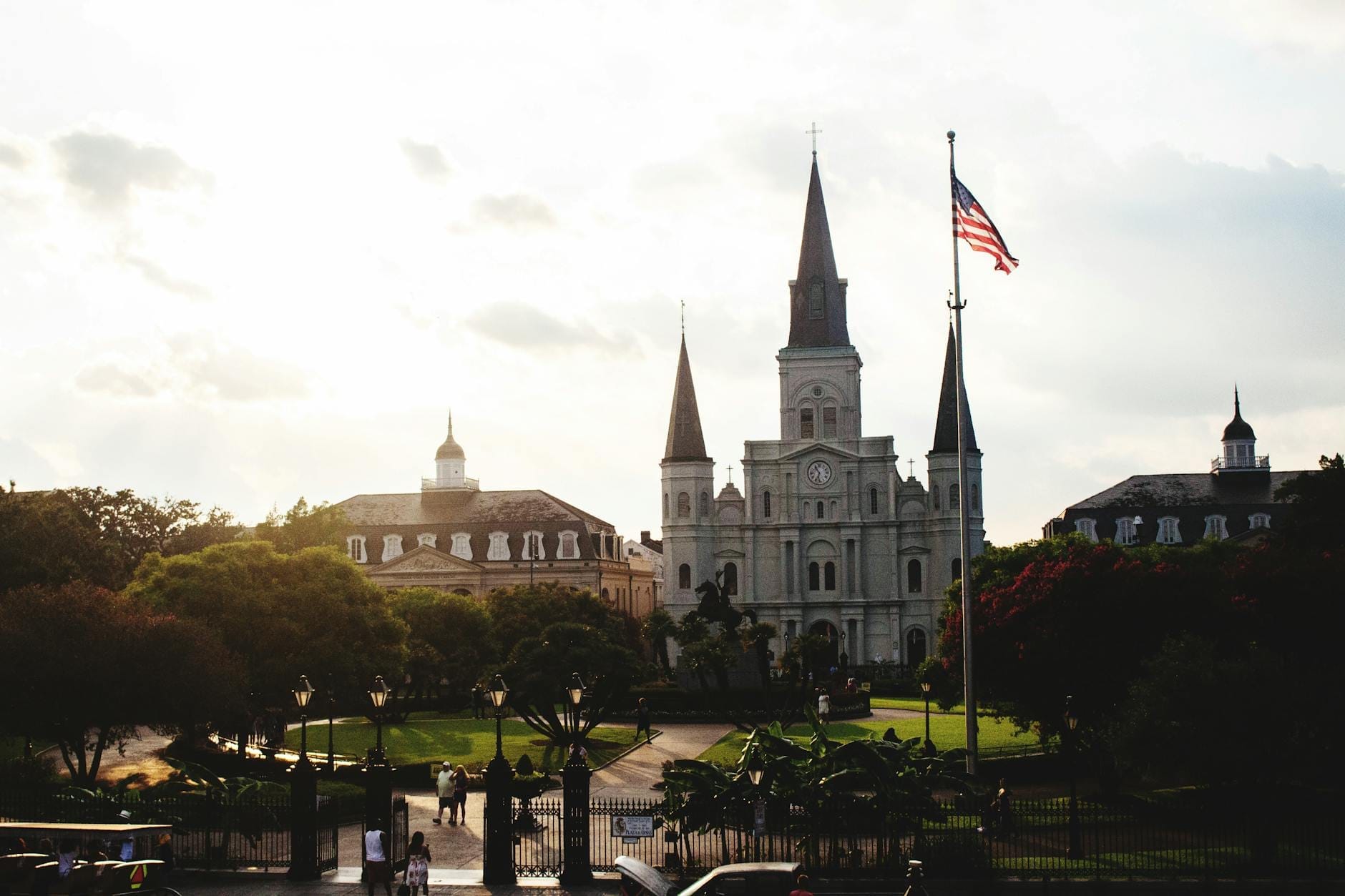
3. Step Inside the Oldest Cathedral in the U.S.
Dating to 1794, St. Louis Cathedral anchors Jackson Square with its triple white spires. Walking tours pause here to explain the city's French Catholic heritage. Entry is free; interior visits take about 15 minutes and the ceiling murals are genuinely stunning.
Explore3. Step Inside the Oldest Cathedral in the U.S.
Dating to 1794, St. Louis Cathedral anchors Jackson Square with its triple white spires. Walking tours pause here to explain the city's French Catholic heritage. Entry is free; interior visits take about 15 minutes and the ceiling murals are genuinely stunning.
Explore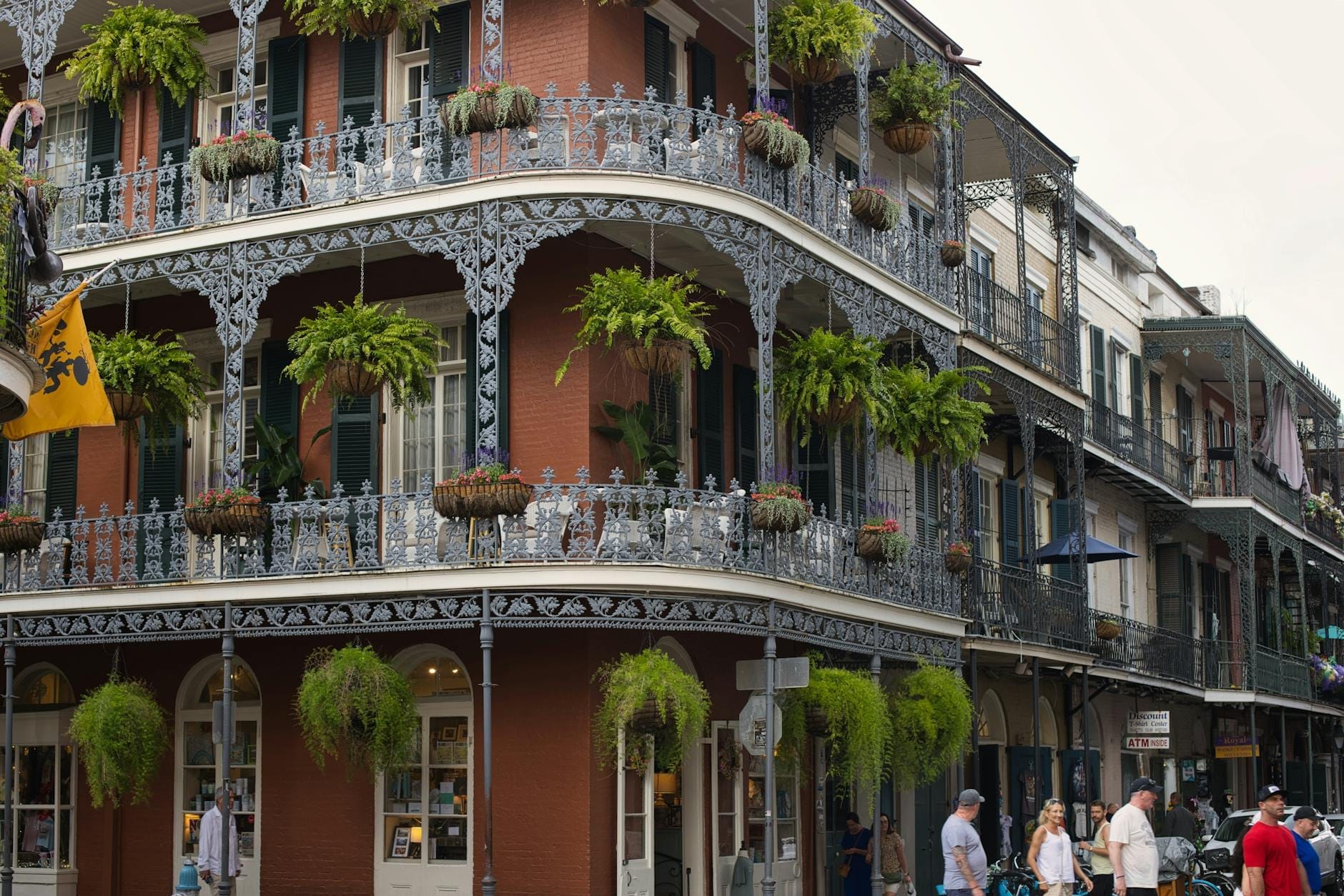
4. Stroll Royal Street for Architecture and Antiques
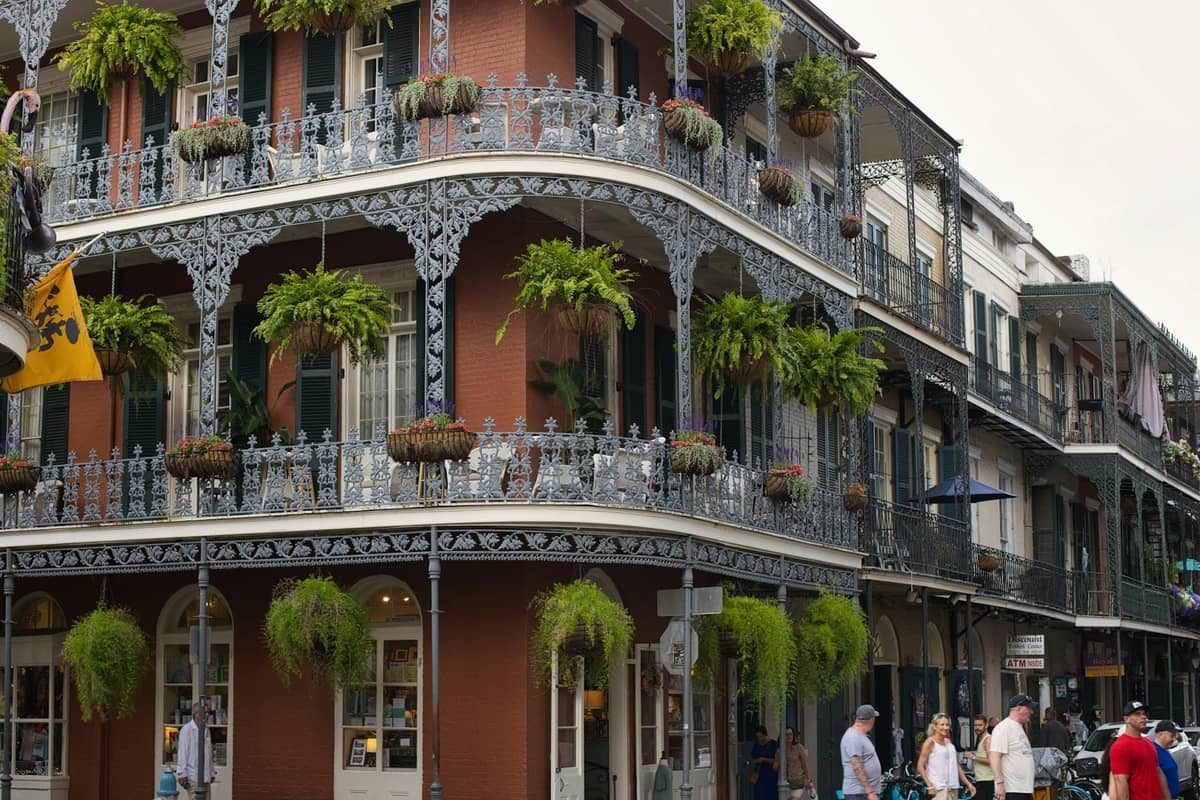
Royal Street is the French Quarter's most architecturally rewarding walk. Cast-iron balconies drip with ferns, antique dealers display their wares on the pavement, and jazz musicians set up at corners. Far quieter than Bourbon Street and far more beautiful.
Explore4. Stroll Royal Street for Architecture and Antiques
Royal Street is the French Quarter's most architecturally rewarding walk. Cast-iron balconies drip with ferns, antique dealers display their wares on the pavement, and jazz musicians set up at corners. Far quieter than Bourbon Street and far more beautiful.
Explore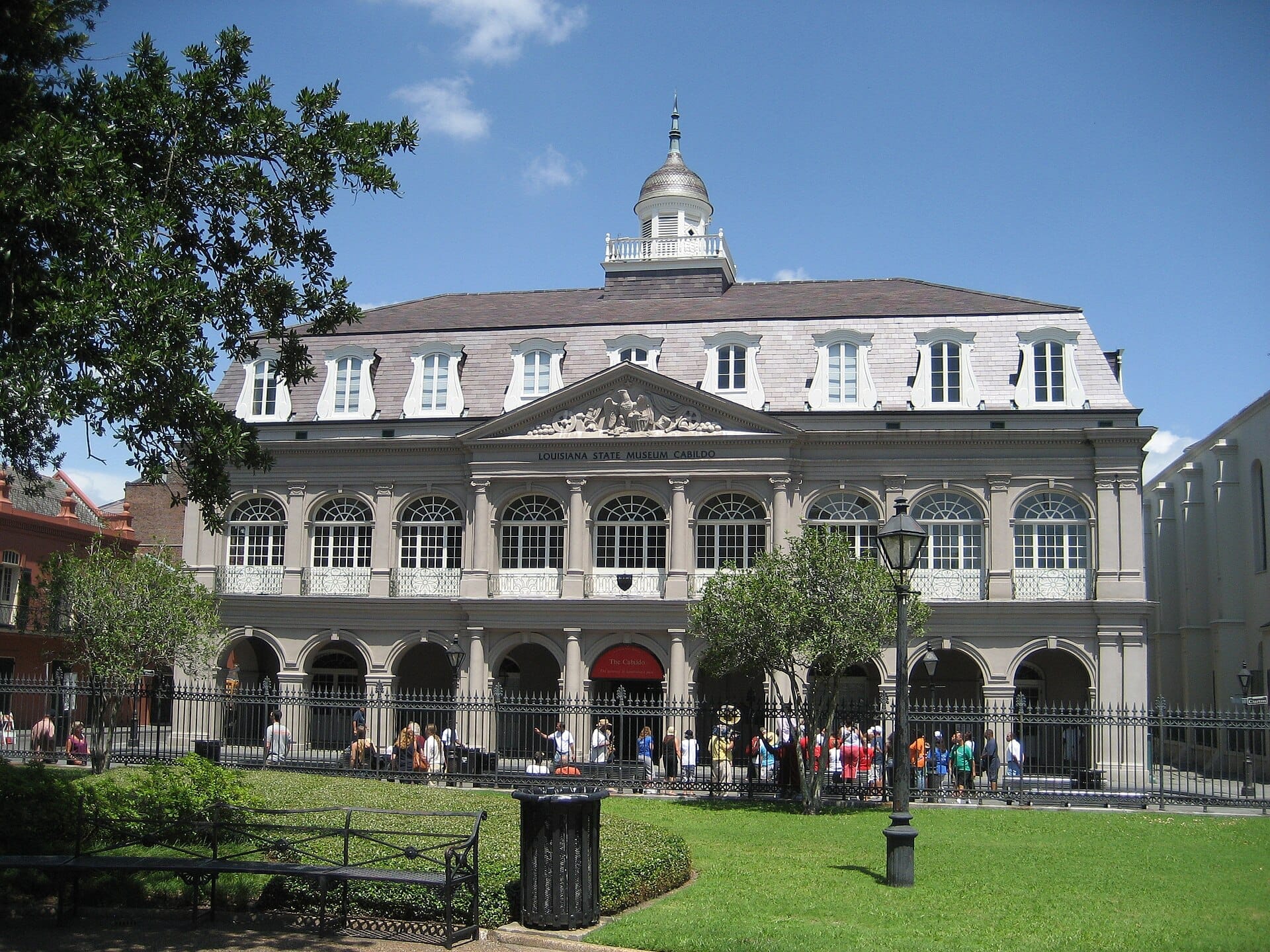
5. Tour the Building Where the Louisiana Purchase Was Signed
The Cabildo is one of the most historically significant buildings in America. Walking tours stop outside to explain its role as Spanish colonial government and the 1803 transfer ceremony. The Louisiana State Museum inside adds depth with artifacts from colonial through Civil War eras.
Explore5. Tour the Building Where the Louisiana Purchase Was Signed
The Cabildo is one of the most historically significant buildings in America. Walking tours stop outside to explain its role as Spanish colonial government and the 1803 transfer ceremony. The Louisiana State Museum inside adds depth with artifacts from colonial through Civil War eras.
Explore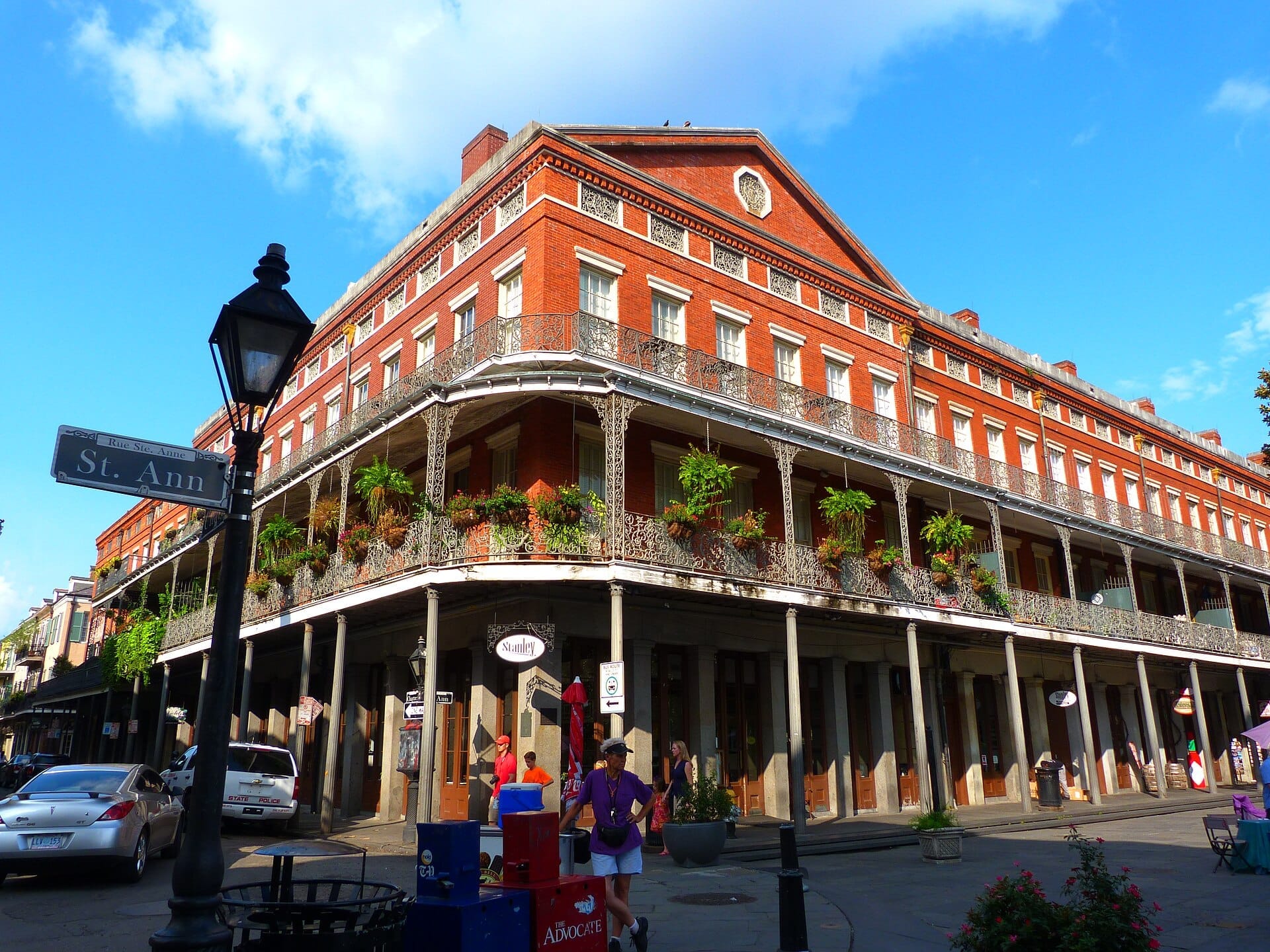
6. Look Up at the Oldest Apartment Buildings in the U.S.
The matching Pontalba Buildings flanking Jackson Square date to the 1840s and feature some of the finest cast-iron lacework in the city. Walking guides use them to explain Baroness Micaela Pontalba's outsized role in shaping the modern French Quarter's streetscape.
Explore6. Look Up at the Oldest Apartment Buildings in the U.S.
The matching Pontalba Buildings flanking Jackson Square date to the 1840s and feature some of the finest cast-iron lacework in the city. Walking guides use them to explain Baroness Micaela Pontalba's outsized role in shaping the modern French Quarter's streetscape.
Explore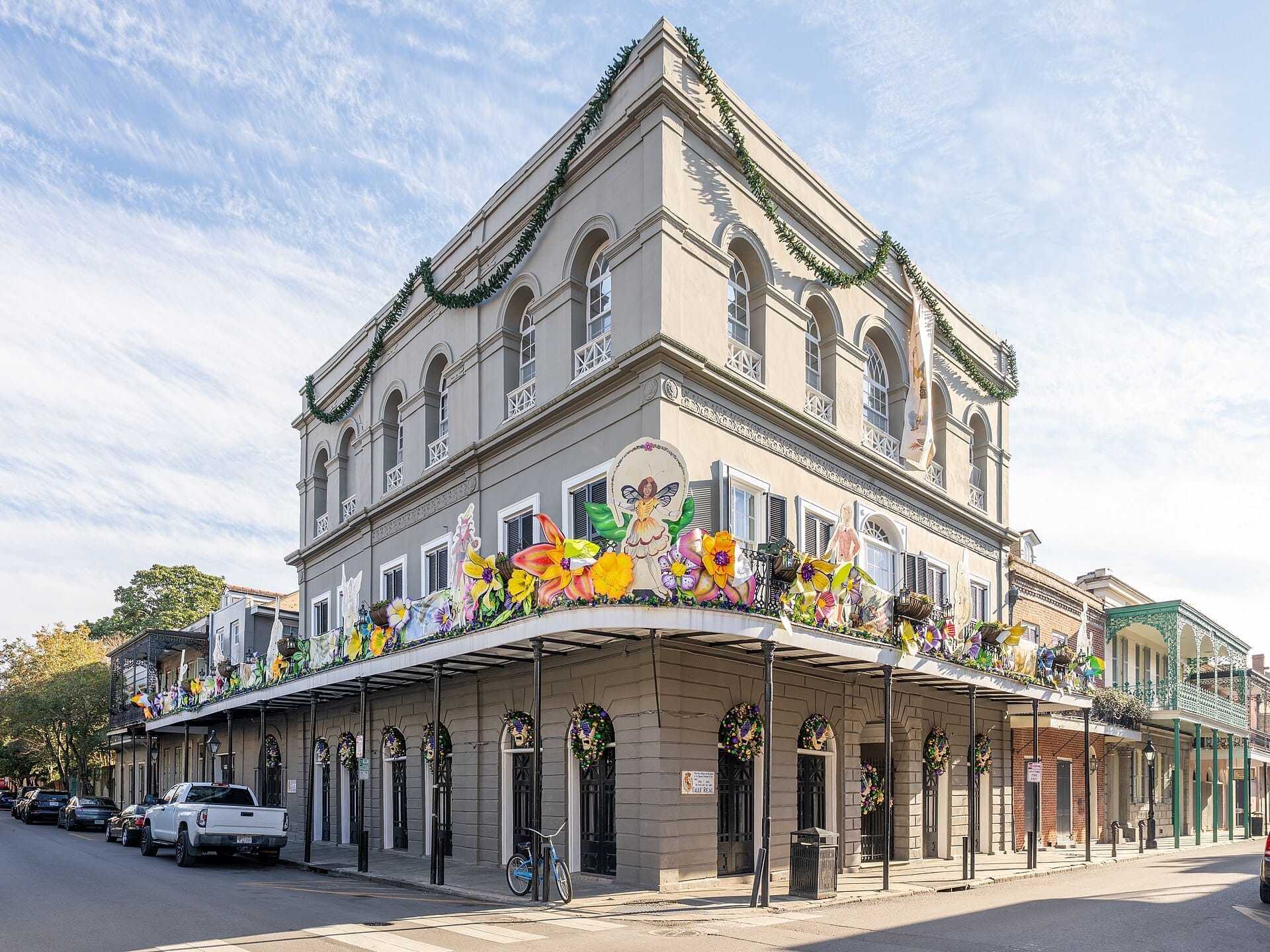
7. Confront the Dark History of the LaLaurie Mansion
No address in New Orleans carries more infamy. Ghost and history tours stop at this Royal Street mansion to recount the atrocities committed against enslaved people here in the 1830s. Tours handle the site seriously; it is a lesson in slavery's brutality as much as a ghost story.
Explore7. Confront the Dark History of the LaLaurie Mansion
No address in New Orleans carries more infamy. Ghost and history tours stop at this Royal Street mansion to recount the atrocities committed against enslaved people here in the 1830s. Tours handle the site seriously; it is a lesson in slavery's brutality as much as a ghost story.
Explore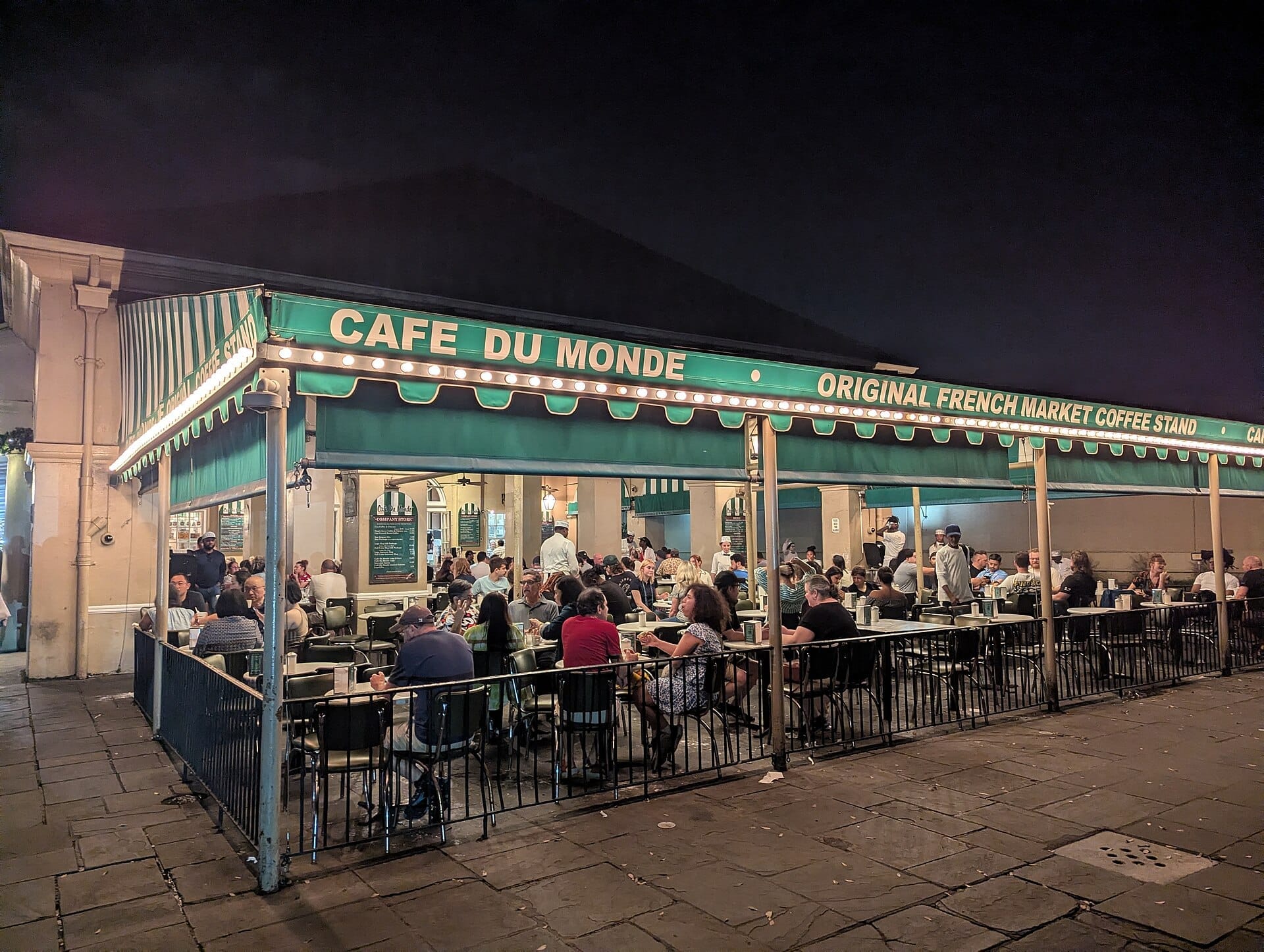
8. Factor in a Beignet Stop at Café du Monde
Most French Quarter walking tours end near Café du Monde, and finishing with café au lait and beignets is a practical tradition. It's open 24 hours, service is fast, and the outdoor seating faces the river. Budget 20 minutes and expect powdered sugar on your clothes.
Explore8. Factor in a Beignet Stop at Café du Monde
Most French Quarter walking tours end near Café du Monde, and finishing with café au lait and beignets is a practical tradition. It's open 24 hours, service is fast, and the outdoor seating faces the river. Budget 20 minutes and expect powdered sugar on your clothes.
ExploreTremé and the Jazz Heritage Walk
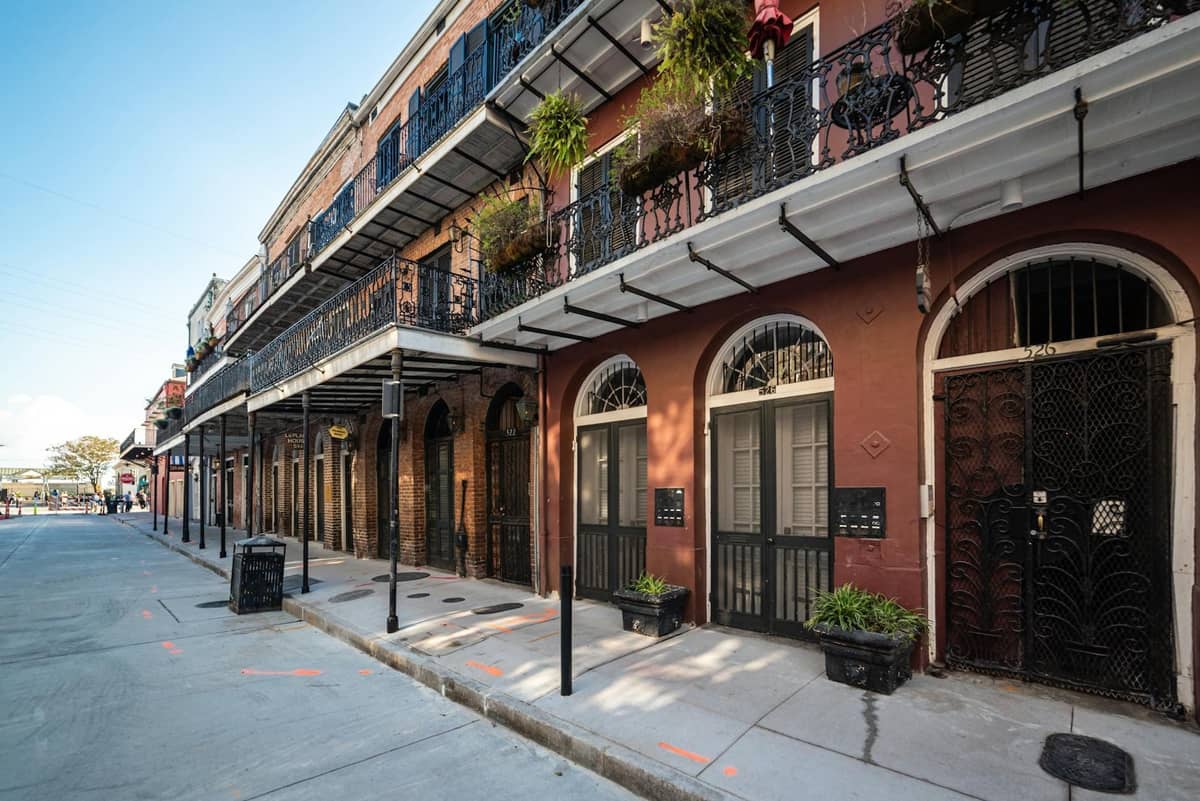
The Tremé neighborhood sits just beyond the French Quarter's edge and holds the deepest roots of New Orleans jazz culture. Walking tours here tend to be more intimate and historically focused than the high-traffic Quarter routes. Combining Tremé with Louis Armstrong Park and Lafayette Cemetery No. 1 gives you a half-day route that covers African American history, Voodoo culture, and the origins of American music. For deeper context, the New Orleans jazz music guide explains the full lineage.
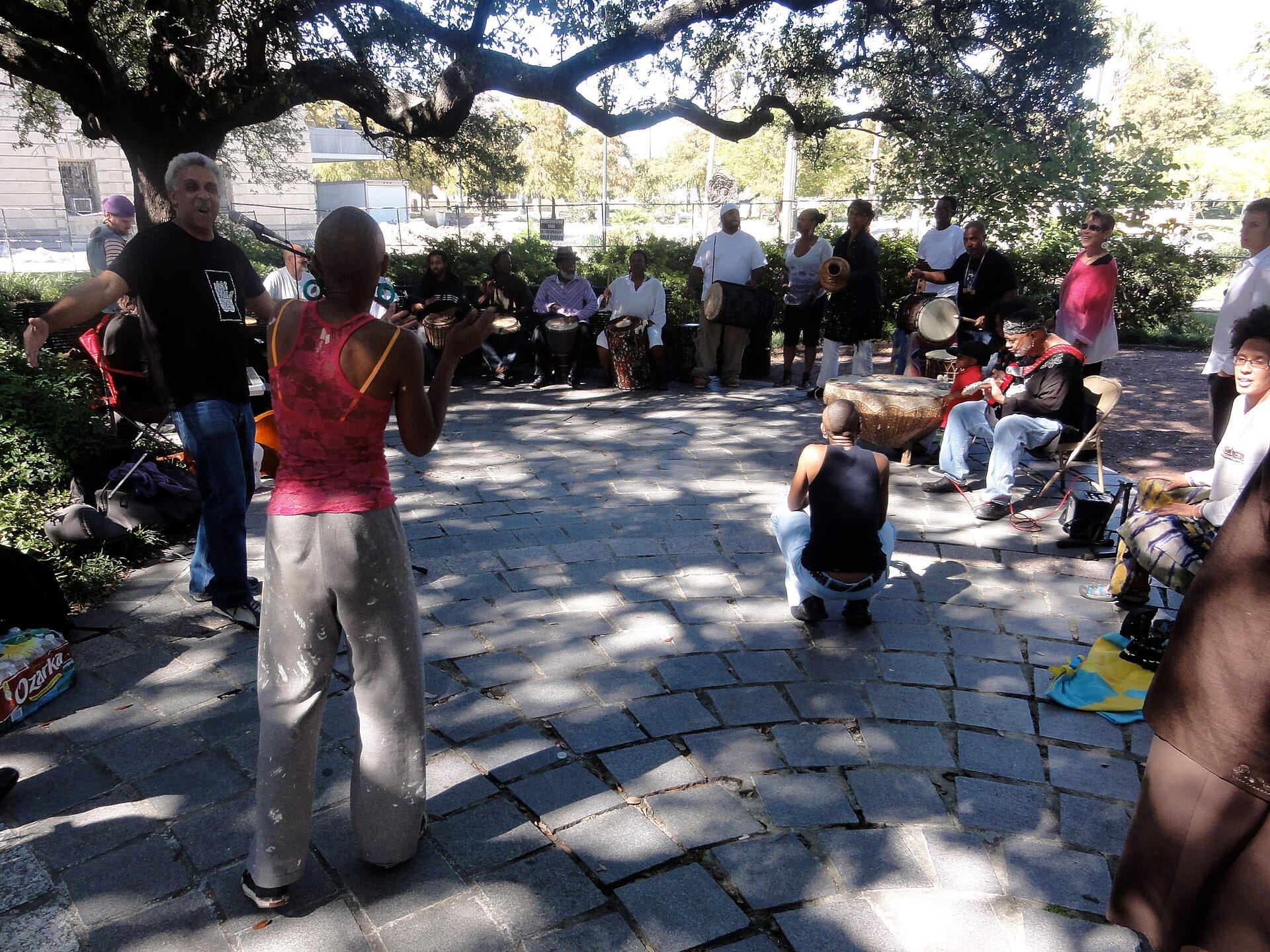
9. Stand at the Birthplace of Jazz in Congo Square
Congo Square inside Louis Armstrong Park is where enslaved Africans gathered on Sundays to maintain cultural traditions through music and dance. Walking tours treat this as a foundational stop — the rhythms practiced here directly seeded jazz, blues, and American popular music.
Explore9. Stand at the Birthplace of Jazz in Congo Square
Congo Square inside Louis Armstrong Park is where enslaved Africans gathered on Sundays to maintain cultural traditions through music and dance. Walking tours treat this as a foundational stop — the rhythms practiced here directly seeded jazz, blues, and American popular music.
Explore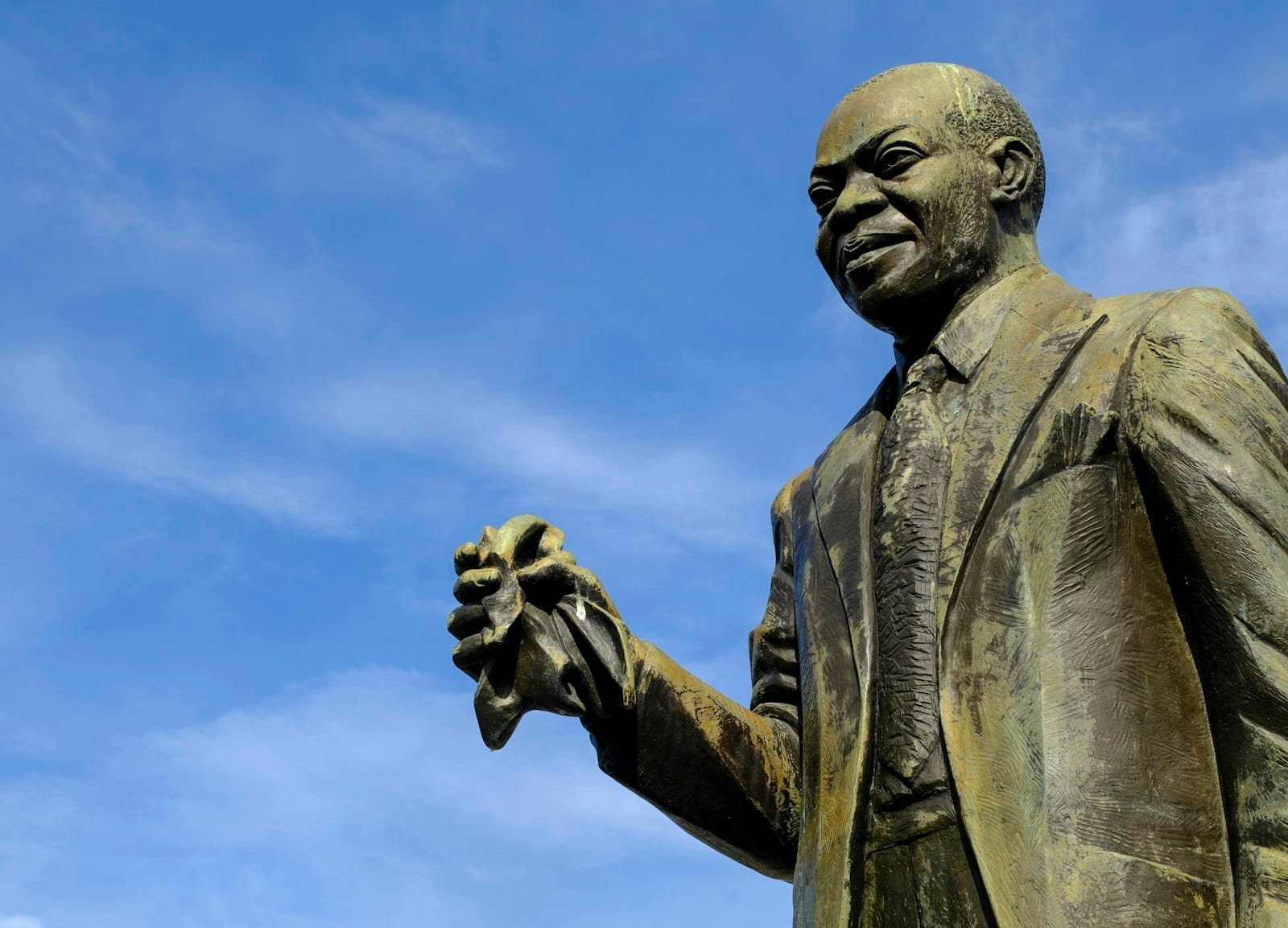
10. Enter Tremé Through Louis Armstrong Park's Grand Arch
The monumental entrance arch to Louis Armstrong Park marks the gateway between the French Quarter and Tremé. Walking tours pass through here to transition from colonial architecture to the African American cultural heritage of the city's oldest Black neighborhood, established in the early 1800s.
Explore10. Enter Tremé Through Louis Armstrong Park's Grand Arch
The monumental entrance arch to Louis Armstrong Park marks the gateway between the French Quarter and Tremé. Walking tours pass through here to transition from colonial architecture to the African American cultural heritage of the city's oldest Black neighborhood, established in the early 1800s.
Explore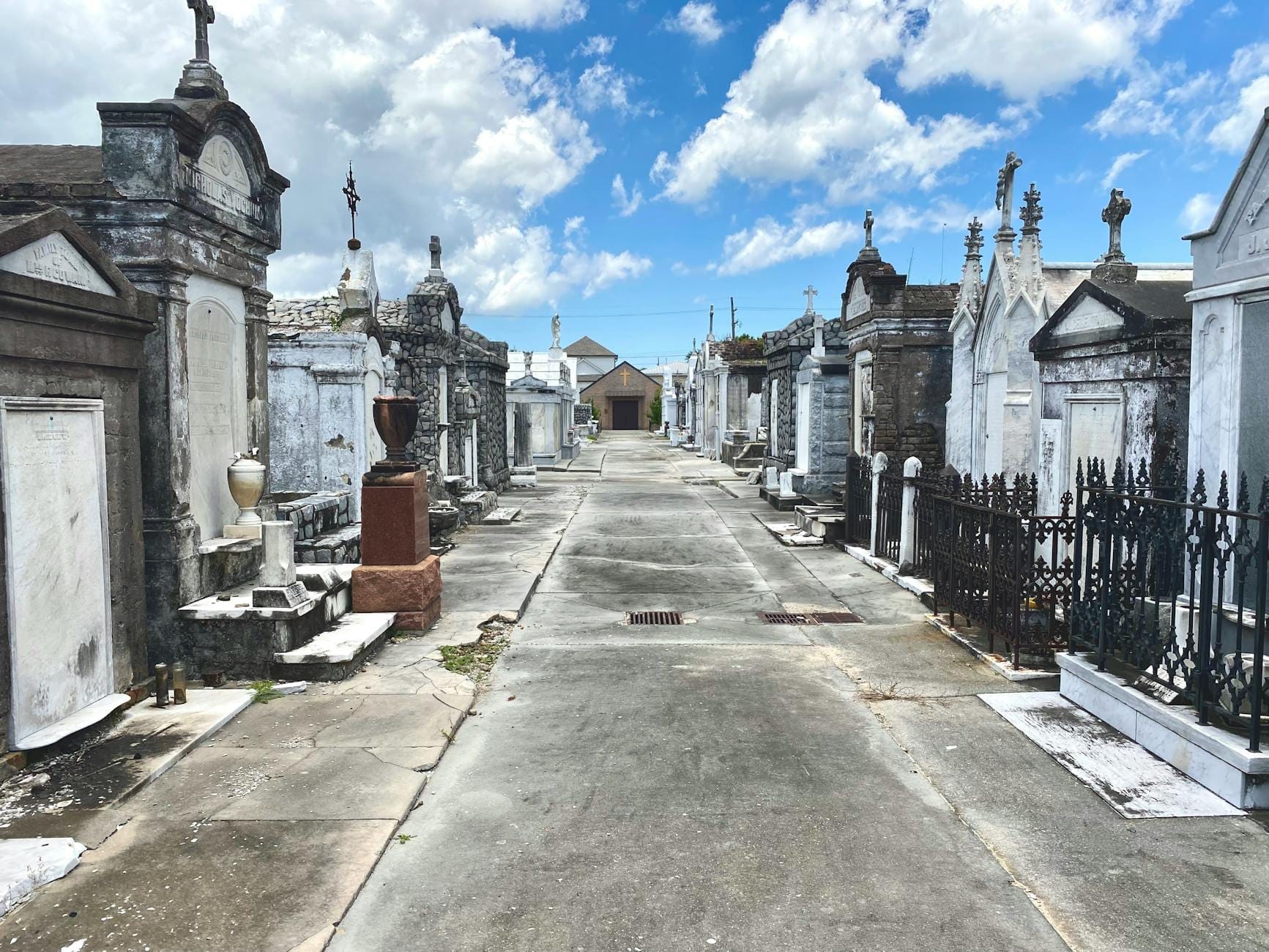
11. Walk Through the City of the Dead at St. Louis Cemetery No. 1
Dating to 1789, this cemetery requires a licensed guide to enter legally since 2015. Above-ground whitewashed tombs crowd narrow alleys, creating a genuinely eerie cityscape. The alleged tomb of Voodoo Queen Marie Laveau is here; guided cemetery tours run daily and last about 90 minutes.
Explore11. Walk Through the City of the Dead at St. Louis Cemetery No. 1
Dating to 1789, this cemetery requires a licensed guide to enter legally since 2015. Above-ground whitewashed tombs crowd narrow alleys, creating a genuinely eerie cityscape. The alleged tomb of Voodoo Queen Marie Laveau is here; guided cemetery tours run daily and last about 90 minutes.
Explore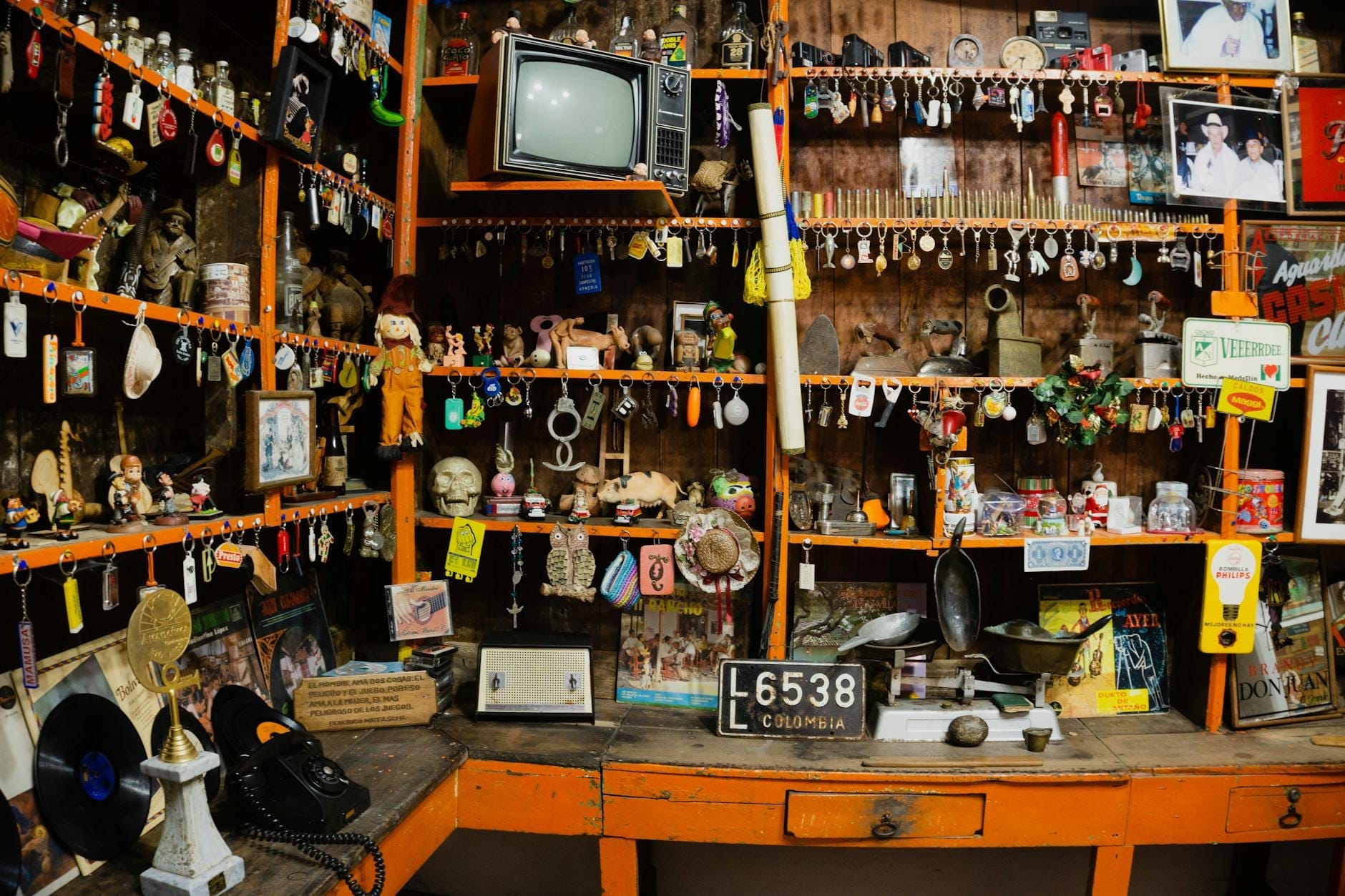
12. Explore Louisiana Voodoo at the Historic Voodoo Museum
Small, atmospheric, and genuinely informative, this French Quarter museum covers the history of Louisiana Voodoo with altars, ritual objects, and the biography of Marie Laveau. Ghost and history walking tours often include it as a ticketed add-on. Budget 30-45 minutes inside.
Explore12. Explore Louisiana Voodoo at the Historic Voodoo Museum
Small, atmospheric, and genuinely informative, this French Quarter museum covers the history of Louisiana Voodoo with altars, ritual objects, and the biography of Marie Laveau. Ghost and history walking tours often include it as a ticketed add-on. Budget 30-45 minutes inside.
ExploreGarden District and Uptown: Mansions, Streetcars, and Cemeteries
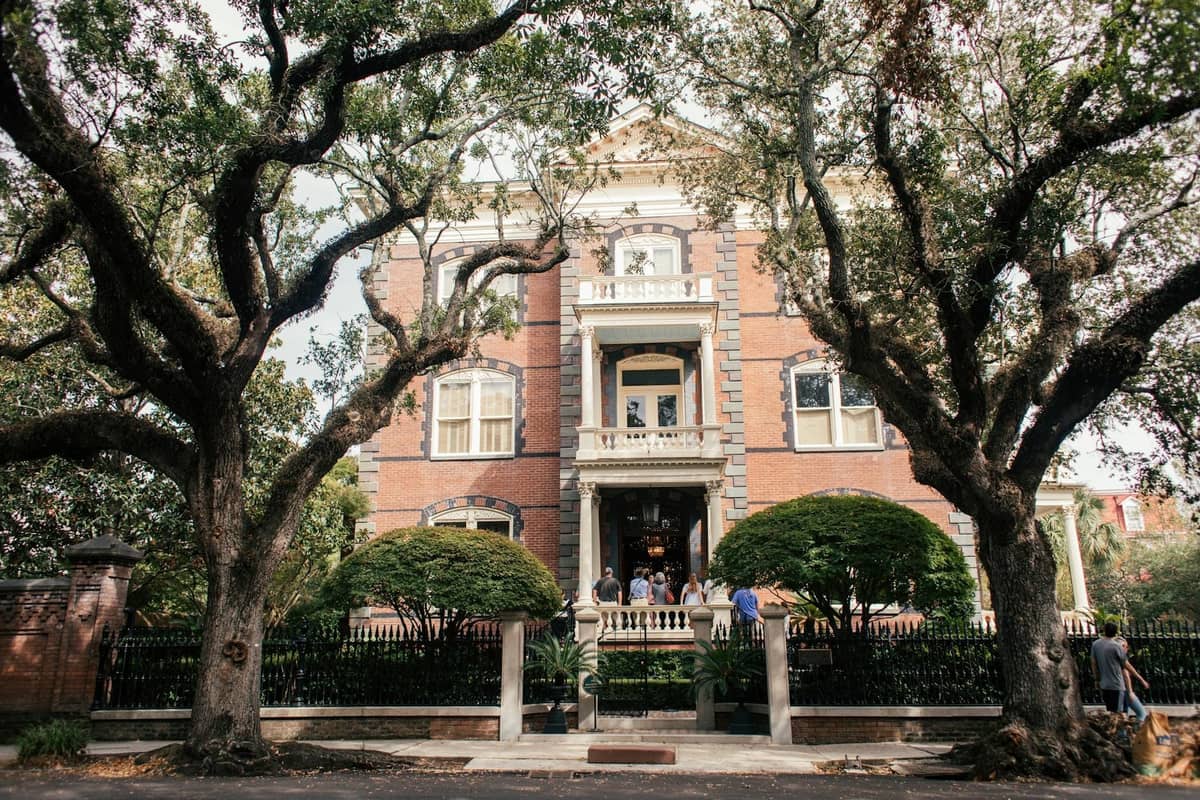
The Garden District walking tour is the second most popular route in the city after the French Quarter, and it offers a completely different architectural story: Greek Revival and Italianate mansions built by American merchants in the 19th century, shaded by enormous live oaks. Most guided tours start at Washington Avenue and end near Magazine Street, covering Lafayette Cemetery No. 1 along the way. The New Orleans history guide provides essential context on why the Garden District developed separately from the Creole French Quarter.
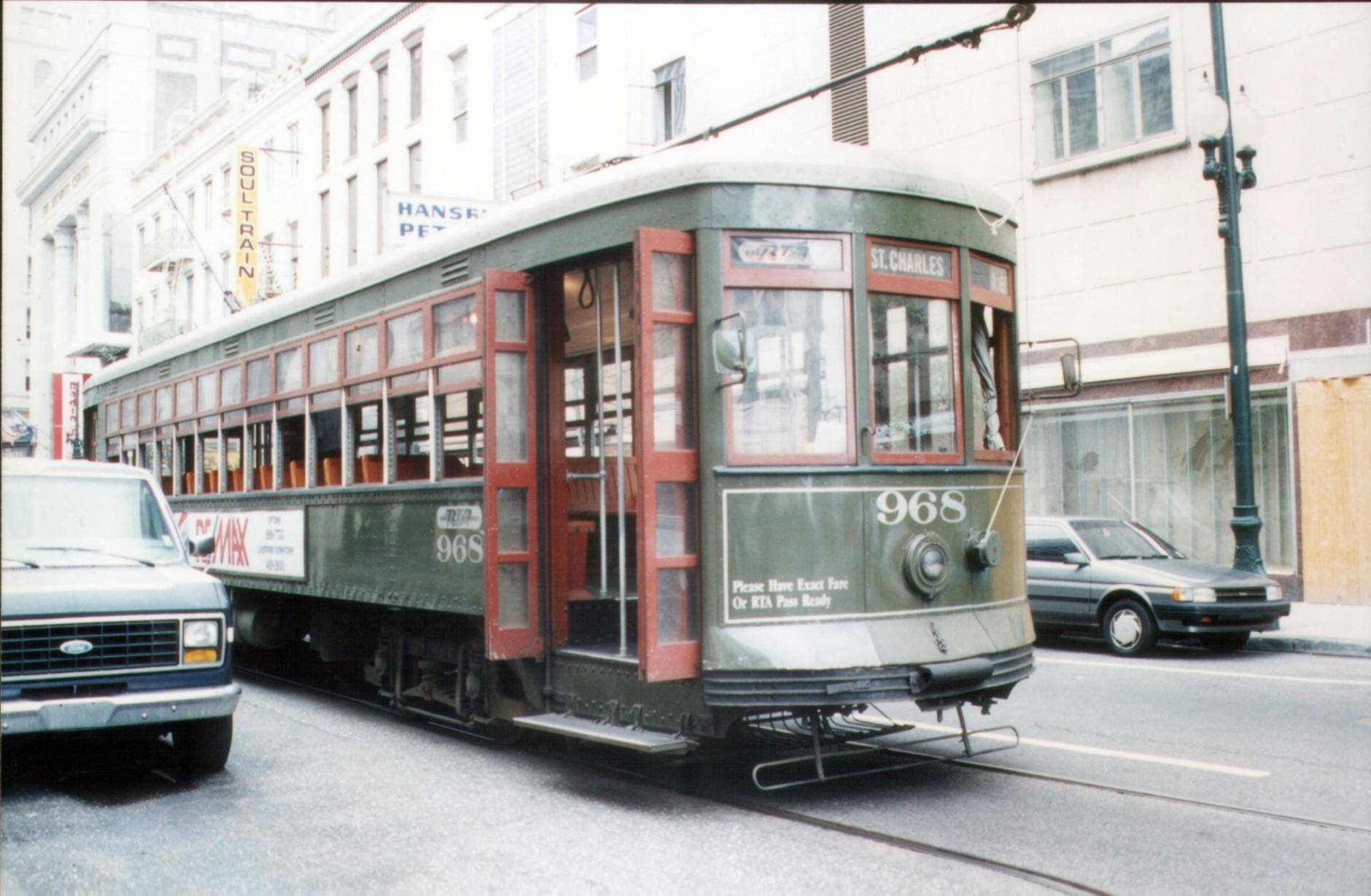
13. Ride the World's Oldest Streetcar to Start Your Garden District Walk
Take the St. Charles Streetcar from Canal Street to Washington Avenue to position yourself perfectly for the Garden District walking route. The ride itself is a listed heritage experience and a practical way to cover the 2-mile gap between neighborhoods without breaking pace.
Explore13. Ride the World's Oldest Streetcar to Start Your Garden District Walk
Take the St. Charles Streetcar from Canal Street to Washington Avenue to position yourself perfectly for the Garden District walking route. The ride itself is a listed heritage experience and a practical way to cover the 2-mile gap between neighborhoods without breaking pace.
Explore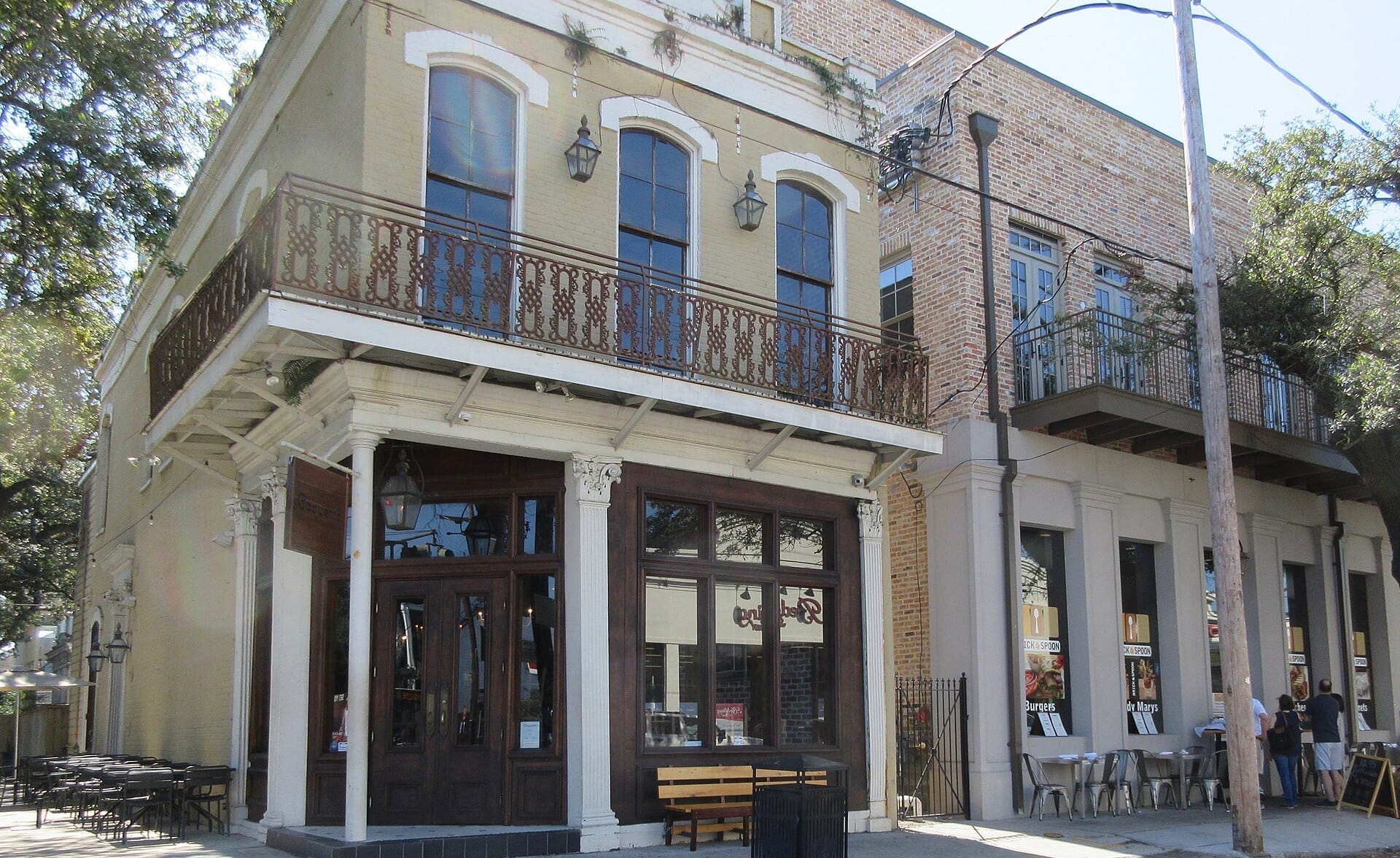
14. Finish Your Garden District Route on Magazine Street
Magazine Street is a natural endpoint for Garden District walks, running six miles through the neighborhood with antique shops, boutiques, and excellent cafés. Walking tours often pause here for coffee or lunch before dispersing. The stretch between Louisiana Ave and Napoleon Ave is the most concentrated.
Explore14. Finish Your Garden District Route on Magazine Street
Magazine Street is a natural endpoint for Garden District walks, running six miles through the neighborhood with antique shops, boutiques, and excellent cafés. Walking tours often pause here for coffee or lunch before dispersing. The stretch between Louisiana Ave and Napoleon Ave is the most concentrated.
ExploreFrenchmen Street and the Marigny: The Music Walk
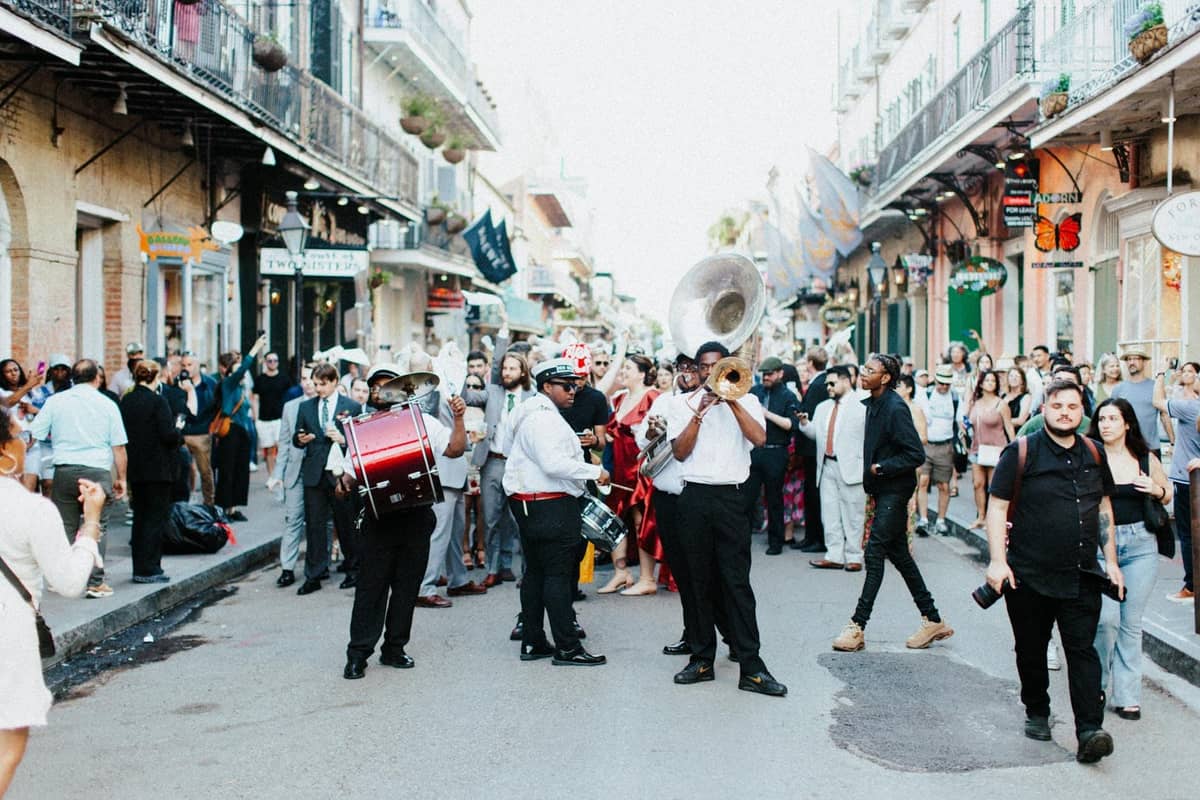
The Marigny and Bywater neighborhoods east of the French Quarter offer the city's best evening walking experience. Frenchmen Street in particular is a two-block stretch where four or five jazz and brass band venues operate simultaneously most nights. Walking tours through this area tend to be evening-focused, combining music history with live performance stops. Pair it with a walk along Crescent Park for river views before the clubs open.
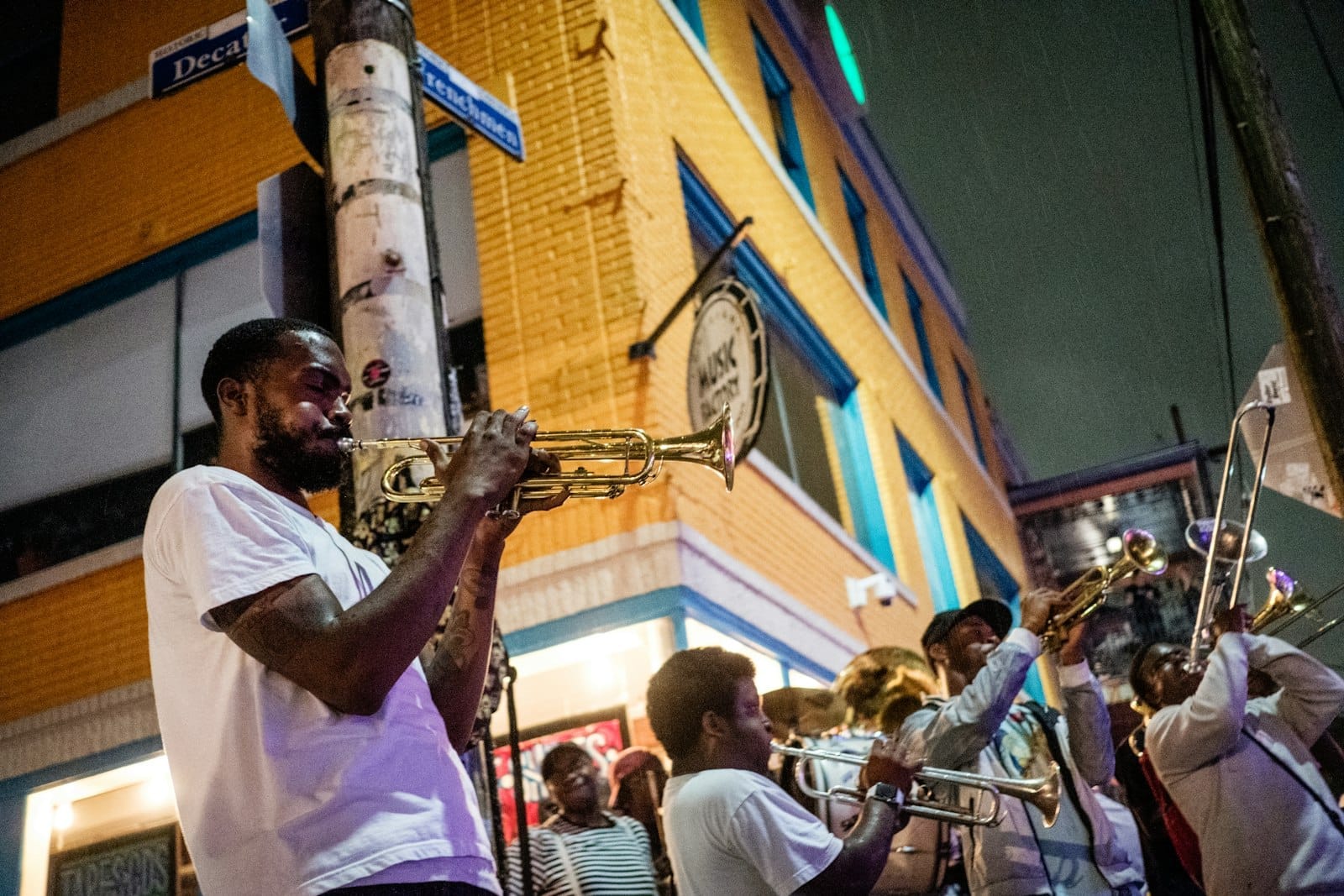
15. Walk Frenchmen Street for the Best Live Music in the City
Frenchmen Street is two blocks where four to five jazz clubs operate side by side. Walking tours bring you here to hear what New Orleans music actually sounds like outside the tourist circuit. Arrive between 9pm and midnight when multiple bands play simultaneously and cover charges are minimal.
Explore15. Walk Frenchmen Street for the Best Live Music in the City
Frenchmen Street is two blocks where four to five jazz clubs operate side by side. Walking tours bring you here to hear what New Orleans music actually sounds like outside the tourist circuit. Arrive between 9pm and midnight when multiple bands play simultaneously and cover charges are minimal.
Explore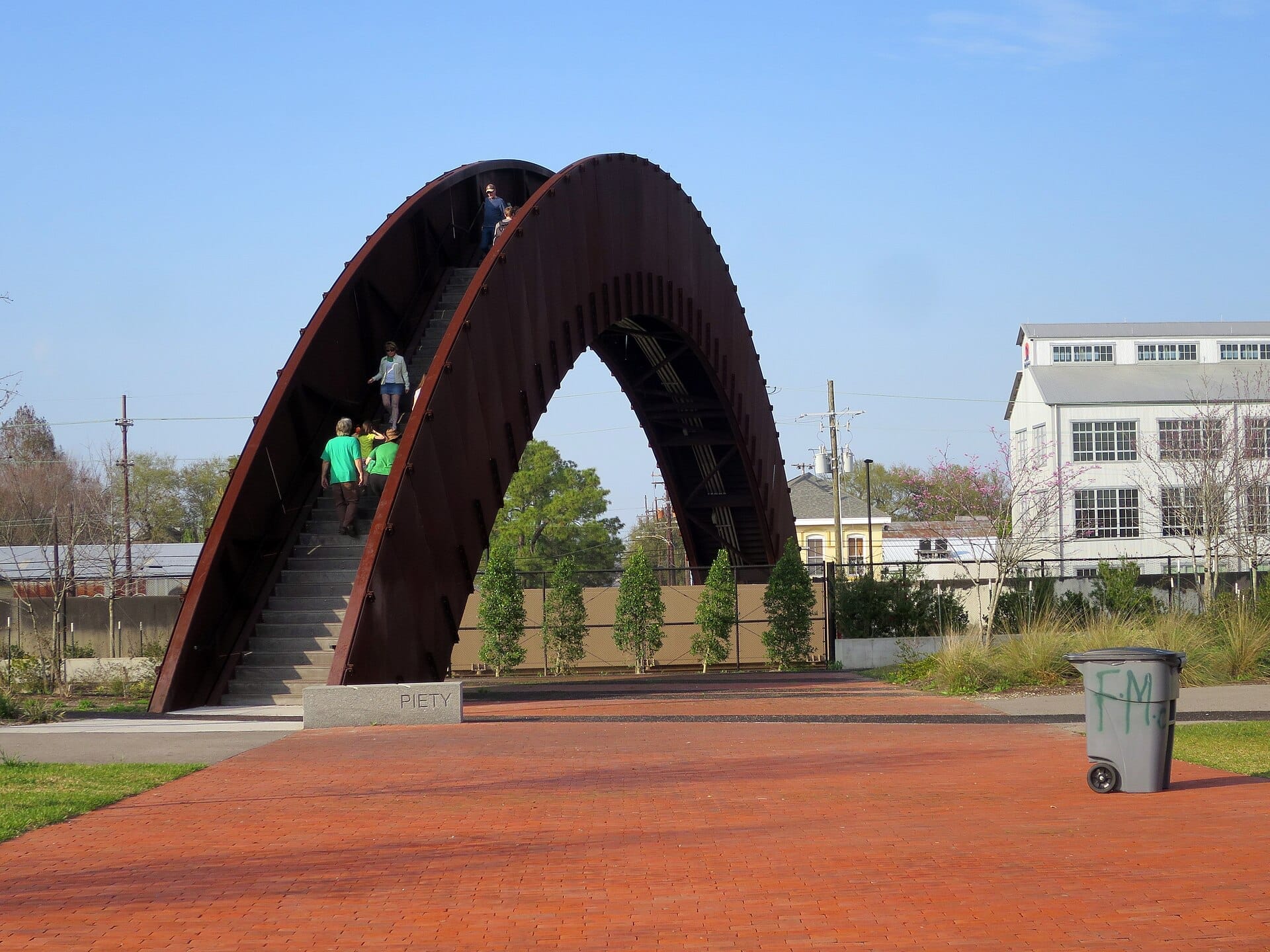
16. Walk the Riverfront at Crescent Park Before Heading to Frenchmen
Crescent Park's raised riverfront promenade gives you unobstructed views of the Mississippi, the Crescent City Connection bridge, and the downtown skyline. Start here at golden hour before walking the five minutes inland to Frenchmen Street as the clubs open for the evening.
Explore16. Walk the Riverfront at Crescent Park Before Heading to Frenchmen
Crescent Park's raised riverfront promenade gives you unobstructed views of the Mississippi, the Crescent City Connection bridge, and the downtown skyline. Start here at golden hour before walking the five minutes inland to Frenchmen Street as the clubs open for the evening.
Explore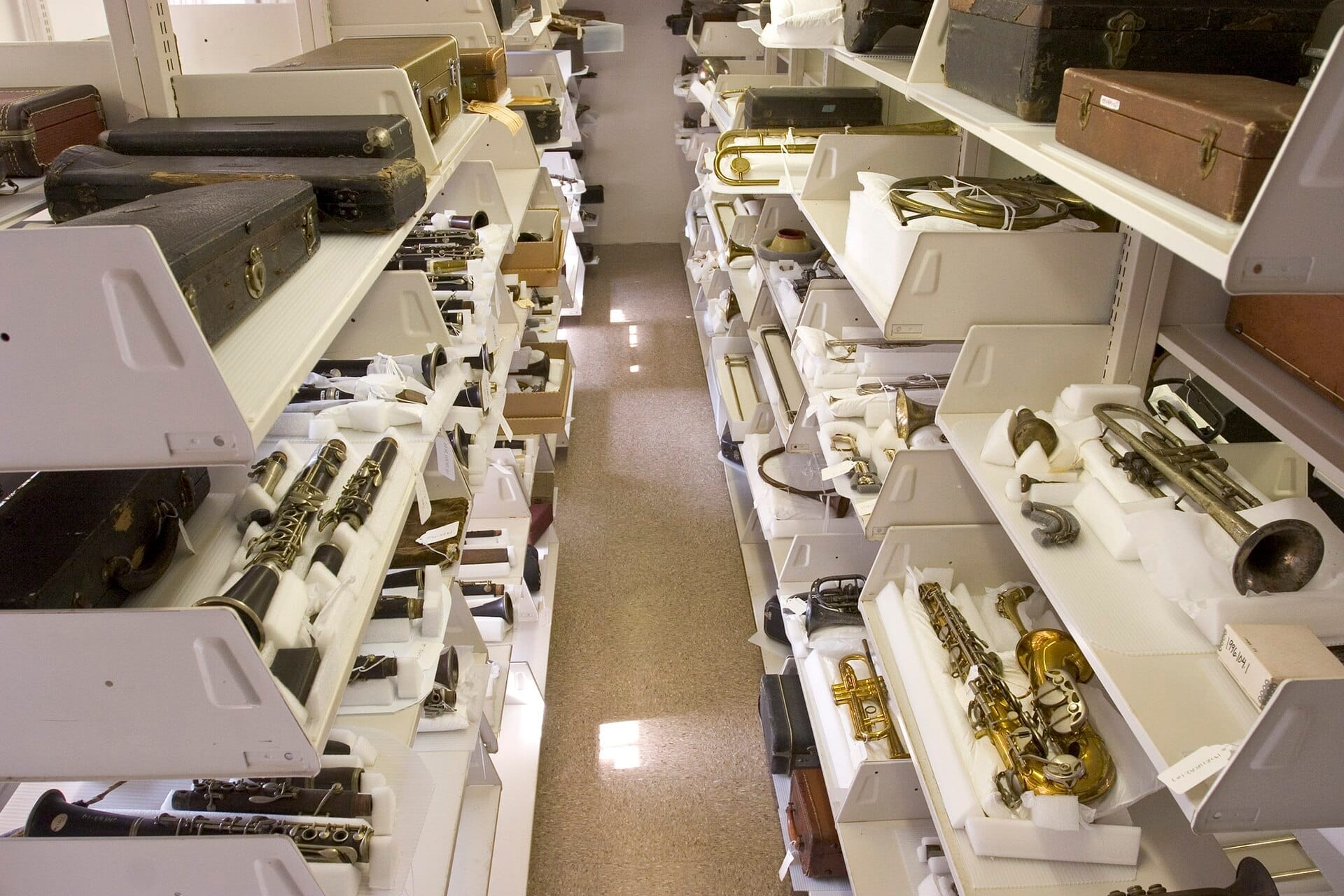
17. Visit the Jazz Museum in the Old U.S. Mint
Housed in a building that once produced Confederate coins, this museum traces jazz from Congo Square to its global spread. Walking tours of the lower French Quarter stop here as a daytime anchor. Live performances happen regularly; check the schedule to time your visit around a set.
Explore17. Visit the Jazz Museum in the Old U.S. Mint
Housed in a building that once produced Confederate coins, this museum traces jazz from Congo Square to its global spread. Walking tours of the lower French Quarter stop here as a daytime anchor. Live performances happen regularly; check the schedule to time your visit around a set.
ExploreHistory Deep Dives: Museums and Iconic Sites on Foot
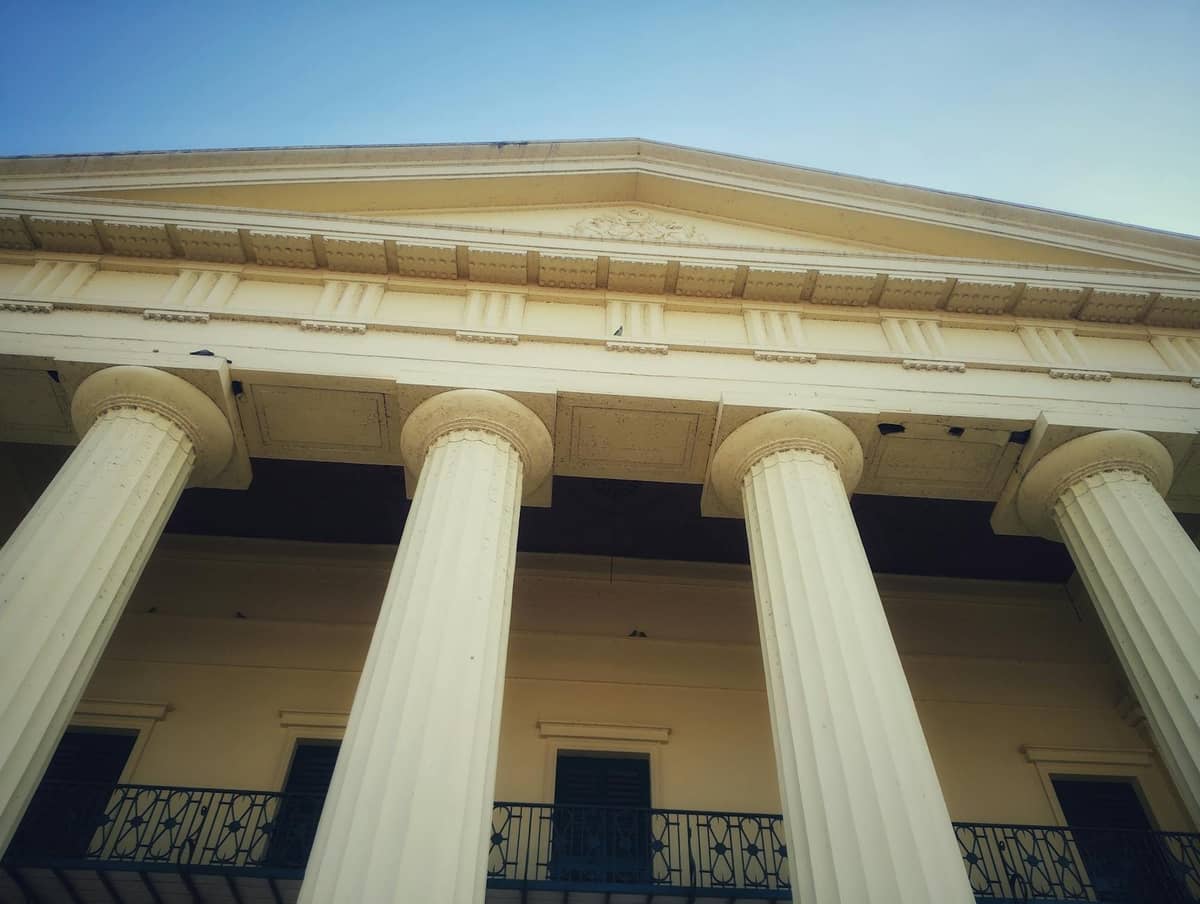
Some of the most powerful walking tour experiences in New Orleans involve pausing at specific buildings, not just admiring them from the street. Combining the French Quarter's preserved streetscape with museum stops creates a full-day itinerary that covers the city's layered history from colonial governance through the Civil War and into the 20th century. The New Orleans history guide is worth reading before or after these stops to connect the individual sites into a coherent narrative.
18. Catch a Set at Preservation Hall on Your French Quarter Walk
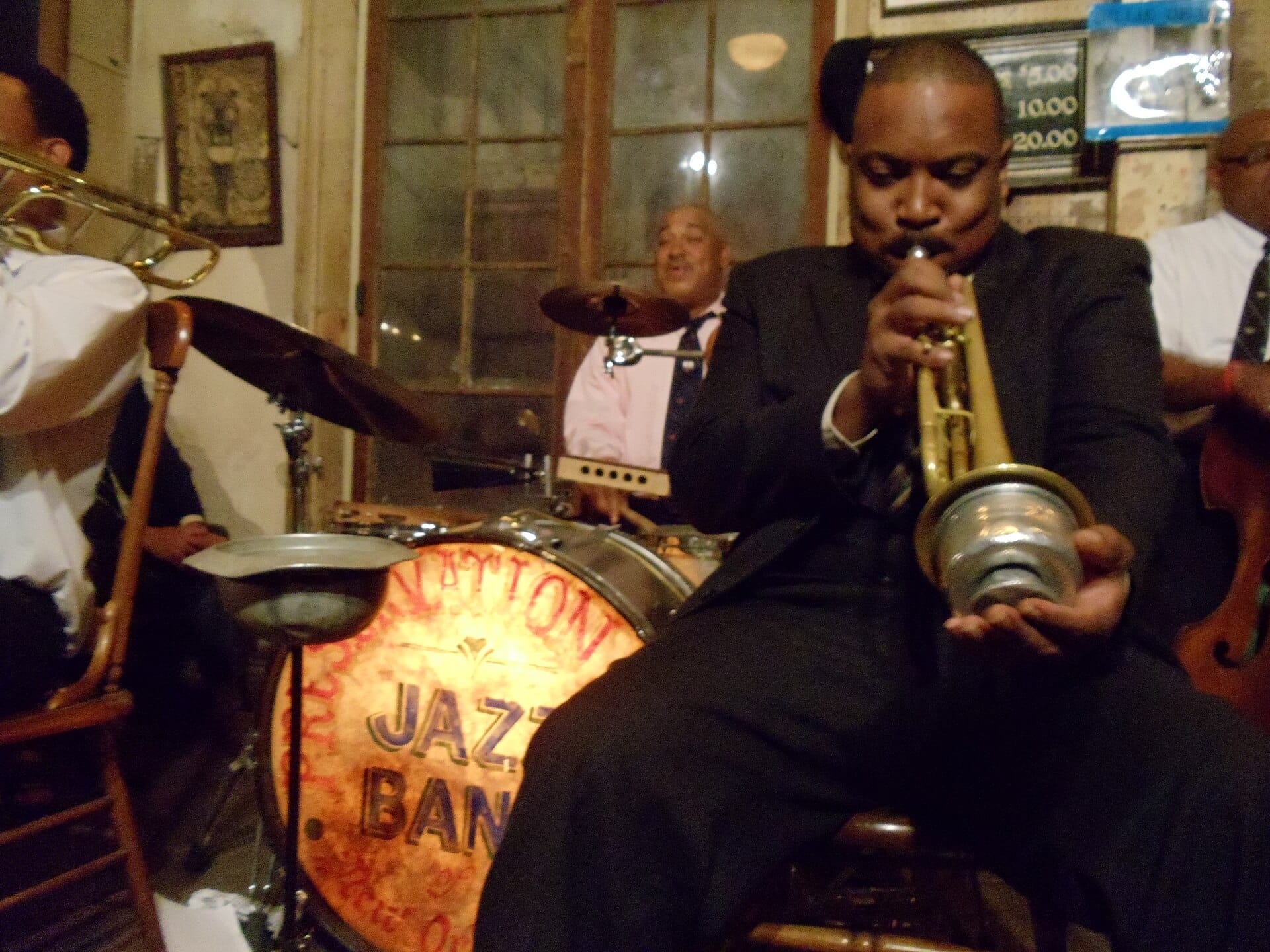
Preservation Hall runs three shows nightly in an intentionally unadorned room on St. Peter Street. Walking tours point it out by day; the real experience is returning for a 45-minute set after dark. Book tickets online — walk-up tickets sell out. This is traditional New Orleans jazz at its purest.
Explore18. Catch a Set at Preservation Hall on Your French Quarter Walk
Preservation Hall runs three shows nightly in an intentionally unadorned room on St. Peter Street. Walking tours point it out by day; the real experience is returning for a 45-minute set after dark. Book tickets online — walk-up tickets sell out. This is traditional New Orleans jazz at its purest.
Explore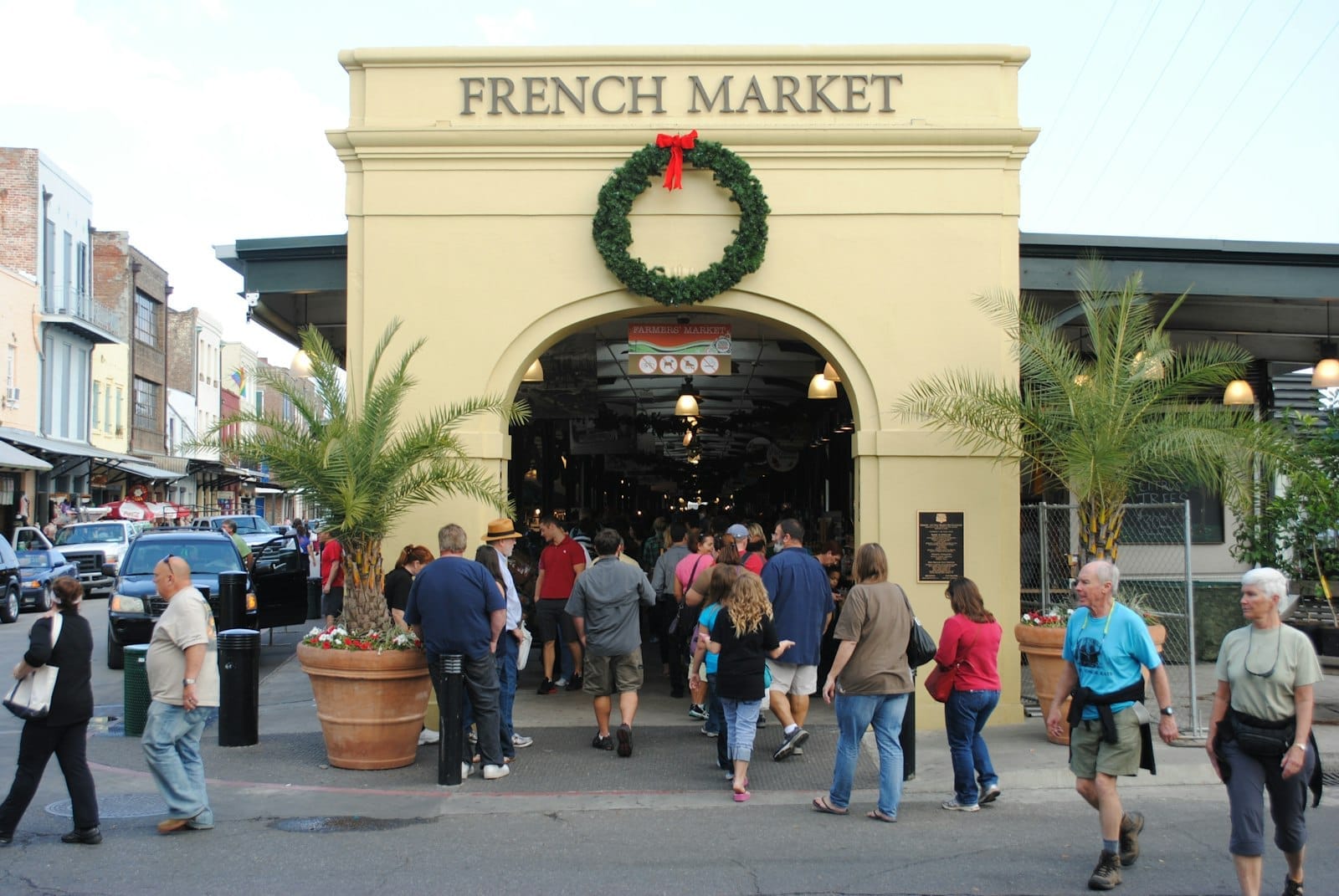
19. Walk Through the French Market Along the Riverfront
The French Market stretches six blocks from Jackson Square toward the Marigny, mixing produce stalls, Creole food vendors, craft sellers, and Café du Monde. Walking tours use it as a transitional route between the core French Quarter and the riverfront. Mornings offer the most active market activity.
Explore19. Walk Through the French Market Along the Riverfront
The French Market stretches six blocks from Jackson Square toward the Marigny, mixing produce stalls, Creole food vendors, craft sellers, and Café du Monde. Walking tours use it as a transitional route between the core French Quarter and the riverfront. Mornings offer the most active market activity.
Explore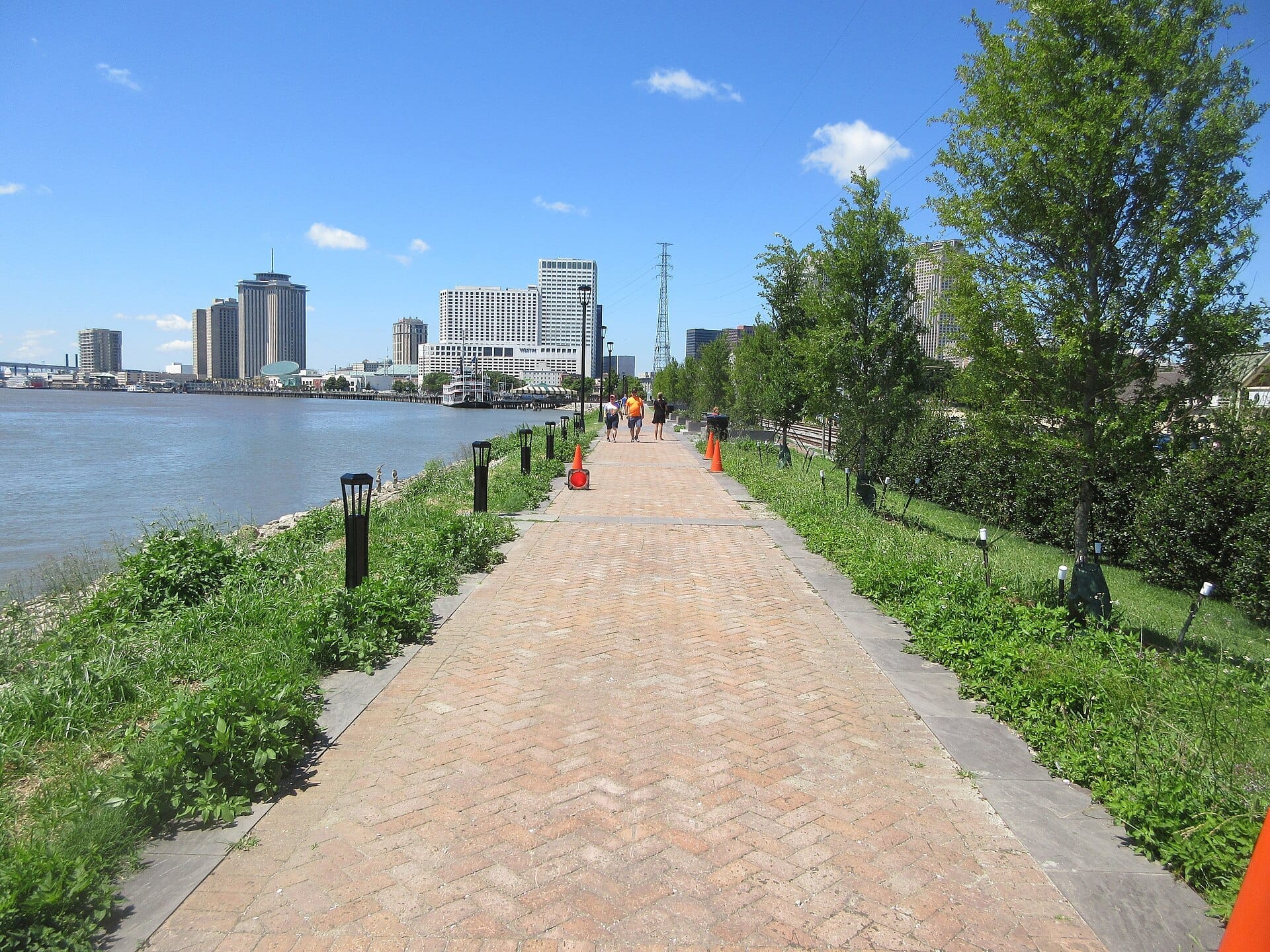
20. End Your French Quarter Walk at the Moon Walk Levee
The Moon Walk promenade sits atop the Mississippi levee at the foot of Jackson Square, offering wide river views and a sense of scale the narrow Quarter streets don't give you. Walking tours often end here. Arrive at sunset and watch cargo ships pass within what feels like shouting distance.
Explore20. End Your French Quarter Walk at the Moon Walk Levee
The Moon Walk promenade sits atop the Mississippi levee at the foot of Jackson Square, offering wide river views and a sense of scale the narrow Quarter streets don't give you. Walking tours often end here. Arrive at sunset and watch cargo ships pass within what feels like shouting distance.
Explore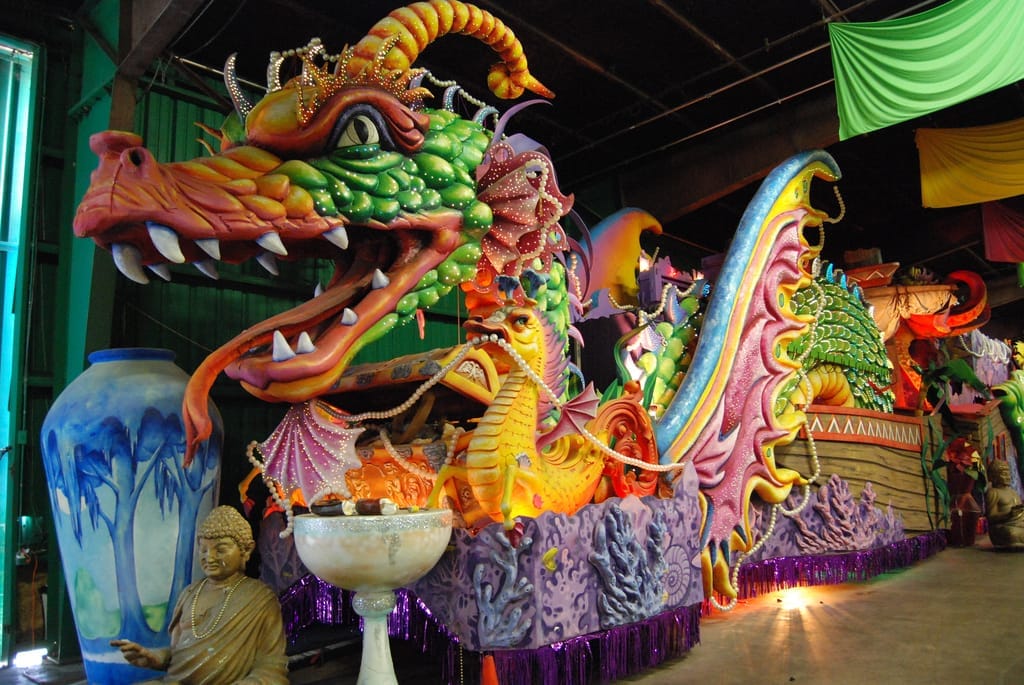
21. Tour the Workshop Where Mardi Gras Floats Are Built
Mardi Gras World runs 45-minute tours of its working warehouse where floats up to 10 stories tall are constructed year-round. It's a short walk from the CBD riverfront and adds useful context to any walking tour focused on New Orleans culture. Open daily; tickets required, verify hours before visiting.
Explore21. Tour the Workshop Where Mardi Gras Floats Are Built
Mardi Gras World runs 45-minute tours of its working warehouse where floats up to 10 stories tall are constructed year-round. It's a short walk from the CBD riverfront and adds useful context to any walking tour focused on New Orleans culture. Open daily; tickets required, verify hours before visiting.
Explore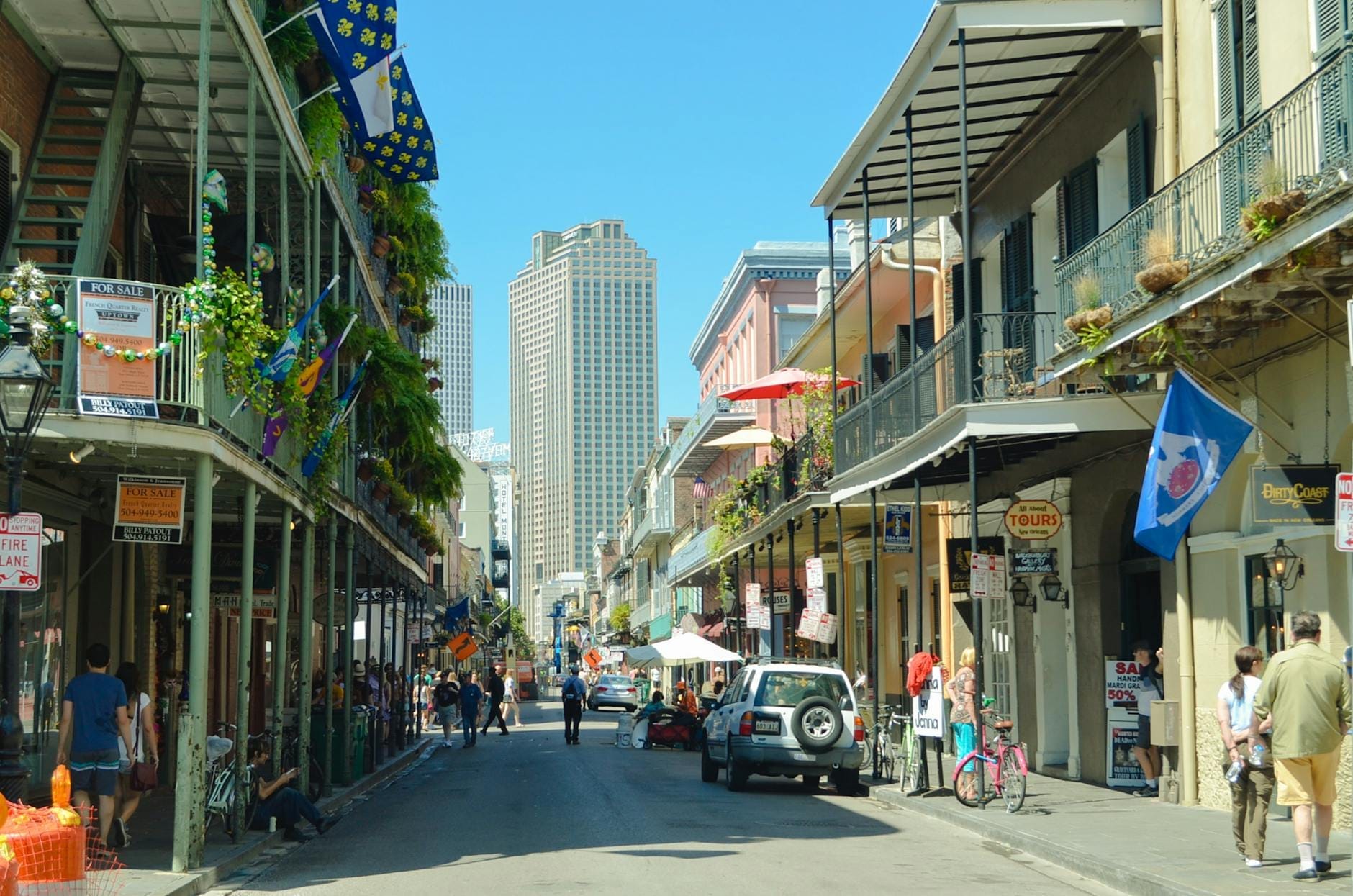
22. Walk Bourbon Street by Day to Actually See the Architecture
Most walking tours mention Bourbon Street but don't linger. Visiting before noon lets you appreciate the 18th and 19th-century building facades, interior courtyards, and wrought-iron balconies without the evening chaos. The street's visual history is genuinely significant when you're not navigating crowds.
Explore22. Walk Bourbon Street by Day to Actually See the Architecture
Most walking tours mention Bourbon Street but don't linger. Visiting before noon lets you appreciate the 18th and 19th-century building facades, interior courtyards, and wrought-iron balconies without the evening chaos. The street's visual history is genuinely significant when you're not navigating crowds.
Explore💡 Local tip
The best months for long walking days in New Orleans are October through April. Summer heat and humidity (frequently 90°F+ with high humidity) make afternoon walks genuinely uncomfortable. Schedule outdoor tours before 11am or after 4pm from June through September.
FAQ
Are free walking tours in New Orleans actually free?
They are tip-based, not truly free. Guides work solely for gratuities, and $10–20 per person is the expected tip for a 2-hour tour. You'll need to book in advance even for free tours, as group sizes are limited. GuruWalk, Free Tours by Foot, and Nola Tour Guy all operate this way.
Do I need a guide to enter St. Louis Cemetery No. 1?
Yes. Since 2015, St. Louis Cemetery No. 1 has required visitors to enter with a licensed tour guide. Solo entry is no longer permitted. Guided cemetery tours run daily and typically last 90 minutes. Booking in advance is recommended as spots fill up, especially on weekends.
How long is a typical French Quarter walking tour?
Most guided French Quarter walking tours run 1.5 to 2 hours and cover roughly 1–1.5 miles. Self-guided walks can take anywhere from 2 hours to a full day depending on how many stops you make. The quarter is compact enough that you can comfortably walk every street in a long afternoon.
What should I wear on a New Orleans walking tour?
Comfortable flat shoes are essential — the French Quarter's uneven brick and flagstone sidewalks are notoriously hard on feet. From June through September, wear light breathable clothing and bring water. A small umbrella is useful year-round as afternoon rain showers occur frequently.
Which New Orleans neighborhood offers the best walking tour?
The French Quarter is the most historically dense and offers the widest variety of guided tours. The Garden District is the top choice for architecture and mansion tours. Tremé is best for music and African American history. Frenchmen Street in the Marigny is the best evening walk for live music.