Most Instagrammable Spots in New Orleans: 20 Photogenic Places You Need to Shoot
New Orleans is one of the most visually dramatic cities in America. These 20 locations deliver the best shots, from the iconic ironwork of the French Quarter to the ancient oaks of City Park and the sweeping Mississippi River views from Crescent Park.
Plan and book this trip
Tools from our partner Travelpayouts help you compare flights and hotels. If you book through them, we may earn a commission at no extra cost to you.
Flights
Hotels map
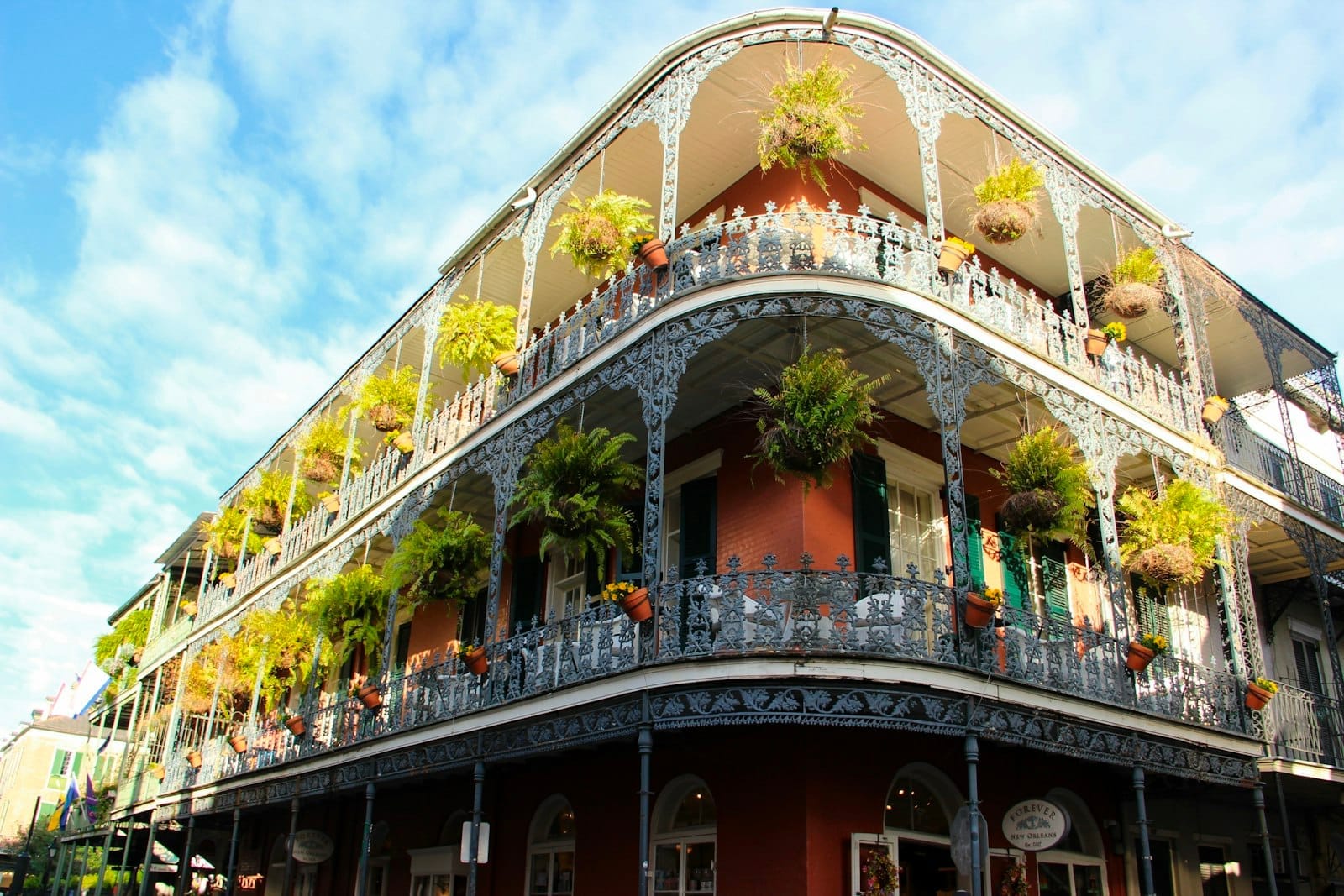
New Orleans doesn't just look good in photographs — it was practically built for them. Spanish Colonial facades draped in cast-iron lace, centuries-old oaks with branches thick as tree trunks, above-ground tombs that cast long shadows at golden hour, and a river wide enough to mirror the whole sky. Whether you're working with a smartphone or a mirrorless camera, the city rewards people who slow down and look up. This guide covers the 20 most photogenic spots across every neighborhood, from the French Quarter to the Marigny and Bywater to the grand oak canopy of Mid-City. For the best light, aim for the first two hours after sunrise or the hour before sunset. Crowds thin, shadows lengthen, and the city's colors hit differently. See our New Orleans walking tours guide if you want to combine photography with a deeper exploration of the streets.
French Quarter Facades & Ironwork
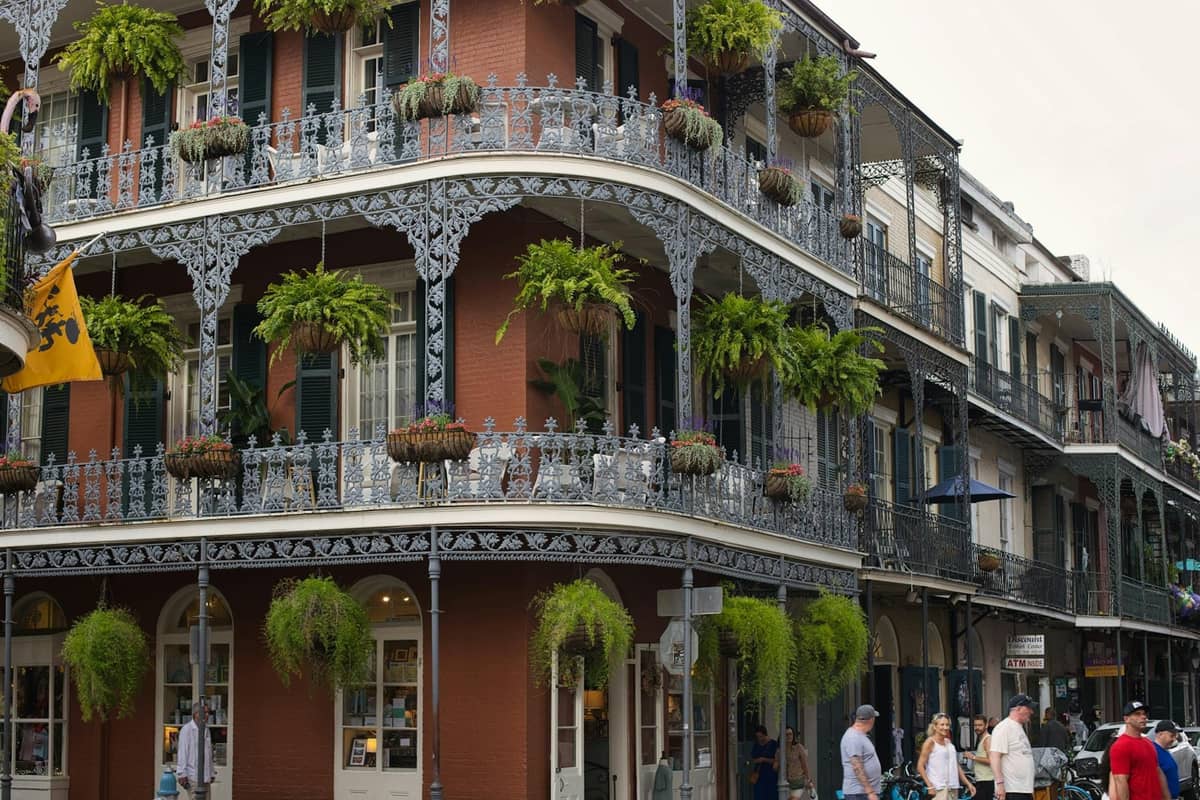
The French Quarter is the visual core of New Orleans. Its roughly 78–85 city blocks of Spanish Colonial and Creole architecture form one of the most intact historic streetscapes in North America. The best photography here happens on Royal Street and the cross streets around Jackson Square, where cast-iron balconies, flower baskets, and shuttered windows stack into compositions that look almost too good to be real. For context on what you're shooting, the New Orleans history guide is worth a read before you visit.
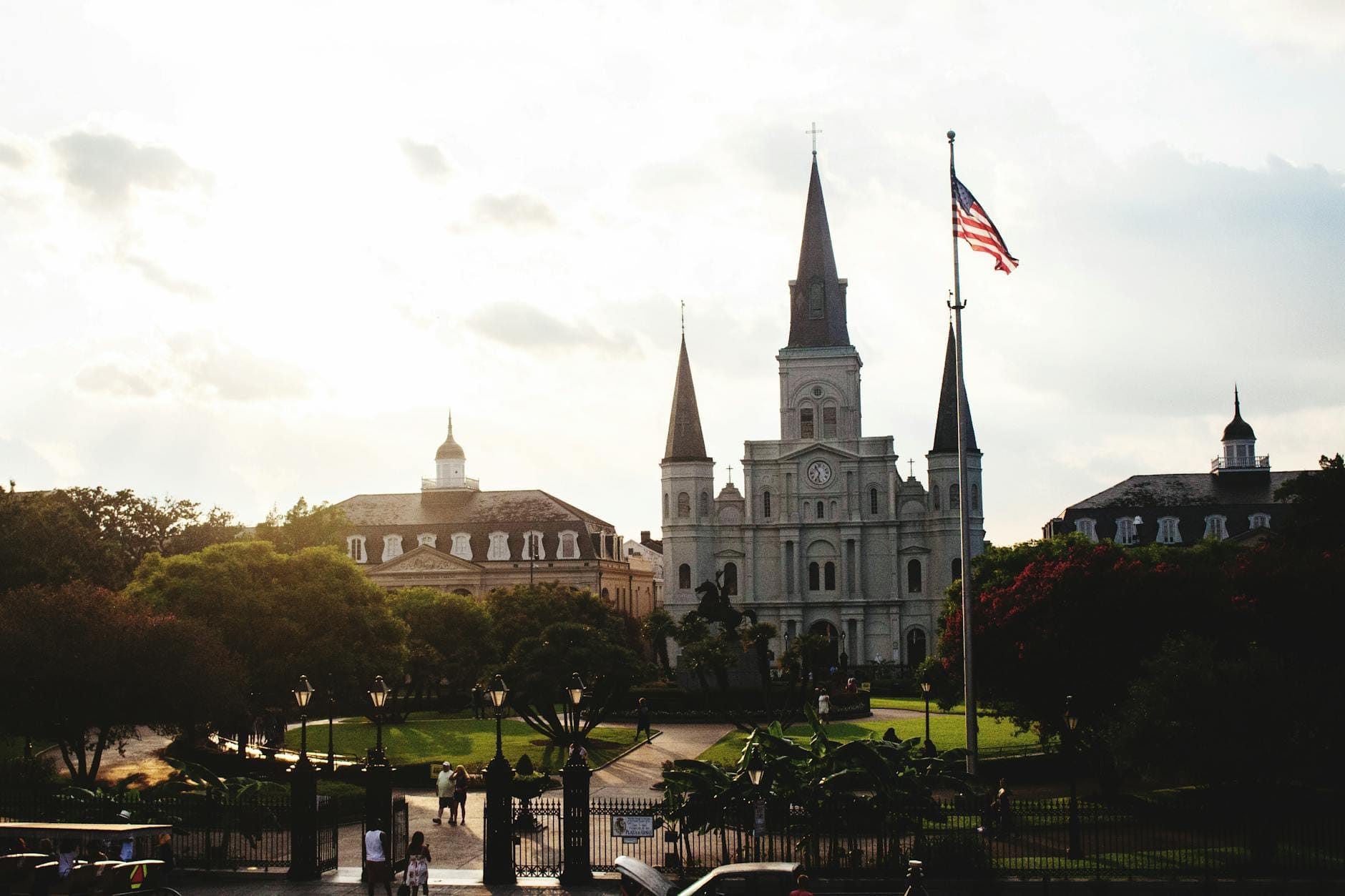
1. Frame the Triple Spires of Jackson Square at Sunrise
The most-photographed corner in the city. Arrive before 8 AM to find it nearly empty. Shoot from the Moon Walk side of Decatur Street to frame St. Louis Cathedral between the Pontalba Buildings with the square in the foreground.
Explore1. Frame the Triple Spires of Jackson Square at Sunrise
The most-photographed corner in the city. Arrive before 8 AM to find it nearly empty. Shoot from the Moon Walk side of Decatur Street to frame St. Louis Cathedral between the Pontalba Buildings with the square in the foreground.
Explore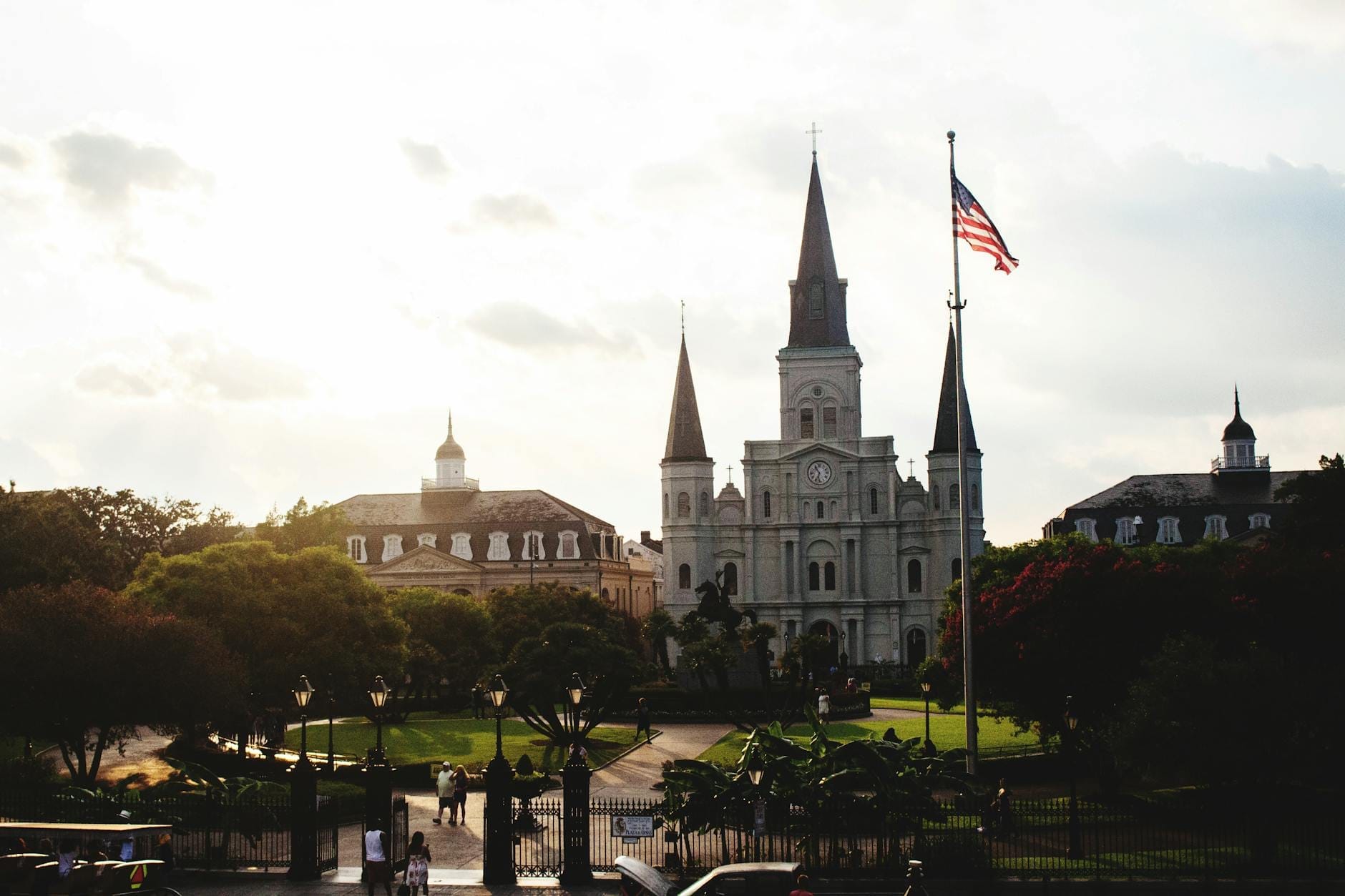
2. Shoot St. Louis Cathedral from Every Angle
The gleaming white facade and triple spires photograph beautifully from Jackson Square at ground level and from the Moon Walk elevated walkway. Early morning gives you clean shots without tour groups blocking the foreground.
Explore2. Shoot St. Louis Cathedral from Every Angle
The gleaming white facade and triple spires photograph beautifully from Jackson Square at ground level and from the Moon Walk elevated walkway. Early morning gives you clean shots without tour groups blocking the foreground.
Explore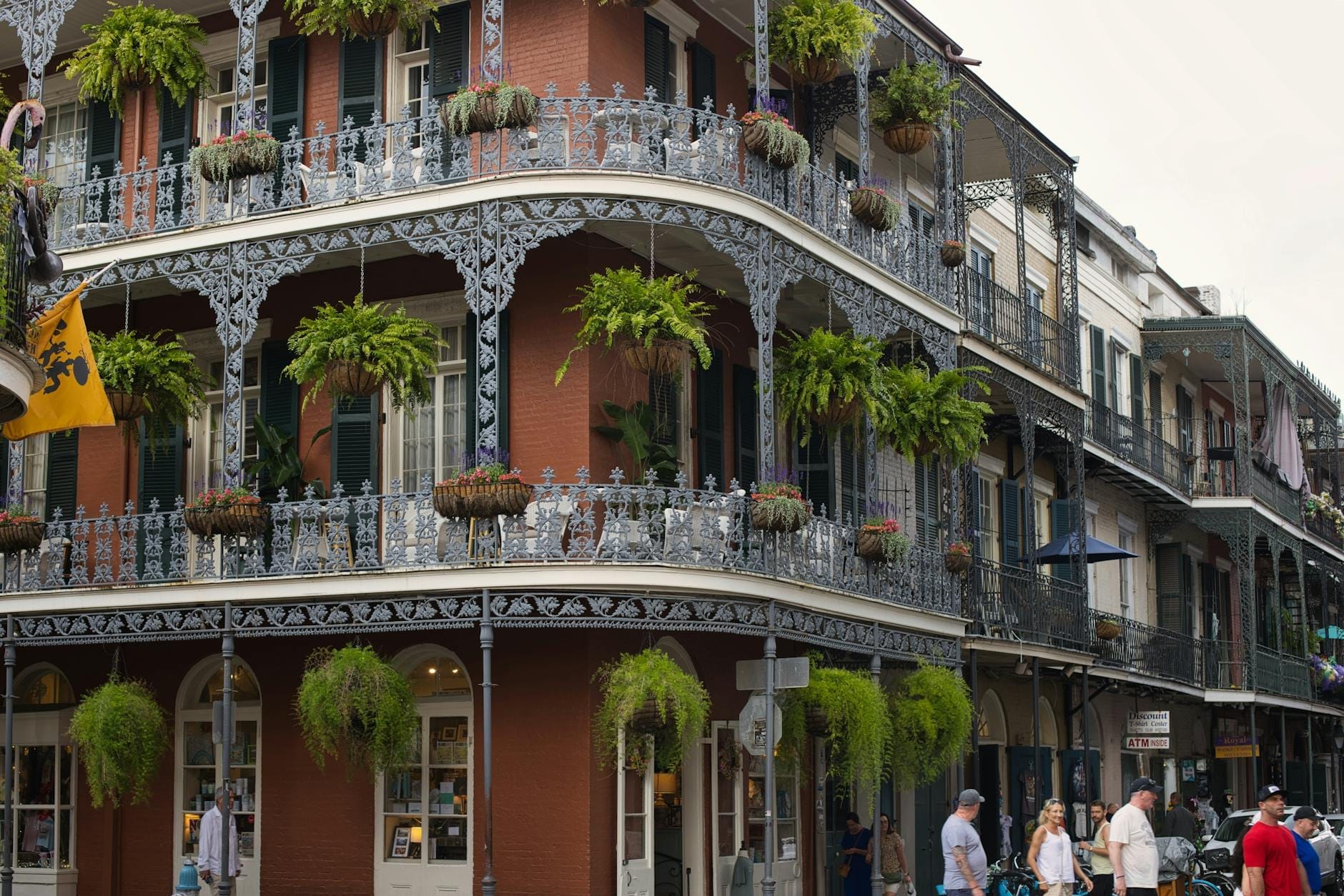
3. Walk Royal Street for the Best Ironwork Balconies
The intersection of Royal and St. Peter is the most photographed corner in the Quarter. Hanging ferns, cascading flower baskets, and ornate cast-iron railings create layered compositions. Spring blooms make this especially striking.
Explore3. Walk Royal Street for the Best Ironwork Balconies
The intersection of Royal and St. Peter is the most photographed corner in the Quarter. Hanging ferns, cascading flower baskets, and ornate cast-iron railings create layered compositions. Spring blooms make this especially striking.
Explore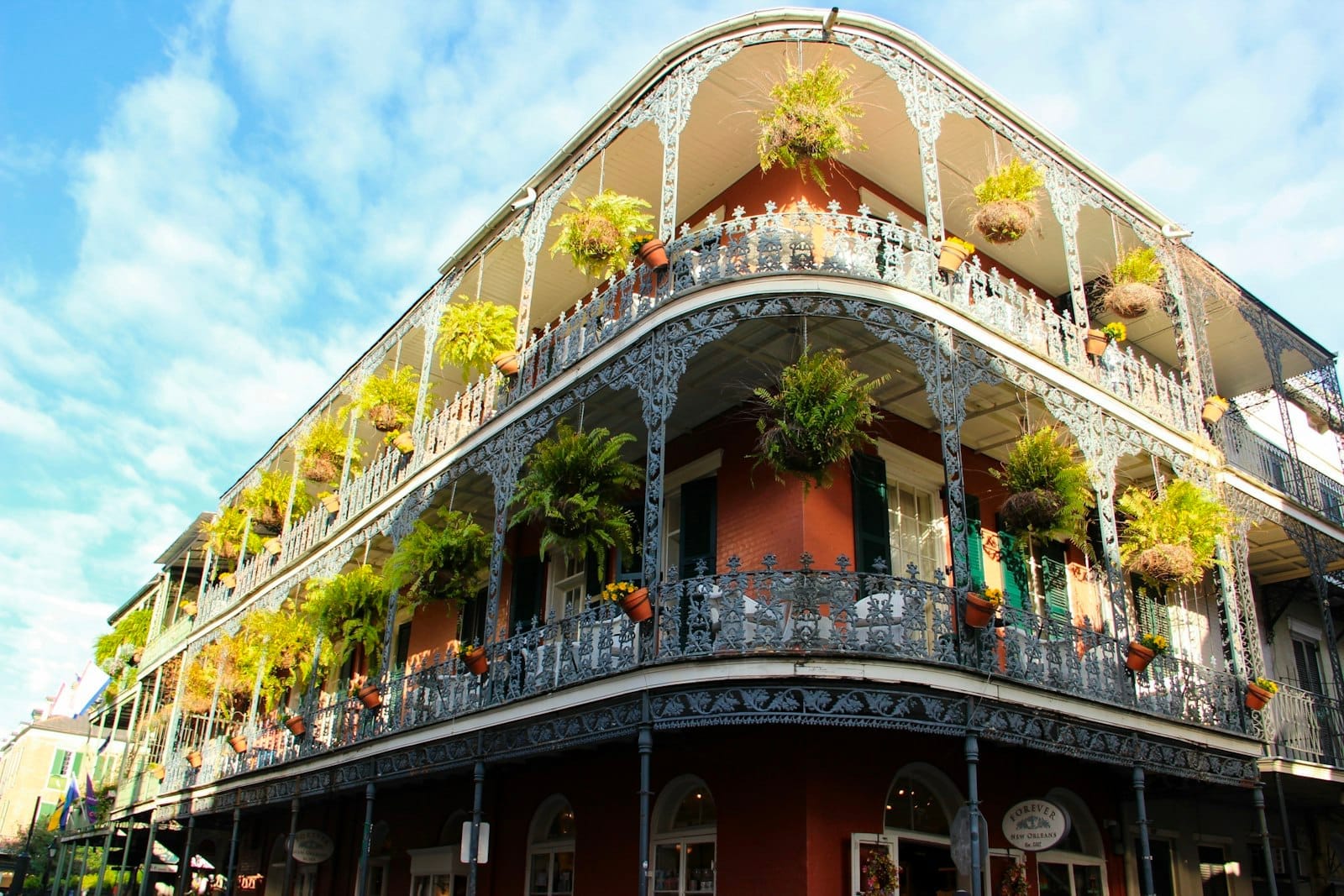
4. Explore the Vieux Carré for Hidden Courtyards and Colorful Doors
Beyond the main streets, the French Quarter hides flagstone courtyards, painted shutters, and wrought-iron gates down every alley. Wander off Royal and Chartres between 6 and 9 AM for the best light and empty sidewalks.
Explore4. Explore the Vieux Carré for Hidden Courtyards and Colorful Doors
Beyond the main streets, the French Quarter hides flagstone courtyards, painted shutters, and wrought-iron gates down every alley. Wander off Royal and Chartres between 6 and 9 AM for the best light and empty sidewalks.
Explore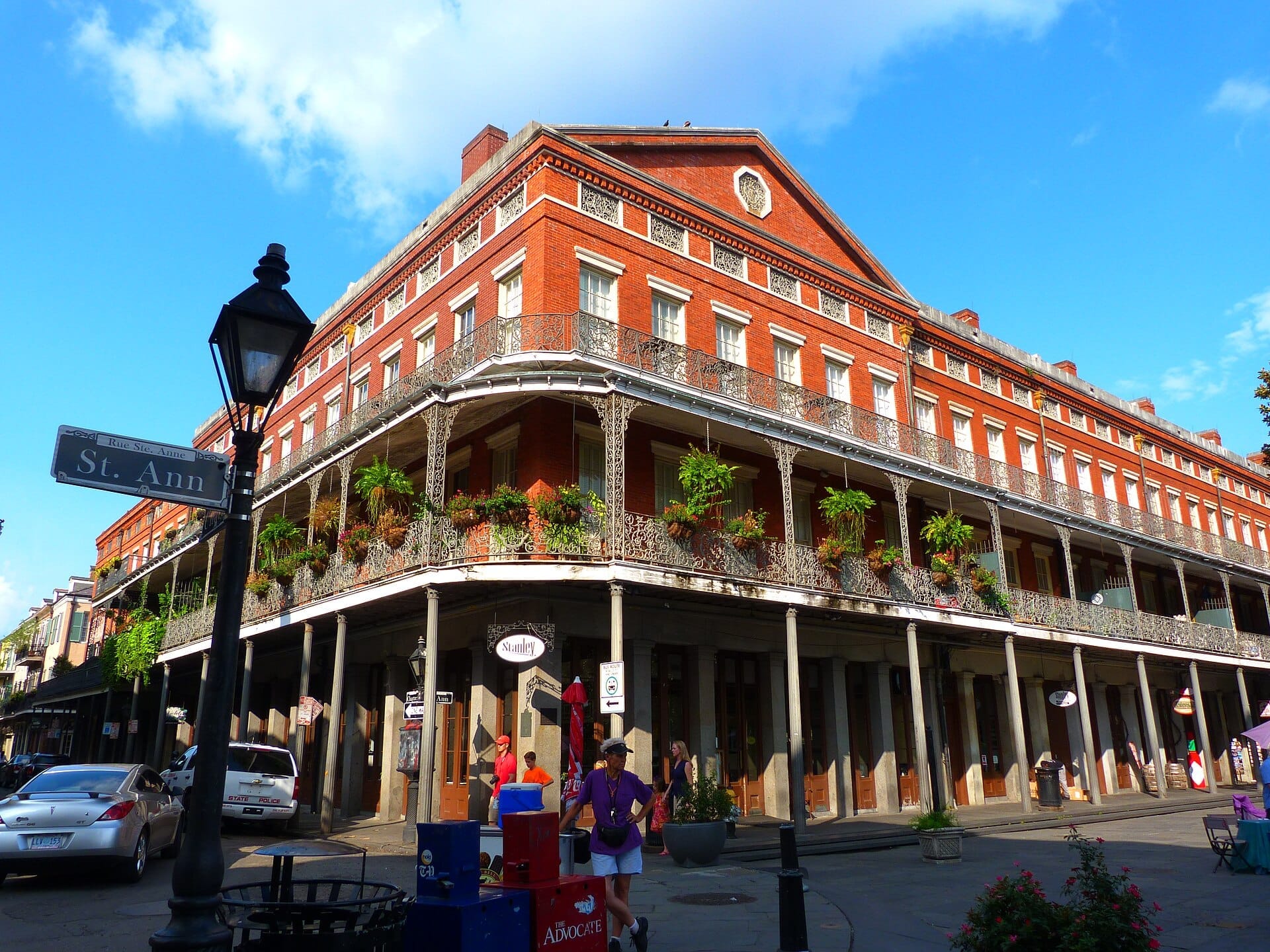
5. Capture the Symmetry of the Pontalba Buildings
These matching red-brick apartment buildings flank Jackson Square on both sides, their identical cast-iron galleries creating perfect symmetrical frames. Shoot from the center of the square looking toward either building for a strong architectural composition.
Explore5. Capture the Symmetry of the Pontalba Buildings
These matching red-brick apartment buildings flank Jackson Square on both sides, their identical cast-iron galleries creating perfect symmetrical frames. Shoot from the center of the square looking toward either building for a strong architectural composition.
Explore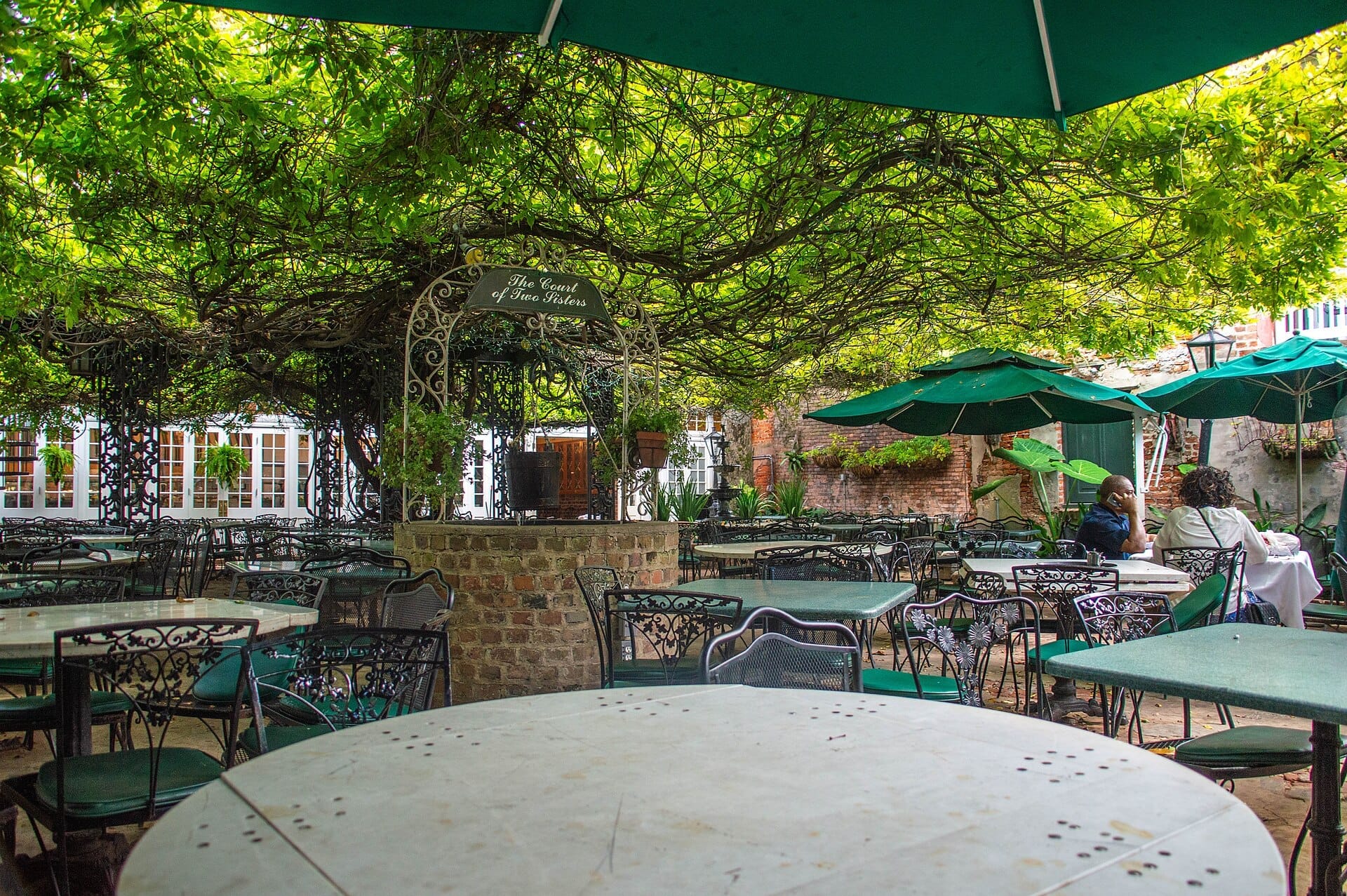
6. Step Inside the Courtyard at Court of Two Sisters
This 19th-century Creole townhouse contains one of the most beautiful private courtyards in the city: flagstones, wisteria, gas lanterns, and a splashing fountain. Visit during the day before service for unobstructed shots of the space.
Explore6. Step Inside the Courtyard at Court of Two Sisters
This 19th-century Creole townhouse contains one of the most beautiful private courtyards in the city: flagstones, wisteria, gas lanterns, and a splashing fountain. Visit during the day before service for unobstructed shots of the space.
Explore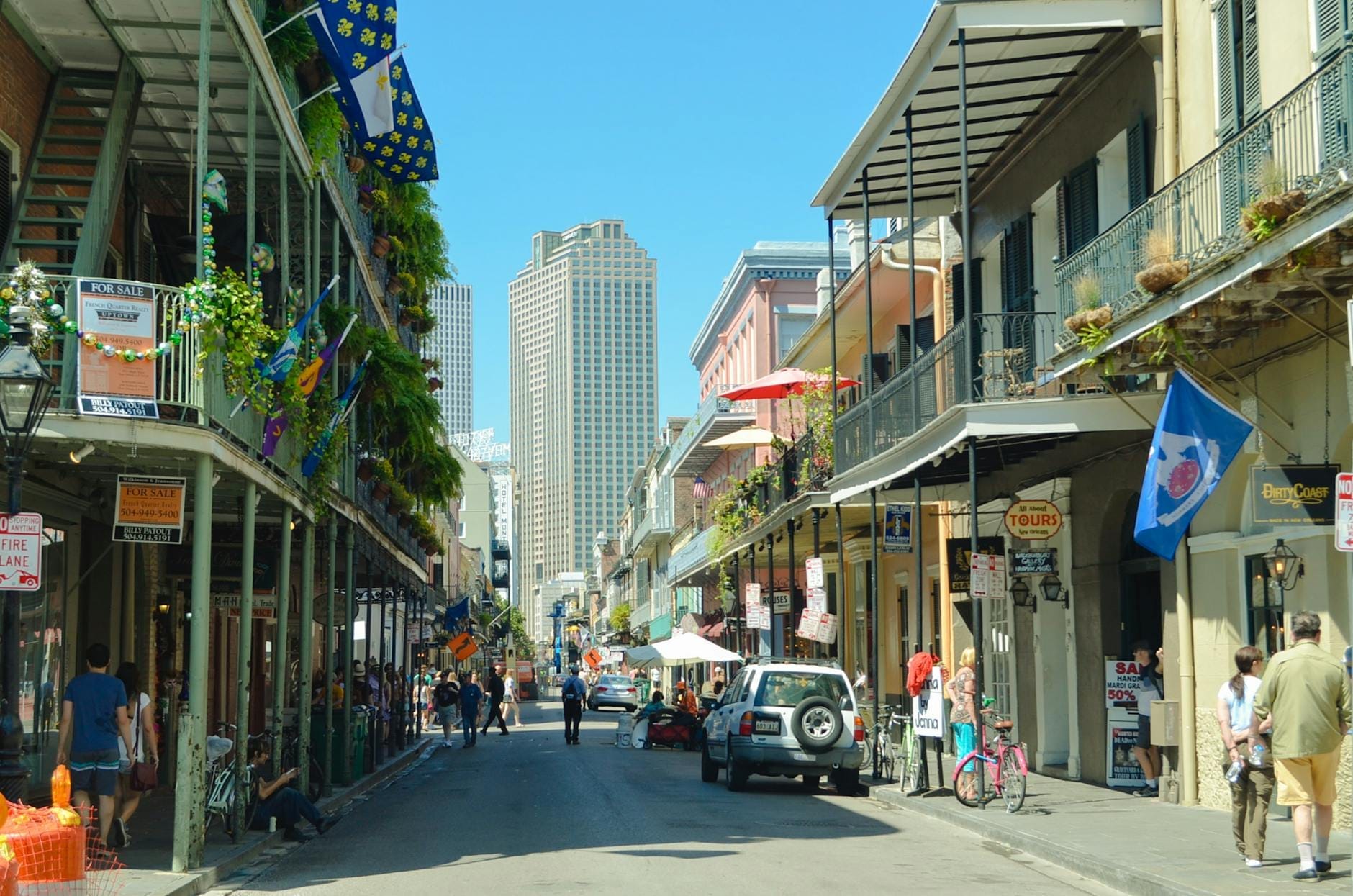
7. Photograph Bourbon Street Before the Crowds Arrive
The neon signs, balconies, and colorful facades of Bourbon Street look completely different at 7 AM versus midnight. Early morning gives you the architecture clean; after dark gives you the electric blur of lights and crowd energy.
Explore7. Photograph Bourbon Street Before the Crowds Arrive
The neon signs, balconies, and colorful facades of Bourbon Street look completely different at 7 AM versus midnight. Early morning gives you the architecture clean; after dark gives you the electric blur of lights and crowd energy.
Explore💡 Local tip
The best light in the French Quarter hits Royal Street around 7:30 AM in summer and 8:00 AM in winter. The narrow streets create deep shadows by midday, so early morning is worth the alarm.
Riverfront Views & Waterside Shots
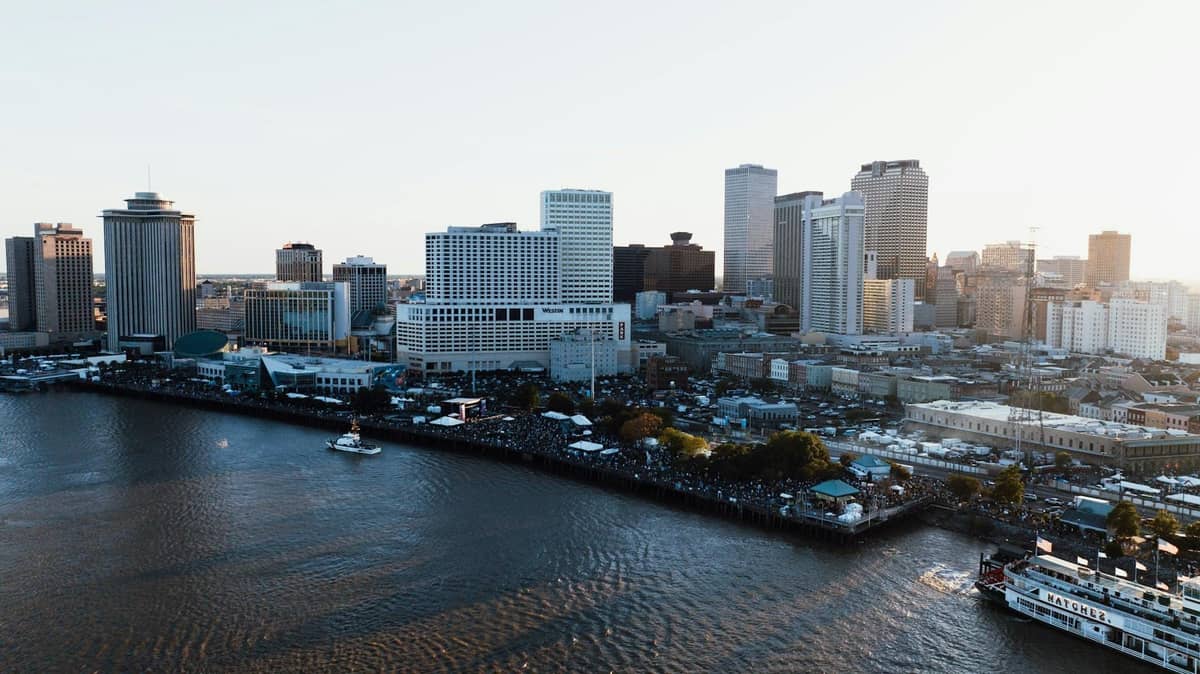
The Mississippi River bends sharply around New Orleans, giving the city its nickname and its most dramatic backdrops. Riverfront photography works best at golden hour, when the water turns copper and the bridges glow. For a full river experience, check out our guide to New Orleans Mississippi River cruises for shots from the water itself.
8. Watch the Sun Set Over the Mississippi from Moon Walk
The levee promenade directly behind Jackson Square offers unobstructed views of the river, cargo ships, and the West Bank bridge. Sunset here turns the water gold and the sky pink — a straightforward but genuinely beautiful shot.
Explore8. Watch the Sun Set Over the Mississippi from Moon Walk
The levee promenade directly behind Jackson Square offers unobstructed views of the river, cargo ships, and the West Bank bridge. Sunset here turns the water gold and the sky pink — a straightforward but genuinely beautiful shot.
Explore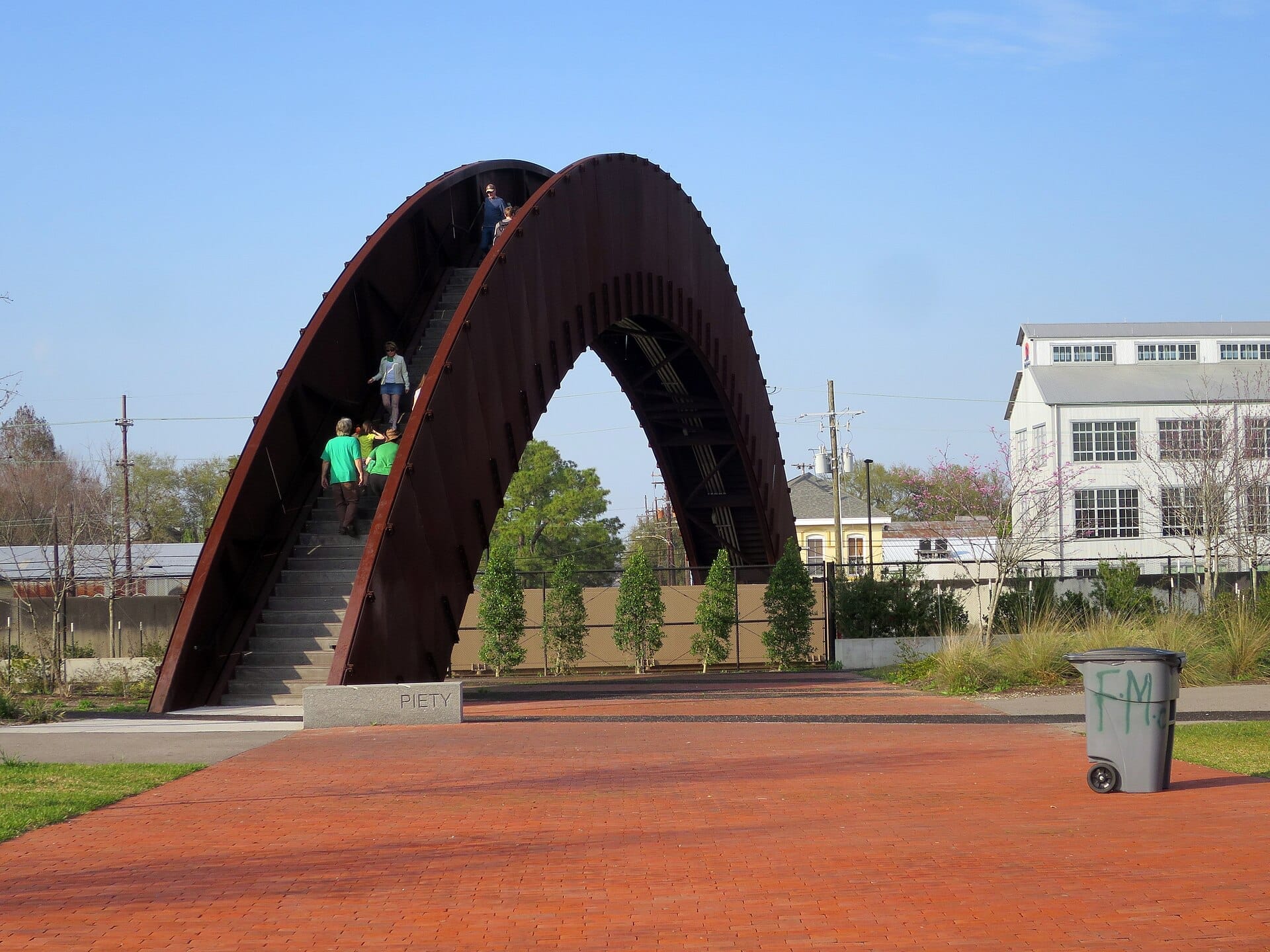
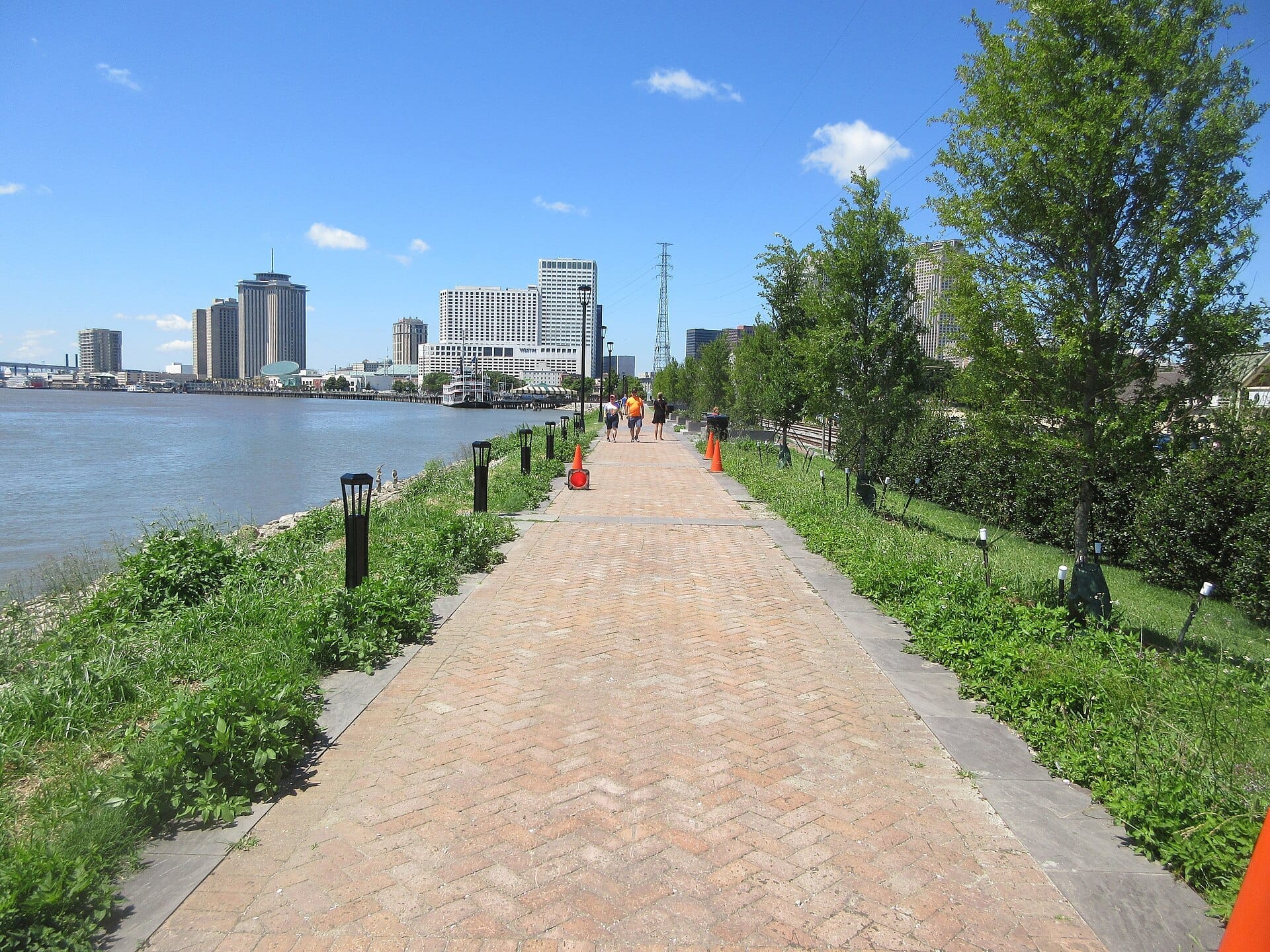
9. Get the Downtown Skyline Shot from Crescent Park
This Marigny riverfront park gives you one of the best city skyline angles in New Orleans, with the Mississippi in the foreground and the Crescent City Connection bridge in the distance. The rusted industrial footbridge at the park entrance is photogenic on its own.
Explore9. Get the Downtown Skyline Shot from Crescent Park
This Marigny riverfront park gives you one of the best city skyline angles in New Orleans, with the Mississippi in the foreground and the Crescent City Connection bridge in the distance. The rusted industrial footbridge at the park entrance is photogenic on its own.
Explore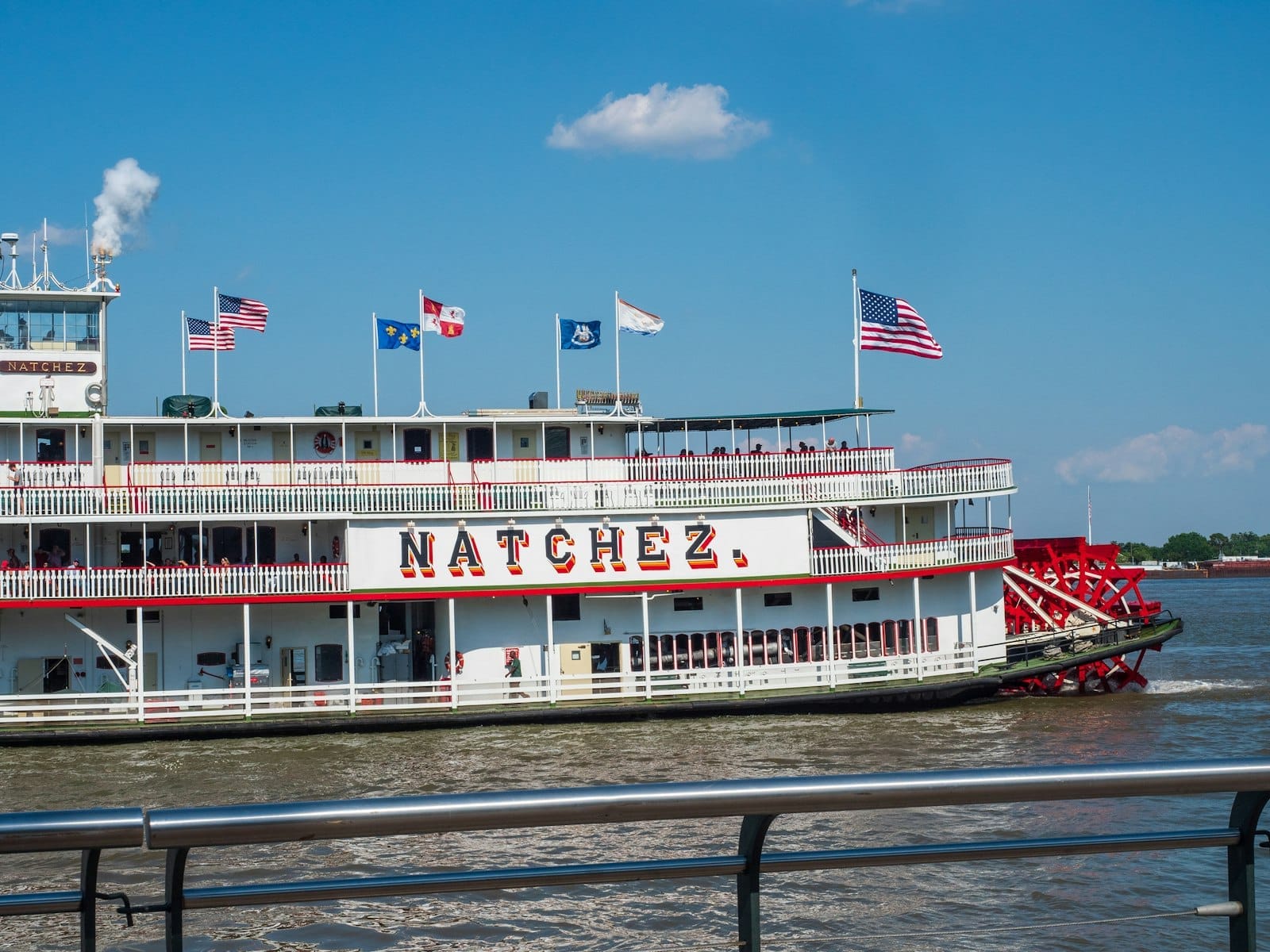
10. Frame the Last Steam Sternwheeler on the Mississippi
The Natchez docked at the river or underway gives you a classic New Orleans shot that photographers have been taking for 150 years. Catch it departing from the Toulouse Street Wharf for moving water reflections and the CBD skyline behind.
Explore10. Frame the Last Steam Sternwheeler on the Mississippi
The Natchez docked at the river or underway gives you a classic New Orleans shot that photographers have been taking for 150 years. Catch it departing from the Toulouse Street Wharf for moving water reflections and the CBD skyline behind.
ExploreParks, Gardens & Natural Backdrops
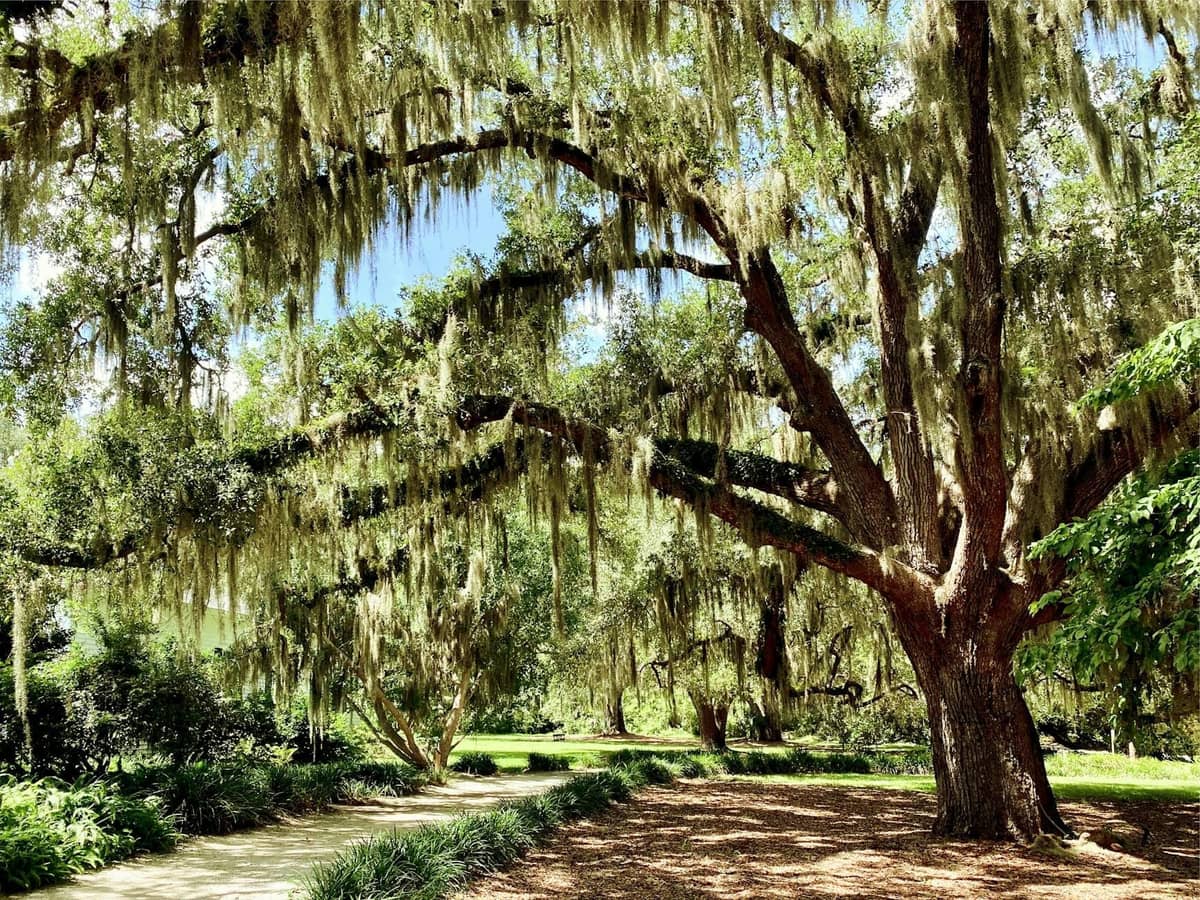
New Orleans' parks offer a completely different visual register from the French Quarter's urban grit. City Park in particular is one of the most photogenic urban green spaces in the United States, with ancient live oaks draped in Spanish moss creating canopies that feel ancient. The free things to do in New Orleans guide has more on making the most of these spaces without spending anything.
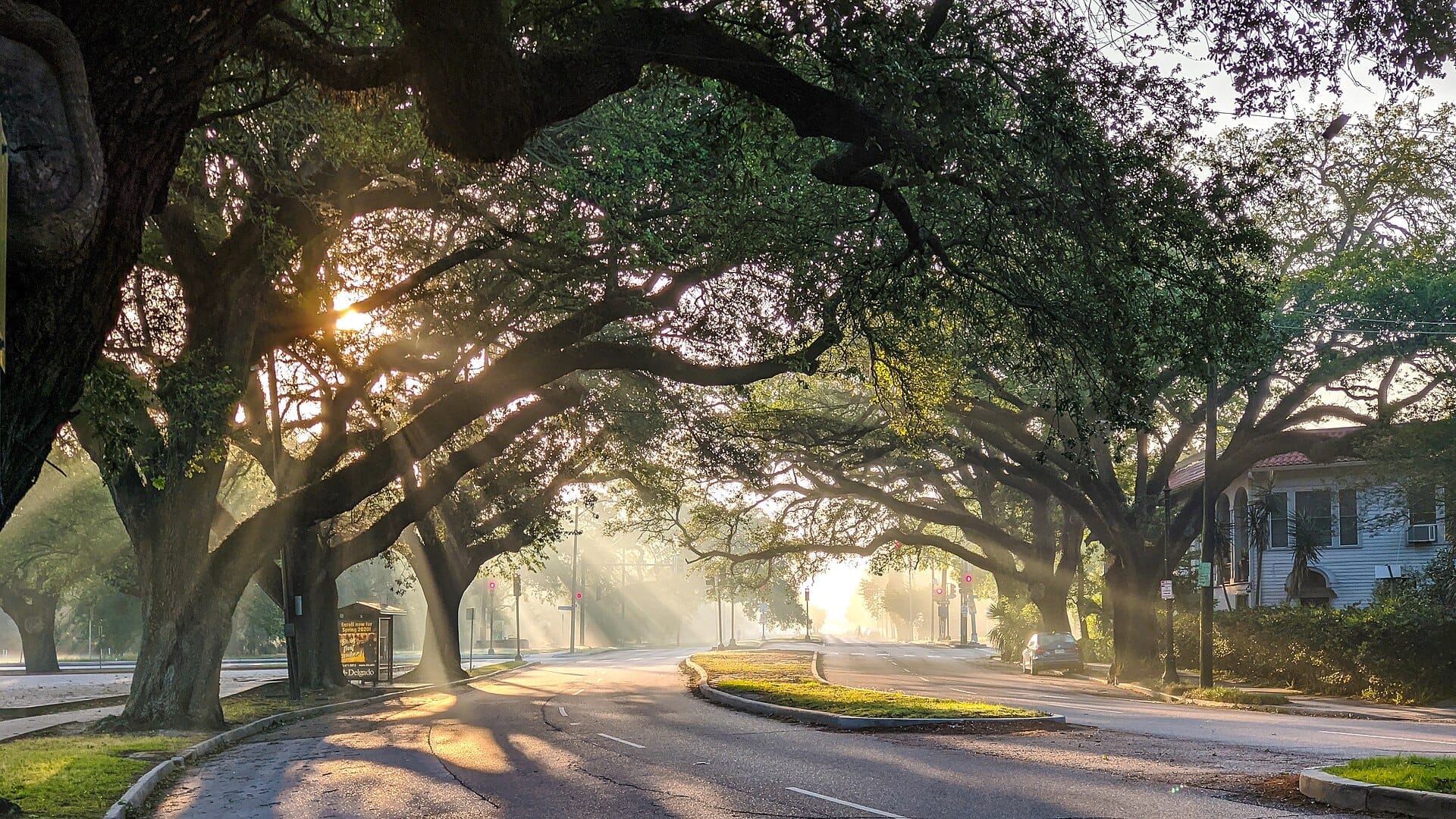
11. Shoot Under the Ancient Live Oaks of City Park
The Dueling Oaks area near NOMA has trees estimated at 300+ years old, their mossy branches spreading wide overhead. The Langles Bridge and lagoon reflections are equally compelling. Go early on weekday mornings for solitude.
Explore11. Shoot Under the Ancient Live Oaks of City Park
The Dueling Oaks area near NOMA has trees estimated at 300+ years old, their mossy branches spreading wide overhead. The Langles Bridge and lagoon reflections are equally compelling. Go early on weekday mornings for solitude.
Explore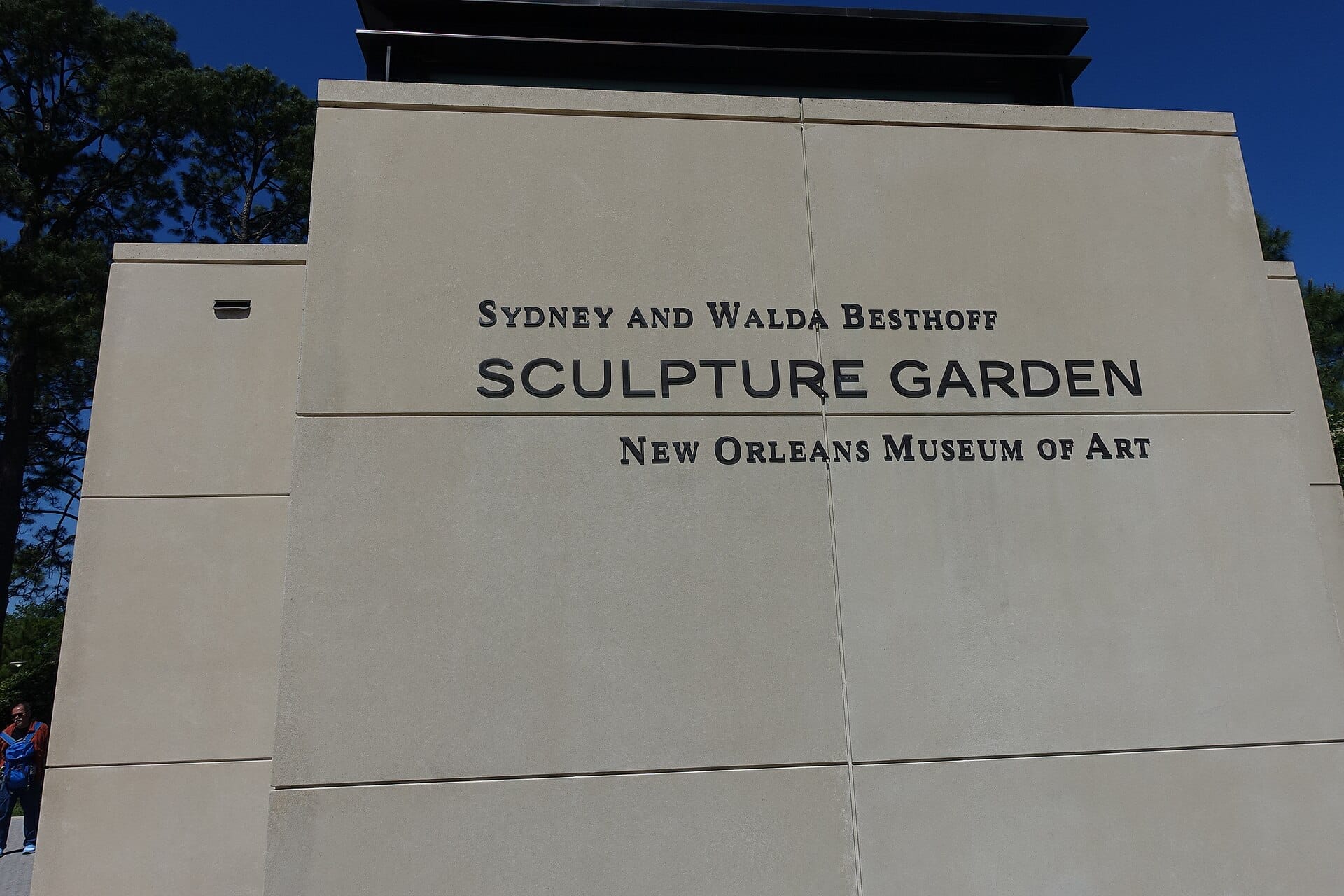
12. Compose Sculpture Against Live Oaks at the Besthoff Garden
Over 90 major sculptures set among lagoons and centuries-old trees adjacent to NOMA. The combination of contemporary art, Spanish moss, and still water makes this one of the most unusual and photogenic free spaces in the city.
Explore12. Compose Sculpture Against Live Oaks at the Besthoff Garden
Over 90 major sculptures set among lagoons and centuries-old trees adjacent to NOMA. The combination of contemporary art, Spanish moss, and still water makes this one of the most unusual and photogenic free spaces in the city.
Explore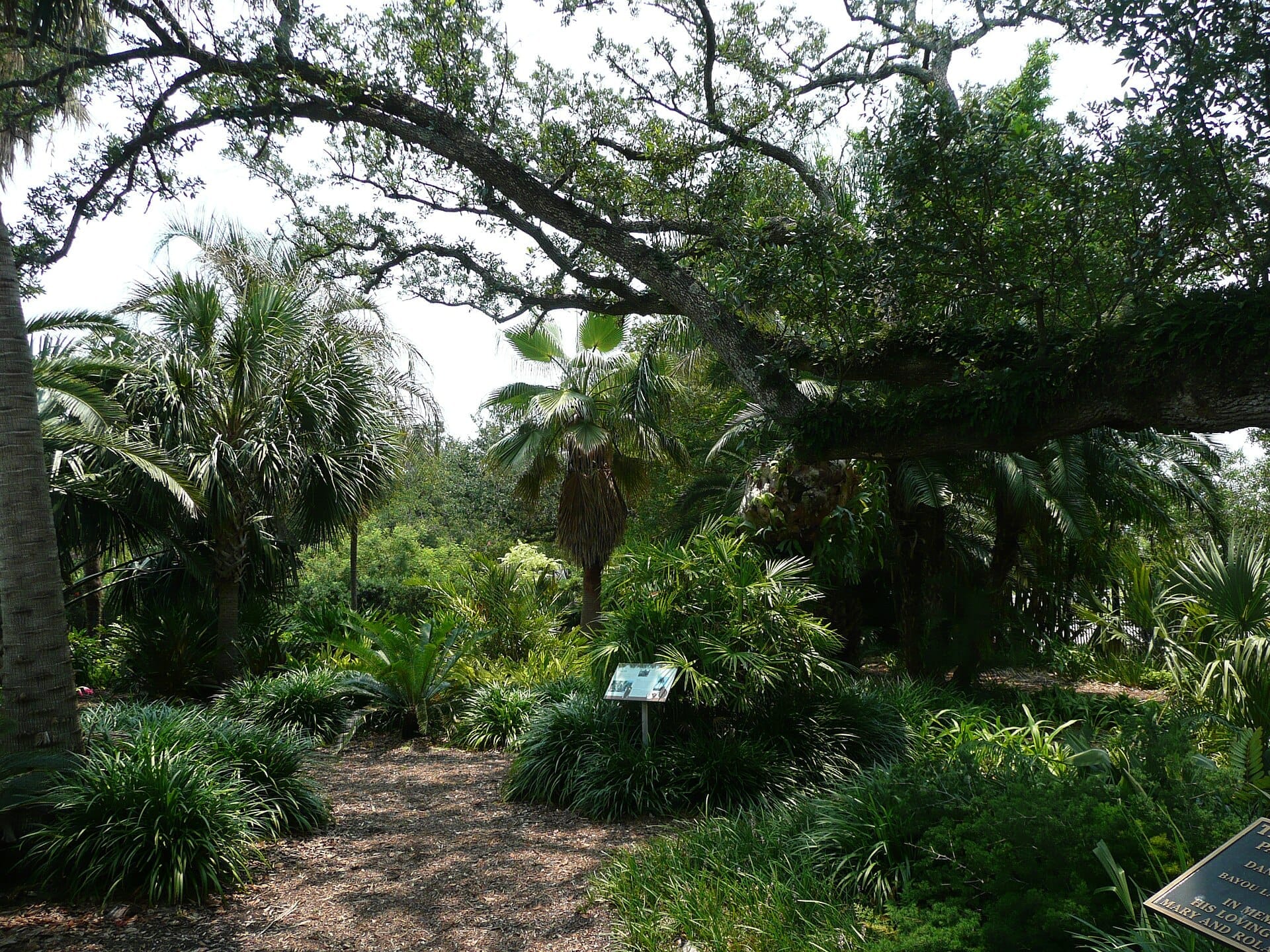
13. Find WPA-Era Art Deco Details in the Botanical Garden
The formal rose parterre, geometric tile work, and 1930s WPA architecture give City Park's botanical garden a completely different visual feel from the wilder oaks outside. Roses peak in spring; the conservatory works year-round.
Explore13. Find WPA-Era Art Deco Details in the Botanical Garden
The formal rose parterre, geometric tile work, and 1930s WPA architecture give City Park's botanical garden a completely different visual feel from the wilder oaks outside. Roses peak in spring; the conservatory works year-round.
Explore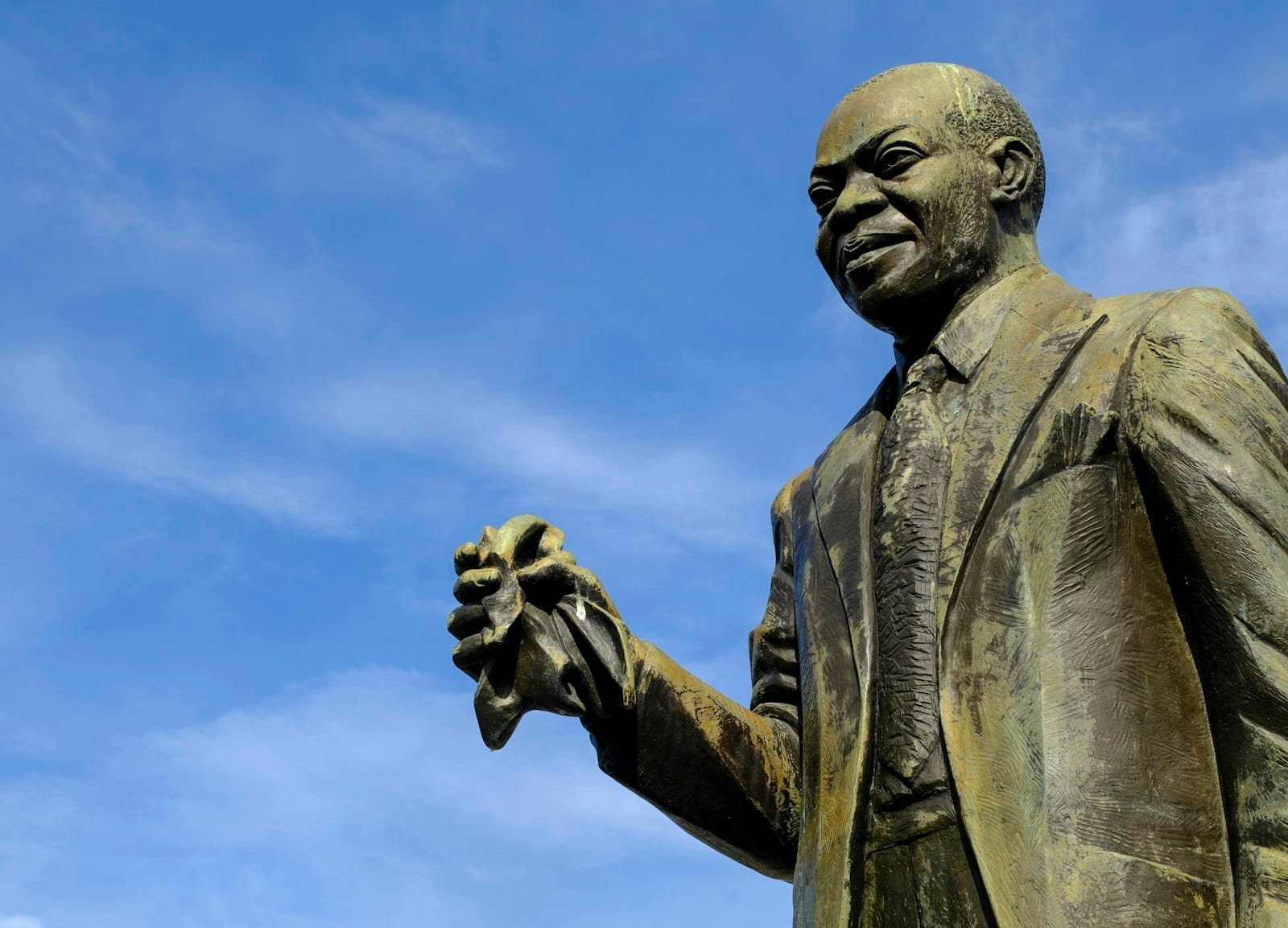
14. Shoot the Grand Arch and Lagoons of Louis Armstrong Park
The ornate entrance arch facing North Rampart Street frames perfectly for portraits. Inside, the lagoon reflects the surrounding trees and historic Municipal Auditorium. Late afternoon light through the oaks is especially strong here.
Explore14. Shoot the Grand Arch and Lagoons of Louis Armstrong Park
The ornate entrance arch facing North Rampart Street frames perfectly for portraits. Inside, the lagoon reflects the surrounding trees and historic Municipal Auditorium. Late afternoon light through the oaks is especially strong here.
Explore✨ Pro tip
City Park's lagoons and sculpture garden shoot best in the 30 minutes after sunrise when mist sits on the water and the light is soft. By 9 AM on weekends, joggers and families fill the paths.
Historic Architecture & Unique Streetscapes
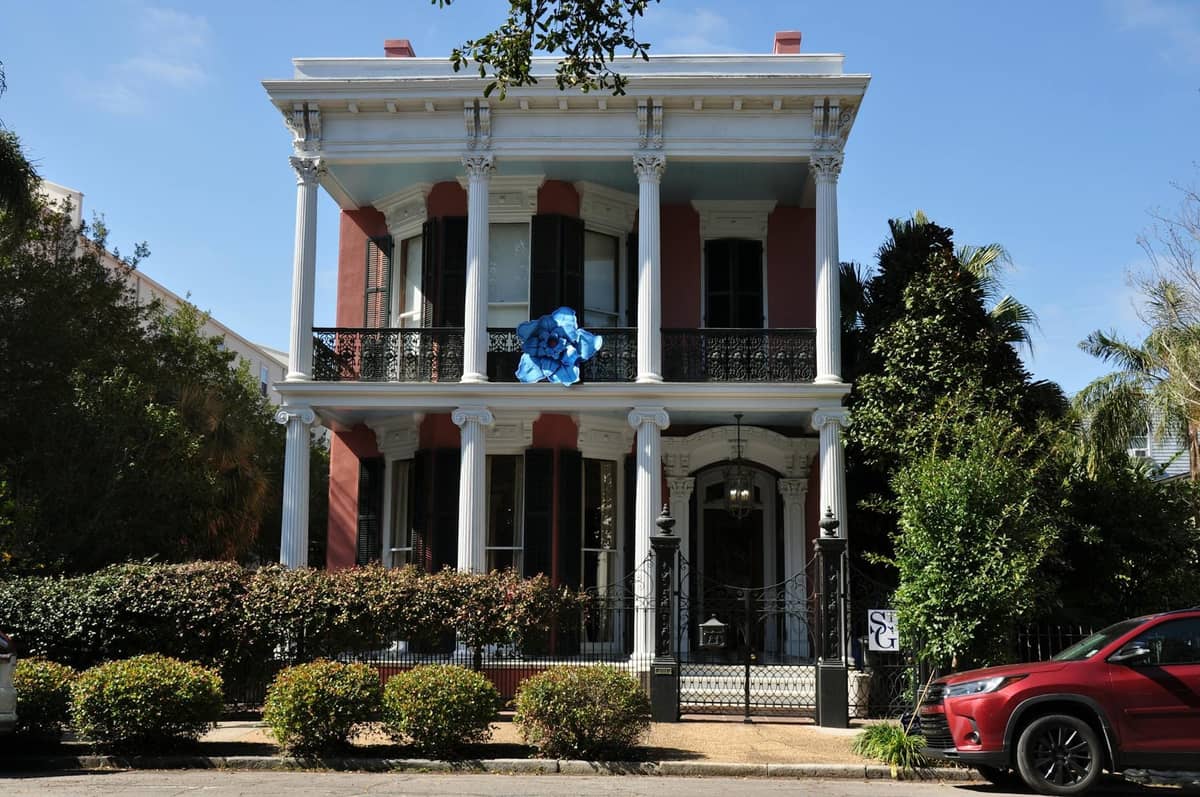
Some of New Orleans' most distinctive photography happens beyond the French Quarter, in neighborhoods where the architecture tells a different story. The Garden District and Tremé offer antebellum mansions, above-ground cemeteries, and colorful Creole cottages that reward slow, deliberate walking.
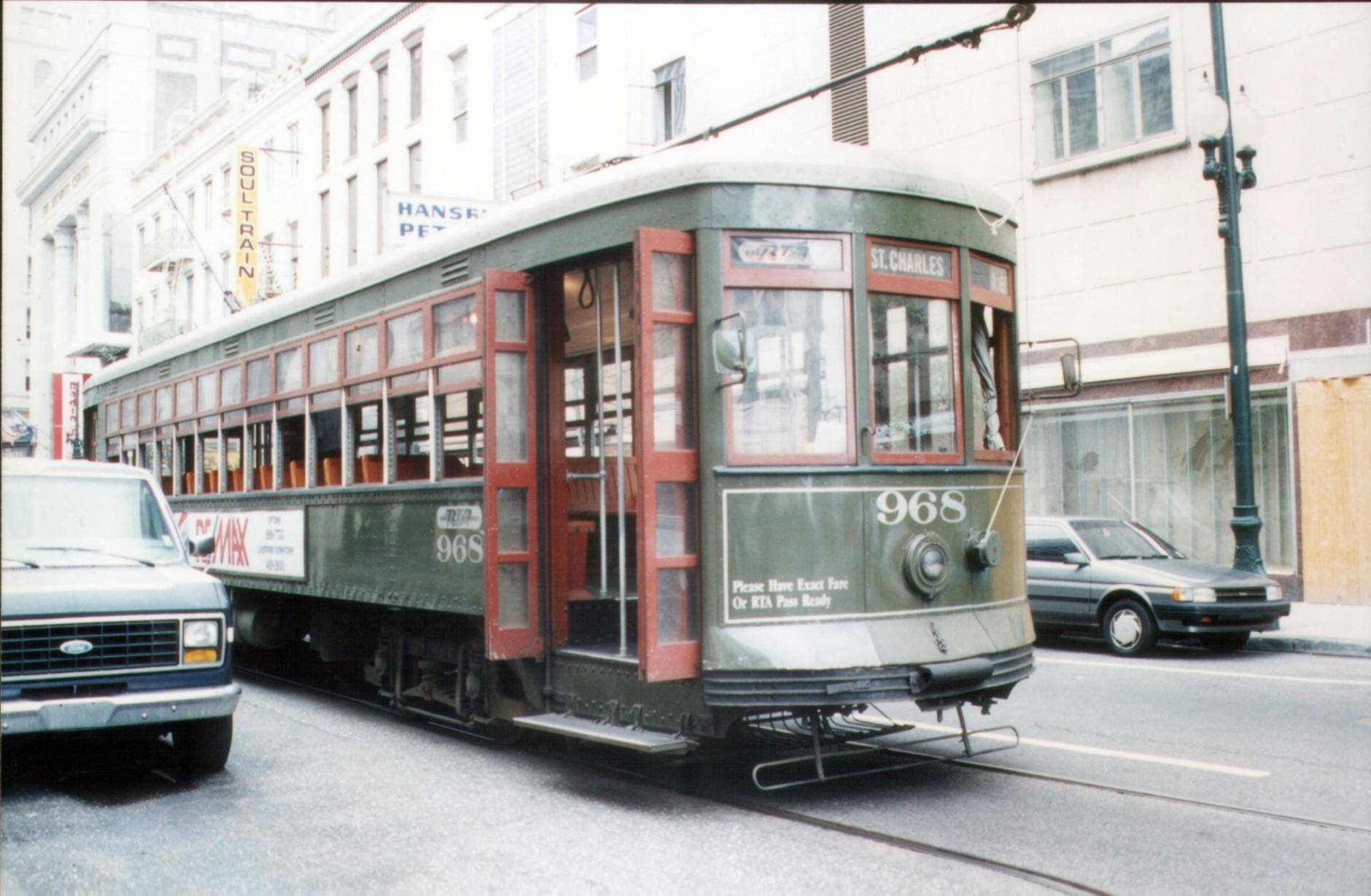
15. Ride the St. Charles Streetcar for Moving Architecture Shots
The green streetcar rolling under the oak canopy of St. Charles Avenue is one of the most iconic images in the city. Shoot from the sidewalk at the Garden District stops, or ride with the windows open for motion blur shots of the passing mansions.
Explore15. Ride the St. Charles Streetcar for Moving Architecture Shots
The green streetcar rolling under the oak canopy of St. Charles Avenue is one of the most iconic images in the city. Shoot from the sidewalk at the Garden District stops, or ride with the windows open for motion blur shots of the passing mansions.
Explore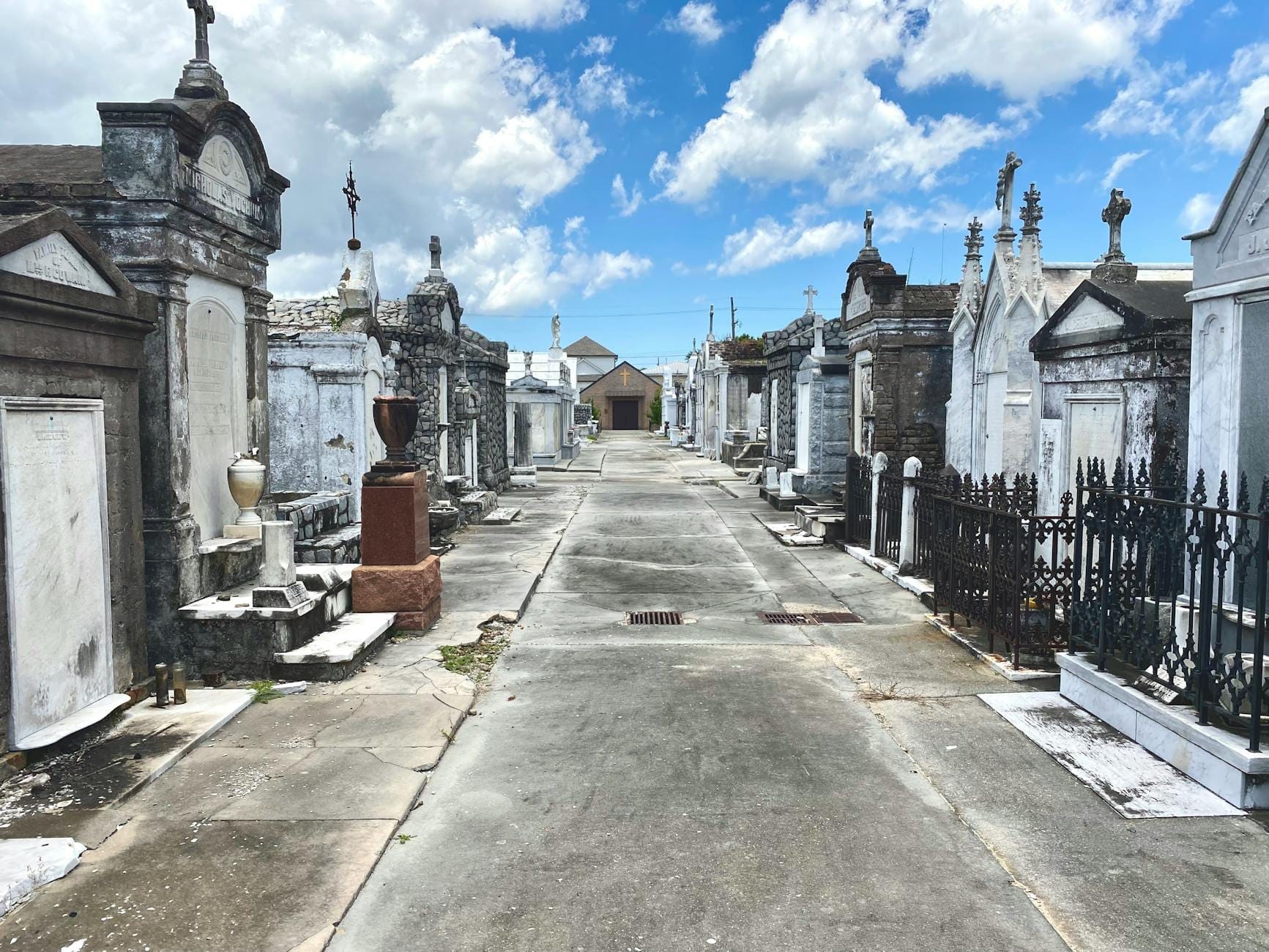
16. Photograph the City of the Dead at St. Louis Cemetery No. 1
Above-ground whitewashed tombs crowding narrow lanes create a genuinely otherworldly visual environment. Access is by guided tour only (verify on-site rules). Morning light creates dramatic shadows across the tomb facades.
Explore16. Photograph the City of the Dead at St. Louis Cemetery No. 1
Above-ground whitewashed tombs crowding narrow lanes create a genuinely otherworldly visual environment. Access is by guided tour only (verify on-site rules). Morning light creates dramatic shadows across the tomb facades.
Explore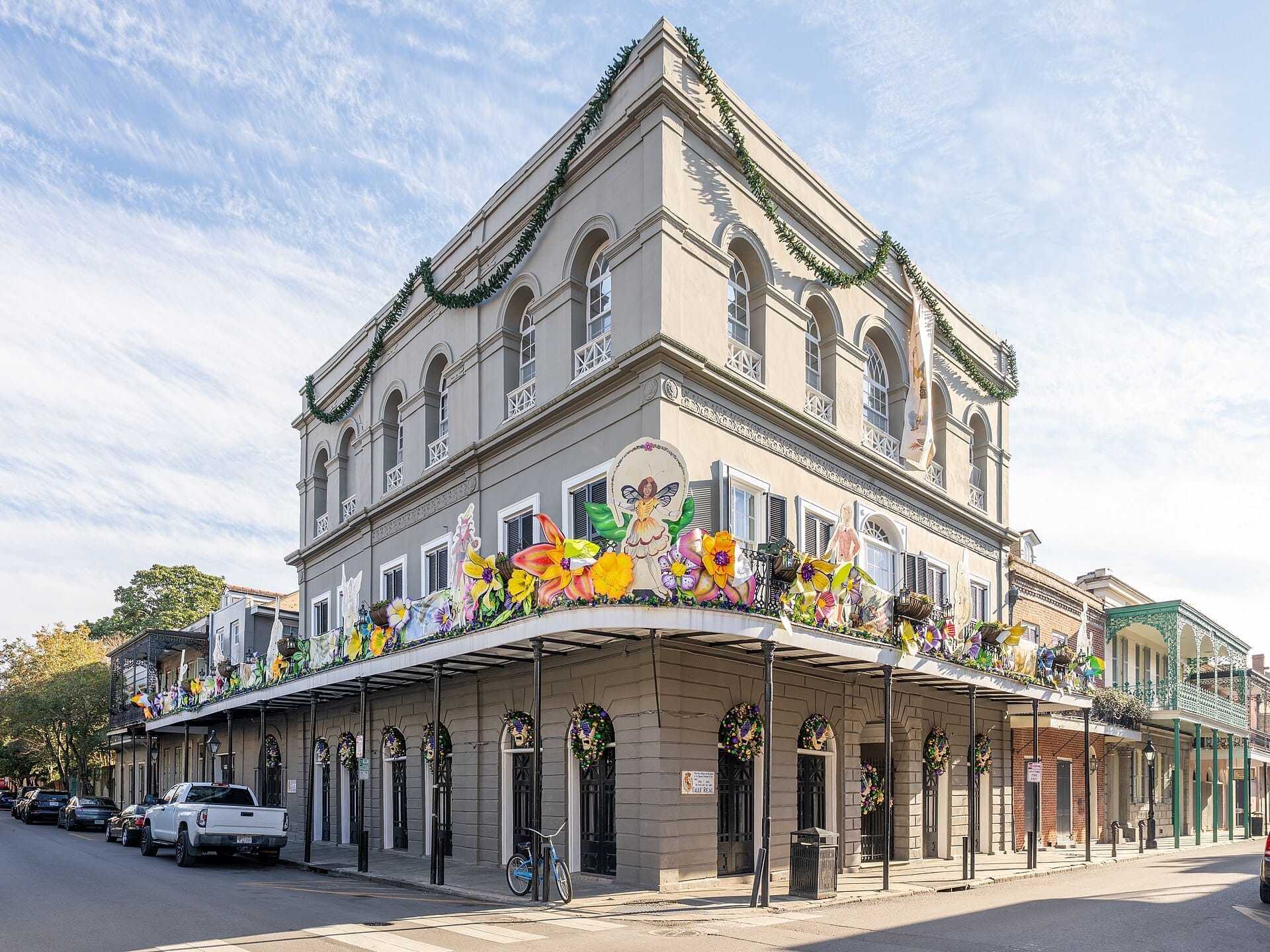
17. Shoot the Infamous Greek Revival Facade on Royal Street
The LaLaurie Mansion's imposing three-story Greek Revival exterior on Royal Street is one of the most striking architectural photographs in the Quarter. The worn plaster, iron balconies, and dark history give every shot a specific edge.
Explore17. Shoot the Infamous Greek Revival Facade on Royal Street
The LaLaurie Mansion's imposing three-story Greek Revival exterior on Royal Street is one of the most striking architectural photographs in the Quarter. The worn plaster, iron balconies, and dark history give every shot a specific edge.
Explore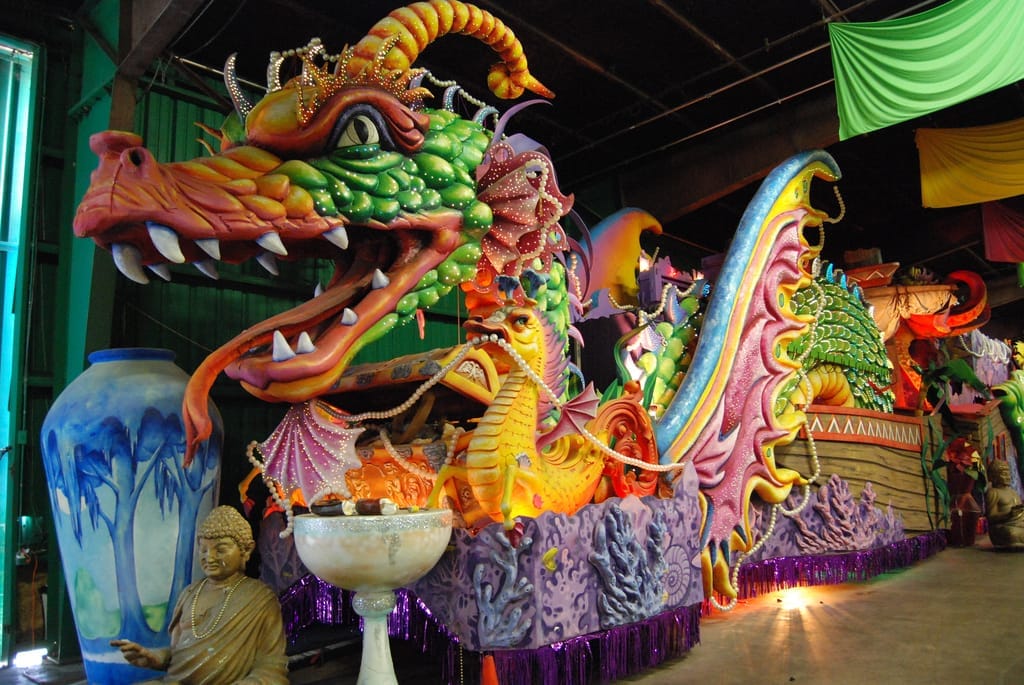
18. Pose with Giant Float Sculptures at Mardi Gras World
The warehouse interiors filled with enormous papier-mache heads, gilded props, and surreal parade figures create a backdrop unlike anything else in the city. The color saturation inside the studios photographs beautifully even on overcast days.
Explore18. Pose with Giant Float Sculptures at Mardi Gras World
The warehouse interiors filled with enormous papier-mache heads, gilded props, and surreal parade figures create a backdrop unlike anything else in the city. The color saturation inside the studios photographs beautifully even on overcast days.
ExploreFood, Markets & Night Scenes
New Orleans food culture is deeply photogenic, and not just the food itself. The settings, the rituals, and the neighborhood markets all translate well to images. For a deeper look at what to eat and where, check the New Orleans food guide alongside this list.
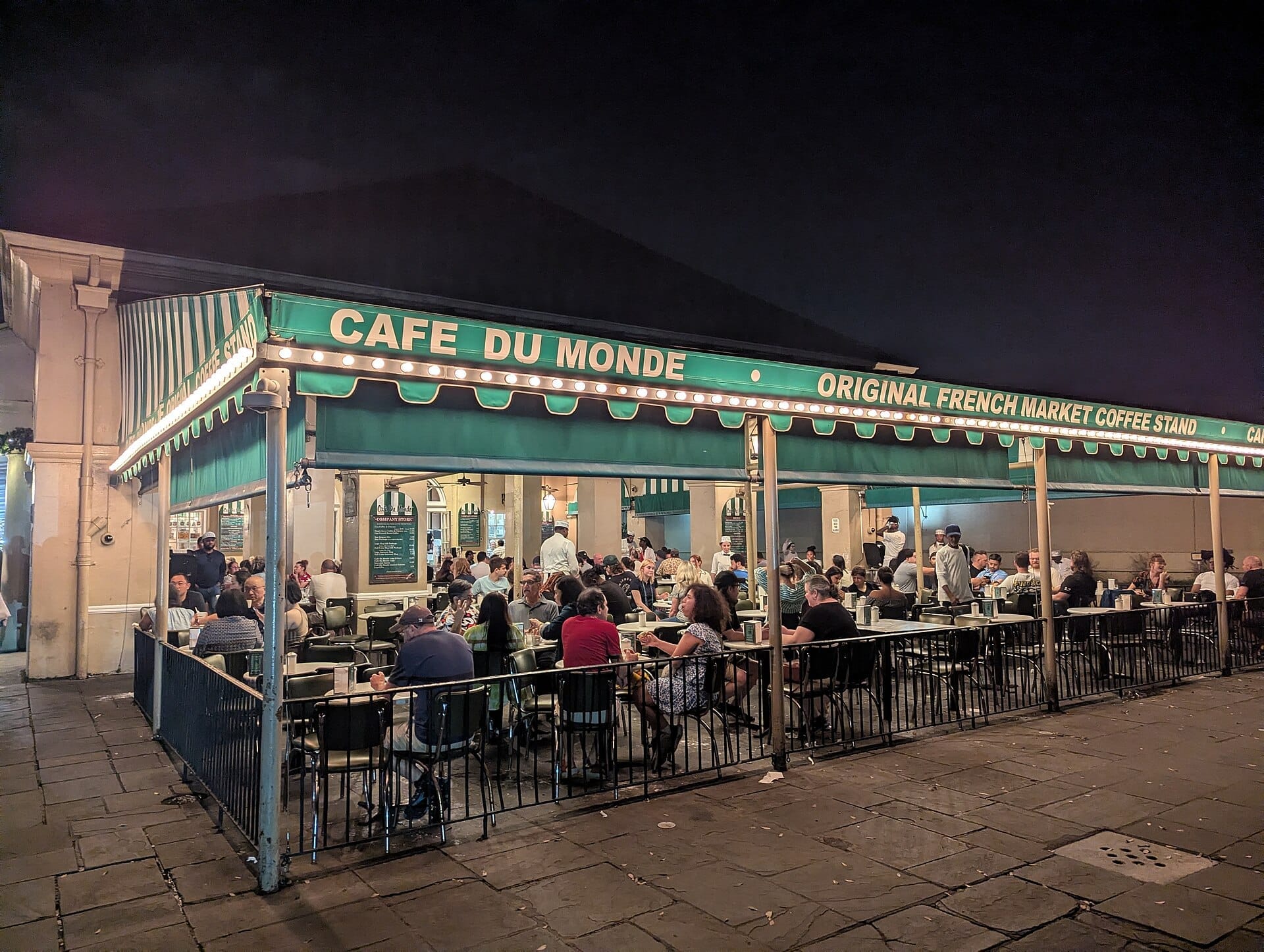
19. Get the Beignet-and-Coffee Shot at Café du Monde
A plate of powdered-sugar beignets against the green-and-white striped awning with Jackson Square in the background is one of the most-shared food photos in the city. Go before 9 AM to get a table without a 30-minute wait.
Explore19. Get the Beignet-and-Coffee Shot at Café du Monde
A plate of powdered-sugar beignets against the green-and-white striped awning with Jackson Square in the background is one of the most-shared food photos in the city. Go before 9 AM to get a table without a 30-minute wait.
Explore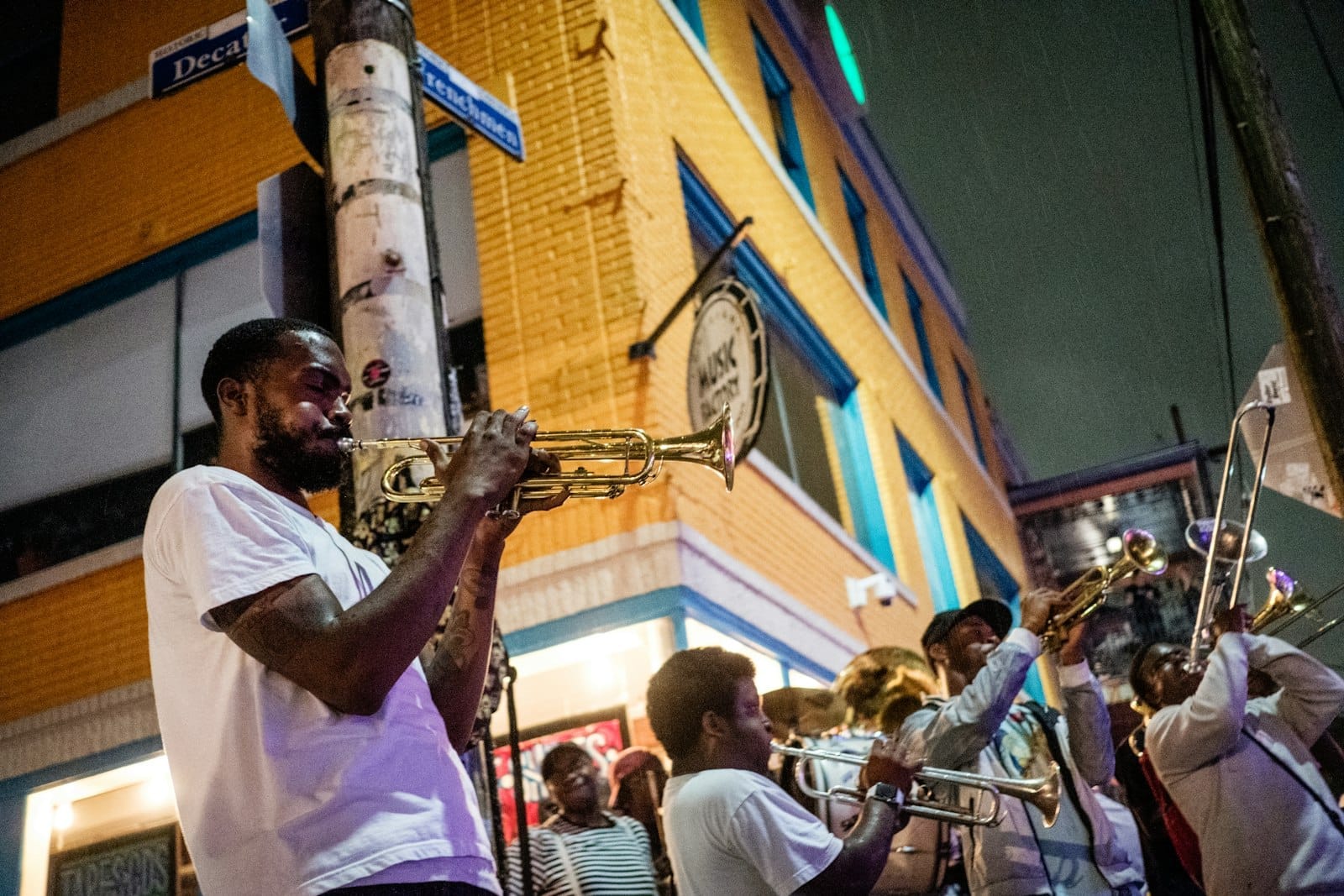
20. Capture the Energy of Frenchmen Street After Dark
Brass bands spilling onto the sidewalk, hand-painted signs, string lights above the outdoor art market: Frenchmen Street between 9 PM and midnight offers low-light photography that rewards faster lenses and patience for the right moment.
Explore20. Capture the Energy of Frenchmen Street After Dark
Brass bands spilling onto the sidewalk, hand-painted signs, string lights above the outdoor art market: Frenchmen Street between 9 PM and midnight offers low-light photography that rewards faster lenses and patience for the right moment.
Explore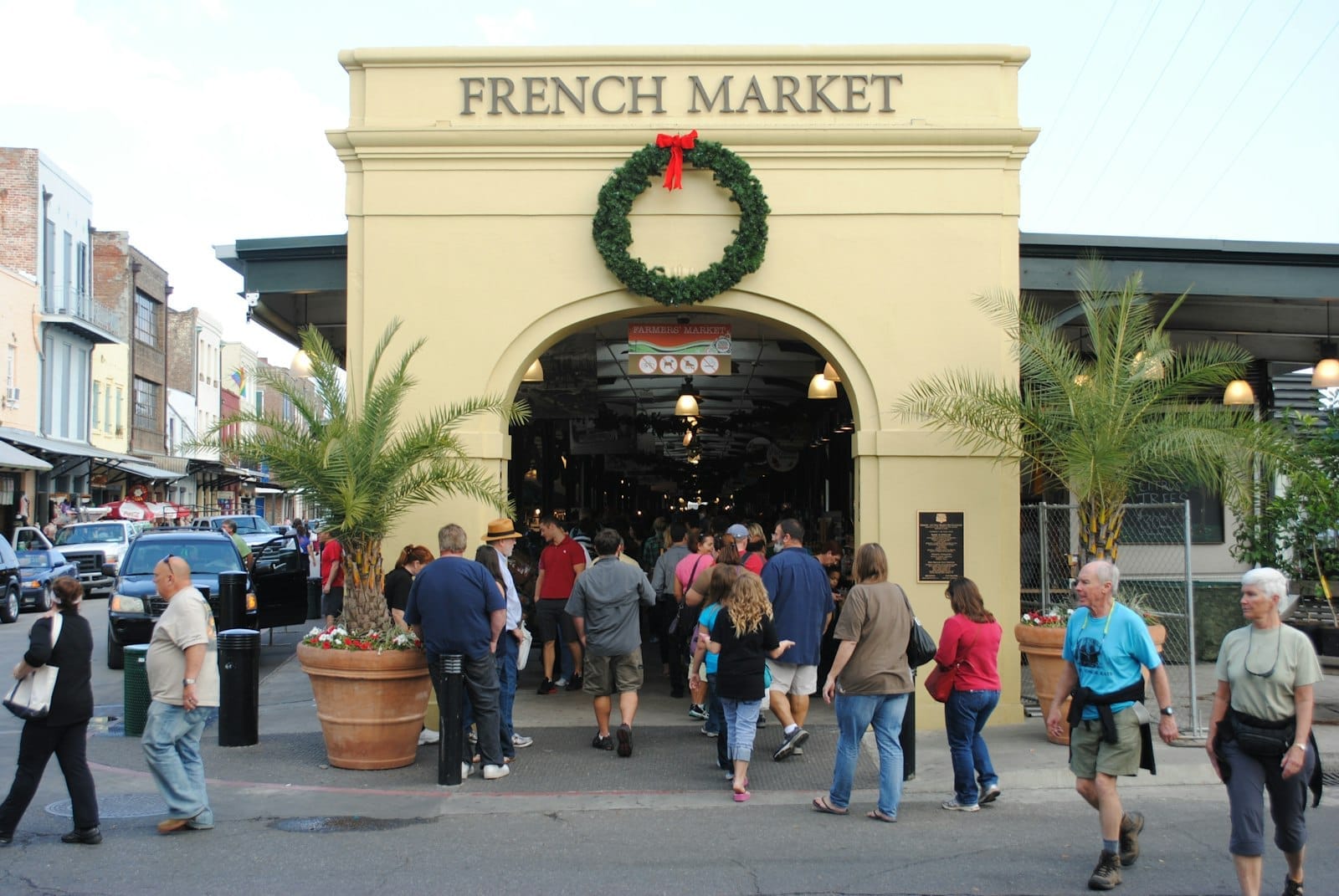
21. Shoot the Oldest Market in America at French Market
The long open-air arcade of the French Market along the river, with its iron columns and red-tile roof, photographs well in the morning when vendors are setting up and the light comes in low from the east. The Café du Monde end is most iconic.
Explore21. Shoot the Oldest Market in America at French Market
The long open-air arcade of the French Market along the river, with its iron columns and red-tile roof, photographs well in the morning when vendors are setting up and the light comes in low from the east. The Café du Monde end is most iconic.
ExploreFAQ
What is the most photogenic street in New Orleans?
Royal Street in the French Quarter is consistently the most photogenic. The intersection of Royal and St. Peter Street has the densest concentration of cast-iron balconies, flower baskets, and historic facades. Go early morning for clean shots without crowds.
What time of day is best for photography in New Orleans?
The first two hours after sunrise are ideal across most of the city. The French Quarter streets are nearly empty, the light is warm and low, and shadows create depth on the facades. Sunset works well for riverfront shots from Moon Walk or Crescent Park. Midday light is harsh and unflattering on most locations.
Are there any photography restrictions in New Orleans?
Most outdoor public spaces are completely open to photography. St. Louis Cemetery No. 1 is closed to the public — independent photography access is restricted. Some restaurant interiors and live music venues discourage flash photography. Always ask before photographing people at close range.
What is the best season to photograph New Orleans?
March through May offers the best combination of good light, manageable crowds, and photogenic conditions. Spring flowers on Royal Street balconies are at their best, temperatures are comfortable for walking, and the city has major events without the extreme summer heat and humidity that makes outdoor shooting uncomfortable.
Is the French Quarter safe for early morning photography?
Yes, the French Quarter is generally safe for early morning photography, particularly on Royal Street, around Jackson Square, and along the riverfront. As with any city, stay aware of your surroundings, keep camera gear discreet, and avoid poorly lit blocks in the far reaches of the Quarter before dawn. Check the New Orleans safety tips guide for current neighborhood-by-neighborhood context.