New Orleans History: A Traveler's Guide to the City's Past
New Orleans carries more history per square mile than almost any American city. This guide cuts through the myth to explain what actually shaped NOLA — and where to encounter that history in person, from the Vieux Carré to the Whitney Plantation.
Plan and book this trip
Tools from our partner Travelpayouts help you compare flights and hotels. If you book through them, we may earn a commission at no extra cost to you.
Flights
Hotels map
TL;DR
- New Orleans was founded by the French in 1718 on a site Native Americans called 'Bulbancha' — Land of Many Tongues — and has changed colonial hands three times.
- The city's architecture, food, and music all reflect layered French, Spanish, African, and American influences — best understood by walking the Vieux Carré and visiting key historic sites.
- By 1820, New Orleans was the largest domestic slave-trading hub in the country — a history that is inseparable from the city's culture and deserves serious attention.
- The most historically rich months to visit are October through April, when the heat is manageable and major cultural events like Mardi Gras place you directly inside living tradition.
- Skip the surface-level French Quarter bar crawl if you want real historical depth — the Tremé, St. Louis Cemetery No. 1, and the Whitney Plantation tell far more complete stories.
Before the French: The Land Called Bulbancha
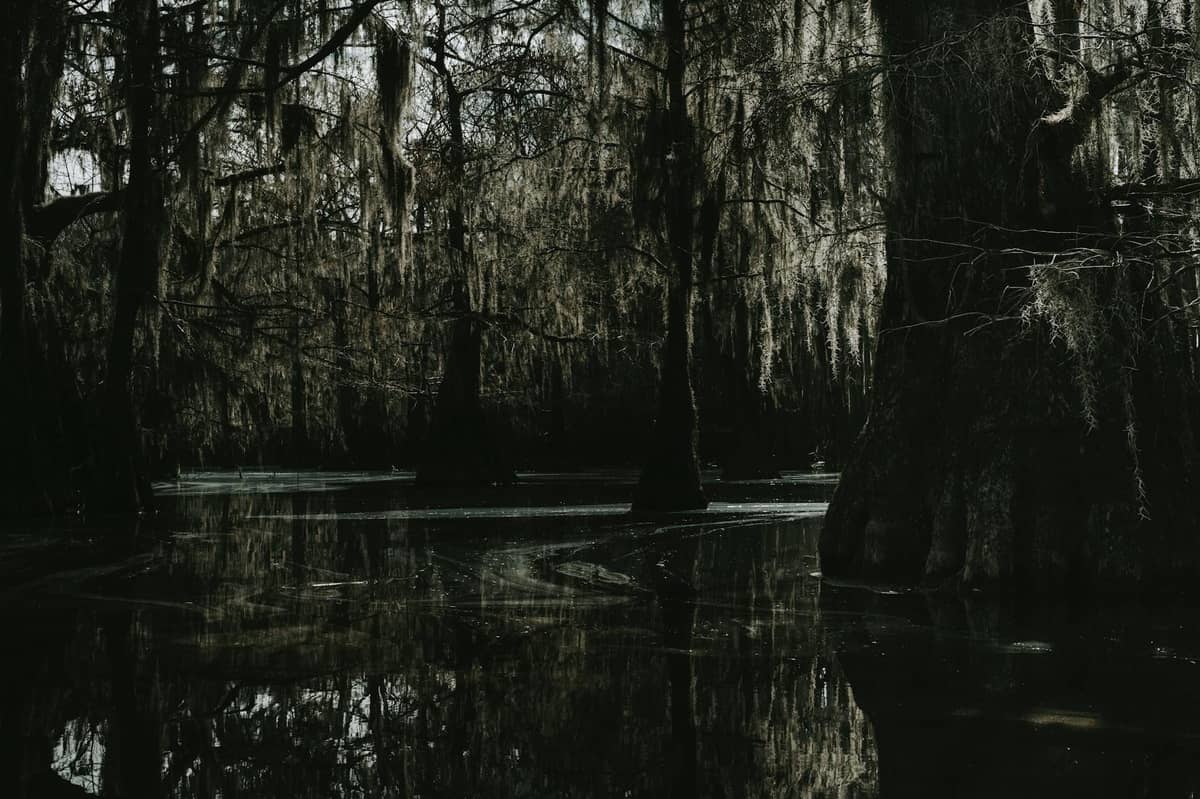
Most histories of New Orleans open with Jean-Baptiste Le Moyne de Bienville planting a French flag in 1718, but the site had been occupied and traversed by Indigenous peoples for centuries before that. The Choctaw called this territory 'Bulbancha,' meaning Land of Many Tongues — a name that speaks directly to the multilingual, multicultural reality that still defines the city today. The location was not chosen at random. Sitting on a sharp bend in the Mississippi River with access to Lake Pontchartrain via Bayou St. John, it was the most strategically important trade junction in the interior of the continent.
When Bienville's engineers surveyed the land in 1718, they were formalizing a portage route that Indigenous traders had used for generations. That geographic logic, the crescent shape of the river bend that gave the city its nickname, is still readable today. Standing on the Moon Walk levee and watching the Mississippi curve south, you're seeing exactly what made this spot worth fighting over for the next 150 years.
French and Spanish Colonial New Orleans (1718–1803)
The French colonial period established New Orleans as a capital of ambition and logistical difficulty. The first census, conducted in 1721, counted 470 residents: 277 white settlers and 192 enslaved Black and Indigenous people. By 1722, the city was redesignated Louisiana's capital and engineer Adrien de Pauger laid out the 7-by-11-block grid that survives today as the Vieux Carré. That grid was not a blank slate — it was built on swampy, low-lying land that sat near or below sea level, a vulnerability that would define the city's relationship with water for the next three centuries.
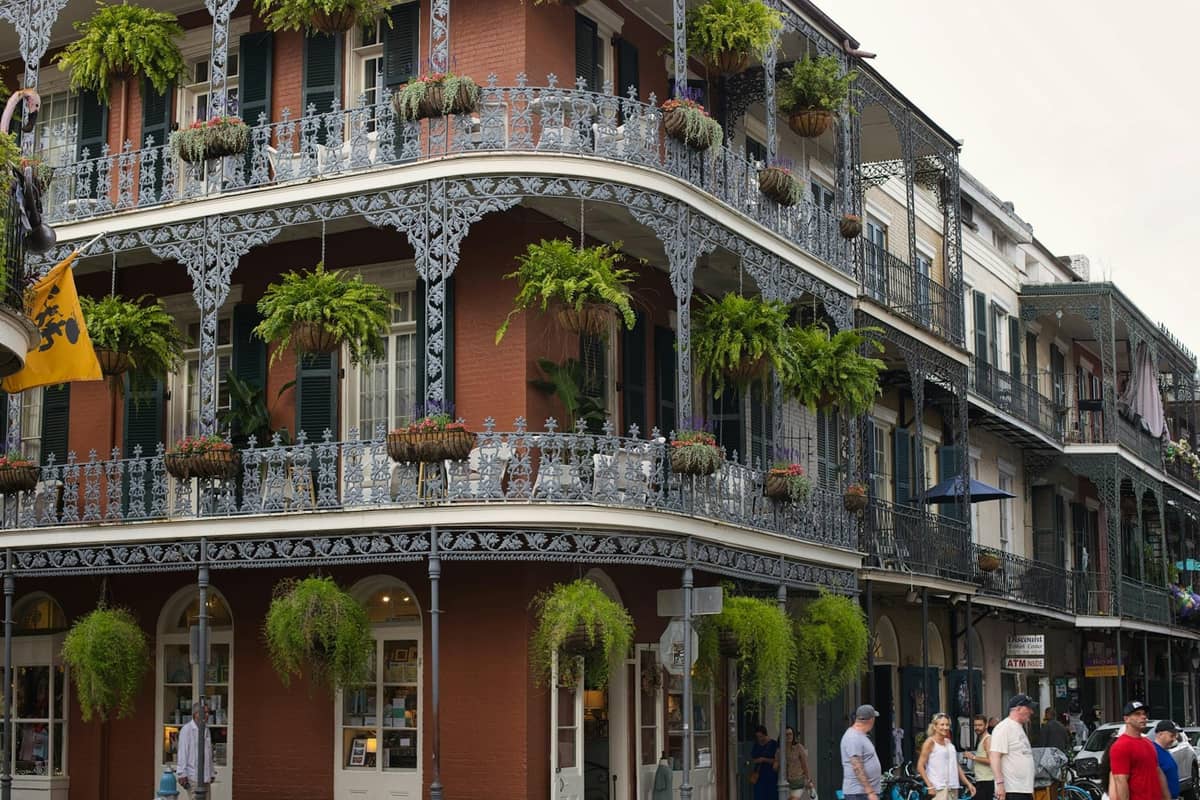
Spain took control in 1763 following Britain's victory in the Seven Years' War and governed the city for 39 years. Then in 1788, the Great Fire destroyed much of the French-built Vieux Carré. The neighborhood was largely rebuilt under Spanish rule, which is why the architecture visitors now call 'French Quarter' is technically Spanish Creole in style: iron-lace balconies, interior courtyards, and thick masonry walls designed for the subtropical climate. Walking Royal Street today, you're walking through a Spanish city built on a French foundation.
ℹ️ Good to know
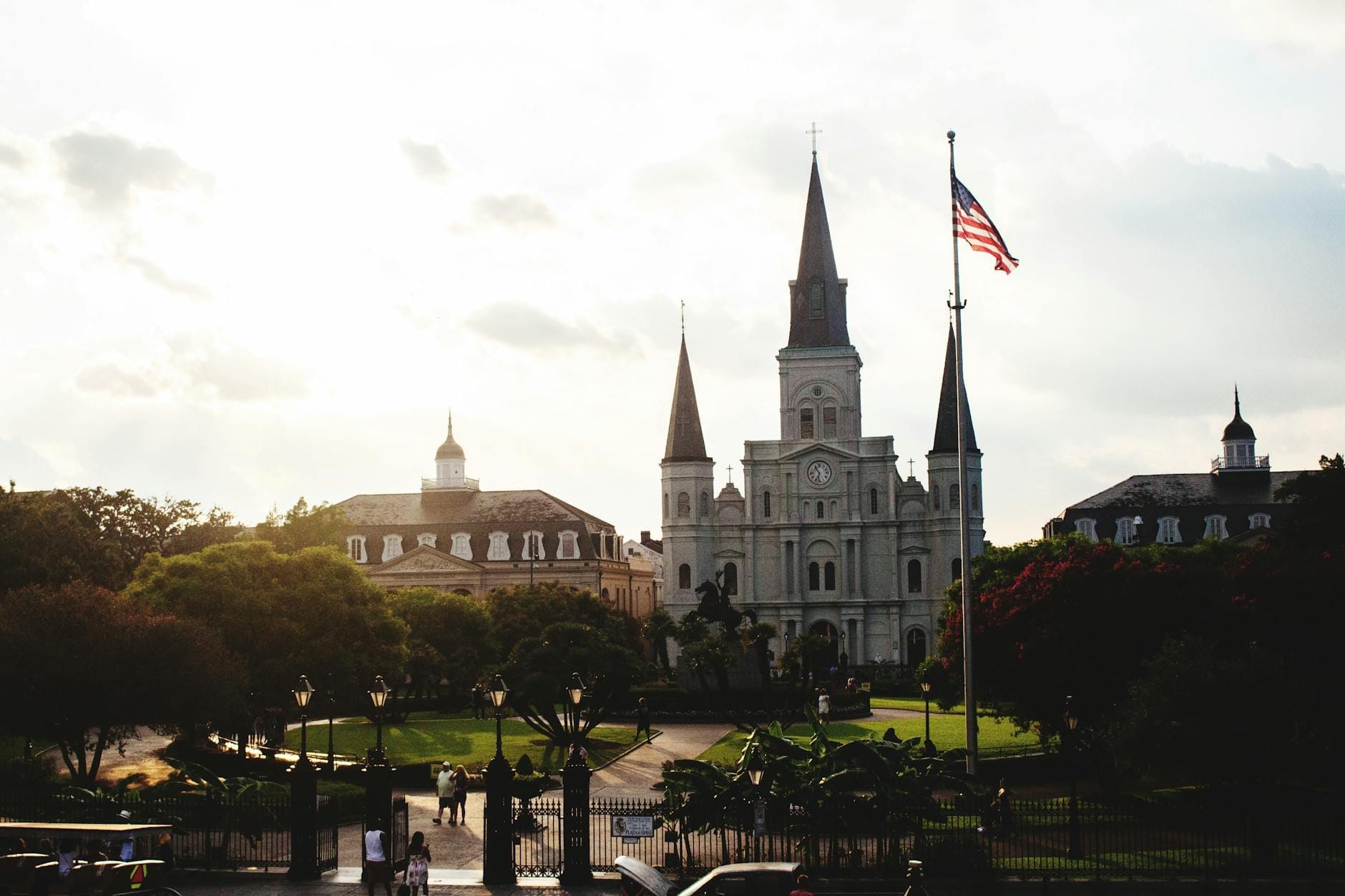
The Cabildo, the colonial government building on Jackson Square, was built during the Spanish period and is now one of the finest Louisiana history museums in the state. It's also where the Louisiana Purchase transfer documents were signed in 1803. Entry costs around $6 for adults (verify current pricing before visiting).
The Louisiana Purchase in 1803 transferred New Orleans and the entire Louisiana territory to the United States, roughly doubling the nation's landmass. Within a decade, the city's character shifted dramatically as American settlers pushed in from the east, clashing culturally and commercially with the established Creole population. That tension split the city into distinct cultural zones: Creole New Orleans clustered around the French Quarter and the Tremé, while American newcomers built their wealth upriver in what became the Garden District.
The 19th Century: Commerce, Slavery, and Jazz's Foundations
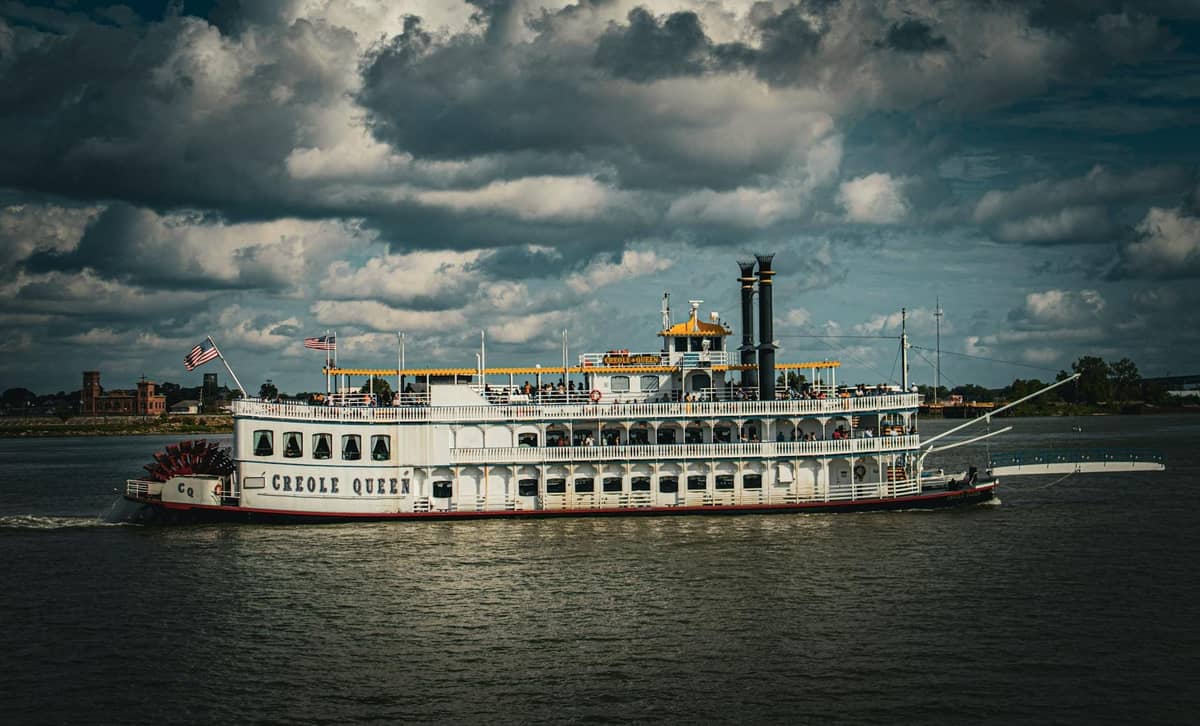
By 1810, New Orleans was the largest city in the South and the fifth-largest in the United States. The arrival of the steamboat New Orleans on January 12, 1812 transformed the city from a regional port into a continental economic engine. Two-way river commerce connected the entire Mississippi watershed to international markets, and the city's wealth exploded. But that wealth was built on a foundation that demands honest reckoning.
By 1820, New Orleans had become the center of the domestic slave trade, with more than one million enslaved people forcibly transported through its markets from the Upper South. The trading houses along the waterfront processed human beings as commercial cargo on a scale that shocked even foreign visitors. In 1811, the German Coast Uprising — the largest slave rebellion in U.S. history — took place on the east bank of the Mississippi River upriver from the city. This history is not a footnote. It is the economic and human engine behind the grand antebellum architecture and the plantation wealth that visitors still see in the Garden District today. The Whitney Plantation west of the city offers the most rigorous and sobering engagement with this history of any site in Louisiana.
⚠️ What to skip
Many plantation tours in Louisiana focus heavily on antebellum architecture and cuisine while minimizing the lives of enslaved people. If understanding the full history matters to you, research tour content before booking. The Whitney Plantation specifically centers its narrative on slavery rather than the plantation owner's story.
The cultural preconditions for jazz were also forming in this period. Congo Square, now part of Louis Armstrong Park in the Tremé, was one of the only places in the American South where enslaved people were permitted to gather, drum, and dance on Sundays. That tolerance, unusual in the antebellum South, allowed African musical traditions to survive and eventually fuse with European instrumentation. By the late 19th century, those traditions would produce something the world had never heard before.
Where to Experience New Orleans History In Person
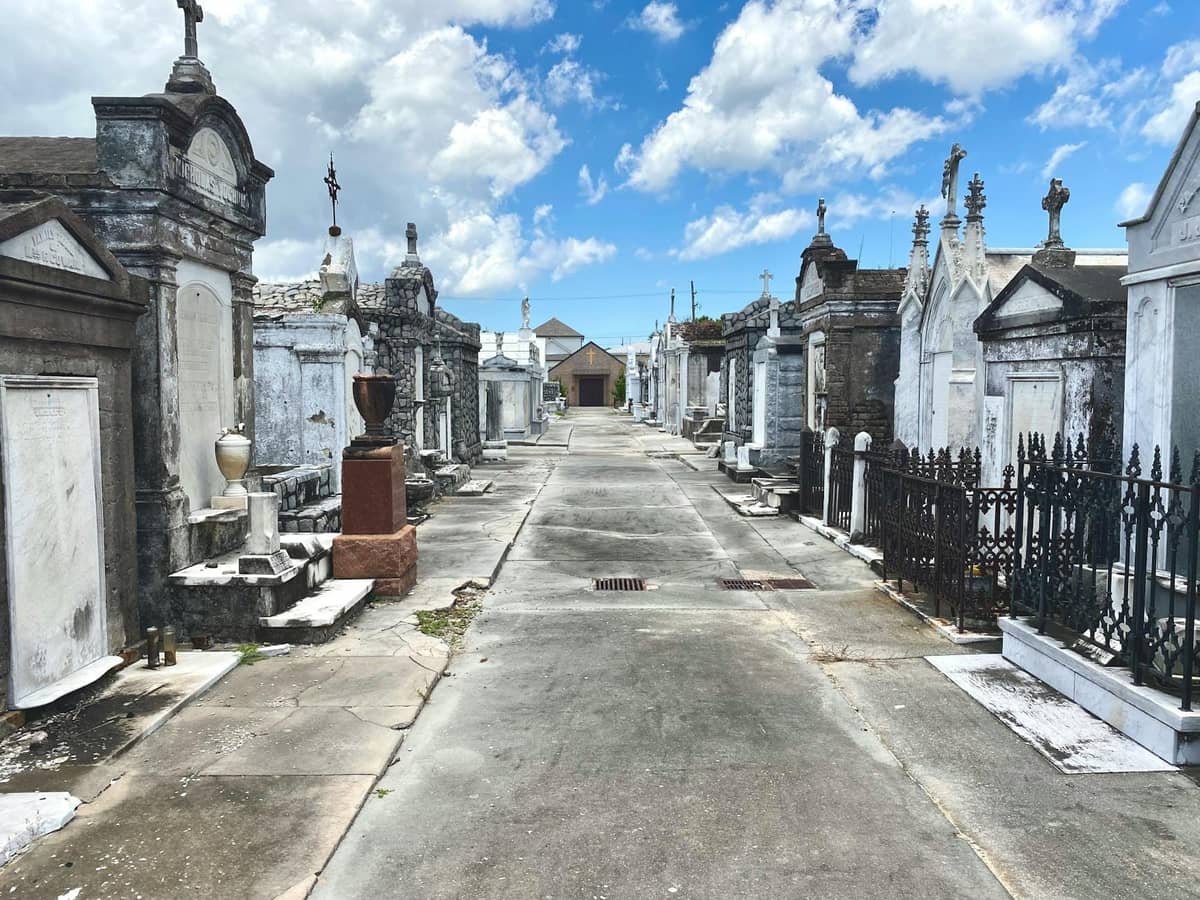
History in New Orleans is not confined to museums. It's embedded in the streetscape, the food, the music, and the neighborhoods themselves. The challenge for visitors is knowing which layers to look for and where the most honest storytelling happens.
- St. Louis Cemetery No. 1 (French Quarter edge) The oldest surviving cemetery in New Orleans, dating to 1789. The above-ground tomb architecture reflects both the high water table (underground burial was impractical) and French-Spanish Catholic tradition. Tours required for entry — solo visits are no longer permitted due to vandalism.
- The Cabildo (Jackson Square) Louisiana State Museum property covering colonial history, the Louisiana Purchase, and antebellum New Orleans. One of the most content-dense history museums in the city. Budget 90 minutes minimum.
- The Tremé neighborhood The oldest African American neighborhood in the United States, predating the Civil War. Walking its streets, particularly around St. Claude Avenue and the backstreets near Louis Armstrong Park, is a more authentic history lesson than most guided tours offer.
- Whitney Plantation (45 miles west via Highway 18) The only Louisiana plantation museum specifically focused on the experience of enslaved people. It takes about 2.5 hours by car from the French Quarter and roughly 2 hours to tour. Not a day-trip for the casual visitor — it requires emotional engagement.
- New Orleans Jazz Museum (French Quarter) Located in the Old U.S. Mint building, this covers the full arc from Congo Square to modern jazz. Entry around $6 (verify current pricing). The instrument collection and audio archives are exceptional.
For a structured introduction to the city's geography and historical layers, the best walking tours in New Orleans cover everything from colonial architecture to the civil rights movement, often with guides who have deep personal connections to the neighborhoods they're interpreting. A good tour leader will take you past the Pontalba Buildings on Jackson Square — the oldest apartment buildings in the United States, dating to the 1840s — and explain why their construction was as much a political statement as an architectural one.
20th Century New Orleans: Jazz, Disaster, and Resilience
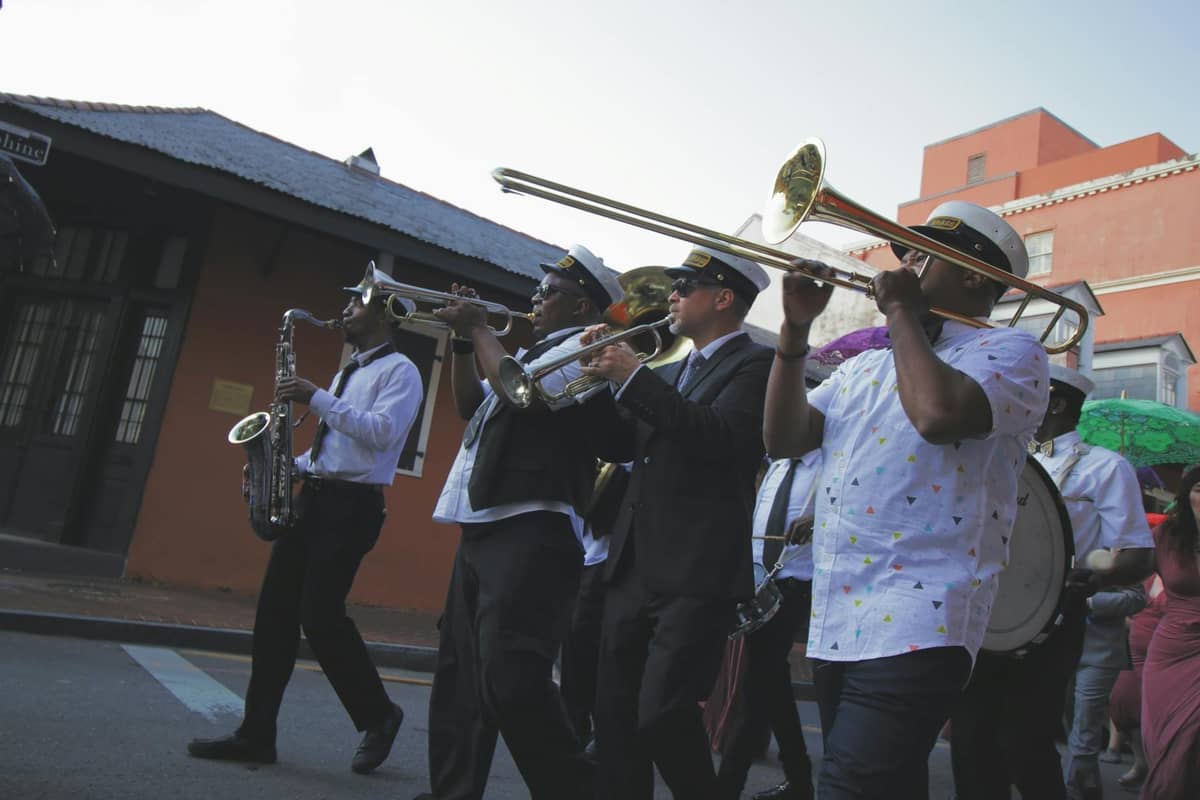
New Orleans gave birth to jazz in the early 1900s, specifically in the brothels and dance halls of Storyville and the second-line parade tradition that moved through neighborhoods like the Tremé. The music emerged from a specific combination of African rhythmic traditions, European harmonic structures, and the Creole culture that fused them. By the 1920s, recordings were carrying that sound globally, but the city's own relationship with its music was complicated by segregation, poverty, and the gradual displacement of Black musicians from the neighborhoods where the music originated.
Preservation Hall, on St. Peter Street in the French Quarter, opened in 1961 specifically to preserve the traditional jazz tradition at a moment when it was being eclipsed commercially. Today it remains one of the few places in the city where you can hear traditional New Orleans jazz in a setting with genuine historical continuity. Tickets run around $20-35 for the evening shows (verify current pricing). For a broader understanding of the city's live music geography, the New Orleans jazz music guide covers venues from Frenchmen Street to the concert halls of the CBD.
Hurricane Katrina in August 2005 remains the most catastrophic event in the city's modern history. The storm and its aftermath killed approximately 1,800 people, displaced hundreds of thousands, and flooded roughly 80 percent of the city. The recovery has been uneven: some neighborhoods rebuilt relatively quickly with significant investment, while others took years longer and some blocks remain visibly scarred two decades on. The storm's impact on the city's demographics, architecture, and political culture cannot be overstated, and any serious engagement with contemporary New Orleans requires understanding it.
✨ Pro tip
The Lower Ninth Ward, hardest hit by the levee failures in 2005, is not on most tourist itineraries — but driving or cycling through it with context gives you a more complete picture of post-Katrina New Orleans than any museum exhibit. Several tour operators offer Katrina-focused tours that combine the Lower Ninth with the rebuilt neighborhoods of Lakeview and Gentilly. Look for operators with genuine community ties, not just disaster tourism framing.
Practical Notes for History-Focused Visitors
The best seasons for history tourism in New Orleans are October through April. Summer heat (regularly 90°F+ with high humidity) makes extended walking tours genuinely uncomfortable, and hurricane season runs June through October. The best time to visit New Orleans for comfortable exploration is late October through early December or March through April, when temperatures sit in the 60-75°F range and the city's calendar is full of cultural events rooted in its history.
- Most French Quarter museums charge $6-10 for adults — budget $30-40 for a full day of ticketed history sites.
- St. Louis Cemetery No. 1 requires a guided tour (around $20-25 per person) — solo entry is prohibited.
- The Whitney Plantation charges around $25-30 for adults and is located 45 miles from the French Quarter — factor in transport time.
- The St. Charles Streetcar line ($1.25 one-way, exact change or Jazzy Pass) connects the French Quarter area to the Garden District's antebellum mansions efficiently.
- Jackson Square is free to visit any time — the square itself, the St. Louis Cathedral exterior, and the Pontalba Buildings facade all tell colonial history without an admission fee.
- Verify all admission prices and opening hours before visiting, as these change seasonally.
New Orleans has more official historic districts than any other U.S. city, and the city was the first in the country to host opera. That cultural density is real, but it can also mask the selective nature of what gets preserved and celebrated. The most rewarding history visits are the ones that ask whose story is being told and whose is being left out. The Tremé neighborhood and sites like Congo Square provide essential counterweight to the French Quarter's more curated version of the past.
FAQ
When was New Orleans founded and by whom?
New Orleans was founded in 1718 by French colonial governor Jean-Baptiste Le Moyne de Bienville. The site had been used for centuries by Native Americans, particularly the Choctaw, who called it 'Bulbancha' — Land of Many Tongues. The city became the capital of Louisiana in 1722.
Why does New Orleans have so much French and Spanish architecture?
The city was founded by France and controlled by Spain from 1763 to 1803. A major fire in 1788 destroyed most of the original French colonial buildings, and the neighborhood was rebuilt under Spanish rule in a Creole architectural style — which is why what visitors call the 'French Quarter' is architecturally more Spanish. The ironwork balconies, interior courtyards, and masonry construction all reflect the Spanish colonial rebuilding period.
What is the historical significance of Congo Square?
Congo Square, now located within Louis Armstrong Park in the Tremé, was one of the only places in the antebellum American South where enslaved people were permitted to gather publicly, drum, and dance on Sundays. This unusual tolerance allowed African musical and cultural traditions to survive and eventually merge with European musical forms — a process that directly produced jazz in the early 20th century.
What is the best museum for New Orleans history?
For colonial and antebellum Louisiana history, the Cabildo on Jackson Square is the strongest single museum. For the history of enslaved people and the plantation economy, the Whitney Plantation (45 miles west of the city) is unrivaled. For jazz history specifically, the New Orleans Jazz Museum in the Old U.S. Mint building on Esplanade Avenue is the most comprehensive. Each covers a different chapter — serious history visitors should plan for at least two of the three.
How did Hurricane Katrina change New Orleans historically?
Hurricane Katrina in August 2005 and the levee failures that followed killed approximately 1,800 people and flooded around 80 percent of the city. It accelerated demographic shifts that were already underway, displaced a large portion of the city's Black population, and fundamentally altered several neighborhoods. Recovery has been uneven two decades on. The storm is now as central to the city's historical identity as any colonial-era event, and understanding it is essential context for visiting contemporary New Orleans.