Whitney Plantation: America's Most Honest Reckoning with Slavery
Located on the Great River Road about an hour from New Orleans, Whitney Plantation is one of the few plantation museums in the United States that centers its entire story on the experiences of enslaved people. It is sobering, meticulous, and unlike any other historic site in the South.
Quick Facts
- Location
- 5099 Louisiana Hwy 18, Wallace, LA 70049 (Great River Road, ~1 hour from New Orleans)
- Getting There
- Drive via I-10 West to LA-641 S, then LA-18; or book a shuttle from New Orleans (ride-shares unreliable for return)
- Time Needed
- 2.5 to 4 hours; audio tour covers 15 stops
- Cost
- Paid admission (verify current prices at whitneyplantation.org before visiting)
- Best for
- History seekers, educators, adults looking for depth and context beyond typical plantation tours
- Official website
- whitneyplantation.org
What Whitney Plantation Actually Is
Most plantation museums in Louisiana tell the story of the planter class: the architecture, the furniture, the family genealogy. Whitney Plantation does none of that. This 200-acre museum on the west bank of the Mississippi River, about 45 miles upriver from New Orleans, was specifically designed to document and memorialize the lives of enslaved people who built and sustained the property.
The site was founded in 1752 as Habitation Haydel by German immigrant Ambroise Heidel, who initially cultivated indigo. Around 1800, the property transitioned to sugar production, a shift that dramatically increased the labor demands placed on enslaved workers. The Haydel family retained ownership until around 1860. After the Civil War, the property was renamed Whitney by Bradish Johnson, reportedly for his daughter, and continued operating as a sugar operation until 1975. The site was listed on the National Register of Historic Places in 1992.
New Orleans attorney John Cummings purchased the property and spent roughly 16 years and considerable personal resources transforming it into a public museum, which opened in December 2014. In 2019, Cummings donated the institution, which operates under the official name The Whitney Institute. It is part of the Louisiana African American Heritage Trail and draws visitors from across the country and internationally.
ℹ️ Good to know
Whitney Plantation is not a standard heritage tour. The experience is structured around documented testimonies from formerly enslaved people, collected through the Works Progress Administration's 1930s slave narrative project. The names and stories you encounter here are real.
The Experience: What You Walk Through
The tour is self-guided with an audio device that leads you through 15 stops across the grounds. There is no cheerful docent discussing chandeliers. Instead, the narrative belongs to the people who were enslaved here, drawn from historical records, WPA testimonies, and court documents including the detailed depositions from the 1811 German Coast Uprising, one of the largest slave revolts in American history.
The Memorial Field contains dozens of ceramic statues of enslaved children, each bearing the name of a real child documented on the plantation. The Wall of Honor lists the names of over 350 enslaved individuals associated with Whitney specifically. The Field of Angels memorializes enslaved children who died young. These installations are not theatrical. They are precise and deliberately understated, which makes them more affecting than spectacle would be.
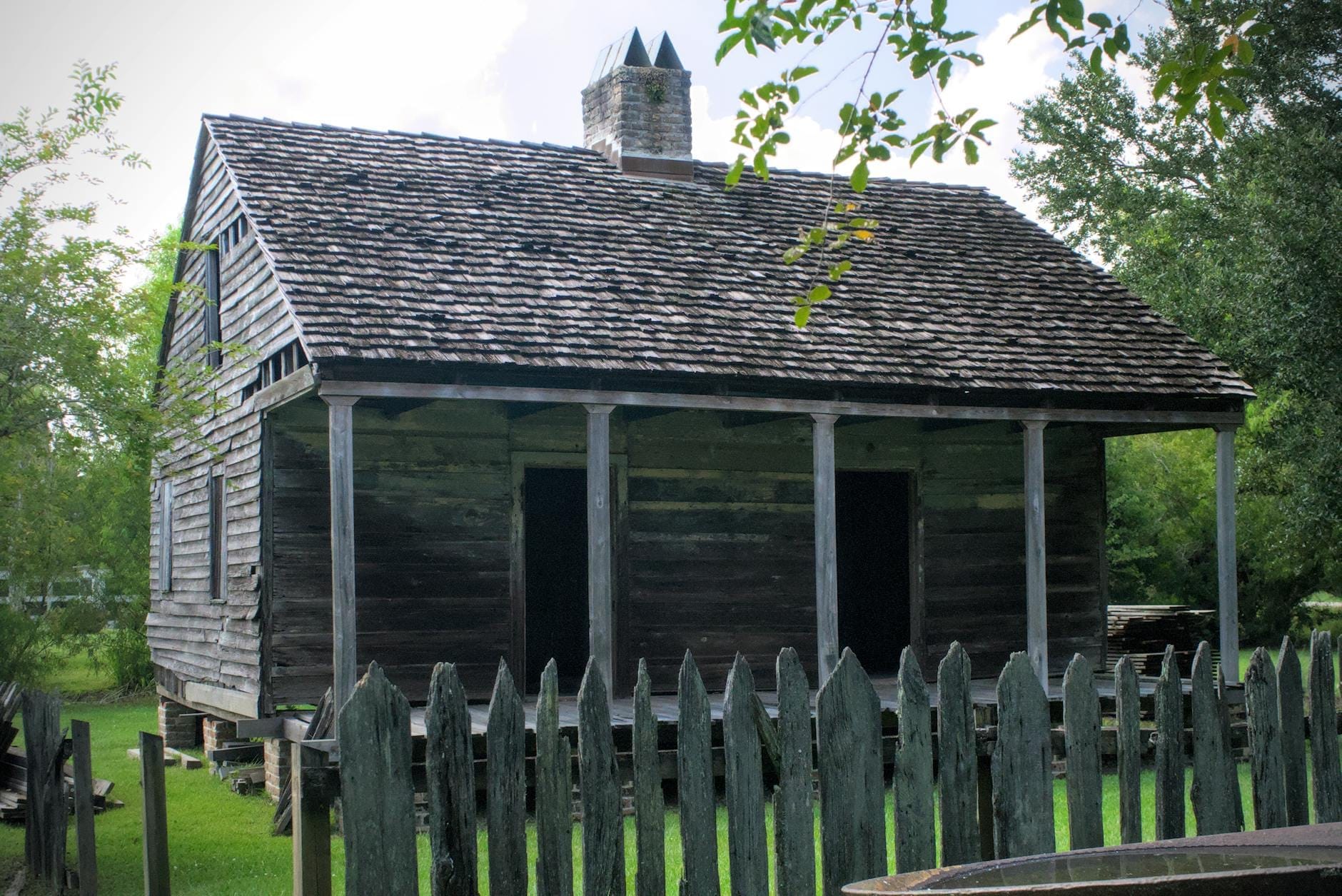
The main house, a raised Creole structure with French Colonial architectural details, is part of the tour, but it functions as a document of the system rather than a monument to the owners. Outbuildings including slave quarters, a jail, and a freedmen's church (relocated to the site) have been carefully restored. The 1870s-era church, moved from Paulina, Louisiana, anchors the rear of the property and provides a quiet place to sit.
Tickets & tours
Hand-picked options from our booking partner. Prices are indicative; availability and final rates are confirmed when you complete your booking.
Whitney Plantation Tour
From 72 €Instant confirmationFree cancellationOak Alley Plantation Tour
From 72 €Instant confirmationFree cancellationSpooky kid-friendly family ghost tour
From 32 €Instant confirmationFree cancellationWalking the Devil's Empire tour with HELLVISION™ in New Orleans
From 32 €Instant confirmationFree cancellation
How the Experience Changes by Time of Day
The grounds are exposed and largely open to the sky. In summer, temperatures regularly exceed 90°F with oppressive humidity, and there is limited shade on the walking paths between installations. An early morning visit, ideally when the site opens, keeps you cooler and gives you a quieter experience before larger tour groups arrive mid-morning.
In fall and spring, the live oak trees lining the property cast longer shadows in the late afternoon, and the light turns golden across the sugarcane fields. The atmosphere shifts noticeably: quieter, more still. If you have any flexibility, late afternoon on a weekday in October or November offers the most contemplative conditions.
⚠️ What to skip
Summer visits require serious preparation: sunscreen, a hat, and at least one liter of water per person. The site is rural and services are limited. Do not underestimate the Louisiana heat between June and September.
Getting Here from New Orleans
The plantation sits on Louisiana Highway 18, known as the Great River Road, in the community of Wallace. From downtown New Orleans, the standard route is I-10 West approximately 39 miles to LA-641 South (Exit 194), then connecting to LA-18 heading northwest along the river. Total drive time is typically 55 to 70 minutes depending on traffic near the I-10 and Causeway interchange.
The rural location means ride-share options are genuinely unreliable for the return trip. Uber and Lyft drivers are sparse in St. John the Baptist Parish, and several visitors have found themselves stranded without a confirmed return plan. If you are not driving, book a round-trip shuttle from New Orleans. Multiple tour operators offer dedicated shuttles, some of which include the admission fee in a bundled price. Verify shuttle schedules and inclusions before booking.
If you are combining this with other sites along the Great River Road, note that several historic plantation properties are within 20 miles. For context on how to plan a fuller day trip from the city, the day trips from New Orleans guide covers logistics and suggested combinations.
Who Should Visit and Who Should Think Twice
Whitney Plantation rewards visitors who come prepared to engage seriously. The audio tour is thorough, the interpretive materials are dense, and the emotional weight of the experience is real. Visitors who read about the site beforehand, even briefly reviewing the history of the German Coast Uprising or the WPA slave narratives, will find the tour significantly more resonant.
Teachers, students, and anyone with a serious interest in American history will find this one of the most rigorously documented sites in the country. The same applies to visitors who have felt that standard plantation tours left the most important part of the story untold.
Visitors looking for a scenic leisure outing or a photogenic backdrop should probably look elsewhere. This is not a day out in the way that, say, City Park or the New Orleans Botanical Garden would be. It is heavy material delivered without softening, and some visitors find the experience emotionally exhausting in a way they did not anticipate. That is not a flaw in the design. It is the point.
Young children may find the visit confusing or distressing without significant preparation and parental guidance. The site is appropriate for older children and teenagers with proper context, particularly for those studying American history, but it is not designed as a family-friendly experience in the conventional sense.
Practical Notes: Tickets, Timing, and What to Bring
Admission fees and opening hours are not reproduced here because they are subject to change. Check the official site at whitneyplantation.org directly before planning your visit. Tickets can sometimes be purchased in advance, which is advisable on weekends and during peak travel months when shuttle tours arrive in groups.
Plan for a minimum of two and a half hours on-site. Four hours is more realistic if you engage fully with the audio tour, read the detailed wall texts and testimony boards, and spend time at the memorial installations. Rushing through the experience defeats the purpose of coming.
Wear comfortable walking shoes: the grounds include gravel paths, grass, and uneven surfaces near the historic structures. Photography is generally permitted on the grounds, but treat the memorial spaces with discretion. The ceramic child statues in the Memorial Field, in particular, are a place where other visitors often pause quietly. Read the room.
If Whitney Plantation fits into a broader exploration of Louisiana's complex history, you may also want to review the New Orleans history guide and the plantation tours overview for context on how this site compares to others along the Great River Road.
Photography and the Question of Respect
Whitney Plantation is frequently cited on lists of photographically striking sites, and the grounds are genuinely atmospheric: Spanish moss, weathered structures, wide skies above open cane fields. The main house, the freedmen's church, and the oak allée all photograph well.
The tension worth acknowledging is that many of the most visually striking elements, particularly the memorial installations, exist as acts of testimony rather than aesthetic objects. Many visitors find it worthwhile to spend time at those installations with the camera down. The names on the Wall of Honor, the individual faces on the ceramic statues, the testimony boards: these are more legible when you are reading rather than framing.
💡 Local tip
For the best light on the main house exterior, position yourself on the river-side of the building in the morning. The structure faces the Mississippi, and early light falls directly on the facade before midday shadows flatten it.
Insider Tips
- Book shuttle transport from New Orleans as a round trip before you arrive. Ride-shares back from Wallace are genuinely unreliable and have left visitors stranded. Do not assume you can call one at the end of your visit.
- The audio tour device is essential, not optional. The visual installations are intentionally spare, and much of the meaning is carried in the narration and testimony read aloud. Do not skip it to move faster.
- Visit on a weekday if possible. Weekend shuttle tours can bring sizable groups that converge at the same installations simultaneously, which changes the atmosphere at the memorial spaces considerably.
- Bring cash or confirm card payment availability in advance. Rural Louisiana sites sometimes have card reader issues, and the nearest ATM is not on-site.
- If you are visiting in summer, arrive at or near opening time. By mid-morning the heat on the exposed grounds becomes physically taxing, and the experience is harder to absorb when you are focused on staying cool.
Who Is Whitney Plantation For?
- History enthusiasts seeking rigorous, documented interpretation of American slavery
- Educators and students studying the antebellum South or the Civil War era
- Travelers who found other plantation tours inadequate or one-sided
- Visitors on extended stays in New Orleans looking for a meaningful day trip
- Anyone interested in memorial design and how difficult history can be presented publicly