Best Day Trips from New Orleans: Swamps, Plantations & More
New Orleans rewards those who stay, but the surrounding Louisiana landscape rewards those who venture out. Within two hours of the city, you can drift through ancient cypress swamps, stand inside a plantation that centers the enslaved rather than the enslavers, and cycle along a river bluff. These are the best day trips from New Orleans.
Plan and book this trip
Tools from our partner Travelpayouts help you compare flights and hotels. If you book through them, we may earn a commission at no extra cost to you.
Flights
Hotels map
New Orleans is one of those cities where a week can vanish before you've scratched the surface. But the region beyond the city limits holds some of the most compelling experiences in the American South. Louisiana's wetlands, river plantations, and small-town culture are all within striking distance, and pairing a day trip with a stay in the city makes for an extraordinary trip. Before you head out, check our guide to getting around New Orleans for tips on renting a car or booking shuttle services, since most of these destinations are easier to reach with your own wheels. For the days you spend in the city itself, our complete New Orleans guide has you covered.
Into the Bayou: Swamp & Wetland Experiences
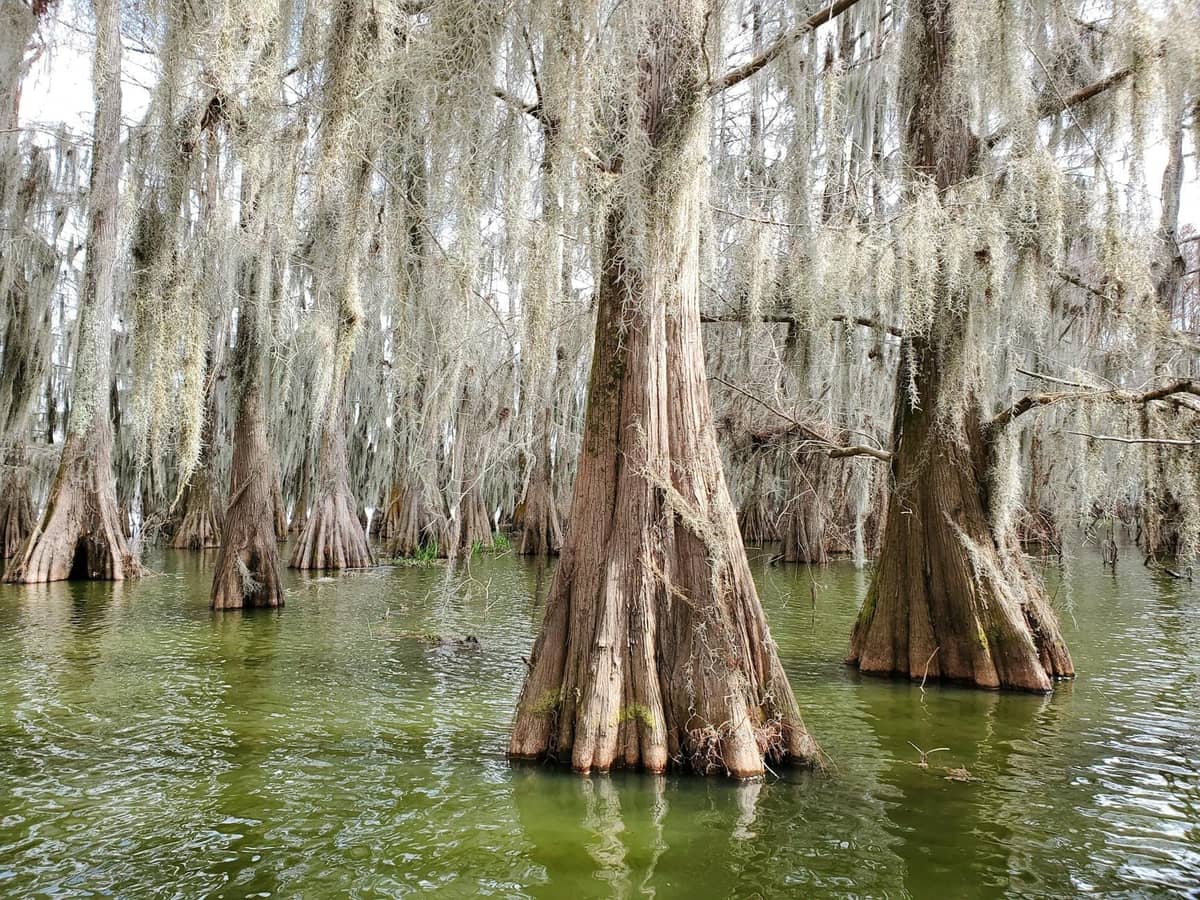
The swamps and wetlands surrounding New Orleans are unlike anything else in North America. Just 25 to 30 minutes from the French Quarter, you can be gliding through cypress forests draped in Spanish moss, watching alligators bask on logs and herons stalk the shallows. These experiences are the single best reminder that New Orleans sits inside a vast, living ecosystem. If you want to combine a wetland visit with time in the city, our New Orleans swamp tours guide breaks down every operator and tour type worth booking.
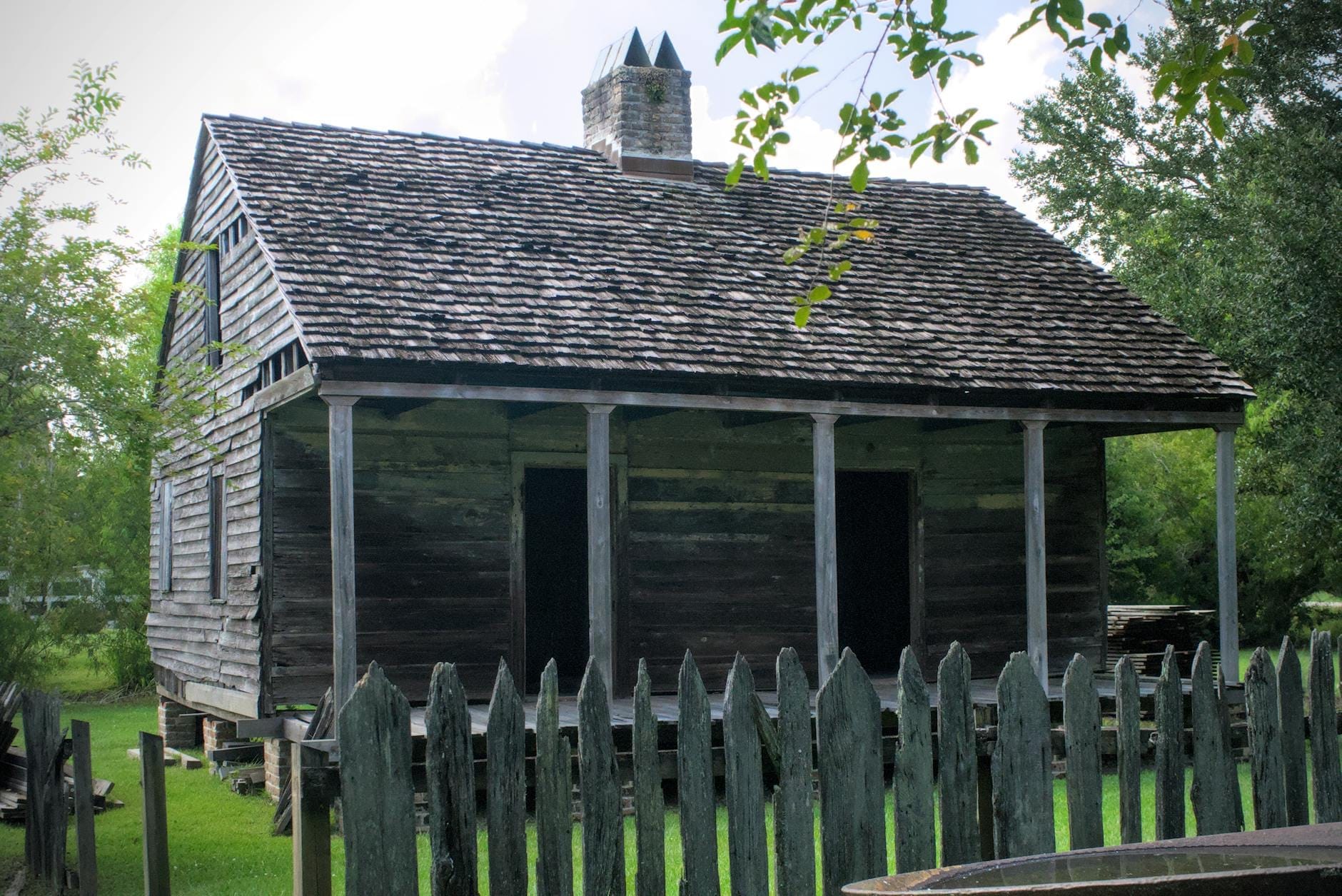
1. Face Louisiana's History Head-On at Whitney Plantation
45 minutes west of New Orleans, Whitney is the only Louisiana plantation museum focused on enslaved people's lives. Powerful memorials, first-person testimonies, and preserved slave cabins make this a serious, essential half-day experience.
Explore1. Face Louisiana's History Head-On at Whitney Plantation
45 minutes west of New Orleans, Whitney is the only Louisiana plantation museum focused on enslaved people's lives. Powerful memorials, first-person testimonies, and preserved slave cabins make this a serious, essential half-day experience.
Explore💡 Local tip
Most swamp tour operators run shuttles from the French Quarter. If you're without a car, look for pickup packages that include hotel transfer — Jean Lafitte Swamp Tour and Airboat Adventures both offer this from central hotels.
Plantation History Along the Great River Road
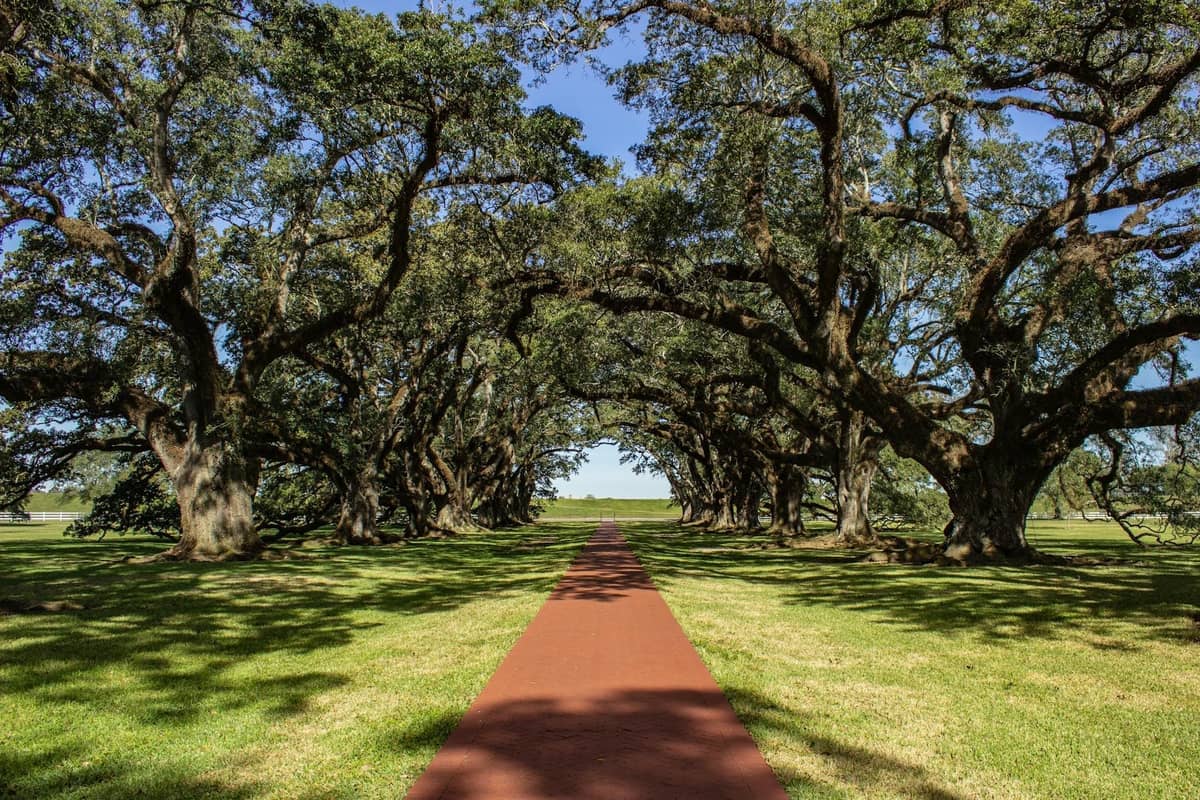
Louisiana's Great River Road traces the Mississippi between New Orleans and Baton Rouge, passing dozens of antebellum plantation estates. The drive itself is atmospheric, with live oaks, roadside sugarcane fields, and Creole cottages. Whitney Plantation stands apart from the rest for its moral clarity, but the corridor rewards an early start and a full day. Read our guide to plantation tours from New Orleans for context on the different sites, their histories, and what to expect from organized tours versus self-driving.
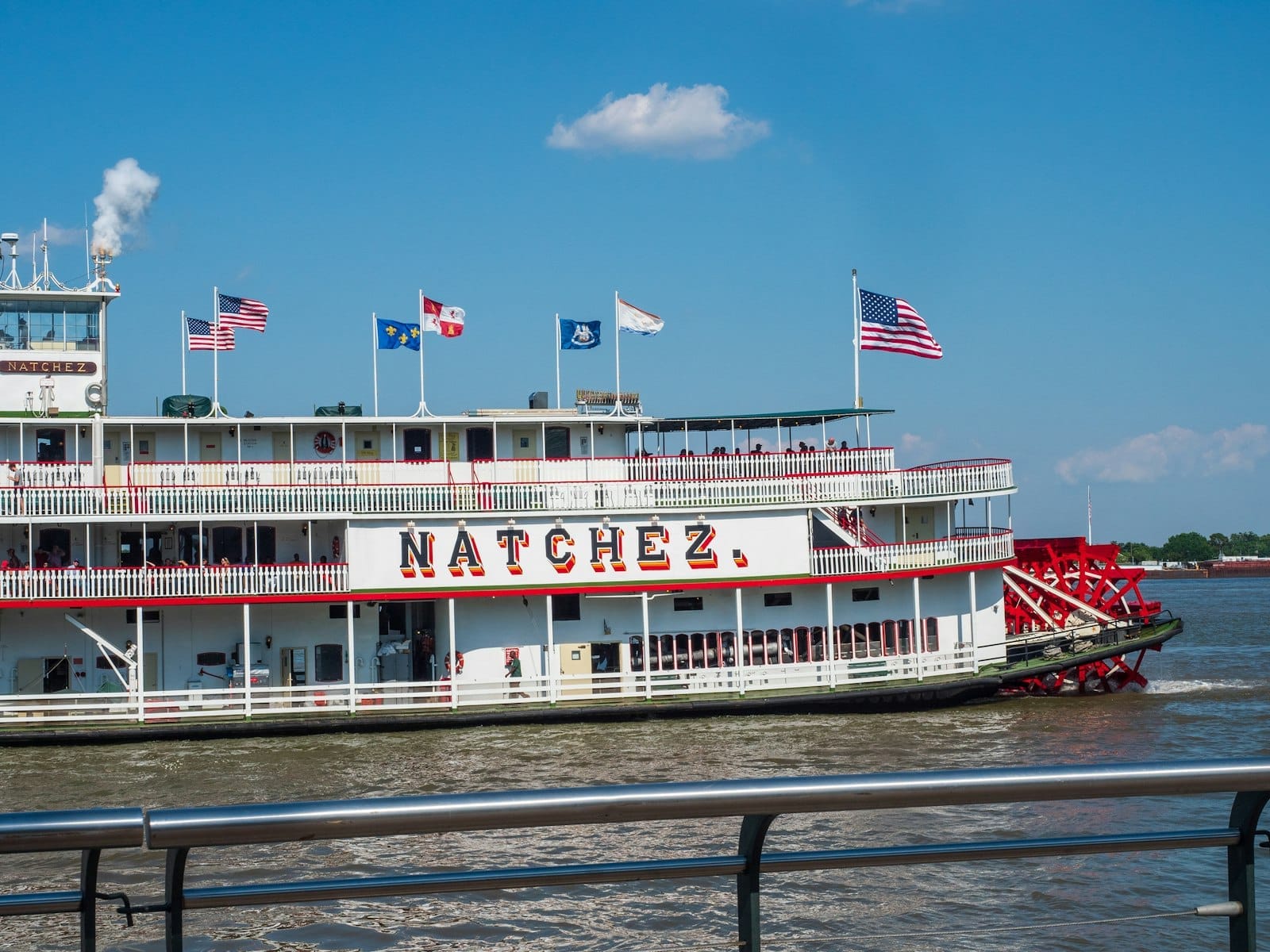
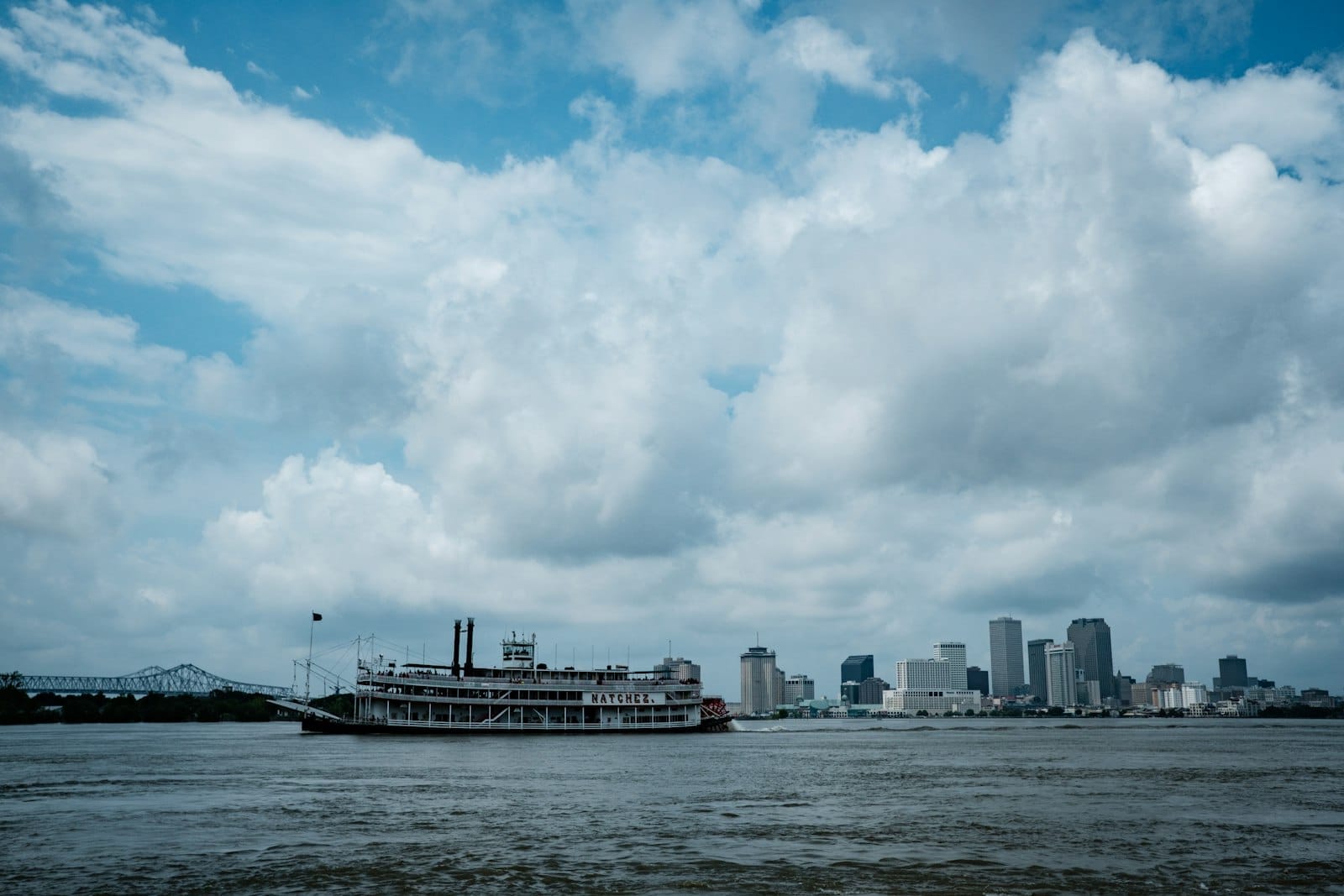
2. See the River as 19th-Century Travelers Did on the Steamboat Natchez
Before you head upriver, board the last authentic steam-powered sternwheeler on the Mississippi. The 2-hour jazz cruise gives you the city's skyline from the water and a feel for the river trade that shaped every plantation along the route.
Explore2. See the River as 19th-Century Travelers Did on the Steamboat Natchez
Before you head upriver, board the last authentic steam-powered sternwheeler on the Mississippi. The 2-hour jazz cruise gives you the city's skyline from the water and a feel for the river trade that shaped every plantation along the route.
Explore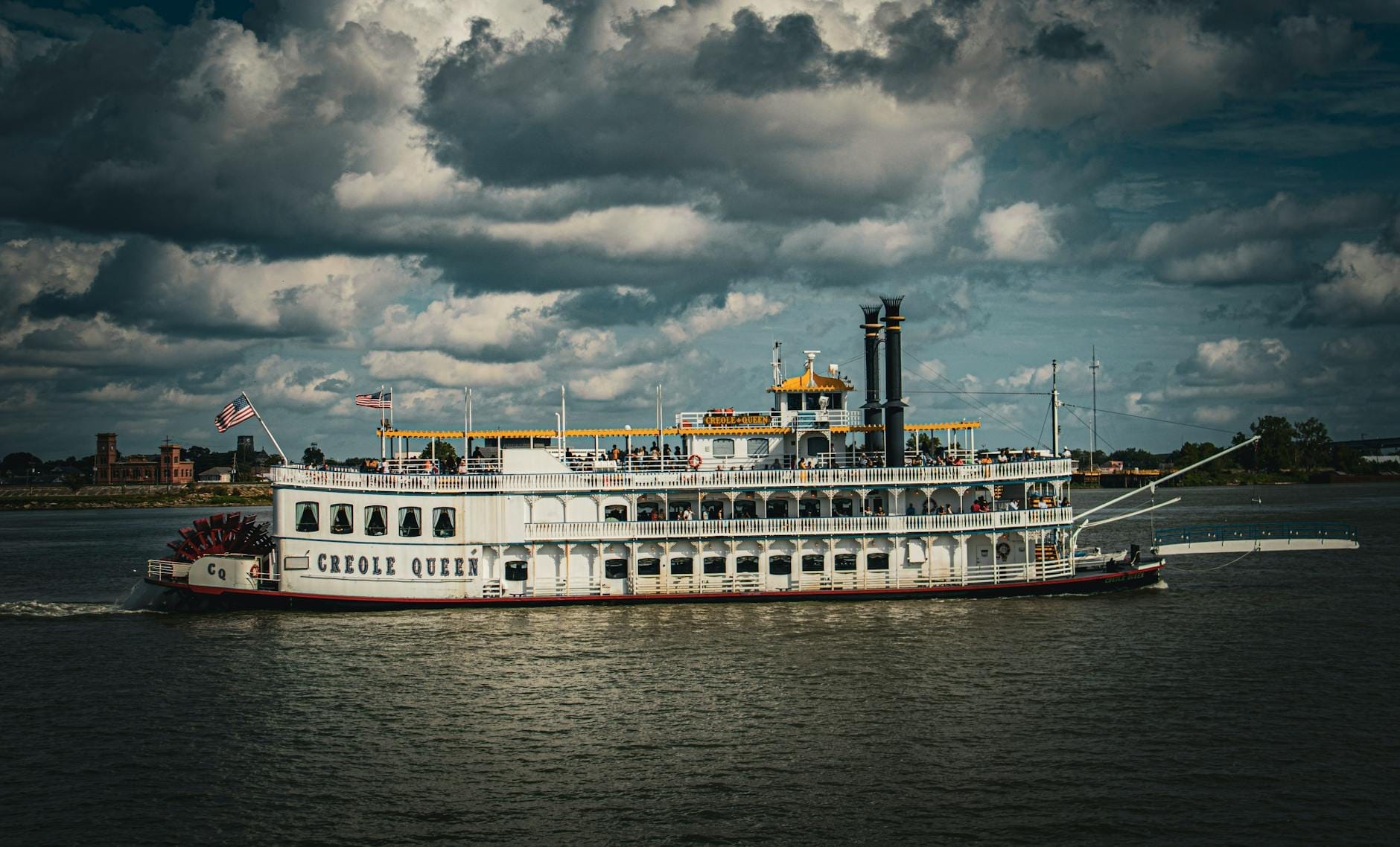
3. Combine a River Cruise with a Battlefield Visit on the Creole Queen
The Creole Queen paddle-wheeler runs an evening cruise that includes a stop at Chalmette Battlefield, site of the 1815 Battle of New Orleans. It pairs history and live jazz in a way that sets up the plantation corridor perfectly the next morning.
Explore3. Combine a River Cruise with a Battlefield Visit on the Creole Queen
The Creole Queen paddle-wheeler runs an evening cruise that includes a stop at Chalmette Battlefield, site of the 1815 Battle of New Orleans. It pairs history and live jazz in a way that sets up the plantation corridor perfectly the next morning.
ExploreAcross Lake Pontchartrain: The Northshore
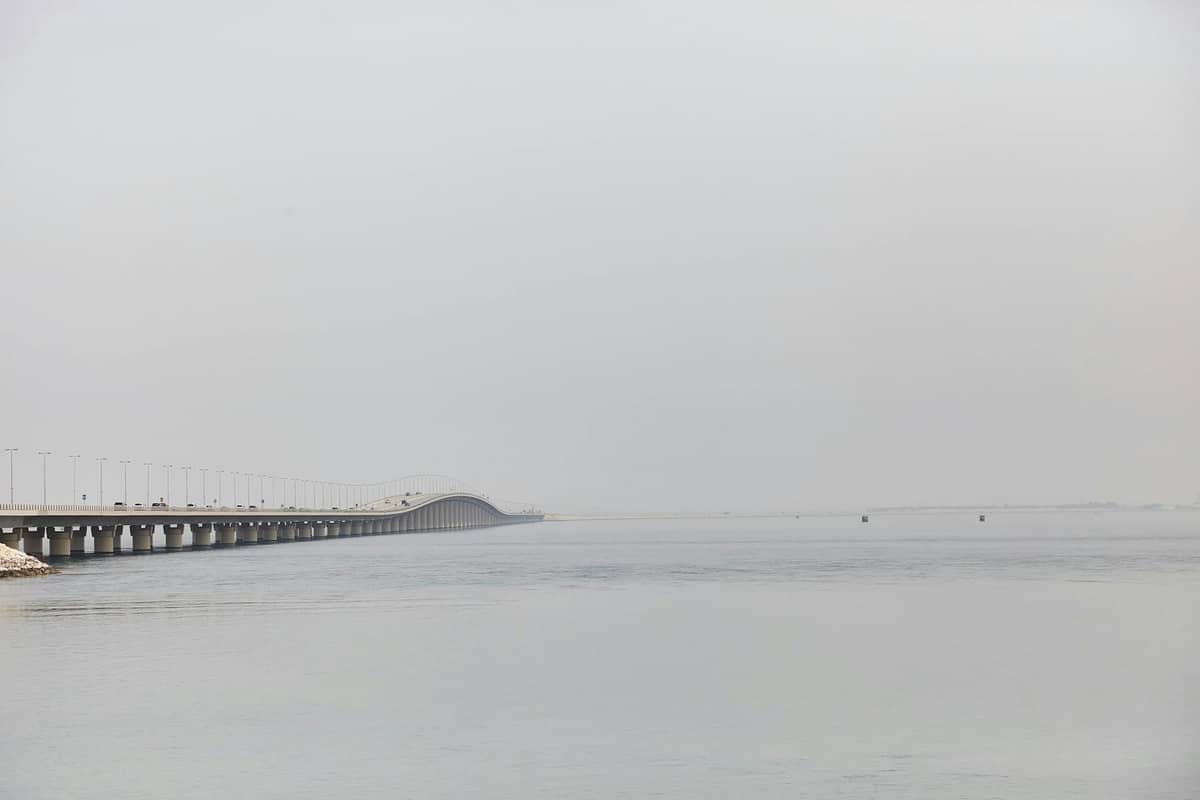
Crossing the 24-mile Lake Pontchartrain Causeway, one of the world's longest overwater bridges, is a day trip experience in itself. The Northshore communities of Madisonville, Covington, and Mandeville offer a quieter, greener counterpoint to the city, with the Tammany Trace rail-trail running 31 miles through the pine forests. The Abita Brewery in Abita Springs, a short drive from Covington, offers free tours and tastings. The Northshore works especially well when New Orleans' summer heat becomes oppressive, since the pine hills hold slightly cooler temperatures and lower humidity than the city.
✨ Pro tip
The Causeway toll is collected southbound (returning to New Orleans). Keep cash or a credit card ready. The crossing takes about 25 minutes in light traffic, but rush-hour backups can double that — leave the Northshore by 3pm on weekdays.
Baton Rouge & Upriver
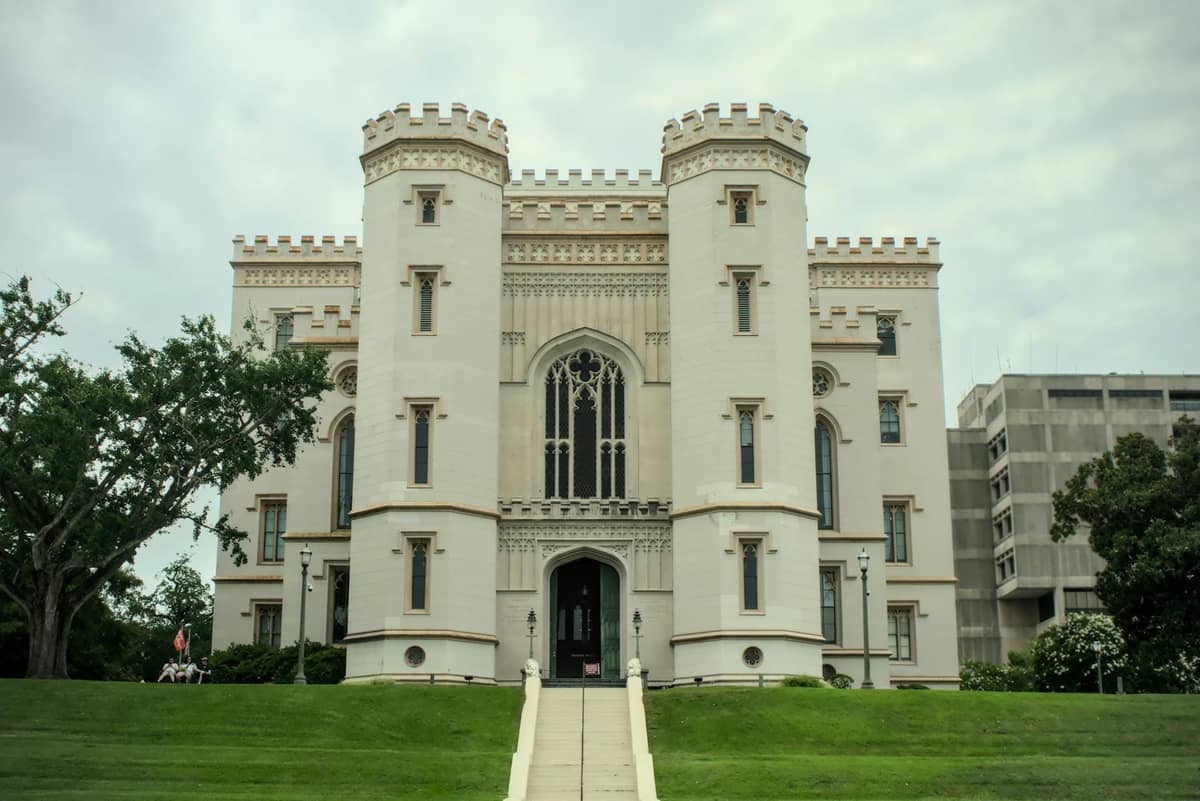
Louisiana's state capital sits 82 miles upriver, about 90 minutes by car, and it earns a day trip for visitors interested in politics, Civil War history, and the oddities of Huey Long's Louisiana. The Old State Capitol is a Gothic Revival confection straight out of a fever dream, and the USS Kidd Veterans Museum on the riverfront is one of the best naval museums in the South. Baton Rouge also makes a natural anchor for a Great River Road drive, allowing you to stop at plantation sites on the way up and return to New Orleans by evening. Those traveling without a car should note that Greyhound and Megabus run services between the cities, though frequency is limited — verify schedules before planning.
City Attractions Worth Treating as a Half-Day Escape
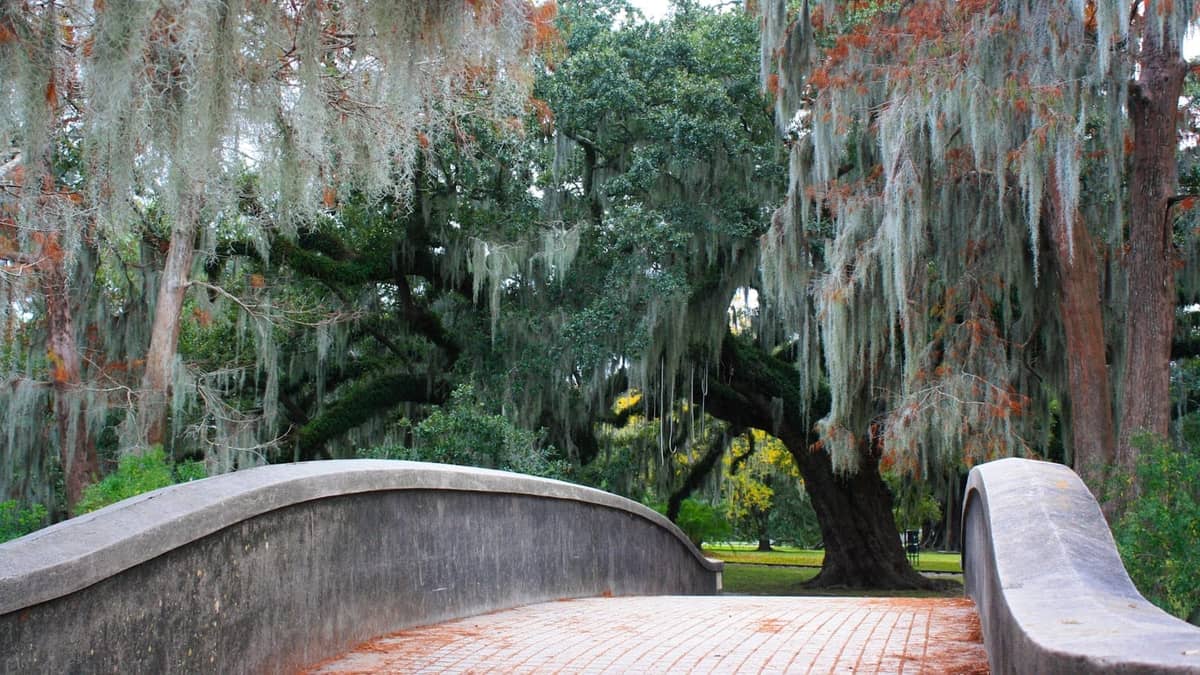
Not every escape from the French Quarter requires leaving New Orleans proper. The city's own outlying neighborhoods and parks feel genuinely removed from the tourist center and reward a dedicated half-day trip. City Park, Audubon Park, and the Marigny and Bywater riverside all qualify as restorative breaks from the intensity of the Quarter. Think of these as micro day trips, best combined with a neighborhood lunch and an afternoon walk.
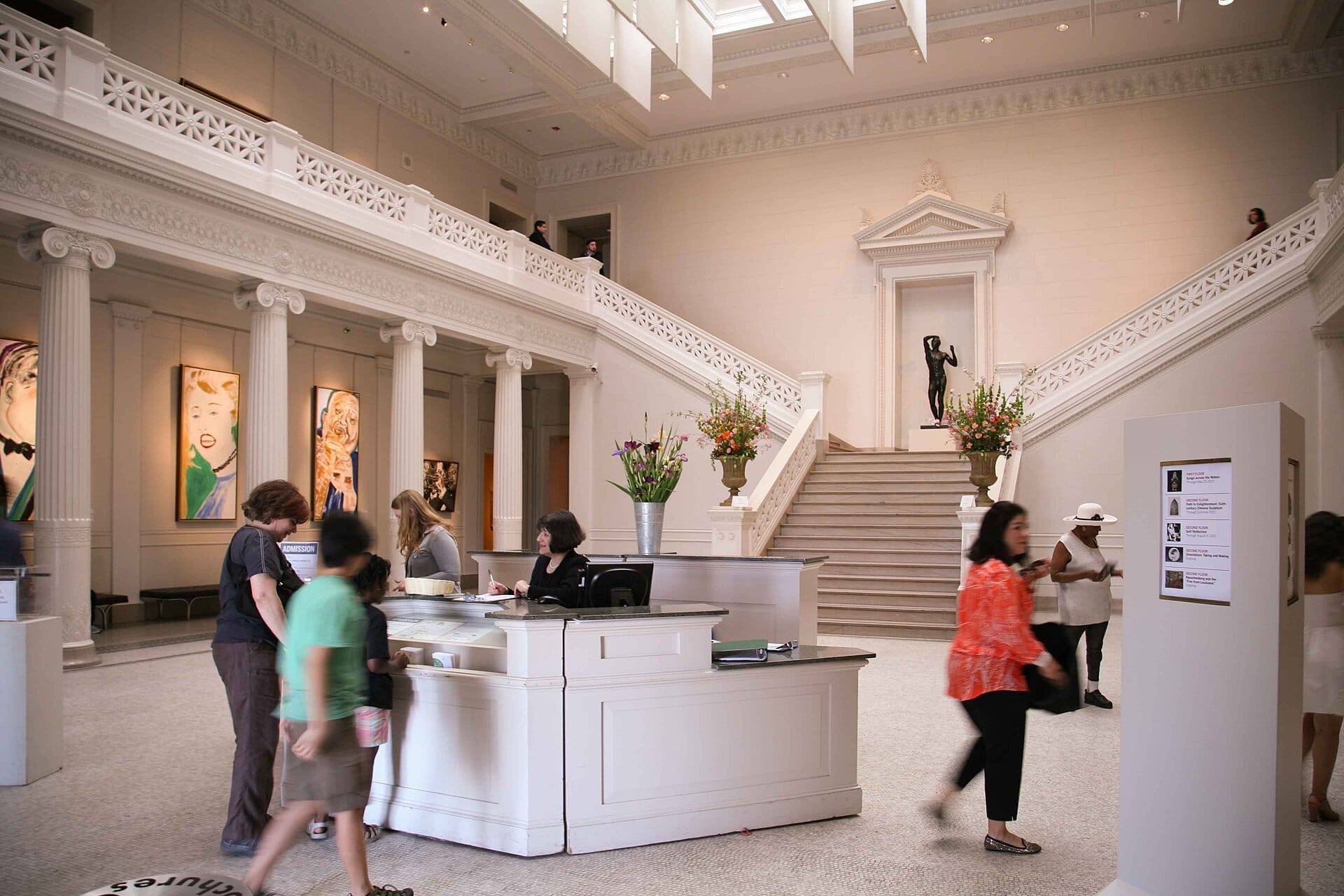
4. Spend a Morning in City Park at NOMA and the Sculpture Garden
City Park's Beaux-Arts museum holds 40,000 works and sits beside one of the best free sculpture gardens in the US. Plan 2 to 3 hours for both. The park's live oaks and lagoons make this feel far removed from the French Quarter.
Explore4. Spend a Morning in City Park at NOMA and the Sculpture Garden
City Park's Beaux-Arts museum holds 40,000 works and sits beside one of the best free sculpture gardens in the US. Plan 2 to 3 hours for both. The park's live oaks and lagoons make this feel far removed from the French Quarter.
Explore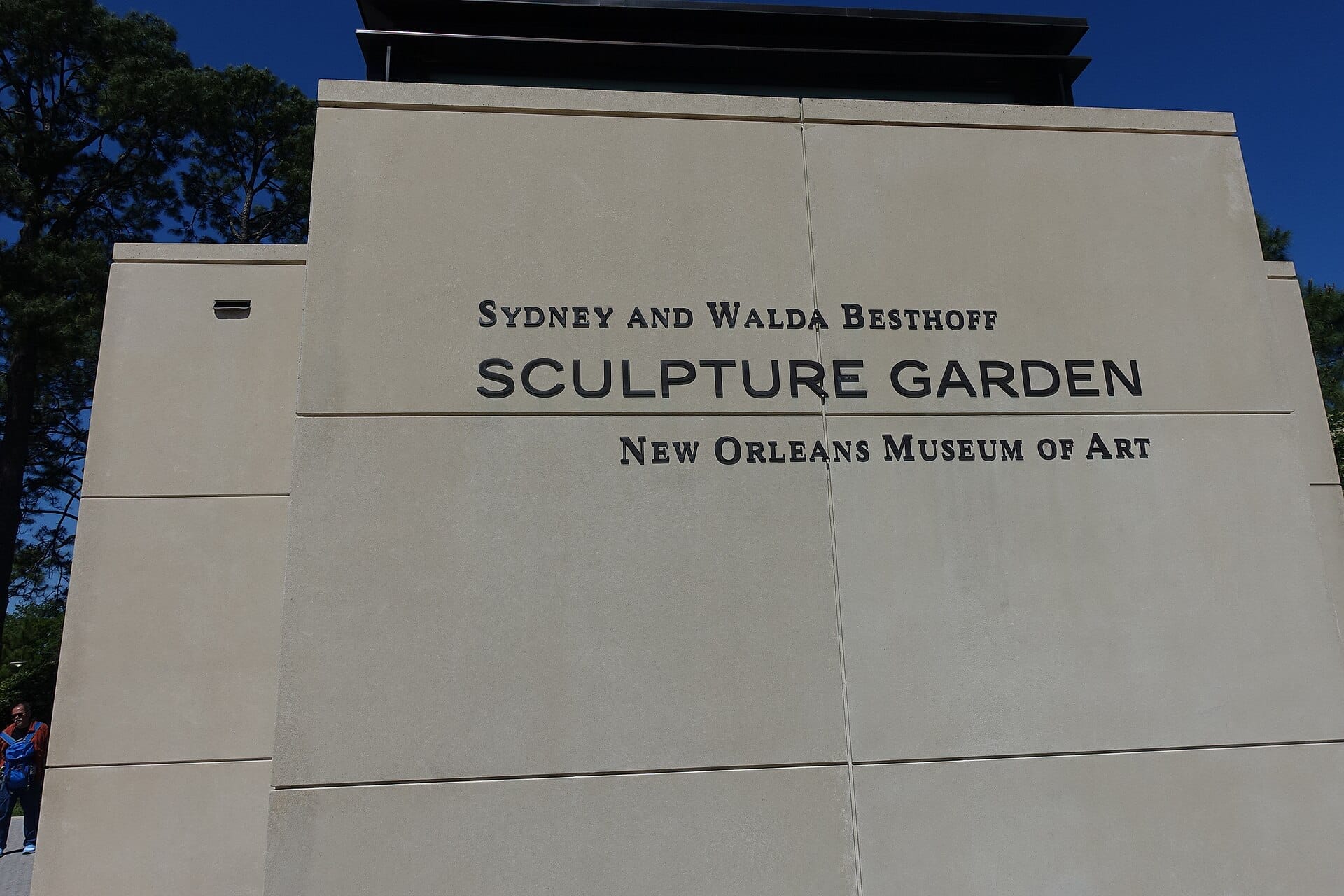
5. Wander Among 90 Major Sculptures in a Free Outdoor Garden
Adjacent to NOMA, the Besthoff Sculpture Garden is free to enter and features works by major 20th and 21st-century artists set among live oaks and lagoons. Allow 90 minutes and go on a weekday morning to have it nearly to yourself.
Explore5. Wander Among 90 Major Sculptures in a Free Outdoor Garden
Adjacent to NOMA, the Besthoff Sculpture Garden is free to enter and features works by major 20th and 21st-century artists set among live oaks and lagoons. Allow 90 minutes and go on a weekday morning to have it nearly to yourself.
Explore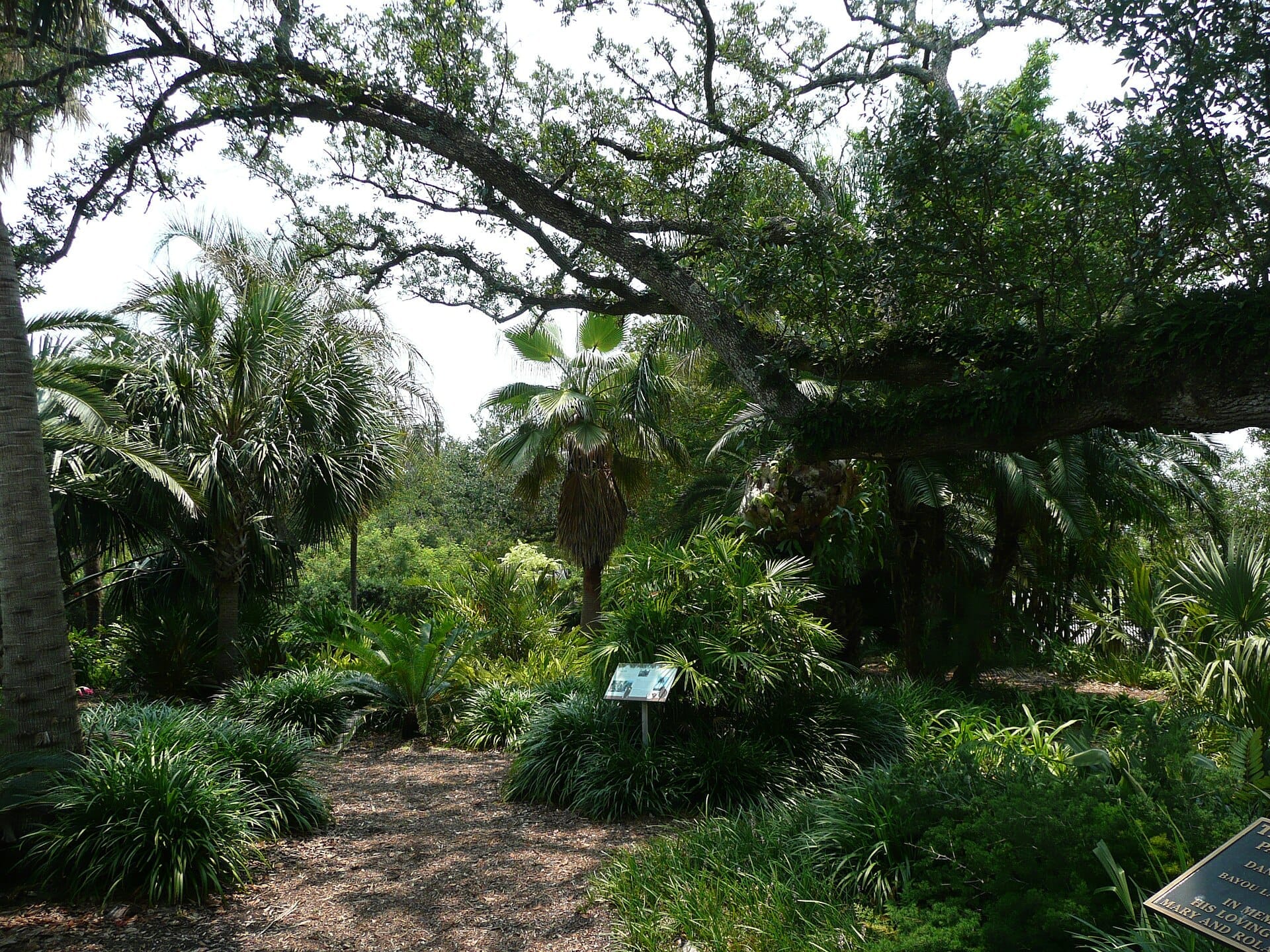
6. Walk Through WPA-Era Garden Design at the Botanical Garden
Inside City Park, this Art Deco garden has formal rose beds, tropical plantings, and some of the finest WPA-era garden architecture in the country. It's small enough for an hour's visit and rarely crowded, even on weekends.
Explore6. Walk Through WPA-Era Garden Design at the Botanical Garden
Inside City Park, this Art Deco garden has formal rose beds, tropical plantings, and some of the finest WPA-era garden architecture in the country. It's small enough for an hour's visit and rarely crowded, even on weekends.
Explore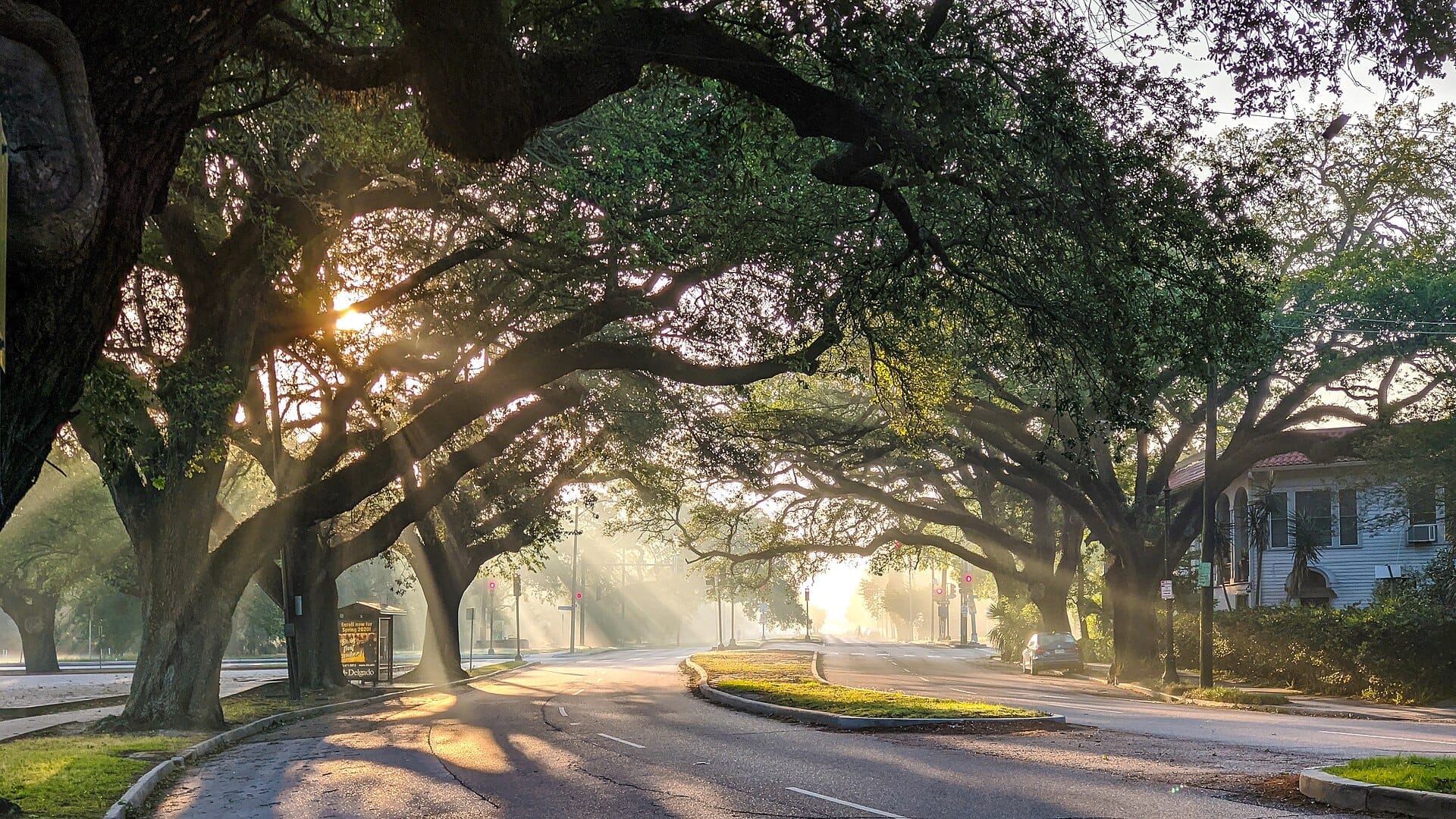
7. Use City Park as a Full Escape from the Quarter's Energy
At 1,300 acres, City Park contains the botanical garden, NOMA, Storyland, an amusement park, and miles of cycling paths along lagoons. Pack a picnic and rent a bike at the park entrance for a proper half-day retreat from the French Quarter.
Explore7. Use City Park as a Full Escape from the Quarter's Energy
At 1,300 acres, City Park contains the botanical garden, NOMA, Storyland, an amusement park, and miles of cycling paths along lagoons. Pack a picnic and rent a bike at the park entrance for a proper half-day retreat from the French Quarter.
Explore
8. Head Uptown to Audubon Zoo for a Morning in the Treetops
Audubon Zoo sits inside Audubon Park in Uptown, reachable by streetcar. The Louisiana swamp exhibit with white alligators, the jaguar jungle, and the sea lion pool make it worth 3 hours. Ride the St. Charles streetcar both ways for the full Uptown experience.
Explore8. Head Uptown to Audubon Zoo for a Morning in the Treetops
Audubon Zoo sits inside Audubon Park in Uptown, reachable by streetcar. The Louisiana swamp exhibit with white alligators, the jaguar jungle, and the sea lion pool make it worth 3 hours. Ride the St. Charles streetcar both ways for the full Uptown experience.
Explore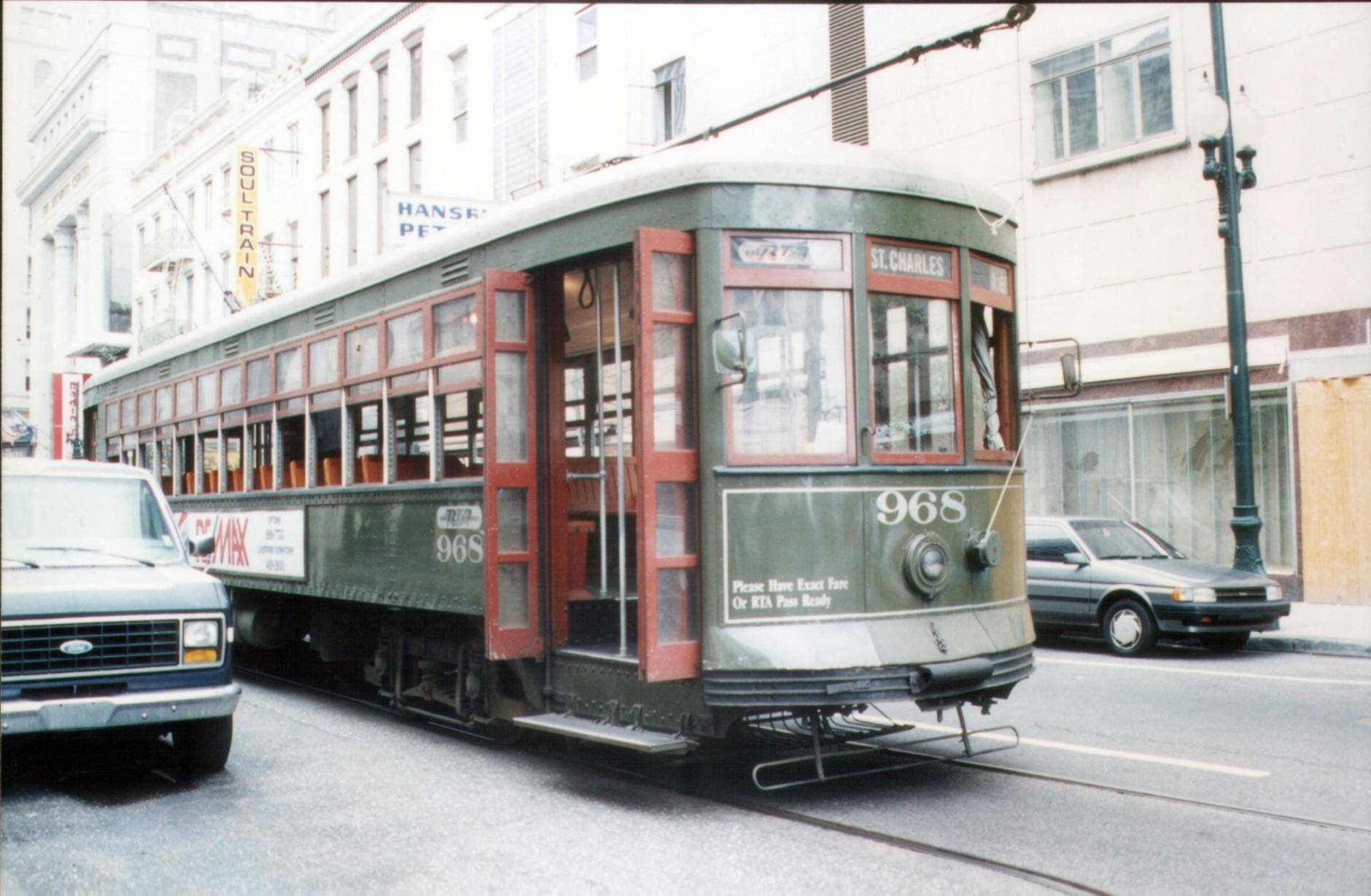
9. Ride the World's Oldest Streetcar Line from Downtown to Uptown
The St. Charles streetcar runs from Canal Street to the end of Uptown under a canopy of live oaks. The full ride takes 45 minutes each way and passes the Garden District mansions, Audubon Park, and Tulane University. A $1.25 fare.
Explore9. Ride the World's Oldest Streetcar Line from Downtown to Uptown
The St. Charles streetcar runs from Canal Street to the end of Uptown under a canopy of live oaks. The full ride takes 45 minutes each way and passes the Garden District mansions, Audubon Park, and Tulane University. A $1.25 fare.
Explore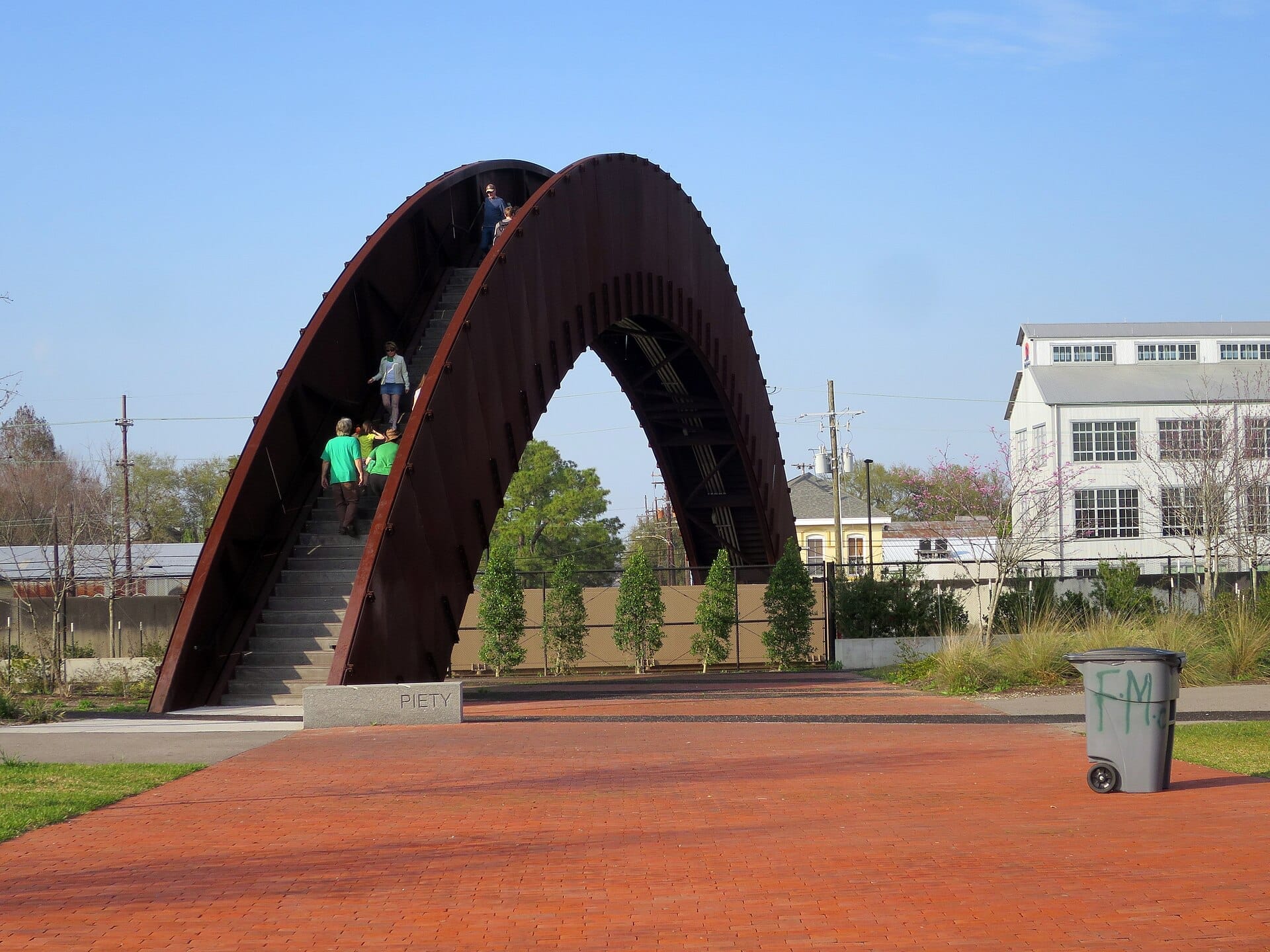
10. Walk the Riverfront in the Marigny at Crescent Park
Just a short walk east of the French Quarter, Crescent Park hugs the Mississippi in Bywater, offering the best river views in the city without the crowds of Moon Walk. Go at sunrise or late afternoon when the light hits the bridge and downtown skyline.
Explore10. Walk the Riverfront in the Marigny at Crescent Park
Just a short walk east of the French Quarter, Crescent Park hugs the Mississippi in Bywater, offering the best river views in the city without the crowds of Moon Walk. Go at sunrise or late afternoon when the light hits the bridge and downtown skyline.
Explore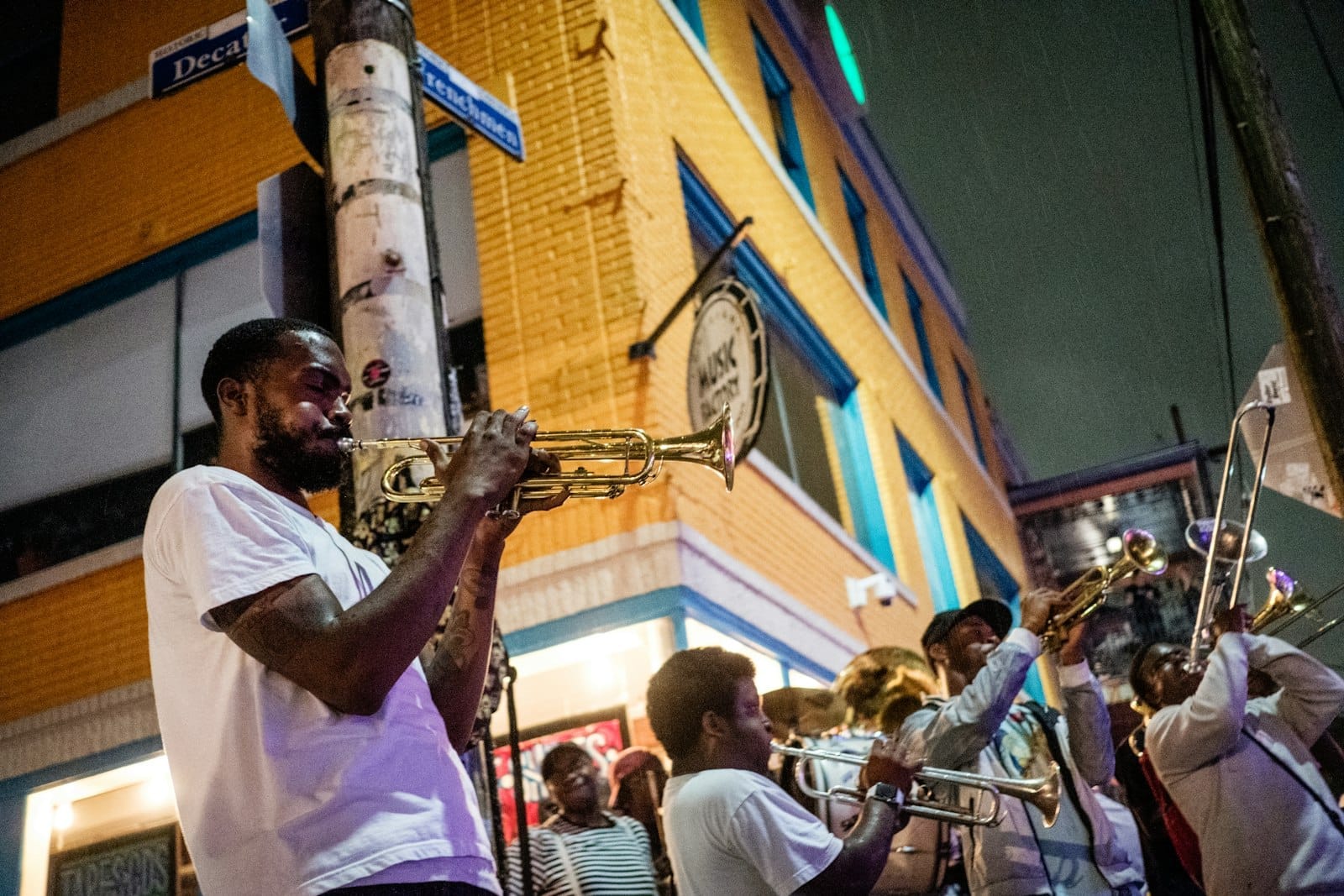
11. Escape Bourbon Street for an Evening on Frenchmen Street
Two blocks into the Marigny from the French Quarter edge, Frenchmen Street is where New Orleans actually listens to live jazz. Multiple clubs on a single block, no cover at most, and world-class brass bands starting around 10pm. A completely different city from Bourbon Street.
Explore11. Escape Bourbon Street for an Evening on Frenchmen Street
Two blocks into the Marigny from the French Quarter edge, Frenchmen Street is where New Orleans actually listens to live jazz. Multiple clubs on a single block, no cover at most, and world-class brass bands starting around 10pm. A completely different city from Bourbon Street.
Explore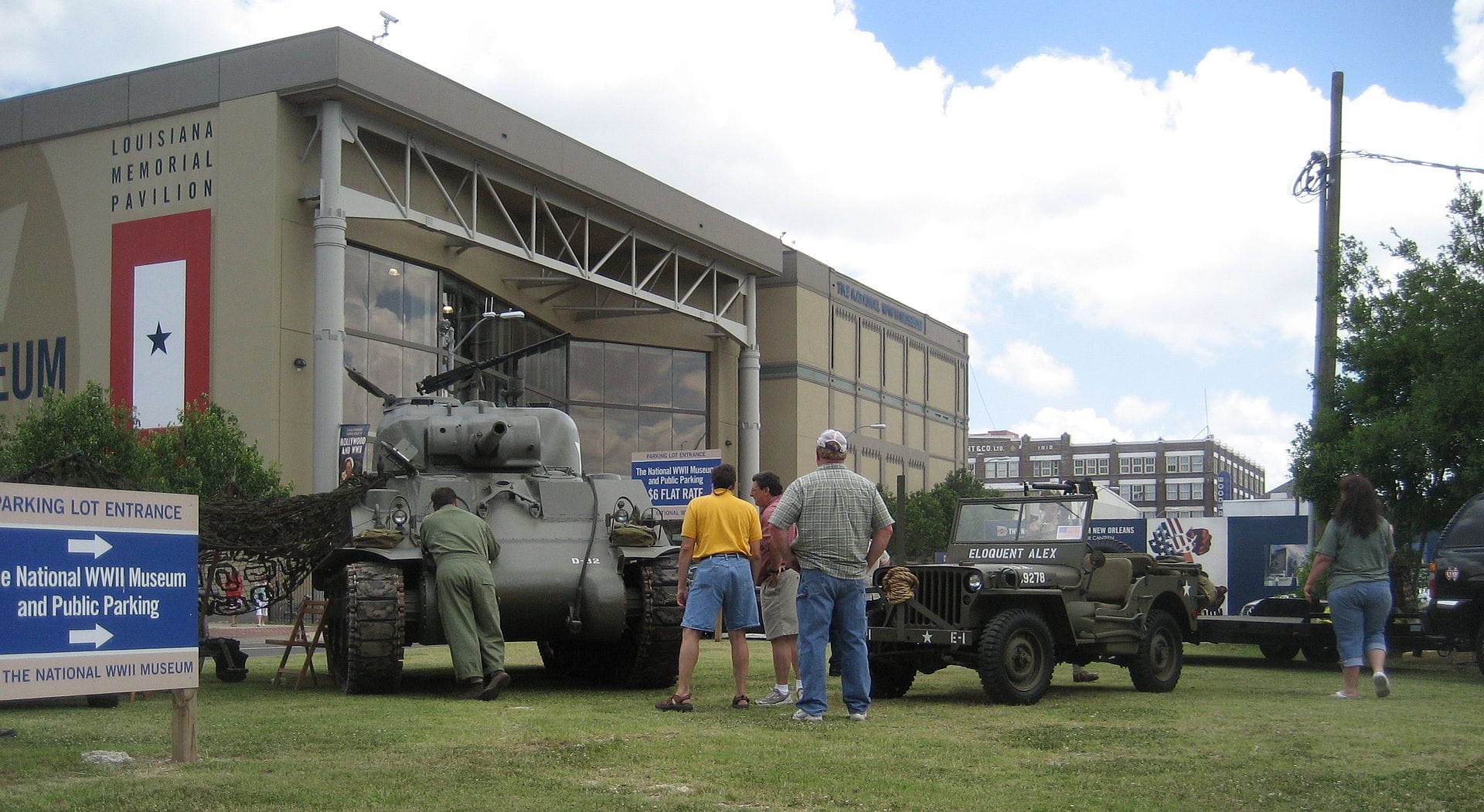
12. Spend Half a Day at One of America's Best Museums
The National WWII Museum in the Warehouse District consistently ranks among the top 5 museums in the US. The immersive exhibits, 4D film experience, and oral history archive need at least 3 to 4 hours. Book timed tickets in advance, especially on weekends.
Explore12. Spend Half a Day at One of America's Best Museums
The National WWII Museum in the Warehouse District consistently ranks among the top 5 museums in the US. The immersive exhibits, 4D film experience, and oral history archive need at least 3 to 4 hours. Book timed tickets in advance, especially on weekends.
Explore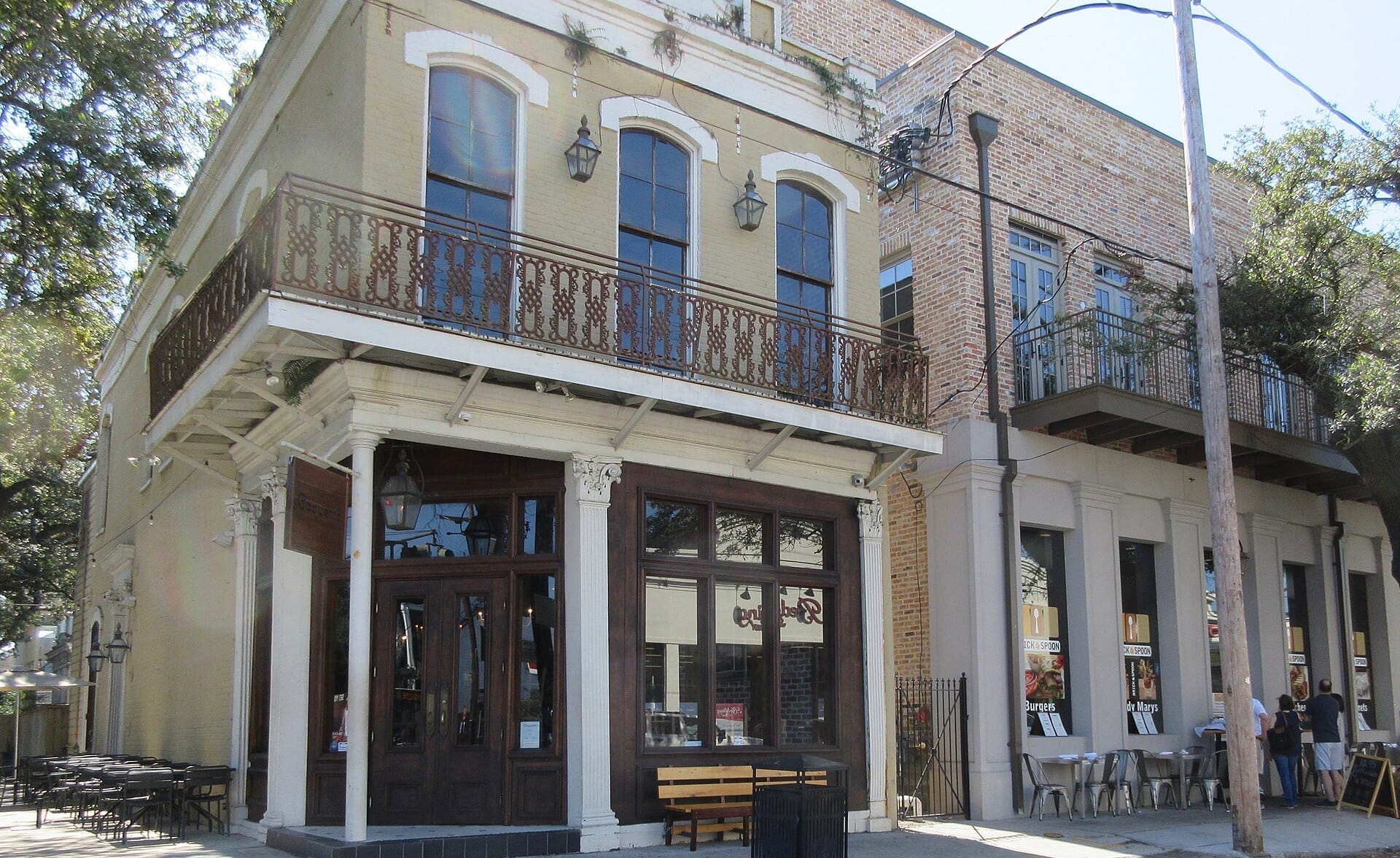
13. Shop and Eat Along Six Miles of Magazine Street
Magazine Street runs from the CBD through the Garden District into Uptown, lined with antique dealers, local boutiques, and neighbourhood restaurants. Walk a stretch, stop for lunch, and take the streetcar back. It's the city's best leisurely shopping half-day.
Explore13. Shop and Eat Along Six Miles of Magazine Street
Magazine Street runs from the CBD through the Garden District into Uptown, lined with antique dealers, local boutiques, and neighbourhood restaurants. Walk a stretch, stop for lunch, and take the streetcar back. It's the city's best leisurely shopping half-day.
Exploreℹ️ Good to know
For day trips requiring a rental car, book in advance during Mardi Gras (February/March), Jazz Fest (late April/early May), and October festival weekends. Rates can triple and availability disappears quickly during those periods.
Gulf Coast & Barrier Islands
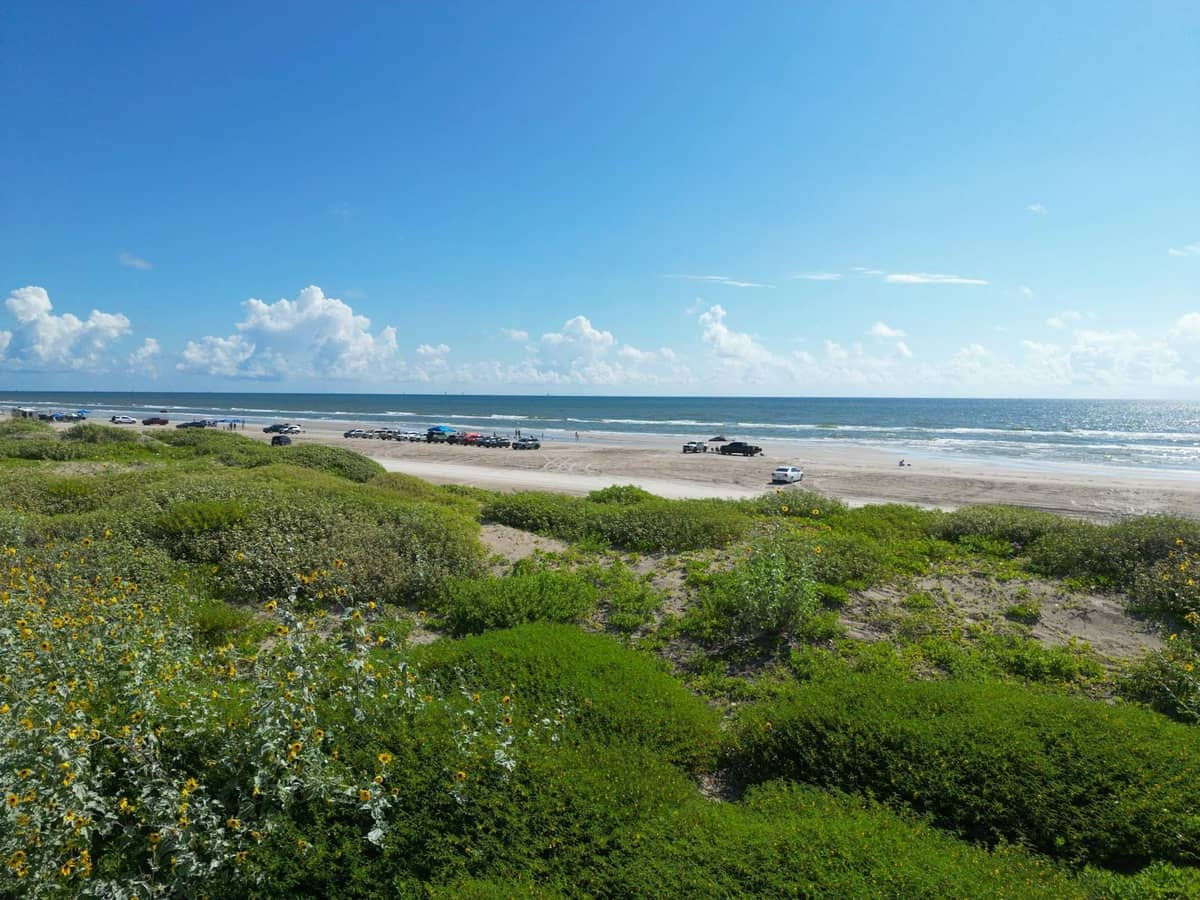
Grand Isle State Park, 110 miles south of New Orleans on a barrier island in the Gulf of Mexico, is Louisiana's only publicly accessible barrier island beach. The drive takes about 2.25 hours through bayou country and marshland, which is itself worth the trip. Grand Isle is known for birding during spring migration and for some of the best speckled trout fishing in the Gulf. The beach is narrow and not comparable to Florida's white sand Gulf shores, but the birding, fishing, and sense of remoteness are the draw. Go in April or October for the best weather and wildlife. Our guide to the best time to visit New Orleans covers seasonal conditions across the region, which applies equally to these coastal day trips.
FAQ
What is the best day trip from New Orleans?
Whitney Plantation, 45 minutes west, is the single most impactful day trip for most visitors. It's the only plantation museum in Louisiana focused on the lives of the enslaved rather than the planter class. For natural beauty, a swamp tour into the Barataria Preserve or Jean Lafitte National Historical Park is unmatched and only 25 to 30 minutes from the city.
Can you do day trips from New Orleans without a car?
Yes, for the most popular options. Jean Lafitte Swamp Tour and several plantation tour operators offer hotel pickup from the French Quarter. Organized tours to Whitney Plantation and Oak Alley also depart daily from New Orleans. For the Northshore and Baton Rouge, a car is more practical, though Greyhound and Megabus serve Baton Rouge.
How far is Whitney Plantation from New Orleans?
Whitney Plantation is approximately 45 miles west of New Orleans on Louisiana Highway 18, the Great River Road. The drive takes about 45 to 55 minutes. Several tour operators run guided day trips from New Orleans that include transport.
What is the best time of year for day trips around New Orleans?
March through May and October through November are the best months. Temperatures range from 60 to 82°F, humidity is lower than summer, and hurricane season has passed or not yet begun. Summer swamp tours still operate but midday heat is intense — book the earliest departure available if you go June through August.
How long does a swamp tour from New Orleans take?
Most swamp tours run 1.5 to 2 hours on the water, plus travel time. With the drive or shuttle from the French Quarter, budget half a day total. Tours typically depart two to four times daily; the morning departure is best for wildlife activity and cooler temperatures.