Getting Around New Orleans: The Complete Transport Guide
New Orleans has no subway, but it does have the oldest continuously operating streetcar in the world, a surprisingly affordable bus network, and a city core compact enough to walk. This guide breaks down every transport option with real fares, route details, and honest assessments of what actually works for visitors.
Plan and book this trip
Tools from our partner Travelpayouts help you compare flights and hotels. If you book through them, we may earn a commission at no extra cost to you.
Flights
Hotels map
TL;DR
- New Orleans has no metro system. Public transit runs on streetcars, buses, and a Mississippi River ferry.
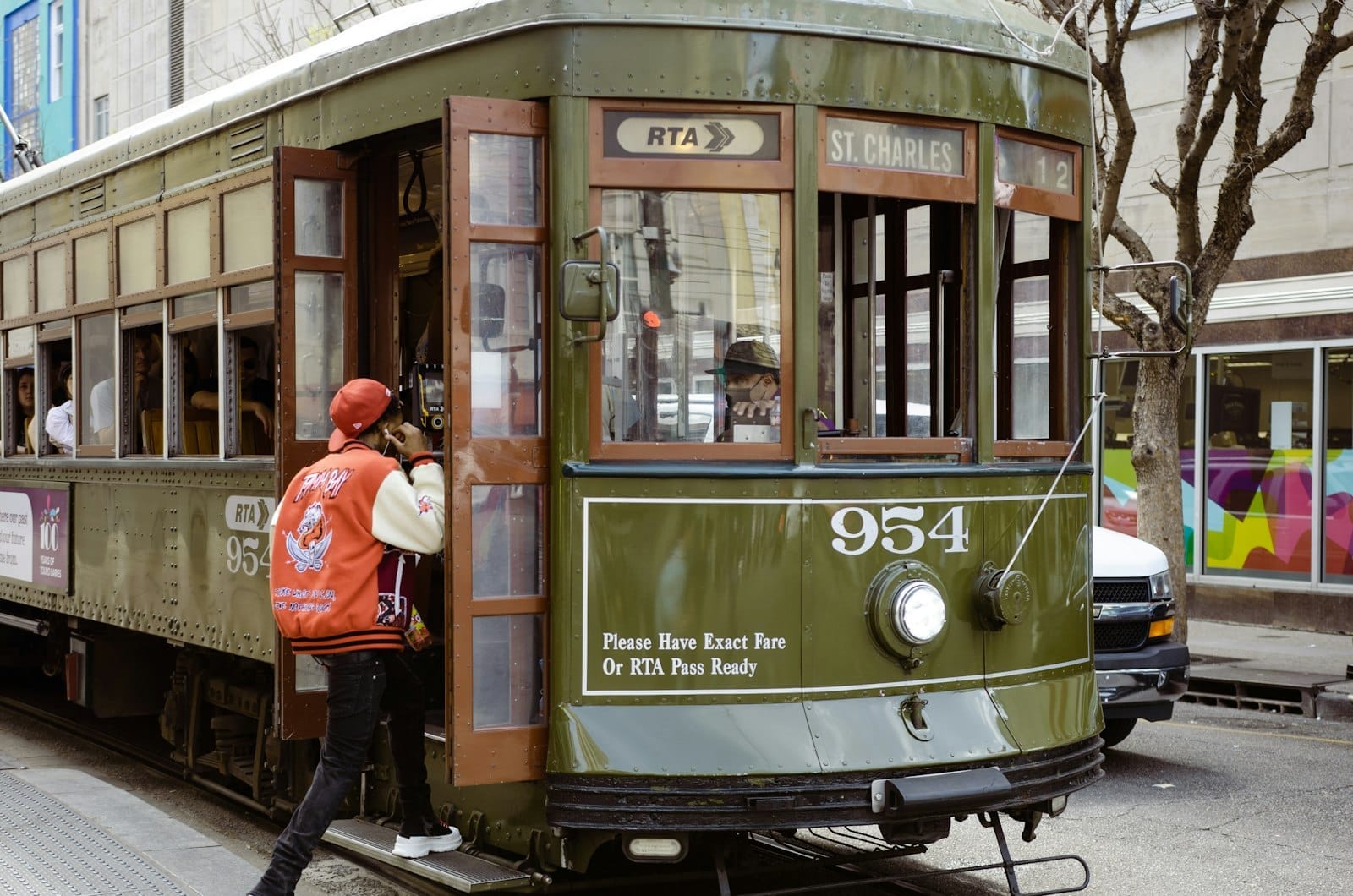
- The St. Charles Avenue streetcar departs from the Canal/Carondelet stop (near the edge of the French Quarter) and connects downtown to the Garden District and Uptown for just $1.25 per ride (verify current RTA fare).
- The Jazzy Pass (from $3 for 1 day) covers unlimited streetcar and bus rides and is the best value for multi-day visitors.
- Rideshare and taxis are reliable but expensive during Mardi Gras, Jazz Fest, and other major events. Book early or walk.
- The French Quarter, CBD, and Marigny are all walkable. Driving in New Orleans is generally more trouble than it's worth.
Getting from MSY Airport to the City
Louis Armstrong New Orleans International Airport (MSY) sits about 15 miles west of the French Quarter. That distance translates differently depending on traffic and the time of day, so factor in 30 to 60 minutes for the trip. You have four practical options, and the right one depends entirely on your budget and how much luggage you're carrying.
- RTA 202 Airport Express Bus The cheapest option at $1.25 one-way. Runs directly from MSY to Downtown New Orleans. Great for solo travelers with manageable luggage, but slow during peak hours and not ideal with large bags.
- Rideshare (Uber / Lyft) Typically $30-50 depending on time of day and surge pricing. Convenient door-to-door service. During major festivals, surge pricing can push fares significantly higher, so check the app before you commit.
- Flat-Rate Taxi Taxis charge a regulated flat rate to downtown hotels (verify the current rate with the driver or MSY airport taxi stand). No surge pricing, which makes them the safer bet during Mardi Gras or Jazz Fest weekends.
- Shared Shuttle Services Various operators offer shared van shuttles for around $24-30 one-way. Slower than a taxi because you share the ride, but cheaper than a solo rideshare.
⚠️ What to skip
During major events like Mardi Gras or Jazz Fest, rideshare surge pricing can double or triple normal airport fares. If your arrival date coincides with a festival, book a flat-rate taxi or pre-arranged shuttle in advance. Prices and schedules change, so verify current fares before your trip.
The Streetcar Network: Your Best Friend in New Orleans
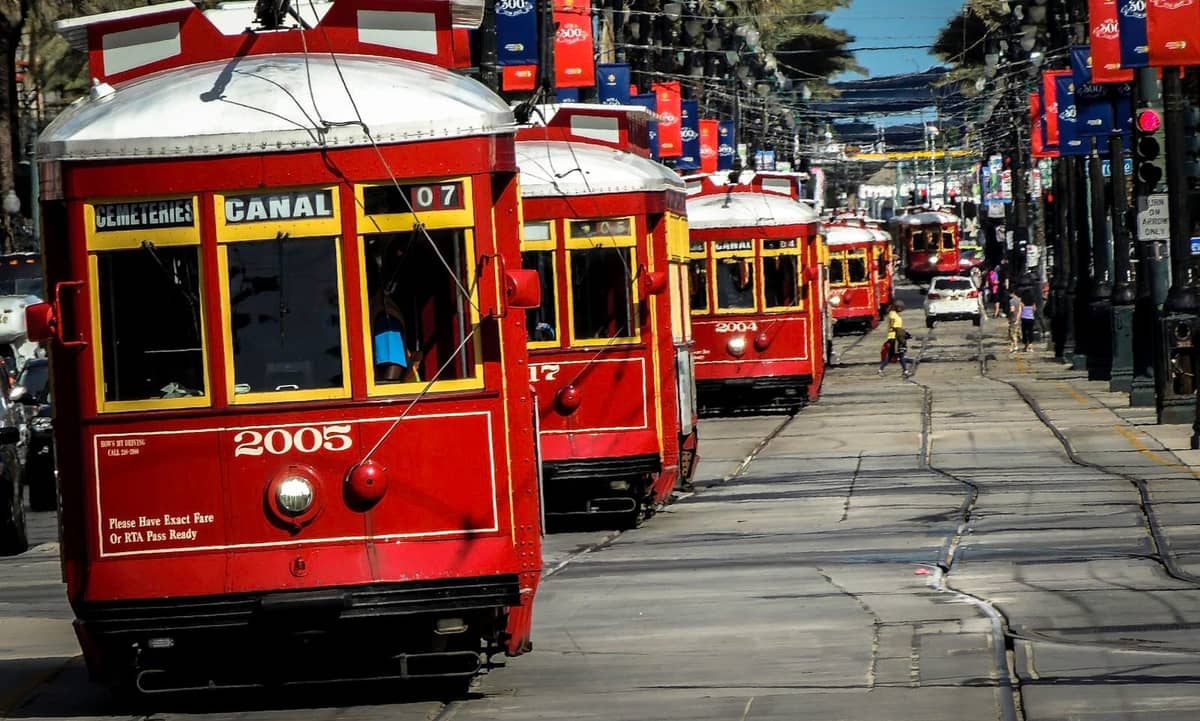
New Orleans operates five streetcar lines covering about 23 miles of track, all managed by the Regional Transit Authority (RTA). The crown jewel is the St. Charles Avenue Line, recognized as the oldest continuously operating streetcar in the world. For most tourists, it's the single most useful piece of public transit in the city, running from Canal Street through the Central Business District, past the Garden District, and all the way to Carrollton in Uptown.
Streetcars run from early morning until late night, typically at 15 to 30 minute intervals depending on the line and time of day. Service can slow during major parades and events when routes are partially blocked, so build in buffer time if you're on a schedule. The Canal Street lines are the second most useful for visitors, running about 5.5 miles total from the Riverfront to City Park or Cemeteries and passing near historic cemeteries in Mid-City.
- St. Charles Avenue Line The most scenic and tourist-useful line. Runs from Canal Street through the CBD, Garden District, and Uptown. Ideal for reaching Magazine Street restaurants and Audubon Park.
- Canal Street Line 5.5-mile route connecting the Riverfront to City Park and Mid-City. Splits into two branches at Canal and Carrollton, one toward City Park and one toward Cemeteries.
- Riverfront Line Short scenic line along the Mississippi River waterfront, connecting the French Quarter and the Convention Center. Not practical for getting around but scenic for a leisure ride.
- Rampart-St. Claude Line Connects Union Passenger Terminal to the French Quarter and continues into the Marigny and Bywater neighborhoods. Useful if you're exploring the arts district east of the Quarter.
✨ Pro tip
Buy a Jazzy Pass instead of paying per ride if you plan to use transit more than twice a day. A 1-day pass covers unlimited rides on all streetcars and RTA buses. A 3-day pass is around $10, and a 31-day unlimited pass costs $65. Purchase at RTA vending machines, online, or through the GoMobile app. Single rides require exact change if paying cash on board.
Buses, Ferries, and Getting Beyond the Tourist Core

The RTA operates bus routes that cover neighborhoods the streetcar lines don't reach, including Mid-City, Gentilly, and the Lakefront (per recent RTA reporting, figures subject to change). For most tourists staying in the French Quarter or Garden District, you won't need a bus at all. But if you're heading somewhere off the main corridors, like the Treme neighborhood or parts of Uptown the streetcar doesn't serve, buses fill the gap. Be realistic about reliability: on-time performance varies (per recent RTA reporting, figures subject to change), so buses are best for situations where a 10-15 minute delay doesn't matter.
One genuinely underrated option is the Algiers Ferry, which crosses the Mississippi River from Canal Street to Algiers Point. It costs just a few dollars each way and gives you a river-level view of the city skyline that rivals any paid cruise. Algiers Point itself is one of the oldest neighborhoods in New Orleans, largely bypassed by tourist crowds. If you're looking for low-cost experiences with genuine local character, this ferry ride earns its place on the itinerary.
Walking the City: Where It Works and Where It Doesn't
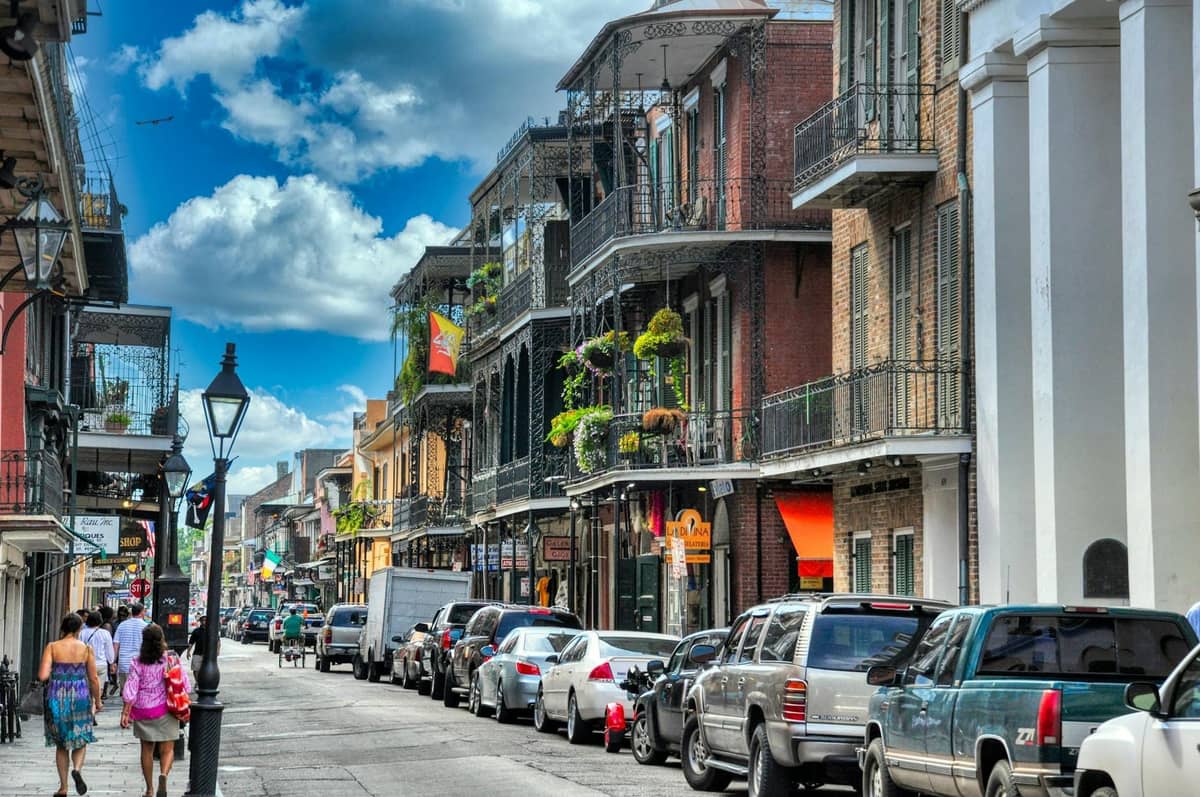
A significant portion of what visitors want to see in New Orleans is walkable, and in the right neighborhoods, walking is genuinely the best option. The French Quarter is only about 13 blocks long and 7 blocks wide. The CBD and Arts/Warehouse District are both walkable from there. Frenchmen Street in the Marigny is about a 15-minute walk from the lower Quarter.
Where walking breaks down is distance and weather. The Garden District is roughly 2.5 miles from the French Quarter, which is fine in October but brutal in July when temperatures hit 90°F with near-100% humidity. In summer, take the streetcar to the Garden District and save walking for the shaded streets within the neighborhood itself. Also note that New Orleans sidewalks are notoriously uneven, thanks to tree roots and subsidence from the city's soft ground. Wear supportive shoes regardless of the season.
💡 Local tip
If you're spending 3 or more days in New Orleans and plan to visit the Garden District, City Park, and Frenchmen Street, the Jazzy Pass pays for itself quickly. Pair it with walking in the French Quarter and you have a cost-effective transport strategy that keeps you off rideshare apps for most of your trip.
Rideshare, Taxis, and Renting a Car
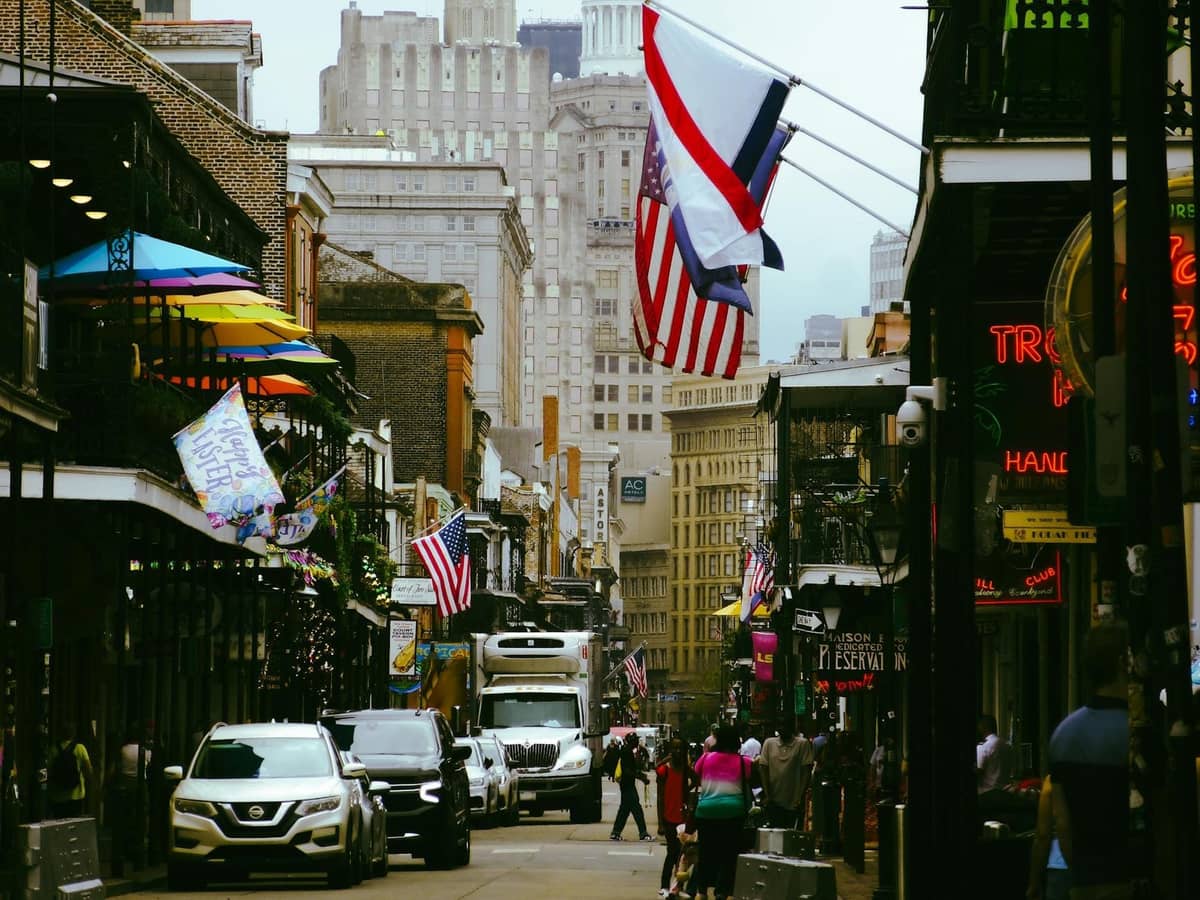
Uber and Lyft both operate reliably in New Orleans during normal conditions. For late nights, when streetcars are running infrequently or you're in an unfamiliar neighborhood, rideshare is the sensible choice. Response times are generally good in the Quarter and CBD, slower in Bywater or Mid-City after midnight.
Taxis remain a legitimate option, especially when surge pricing makes rideshare unattractive. You can typically flag a cab near major hotels, the Convention Center, and the Quarter. For airport trips specifically, the flat-rate taxi fare removes all pricing uncertainty. Check New Orleans safety tips if you're planning late-night travel in less-trafficked areas.
Renting a car is not recommended for most visitors. New Orleans streets in the French Quarter are narrow and often closed for parades or festivals with little advance notice. Parking is expensive and scarce in the tourist core. If you're planning day trips outside the city, a car makes sense, but for city navigation it creates more problems than it solves. Rent it only for the specific days you need it.
Practical Tips for Navigating New Orleans by Neighborhood
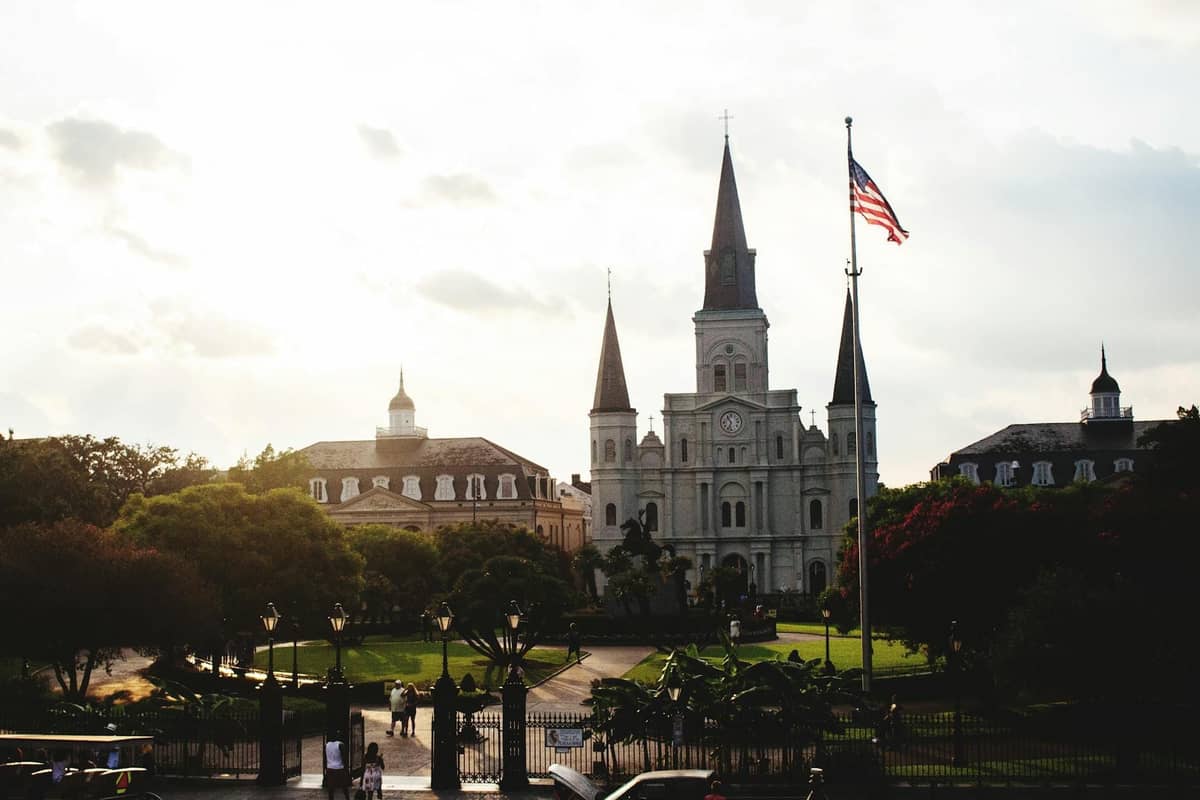
Different neighborhoods call for different transport strategies. The Central Business District is walking distance from the French Quarter and well-served by the Canal Street and St. Charles streetcars. The Treme neighborhood, home to Congo Square and Louis Armstrong Park, is a short walk from the north side of the French Quarter.
For Marigny and Bywater, the Rampart-St. Claude streetcar is useful, but many visitors simply walk from the French Quarter along Esplanade Avenue. Mid-City, where you'll find City Park and the New Orleans Museum of Art, is best reached via the Canal Street Line's City Park branch.
- French Quarter and CBD: Walk for almost everything. Riverfront Line useful for waterfront attractions.
- Garden District and Uptown: St. Charles Avenue streetcar is the ideal connection from downtown.
- Marigny and Bywater: Walk from the Quarter or take the Rampart-St. Claude line.
- Mid-City and City Park: Canal Street Line (City Park branch) is the most convenient option.
- Algiers Point: Algiers Ferry from Canal Street, one of the cheapest and most scenic crossings in the city.
- Airport transfers: RTA 202 bus for budget travel, flat-rate taxi for convenience, rideshare for flexibility.
FAQ
Does New Orleans have a subway or metro system?
No, New Orleans has no subway or metro. Public transit consists of streetcars, RTA buses, and the Algiers Ferry. The streetcar network covers the main tourist corridors effectively, but the absence of underground rail means some areas require buses or rideshare.
How much does the streetcar cost in New Orleans?
A single streetcar ride costs $1.25 (verify current RTA fare) and requires exact change if paying cash on board. The Jazzy Pass offers unlimited rides on streetcars and buses for 1, 3, 5, or 31 days. The 31-day unlimited pass is $65. Purchase passes at RTA vending machines or via the GoMobile app.
What is the cheapest way to get from New Orleans airport to the French Quarter?
The RTA 202 Airport Express bus costs $1.50 and runs directly from MSY to Downtown New Orleans. It's the cheapest option but not ideal with heavy luggage. Shared shuttle services run around $24-30 one-way. Taxis charge a regulated flat rate to downtown hotels (verify the current rate with the driver or MSY airport taxi stand). Verify current fares before travel as prices change.
Is it worth renting a car in New Orleans?
For most visitors staying in the city, no. The French Quarter streets are narrow, parking is expensive, and frequent festival closures make driving unpredictable. If you're planning day trips, such as plantation tours along River Road or swamp tours outside the city, renting a car for those specific days makes sense.
How do I get around New Orleans during Mardi Gras?
Many streets close during parade routes, making both driving and rideshare unreliable. Walking is often the most efficient option within the core festival zones. Streetcars may run altered schedules. Plan your accommodations close to parade routes so you can walk, and avoid relying on apps for last-mile transport during peak parade times.