Is New Orleans Safe for Tourists? A Practical Safety Guide
New Orleans draws millions of visitors every year, and the vast majority leave without incident. But the city does have real safety considerations that deserve honest discussion. This guide covers neighborhood-by-neighborhood risk, common tourist hazards, and the practical steps that make the biggest difference.
Plan and book this trip
Tools from our partner Travelpayouts help you compare flights and hotels. If you book through them, we may earn a commission at no extra cost to you.
Flights
Hotels map
TL;DR
- New Orleans has seen notable improvements in public safety in recent years, with homicide rates trending downward since 2022. Tourist-area neighborhoods like the French Quarter, Garden District, and Warehouse District are well-patrolled. For the latest data, refer to NOPD crime statistics at nola.gov or credible local reporting before your visit.
- The French Quarter, Garden District, Warehouse District, and Uptown are the best-patrolled areas for tourists. Stick to the French Quarter and Garden District if you want the lowest-stress experience.
- The biggest risks for most visitors are not violent crime but pickpocketing, uneven sidewalks, drink spiking, and festival-crowd incidents.
- Travel in groups after dark, use Uber or Lyft for late-night rides, and never leave drinks unattended. These three habits eliminate most risk.
- Avoid blocks east of the French Quarter late at night, and skip the impulse to explore unfamiliar residential neighborhoods without local guidance.
The Honest Answer: How Safe Is New Orleans Right Now?
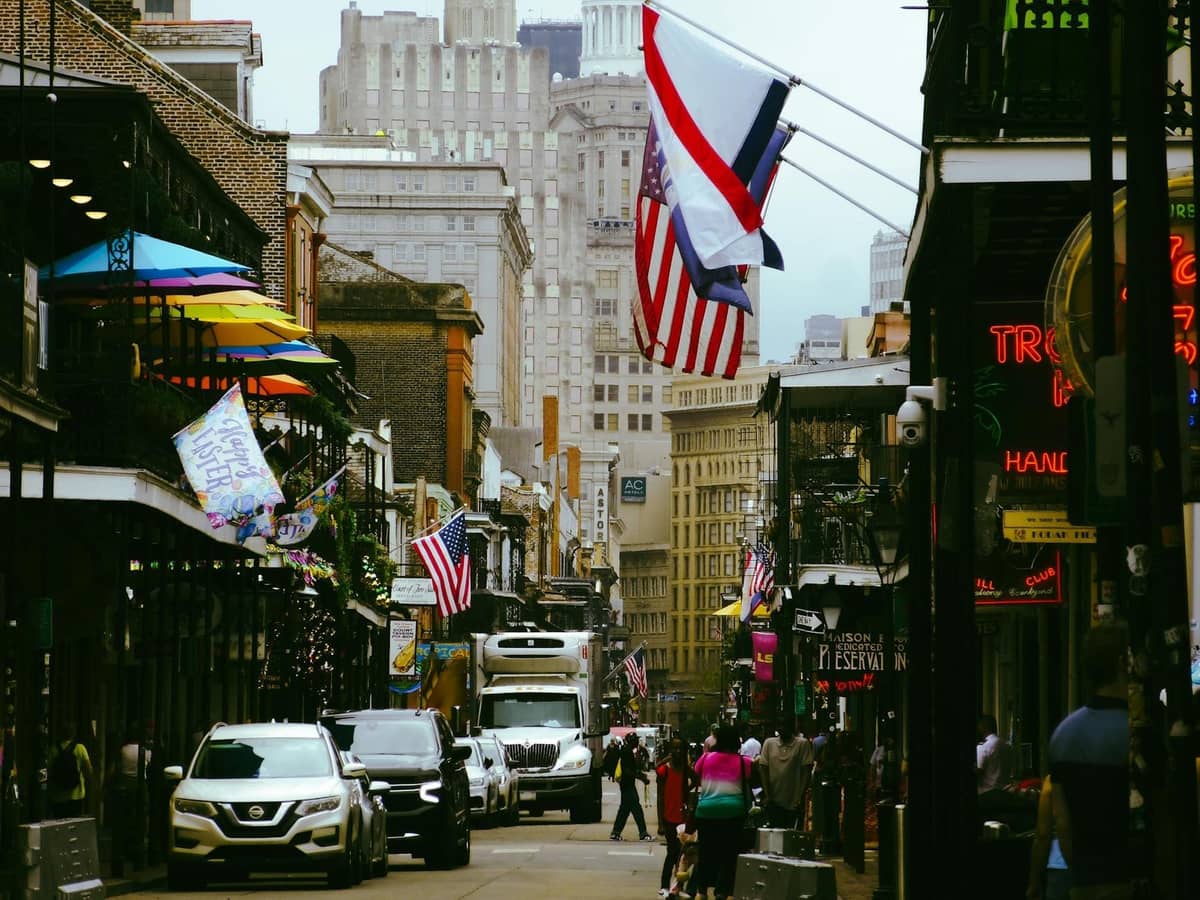
New Orleans has a complicated reputation, and parts of it are earned. The city has historically ranked among the higher-crime cities in the United States. That context matters. But context also includes what has actually changed: the city has seen a significant downward trend in violent crime since 2022. These are meaningful, documented improvements — not spin. For current data, check NOPD crime statistics at nola.gov.
For tourists, the practical picture is this: the areas where visitors spend most of their time are among the best-monitored in the city. The French Quarter alone has hundreds of NOPD cameras and a dedicated French Quarter Management District with its own security patrols. Millions of people visit New Orleans every year, and the overwhelming majority leave without any safety incident at all. That does not mean precautions are unnecessary. It means the risks are manageable with basic awareness.
ℹ️ Good to know
One important caveat: recent data shows uneven progress across crime types. This affects local residents far more than visitors, but it is a reminder that crime reduction has been uneven across the city. The improvements are real, but New Orleans is not uniformly safe across all neighborhoods and all situations.
Safest Neighborhoods for Tourists
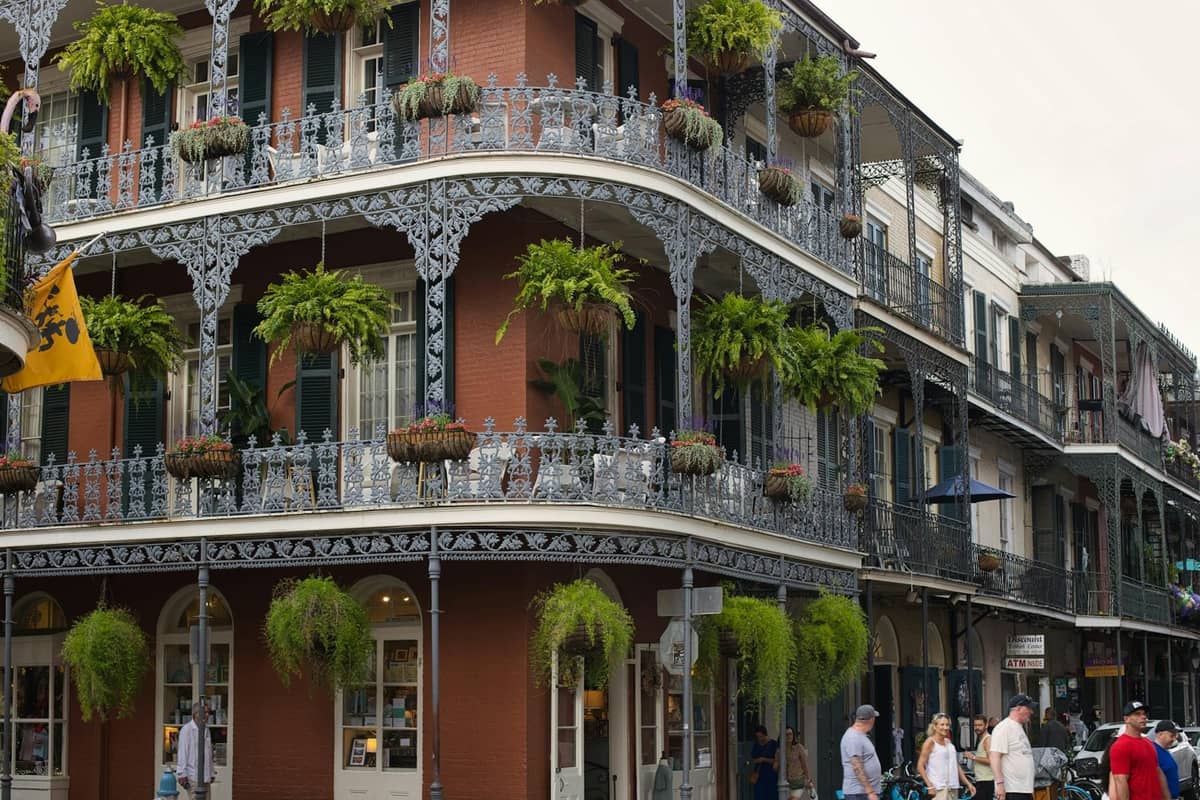
The French Quarter is the most-visited neighborhood in the city and one of the most heavily patrolled. NOPD maintains a dedicated presence here, and the density of bars, restaurants, hotels, and foot traffic means you are rarely far from other people. The same applies to the areas around Jackson Square, Canal Street, and the Warehouse District. These corridors are lit, camera-monitored, and busy enough that opportunistic crime is relatively low.
The Garden District and Uptown along the St. Charles streetcar corridor are residential and generally calm. These are good areas for daytime walking and evening dining. The Central Business District around the convention center and major hotels is also considered low-risk for tourists.
- French Quarter Highest tourist density, strongest police presence, well-lit streets. Best for first-time visitors who want minimal navigation anxiety.
- Garden District / Uptown Quieter residential feel, excellent for daytime walks and evening restaurant dining. Low street crime in tourist-facing blocks.
- Warehouse District / Arts District Near the National WWII Museum and major hotels. Generally safe, especially early evening.
- Marigny (Frenchmen Street area) Active live music scene, good foot traffic on Frenchmen Street itself at night. Side streets get quieter quickly, so stay on main drags.
- Mid-City (City Park area) Daytime visits to the park and museum are safe and low-stress. Less nightlife infrastructure means fewer late-night safety mechanisms.
⚠️ What to skip
Neighborhoods to approach cautiously at night: The blocks immediately east of the French Quarter toward the Lower 9th Ward, and parts of Central City that are not on typical tourist routes. These are not places to wander without local knowledge after dark. No GPS shortcut is worth the risk of ending up disoriented in an unfamiliar residential area late at night.
The Real Risks: What Actually Happens to Tourists
The threats visitors are most likely to encounter are not the ones that get the most news coverage. Violent crime against tourists does happen, but it is far less common than the city's overall crime statistics might suggest. The day-to-day hazards are more mundane but genuinely worth preparing for.
- Pickpocketing and bag snatching Most common on Bourbon Street and in crowded festival settings. Keep wallets in front pockets, use cross-body bags, and do not put your phone down on bar tops.
- Drink spiking A real risk in any destination with heavy nightlife culture. Never leave your drink unattended, and never accept open drinks from strangers.
- Slip and fall on uneven sidewalks New Orleans has extremely old, irregular brick and concrete sidewalks, especially in the French Quarter and Garden District. This sounds trivial until you are dealing with a sprained ankle 500 miles from home. Wear closed-toe shoes with good grip.
- Festival crowd incidents Mardi Gras, Jazz Fest, French Quarter Festival, and Essence Festival all draw enormous crowds. Crushes, falls, and medical incidents increase significantly during parades and concerts. Know your nearest exit and have a meeting point if traveling with others.
- Rideshare and taxi scams Always confirm the license plate and driver name before getting in. Unofficial 'taxis' outside popular venues sometimes charge whatever they think they can get.
- Pedestrian accidents New Orleans drivers can be aggressive, and tourists unfamiliar with local street layouts are at higher risk, especially after drinking. Use marked crosswalks.
Practical Safety Tips That Actually Matter
Most safety advice for New Orleans boils down to a handful of high-impact habits. The tourists who get into trouble are usually those who combine alcohol, unfamiliar streets, late hours, and inattention to their surroundings. Eliminating any two of those four variables changes the math significantly.
- Travel in groups after dark, especially if you are exploring beyond the immediate French Quarter core.
- Use Uber or Lyft for rides after midnight. Both apps work well in New Orleans. Lyft offers the option to match with female drivers for solo female travelers.
- If you park a car, use a staffed garage rather than a street spot, especially overnight. Vehicle burglaries have dropped sharply but have not disappeared.
- Keep your phone out of sight when not using it. Phone snatching is quick and surprisingly common in busy nightlife areas.
- Do not carry large amounts of cash. ATMs are plentiful throughout the French Quarter and CBD. Withdraw smaller amounts as needed.
- Know your hotel address before you go out. Sounds obvious. Is frequently ignored after a few cocktails.
- Call 911 in any emergency. NOPD non-emergency line is (504) 821-2222 for non-urgent situations.
- Keep your accommodation contact and a trusted emergency contact in your phone under 'ICE' (In Case of Emergency).
✨ Pro tip
The 'shoe shine scam' is a classic New Orleans tourist trap: someone bets you they can tell you where you got your shoes. The answer is 'on your feet, on this street.' They then demand payment. It is harmless but annoying. Know it exists so it does not catch you off guard.
Safety During Major Events
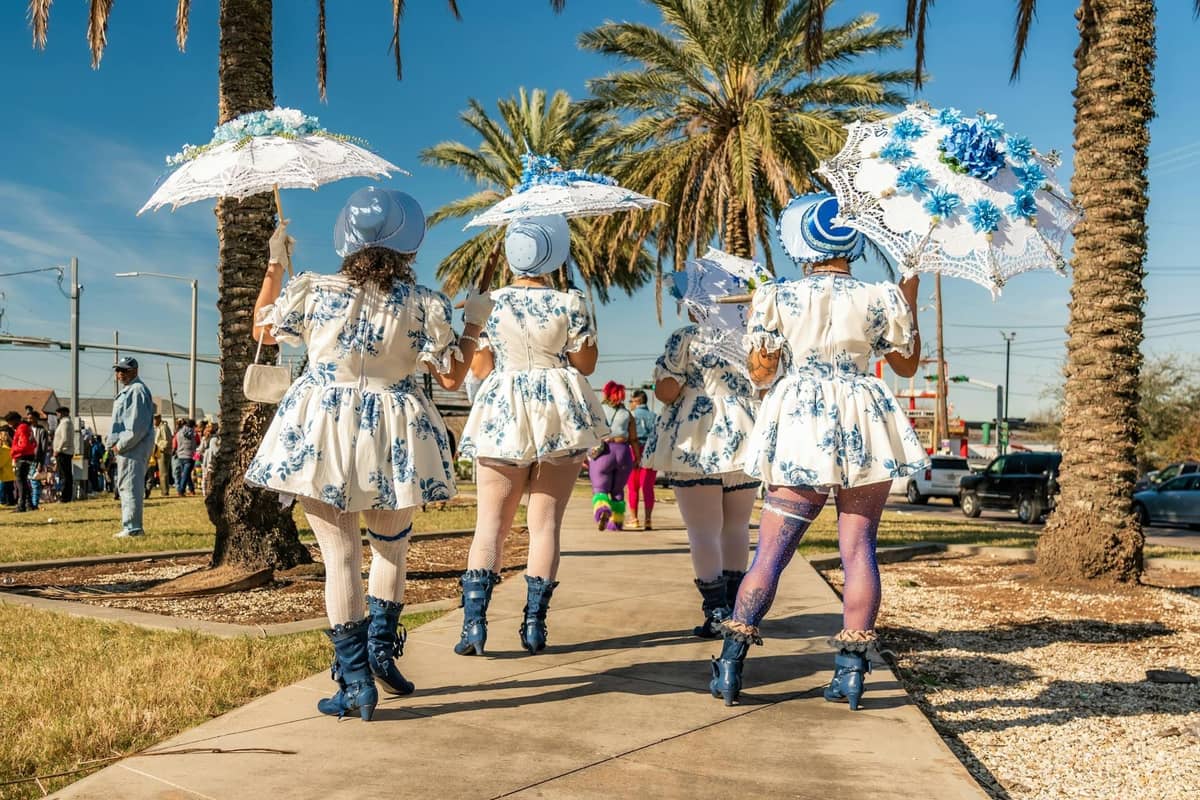
New Orleans hosts more large-scale public events than almost any comparable city. Mardi Gras alone draws over a million visitors over the final week of the season. The city deploys significant law enforcement resources during these periods, which actually makes tourist-area crime lower during major festivals than on an average Saturday night. The risk profile shifts: less opportunistic theft, more crowd-crush and alcohol-related incidents.
For Jazz Fest at the Fair Grounds, the venue itself is well-managed and generally safe. The risks come after dark as large crowds disperse into areas with limited transportation infrastructure. Pre-arrange your return ride rather than hunting for one when 70,000 people are all trying to leave at the same time.
Halloween in New Orleans draws big crowds to the French Quarter for costume parties and bar crawls. The New Orleans Halloween scene is spirited and generally safe, but Bourbon Street gets genuinely packed and disorienting. Have a designated meeting point with anyone you are traveling with before you head out.
Solo Travelers and Specific Visitor Groups
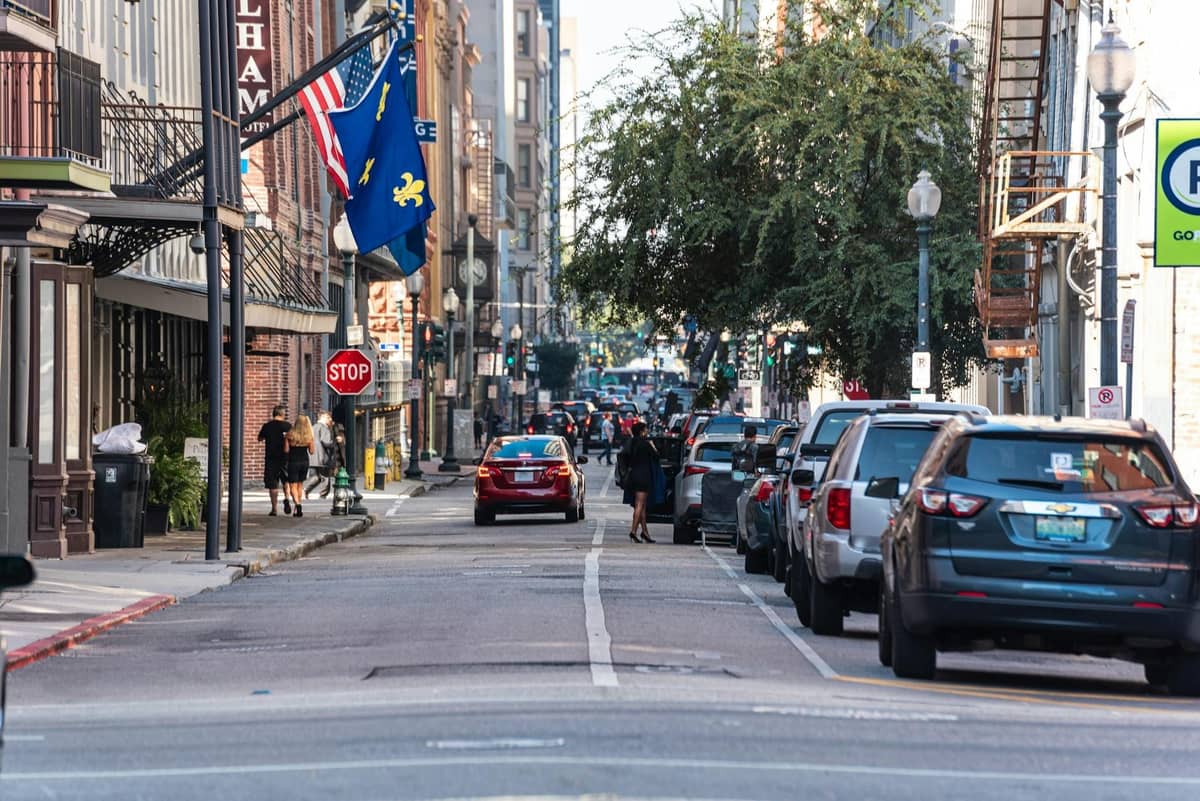
Solo travelers, particularly solo women, should apply the standard nightlife-city precautions: stay in well-lit, populated areas, do not accept rides from unofficial vehicles, and trust your gut if a situation feels uncomfortable. New Orleans is not uniquely dangerous for solo travelers compared to peer cities, but it is not unusually safe either. The late-night Bourbon Street environment is chaotic and not the ideal first foray alone.
Families traveling with children will find that daytime New Orleans is excellent. City Park, the Aquarium of the Americas, and the National WWII Museum are all family-appropriate and in safe, accessible areas. See the full New Orleans with kids guide for more on family-friendly logistics.
LGBTQ+ travelers will generally find New Orleans welcoming. The city has a long history of LGBTQ+ culture, particularly in the French Quarter and Marigny. Southern Decadence in early September is one of the largest LGBTQ+ festivals in the South. Standard urban awareness applies, particularly in areas outside the central tourist corridors. Check out the New Orleans nightlife guide for venue-specific details.
💡 Local tip
If you are planning to explore Treme or Marigny beyond Frenchmen Street, go with a local or on an organized tour rather than wandering independently, especially at night. Both neighborhoods have genuine character worth experiencing, but without familiarity it is easy to walk into quieter blocks that are not tourist-ready after dark.
FAQ
Is New Orleans safe for tourists in 2026?
Yes, with standard precautions. New Orleans has seen significant improvements in public safety since 2022. Tourist-area neighborhoods like the French Quarter, Garden District, and Warehouse District are well-patrolled and remain busy with foot traffic. The risks that most commonly affect visitors are pickpocketing, drink spiking, and festival-crowd incidents rather than violent crime.
What areas of New Orleans should tourists avoid?
Avoid wandering east of the French Quarter toward the Lower 9th Ward late at night, and skip unfamiliar residential streets in Central City after dark. These areas are not inherently dangerous to pass through, but they lack the lighting, foot traffic, and police presence that makes the tourist core relatively safe. If you are unsure whether a neighborhood is appropriate, ask your hotel concierge or check local guidance.
Is Bourbon Street safe at night?
Bourbon Street is one of the most heavily policed blocks in New Orleans, so outright violent crime is not the primary concern. The real risks are pickpocketing in dense crowds, drink-related incidents, and general chaos from the sheer volume of people. Keep your belongings secure, watch your drink, and travel with at least one other person if possible. It is not a place for complacency, but it is not the danger zone its reputation sometimes suggests.
Is New Orleans safe for solo female travelers?
New Orleans is manageable for solo female travelers who apply standard big-city nightlife precautions. Stick to populated, well-lit areas, use Uber or Lyft rather than hailing cabs on the street, and avoid isolated situations after midnight. The French Quarter and Magazine Street corridor in Uptown are the most practical daytime bases. Frenchmen Street offers a better nightlife experience than Bourbon Street for solo travelers because it is less chaotic and more community-oriented.
What is the emergency number in New Orleans?
911 is the emergency number for police, fire, and medical emergencies. For non-urgent police matters, call the NOPD non-emergency line at (504) 821-2222. Always dial 911 if you are in immediate danger. New Orleans has a large medical infrastructure including University Medical Center, which is the region's primary trauma center.