New Orleans Nightlife: Best Bars, Clubs & Music Venues
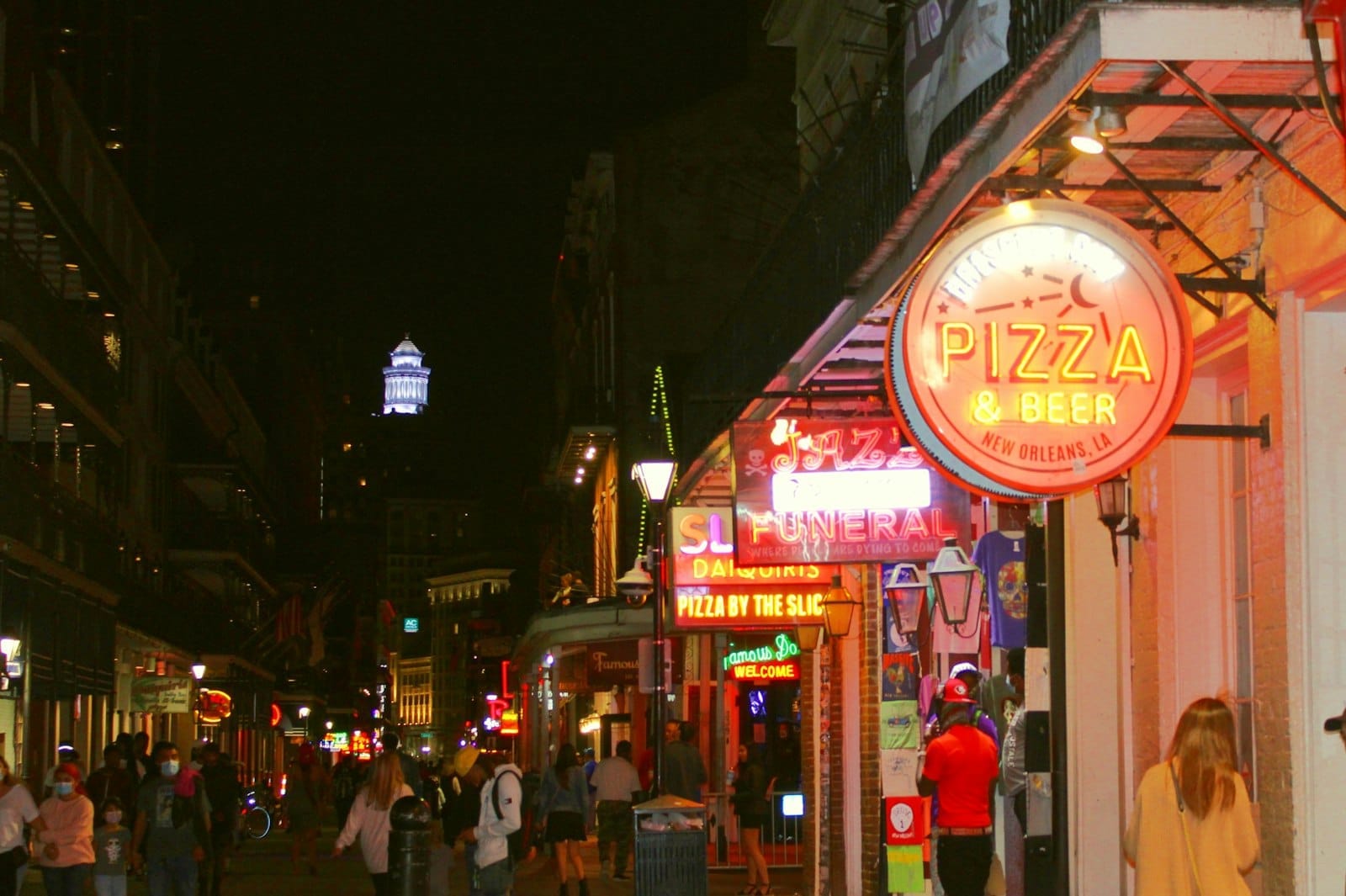
New Orleans at night is unlike anywhere else in the United States. Live music spills out of open doors seven nights a week, many bars stay open very late or around the clock — New Orleans has no statewide mandatory closing time, so nightlife runs on its own schedule — and the line between a concert venue and a neighborhood bar barely exists. This guide covers the best spots across every neighborhood, from tourist-friendly classics to where locals actually drink.
Plan and book this trip
Tools from our partner Travelpayouts help you compare flights and hotels. If you book through them, we may earn a commission at no extra cost to you.
Flights
Hotels map
TL;DR
- Frenchmen Street in the Marigny is the best place for things to do in New Orleans at night if you want live jazz without the Bourbon Street circus — see our Marigny & Bywater neighborhood guide for the full picture.
- Bourbon Street is fine for one rowdy night; most locals avoid it on weekends.
- Many of the best music venues charge no cover or a small donation bucket — bring cash.
- The city's nightlife peaks during Mardi Gras and Jazz Fest but runs strong year-round, even on Tuesday nights.
- Bars in Louisiana have no mandatory closing time, so nights here routinely run past 3 a.m. — plan accordingly and check our New Orleans safety tips before heading out.
Understanding the Nightlife Landscape
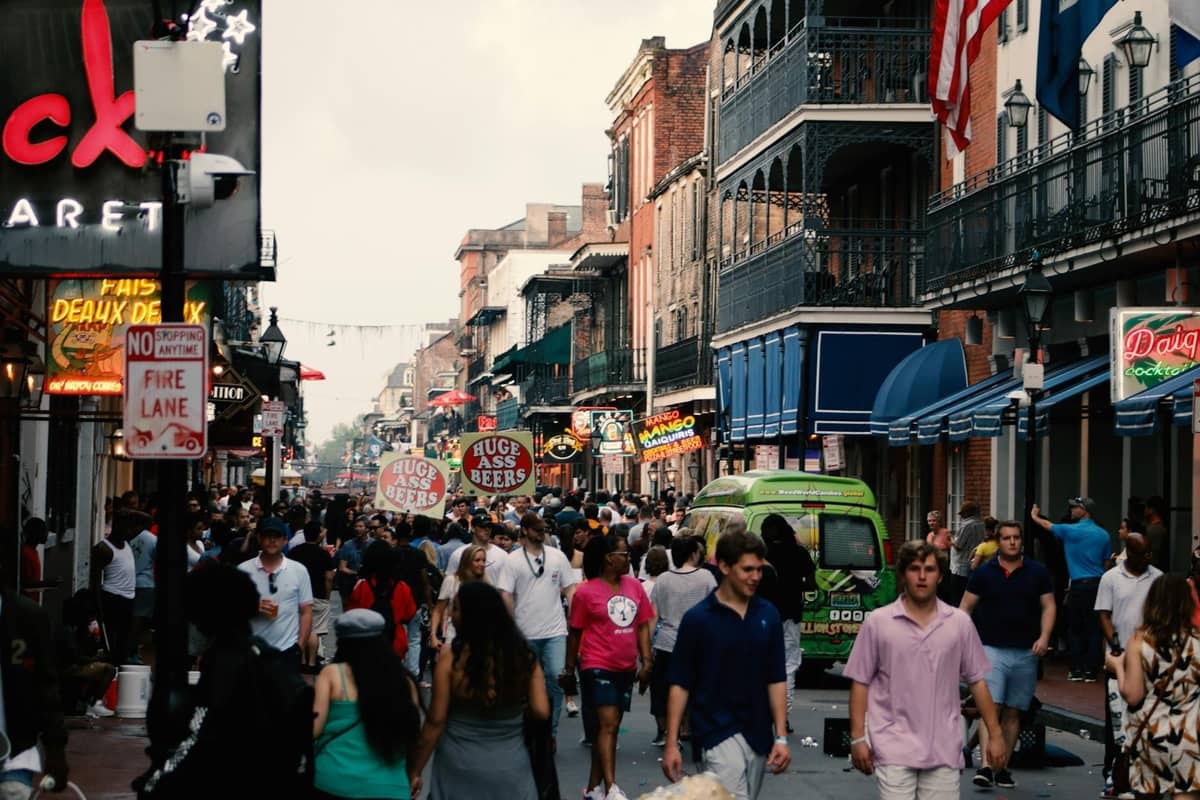
New Orleans has no mandated bar closing time under Louisiana state law, which means the city's nightlife genuinely operates on its own logic. A jazz set at Preservation Hall might end at 11 p.m. while a second-line brass band is just warming up on Frenchmen Street. The music venues, dive bars, cocktail lounges, and dance clubs serve very different crowds, and knowing which category you want saves you from a disappointing night.
The city's nightlife geography matters. The French Quarter pulls the most tourists; the Marigny and Bywater attract locals and musicians; Uptown neighborhoods like Magazine Street and Oak Street have a more neighborhood-bar feel. For a broader look at how the city fits together, the complete New Orleans activities guide gives useful context.
💡 Local tip
Bring cash on any given night out. Many of the best music venues — The Spotted Cat, Maple Leaf Bar, Banks Street Bar — are cash-only or strongly prefer it for cover charges and tip buckets. ATM fees in tourist areas can run $4-6 per transaction.
Frenchmen Street: The Real Music Strip
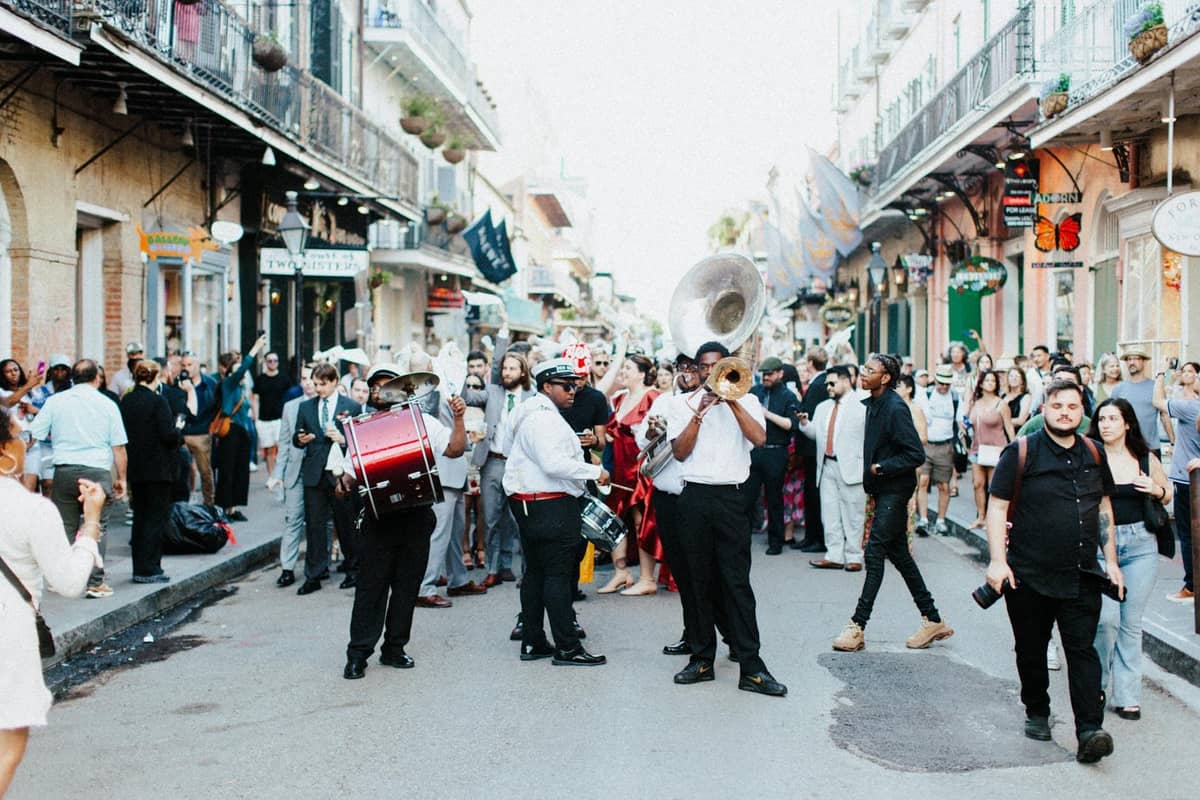
If you ask a local where to go for live music, they will say Frenchmen Street almost every time. This three-block strip in the Faubourg Marigny runs parallel to the French Quarter but feels entirely different: smaller crowds, actual musicians who live here, and bars that feel like bars rather than theme-park attractions. On any given night, you can walk from venue to venue without a plan and still catch something worth stopping for.
- The Spotted Cat Music Club (623 Frenchmen St.) Cash-only, no cover most nights (tip bucket at the door). Around 30 different bands rotate through weekly playing jazz, swing, and blues. It gets packed by 9 p.m. on weekends, so arrive early or expect to stand in the doorway. No food served — eat before you arrive.
- Snug Harbor Jazz Bistro (626 Frenchmen St.) The most polished room on the strip. Ticketed shows run nightly with a seated format, proper sound system, and a Creole food menu. Cover charges apply (verify current rates on their site). Over 30 years in operation, which says everything about its reputation.
- Three Muses (536 Frenchmen St.) Two live sets nightly paired with a food menu that mixes American comfort dishes with Asian influences. Good option if you want music and a full meal in one stop.
- The AllWays Lounge & Cabaret (Marigny) 21+ venue known for eclectic cabaret shows that range from elegant to chaotic. LGBTQ+ welcoming, swing dancing nights, and performances that lean theatrical. Not a jazz bar — but a great alternative if you want something different.
⚠️ What to skip
Frenchmen Street has become significantly more popular over the past decade. Weekend nights in October and during festival season it can feel nearly as crowded as Bourbon Street. Tuesday through Thursday offers a more relaxed version of the same experience, often with tighter crowds of regulars.
French Quarter Nightlife: What's Worth It
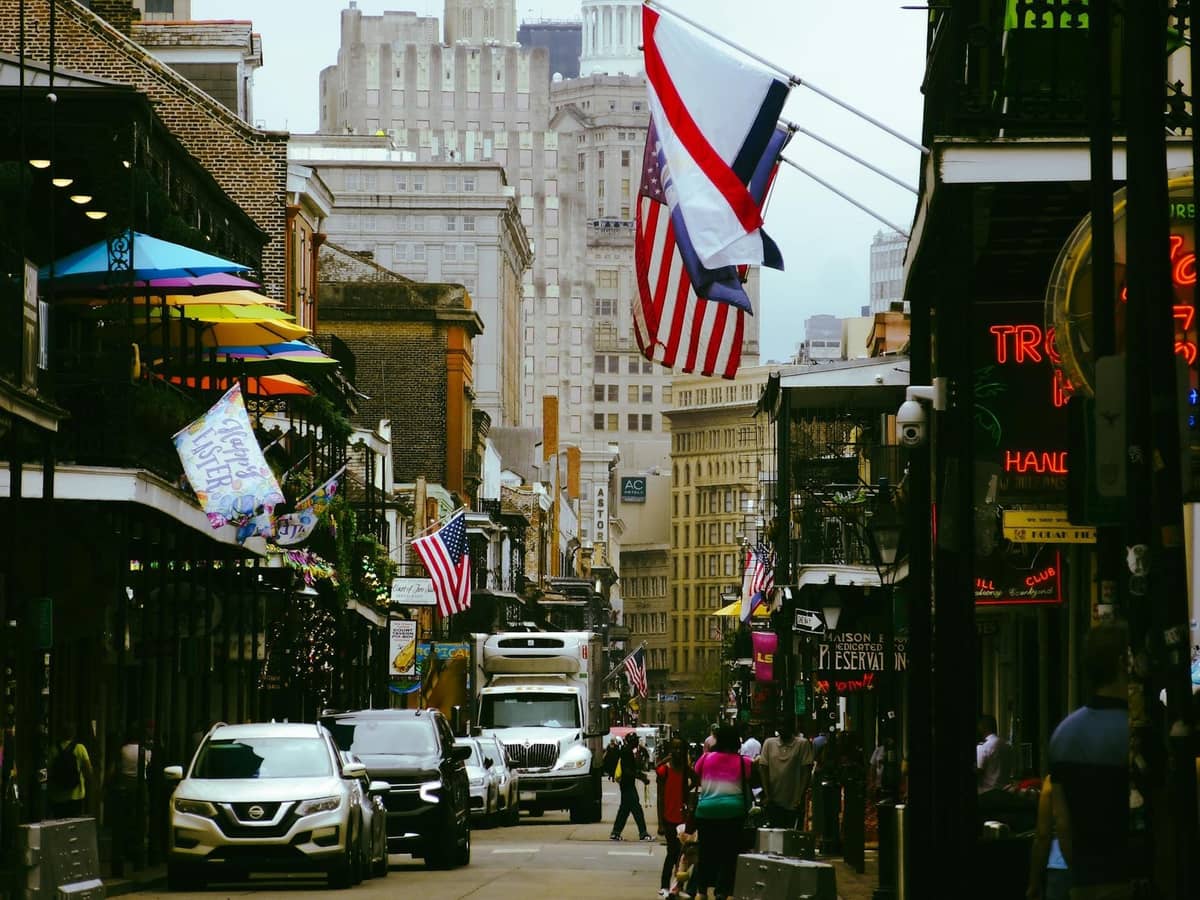
The French Quarter's reputation for nightlife is built almost entirely on Bourbon Street, which delivers exactly what you expect: open-container plastic cups, loud cover bands, and neon signs. It's not subtle, and the drinks are overpriced. But it's also genuinely fun for one night, especially if you're in a group and not trying to hear anything subtle.
The real finds in the French Quarter are off Bourbon Street. Preservation Hall at 726 St. Peter St. has been presenting traditional New Orleans jazz in an intentionally bare-bones setting since 1961. Shows run nightly; tickets are purchased in advance online or in a queue at the door. Capacity is limited, and the room has no air conditioning (important in summer months when temperatures hover around 90°F). It's short — sets run about 45-55 minutes — but it's one of the most concentrated doses of authentic New Orleans music culture available to a visitor.
For cocktails with history, the French Quarter delivers. The Sazerac Bar inside The Roosevelt New Orleans on Baronne Street is the spiritual home of the Sazerac cocktail, which Louisiana designates as its official state cocktail. On Royal Street, the bars and lounges tend toward the quieter and more atmospheric end of the spectrum — better for conversation than dancing.
Uptown Bars and Neighborhood Venues
Uptown is where New Orleans nightlife stops performing for tourists and just exists. The bars along Magazine Street and around Oak Street feel like actual neighborhood institutions because they are. Maple Leaf Bar at 8316 Oak Street has been running since the 1970s, hosts frequent jam sessions, and pulls both local and national acts. The interior is papered in concert posters going back decades. Les Bon Temps Roule at 4801 Magazine Street operates 24 hours and has hosted the Soul Rebels brass band on regular rotation. Banks Street Bar and Grill at 4401 Banks St. in Mid-City offers free nightly live music spanning punk, rock, and hip-hop — genuinely no-cover, no-gimmick.
If you're staying in the Garden District or Uptown and don't want to ride back to the Quarter every night, the St. Charles streetcar runs along the main corridor and gives access to most of the bar clusters on Magazine Street. The line runs late but not all night, so check the schedule if you're planning to stay past midnight.
✨ Pro tip
The Davenport Lounge inside the Ritz-Carlton at 921 Canal St. is an underused option for visitors who want intimate jazz in a properly air-conditioned room. House musician Jeremy Davenport performs several nights a week with his band. Drinks are hotel prices, but the sound and atmosphere are genuinely excellent — and it's easy to get a seat compared to Frenchmen Street venues on a busy night.
When to Go: Seasonal Patterns and Crowd Timing
New Orleans nightlife runs year-round, but the experience shifts significantly by season. The biggest surge comes during Mardi Gras (late January to early March depending on the year) and Jazz Fest in late April and early May. During these periods, expect cover charges at venues that normally have none, longer lines, and significantly higher prices across bars and restaurants.
Summer (June through August) brings heat and humidity that genuinely changes how nights work. Temperatures stay in the high 80s to low 90s Fahrenheit well into the evening, and outdoor sections of bars become uncomfortable by 8 p.m. Indoor venues with air conditioning become far more attractive. Crowds thin compared to spring festival season, which means easier access to seats at Snug Harbor and shorter queues at Preservation Hall. October brings relief on both fronts: cooler temperatures in the 65-75°F range and a significant uptick in visitors for Halloween-adjacent events.
- Best nights for avoiding crowds: Tuesday, Wednesday, Thursday
- Loudest, most packed nights: Friday and Saturday from 10 p.m. onward
- Best months for nightlife without festival chaos: October, November, January
- Quietest stretch of the year: Early January before Mardi Gras season kicks in
- Festival peaks where everything is booked and priced up: Mardi Gras weekend, Jazz Fest weekends, French Quarter Festival (April)
Practical Logistics for a Night Out
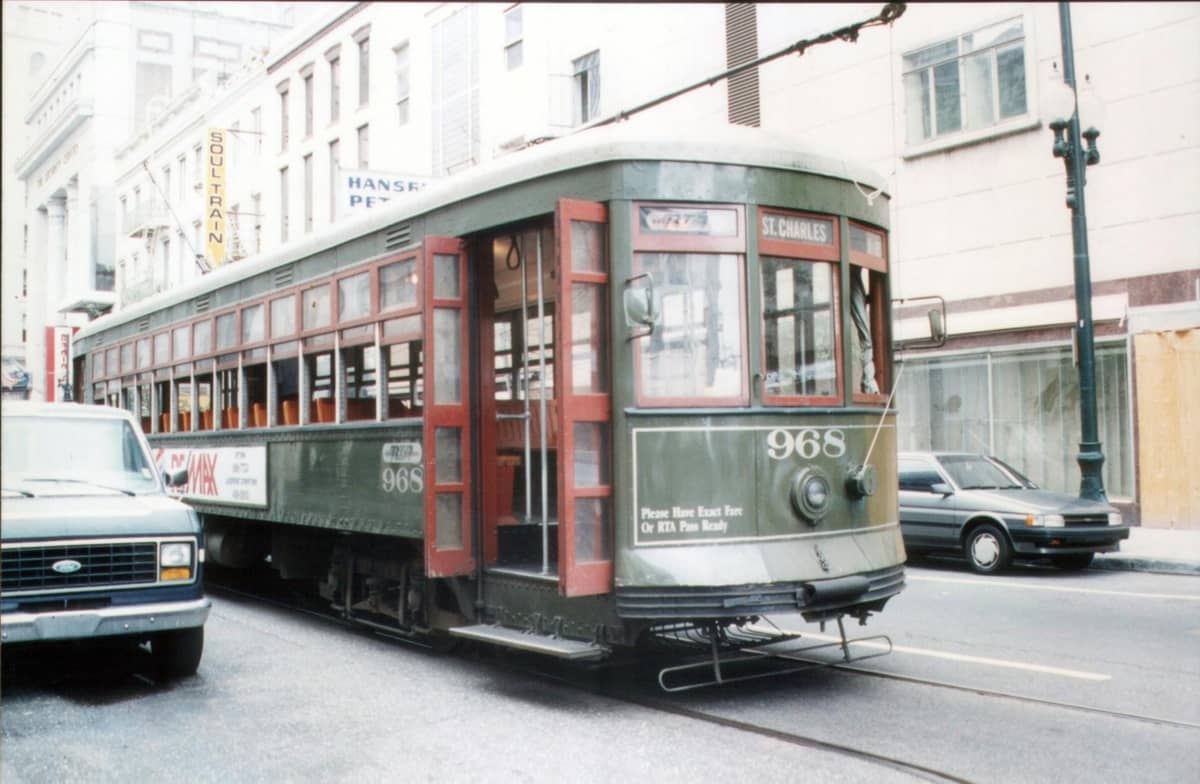
Getting around at night in New Orleans is straightforward but requires a little planning. Rideshare (Uber and Lyft) both operate citywide and are the most practical option after midnight. The RTA streetcar lines run until late but not 24 hours on all routes, so check the schedule before relying on them for a late return. Walking between Frenchmen Street and the French Quarter is feasible and takes about 10-15 minutes, but solo late-night walking anywhere warrants basic street awareness.
Tipping at New Orleans bars follows standard US customs: $1-2 per drink at a bar, more if the bartender is making complex cocktails. At music venues with a tip bucket by the band, $5 for a set you enjoyed is appropriate and keeps the ecosystem working. Dress code at almost all nightlife venues is casual to smart-casual. The only exceptions are a handful of hotel lounges where business casual is expected.
Common Mistakes to Avoid
Spending every night on Bourbon Street is the most common tourist error in New Orleans. It's loud, the drinks are watered down or overpriced, and the music is mostly cover bands playing recognizable songs for tips. One night there is enough to say you did it. Spending four nights there is a waste of a city that has genuinely deep musical culture available within a 10-minute walk.
Assuming that the French Quarter represents New Orleans is equally limiting. The New Orleans jazz scene extends well beyond the Quarter into neighborhoods that most visitors never reach. Similarly, the city's nightlife isn't purely about jazz. The brass band tradition — especially second-line culture — plays out across the Treme and Bywater in ways that are worth understanding before you stumble into them unprepared. The second-line guide gives useful background.
FAQ
What are the best things to do in New Orleans at night for first-time visitors?
Start with a walk down Frenchmen Street in the Marigny, where you can hop between bars like The Spotted Cat and Three Muses without a rigid plan. Add a ticketed show at Preservation Hall for traditional jazz in a historic setting. Save Bourbon Street for one night later in the trip once you have context for what else exists.
What time does nightlife start in New Orleans?
Most music venues pick up between 9 and 10 p.m. Frenchmen Street is typically full by 10 p.m. on weekends. Preservation Hall runs early shows around 8 p.m. and later shows around 10 p.m. If you arrive at 7 p.m. expecting energy, most spots will still be quiet.
Is there a cover charge at New Orleans music bars?
It varies widely. The Spotted Cat has no fixed cover but has a tip bucket. Snug Harbor charges per-show ticket prices. Preservation Hall has a ticketed admission. Many smaller bars on Frenchmen Street and Uptown charge nothing but expect you to buy a drink. Always bring cash and budget $10-20 per venue in donations or cover.
Is Frenchmen Street safe at night?
Frenchmen Street is generally well-lit and busy with other visitors and locals on most nights. As with any urban nightlife area, basic awareness applies: stick to the lit main strip, use rideshare rather than walking long distances late at night, and keep valuables out of back pockets. Check current guidance at neworleans.com before your visit.
Are there good nightlife options in New Orleans beyond jazz?
Absolutely. The AllWays Lounge runs cabaret and theatrical nights. Banks Street Bar covers punk, rock, and hip-hop. Several clubs in the Warehouse District lean toward DJ-driven electronic and dance music. Uptown bars like Maple Leaf host brass band nights that blur jazz, funk, and hip-hop into something that doesn't fit any single category.