New Orleans Jazz Fest: Everything You Need to Know
New Orleans Jazz Fest is one of the largest music and culture festivals in the world, drawing hundreds of thousands to Fair Grounds Race Course each spring. This guide covers the lineup structure, ticket prices, stage breakdown, food, logistics, and how to make the most of your time at the festival.
Plan and book this trip
Tools from our partner Travelpayouts help you compare flights and hotels. If you book through them, we may earn a commission at no extra cost to you.
Flights
Hotels map
TL;DR
- New Orleans Jazz Fest runs across two weekends in late April and early May at Fair Grounds Race Course (1751 Gentilly Blvd.), with 12-15 stages covering jazz, gospel, blues, zydeco, R&B, and major rock headliners.
- Single-day tickets typically run $80-$100 in advance; prices rise closer to the event and at the gate. Buy early from the official site at nojazzfest.com.
- Despite the name, Jazz Fest is not exclusively a jazz event. Past headliners include the Foo Fighters, Stevie Nicks, and Pearl Jam alongside New Orleans brass bands and gospel choirs.
- Late April to early May in New Orleans is hot and humid, often hitting 80°F+ with afternoon rain. Sunscreen, a poncho, and comfortable shoes are non-negotiable.
- Plan accommodations well in advance. Hotels near the French Quarter and Marigny and Bywater sell out months ahead of Jazz Fest weekend.
What Jazz Fest Actually Is (And What It Isn't)
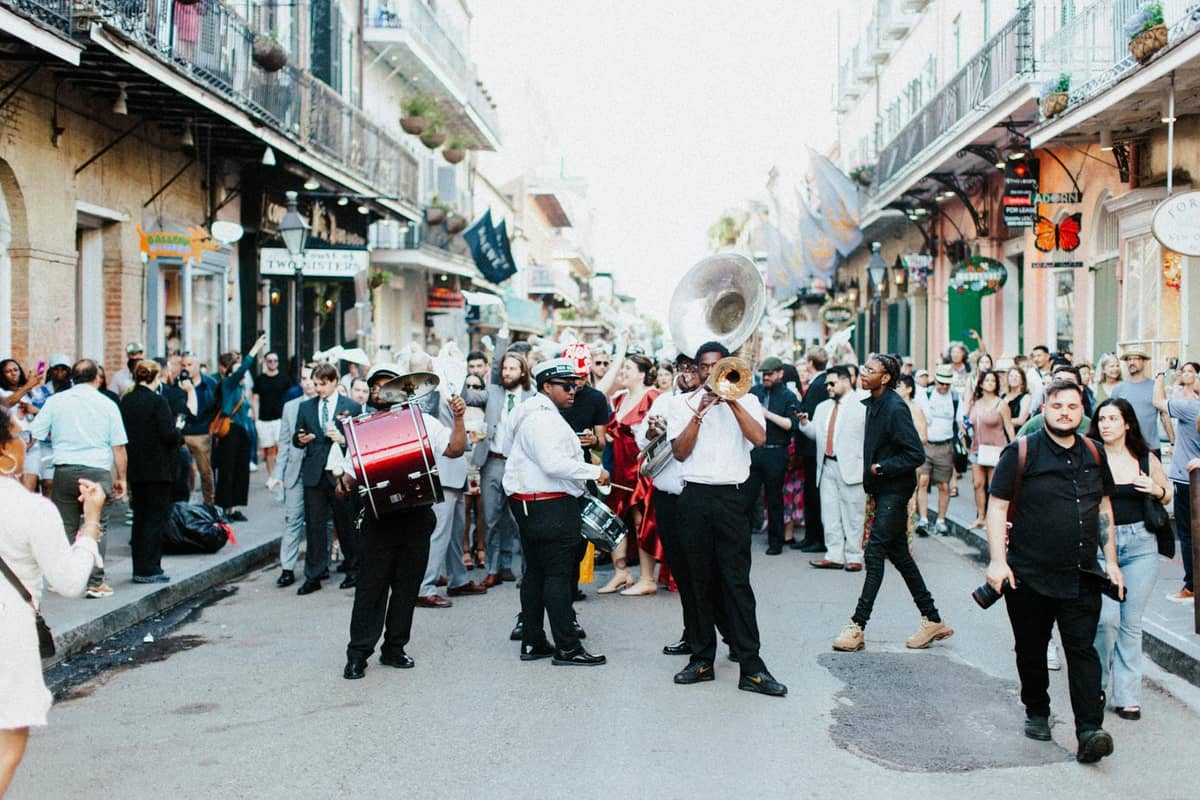
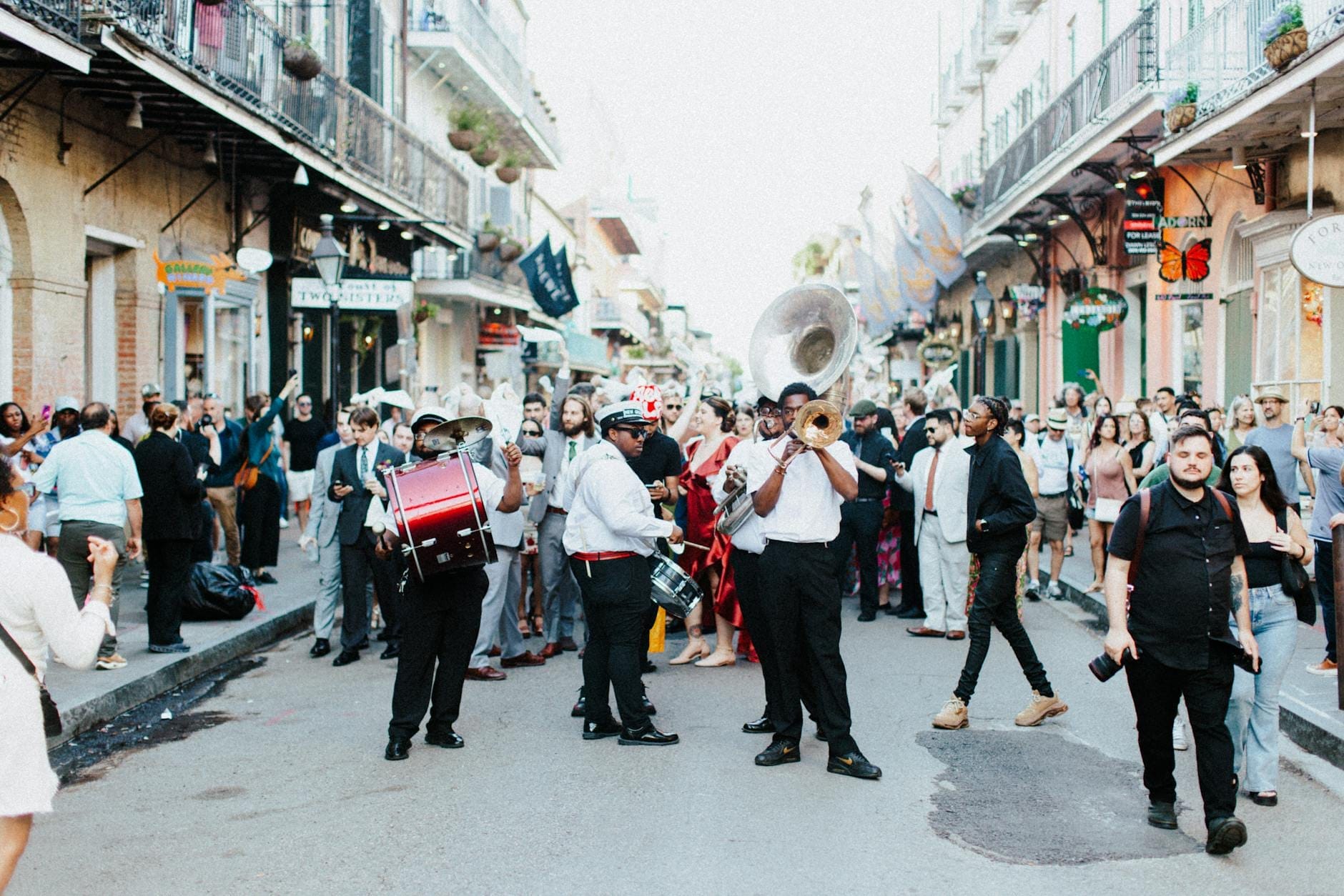
The New Orleans Jazz and Heritage Festival, known universally as Jazz Fest, is an eight-day celebration of music, food, and Louisiana culture held annually at Fair Grounds Race Course in the Gentilly neighborhood. It was founded in 1970 at Congo Square with an inaugural crowd of around 350 people, featuring Mahalia Jackson and Duke Ellington. Today it routinely draws hundreds of thousands of attendees across two consecutive weekends, with a record crowd estimated at 650,000 during the 2001 Louis Armstrong centennial edition.
The biggest misconception about Jazz Fest is the name itself. While traditional New Orleans jazz has a permanent home here through the Jazz Tent and stages like Congo Square, the festival encompasses virtually every genre with Louisiana roots or cultural resonance: gospel, blues, zydeco, Mardi Gras Indian music, brass band, R&B, Afro-Caribbean, and mainstream rock and pop. In terms of peak attendance, Jazz Fest has historically outdrawn Woodstock (400,000) at its peak. If you're expecting three days of Dixieland quartets, recalibrate your expectations.
ℹ️ Good to know
Jazz Fest is operated as a nonprofit and has been since its founding in 1970. A portion of proceeds support local music education and cultural preservation programs in Louisiana.
Dates, Schedule, and the 2026 Lineup
Jazz Fest follows the same two-weekend format every year: the last full weekend of April and the first weekend of May, running Thursday through Sunday each weekend. For 2026, expect dates in the range of late April through the first days of May, structured similarly to recent festivals (typically late April through early May). Official 2026 dates and the lineup announcement typically come in early winter, so check nojazzfest.com for the most current information.
Each day runs roughly from 11am to 7pm, which sounds manageable until you realize you're choosing between five acts you want to see playing simultaneously across different tents. The schedule is deliberately dense. Serious attendees map out their days in advance using the official app, which includes stage-by-stage schedules and walking distances between venues. The Festival Stage (main outdoor stage) and Gentilly Stage handle the biggest headliners; smaller tents run back-to-back sets with almost no gaps.
✨ Pro tip
The Gospel Tent on Sunday is one of the most emotionally powerful experiences at Jazz Fest, packed with New Orleans church choirs performing in full force. It routinely draws standing-room-only crowds by midday. Arrive at least 30 minutes early if this is on your list.
Stages, Tents, and Where to Plant Yourself
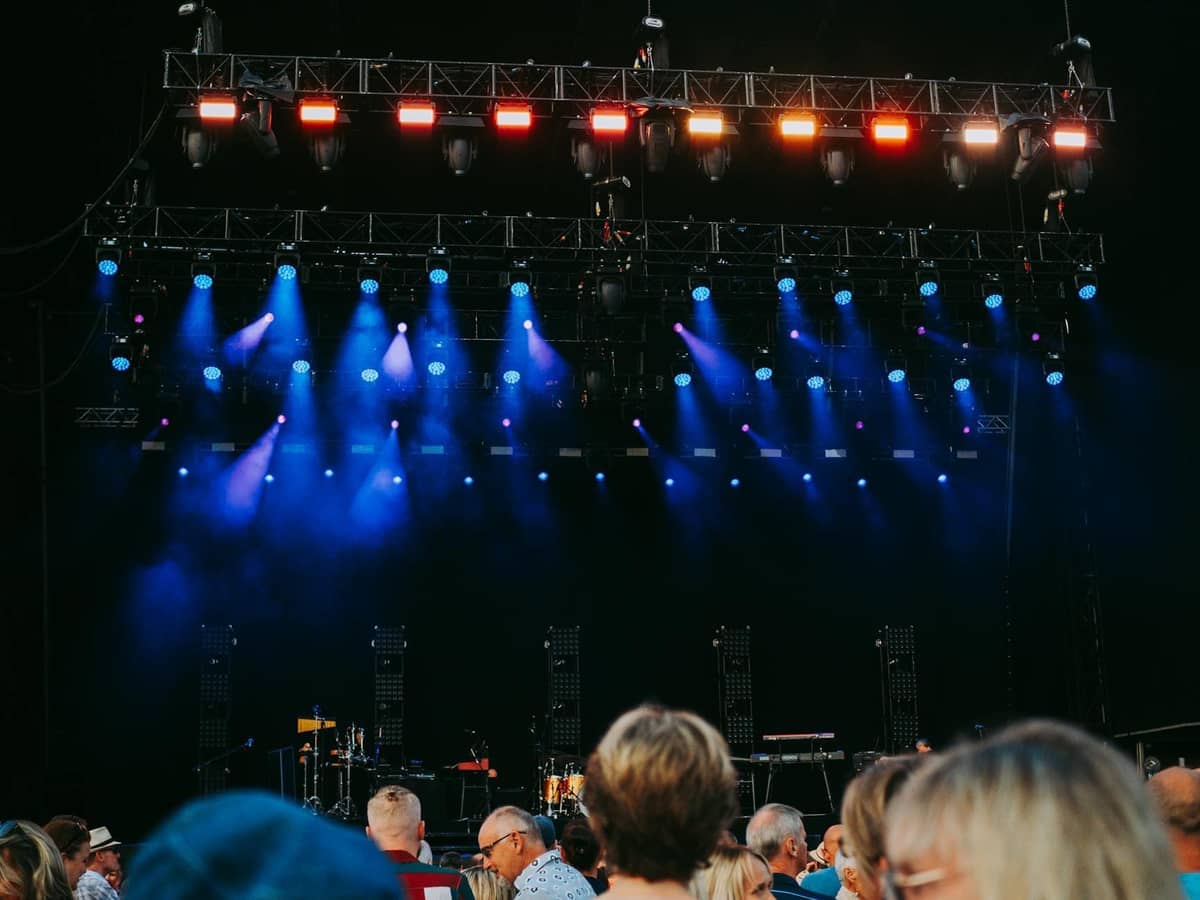
Fair Grounds Race Course covers a large footprint, and understanding the stage layout before you arrive saves real time. The grounds host between 12 and 15 performance areas depending on the year. Here is what each major zone typically offers:
- Festival Stage The main outdoor stage with the biggest headliners, usually closing each day around 7pm. Crowds start building 90 minutes before the headliner, so position yourself early or accept a view from farther back.
- Gentilly Stage Second-largest outdoor stage, often featuring national touring acts and heritage artists. Less chaotic than Festival Stage for headliners on the same day.
- Congo Square Stage Dedicated to Afro-centric music, West African artists, Caribbean sounds, and global influences on New Orleans culture. Consistently one of the most musically adventurous stages on the grounds.
- Jazz Tent Traditional and contemporary jazz in a seated tent format. Good for genuine fans of the music who want to sit and listen without the outdoor festival chaos.
- Blues Tent Deep blues performances ranging from Delta classics to modern electric blues. One of the more intimate listening environments at the festival.
- Gospel Tent Sunday performances here are legendary. Local choirs and gospel groups deliver performances that feel closer to a church service than a festival set.
- Zydeco / Cajun and Economy Hall Tent Traditional Louisiana music including zydeco, Cajun two-step, and brass band. Economy Hall in particular draws dancers and older audiences who know every song.
Beyond the music, the grounds include extensive food and craft vendor areas. The food at Jazz Fest is genuinely worth planning around. Crawfish Monica, cochon de lait po-boys, and Creole cream cheese ice cream are staples with decades of history at the festival. If you want to dig deeper into New Orleans food culture outside the grounds, the what to eat in New Orleans guide covers the broader culinary landscape worth exploring before and after the festival.
Tickets: Prices, Types, and When to Buy
Single-day general admission tickets have historically been priced in the $80-$100 range when purchased in advance, with prices typically rising as the event approaches and again at the gate on the day. Multi-day passes offer some savings for those attending multiple days. VIP options exist and include premium viewing areas, dedicated entry lines, and access to shaded hospitality zones, but they come at a significant premium. Verify all 2026 pricing at nojazzfest.com, as prices are subject to change.
As a point of historical contrast: when Jazz Fest first launched in 1970, admission was $3. The festival has grown considerably since then in both scale and ticket cost, though it remains competitively priced compared to other major American music festivals of similar scope and headliner quality.
⚠️ What to skip
Do not buy tickets from third-party resellers on the street or unofficial platforms. Jazz Fest tickets are non-transferable in some categories, and counterfeit tickets are a real issue during popular weekends. Purchase only through nojazzfest.com or officially authorized partners.
Getting There and Getting Around
Fair Grounds Race Course sits in the Gentilly neighborhood, roughly 3 miles from the French Quarter. Driving to the grounds and parking is possible but not advisable on peak weekend days when lots fill early and traffic becomes gridlocked on Gentilly Boulevard. The more practical options are rideshare (Uber and Lyft surge heavily on festival days, so factor in wait times and higher fares), shuttle services organized specifically for Jazz Fest from central pickup points, or the Regional Transit Authority (RTA) bus lines that serve the area.
If you're staying near the French Quarter or the Marigny, cycling is a realistic option on weekday festival days when traffic is lighter. The ride along Esplanade Avenue to the grounds is straightforward and takes under 20 minutes on a flat route. For those flying in, Louis Armstrong New Orleans International Airport (MSY) is approximately 15 miles from downtown. Airport transfer options include rideshare ($30-50), taxis (~$36-45 flat rate to downtown), and the RTA Airport Express bus at roughly $1.25-$2 per trip. Verify current fares before traveling. For more on getting around the city, the getting around New Orleans guide covers the streetcar network, buses, and rideshare logistics in detail.
- Book rideshare or arrange shuttles before the headliner ends. Post-closing crowds mean 30-60 minute waits for Uber and Lyft.
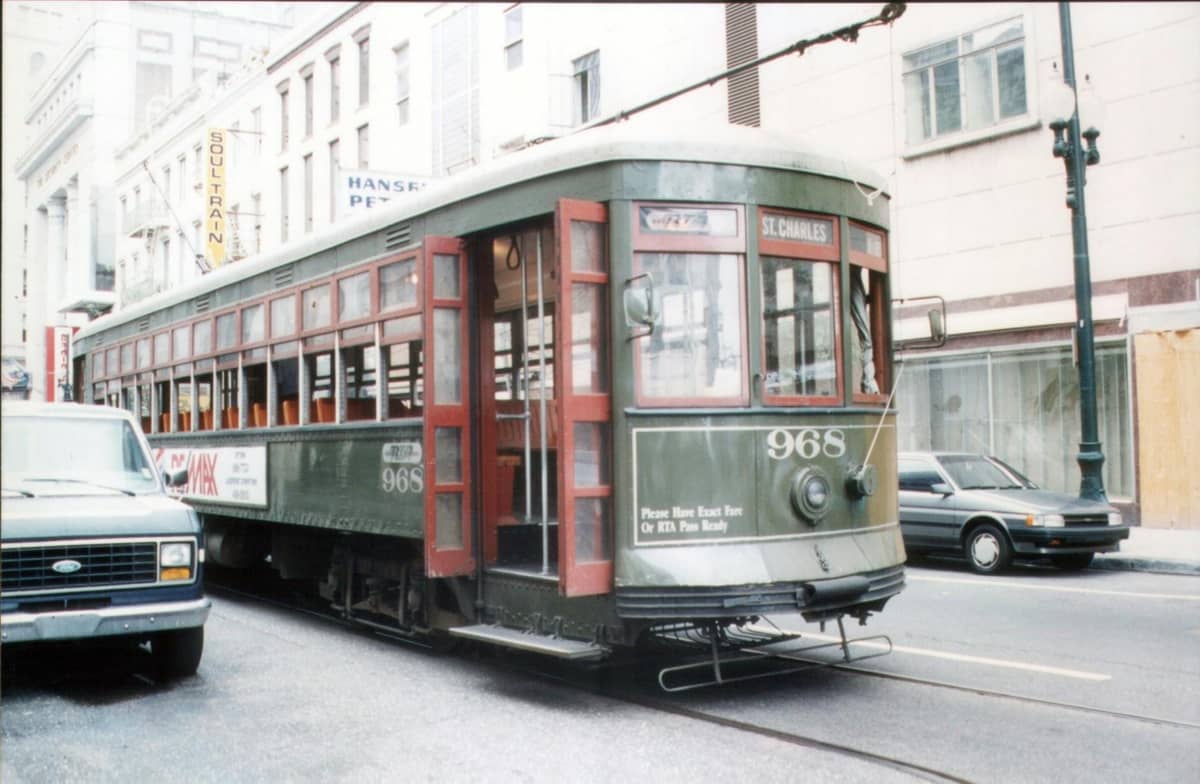
- The St. Charles streetcar does not serve Fair Grounds directly, but connects key neighborhoods for multi-stop days.
- Cycling via Esplanade Avenue is the fastest option from the French Quarter on weekday mornings.
- If driving, arrive before 9:30am to secure a nearby lot and avoid the worst of the traffic.
- Hotel shuttles are sometimes available from major properties near Canal Street, worth asking your accommodation about when booking.
Planning Your Trip Around Jazz Fest
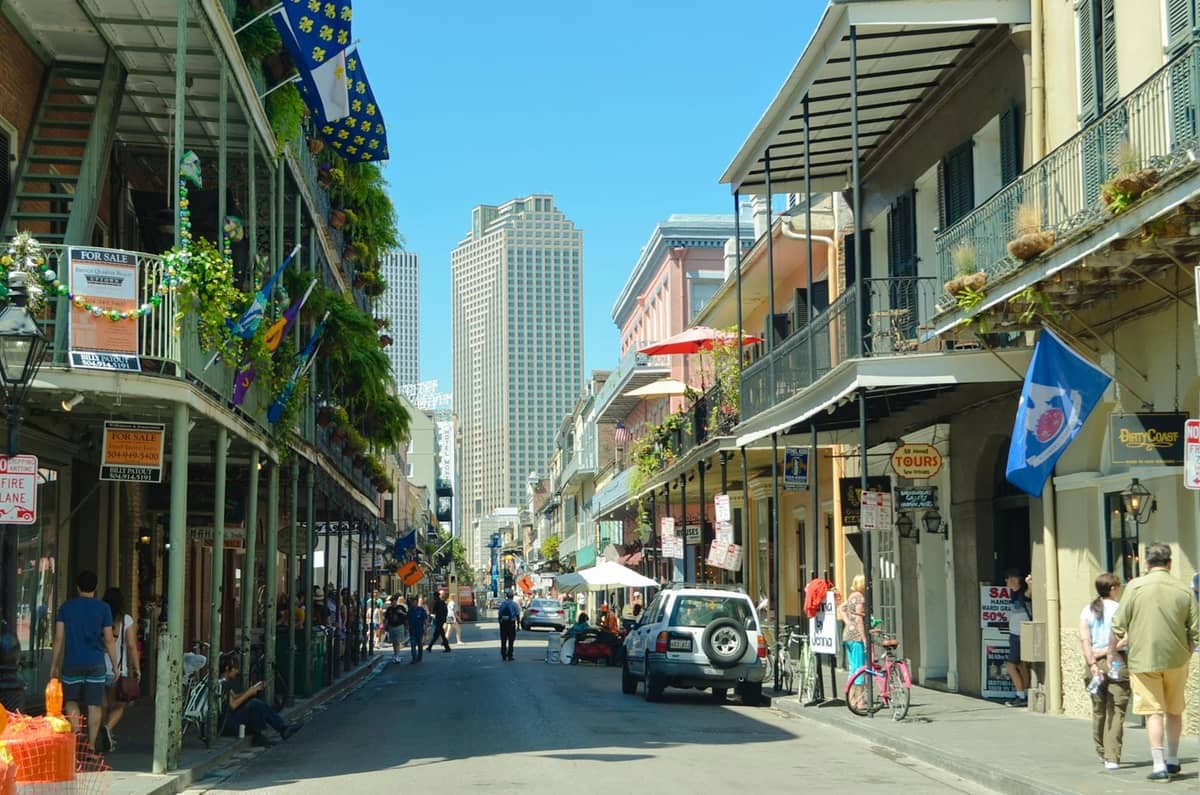
Jazz Fest weekend turns New Orleans into one of the most densely booked cities in the American South. Hotels near the Central Business District and French Quarter sell out months in advance, and rates during festival weekends can be two to three times higher than normal rates. Book accommodation as soon as you confirm your dates. The Marigny and Bywater neighborhoods offer slightly more relaxed options and put you close to Frenchmen Street for late-night music after the grounds close.
The festival grounds close at 7pm, which means evenings are yours. New Orleans jazz and live music continue late into the night across the city, particularly on Frenchmen Street in the Marigny and at venues like Preservation Hall in the French Quarter. If you want to understand the broader music culture that produced Jazz Fest, spend an evening exploring the New Orleans Jazz Museum at the Old U.S. Mint on Esplanade Avenue, which covers the history of jazz from its New Orleans origins through its global spread.
Visitors with extra time can extend their trip into a deeper cultural itinerary. The 3-day New Orleans itinerary gives a solid structure for combining Jazz Fest with the city's neighborhoods, food, and history. For those interested specifically in the musical and cultural roots the festival celebrates, the New Orleans jazz music guide is worth reading before you arrive.
- Wear light, breathable clothing. Late April temperatures often reach 82-90°F by midday with high humidity.
- Pack a small poncho or compact rain jacket. Afternoon showers are common in spring and can be sudden.
- Apply sunscreen before entering the grounds and reapply during the day. The main stages offer limited shade.
- Bring cash. Many food vendors are cash-only, and ATM lines grow long by the afternoon.
- Stay hydrated actively. Water stations are available on the grounds, and dehydration is a real risk on hot days.
- Wear closed-toe shoes you don't mind getting muddy. After rain, the grounds become soft in certain areas.
FAQ
When is New Orleans Jazz Fest 2026?
The 2026 Jazz Fest dates have not been officially confirmed at the time of writing, but the festival follows a consistent format: two weekends spanning the last weekend of April through the first weekend of May. Check nojazzfest.com for the official 2026 announcement, which typically comes in early winter of the preceding year.
How much do New Orleans Jazz Fest tickets cost?
Single-day general admission tickets have historically been priced between $80 and $100 when purchased in advance through the official site. Prices typically increase closer to the event and are higher at the gate. Multi-day passes and VIP options are also available. Verify current 2026 pricing at nojazzfest.com before purchasing.
Is Jazz Fest just jazz music?
No. Despite the name, Jazz Fest features a wide range of genres including blues, gospel, zydeco, Cajun, R&B, Afro-Caribbean, and mainstream rock and pop. Past headliners have included Foo Fighters, Pearl Jam, and Stevie Nicks alongside New Orleans brass bands and traditional jazz artists. The festival celebrates the full spectrum of music that grew from and through Louisiana culture.
Where is New Orleans Jazz Fest held?
Jazz Fest is held at Fair Grounds Race Course, located at 1751 Gentilly Blvd. in the Gentilly neighborhood of New Orleans, approximately 3 miles from the French Quarter. The grounds host 12-15 stages and thousands of food, craft, and cultural vendors across the festival footprint.
What should I wear and bring to Jazz Fest?
Light, breathable clothing is essential given the late April heat and humidity. Bring sunscreen, a compact rain poncho, and comfortable closed-toe shoes suitable for outdoor terrain that may be muddy after rain. Cash is recommended for food vendors, many of whom do not accept cards. A small backpack for water, snacks, and a phone charger will serve you well throughout the day.