3 Days in New Orleans: The Perfect Itinerary
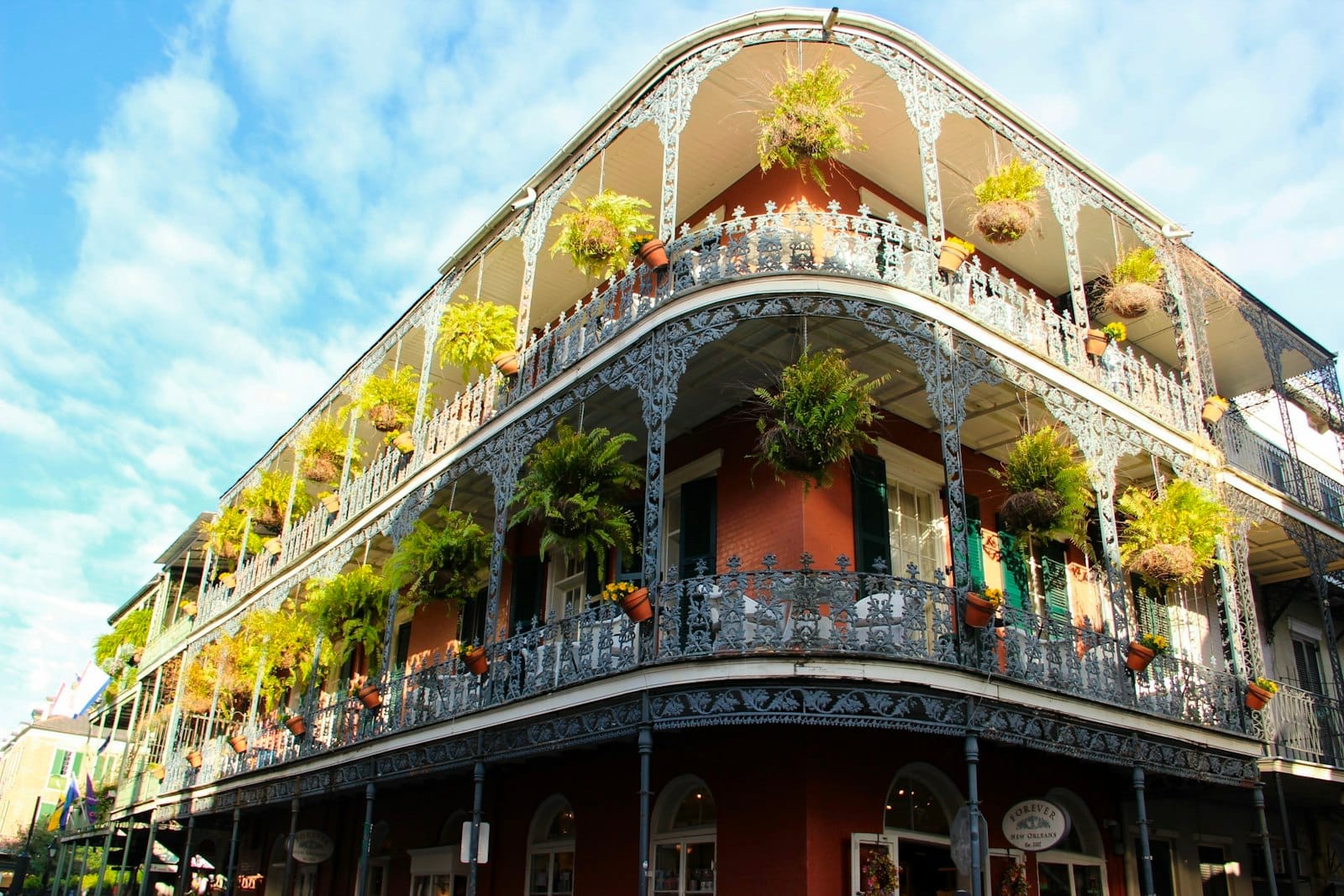
Three days is enough to fall hard for New Orleans. This itinerary moves through the French Quarter, Garden District, Tremé, and Marigny in a logical order, covering the landmarks, food, music, and history that make this city unlike anywhere else in America.
Plan and book this trip
Tools from our partner Travelpayouts help you compare flights and hotels. If you book through them, we may earn a commission at no extra cost to you.
Flights
Hotels map
New Orleans rewards even a short visit with an intensity of experience that few cities can match. Three days lets you cover the essentials without rushing: the colonial architecture and street life of the French Quarter, the grand mansions of the Garden District, the birthplace of jazz in Tremé, and the authentic live music scene of the Marigny. The key is sequencing your days so neighborhoods and activities cluster together. This itinerary does exactly that, building from the iconic to the local, with mornings for history, afternoons for exploring on foot, and evenings for the music and food that define NOLA after dark.
✨ Pro tip
Book the National WWII Museum and St. Louis Cemetery No. 1 tours in advance. The cemetery requires an authorized guided tour for general visitors (Archdiocese requirement since 2015) — independent entry is not permitted. Book through an approved operator such as Save Our Cemeteries well ahead of your visit.
Day 1 Morning: The Heart of the French Quarter
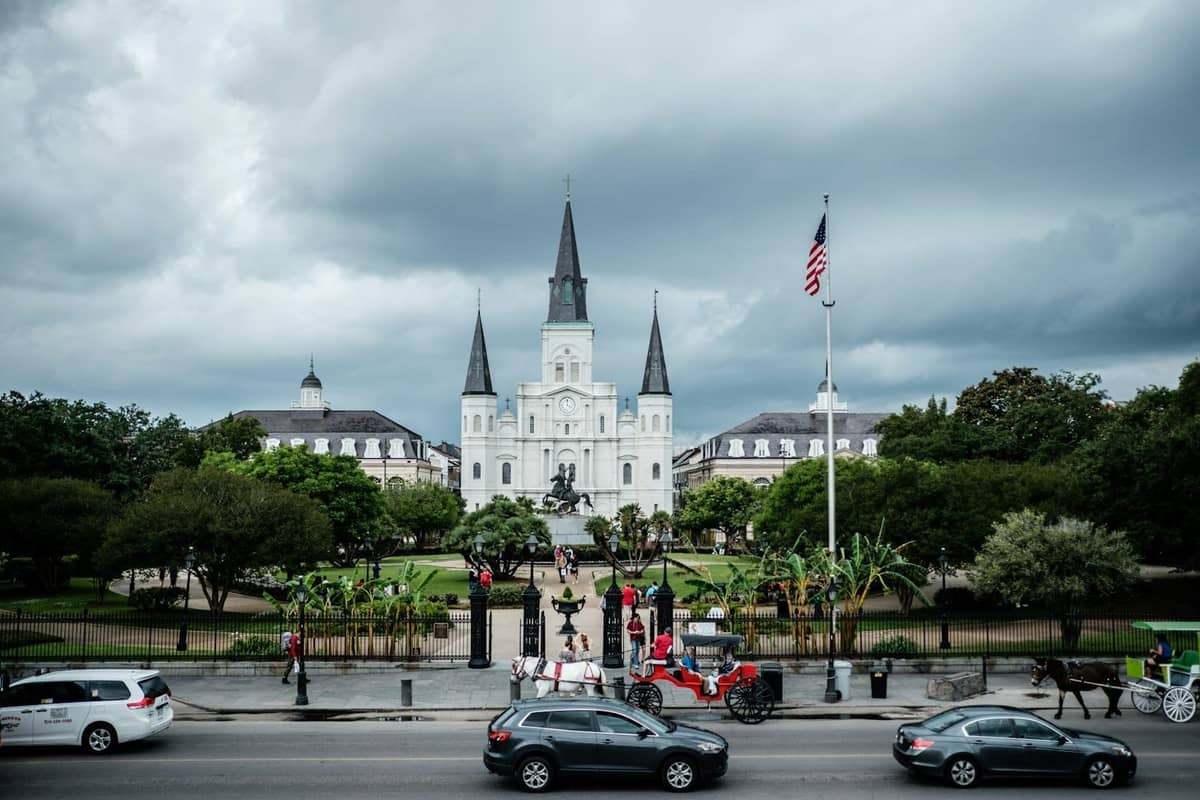
Start where New Orleans started. The French Quarter's historic core around Jackson Square is best in the morning, before the heat builds and the crowds arrive. Give yourself a slow two to three hours here, eating beignets, exploring the cathedral, and absorbing the architecture. For deeper context on the history unfolding around you, the New Orleans history guide is worth reading before you arrive.
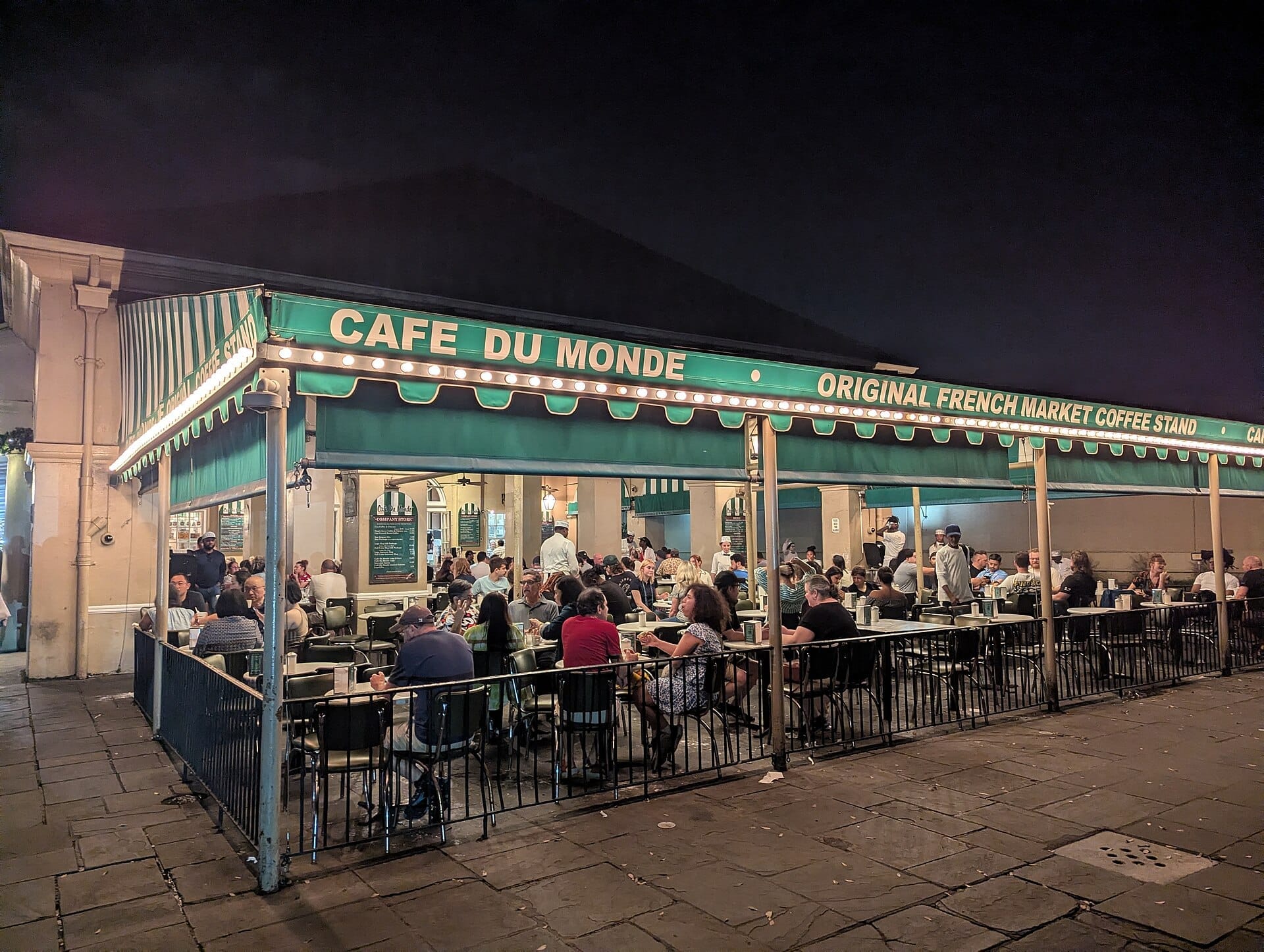
1. Start Day 1 with Beignets at Café du Monde
Open 24/7 since 1862, this open-air café is the city's most iconic breakfast stop. Order café au lait and beignets, expect powdered sugar everywhere, and grab a riverside table. Go before 9 a.m. to beat the longest lines.
Explore1. Start Day 1 with Beignets at Café du Monde
Open 24/7 since 1862, this open-air café is the city's most iconic breakfast stop. Order café au lait and beignets, expect powdered sugar everywhere, and grab a riverside table. Go before 9 a.m. to beat the longest lines.
Explore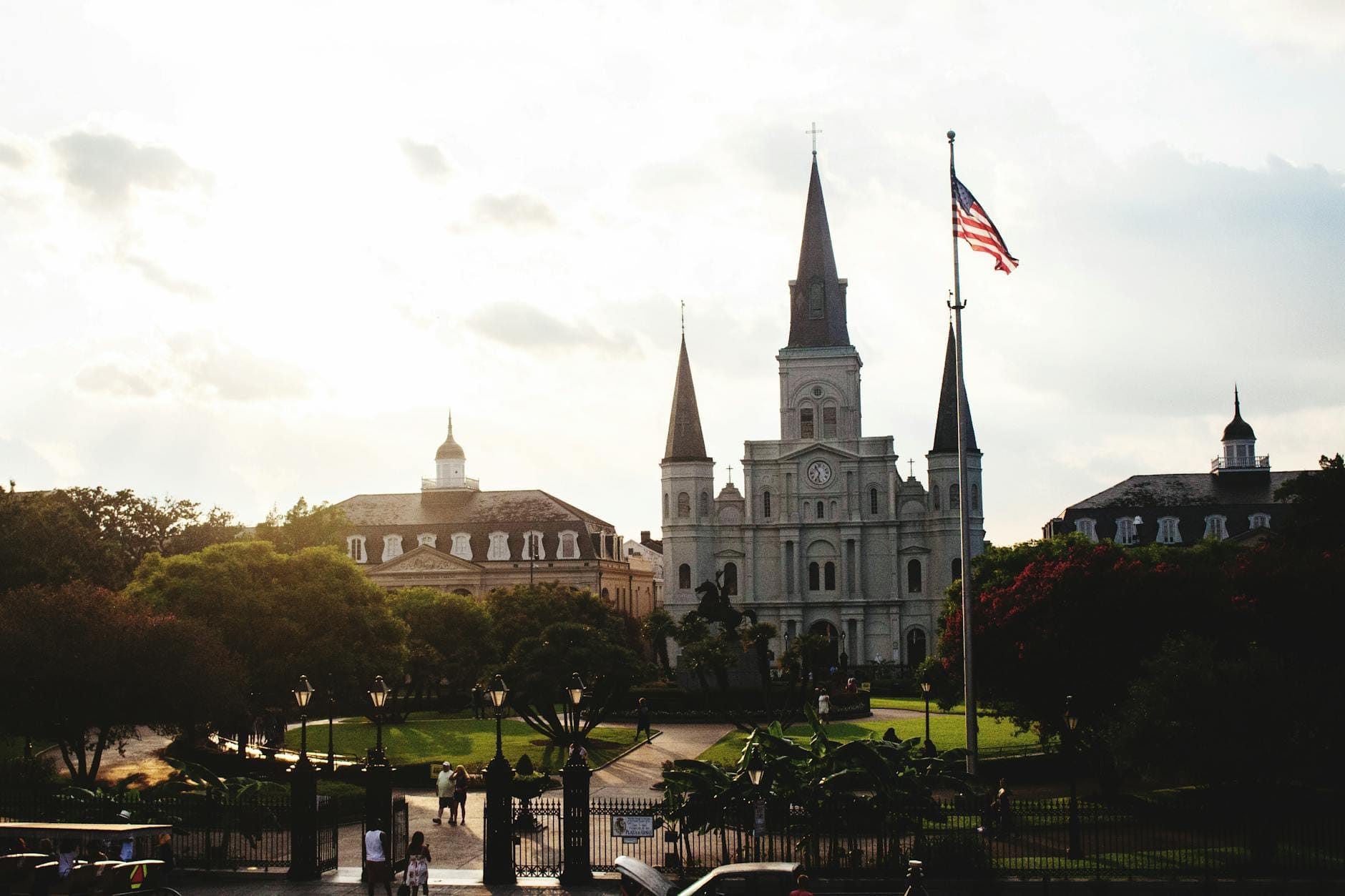
2. Soak Up the Street Life at Jackson Square
The French Quarter's central plaza comes alive with portrait artists, tarot readers, and musicians. Flanked by the cathedral and Pontalba Buildings, it's the city's living room. Arrive early to see it before the crowds fill every corner.
Explore2. Soak Up the Street Life at Jackson Square
The French Quarter's central plaza comes alive with portrait artists, tarot readers, and musicians. Flanked by the cathedral and Pontalba Buildings, it's the city's living room. Arrive early to see it before the crowds fill every corner.
Explore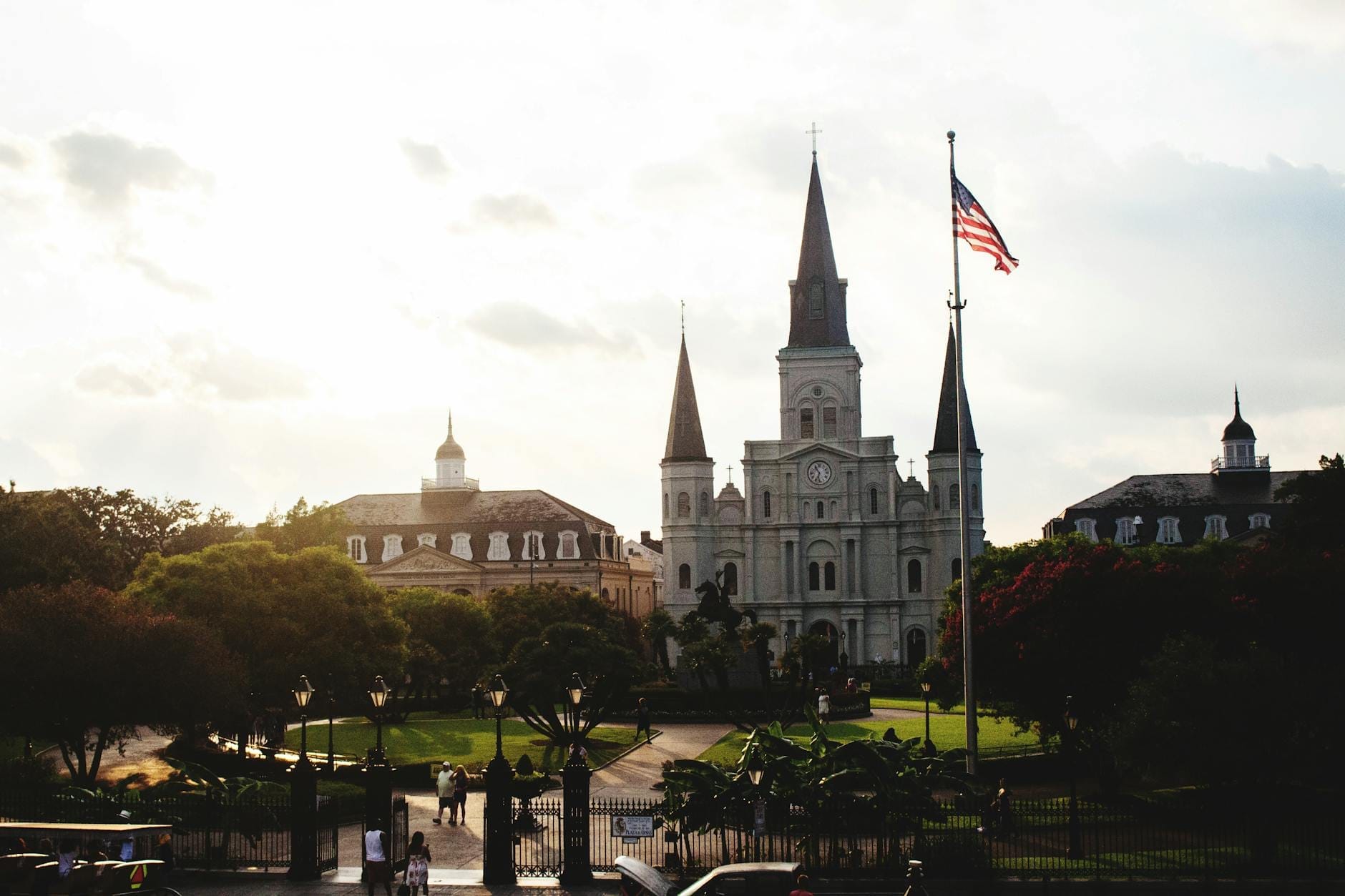
3. Step Inside One of the Oldest Active Cathedrals in the United States
The triple-spired landmark anchoring Jackson Square has been active since 1794. Self-guided visits are free and open 9 a.m. to 4 p.m. daily. The interior is surprisingly serene given the circus of street life just outside its doors.
Explore3. Step Inside One of the Oldest Active Cathedrals in the United States
The triple-spired landmark anchoring Jackson Square has been active since 1794. Self-guided visits are free and open 9 a.m. to 4 p.m. daily. The interior is surprisingly serene given the circus of street life just outside its doors.
Explore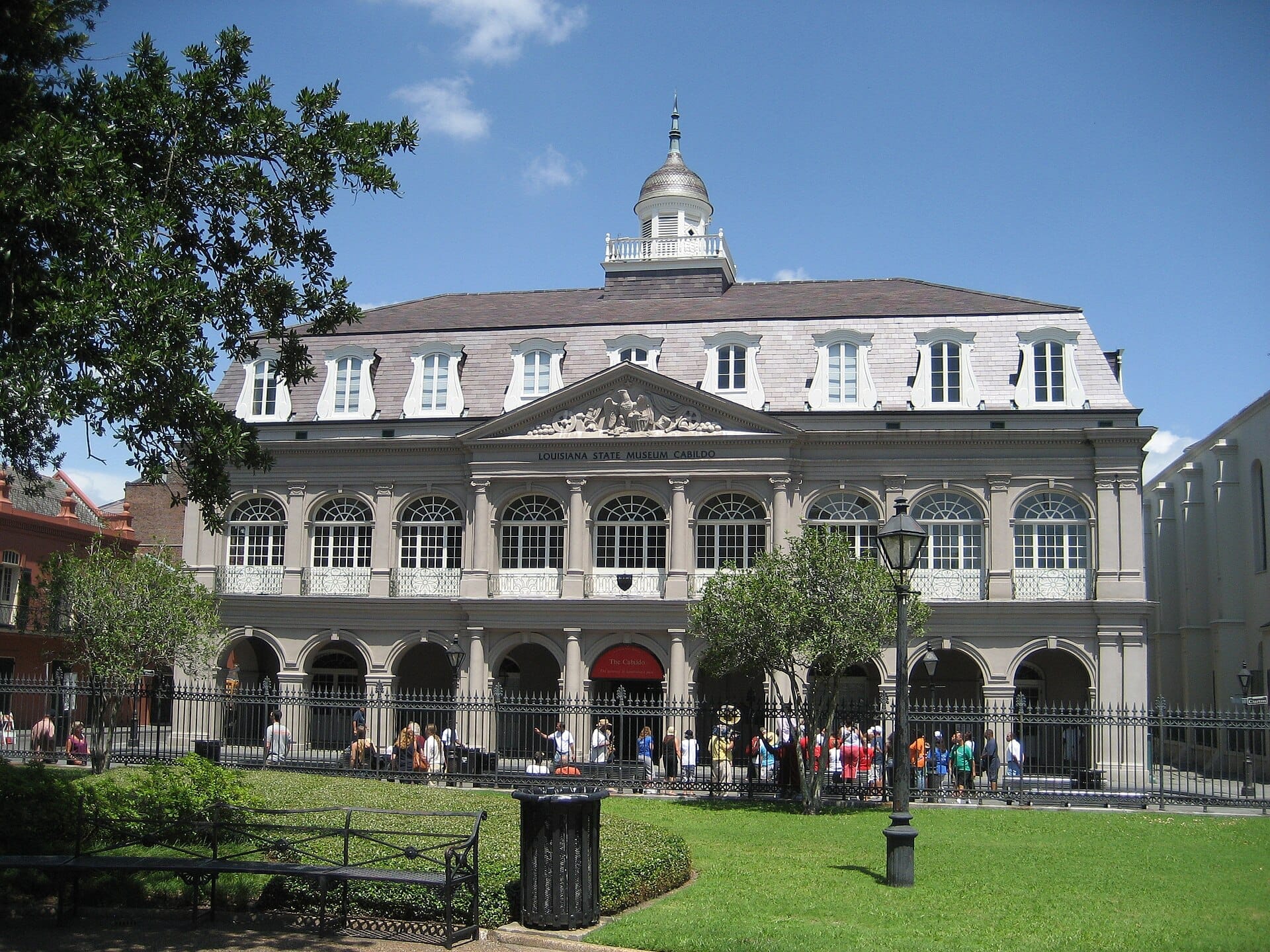
4. Trace 300 Years of History at The Cabildo
Right beside the cathedral, this Spanish Colonial building is where the Louisiana Purchase was signed in 1803. Now a state museum, it covers colonial rule, the slave trade, and Civil War New Orleans with serious depth. Budget 60 to 90 minutes.
Explore4. Trace 300 Years of History at The Cabildo
Right beside the cathedral, this Spanish Colonial building is where the Louisiana Purchase was signed in 1803. Now a state museum, it covers colonial rule, the slave trade, and Civil War New Orleans with serious depth. Budget 60 to 90 minutes.
ExploreDay 1 Afternoon: Royal Street, the Vieux Carré, and the River
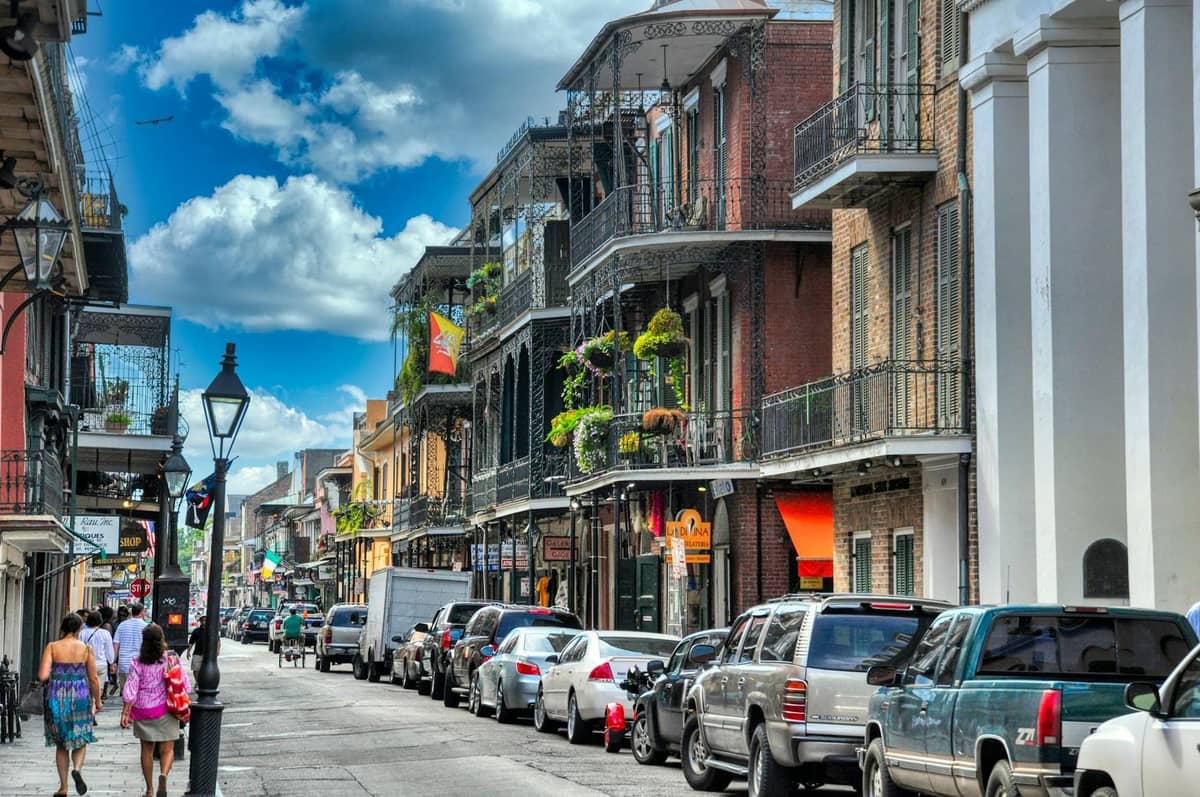
After the morning cluster around Jackson Square, spend the afternoon drifting through the quieter, more elegant parts of the French Quarter before heading to the riverfront. Royal Street and the broader Vieux Carré are best explored on foot at a wandering pace. If you want a self-guided framework for the afternoon, the New Orleans walking tours guide has several good routes through this area.
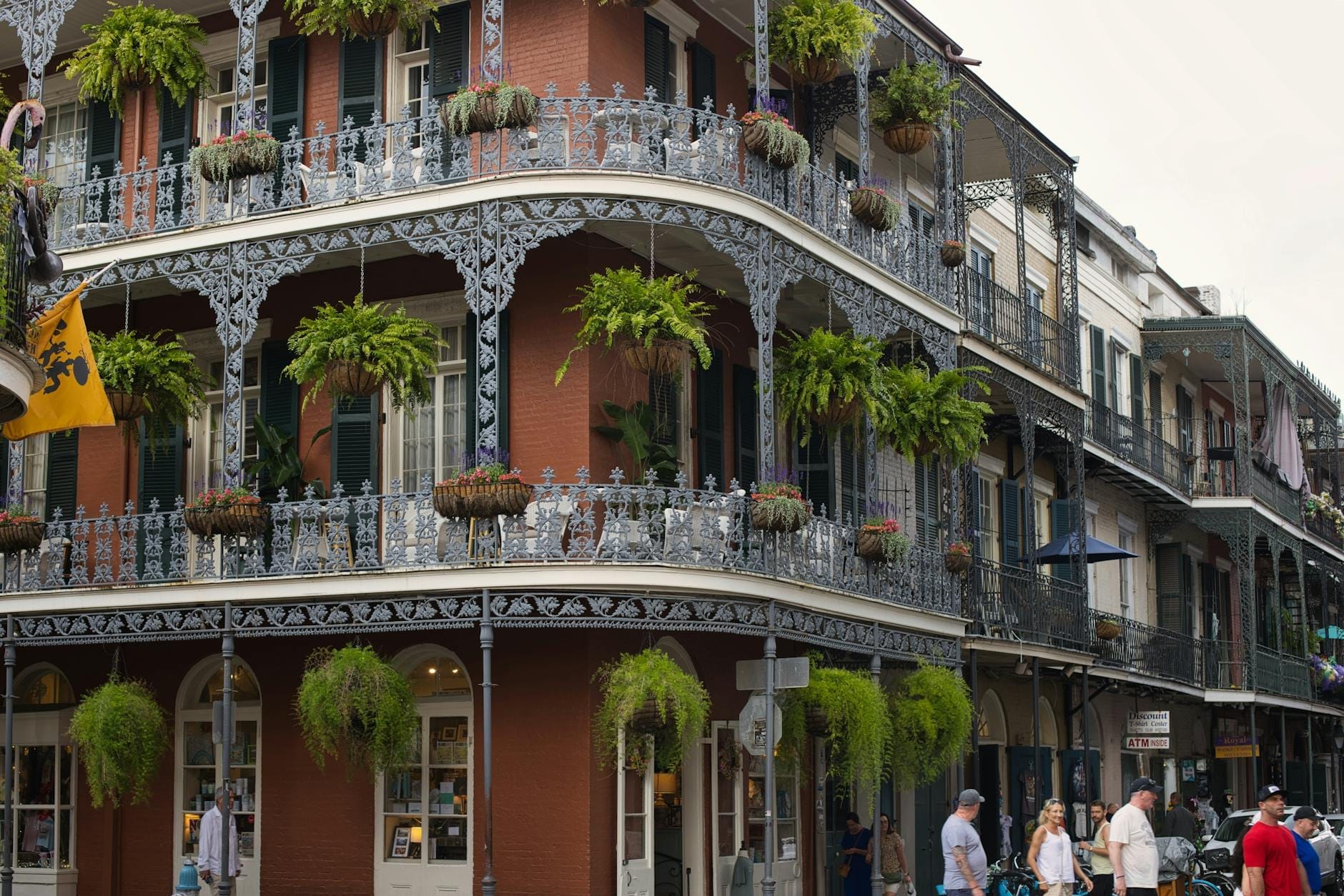
5. Browse Antiques and Ironwork on Royal Street
One block from Bourbon, Royal Street is a different city entirely: antique galleries, fine art, jazz musicians on the sidewalk, and some of the finest cast-iron balconies in the Quarter. Walk the full stretch from Canal to Esplanade for the best of it.
Explore5. Browse Antiques and Ironwork on Royal Street
One block from Bourbon, Royal Street is a different city entirely: antique galleries, fine art, jazz musicians on the sidewalk, and some of the finest cast-iron balconies in the Quarter. Walk the full stretch from Canal to Esplanade for the best of it.
Explore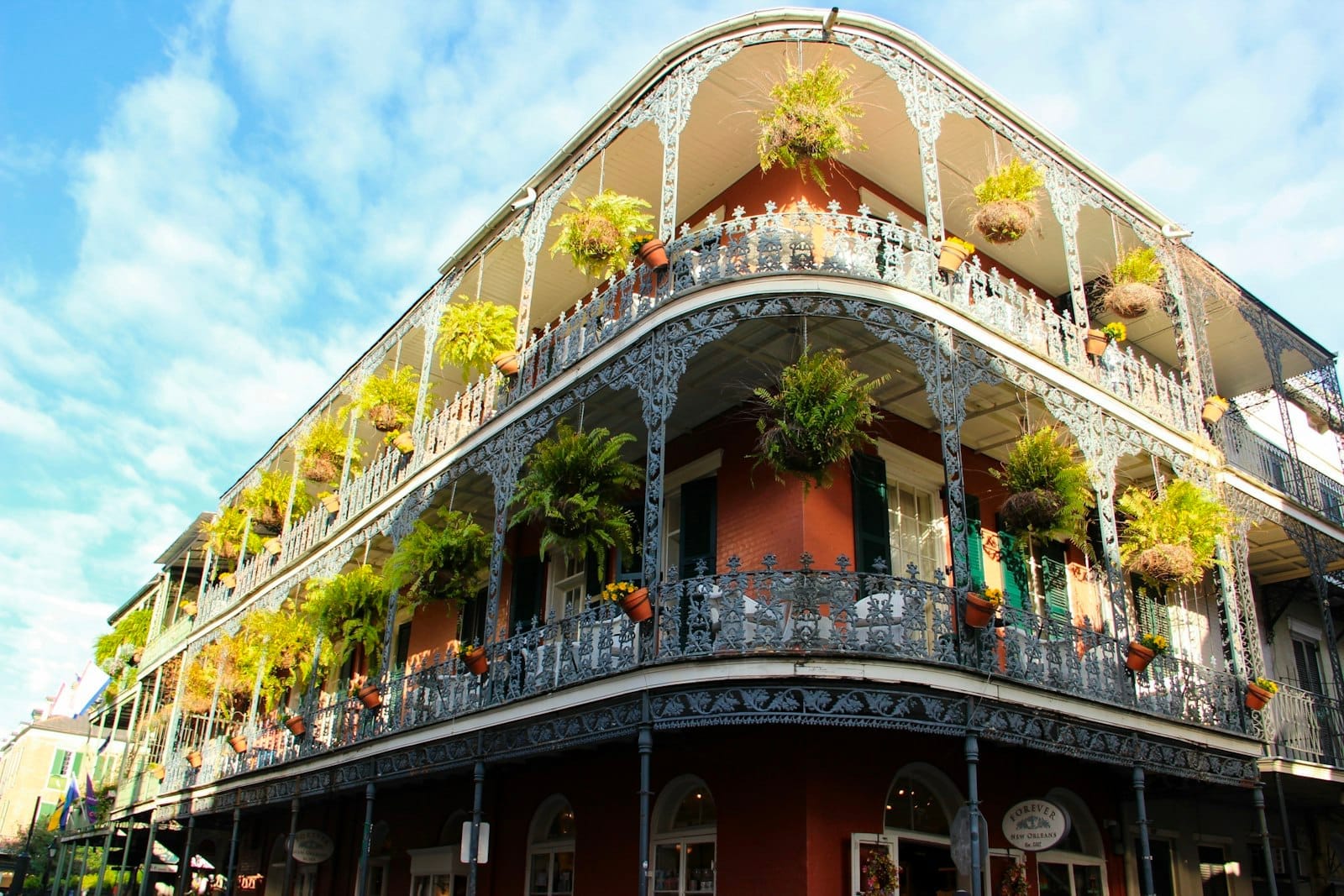
6. Explore the Architecture of the Full French Quarter
The entire Quarter is a protected historic district with 78 blocks of Spanish Colonial and Creole buildings unchanged since the 1800s. Wandering off the main strips onto quieter streets like Ursulines and Dauphine reveals the neighborhood's real character.
Explore6. Explore the Architecture of the Full French Quarter
The entire Quarter is a protected historic district with 78 blocks of Spanish Colonial and Creole buildings unchanged since the 1800s. Wandering off the main strips onto quieter streets like Ursulines and Dauphine reveals the neighborhood's real character.
Explore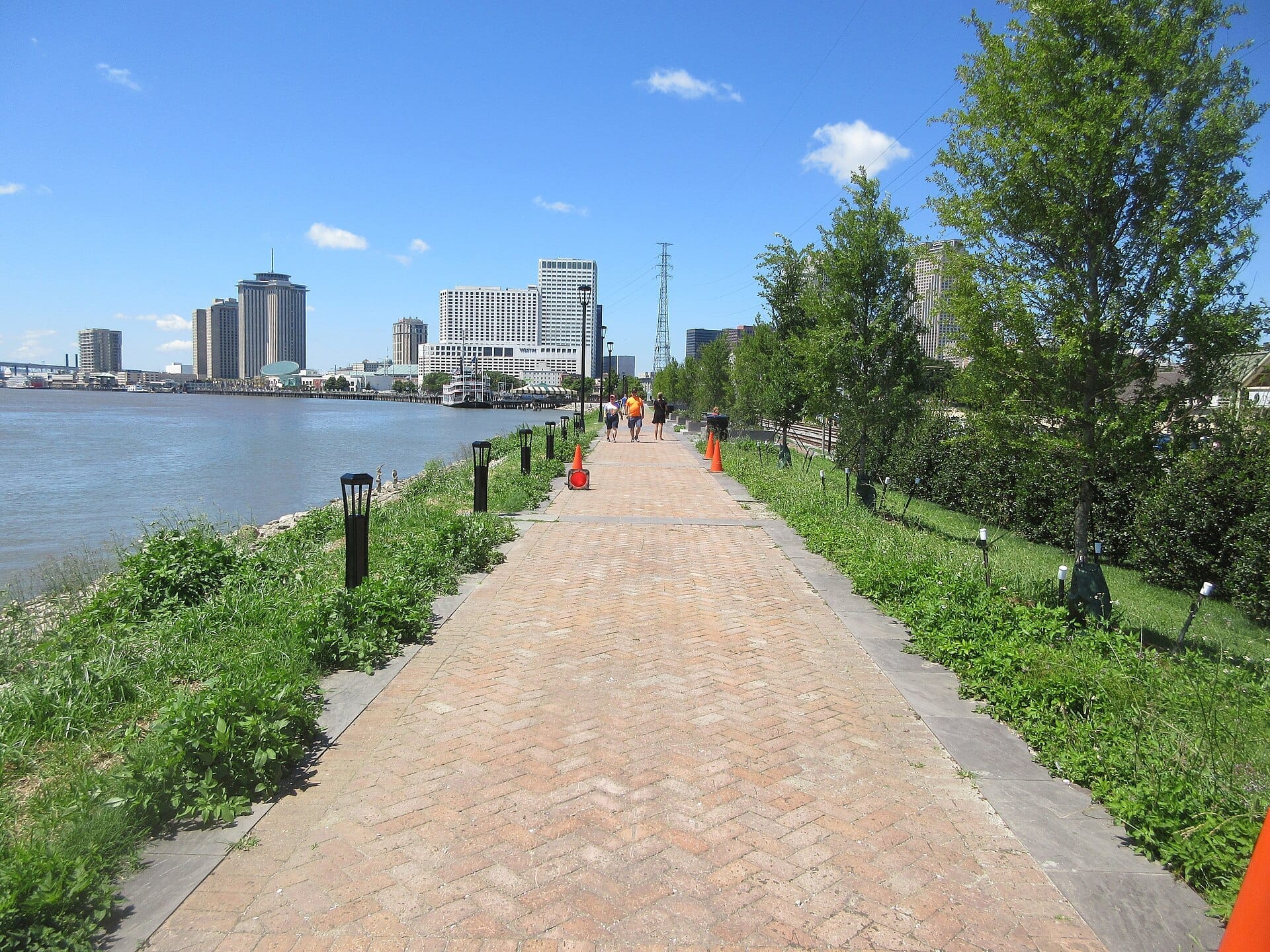
7. Watch the Mississippi from the Moon Walk at Sunset
The riverside promenade along the Mississippi levee is the best place in the Quarter to watch the sun set. Cargo ships drift past, street musicians play, and the scale of the river becomes genuinely impressive. Free, open always, and worth 30 minutes.
Explore7. Watch the Mississippi from the Moon Walk at Sunset
The riverside promenade along the Mississippi levee is the best place in the Quarter to watch the sun set. Cargo ships drift past, street musicians play, and the scale of the river becomes genuinely impressive. Free, open always, and worth 30 minutes.
Explore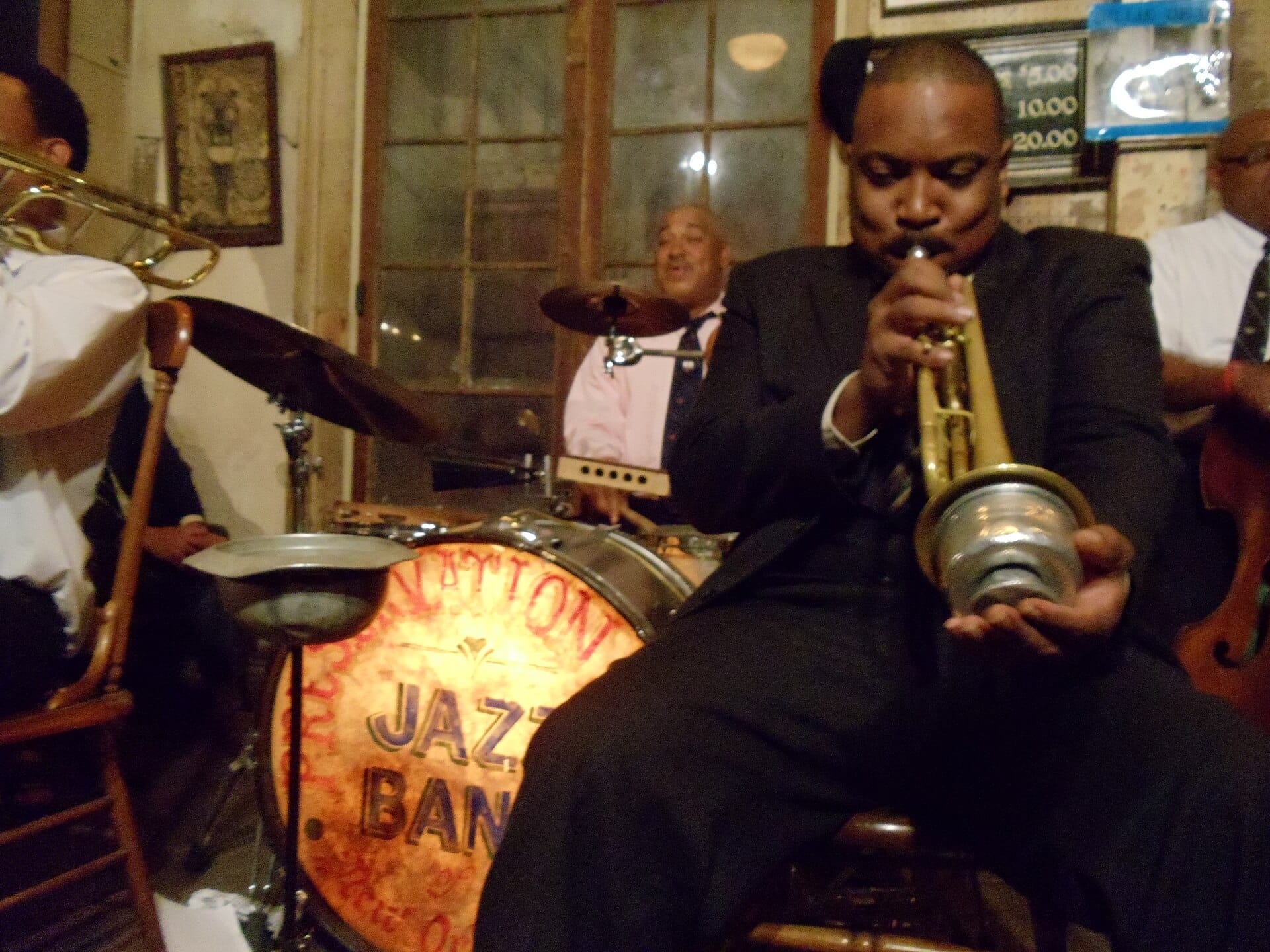
8. Catch a Night of Traditional Jazz at Preservation Hall
Nightly performances in a cramped, no-frills French Quarter room, where world-class musicians play New Orleans traditional jazz the way it's always been played. Shows run 8 p.m., 9 p.m., and 10 p.m. Book tickets online; the line without reservations is long.
Explore8. Catch a Night of Traditional Jazz at Preservation Hall
Nightly performances in a cramped, no-frills French Quarter room, where world-class musicians play New Orleans traditional jazz the way it's always been played. Shows run 8 p.m., 9 p.m., and 10 p.m. Book tickets online; the line without reservations is long.
ExploreDay 2 Morning: Tremé, Congo Square, and the Cemeteries
Day 2 moves into the neighborhoods immediately west and north of the French Quarter. Tremé is the oldest African American neighborhood in the United States and the cultural seedbed of jazz. Combine it with a guided cemetery tour for a morning that puts the city's history, music, and spiritual life into sharp focus. For more on the city's fascinating music heritage, see the New Orleans jazz music guide.
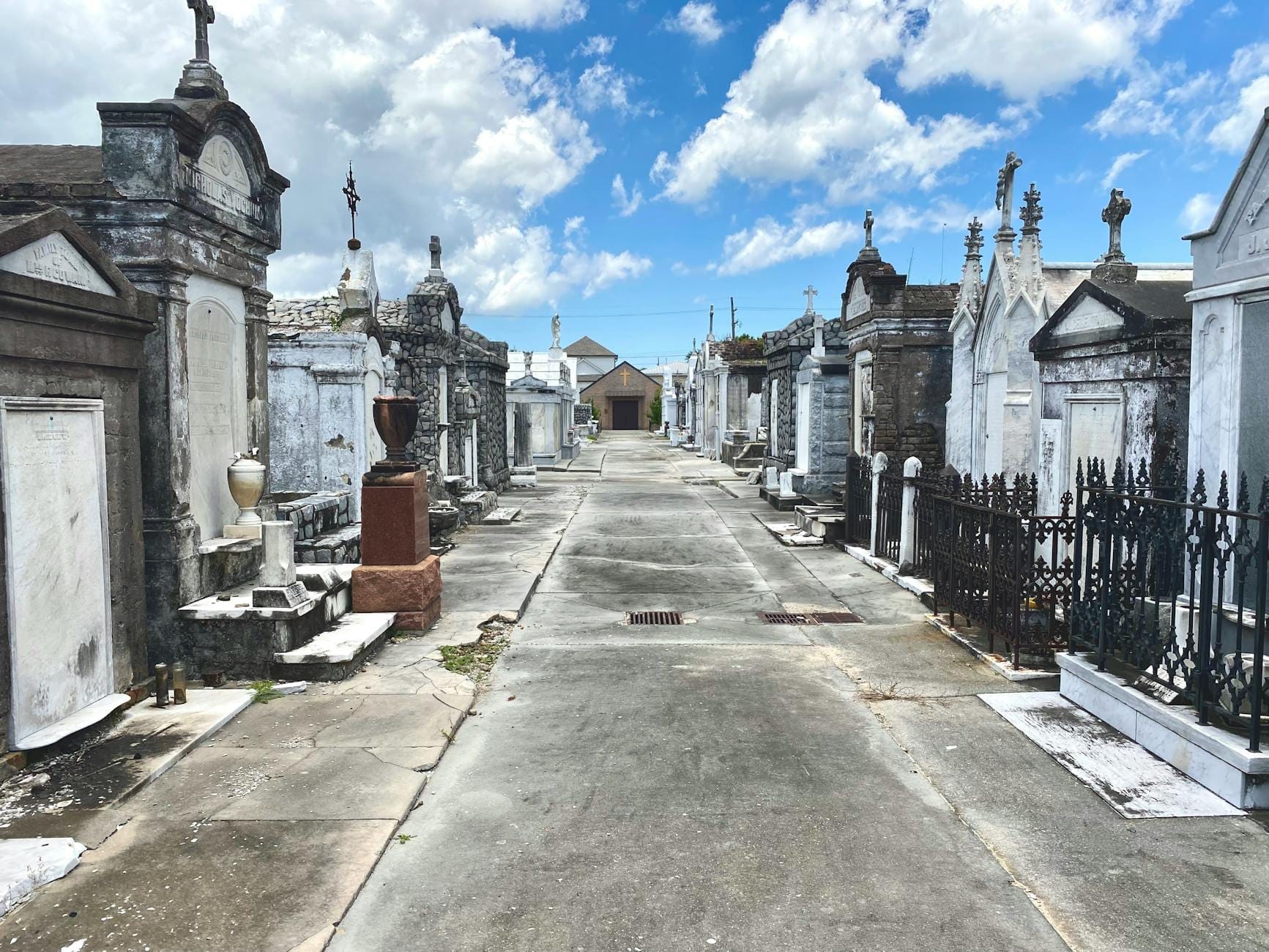
9. Tour the City of the Dead at St. Louis Cemetery No. 1
Dating to 1789, this is the oldest cemetery in New Orleans, with above-ground tombs crowded together like a city unto itself. Entry requires a guided tour (book via Save Our Cemeteries, approx. $30/adult). Marie Laveau's alleged tomb is here, marked with offerings.
Explore9. Tour the City of the Dead at St. Louis Cemetery No. 1
Dating to 1789, this is the oldest cemetery in New Orleans, with above-ground tombs crowded together like a city unto itself. Entry requires a guided tour (book via Save Our Cemeteries, approx. $30/adult). Marie Laveau's alleged tomb is here, marked with offerings.
Explore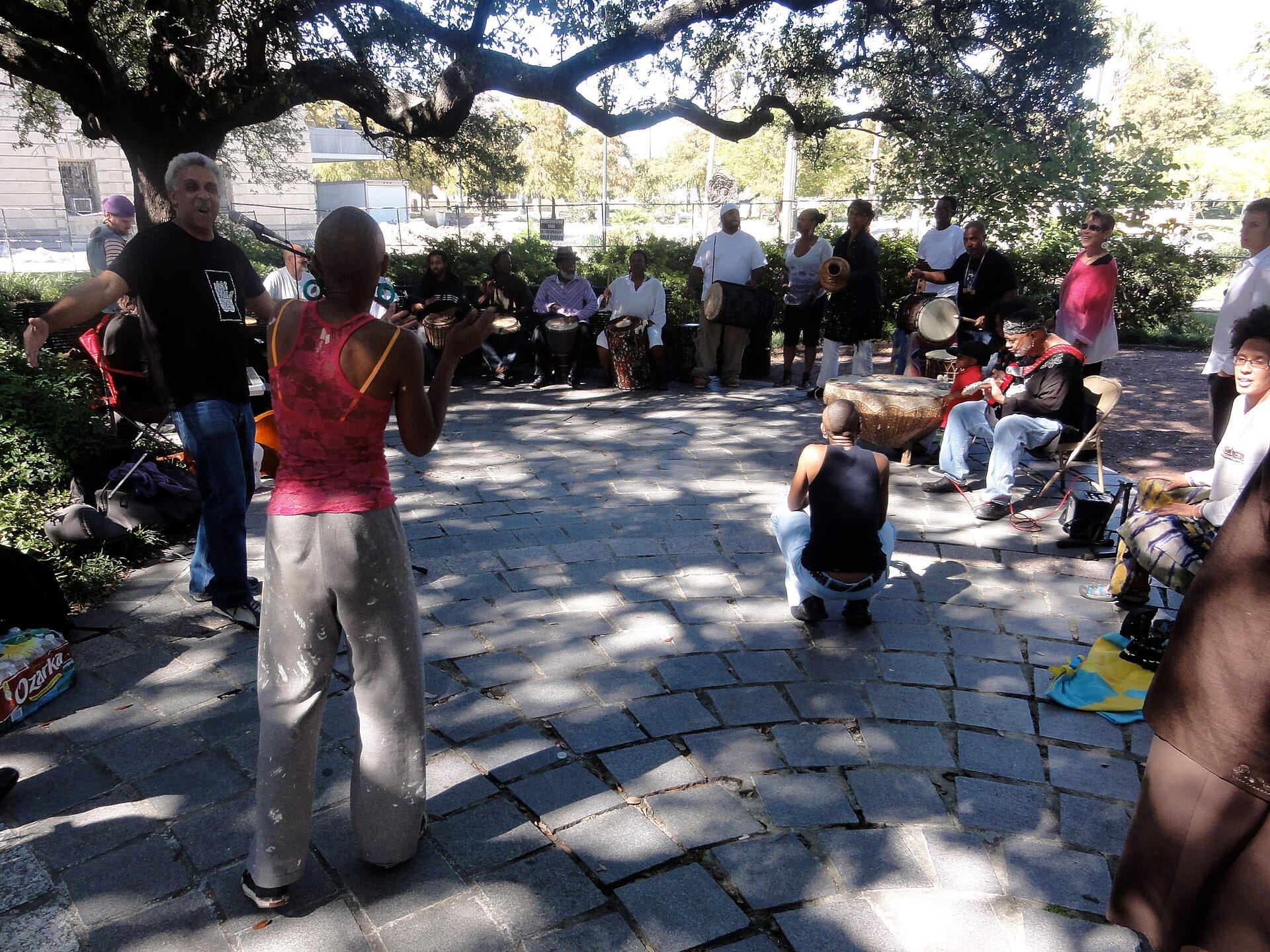
10. Stand at the Birthplace of Jazz in Congo Square
Inside Louis Armstrong Park, this open square is where enslaved Africans gathered on Sundays to play music and preserve their culture, planting the seeds of jazz, blues, and rock. A small but profound site that deserves more time than most visitors give it.
Explore10. Stand at the Birthplace of Jazz in Congo Square
Inside Louis Armstrong Park, this open square is where enslaved Africans gathered on Sundays to play music and preserve their culture, planting the seeds of jazz, blues, and rock. A small but profound site that deserves more time than most visitors give it.
Explore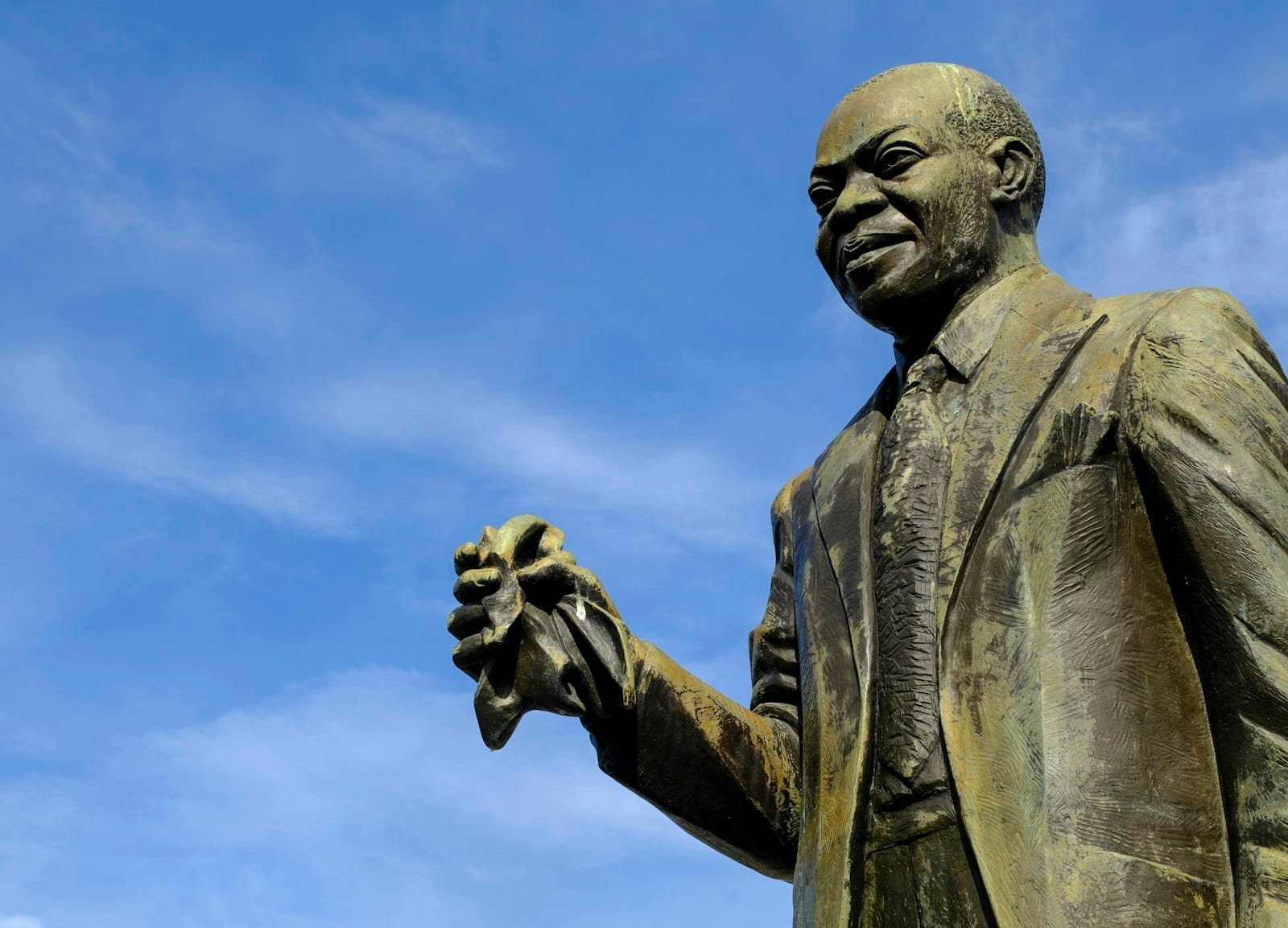
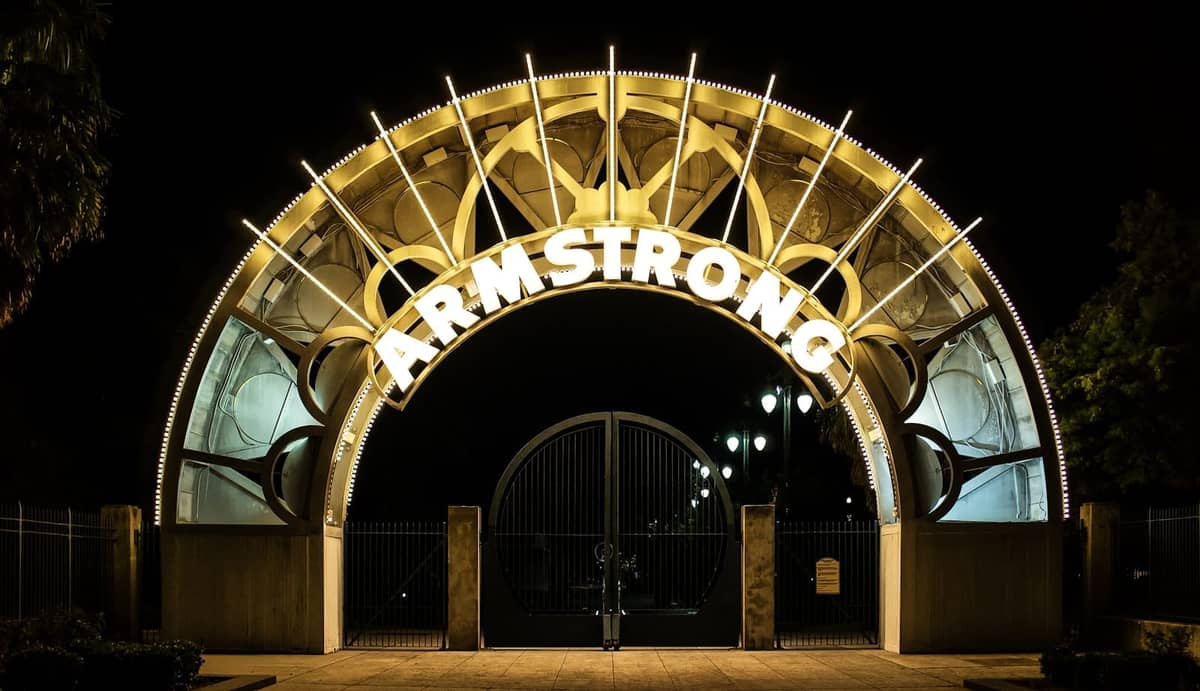
11. Walk Through Louis Armstrong Park into the Tremé
The grand entrance arch leads into a tree-shaded park with lagoons and sculptures, bordering the Tremé neighborhood. It's the gentlest introduction to New Orleans' most historically significant community and a good starting point for exploring the area on foot.
Explore11. Walk Through Louis Armstrong Park into the Tremé
The grand entrance arch leads into a tree-shaded park with lagoons and sculptures, bordering the Tremé neighborhood. It's the gentlest introduction to New Orleans' most historically significant community and a good starting point for exploring the area on foot.
Explore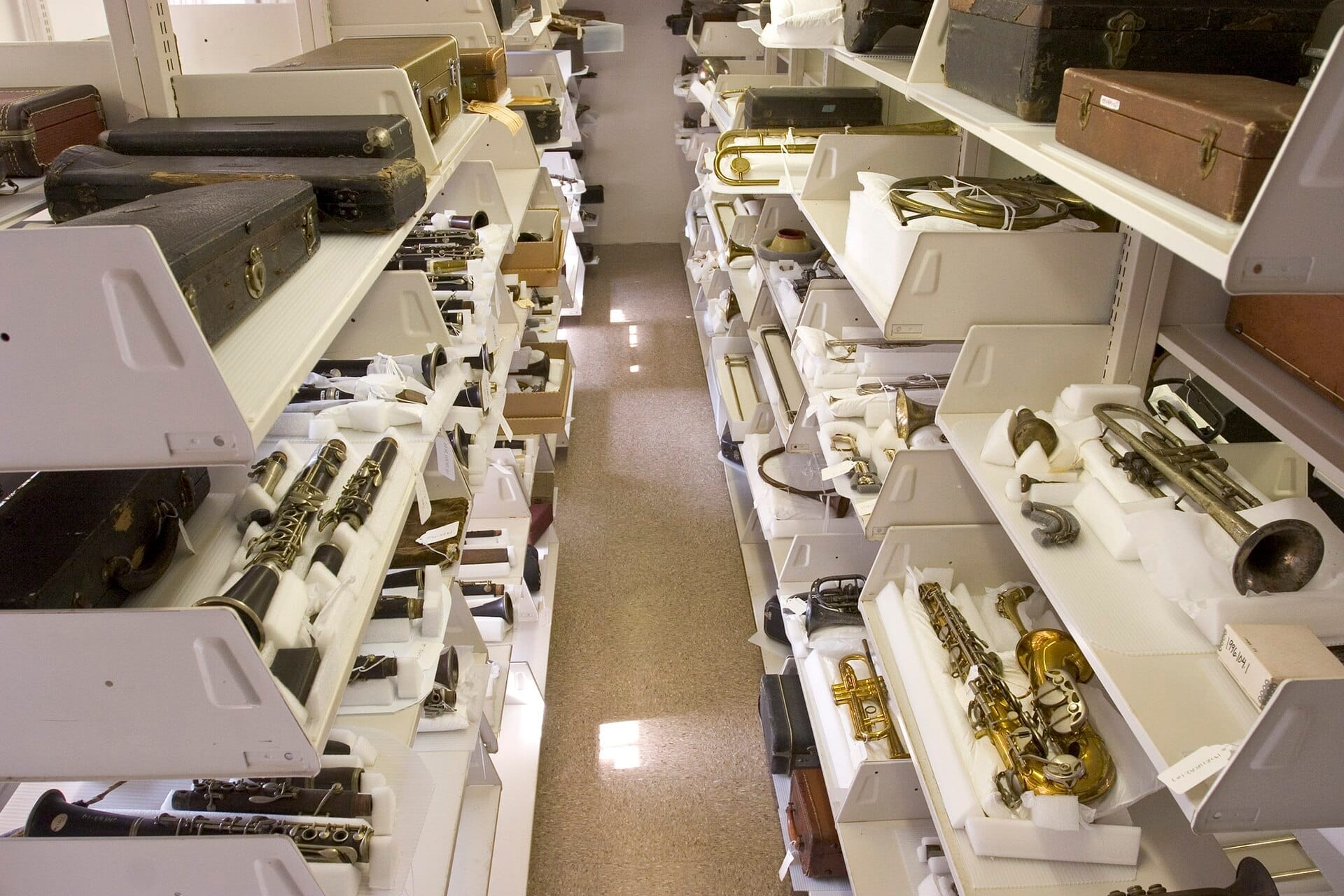
12. Trace Jazz History at the New Orleans Jazz Museum
Housed in the Old US Mint at the Quarter's edge, this museum covers jazz from its Congo Square origins to global influence. Instruments, recordings, photographs, and rotating live performances make it one of the city's most engaging museums. Allow 60 to 90 minutes.
Explore12. Trace Jazz History at the New Orleans Jazz Museum
Housed in the Old US Mint at the Quarter's edge, this museum covers jazz from its Congo Square origins to global influence. Instruments, recordings, photographs, and rotating live performances make it one of the city's most engaging museums. Allow 60 to 90 minutes.
ExploreDay 2 Afternoon: The Garden District and Magazine Street
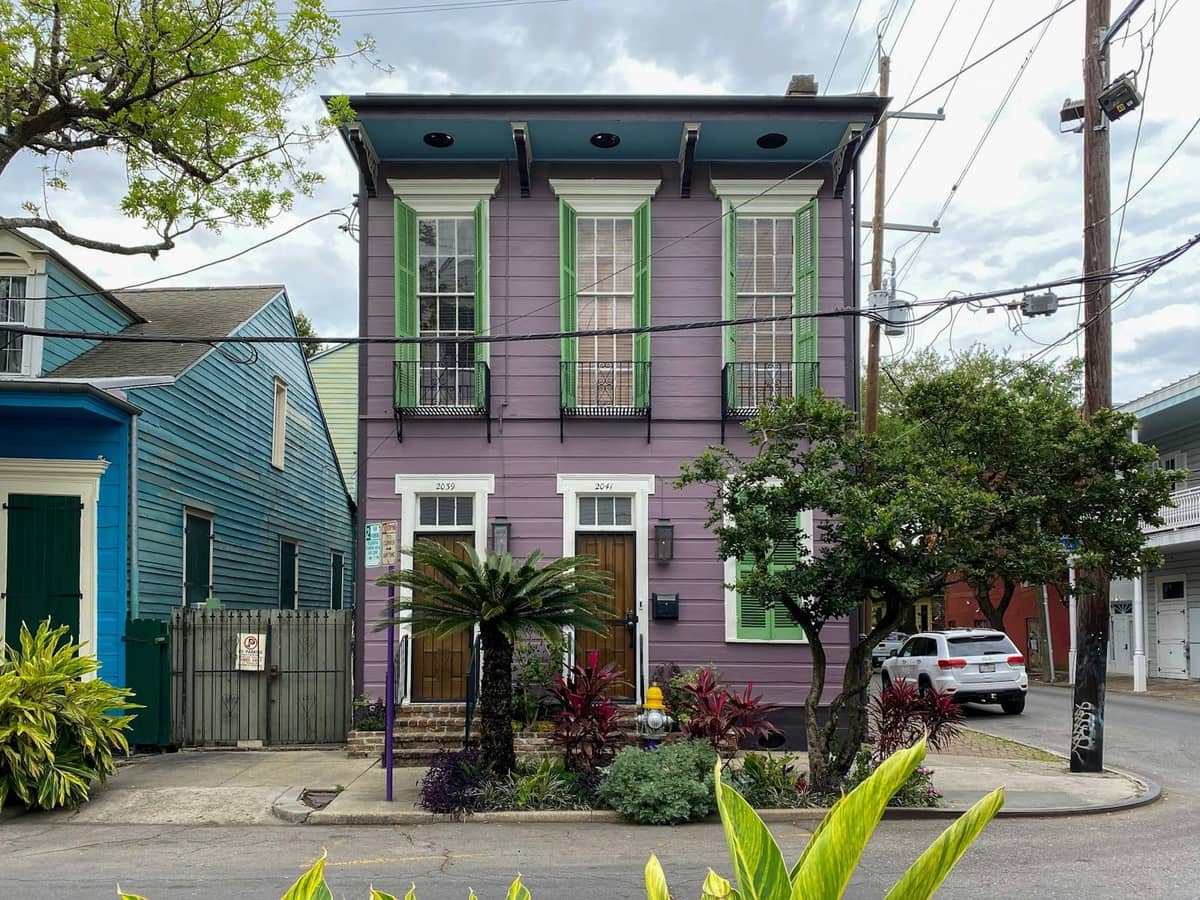
Take the St. Charles Streetcar from Canal Street into the Garden District for the afternoon, a short, scenic ride that passes through Uptown's oak-lined avenues and feels like traveling back in time. The budget New Orleans guide has good notes on using the streetcar system efficiently, since the $1.25 fare makes it one of the best-value experiences in the city.
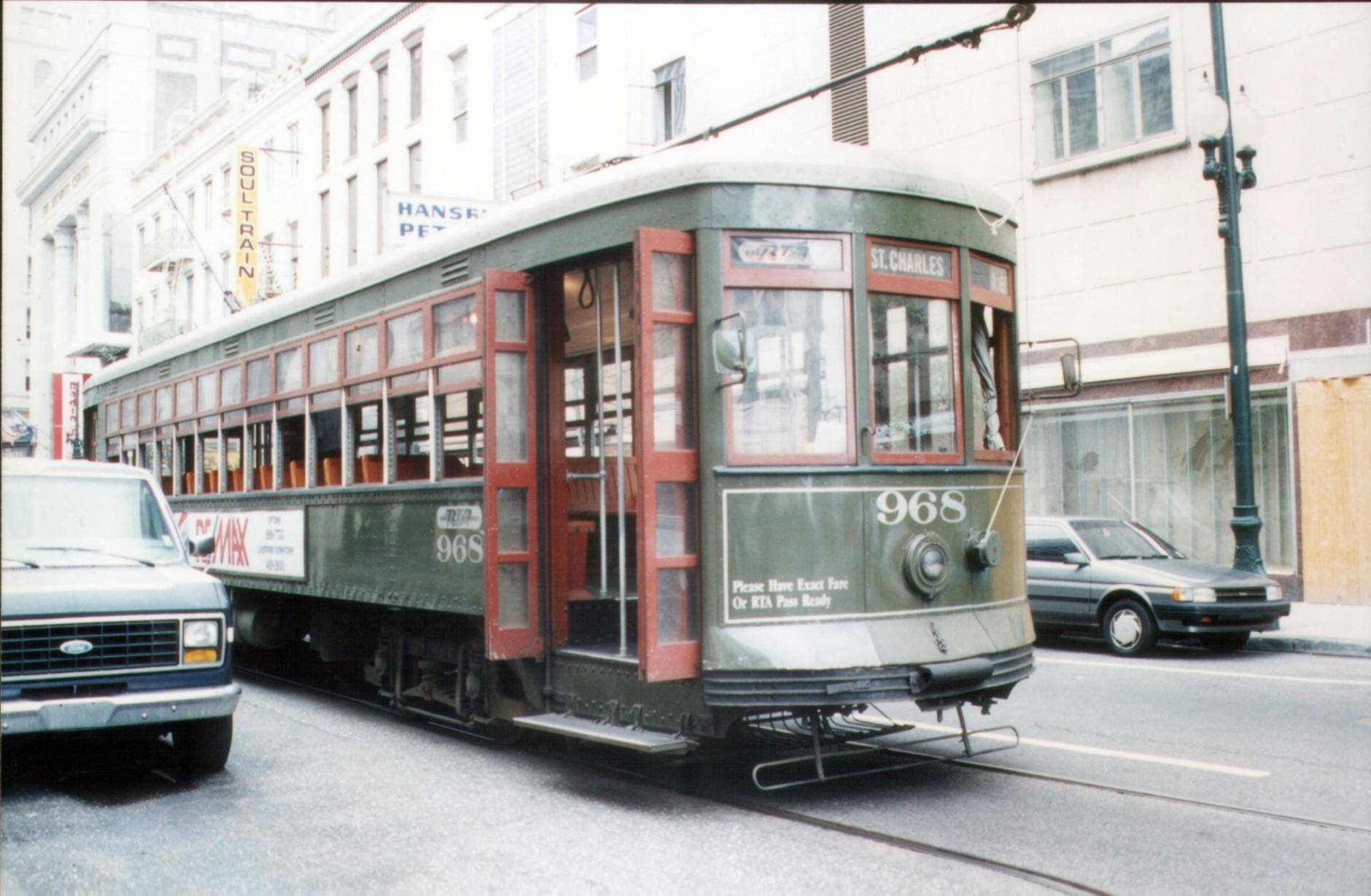
13. Ride the World's Oldest Streetcar Line Down St. Charles Avenue
The St. Charles line has run continuously since 1835, rolling under a canopy of live oaks past grand mansions and Uptown institutions. Ride it both ways: out to the Garden District and back toward the Quarter. Exact change ($1.25) required for the fare box.
Explore13. Ride the World's Oldest Streetcar Line Down St. Charles Avenue
The St. Charles line has run continuously since 1835, rolling under a canopy of live oaks past grand mansions and Uptown institutions. Ride it both ways: out to the Garden District and back toward the Quarter. Exact change ($1.25) required for the fare box.
Explore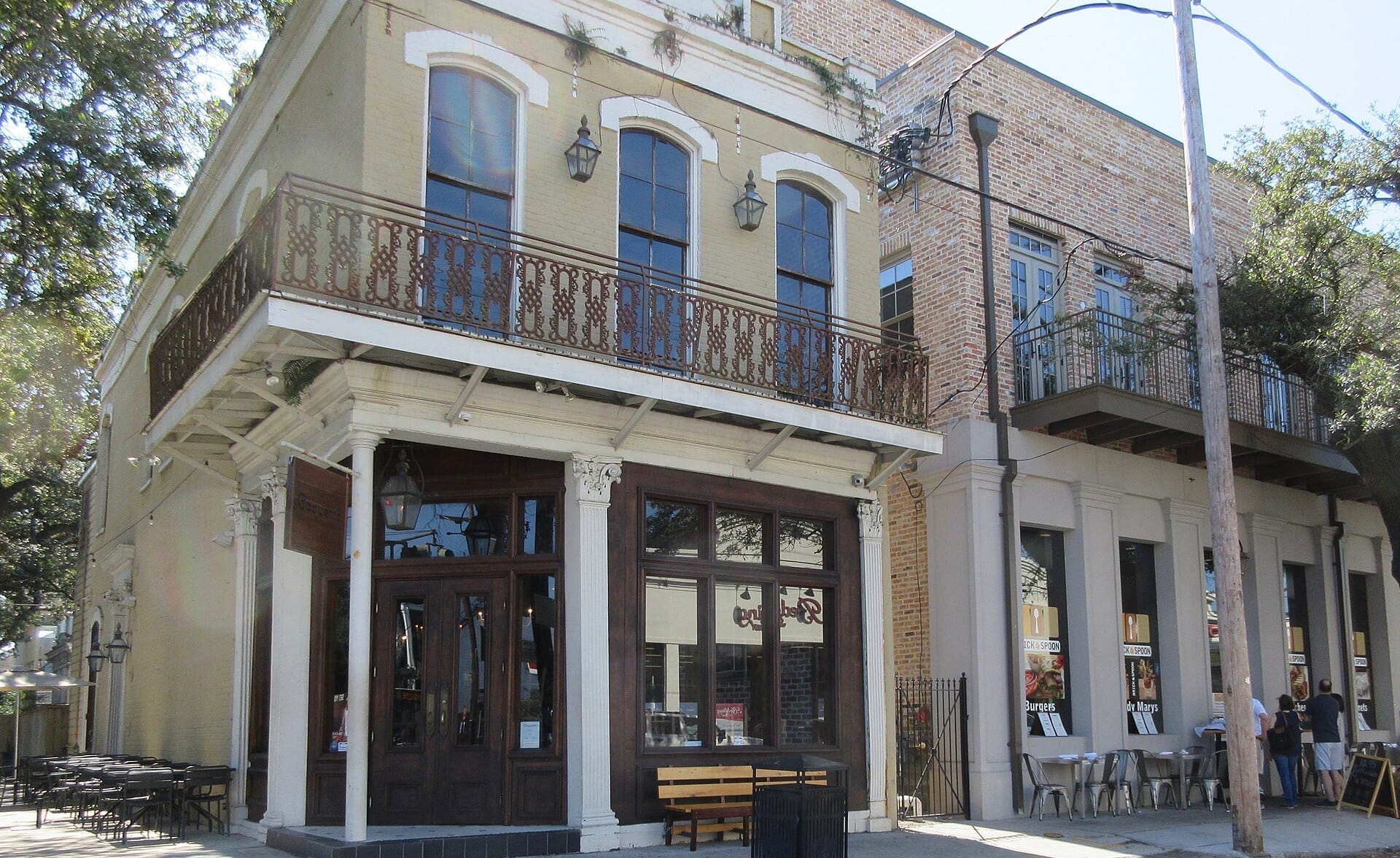
14. Shop, Eat, and Browse on Magazine Street
Six miles of boutiques, antique stores, galleries, and restaurants running through the Garden District and Uptown. You don't need to walk all of it. Focus on the stretch between Washington and Louisiana avenues for the densest concentration of interesting shops and cafés.
Explore14. Shop, Eat, and Browse on Magazine Street
Six miles of boutiques, antique stores, galleries, and restaurants running through the Garden District and Uptown. You don't need to walk all of it. Focus on the stretch between Washington and Louisiana avenues for the densest concentration of interesting shops and cafés.
Explore💡 Local tip
If you want to visit the Whitney Plantation on Day 2, swap the Garden District afternoon for a half-day trip about 45 minutes west of the city. It's a powerful experience, but it requires a car or a tour pickup and works better as a dedicated excursion than a city afternoon.
Day 2 Evening: Frenchmen Street and the Marigny
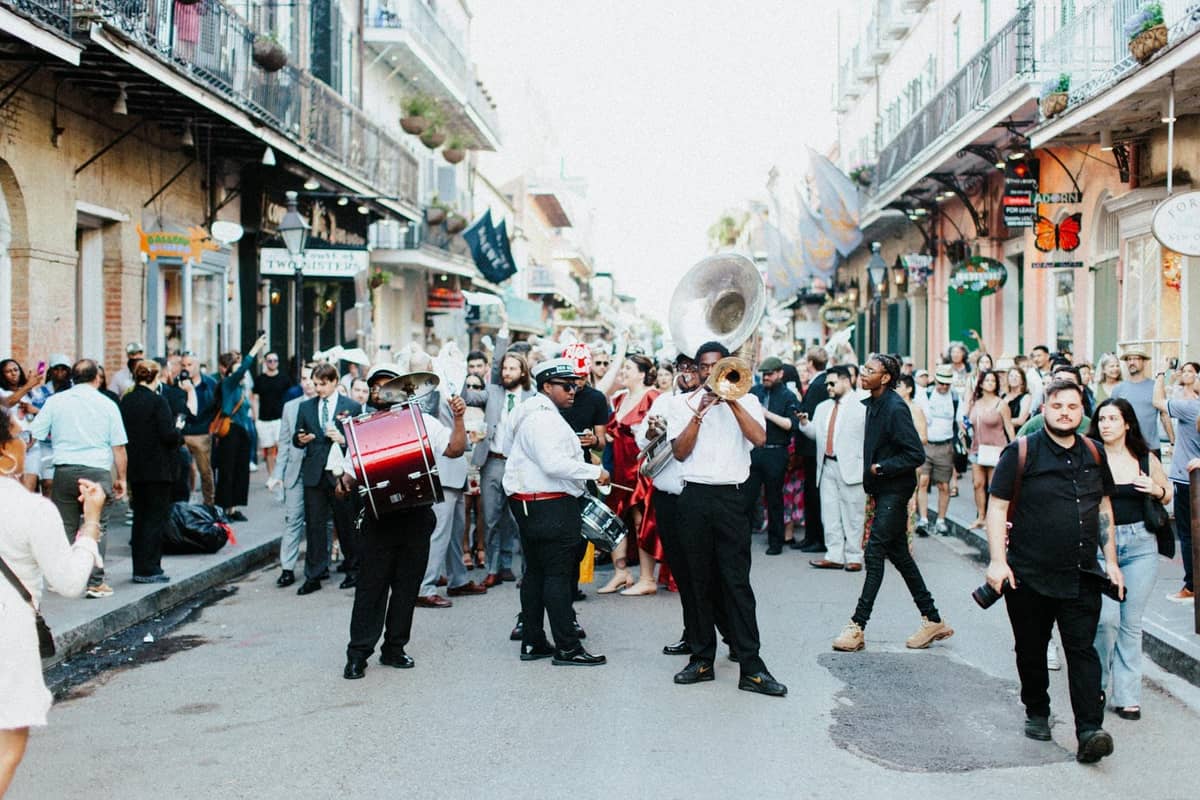
End Day 2 on Frenchmen Street, the two-block strip in the Marigny that is genuinely the best live music in New Orleans. Unlike Bourbon Street, it's where musicians play for the love of playing. Walk the strip, listen from the doorways, and step into whichever room sounds best. For a full guide to the city's nightlife beyond Frenchmen Street, see the New Orleans nightlife guide.
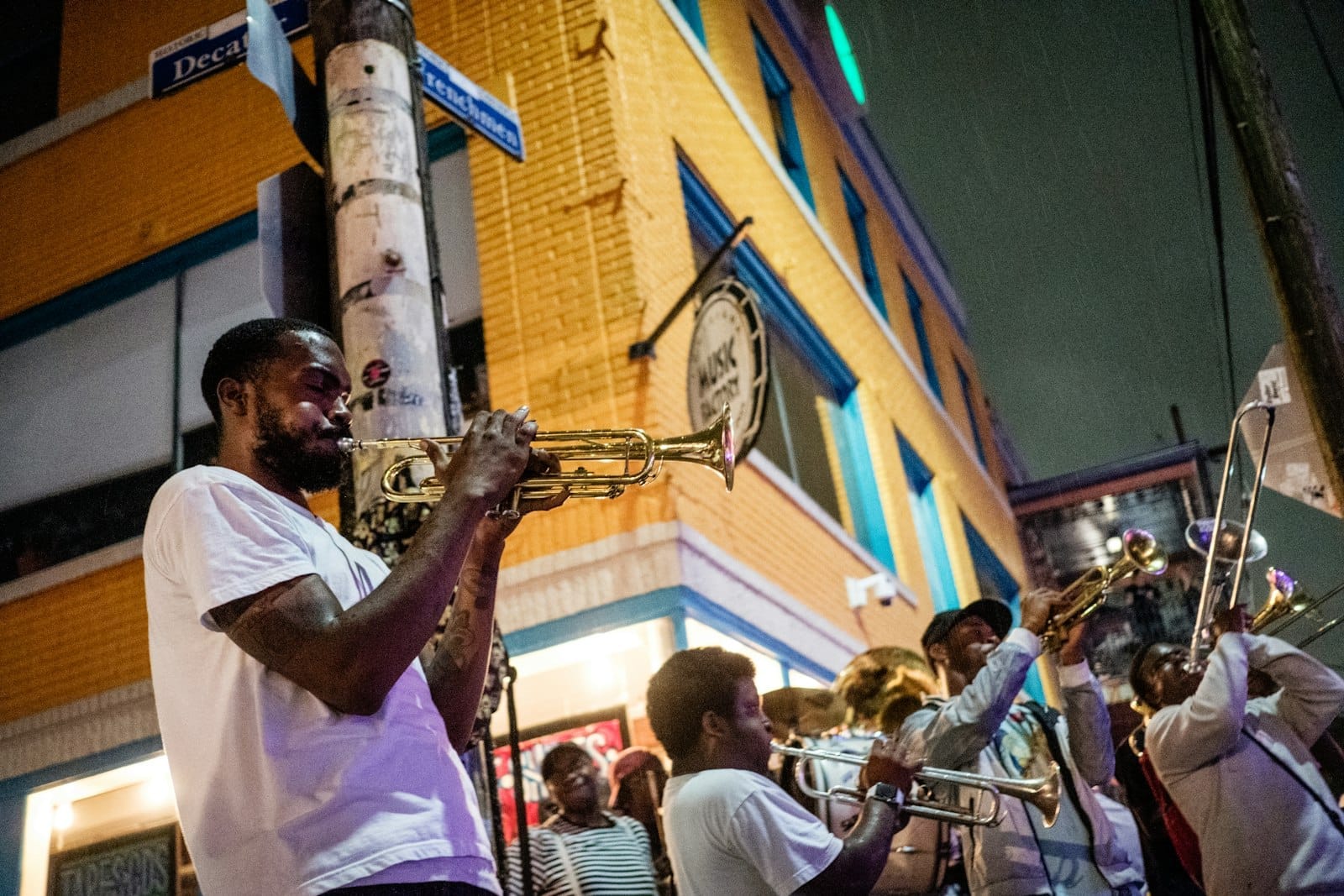
15. Hear Live Jazz, Brass Bands, and Soul on Frenchmen Street
This two-block strip in the Marigny is where New Orleans music actually lives. Multiple venues run simultaneously from 10 p.m. onward, and the sidewalk itself fills with music. The Spotted Cat and Snug Harbor are the anchor clubs, but any open door is worth investigating.
Explore15. Hear Live Jazz, Brass Bands, and Soul on Frenchmen Street
This two-block strip in the Marigny is where New Orleans music actually lives. Multiple venues run simultaneously from 10 p.m. onward, and the sidewalk itself fills with music. The Spotted Cat and Snug Harbor are the anchor clubs, but any open door is worth investigating.
ExploreDay 3: Museums, the Riverfront, and Final Walks

Use Day 3 to fill in what the first two days didn't cover. The National WWII Museum deserves a serious morning on its own. The French Market and a Mississippi riverboat cruise work well as a slower afternoon before a final evening in the Quarter. If you have any interest in the supernatural side of the city, this is also the day to fit in a ghost or voodoo stop. See the New Orleans ghost tours and voodoo guide for options.
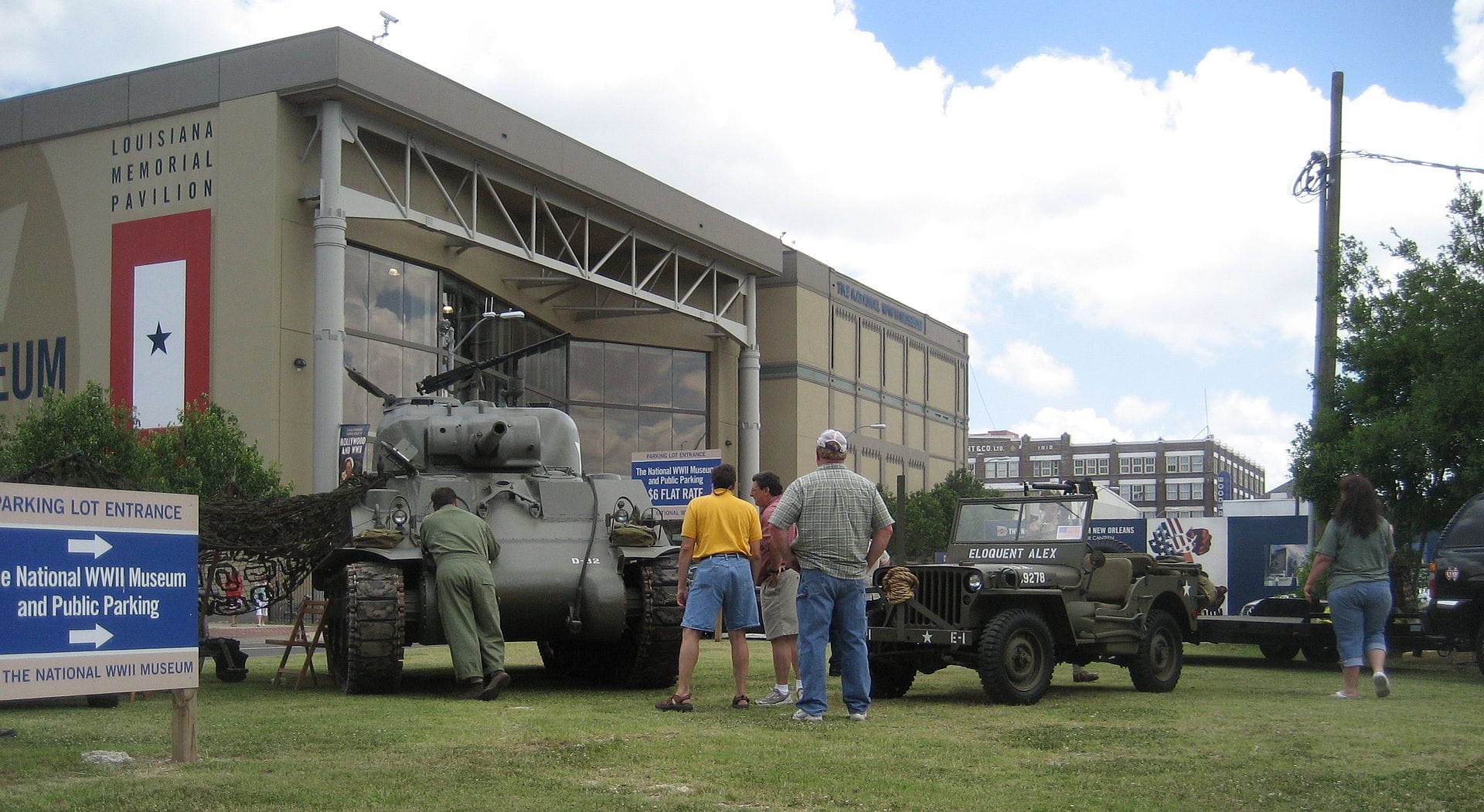
16. Spend a Full Morning at the National WWII Museum
Consistently ranked among America's top museums, this Warehouse District complex is genuinely extraordinary. The immersive exhibits, personal oral histories, and 4D film narrated by Tom Hanks make it easy to spend three to four hours. Book tickets online; it sells out on busy weekends.
Explore16. Spend a Full Morning at the National WWII Museum
Consistently ranked among America's top museums, this Warehouse District complex is genuinely extraordinary. The immersive exhibits, personal oral histories, and 4D film narrated by Tom Hanks make it easy to spend three to four hours. Book tickets online; it sells out on busy weekends.
Explore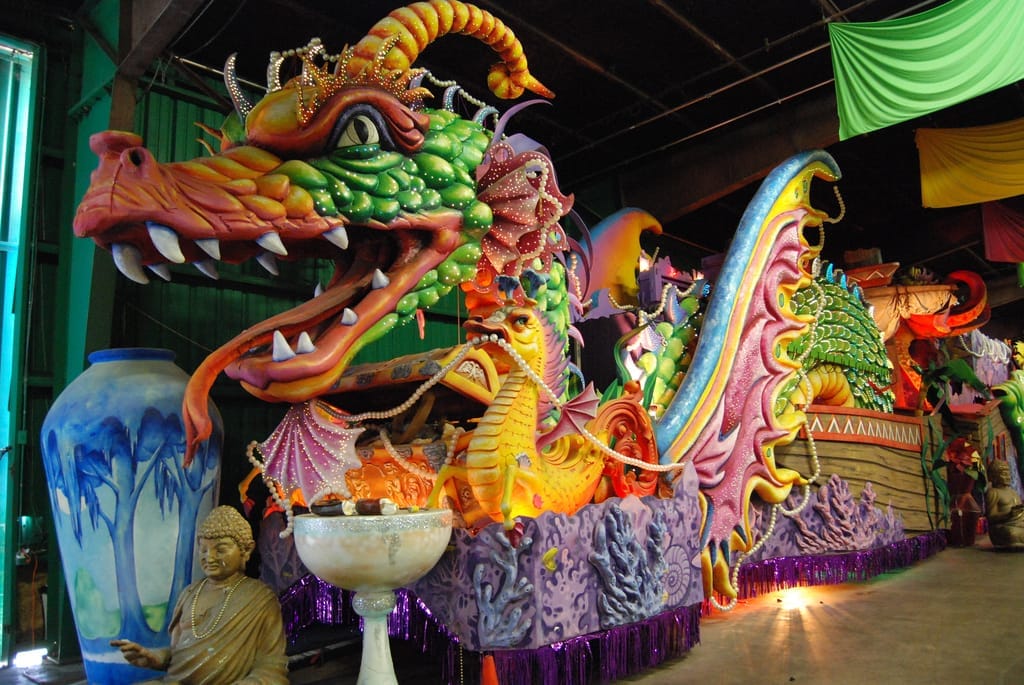
17. Go Behind the Scenes of Mardi Gras at Mardi Gras World
The working warehouse where parade floats are built year-round is one of the city's most entertaining tours. You'll walk among enormous papier-mâché figures, try on costumes, and get a real sense of the scale and craft behind the world's most famous street party. Tours run hourly.
Explore17. Go Behind the Scenes of Mardi Gras at Mardi Gras World
The working warehouse where parade floats are built year-round is one of the city's most entertaining tours. You'll walk among enormous papier-mâché figures, try on costumes, and get a real sense of the scale and craft behind the world's most famous street party. Tours run hourly.
Explore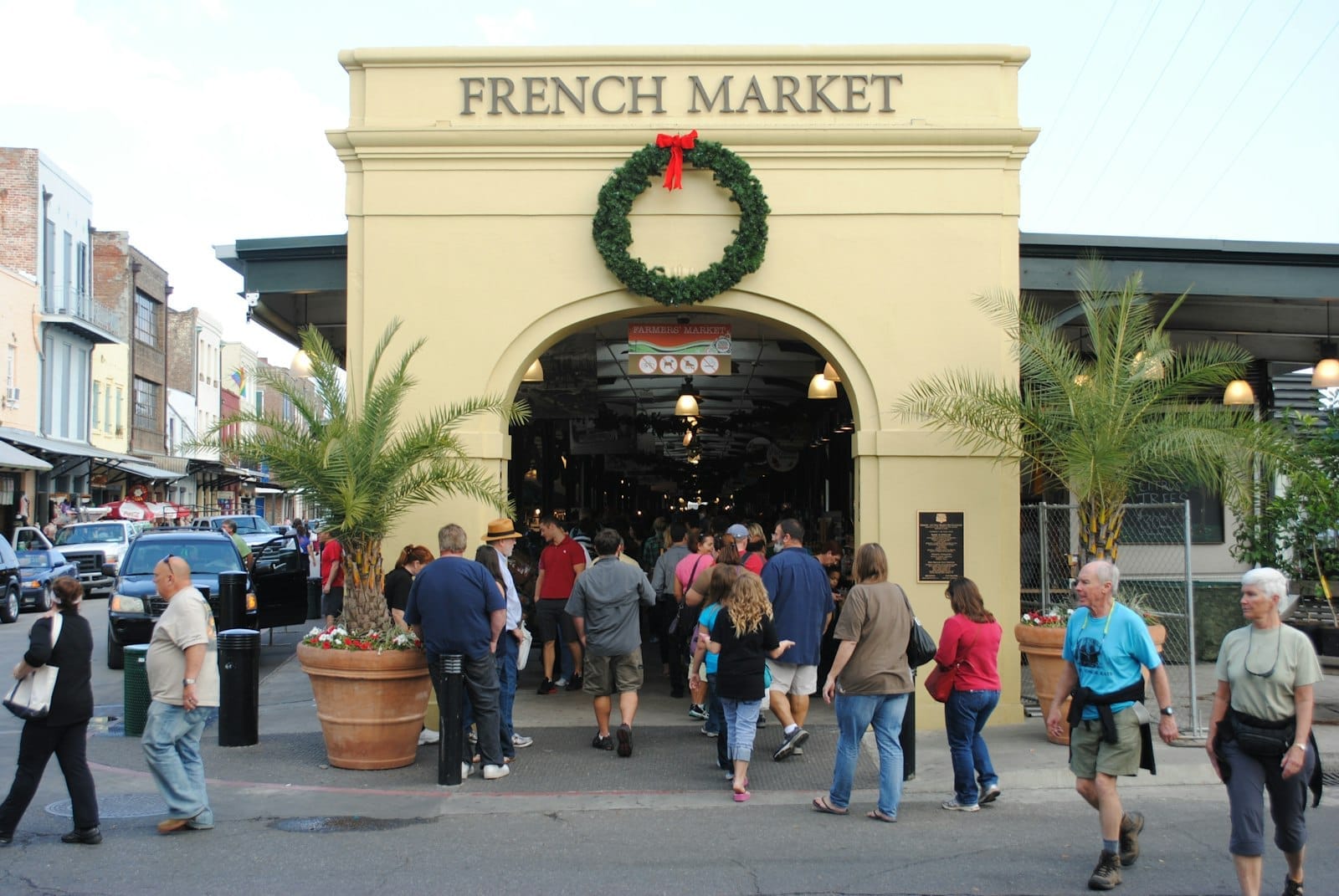
18. Pick Up Pralines and Creole Food at the French Market
One of the oldest public markets in the US stretches along the riverfront from Jackson Square to Barracks Street. Grab pralines from Loretta's, browse local craft stalls, and eat a muffuletta. It's touristy in spots but historically significant and lively throughout the day.
Explore18. Pick Up Pralines and Creole Food at the French Market
One of the oldest public markets in the US stretches along the riverfront from Jackson Square to Barracks Street. Grab pralines from Loretta's, browse local craft stalls, and eat a muffuletta. It's touristy in spots but historically significant and lively throughout the day.
Explore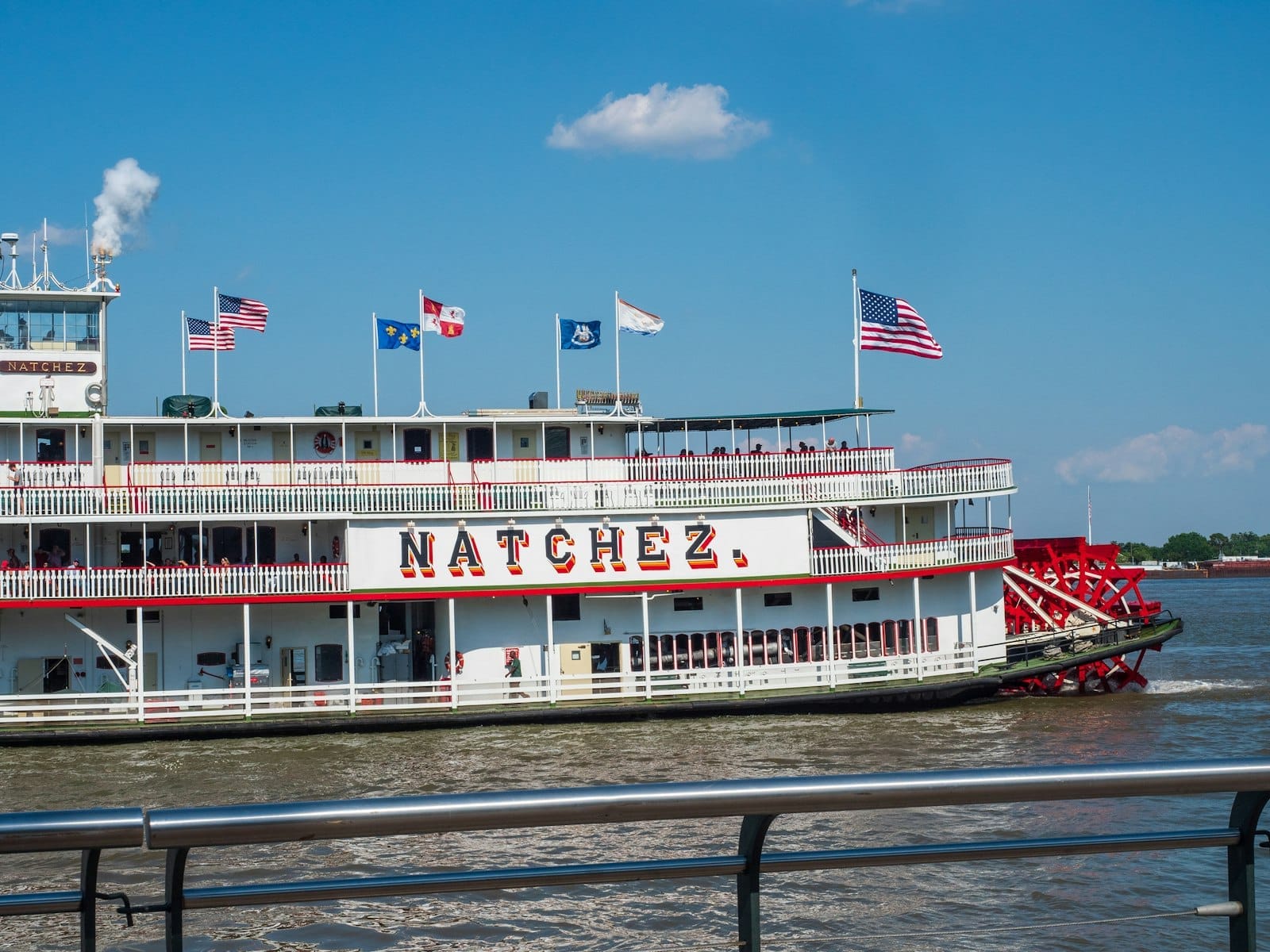
19. Cruise the Mississippi on the Last True Steamboat
The Natchez is the last authentic steam-powered sternwheeler operating on the Mississippi, and its jazz-accompanied harbor cruises provide a completely different perspective on the city. The two-hour afternoon cruise pairs well with a French Quarter lunch and a final evening walk.
Explore19. Cruise the Mississippi on the Last True Steamboat
The Natchez is the last authentic steam-powered sternwheeler operating on the Mississippi, and its jazz-accompanied harbor cruises provide a completely different perspective on the city. The two-hour afternoon cruise pairs well with a French Quarter lunch and a final evening walk.
Explore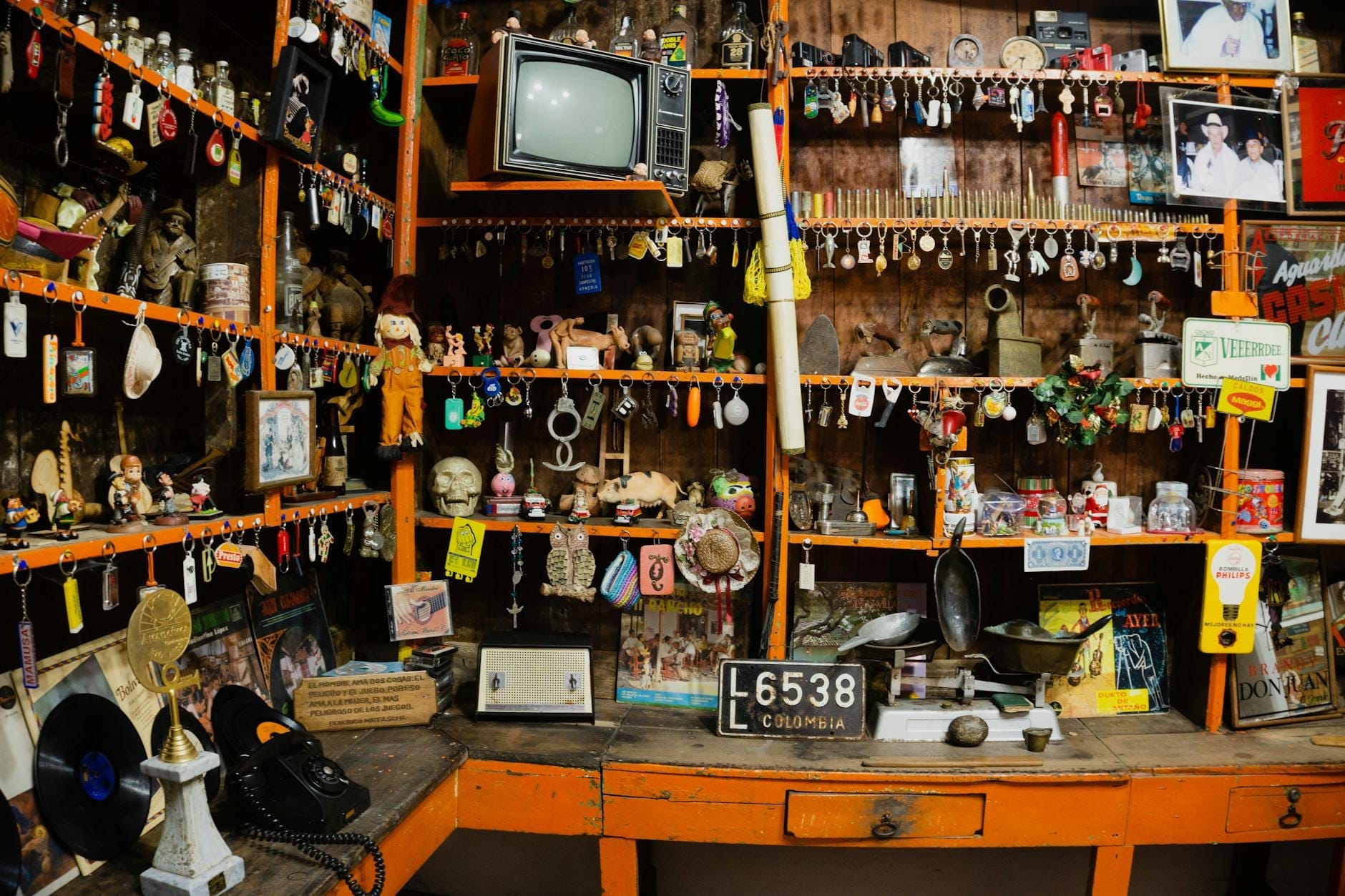
20. Explore Louisiana Voodoo History at the Historic Voodoo Museum
Small, atmospheric, and genuinely informative, this French Quarter museum covers the history and practice of Louisiana Voodoo, the story of Marie Laveau, and the living spiritual tradition the city carries. Takes about 45 minutes and costs very little. Walk-in friendly most days.
Explore20. Explore Louisiana Voodoo History at the Historic Voodoo Museum
Small, atmospheric, and genuinely informative, this French Quarter museum covers the history and practice of Louisiana Voodoo, the story of Marie Laveau, and the living spiritual tradition the city carries. Takes about 45 minutes and costs very little. Walk-in friendly most days.
Explore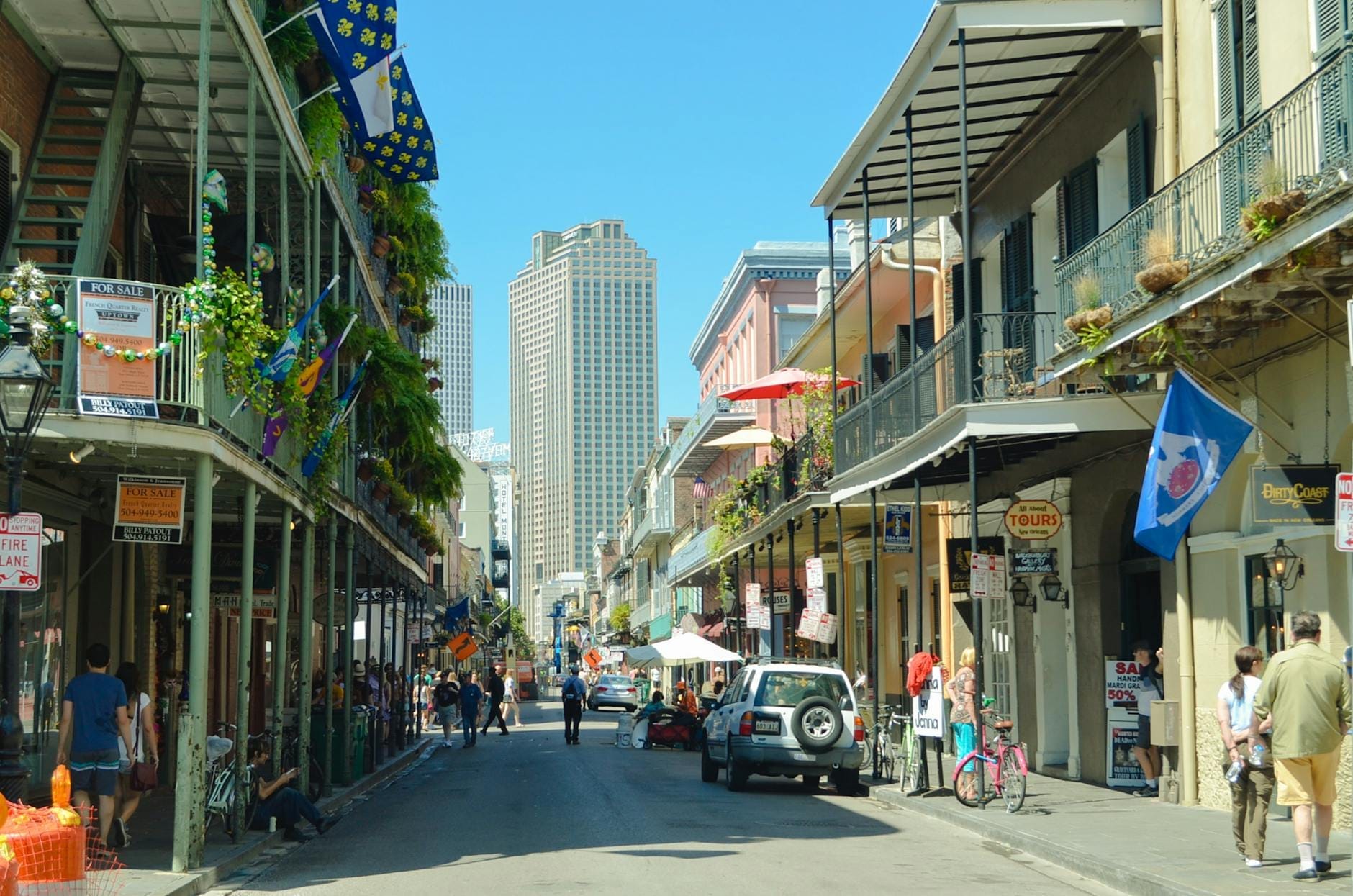
21. Experience Bourbon Street After Dark on Your Final Night
Loud, neon-lit, and unabashedly touristy, Bourbon Street is still an experience unique to New Orleans. Save it for your last night rather than your first: after Frenchmen Street and Preservation Hall, you'll understand exactly what it is and can enjoy it accordingly, without illusions.
Explore21. Experience Bourbon Street After Dark on Your Final Night
Loud, neon-lit, and unabashedly touristy, Bourbon Street is still an experience unique to New Orleans. Save it for your last night rather than your first: after Frenchmen Street and Preservation Hall, you'll understand exactly what it is and can enjoy it accordingly, without illusions.
ExploreFAQ
Is 3 days enough time for New Orleans?
Three days is enough to cover the French Quarter, Garden District, Tremé, one major museum, and the live music scene without feeling rushed. You won't exhaust the city, but you'll leave with a genuine sense of what makes it special. A fourth day would let you add City Park, the Bywater, or a plantation or swamp tour outside the city.
What is the best time of year to visit New Orleans for a 3-day trip?
March through May and October through November offer the best combination of manageable temperatures (60-82°F), lower humidity, and active event calendars. February can be ideal if your dates align with Mardi Gras, but expect crowds and higher hotel prices. Avoid June through September if heat and humidity are a concern.
How do I get around New Orleans without a car?
The French Quarter, Tremé, and Marigny are walkable. The St. Charles Streetcar ($1.25, exact change) connects Canal Street to the Garden District and Uptown efficiently. Uber and Lyft are widely available for trips to the CBD and the National WWII Museum. A car is only necessary for day trips outside the city, such as the Whitney Plantation or swamp tours.
Do I need to book attractions in advance for a 3-day New Orleans trip?
Yes, for a few key stops. The National WWII Museum sells out on weekends and during festivals. St. Louis Cemetery No. 1 requires an authorized guided tour — independent entry is not permitted (Archdiocese rule since 2015); book through Save Our Cemeteries or another approved operator in advance. Preservation Hall shows, especially weekend sets, sell out online. Everything else, including Café du Monde and most French Quarter sites, is walk-in friendly.
Is Bourbon Street worth visiting in New Orleans?
Bourbon Street is worth seeing once, best experienced late on a weekend night for the sheer spectacle. But it's not where locals go for music. Frenchmen Street in the Marigny is where you'll hear the best live jazz and brass band music in a far more authentic atmosphere. Aim to do both: Frenchmen Street early in your trip, Bourbon Street on your last night.