New Orleans Ghost Tours, Cemeteries & Voodoo Culture: The Complete Guide
New Orleans has earned its reputation as America's most haunted city through centuries of layered history, tragedy, and folklore. This guide covers the best ghost tours, cemetery visits, and voodoo cultural experiences — including what operators don't tell you before you book.
Plan and book this trip
Tools from our partner Travelpayouts help you compare flights and hotels. If you book through them, we may earn a commission at no extra cost to you.
Flights
Hotels map
TL;DR
- New Orleans ghost tours run nightly year-round, typically lasting around 2 hours through the French Quarter — rain or shine.
- The best tours combine documented history with local legend — standard French Quarter ghost walks pass sites like the LaLaurie Mansion. French Quarter ghost walks typically stay in the Quarter; cemetery tours — including St. Louis Cemetery No. 1 — are usually separate ticketed experiences requiring an Archdiocese-approved guide. Book them separately.
- Walking tours must legally end by 10 PM; late-night options shift to private carriage tours (max 8 guests).
- Voodoo in New Orleans is a living cultural tradition rooted in West African and Haitian religious practice — not a theme park attraction.
- October is the peak season for this experience — if you plan to visit around Halloween, book at least 2 weeks in advance and check our New Orleans Halloween guide for context.
Why New Orleans Is Different From Every Other 'Haunted' City
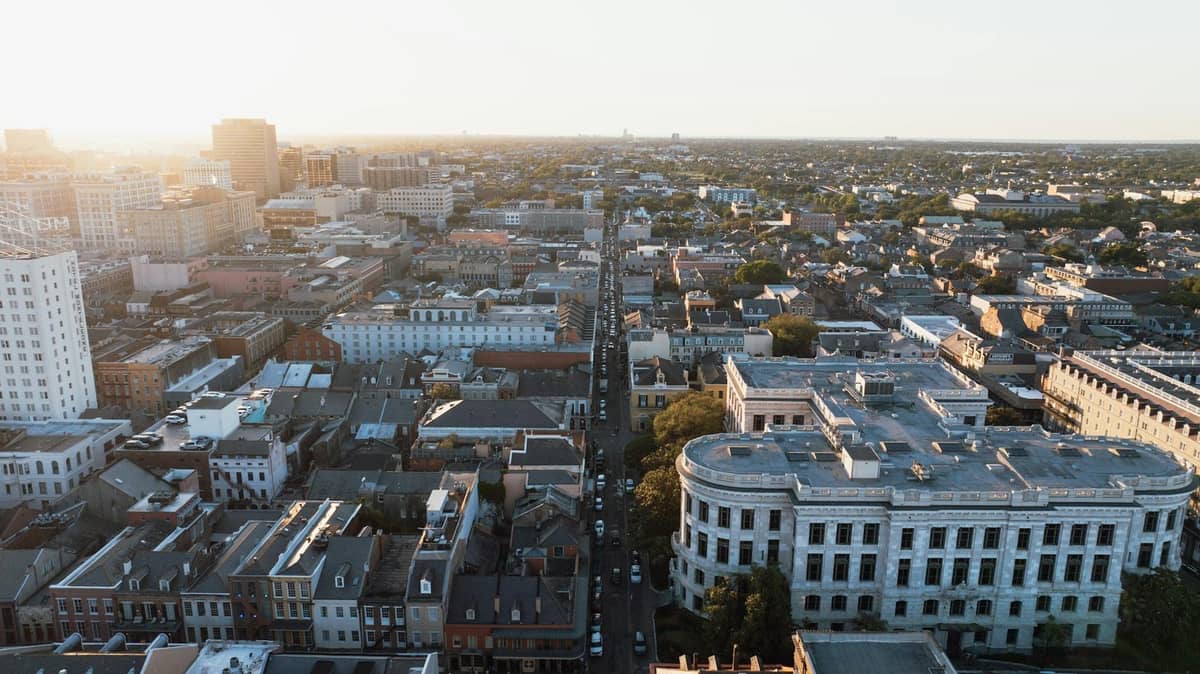
Most cities that market themselves as haunted are leaning on one or two famous buildings and a lot of creative license. New Orleans operates differently. The city sits mostly at or below sea level, has endured yellow fever epidemics that killed tens of thousands in the 19th century, survived the violence of the antebellum slave trade, and developed a syncretic spiritual culture that blends Catholicism with West African Vodou traditions. The darkness here has documented roots — which is exactly what makes the ghost tour industry in this city more substantive than most.
The French Quarter alone contains centuries of compressed tragedy and spectacle within roughly one square mile. The narrow streets, wrought-iron balconies, and courtyards that look romantic by day take on a different quality after dark. For visitors who want to understand the city's character beyond Bourbon Street and beignets, the ghost tour circuit is one of the more legitimate entry points into New Orleans history.
ℹ️ Good to know
New Orleans ghost tours are not purely entertainment. The best operators cite documented historical records — court proceedings, newspaper archives, death registries — to back up their stories. If a guide can't answer follow-up questions about the history, that's a sign you're on a low-quality tour.
The Major Ghost Tour Operators: How They Compare
There are more ghost tour operators in New Orleans than in almost any other American city, which means quality varies considerably. The major players have been running tours for decades and have refined their content. Newer or budget operators sometimes recycle the same ten stories with little historical depth. Here is how the established operators differ from each other:
- Haunted History Tours One of the oldest operators in the city, offering French Quarter walking tours, cemetery tours, vampire-themed routes, and pub crawl combinations. Good for first-timers who want a broad overview. Multiple departure times nightly.
- French Quarter Phantoms Specializes in murder and mystery narratives, leaning into the documented criminal history of the city rather than paranormal speculation. Better suited to history-focused travelers.
- Ghost City Tours Offers the 'Killers and Thrillers' format, which blends true crime with ghost lore. Popular with younger audiences. Tends to be more theatrical in presentation.
- Bloody Mary's Tours The most serious voodoo and occult-focused option. Tours cover authentic spiritual traditions rather than caricatures. Highly rated for depth, though not for visitors who want a light entertainment experience.
- New Orleans Ghost Adventures Strong emphasis on cemetery visits, true crime history, and voodoo lore. Note: cemetery access (including St. Louis Cemetery No. 1) requires a separate Archdiocese-approved guided tour — confirm exactly what each booking includes before purchasing.
✨ Pro tip
Book directly through the operator's official website rather than third-party aggregators. You'll often get the same price without a booking fee, and operators can contact you directly if a guide is ill or a departure is cancelled. Aggregator bookings sometimes create communication gaps on the night.
Cemeteries: What You Actually Need to Know Before Visiting
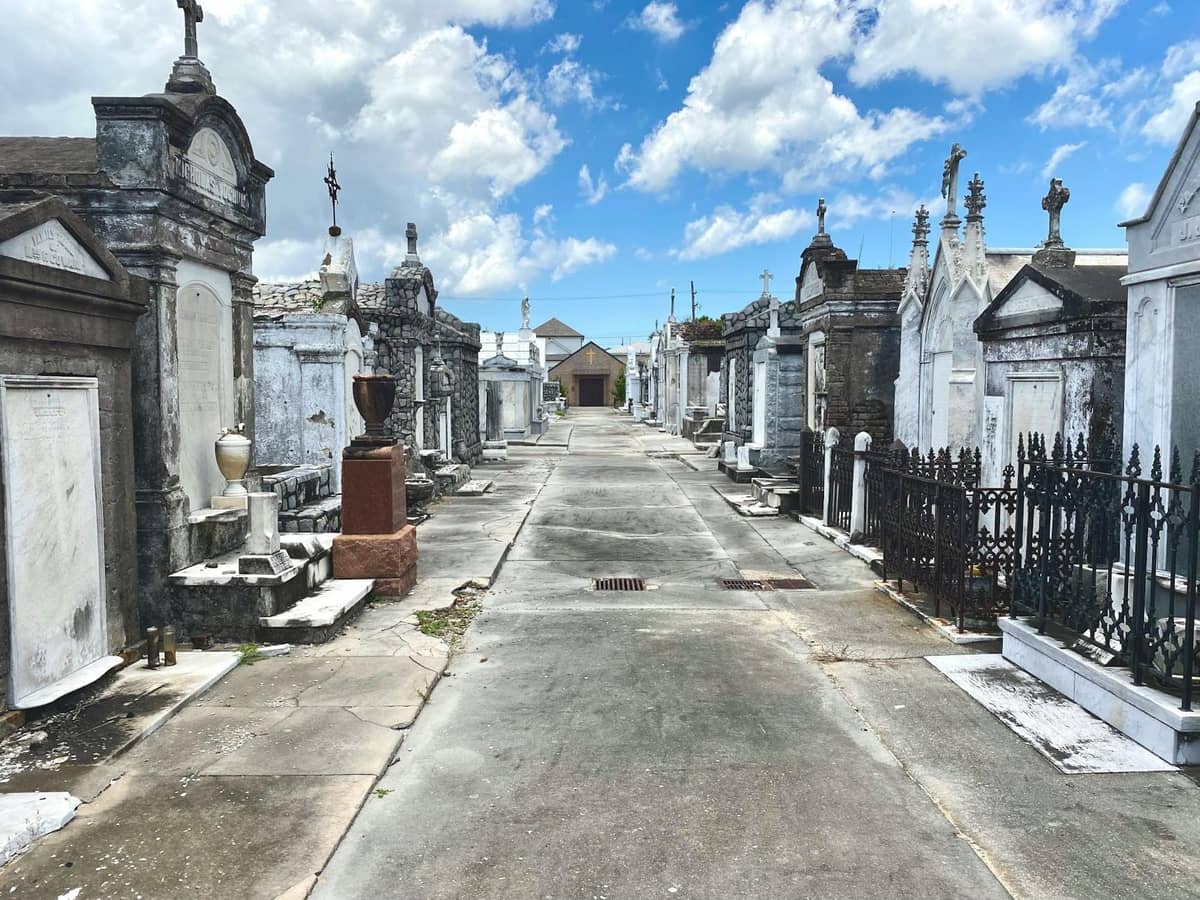
New Orleans cemeteries are the single most misunderstood attraction in the city. The above-ground tombs are not an architectural quirk or local eccentricity — they exist because the city's average elevation hovers between 0 and 6 feet above sea level, and historically the water table was so high that coffins buried underground would literally resurface after heavy rain. Above-ground interment solved a genuine engineering problem, and over centuries it produced some of the most architecturally distinctive burial grounds in the world.
St. Louis Cemetery No. 1, established in 1789, is the oldest surviving cemetery in New Orleans and sits just north of the French Quarter near Congo Square. Since 2015, the Archdiocese of New Orleans has required that visitors enter only with a licensed tour guide or with documented proof of visiting a family member's tomb. This rule exists because years of unsupervised tourist traffic caused genuine damage to the tombs — including vandalism at the tomb commonly attributed to Marie Laveau.
Lafayette Cemetery No. 1 in the Garden District is the more accessible option for independent visitors — it does not currently require a guided tour for entry and is set within a shaded, park-like landscape on Washington Avenue. It appears in Anne Rice's Vampire Chronicles novels, which adds a literary layer for fans. If you want to understand the cemetery culture in depth, a guided tour of St. Louis Cemetery No. 1 remains the more historically significant choice.
⚠️ What to skip
Do not attempt to enter St. Louis Cemetery No. 1 without a licensed guide. The Archdiocese actively enforces this policy, and visitors found inside without authorization can be cited. Trespassing reports from this cemetery are not uncommon during peak tourist season.
- St. Louis Cemetery No. 1 (1789): Oldest in the city, requires licensed guide, most historically significant
- St. Louis Cemetery No. 2: Less visited, contains tombs of notable Creole families
- St. Louis Cemetery No. 3: Located in Mid-City, more ornate 19th-century architecture
- Lafayette Cemetery No. 1 (Garden District): Open for independent visits, literary associations, good for self-guided walks
- Metairie Cemetery: Massive Victorian-era grounds with elaborate family mausoleums, no guided tour required
Voodoo Culture in New Orleans: Understanding What You're Actually Seeing
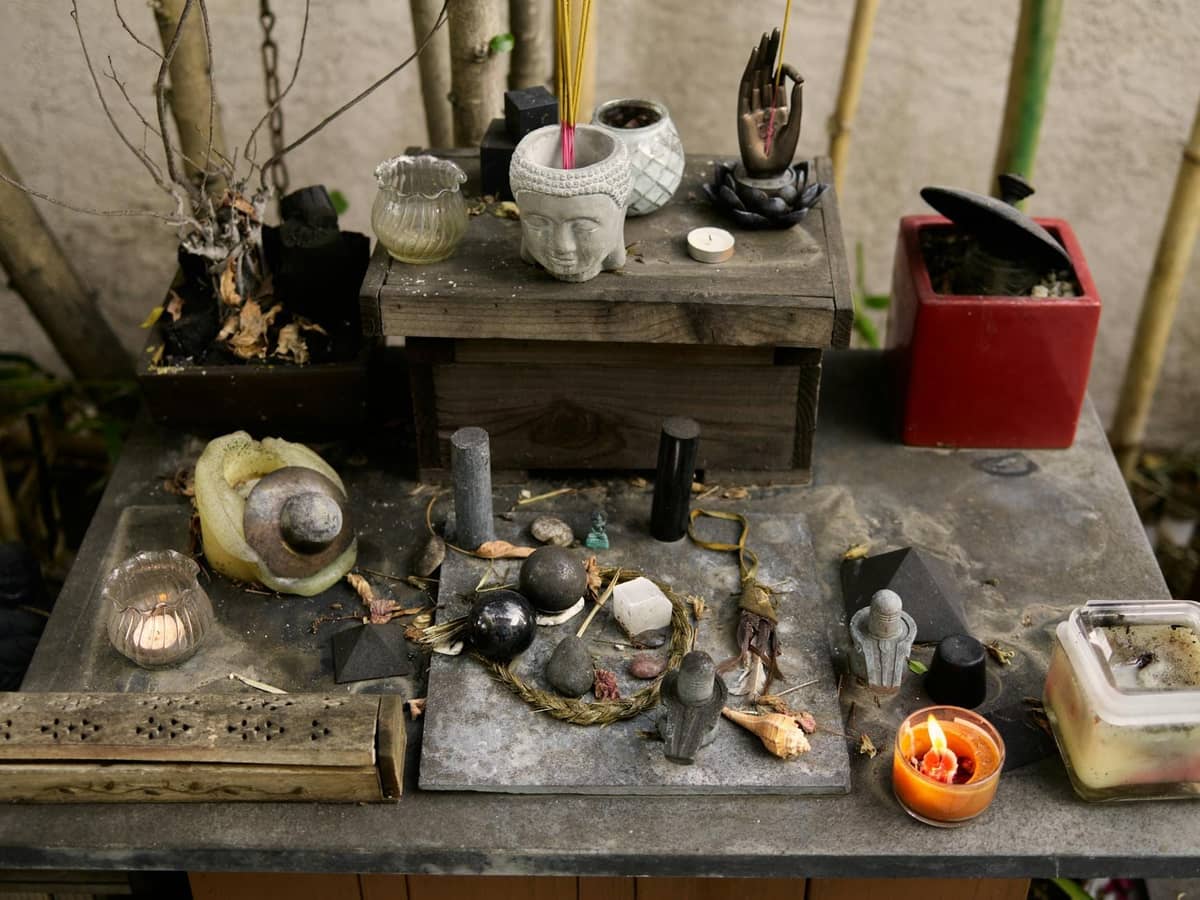
New Orleans Voodoo, sometimes called Louisiana Voodoo or Creole Voodoo, is a distinct spiritual tradition that developed in Louisiana through the convergence of West African religious practice (particularly from the Fon and Ewe peoples of Dahomey), Haitian Vodou, French Catholicism, and Native American botanical knowledge. It is a practiced religion with real adherents, not a Halloween costume.
Marie Laveau, who lived from approximately 1801 to 1881, is the figure most associated with the tradition in New Orleans. As a free woman of color who worked as a hairdresser and later as a spiritual leader, she wielded significant social influence across racial lines in antebellum New Orleans. Her tomb in St. Louis Cemetery No. 1 remains a site of ongoing spiritual observance. The New Orleans Voodoo Museum on Dumaine Street in the French Quarter provides the most structured introduction to the tradition's history, artifacts, and contemporary practice — it is small but carefully curated, and the staff can answer specific questions.
Voodoo shops throughout the French Quarter sell gris-gris bags, ritual candles, and spiritual supplies. Many of these are genuinely operated by practitioners. Others are purely commercial. The distinction matters if you care about authenticity: shops like Erzulie's on Royal Street and Island of Salvation Botanica in the Marigny have stronger reputations among those who study the tradition seriously. Buying a mass-produced 'voodoo doll' from a souvenir shop is fine as a memento but tells you nothing about actual practice.
Practical Logistics: Routes, Timing, and What to Expect
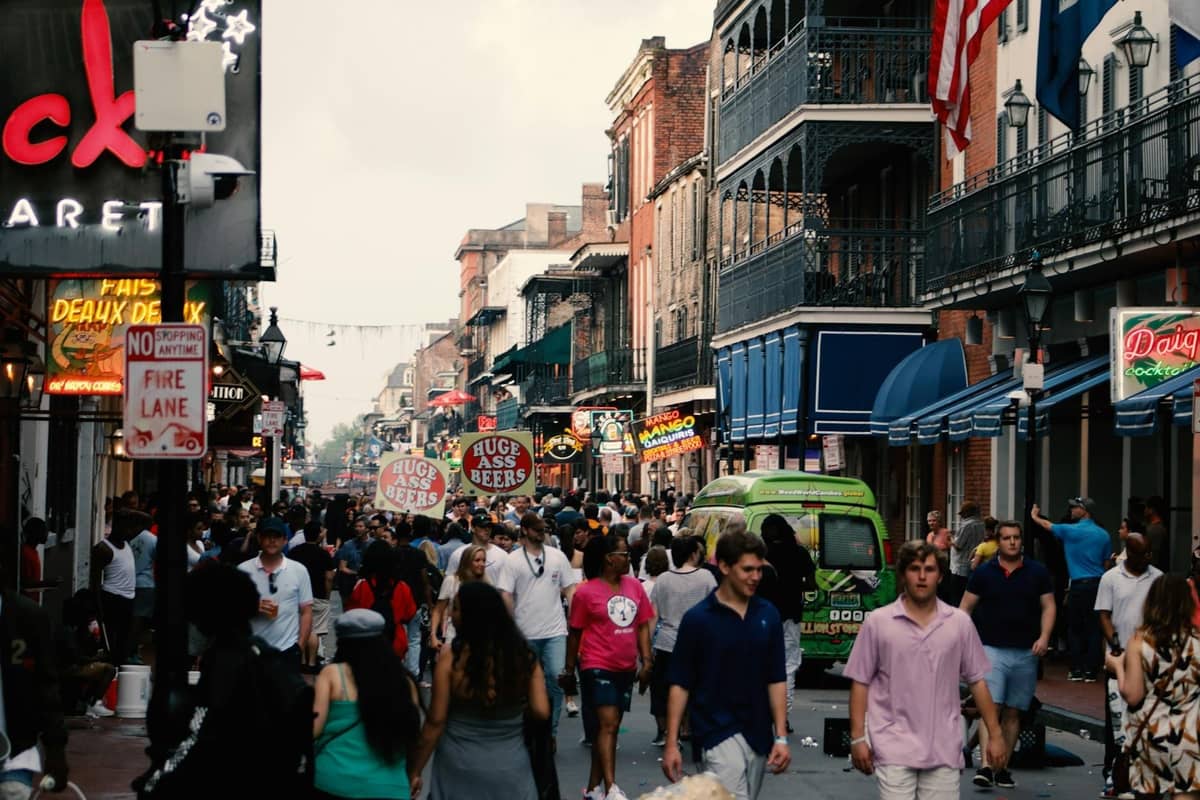
Standard walking ghost tours cover roughly 1 mile through the French Quarter over about 2 hours. Groups typically range from 10 to 25 people. Departures happen nightly, usually between 7 PM and 9 PM, with the tour ending by 10 PM as required by city ordinance. This means the tour finishes while the city is still very much alive, which can feel anticlimactic if you were expecting to stumble home through empty streets. That atmosphere doesn't exist in the French Quarter on any normal night.
For a more intimate experience after 10 PM, Royal Carriages offers late-night private carriage ghost tours limited to 8 passengers. These cover similar French Quarter territory but at a slower pace and with the added atmosphere of horse-drawn travel through gas-lit streets. Pricing is typically higher than walking tours; verify current rates directly with the operator.
Cemetery tours often depart from different meeting points than evening ghost walks. Many operators run daytime cemetery tours as a separate product, typically in the morning or early afternoon when light conditions are better for viewing the tombs. If you are also planning to visit Louis Armstrong Park or Jackson Square, you can efficiently combine a morning cemetery tour with afternoon exploration of the surrounding area.
- Wear comfortable, closed-toe shoes — French Quarter sidewalks are uneven and sometimes wet
- Bring a small umbrella or rain jacket year-round; tours run in rain
- Summer tours (June to August) have smaller groups but high humidity — heat index regularly exceeds 100°F
- October tours book out weeks in advance; reserve at least 2 weeks ahead for Halloween week
- Tipping guides is standard and appreciated — $5 to $10 per person is typical for a good tour
- Most tours are not recommended for children under 10 due to content and late departure times
Seasonal Considerations and When to Go
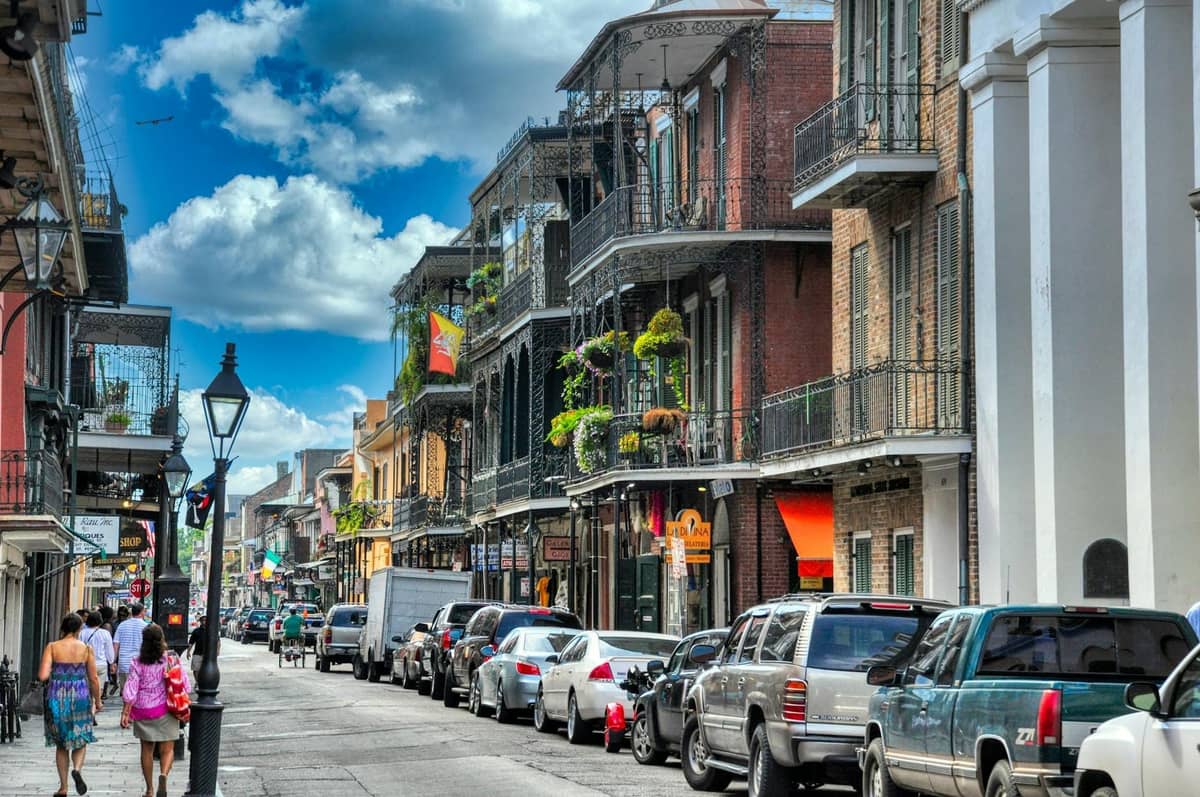
Ghost tours run every night of the year in New Orleans, which is genuinely unusual among American cities. That said, the experience changes considerably depending on when you visit. October is peak season for this specific niche — the city leans into the atmosphere with special events, and tour quality is generally at its highest as operators bring in additional guides. If you're planning a trip specifically around this theme, the full New Orleans in October guide covers the broader calendar of events.
Spring (March to May) offers some of the most comfortable conditions for evening walking tours, with temperatures in the mid-60s to low 70s Fahrenheit after dark. Summer tours are entirely viable but require preparation for the heat and humidity, even at night. Winter tours (December through February) have the smallest group sizes and can feel genuinely atmospheric in the cooler, quieter streets. Mardi Gras season (usually February or early March) creates scheduling conflicts and larger crowds that can affect the tour atmosphere considerably.
FAQ
Do New Orleans ghost tours actually go inside haunted buildings?
Rarely. Most ghost tours are conducted entirely outdoors, passing by the exterior of significant sites like the LaLaurie Mansion, the Bourbon Orleans Hotel, and various cemetery walls. Access to private properties is not part of standard tour packages. A few specialty experiences, like paranormal investigation tours run by some operators, may involve limited interior access to specific venues — these are advertised separately and cost significantly more.
Is it safe to do a ghost tour in New Orleans at night?
Walking ghost tours operate in the French Quarter, which is one of the most heavily trafficked areas of the city at night. The tours end by 10 PM per city ordinance, at which point the surrounding streets are still active. Standard urban precautions apply: stay with the group, keep valuables secured, and be aware of your surroundings when walking back to your accommodation. For specific safety context, the New Orleans safety tips guide covers the French Quarter in detail.
Do you need to book New Orleans ghost tours in advance?
During spring and fall, and especially in October, advance booking of at least a few days is advisable. Walk-up spots may exist on slower nights (typically weeknights in January through March), but relying on this during peak periods is a mistake. Halloween week is effectively sold out weeks in advance for the most reputable operators. Book directly through the operator's website for the most reliable confirmation.
What is the difference between a ghost tour and a voodoo tour in New Orleans?
Ghost tours focus on haunted sites, paranormal legends, and historical tragedies — the LaLaurie Mansion, yellow fever epidemic history, documented murders. Voodoo tours focus on the spiritual tradition of Louisiana Voodoo: the life of Marie Laveau, ritual practices, the role of the tradition in the city's cultural history, and visits to relevant sites like the Voodoo Museum or spiritual shops. Some operators combine both into a single tour; others treat them as distinct products. If you have a specific interest in the religious and cultural history of Voodoo, a dedicated voodoo tour will go considerably deeper than a standard ghost walk.
Can you visit New Orleans cemeteries without a tour?
It depends on the cemetery. St. Louis Cemetery No. 1, the most famous, has required visitors to enter with a licensed guide since 2015 — the Archdiocese of New Orleans enforces this actively. Lafayette Cemetery No. 1 in the Garden District can currently be visited independently during open hours. Metairie Cemetery is also open for independent visits. Always check current access policies before visiting, as restrictions can change.