Magazine Street: New Orleans' Best Six Miles for Shopping, Eating, and Wandering
Magazine Street runs six miles from the edge of the Central Business District through the Garden District and deep into Uptown, lined with independent boutiques, antique dealers, art galleries, and some of the city's most reliable neighborhood restaurants. It costs nothing to walk, and a half-day here tells you more about how locals actually live than almost anywhere else in the city.
Quick Facts
- Location
- Uptown New Orleans, running parallel to the Mississippi River from Canal St to Audubon Park
- Getting There
- St. Charles Avenue Streetcar stops within a few blocks; RTA buses serve the corridor
- Time Needed
- 2 to 5 hours depending on how many stops you make; the full length is best done in segments
- Cost
- Free to stroll; guided Garden District walking tours from ~$30/person (verify current pricing)
- Best for
- Independent shoppers, antique hunters, foodies, architecture lovers, and anyone wanting a break from the French Quarter
- Official website
- magazinestreet.com
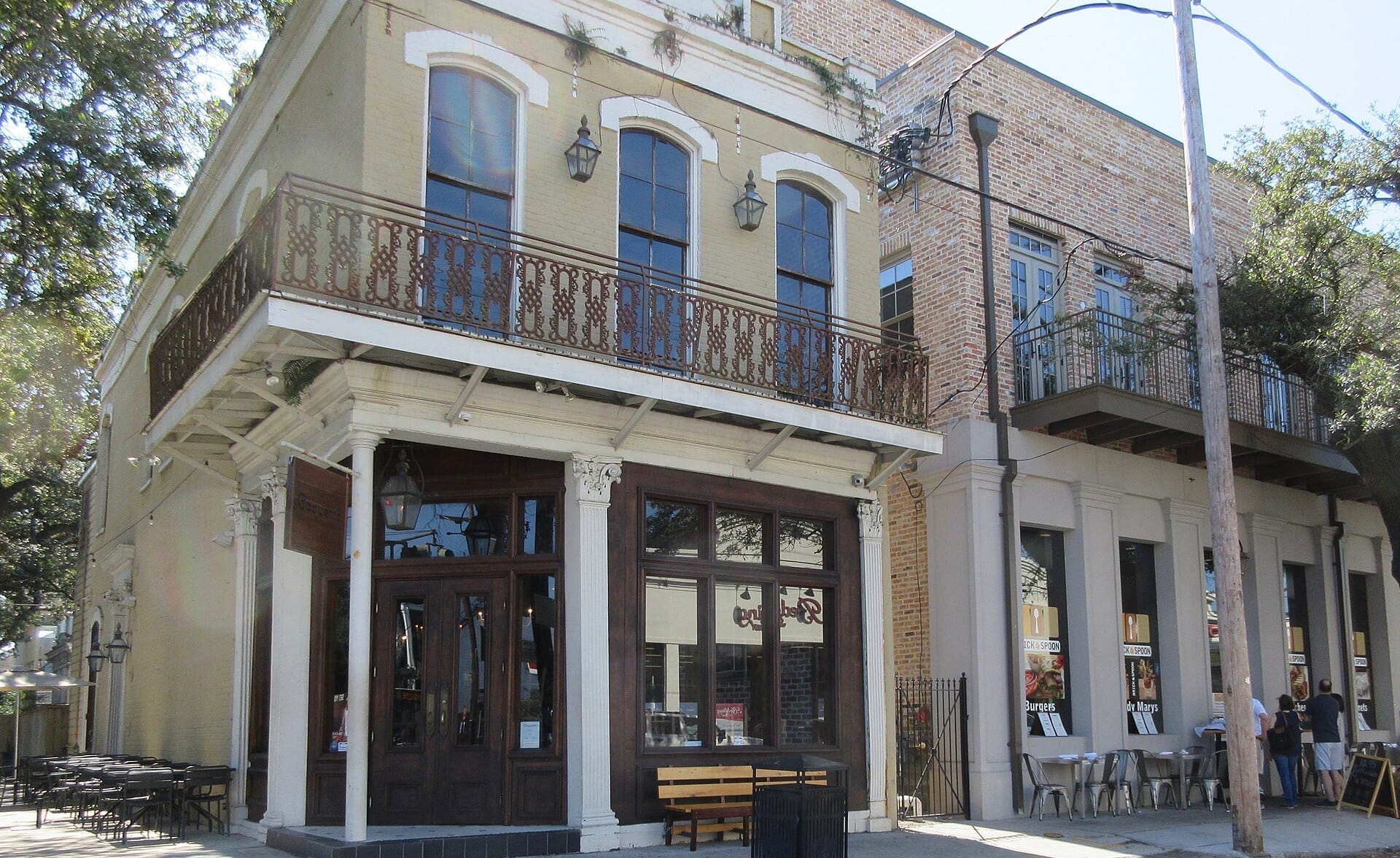
What Magazine Street Actually Is
Magazine Street is a six-mile (10 km) corridor that runs southwest from near Canal Street, threading through the Lower Garden District, the Garden District, and Uptown before it ends near Audubon Park and the university district. Its name is a direct inheritance from the French colonial era: "rue de magasins" simply means street of shops, and that description has remained accurate for over two centuries.
What makes Magazine Street worth your time is not any single landmark but the cumulative texture of the place. You are walking through a string of distinct neighborhood blocks, each with its own personality. The blocks closest to the CBD are looser and more utilitarian. As you move into the Garden District section, the architecture tightens up, shotgun houses and Creole cottages sit close to the sidewalk, oak branches reach over the street, and the mix of businesses starts to feel genuinely curated rather than accidental. By the time you reach Uptown, the street has a relaxed, almost residential rhythm, and the shops are smaller and more specialized.
💡 Local tip
You do not need to walk the full six miles in one go. Most visitors find the stretch between Felicity Street and Jefferson Avenue (the core Garden District section) covers the highest density of worthwhile shops and restaurants in the shortest distance. Uber or Lyft between segments if your feet give out.
How the Street Changes Through the Day
Morning on Magazine Street is quiet in a way that can feel almost residential. Coffee shops open early, but most retail is shuttered until 10 or 11 a.m. If you arrive before the shops open, you get the best light for looking at the architecture and you share the sidewalk only with dog walkers and people heading to work. The air is cooler, and in spring and fall, when temperatures sit in the low 70s, this is a genuinely pleasant hour to walk.
Midday brings foot traffic and more noise, but the street never gets congested in the way the French Quarter does. Weekend afternoons are the liveliest stretch of the week, particularly on Saturdays when locals do their serious shopping and the better restaurants fill up for lunch. Sunday hours are reduced at many shops, with noon being the common opening time, so factor that in if you are planning a Sunday visit.
By early evening, the character shifts again. Shoppers clear out, the restaurant and bar crowd takes over, and the street picks up a different energy, more relaxed and neighborly than the performance-driven nightlife of Bourbon Street. This is a genuinely local crowd having dinner and drinks, not tourists looking for a scene.
Tickets & tours
Hand-picked options from our booking partner. Prices are indicative; availability and final rates are confirmed when you complete your booking.
Spooky kid-friendly family ghost tour
From 32 €Instant confirmationFree cancellationWalking the Devil's Empire tour with HELLVISION™ in New Orleans
From 32 €Instant confirmationFree cancellationThe New Orleans haunted cemetery city bus tour
From 43 €Instant confirmationFree cancellationWhitney Plantation Tour
From 72 €Instant confirmationFree cancellation
What You Will Find: Shops, Galleries, and Food
The retail mix on Magazine Street skews heavily independent. You will find antique dealers ranging from serious high-end operations with 19th-century Louisiana furniture to cluttered, enjoyable shops full of vintage kitchenware and old jazz records. The antique density is highest in the lower blocks, roughly from Magazine and Felicity up toward Louisiana Avenue. Prices are negotiable at most antique stores, and browsing without buying is entirely normal.
Art galleries appear throughout the corridor, with work ranging from local folk art and Mardi Gras-influenced pieces to contemporary photography and sculpture. If you have any interest in New Orleans visual art, this is a better place to look than most tourist-facing galleries in the French Quarter, which tend to sell to a price point rather than a sensibility.
The food options along Magazine Street are reliable and varied. You will pass po-boy shops, brunch spots, wine bars, and neighborhood restaurants serving updated Louisiana cooking. For anyone putting together a broader eating plan, the street fits naturally into a New Orleans dining itinerary without any detour required.
Clothing boutiques, bookstores, kitchen shops, and jewelry stores fill in the gaps between food and antiques. Most of what you find here is not available at the airport or the French Market. If you are buying souvenirs with any intention of using them at home rather than putting them on a shelf, Magazine Street is the better hunting ground.
The Architecture Around You
Walking Magazine Street is also a low-key architecture tour. The street runs parallel to and within a few blocks of the grand mansions on Prytania Street, and the area between the two is full of Greek Revival cottages, Italianate doubles, and raised center-hall houses that date from the mid-to-late 19th century. Many have been converted to commercial use at street level while retaining their original facades. The Garden District section of Magazine is particularly strong on intact 19th-century commercial streetscape, with wrought iron details, wide gallery porches, and buildings that have stayed in roughly the same use for generations.
The urban scale here is worth noting. Buildings are two stories at most, sidewalks are wide, and the street trees, mostly live oaks, create a canopy that provides genuine shade in summer. In July and August, when temperatures in New Orleans regularly reach 92°F (33°C) with high humidity, that shade makes a meaningful difference to how comfortable the walk feels.
Getting There and Getting Around
The St. Charles Avenue Streetcar runs parallel to Magazine Street roughly three blocks upriver. You can ride to any stop between Lee Circle and Carrollton and walk across to Magazine in under five minutes. The streetcar is the cheapest and most reliable way to reach the street from the French Quarter or the CBD, and it is part of the experience of moving through Uptown.
Street parking exists along Magazine and the side streets, but it fills up quickly on weekend afternoons. If you are driving, arrive before 11 a.m. or use a parking app to find a lot nearby. The street itself is entirely walkable, and the grade is flat throughout, which makes it accessible for most mobility levels. Individual shops have varying accessibility inside, so it is worth calling ahead if that matters to your group.
ℹ️ Good to know
Magazine Street hours are not unified. Most retail opens between 10 a.m. and noon and closes between 5 and 7 p.m. Restaurants often run later. Many shops are closed on Mondays. Check individual business websites before making a trip specifically for one store.
Honest Limitations: When Magazine Street Is Not Worth Your Time
Magazine Street is not a destination with a single payoff. There is no singular sight to see, no experience with a clear beginning and end. Travelers who prefer structured itineraries, museum visits, or attraction-focused days may find an afternoon here feels unanchored. If you are in New Orleans for only one day and you have not yet seen the French Quarter, Jackson Square, or the National WWII Museum, this is not where you should start.
The street also requires some tolerance for heat and walking, especially in summer. June through September, the humidity alone can make a two-hour walk feel genuinely exhausting by noon. If you are visiting in peak summer, either start early or combine Magazine Street with an indoor anchor like the National WWII Museum, which sits at the CBD end of the corridor and has excellent air conditioning.
Shoppers looking for chains, malls, or predictable retail will not find much satisfaction here. The independent nature of the street, which is its main appeal for most visitors, is exactly what makes it frustrating for people who want to know what to expect before they arrive.
Photography Notes
The best light for street photography on Magazine is in the morning, before 10 a.m., when the sun is low and the shadows from the oak canopy create layered patterns across the sidewalk and storefronts. Overcast days are actually workable here because the tree cover already diffuses direct sun, and the colors of the painted facades pop without harsh contrast.
The street itself photographs well from intersections looking down the corridor, which gives you the sense of the tree canopy and the low building scale simultaneously. If you are assembling shots for a broader visual record of the city, combine Magazine Street with nearby Audubon Zoo or a walk through the surrounding residential blocks for a full picture of Uptown New Orleans.
Insider Tips
- The blocks between Arabella Street and Exposition Boulevard, just before Audubon Park, are often overlooked. Foot traffic drops off, prices in the shops tend to be lower, and the neighborhood architecture here is some of the most intact on the street.
- Many antique dealers on Magazine Street will negotiate on price, especially later in the week when turnover pressure is higher. Asking politely is standard practice and not considered rude.
- If you want to eat on Magazine Street without a wait, aim for 11:30 a.m. or after 2 p.m. The window between noon and 1:30 p.m. on weekends sees the longest queues at popular spots.
- The Magazine Street Merchants Association website (magazinestreet.com) maintains an updated business directory, which is the most reliable way to check which shops are currently open before making a trip.
- Combine Magazine Street with a Garden District walking tour to add historical depth to what can otherwise feel like a shopping strip without context. Several walking tour operators start from the Magazine and Washington Avenue area.
Who Is Magazine Street For?
- Independent shoppers and antique hunters who want to find things they cannot buy at home
- Foodies looking for reliable neighborhood restaurants away from French Quarter tourist pricing
- Architecture enthusiasts interested in 19th-century New Orleans commercial and residential streetscapes
- Travelers on a second or third visit to New Orleans who have already covered the main attractions
- Anyone who wants a low-pressure afternoon in a neighborhood that actually functions as a neighborhood
Nearby Attractions
Other things to see while in Uptown:
- Audubon Zoo
Set inside Audubon Park in Uptown New Orleans, Audubon Zoo is a 58-acre wildlife park that traces its roots to the 1884 World's Industrial and Cotton Centennial Exposition. With more than 2,000 animals and strong conservation credentials, it's one of the city's most substantive family attractions — though it rewards visitors who plan carefully.