Where to Eat in New Orleans: Best Restaurants & Food Areas
New Orleans food is unlike anywhere else in America. This guide breaks down the best restaurants by neighborhood and style, from century-old Creole institutions to the modern kitchens adding a contemporary edge to the city's already legendary food scene.
Plan and book this trip
Tools from our partner Travelpayouts help you compare flights and hotels. If you book through them, we may earn a commission at no extra cost to you.
Flights
Hotels map
TL;DR
- New Orleans food culture runs deep: Creole, Cajun, French, and African culinary traditions overlap in ways that produce genuinely unique dishes you won't find elsewhere.
- The French Quarter has iconic spots but the best everyday eating often happens in neighborhoods like the Garden District, Treme, and Marigny.
- Historic institutions like Antoine's (est. 1840) and Dooky Chase's are worth it, but don't assume iconic means formal — many legendary spots are fully casual.
- For context on when to visit for the best dining experience, check the best time to visit New Orleans guide.
Why New Orleans Food Is Different
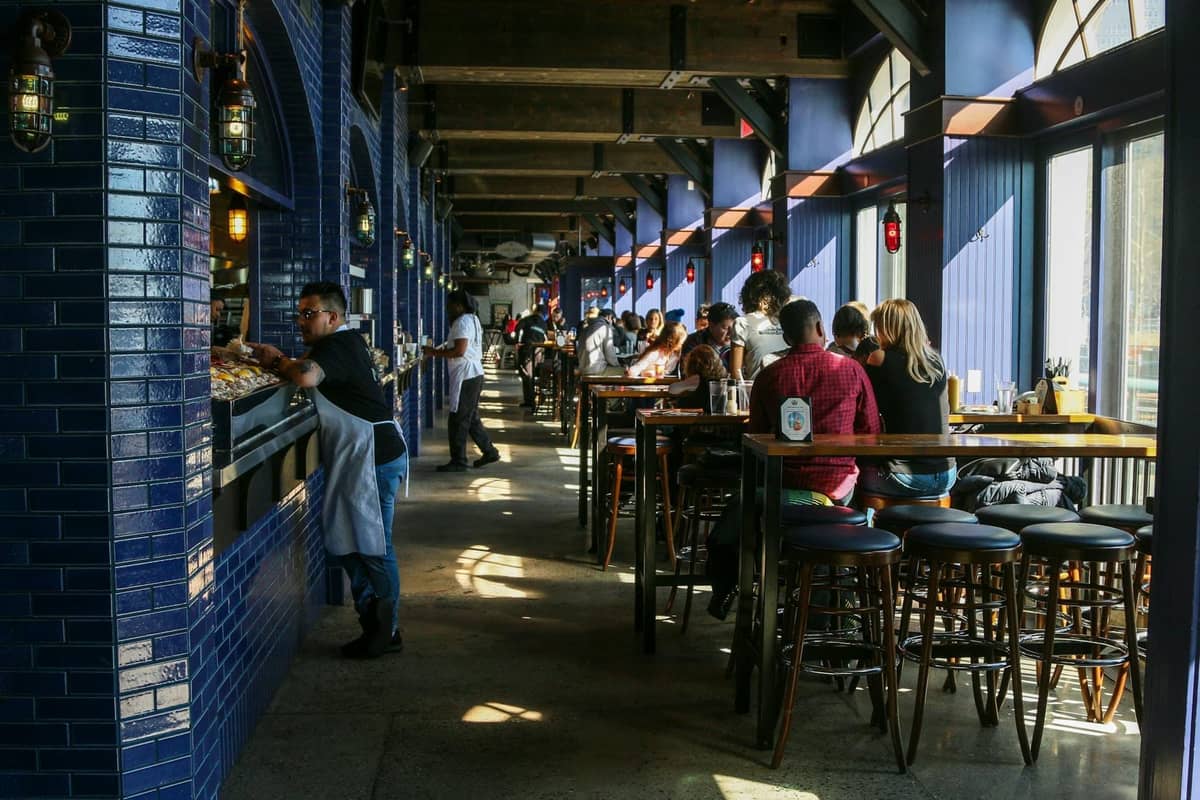
Few cities in the world have a culinary identity this specific. New Orleans food is the product of centuries of layered immigration: French colonists, Spanish rulers, West African enslaved people who brought okra, black-eyed peas, and cooking techniques, and later Sicilian, German, and Caribbean influences. The result is Creole cuisine, a genuinely hybrid tradition that doesn't map onto anything else. Cajun cooking, which gets conflated with Creole constantly, is a different tradition rooted in the rural bayou parishes outside the city. Both appear on menus here, sometimes on the same menu.
Understanding that distinction helps you order better. A classic Creole dish like shrimp étouffée uses a butter-enriched roux and tomatoes; a Cajun version skips the tomatoes and leans into the spice. Dishes like red beans and rice (a Monday tradition in New Orleans homes for centuries), oysters Rockefeller, bananas Foster, and the muffuletta sandwich are all local inventions with specific origin stories. If you want the full picture of what to order, the complete New Orleans food guide covers every essential dish and where to find the best version of each.
ℹ️ Good to know
New Orleans Restaurant Week runs periodically throughout the year with prix-fixe menus at top restaurants, offering a rare chance to try expensive establishments at reduced cost. Check neworleans.com/restaurantweek for current dates before your trip.
The Best Food Neighborhoods
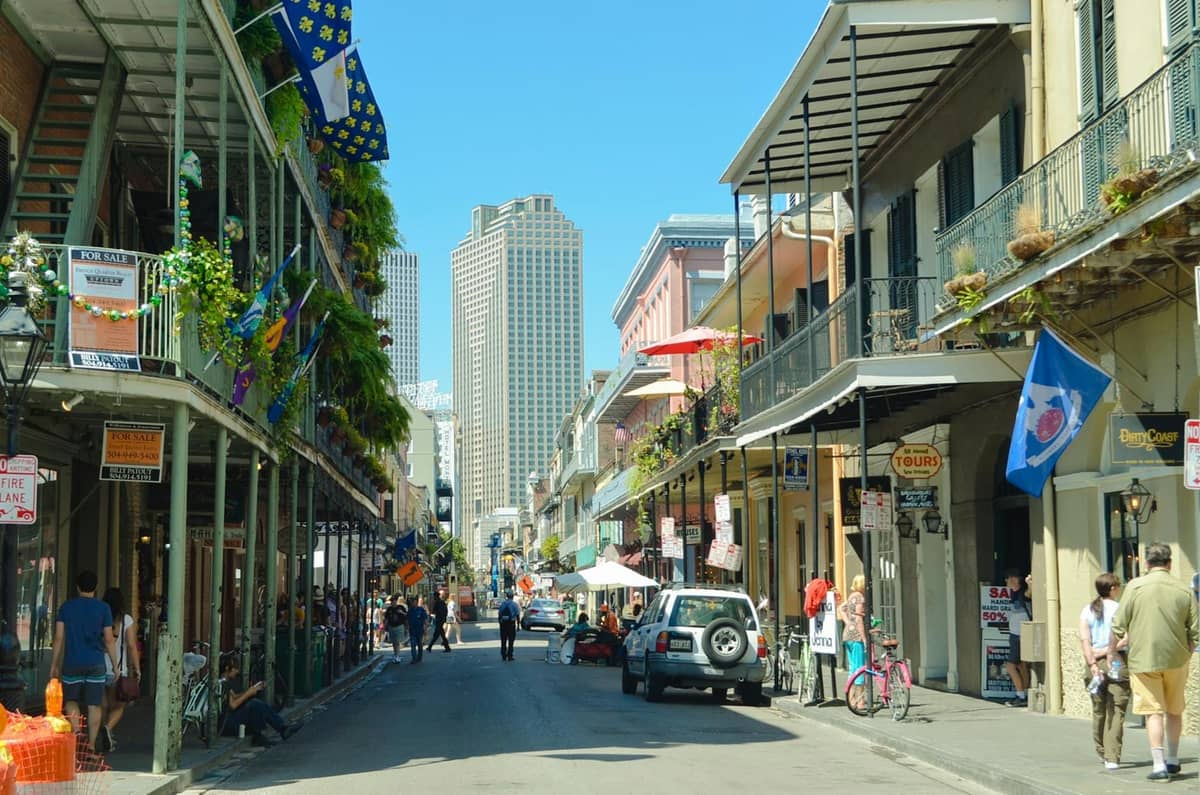
Where you eat in New Orleans matters almost as much as what you eat. The French Quarter gets the most tourist traffic and has some genuinely great restaurants, but it also has more than its share of overpriced, mediocre spots designed to catch visitors who don't know better. The surrounding neighborhoods tend to offer better value and more authentic cooking.
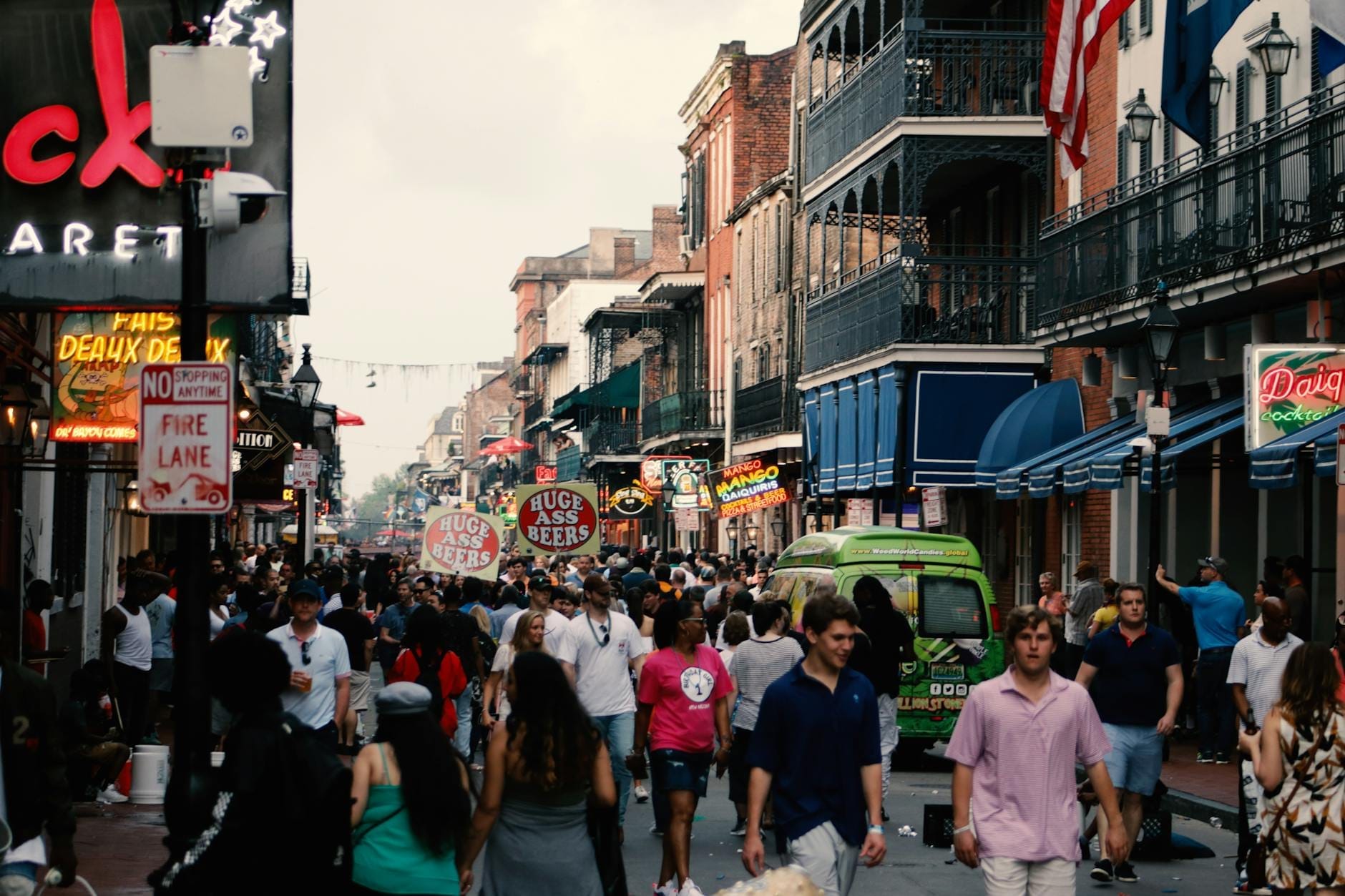
- French Quarter Home to Antoine's, Galatoire's, and Brennan's — the grand old Creole dining rooms that defined the city's reputation. Worth visiting for the experience, but book ahead and budget accordingly. Avoid the obvious tourist traps on Bourbon Street itself.
- Treme One of the oldest African American neighborhoods in the country and the home of Dooky Chase's, the restaurant Leah Chase ran for decades and where presidents and civil rights leaders ate. Soul food and Creole cooking at its most historically significant.
- Garden District and Uptown Magazine Street and its side streets have some of the city's best contemporary restaurants. Willa Jean on Magazine Street draws crowds for good reason. Quieter than the Quarter, easier to get a table, and generally better value.
- Mid-City Toup's Meatery on N. Carrollton Ave is the standout here — chef Isaac Toups built a national reputation on smoked meats and Cajun technique. The neighborhood also has a strong Vietnamese food presence, especially along Tulane Ave.
- Marigny and Bywater Younger, more experimental dining scene. Better for late-night food after catching live music on Frenchmen Street. Smaller, independent spots rather than institutions.
If you're planning a full itinerary around food, pairing neighborhoods with nearby attractions makes the most sense. A lunch at Dooky Chase's pairs naturally with a visit to Congo Square and Louis Armstrong Park in the same afternoon.
Historic Institutions Worth the Hype
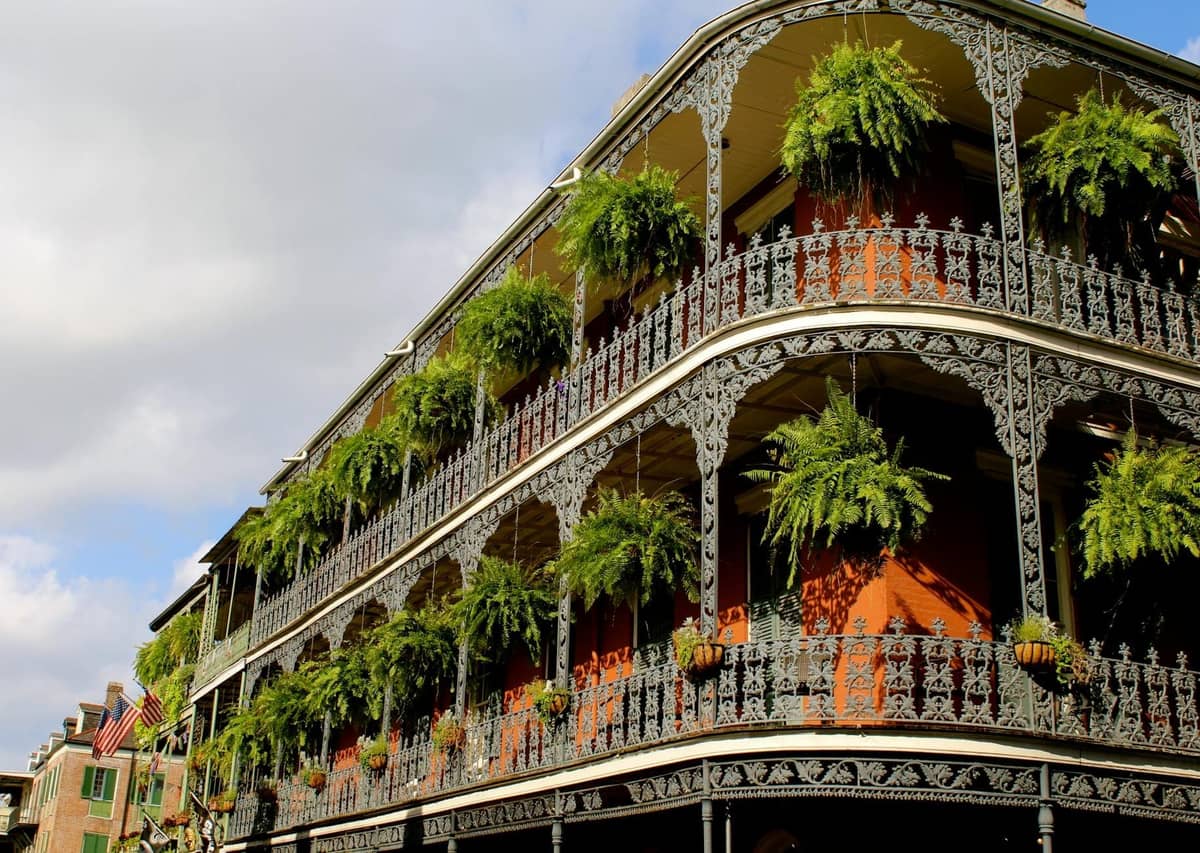
Antoine's Restaurant, at 713 St. Louis Street in the French Quarter, opened in 1840 and has been run by the same family for six generations. It holds the record as the oldest continuously operated restaurant in the United States. The food is classical French-Creole: oysters Rockefeller (which Antoine's claims to have invented), pompano en papillote, and soufflé potatoes. The room is grand in the old sense, with white tablecloths, bow-tied waiters, and photographs covering every wall. Business casual is the expectation — collared shirts for men, jackets preferred. Reservations are essential, especially on weekends.
Dooky Chase's Restaurant, at 2301 Orleans Avenue in the Treme neighborhood, is the other pillar of historic New Orleans dining. The late Leah Chase, who ran the kitchen until her death in 2019 at age 96, was as important a figure in New Orleans food culture as anyone. The restaurant serves Creole soul food: fried chicken, red beans, gumbo z'herbes. The lunch buffet (Tuesday through Friday, 11am-3pm) is the most accessible entry point (check current service format — lunch format varies; verify on the official site). Dress is casual, no reservations required for lunch, though dinner on Fridays (5-9pm) benefits from calling ahead.
⚠️ What to skip
Neither Antoine's nor Dooky Chase's lists current prices on their websites. Both can be significantly more expensive than you expect, particularly Antoine's at dinner. Budget around $60-100 per person with wine at Antoine's; Dooky Chase's lunch buffet is considerably more affordable. Verify current prices directly before visiting.
Modern Restaurants Making Noise Right Now
The contemporary New Orleans dining scene has exploded over the past decade, and 2026 is shaping up to be a landmark year. In May 2026, New Orleans hosts the North America's 50 Best Restaurants awards, bringing the continent's top chefs and serious food media to the city. This has already boosted attention on a generation of New Orleans chefs who were doing exceptional work without much national recognition.
Willa Jean, at 4238 Magazine Street in the Garden District, is the kind of all-day restaurant that a neighborhood builds its food identity around. Chef Kelly Fields made her name here with biscuits, fried chicken sandwiches, and a pastry program that treats dessert as seriously as the main menu. It works for breakfast through dinner, serves the full range of New Orleans comfort food impulses, and doesn't require a reservation for most meal times, though brunch weekends can get busy. Dress is casual.
Toup's Meatery, at 845 N. Carrollton Avenue in Mid-City, is Isaac Toups's love letter to south Louisiana meat culture: cracklins, smoked boudin, cochon de lait, and a house-made charcuterie board that's worth the trip alone. Toups competed on Top Chef and parlayed that national exposure into a restaurant that's become a genuine local institution rather than a tourist draw. No reservations needed, casual dress, and portions lean large.
- Restaurants to watch in 2026 Succotash, Charmant, Saint Claire, Evviva, and The Husky have all been flagged by local food media as standout openings and rising names ahead of the 50 Best awards. These are worth researching if you want to eat somewhere that feels current rather than established.
Practical Tips for Eating Well in New Orleans
Tipping at restaurants runs 18-20% as a baseline. Anything below 15% will be noticed. Service in New Orleans tends to be unhurried by design — the city's dining culture doesn't rush tables, which is pleasant when you're settled in and frustrating when you're hungry and in a hurry. Adjust your expectations accordingly.
Most top restaurants are concentrated in walkable areas, which makes neighborhood-hopping practical. The St. Charles Avenue streetcar connects the French Quarter area to the Garden District and Uptown for around $1.25, making it easy to eat lunch in one neighborhood and dinner in another without paying for rideshares every trip.
✨ Pro tip
Lunch is consistently the best value strategy at expensive New Orleans restaurants. Many of the grand Creole dining rooms offer the same kitchen, the same atmosphere, and the same dishes at lunch for 20-40% less than dinner prices. Antoine's, Galatoire's, and similar institutions are significantly more approachable at midday.
- Book dinner reservations at least 2-3 weeks ahead for top spots, especially during Mardi Gras (February/March), Jazz Fest (late April/early May), and the 2026 50 Best Restaurants event in May.
- The French Quarter is worth exploring for food beyond the tourist strip: Royal Street and the blocks around Jackson Square have legitimate restaurants away from the Bourbon Street chaos.
- For cheap, excellent eating: Vietnamese restaurants in Mid-City, the grab-and-go counter at Central Grocery (birthplace of the muffuletta), and po'boy shops throughout the city routinely outperform many expensive sit-down places.
- Seafood quality is exceptional here due to proximity to the Gulf. Oysters, blue crab, Gulf shrimp, and crawfish (in season, roughly February through May) are the things to order when they appear on menus.
- If you're eating on a tight budget, the guide to free and cheap options in the city has useful overlap with food: markets, food trucks, and neighborhood lunch spots that don't target tourists.
For travelers watching spending, the New Orleans on a budget guide includes specific food strategies including the best cheap lunch spots and which neighborhoods to avoid for overpriced tourist menus.
What to Eat: The Essential Dishes
A few dishes define New Orleans food in a way that's worth knowing before you arrive. Gumbo is the foundational dish: a rich, roux-based stew served over rice with combinations of seafood, chicken, andouille sausage, and okra. Every restaurant makes it differently, and the variations are worth sampling across multiple spots. Jambalaya is the other rice dish, drier and more directly spiced. Po'boys are the city's sandwich: French bread loaded with fried shrimp, oysters, roast beef, or catfish.
Beignets deserve their own mention. The version at Café du Monde in the French Quarter is what most visitors try first, but the lines are long and the experience is increasingly tourist-oriented. The beignets are still good. For a deeper look at where to get them and what to expect, the New Orleans beignets guide covers the full landscape including lesser-known alternatives.
FAQ
What is the best area in New Orleans to eat?
It depends on what you're looking for. The French Quarter has the historic grand Creole restaurants (Antoine's, Galatoire's) and is walkable, but also has tourist traps. The Garden District along Magazine Street has some of the best contemporary cooking. Mid-City is the place for Cajun-focused cooking and Vietnamese food. For the most authentic neighborhood experience, Treme (Dooky Chase's) and Marigny are worth the short trip.
What is New Orleans most famous food?
Gumbo is the dish most closely identified with New Orleans and Louisiana cooking. Beyond that, po'boys, red beans and rice, jambalaya, beignets, and crawfish étouffée are all iconic. Oysters, both raw and chargrilled, have an especially strong tradition here given the city's proximity to Gulf Coast oyster beds.
Do I need reservations at New Orleans restaurants?
For top-tier places like Antoine's, Commander's Palace, or any of the current hotspot restaurants, yes — book 2-3 weeks ahead, longer during Mardi Gras and Jazz Fest. Casual spots like Toup's Meatery operate on a walk-in basis. The general rule: the more famous the restaurant, the further ahead you should book.
Is the food in New Orleans expensive?
It ranges widely. The grand Creole institutions can run $60-100 per person with drinks. Mid-range restaurants typically run $25-50 per person. But the city also has excellent cheap eating: a po'boy from a good shop runs $10-15, a bowl of red beans and rice at a neighborhood spot can be under $10. Seafood at the market level (like boiled crawfish by the pound) offers great value during peak season.
What makes New Orleans food different from the rest of the South?
New Orleans food is Creole, not Southern in the conventional sense. The influence of French and Spanish colonial cooking, combined with West African culinary traditions and later Italian and Caribbean arrivals, produced a distinct cuisine. The use of the Holy Trinity (onion, celery, bell pepper) as a flavor base, the emphasis on roux, and the specific seafood traditions of the Gulf Coast set it apart from Appalachian, Lowcountry, or Texas barbecue traditions.