New Orleans on a Budget: How to Visit for Less
New Orleans has a reputation for indulgence, but the city offers more than 50 free or low-cost experiences year-round. From free sculpture gardens and streetcar rides to $7 breakfasts and no-cover live music, this guide shows exactly how to do NOLA without draining your wallet.
Plan and book this trip
Tools from our partner Travelpayouts help you compare flights and hotels. If you book through them, we may earn a commission at no extra cost to you.
Flights
Hotels map
TL;DR
- The St. Charles Streetcar costs $1.25 one-way and connects the French Quarter, CBD, and Garden District — it's the best transport deal in the city.
- Dozens of attractions are completely free, including Jackson Square, the Besthoff Sculpture Garden, and live music on Frenchmen Street.
- Travel midweek in winter (November through February, excluding Mardi Gras) for the lowest hotel rates.
- Bourbon Street is overpriced and overrated for food. Royal Street and Frenchmen Street give you better value and better experiences.
- Free walking tours, pay-what-you-wish museums, and Louisiana resident discounts are worth checking before you book. See our free things to do in New Orleans guide for the full list.
Getting to New Orleans Without Overpaying
Louis Armstrong New Orleans International Airport (MSY) sits about 15 miles from the French Quarter. Most visitors default to rideshare or taxis, but there's a significantly cheaper option: the RTA Airport Express bus (routes E2 and E3) runs to downtown for around $1.25 one-way. Journey time is roughly 45-60 minutes depending on traffic, and you'll need exact change or a Jazzy Pass (also called Le Pass on the RTA app — verify current pass name at norta.com) loaded via the RTA app. Verify current fares on the RTA website before travel, as prices are subject to change.
If you're arriving late at night or with heavy luggage, a shared shuttle service runs around $24-30 one-way, which beats the $36-45 flat-rate taxi or the $30-50 rideshare estimate during surge pricing. For solo travelers on a tight budget, the bus is the clear winner. For groups of three or more, splitting a rideshare often comes out cheaper than multiple shuttle seats.
💡 Local tip
The RTA Jazzy Pass offers unlimited rides on streetcars and buses. A 1-day pass costs $3, a 3-day pass $9. If you're staying 3+ days and plan to use public transit daily, the multi-day pass pays for itself by day two.
Getting Around the City Cheaply
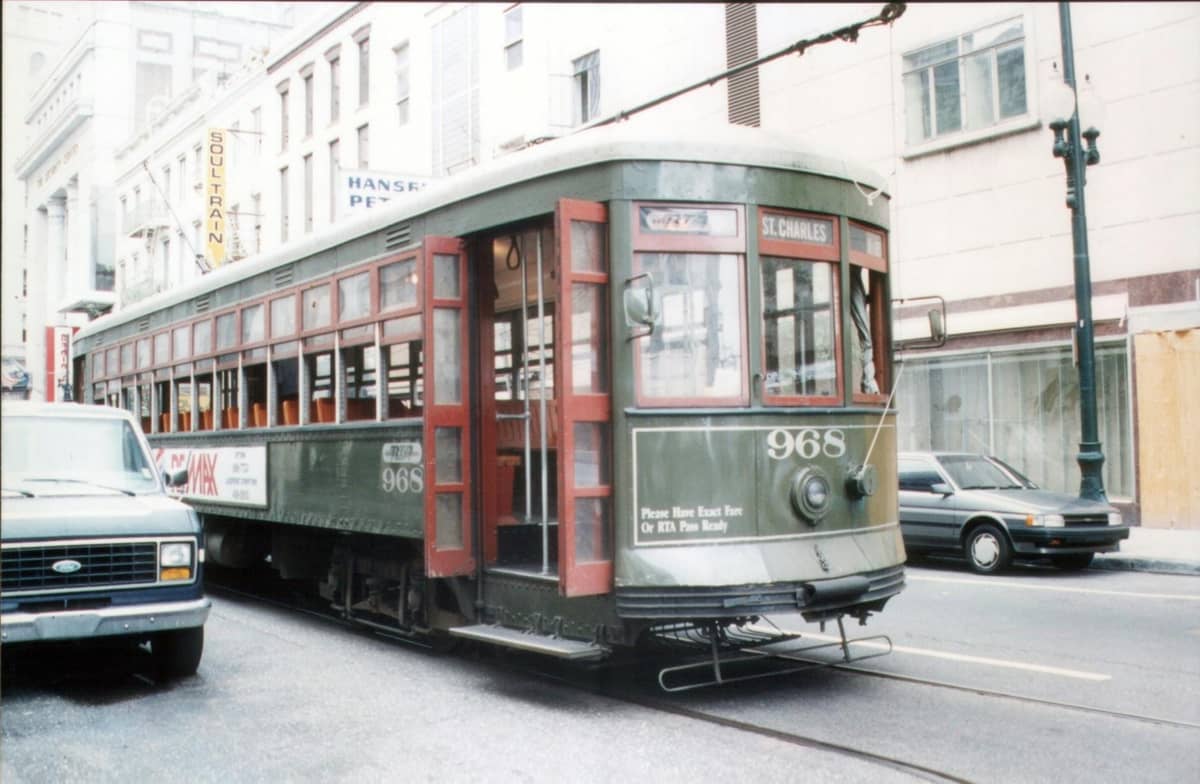
The St. Charles Streetcar is the oldest continuously operating streetcar line in the world, running since 1835. At $1.25 one-way, it's both a transport option and a sightseeing experience. The line connects the CBD and French Quarter to the Garden District and Uptown, passing antebellum mansions and century-old oak trees the entire way.
The Canal Street line extends toward City Park and Bayou St. John, giving budget travelers access to the New Orleans Museum of Art and the Besthoff Sculpture Garden without a taxi. For the French Quarter itself, walking is almost always faster and free. The entire Quarter is less than a square mile, and most of its main attractions are within comfortable walking distance of each other.
- St. Charles Streetcar $1.25 one-way; runs CBD through Garden District to Uptown. Requires exact change or Jazzy Pass.
- Canal Streetcar $1.25 one-way; connects Canal Street to City Park and Mid-City. Useful for NOMA and Bayou St. John.
- RTA Buses Citywide coverage for $1.25 per ride. Less scenic but practical for neighborhoods not on streetcar lines.
- Walking French Quarter and Marigny are entirely walkable. Garden District is a flat 15-20 minute walk from the CBD streetcar stop.
- Bike Share (Blue Bikes) Available across the city. Single rides start around $1 plus per-minute fees. Good for flat neighborhoods.
Free and Low-Cost Attractions
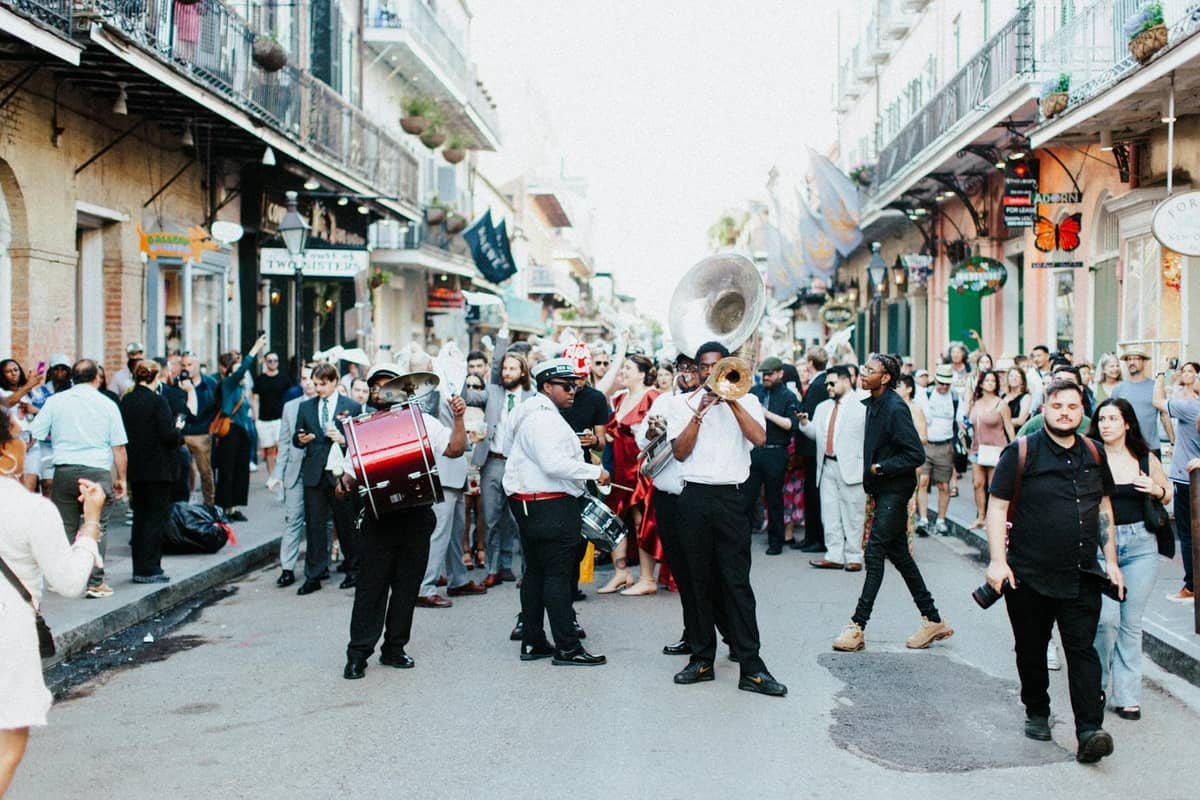
The most common misconception about New Orleans is that it's an expensive city to enjoy. In reality, the city's greatest draws cost nothing. Jackson Square is the social heart of the city — street musicians, portrait artists, tarot readers, and the magnificent facade of St. Louis Cathedral make it endlessly watchable at any hour, for free.
The Besthoff Sculpture Garden in City Park is legitimately world-class. Nearly 90 sculptures from artists like Henry Moore and Barbara Hepworth are scattered across moss-draped lagoons and live oak paths. Admission is free daily, and the surrounding City Park offers 1,300 acres of free green space, jogging paths, and picnic areas. This is one of the best free half-days in any American city.
For live music without a cover charge, Frenchmen Street in the Marigny neighborhood is the real deal. Unlike Bourbon Street, which charges covers and inflates drink prices, many Frenchmen clubs operate on a tip-the-musician model or charge $5-10 covers on weekends. Weeknight shows often have no cover at all. The outdoor Frenchmen Art Market also runs Thursday through Sunday and is free to browse.
- Jackson Square: Free, always open to the public
- St. Louis Cathedral exterior and most of the interior: Free
- Royal Street street performers and gallery browsing: Free
- Besthoff Sculpture Garden at City Park: Free daily
- City Park walking, jogging, and picnicking: Free
- Jean Lafitte National Historical Park Visitor Center: Free maps, exhibits, and ranger talks
- Louis Armstrong Park and Congo Square: Free to enter
- Frenchmen Street live music on weeknights: Usually free or low cover
- New Orleans Museum of Art (NOMA): Free for Louisiana residents on Wednesdays; otherwise $15 adults with senior, student, and child discounts
⚠️ What to skip
Bourbon Street is not the best value in New Orleans. Drinks are heavily marked up, cover charges at clubs can reach $20-30, and the food options lean toward tourist traps. Locals largely avoid it. For food and live music that reflect the real city, head to Frenchmen Street, Magazine Street, or the Marigny.
Where to Eat Well Without Spending Much
New Orleans has one of the most distinctive food cultures in the United States, and you don't need to spend $50 a plate to experience it. The city's most iconic food is also among its cheapest: beignets at Café du Monde cost around $5 for three, and the cafe is open 24 hours. Yes, it's touristy. It's also genuinely delicious and a legitimate piece of the city's culinary identity. See our New Orleans beignets guide for more options beyond the obvious.
Mother's Restaurant on Poydras Street is one of the most affordable spots for a filling, local breakfast. Their weekday early-bird breakfast has historically run around $7+ (verify current pricing before visiting). The po'boy, a local sandwich tradition, is available at dozens of spots for $10-15 and makes a proper lunch without restaurant prices. Central Grocery on Decatur Street invented the muffuletta sandwich, and a half feeds most appetites for under $12.
For a splurge that still represents value, the Court of Two Sisters jazz brunch has been priced around $29-35 for a buffet of roughly 60 Louisiana dishes served in one of the most beautiful courtyards in the French Quarter. It's not cheap, but for a special-occasion meal that includes live jazz, it delivers more per dollar than most comparable brunch spots in the city. Check their current pricing before booking, as it changes seasonally.
✨ Pro tip
The French Market on Decatur Street has stalls selling local snacks, hot sauces, and Creole seasonings at lower prices than souvenir shops. It's also a good spot to grab a cheap lunch. The further you walk from the core French Quarter blocks, the better the price-to-quality ratio at restaurants tends to be.
Budget-Smart Tours and Cultural Experiences
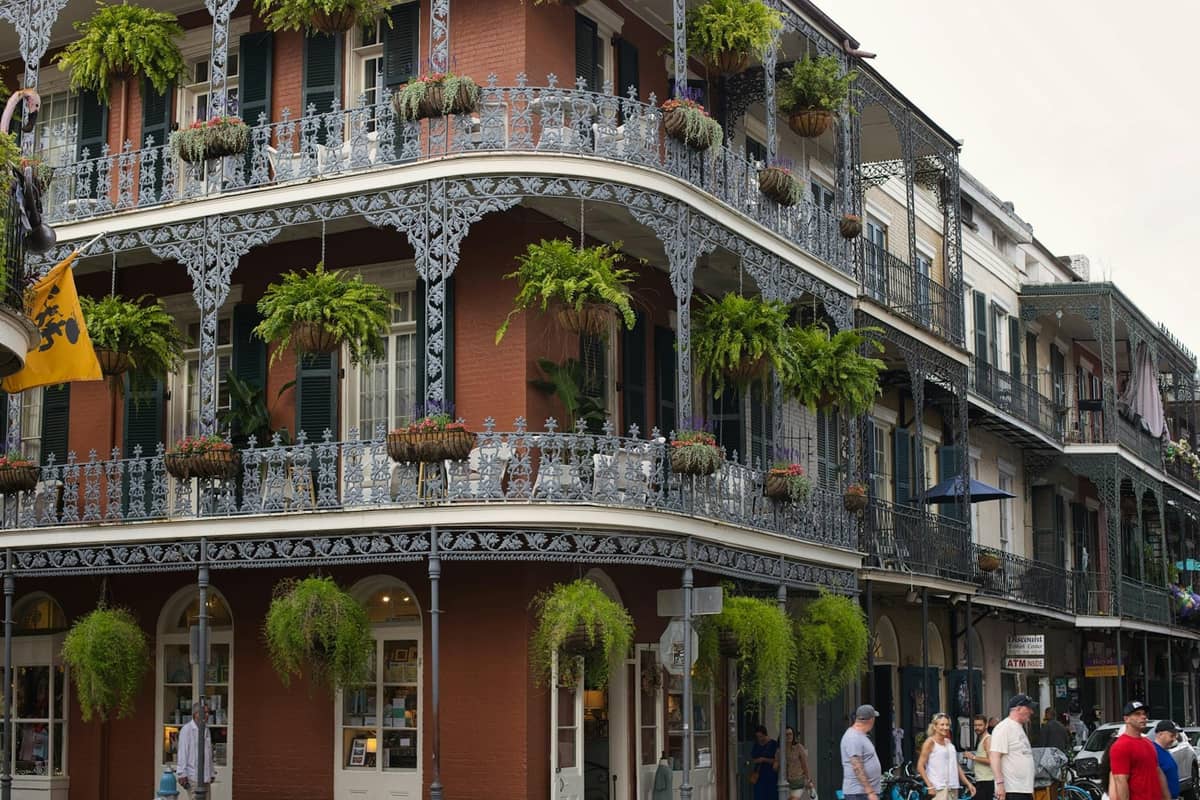
Paid tours in New Orleans don't have to break the budget. Free Tours by Foot operates pay-what-you-wish walking tours of the French Quarter and other neighborhoods. You pay what you feel the tour was worth at the end, which typically means $10-20 per person for a quality 90-minute tour. It's an honest model, and the guides are generally excellent. For context on the city's darker history, our guide to New Orleans ghost tours and voodoo covers what's worth booking and what's purely theatrical.
The New Orleans Museum of Art charges $15+ for adults but offers free admission to Louisiana residents every Wednesday, and student or senior discounts are available year-round. The adjoining Besthoff Sculpture Garden is always free. For history on a budget, the Cabildo and Presbytère on Jackson Square each charge around $10, and the Louisiana State Museum network offers combination pricing. The New Orleans Voodoo Museum charges around $7 and is small but genuinely informative about the city's African spiritual heritage.
When to Visit for the Best Prices
Timing is the single biggest lever you can pull on a New Orleans budget trip. The best time to visit New Orleans for value is January and early February (before Mardi Gras), and again in late October through November. Hotel rates during these windows can be 40-60% lower than peak season. The city's weather in November (62-82°F) is genuinely pleasant, crowds are manageable, and most attractions maintain normal hours.
Mardi Gras, Jazz Fest, and major Sugar Bowl weekends push hotel prices to their annual peaks, sometimes three to five times the normal rate. If your goal is budget travel, avoid these windows unless the event itself is your primary reason for visiting. Midweek trips also consistently outperform weekends on price: Tuesday and Wednesday nights can run $30-50 cheaper per night at mid-range hotels compared to Friday and Saturday.
Summer (June through August) technically offers lower hotel rates than festival season, but the heat and humidity are intense — regularly 90°F+ with heat indexes exceeding 100°F — and the hurricane season runs through October. Budget travelers who can tolerate the heat can find good deals, but factor in the cost of staying cool. Our New Orleans in October guide breaks down one of the best value months in detail.
ℹ️ Good to know
New Orleans has no metro system. The Regional Transit Authority (RTA) operates streetcars and buses. The Jazzy Pass (available via the Le Pass app or at transit stores) is the most cost-efficient way to manage transit costs across a multi-day trip. Cash riders must have exact change — drivers do not make change.
FAQ
What is the cheapest way to get from the airport to downtown New Orleans?
The RTA Airport Express bus (routes E2/E3) costs around $1.25 (verify current RTA fare) and connects the airport to downtown. Journey time is 45-60 minutes. It's the cheapest option by far, though shared shuttles (~$24-30) are a reasonable middle ground if you have a lot of luggage. Taxis run a flat rate of approximately $36-45; rideshares vary but typically cost $30-50. Verify current fares with the RTA before travel.
Can you enjoy New Orleans on $50 a day?
Yes, with planning. A $50-per-day budget covers the streetcar or bus for transport, free attractions like Jackson Square, City Park, and Frenchmen Street, plus a couple of affordable meals (beignets, a po'boy, or a plate lunch at a neighborhood restaurant). It gets harder if you want to enter paid museums or take guided tours, so prioritize your two or three must-pay experiences and fill the rest with free options.
Is Frenchmen Street really free for live music?
On weeknights, most Frenchmen Street venues have no cover charge. On weekends, some clubs charge $5-10. The outdoor portions of Frenchmen Street feature open-air music with no cost to listen. Tipping musicians is strongly encouraged and culturally expected — budget $5-10 per band you stop to hear.
What are the biggest tourist traps to avoid on a budget trip?
Bourbon Street restaurants and clubs represent the worst value in the city. Daiquiri shops and clubs on Bourbon charge inflated prices for mediocre product. Pre-packaged 'haunted tour' companies on Bourbon Street vary widely in quality. Souvenir shops immediately adjacent to Café du Monde are heavily marked up. For food, any restaurant displaying a generic 'Cajun and Creole' sign in the core French Quarter tourist zone warrants skepticism.
Are there free walking tours in New Orleans?
Yes. Free Tours by Foot operates pay-what-you-wish tours of the French Quarter and other neighborhoods. You pay at the end based on what you thought it was worth — typically $10-20 per person is standard. Several other operators offer similar models. Self-guided walking is also straightforward: the French Quarter is compact and well-signed, and apps like the Jean Lafitte National Historical Park audio tour are free.