Best Beignets in New Orleans (And Where to Actually Find Them)
New Orleans beignets are one of the city's great culinary institutions — pillowy, square-cut fried dough buried in powdered sugar, best eaten hot and fast. This guide covers where to go, when to show up, and which spots are worth skipping the tourist line.
Plan and book this trip
Tools from our partner Travelpayouts help you compare flights and hotels. If you book through them, we may earn a commission at no extra cost to you.
Flights
Hotels map
TL;DR
- Beignets are square fried dough (not donuts) dusted with powdered sugar — a Louisiana tradition with French Creole roots dating to the 1700s.
- Café du Monde at Jackson Square is the classic choice, open 24/7, but expect long waits — especially on weekends.
- Morning Call at City Park is the best low-crowd alternative with near-identical quality.
- Loretta's Authentic Pralines makes the most interesting beignet variation: filled with praline cream.
- Wear dark clothing — the powdered sugar lands on everything.
What Actually Makes a Beignet a Beignet
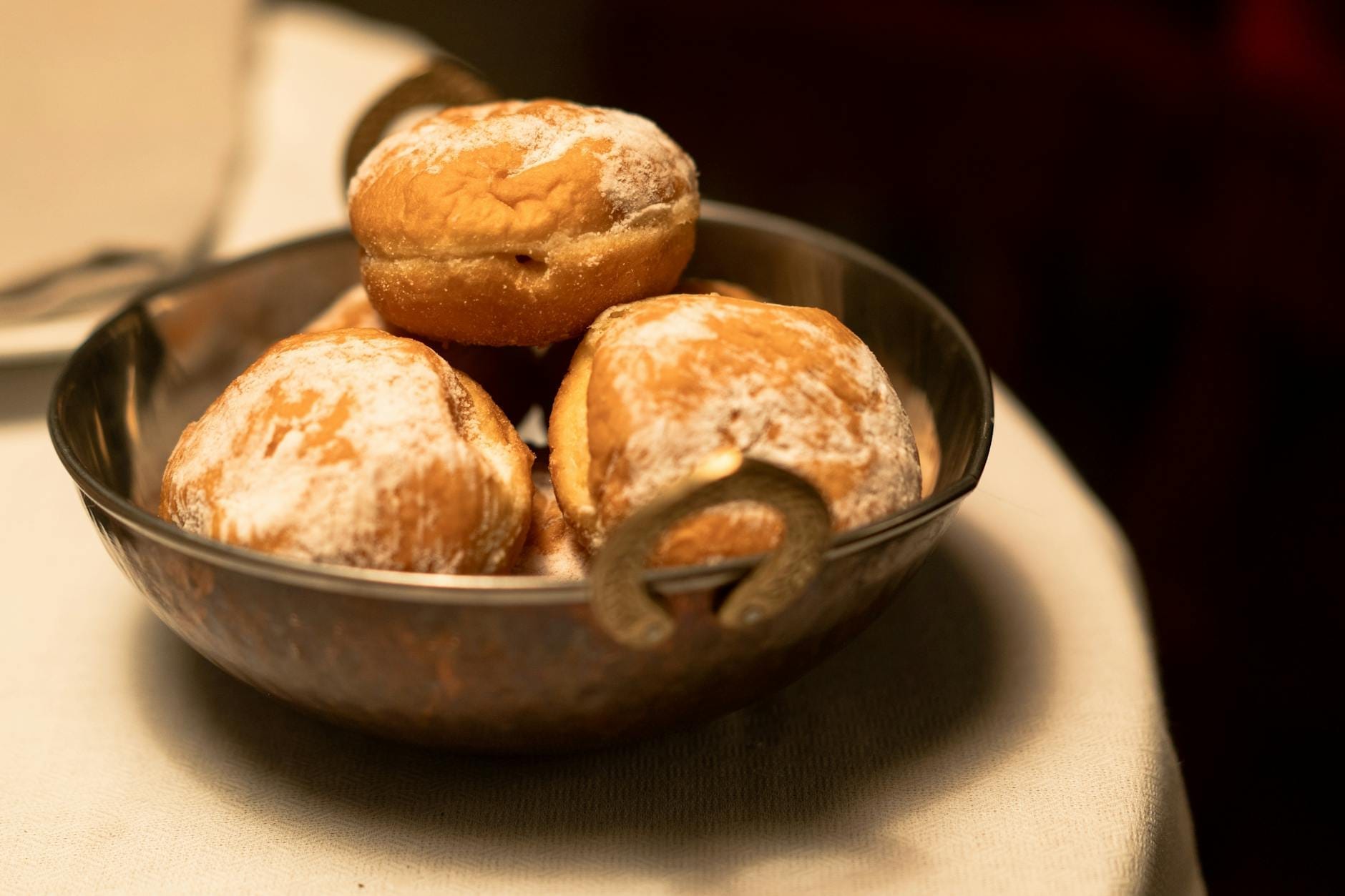
Before hunting down the best beignets in New Orleans, it helps to know what you're actually ordering. A New Orleans beignet is square-cut, fried to order, and served under a snowstorm of powdered sugar. It is not a donut. It is not a fritter. The dough is yeasted and slightly chewy inside with a crisp exterior, and the texture depends heavily on how fresh it comes out of the fryer. Cold beignets are a disappointment — the best ones collapse slightly when you bite in, releasing steam.
The beignet arrived in Louisiana with French Creole settlers, likely in the 18th century, and became entrenched in New Orleans cafe culture long before tourism turned it into an icon. The Louisiana Office of Tourism named beignets the official state doughnut in 1986, which cemented their cultural status but also fueled the tourist machine around them. The result is a food that is genuinely delicious and genuinely over-marketed — simultaneously worth the hype and worth approaching strategically.
💡 Local tip
Order café au lait alongside your beignets — it's the traditional pairing. New Orleans-style café au lait is made with chicory coffee and steamed milk, and the slight bitterness cuts through the sugar perfectly.
Café du Monde: The Benchmark (With Honest Caveats)
Café du Monde, at 800 Decatur St. in the French Quarter, is where the beignet pilgrimage begins for most visitors — and for good reason. The cafe has operated since 1862, and the menu has barely changed: beignets, café au lait, hot chocolate, and orange juice. That's essentially it. The original open-air pavilion beside Jackson Square is open 24 hours a day, seven days a week, and the ritual of ordering beignets there at 2am after a night on Frenchmen Street has its own kind of magic.
That said, the lines during peak hours — weekend mornings from roughly 9am to noon, and again around festival periods — can stretch 30 to 45 minutes. The seating area fills fast, and the powdered sugar situation is genuinely chaotic in tight quarters. The cafe is cash-preferred at the original location, so bring bills. If you're visiting during Mardi Gras or Jazz Fest, expect an even more intense scene.
For a quieter Café du Monde experience, the City Park location at 56 Dreyfous Drive (near the New Orleans Museum of Art) runs the same menu with a fraction of the crowd. If you're already planning a visit to City Park, this is the smartest way to tick the Café du Monde box without the French Quarter scrum.
⚠️ What to skip
Café du Monde is cash-preferred at its original French Quarter location. ATMs nearby charge high fees — withdraw cash before you head there. Verify current payment policies before visiting, as they can change.
The Best Alternatives to Café du Monde

Morning Call is the most credible challenger to Café du Monde, and locals who grew up here often prefer it. The cafe traces its roots back to the 1870s and now operates primarily from its City Park location at 56 Dreyfous Drive. The beignets hold up to direct comparison — hot, airy, generously powdered — and the setting inside City Park is genuinely pleasant, especially on a cool morning. Crowds are lighter by a noticeable margin, the vibe is more neighborhood than tourist destination, and you can easily pair a beignet stop with a walk through the park or a visit to the Besthoff Sculpture Garden.
Café Beignet runs four French Quarter locations (311 Bourbon St., 334 Royal Street, 600 Decatur St., and 622 Canal St.) and distinguishes itself primarily through its live music offering. The Bourbon Street location features jazz from around 6pm nightly, which makes it one of the more atmospheric spots to eat beignets if you're in the neighborhood during evening hours. The beignets themselves are solid — slightly denser than Café du Monde in some accounts — and the menu extends to sandwiches and fuller breakfast items if you want a proper meal alongside.
Loretta's Authentic Pralines is the most distinctive stop on this list. Loretta Harrison, a local legend in New Orleans confectionery, developed praline-stuffed beignets that have become a serious draw in their own right. The filling combines the classic powdered sugar exterior with a creamy praline interior — sweet on sweet, which sounds like too much but works as a regional dessert experience. Locations include 1100 N. Peters St. and 2101 N. Rampart St. If you want a beignet that goes somewhere beyond the standard, this is it.
- Café du Monde (800 Decatur St.) The original, open 24/7, iconic setting beside Jackson Square. Best visited late night or early morning to avoid peak crowds. Cash-preferred.
- Morning Call (56 Dreyfous Dr., City Park) Near-identical quality to Café du Monde with significantly fewer tourists. Best choice if you're combining with a City Park visit.
- Café Beignet (multiple French Quarter locations) Four spots across the Quarter; the Bourbon Street location adds live jazz from 6pm. Good for evening beignets with music.
- Loretta's Authentic Pralines (French Market area) Praline-filled beignets — the most creative variation in the city. A Black-owned business and a genuine local institution.
Timing, Crowds, and Practical Strategy
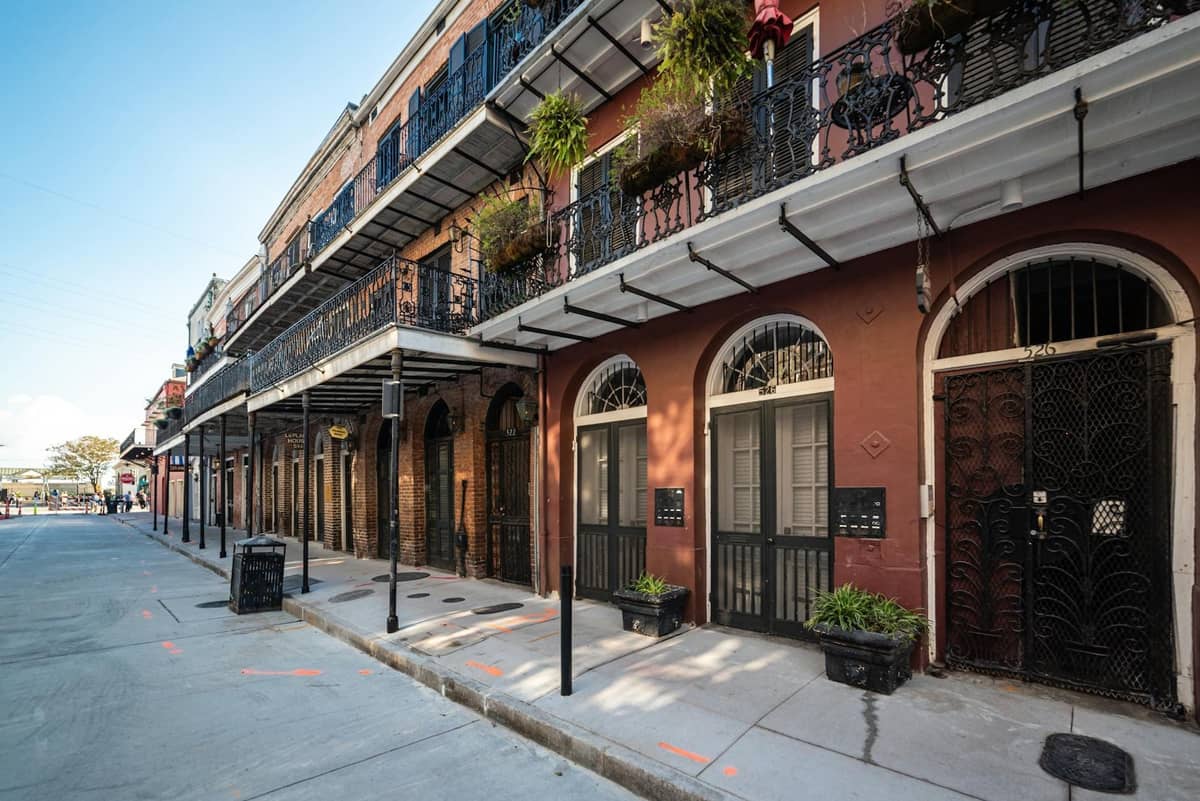
Timing your beignet visit matters more than most food decisions in New Orleans. The French Quarter Café du Monde location runs at full capacity from roughly 9am to noon on weekends and during any festival period. Weekday mornings before 9am and late evenings after 9pm are the sweet spots for shorter waits. The 24-hour format is a genuine advantage: a post-dinner or after-midnight beignet run is both practical and memorable.
If you're visiting during Mardi Gras or Jazz Fest, plan for longer waits at all French Quarter locations and consider Morning Call at City Park as your primary option. Festival crowds push into the Quarter from early morning, and popular beignet spots fill up quickly. October and November are arguably the most comfortable months to do this unhurried — temperatures around 62-82°F, lower humidity than summer, and crowds lighter than peak festival season.
✨ Pro tip
Beignets do not travel well. The powdered sugar turns soggy and the dough loses its texture within 15-20 minutes. Order them at the counter and eat immediately — taking them back to your hotel is not worth it.
Beignets in Context: Making It Part of a Wider Food Crawl
A beignet stop pairs naturally with several other French Quarter experiences. The Café du Monde original location sits directly beside the French Market, which runs for several blocks along Decatur Street and offers local produce, crafts, and prepared foods. From there, it's a short walk to Royal Street for gallery browsing or St. Louis Cathedral for a look at the oldest continuously active cathedral in the US.
For a more complete sense of what New Orleans food culture actually involves, beignets are just one entry point. The city's culinary depth runs through po'boys, gumbo, red beans and rice, and an extraordinary restaurant scene that spans price points and neighborhoods. See our New Orleans food guide for a fuller breakdown, or where to eat in New Orleans for neighborhood-by-neighborhood restaurant picks.
- Wear dark clothing — powdered sugar is inescapable and will cover your shirt.
- Order at least three beignets per person; they come in orders of three at most spots.
- Bring cash to the original Café du Monde — ATMs in the area charge premium fees.
- Morning Call at City Park is the best call during festival season when Quarter crowds peak.
- Eat immediately — beignets lose quality fast once they cool down.
- Pair with chicory café au lait for the traditional New Orleans experience.
What to Skip and What's Overrated
Any packaged beignet mix sold in tourist shops along Bourbon Street is not the experience you're after. The Café du Monde branded mix is widely available and fun as a souvenir, but eating beignets from a box at home is a pale substitute for the real thing. Similarly, hotel restaurant versions of beignets tend to be denser and less carefully fried than the dedicated cafes.
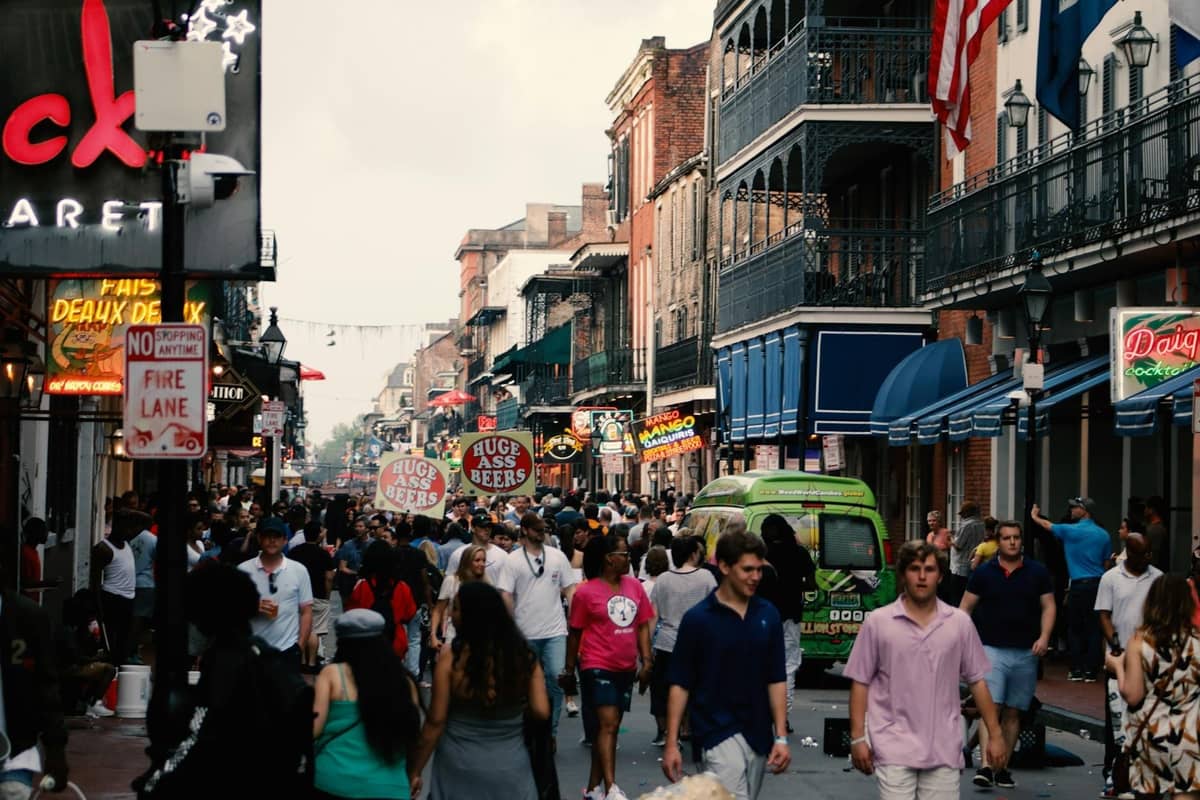
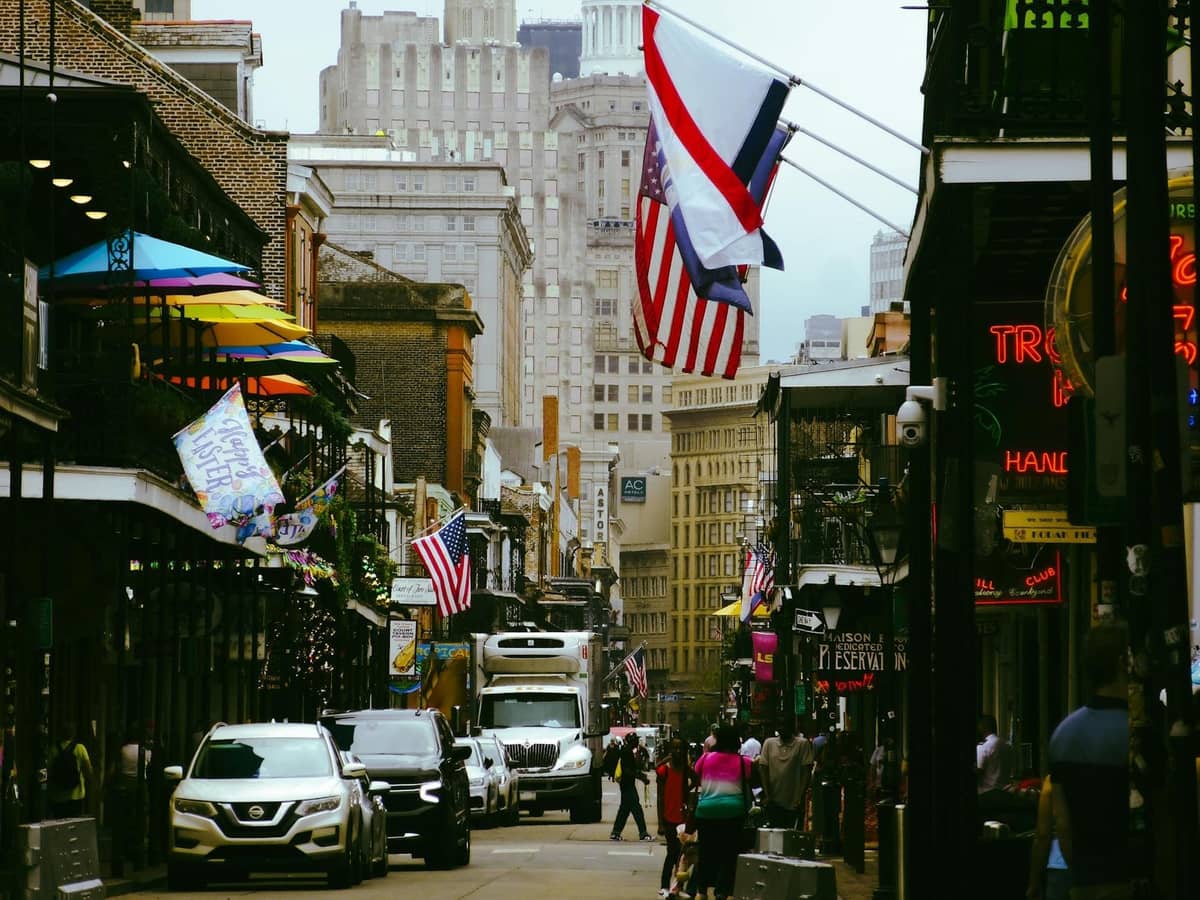
Bourbon Street as a beignet destination is also worth tempering expectations around. Café Beignet's Bourbon Street location is fine, but the street itself is loud, crowded, and — outside of the live jazz element in the evening — not the most enjoyable place to sit and eat something that requires a bit of patience. If you want the French Quarter beignet experience without the chaos of Bourbon Street, the Royal Street or Decatur Street locations are meaningfully more pleasant.
FAQ
What are the best beignets in New Orleans?
Café du Monde is the most famous and genuinely good — but Morning Call at City Park matches the quality with far smaller crowds. For something different, Loretta's praline-filled beignets are the most interesting variation in the city. All three are worth visiting depending on your priorities.
Is Café du Monde really worth the wait?
Yes, but only if you go at the right time. Late evenings or early weekday mornings cut the wait dramatically. During Mardi Gras or Jazz Fest, the lines can be 30-45 minutes — skip it and go to Morning Call at City Park instead.
How much do beignets cost in New Orleans?
Prices change and should be verified before visiting. Generally expect to pay in the range of $4-8 for an order of three beignets at major spots, with café au lait adding a few dollars. Loretta's specialty praline beignets may be priced slightly higher.
Are beignets only available in the French Quarter?
No. Morning Call operates at City Park, well outside the Quarter. Loretta's has locations including one on N. Rampart Street. As beignets have grown in popularity, various bakeries and cafes around the city have added them to their menus.
What is the difference between a beignet and a donut?
A New Orleans beignet is square-cut, made from a yeasted dough, fried to order, and served immediately with powdered sugar. It has a chewier, lighter interior than most donuts and is not glazed or filled in the traditional versions (Loretta's praline variety is an exception). Donuts are typically round with a hole and often cooled before serving.