Best Time to Visit New Orleans: A Month-by-Month Guide
New Orleans rewards visitors differently depending on when you show up. This guide breaks down every season by weather, crowd levels, festival calendars, and food — so you can pick the visit that actually matches what you're after.
Plan and book this trip
Tools from our partner Travelpayouts help you compare flights and hotels. If you book through them, we may earn a commission at no extra cost to you.
Flights
Hotels map
TL;DR
- October and November are the overall best months: temperatures in the low-to-mid 70s°F, lower humidity, and manageable crowds compared to spring.
- March is the single busiest month — Mardi Gras and St. Patrick's Day drive hotel prices to their annual peak. Book at least 3 months out for Mardi Gras.
- Summer (June-September) is brutally hot and humid — 90°F+ with high chance of afternoon storms — but hotel rates drop significantly and the city feels more local.
- New Orleans operates on Central Time (UTC-6 standard, UTC-5 daylight saving). Currency is USD. Tipping 18-20% at restaurants is standard.
- There is no universally "best" month — it depends entirely on your priorities. Read the full breakdown to find your window.
Quick Climate Overview: What You're Actually Dealing With
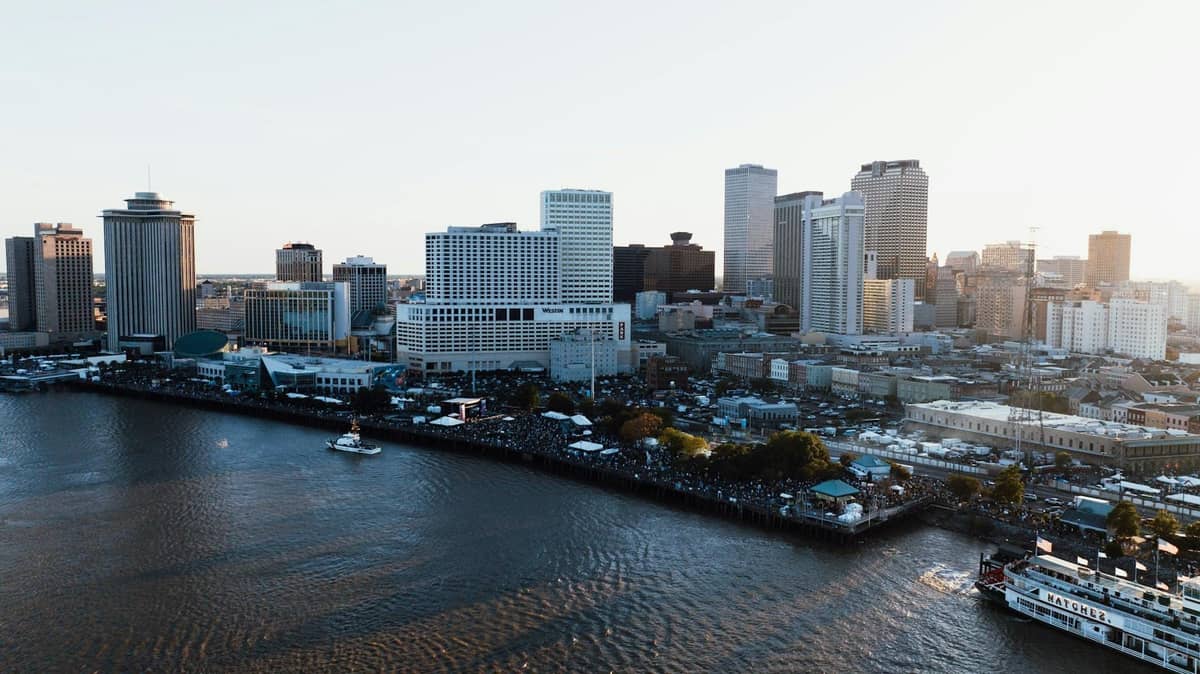
New Orleans sits at roughly 29.9°N latitude in a humid subtropical climate, which means heat and moisture are the default setting for most of the year. The city sits mostly at or near sea level — many areas are actually below sea level — so drainage and flooding are real concerns during heavy rain events, not just hypothetical ones.
Average temperatures break down like this: winter (December-February) runs 43-64°F (6-18°C), spring (March-May) climbs to 60-78°F (16-26°C), summer (June-August) hits 77-92°F (25-33°C) with heat indices regularly pushing over 100°F, and fall (September-November) settles back into 62-82°F (17-28°C). Annual rainfall tops 60 inches, with the heaviest concentration between June and October. That overlap with hurricane season is not a coincidence.
⚠️ What to skip
Hurricane season officially runs June 1 through November 30, with the peak window from mid-August to mid-October. This doesn't mean you should avoid fall entirely — October is excellent — but September bookings carry real weather risk. Travel insurance with trip interruption coverage is non-negotiable if you visit between August and October.
Spring (March-May): Great Weather, Serious Crowds
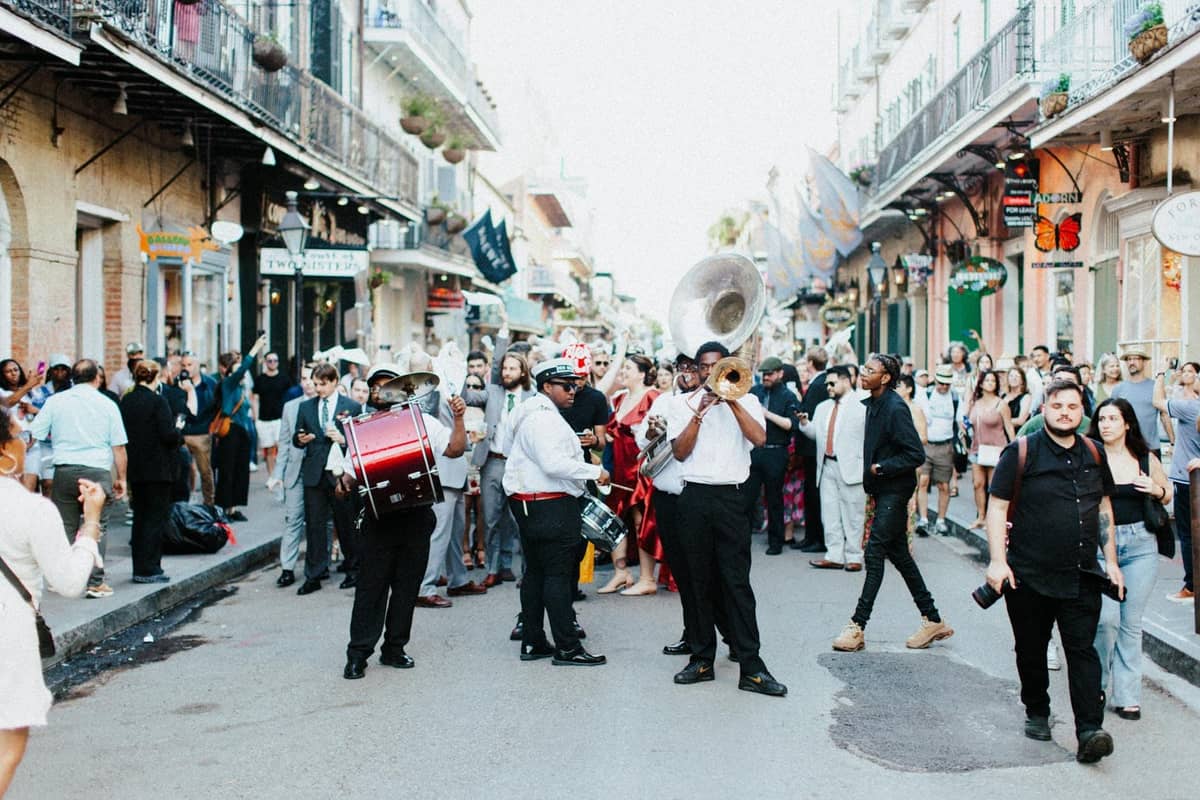
Spring is the most popular season, and March is New Orleans' single busiest month. Mardi Gras (the date shifts each year but falls in February or early March) drives the first major surge, followed immediately by St. Patrick's Day in mid-March — one of the largest celebrations of that holiday in the United States. By April, the city transitions into Jazz Fest, a two-weekend event at the Fair Grounds Race Course that draws hundreds of thousands of visitors and features everything from local brass bands to international headliners.
Temperatures in April and May are genuinely pleasant — think mid-60s to low 80s°F — and this is also when crawfish season peaks, which matters enormously to how New Orleans eats. Crawfish boils happen at restaurants and backyard gatherings citywide from roughly February through May, but April is the sweet spot for quality and availability.
The downside is price and availability. During Jazz Fest weekends, hotel rates in the French Quarter and Central Business District can double or triple. Restaurants near the Fair Grounds fill up. If you're visiting in spring and not specifically chasing a festival, consider late April between Jazz Fest weekends, or early May, when crowds thin noticeably and the weather hasn't turned oppressive yet.
- Mardi Gras (February/March) Carnival season begins January 6 (King's Day) and builds to Fat Tuesday. Street parades run for weeks. Hotel rates are at annual highs; book 3-6 months out.
- St. Patrick's Day (March) Rival Irish Channel and French Quarter parades on separate weekends. The Irish Channel parade is more local; the Magazine Street route is worth watching.
- Jazz Fest (Late April-Early May) Two consecutive weekends at the Fair Grounds. Day tickets typically $85–120+ depending on day and tier (check nojazzfest.com for current pricing); book in advance. Local musicians perform on smaller stages throughout the day.
- French Quarter Festival (April) Free admission, all-local music lineup across multiple stages in the Quarter. Arguably better than Jazz Fest for discovering New Orleans artists specifically.
Summer (June-September): Hot, Cheap, and Authentically Local
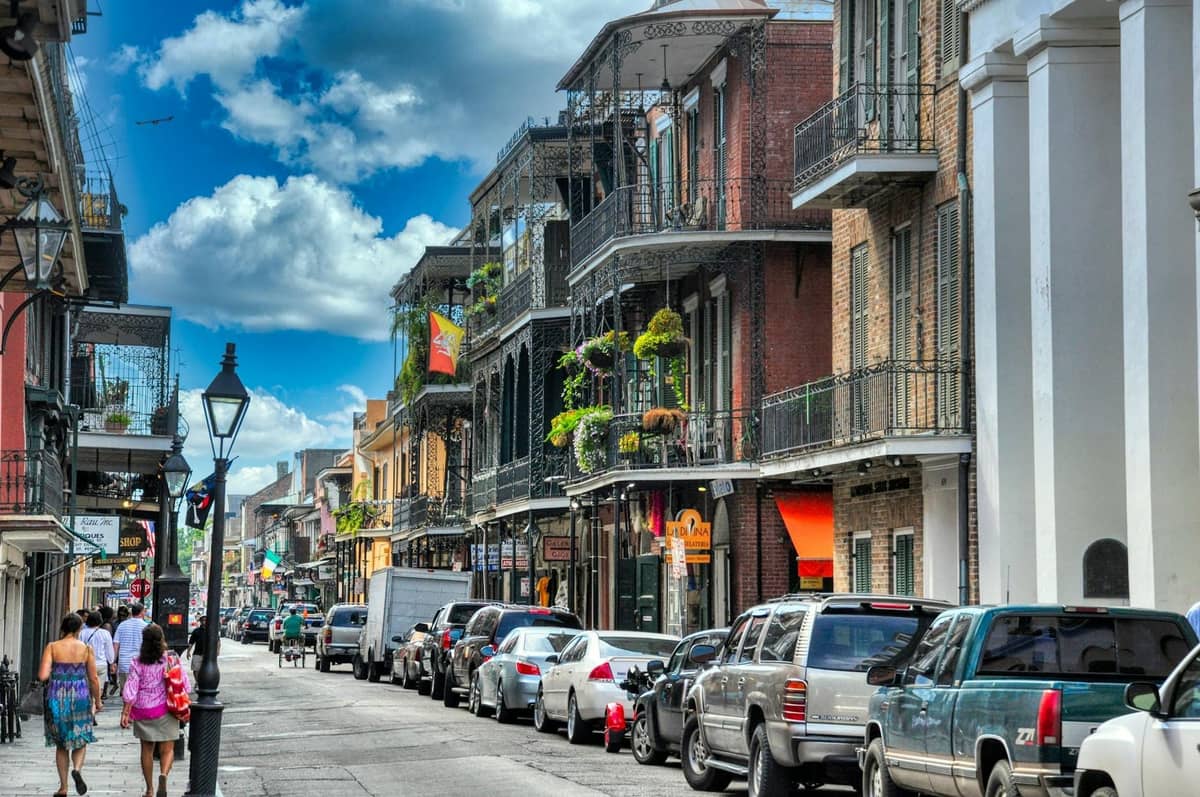
Summer in New Orleans is not comfortable in the traditional tourist sense. Temperatures average over 90°F with humidity that makes it feel significantly hotter. Afternoon thunderstorms arrive almost daily in July and August, typically dumping an inch of rain in under an hour before clearing. Streets in low-lying areas can flood temporarily. You will sweat through your shirt before 10am.
That said, summer has a genuine case. Hotel rates drop considerably — sometimes 30-40% compared to spring peak — and popular attractions like Café du Monde have shorter lines. The city's restaurant scene doesn't slow down for tourists, and local life continues in full. If you want New Orleans without the festival-crowd overlay, July is actually a window where the city feels more like itself.
✨ Pro tip
If you visit in summer, structure your days to start early (7-9am for outdoor sightseeing), retreat indoors or to air-conditioned venues midday, and re-emerge after 5pm. The St. Charles streetcar is scenic but not air-conditioned — for midday heat relief, duck into museums, cafés, or hotel lobbies instead. Plan evening activities around Frenchmen Street rather than the more exposed French Quarter blocks.
Summer is also when the nightlife scene operates with fewer tourists competing for space at local bars. Frenchmen Street in the Marigny stays lively most nights, and you'll find locals mixing more freely with visitors than during peak season. For budget-focused travelers willing to work around the heat, summer offers genuine value.
Fall (October-November): The Best Overall Window
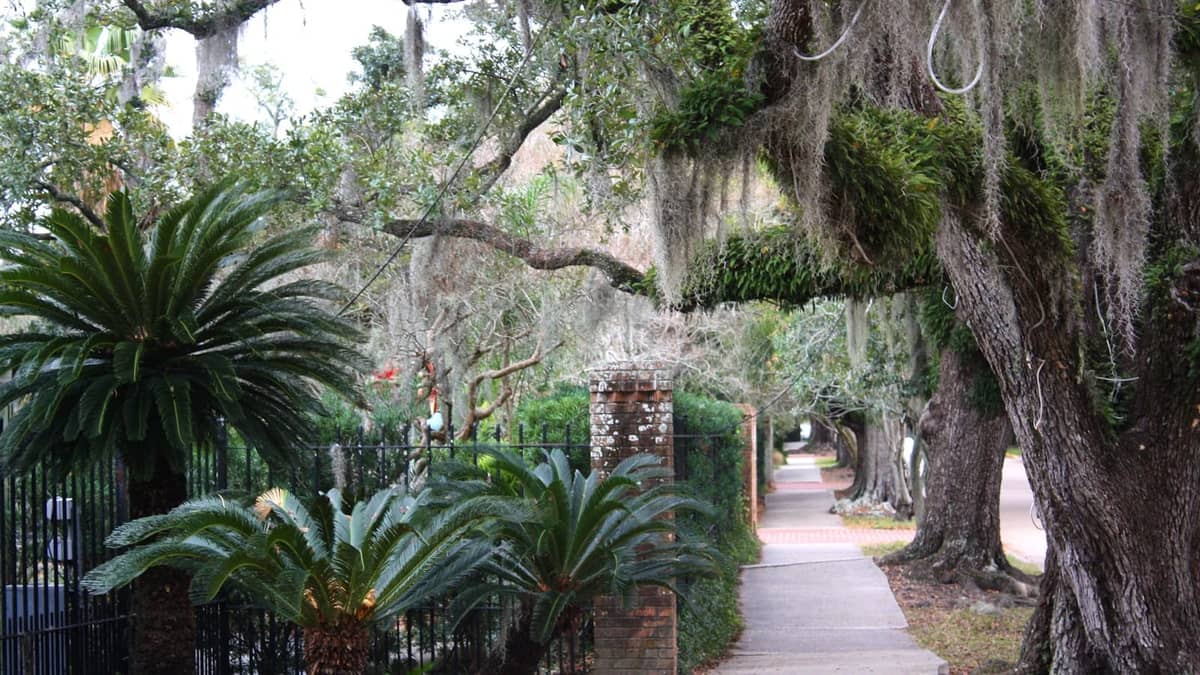
October and November represent the closest thing to a consensus "best time to visit New Orleans" for most travelers. Temperatures settle into the 70s°F during the day, dropping to the 60s at night. Humidity falls noticeably from its summer levels. The hurricane risk diminishes meaningfully after mid-October, though it doesn't fully disappear until December.
October has historically featured the Voodoo Music and Arts Experience (typically the last weekend of October), a festival with a rock-and-hip-hop focus that draws large crowds but doesn't overwhelm the city the way Mardi Gras does. Note: The Voodoo Music + Arts Experience (last held 2019) has been on hiatus; check official channels to see if it has resumed. Halloween in New Orleans is taken seriously — the city leans hard into its history with the supernatural, and ghost tours, cemetery walks, and themed events fill the calendar. The ghost tour circuit around the French Quarter is at its most atmospheric in late October.
November is quieter, with Thanksgiving week being the only notable crowd spike. Oyster season is in full swing from fall through winter, and the city's top restaurants are easier to book. If you're planning a food-focused trip, November might edge out October simply because the competition for tables is lower.
💡 Local tip
October hotel rates are higher than summer but still 15-25% below spring peak pricing. Book 4-6 weeks out for standard trips, or 2-3 months out if visiting during Voodoo Fest weekend specifically. Note: The Voodoo Music + Arts Experience (last held 2019) has been on hiatus; check official channels to see if it has resumed before planning around it.
Winter (December-February): Mild Weather, Real Atmosphere
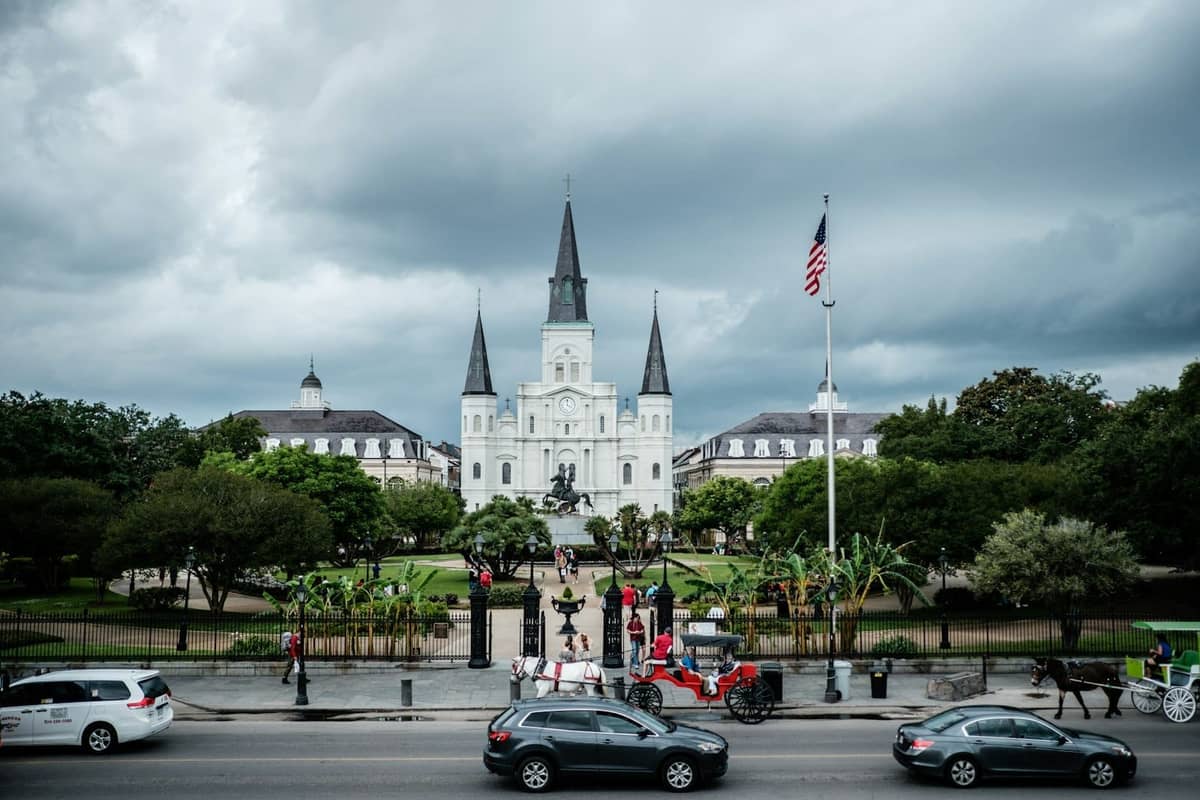
New Orleans winters are mild by most standards — temperatures average 43-64°F (6-18°C) — but the city gets genuine cold fronts that push temperatures into the 30s°F for a few days at a time, usually in January. Rain is more frequent than in fall, and gray skies are common. It's not a beach-weather situation, but it's entirely walkable with a decent jacket.
December features Réveillon dinners, a New Orleans tradition rooted in the Creole Catholic practice of celebrating Christmas and New Year's Eve with elaborate multi-course feasts. Many of the city's best restaurants offer special prix-fixe menus for this period, often at prices that represent strong value compared to regular a-la-carte dining. This pairs well with the broader New Orleans food scene, which also spotlights gumbo and hearty braises during the cooler months.
January is the quietest month of the year, and hotel rates hit their annual low. If you can tolerate some overcast days and the occasional cold front, January offers the city with virtually no competition. Lines at attractions are non-existent, restaurant reservations are easy, and the local pace is relaxed. Carnival season begins January 6, but the parades don't start until late January or February depending on when Mardi Gras falls.
- December: Réveillon dinners, holiday lighting on St. Charles, lower crowds than spring
- January: Annual price lows, quietest crowds, Carnival season begins January 6
- February: Mardi Gras season builds rapidly; Fat Tuesday date varies (check annually); book accommodation 3+ months in advance
Practical Planning: Costs, Logistics, and Getting Around
New Orleans is served by Louis Armstrong New Orleans International Airport (MSY), located approximately 15 miles from the French Quarter. Getting downtown costs roughly $30-50 by rideshare (Uber and Lyft both operate here), $36-45 by flat-rate taxi, or via RTA bus service from the airport to downtown (verify current route numbers and fares at norta.com before traveling). Verify current fares before travel. Once in the city, the St. Charles streetcar connects the CBD, Garden District, and Uptown for around $1.25 per ride. The French Quarter is best explored on foot.
For neighborhood context: the French Quarter and Central Business District are the most hotel-dense areas. The Garden District offers a quieter alternative with upscale guesthouses along Magazine Street. The Marigny and Bywater neighborhoods are popular with travelers who want proximity to live music without being inside the French Quarter's most tourist-heavy blocks.
For budget planning, see our guide to visiting New Orleans on a budget. Tipping is standard: 18-20% at sit-down restaurants, $1-2 per drink at bars. Tap water is safe to drink. The city operates on Central Time (CT), which is UTC-6 in standard time and UTC-5 during daylight saving.
- Best for festivals February-March (Mardi Gras), late April (Jazz Fest). Expect peak prices and book early.
- Best for weather October-November. Low 70s°F, lower humidity, post-hurricane-season safety window.
- Best for budget July-August or January. Lowest hotel rates; accept heat or occasional cold fronts.
- Best for food focus November (oyster season, easy reservations) or April (crawfish peak plus French Quarter Fest).
- Best for avoiding crowds January or early May after Jazz Fest. The city runs normally without the festival overlay.
FAQ
What is the best month to visit New Orleans overall?
October is the most consistently recommended month: temperatures in the low-to-mid 70s°F, humidity has dropped from summer levels, hurricane risk is minimal after mid-month, and events like Voodoo Fest (when running — the Voodoo Music + Arts Experience has been on hiatus since 2019; check official channels to see if it has resumed) add an event anchor without overrunning the city. November is a close second with even quieter conditions and great oyster-season dining.
Is New Orleans worth visiting in summer?
Yes, with realistic expectations. Temperatures regularly hit 90-95°F with high humidity, and afternoon thunderstorms are almost daily. But hotel rates drop 30-40% compared to spring, lines at major attractions are shorter, and the city operates on its own rhythms rather than catering to festival crowds. Structure your days to avoid midday heat, and summer becomes manageable.
What time zone is New Orleans in?
New Orleans operates on Central Time (CT): UTC-6 during standard time (November to March) and UTC-5 during daylight saving time (March to November). Daylight saving time begins in March (second Sunday) and ends in November (first Sunday). This is one hour behind Eastern Time and one hour ahead of Mountain Time.
How far in advance should I book for Mardi Gras?
At least 3 months in advance for hotels, ideally 4-6 months if you want specific neighborhoods like the French Quarter or Garden District. Mardi Gras dates change every year (Fat Tuesday falls between February 3 and March 9 depending on Easter), so confirm the date for your target year before searching.
What are the best things to do in New Orleans regardless of season?
A few experiences hold up year-round: exploring Jackson Square and the surrounding French Quarter architecture, catching live music on Frenchmen Street in the Marigny, eating beignets at Café du Monde, touring the Garden District's antebellum mansions, and visiting the National WWII Museum. The latter is entirely indoors and particularly valuable during summer heat or rainy days.