Central Business District & Warehouse Arts District
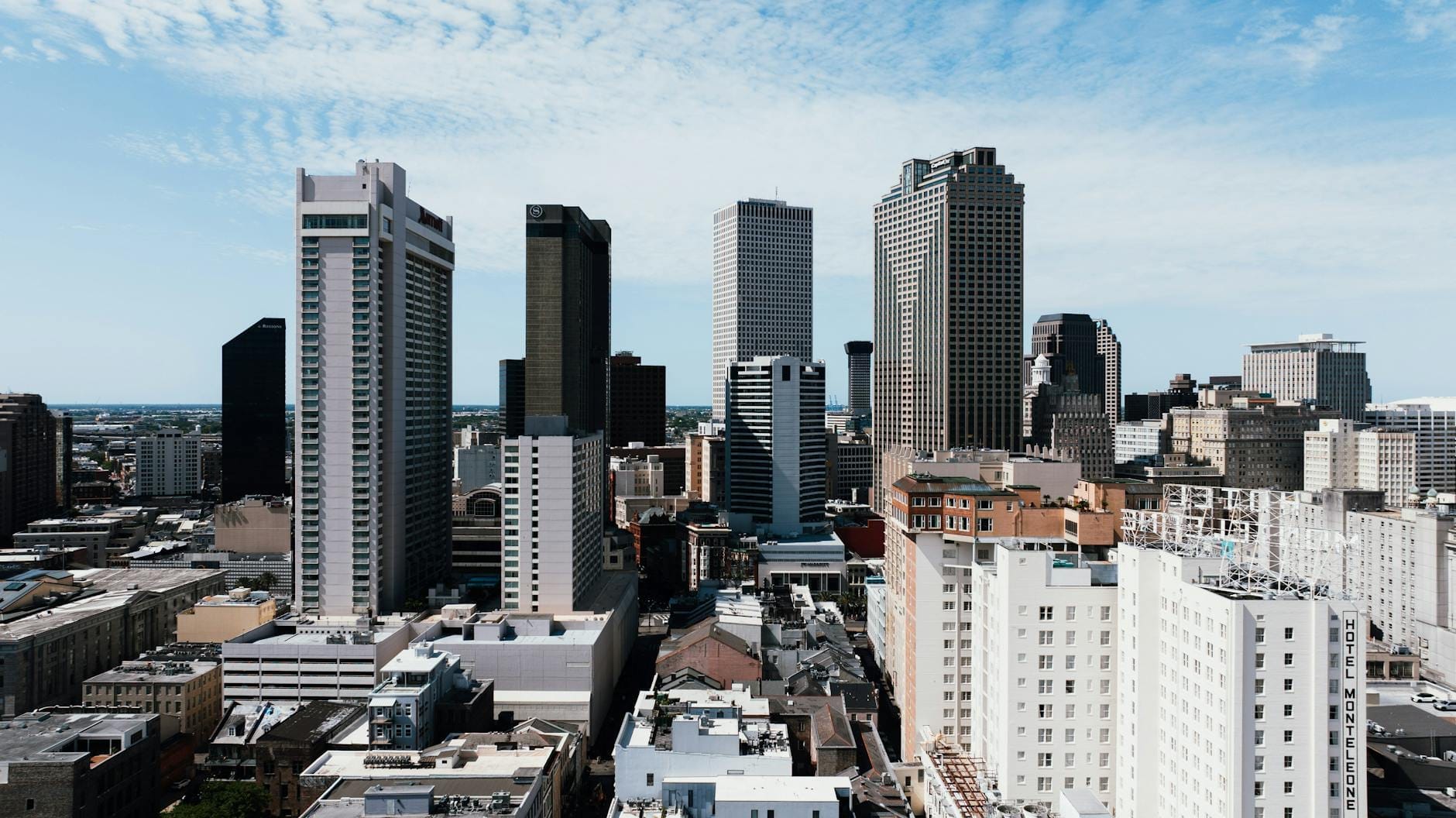
The Central Business District and Warehouse Arts District form the commercial and cultural backbone of downtown New Orleans, where glass office towers stand next to 19th-century brick warehouses converted into galleries, restaurants, and hotels. It is the neighborhood that makes New Orleans feel like a real city beyond the party streets, and the best base for travelers who want proximity to everything without sleeping in the French Quarter's noise.
The CBD and Warehouse Arts District is where New Orleans puts on its working clothes. Convention hotels and law firm towers line Poydras Street by day, while Julia Street's gallery row and the blocks around the National WWII Museum draw a quieter, more curious crowd at night. It's not the most atmospheric corner of the city, but it's the most functional, and smarter than most visitors give it credit for.
Orientation
The Central Business District sits at the geographic and civic center of New Orleans, pressed between the Mississippi River to the south, Canal Street to the north, and the Pontchartrain Expressway to the west. Canal Street is the dividing line between the CBD and the French Quarter, one of the sharpest neighborhood transitions in any American city: cross it heading upriver and the wrought iron balconies give way to glass facades and wide commercial avenues almost immediately.
The Warehouse Arts District occupies the southwestern corner of the CBD, roughly between the Convention Center, Julia Street, Magazine Street, and the river. It is technically a subdistrict rather than a separate neighborhood, but it has a distinct identity: lower buildings, rougher brick, gallery signs in the windows, and a noticeably slower pace than the office corridors of Poydras Street. Think of the CBD as the grid you navigate, and the Warehouse District as the reason you slow down and look around.
Neighboring districts are easy to reach on foot or by streetcar. The French Quarter is a five-minute walk east from most CBD hotels. The Garden District is about 20 minutes by streetcar on St. Charles Avenue. The Tremé neighborhood and its music venues are a short ride north of Canal Street.
ℹ️ Good to know
The CBD covers approximately 1.18 square miles and sits at an elevation of about 3 feet above sea level. Its coordinates center around 29°56′59″N, 90°04′14″W, placing it at the innermost bend of the Mississippi River where the city originally grew.
Character & Atmosphere
Early morning in the CBD is unexpectedly calm for a downtown. Poydras Street, which runs from the riverfront past the Caesars Superdome, belongs to joggers and hotel staff on early shifts before 8 a.m. The light at this hour is low and angled, catching the upper floors of the older masonry buildings that survive between the towers. Canal Street's neutral ground, that wide grassy median locals use as a gathering point, is mostly quiet except for the first Canal Streetcar runs clanking through.
By midday the area runs on office hours. Lunch crowds spill from the towers along Poydras and Common Streets. The blocks immediately around the Convention Center can feel transactional: badge-wearing conference attendees, shuttle buses, hotel lobbies cycling through check-ins. If you're here for the arts and food, this is when you want to be walking the Warehouse District blocks between Julia and St. Joseph Streets, where the foot traffic thins and the gallery doors are open.
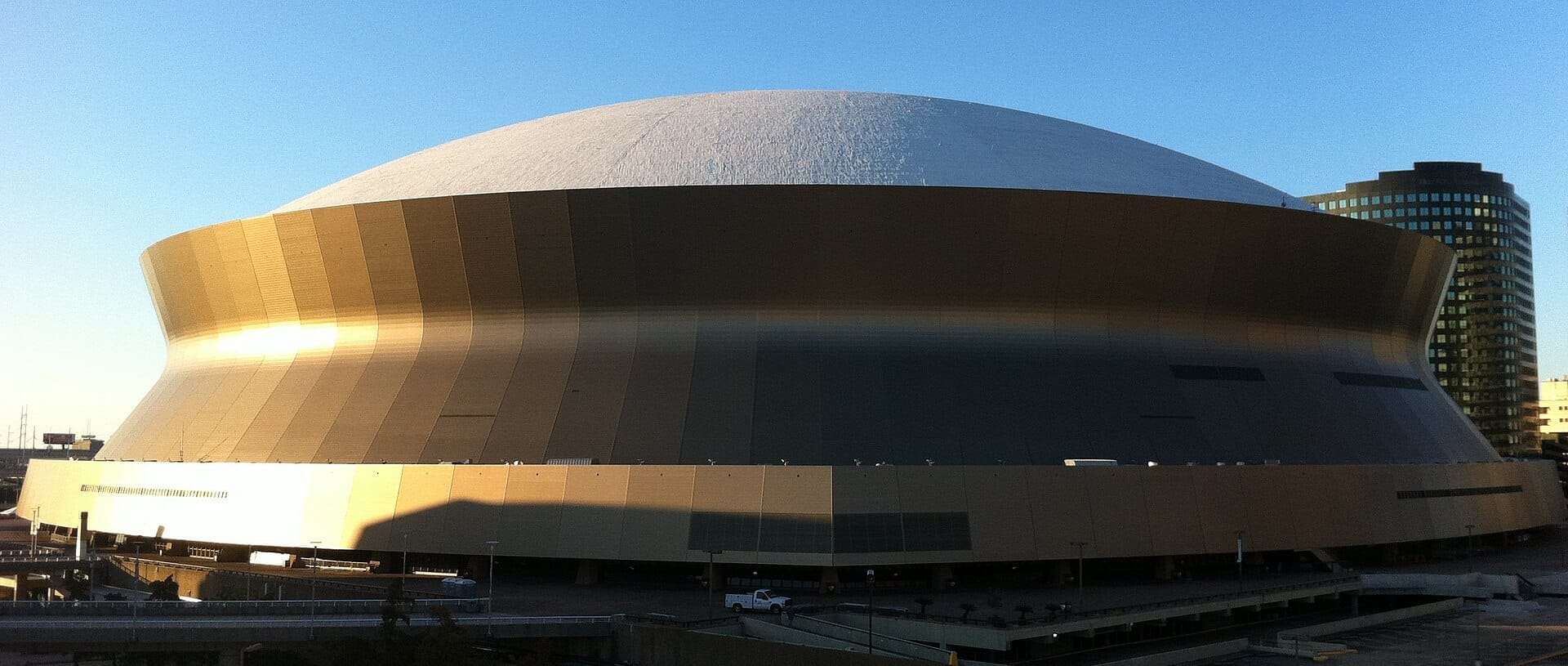
After dark the neighborhood splits cleanly. The Caesars Superdome and Smoothie King Center corridors light up whenever the Saints or Pelicans are playing, turning the blocks between Girod and Loyola into a festival of team jerseys and pregame bars. The Warehouse District quiets by comparison, but quieter here means candlelit restaurants and gallery opening crowds rather than emptiness. Magazine Street, which begins its uptown run at the Convention Center end, has some of the area's most reliable dinner spots.
One honest note: the CBD is not a neighborhood that rewards aimless wandering the way the French Quarter or Marigny does. The urban fabric is inconsistent, with parking lots and blank-walled garages interrupting what might otherwise be continuous streetscapes. The Warehouse District is more walkable and coherent, but even there, some blocks feel transitional rather than arrived. Come with a destination in mind, and the area rewards you.
What to See & Do
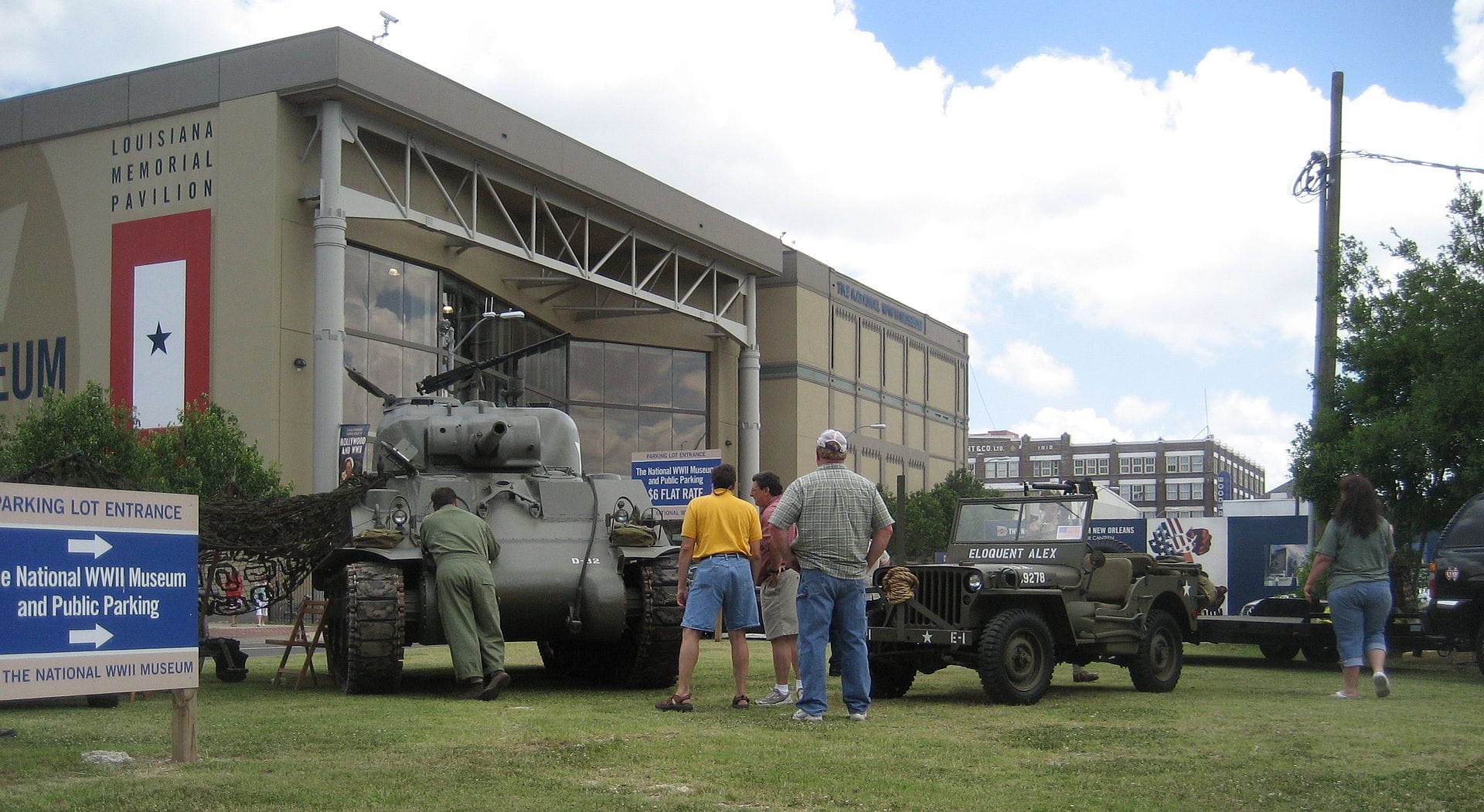
The single most important cultural institution in this part of the city, and arguably in all of New Orleans, is the National WWII Museum on Magazine Street at Andrew Higgins Drive. It is consistently ranked among the best museums in the United States, and the scale of it is difficult to fully grasp until you're inside. Plan a minimum of three hours, more if you intend to see the 4D film or the full Pacific campaign galleries. It anchors the Warehouse District as convincingly as any museum anchors any neighborhood in America.
Julia Street between St. Charles and Convention Center Boulevard is the spine of the arts scene. Gallery openings happen on the first Saturday of most months, when the street fills with collectors, students, and curious visitors walking between spaces. The concentration of contemporary art here is serious and largely uncommercialized compared to what you'll find in the tourist-facing galleries of the French Quarter's Royal Street.
The Caesars Superdome, home of the New Orleans Saints, is visible from almost anywhere in the CBD. Even if you're not attending an event, the scale of the thing is a landmark for navigation. Adjacent to it, Caesars Superdome tours are available on non-event days for sports and architecture enthusiasts. The riverfront is a short walk from the CBD's riverside edge, and the Moon Walk and Woldenberg Park offer the best open views of the Mississippi from ground level.
National WWII Museum: plan 3-5 hours, book tickets in advance for peak season
Julia Street gallery row: free to browse, first Saturdays for openings
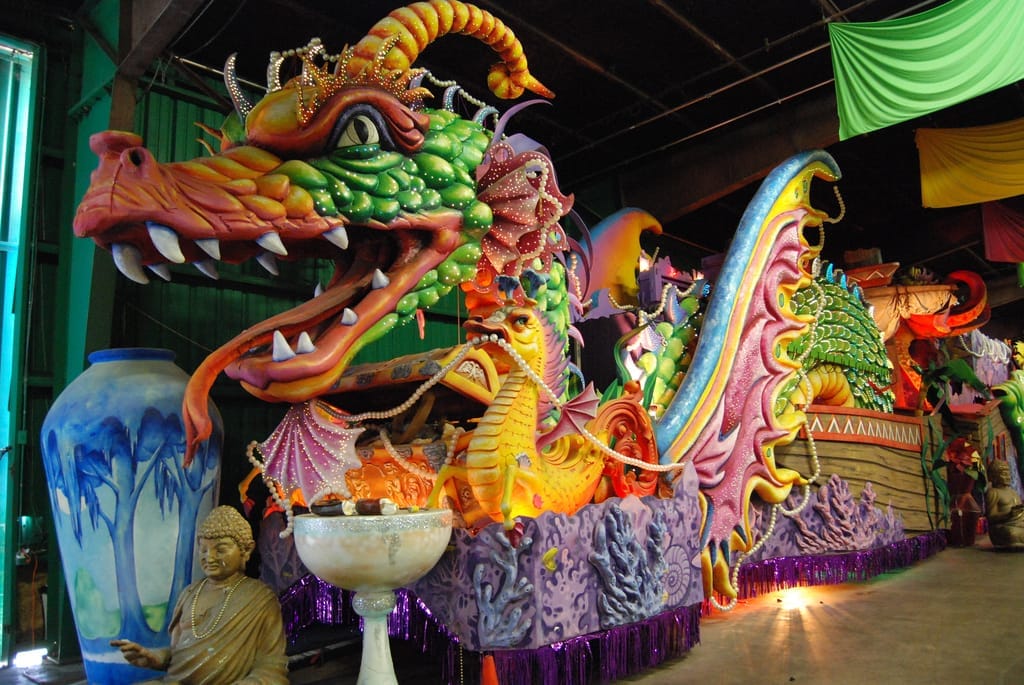
Mardi Gras World: behind-the-scenes look at float construction, open most days (verify hours before visiting)
Woldenberg Park and the Mississippi riverfront: free, open daily
Caesars Superdome tours: check schedule, not available on event days
Contemporary Arts Center on Camp Street: rotating exhibitions, reasonable admission
For travelers who want a broader sense of the city's best experiences in one trip, the best museums in New Orleans guide puts the CBD's institutions in context against the rest of the city.
Eating & Drinking
The food scene in the CBD and Warehouse District is more serious than its convention-hotel reputation suggests. The highest concentration of chef-driven restaurants in the city outside the French Quarter runs along Magazine Street and the cross streets of the Warehouse District. Lunch options near the office towers on Poydras tend toward the quick and functional, but dinner is a different situation entirely.
The blocks around the intersection of Tchoupitoulas and Julia Streets have some of the neighborhood's most reliable dinner destinations, with menus that lean into Louisiana ingredients: Gulf fish, local oysters, boudin, and the kind of brown-butter sauces that make the city's French culinary heritage feel alive rather than historical. Price ranges at dinner run mid-to-high by New Orleans standards, though the city remains affordable compared to comparable dining in New York or San Francisco.
For a more casual and local-feeling experience, Magazine Street as it transitions out of the Warehouse District toward the Garden District has coffee shops, po-boy counters, and neighborhood bars that serve the post-work crowd rather than conference attendees. The St. Roch Market, a renovated food hall on the edge of the Marigny, is a short ride away and worth mentioning as a contrast to the more formal restaurants of the CBD proper.
Travelers curious about New Orleans food culture more broadly should read the what to eat in New Orleans guide before sitting down at any table in the city. Understanding the difference between Creole and Cajun cooking, and what makes a proper gumbo versus a jambalaya, will make every meal more meaningful.
💡 Local tip
If you're staying in a CBD hotel before a big day at the WWII Museum, breakfast on Loyola Avenue near the museum or along Magazine Street will save you both time and money compared to hotel dining. Several local cafes open by 7 a.m. on weekdays.
Getting There & Around
The CBD is the easiest neighborhood in New Orleans to reach from Louis Armstrong International Airport (MSY), roughly 15 miles west. RTA Airport Express buses connect the airport to downtown for approximately $1.25 to $2 each way, verify current fares before traveling. Taxis run a flat rate of around $36 to $45 to downtown; rideshares typically cost $30 to $50 depending on surge pricing and time of day. For general navigation once you're in the city, the getting around New Orleans guide covers all transit options in detail.
Within the neighborhood, most sights are walkable from most hotels. The National WWII Museum is about a 15-minute walk from the CBD hotels near Canal Street. The St. Charles Streetcar runs from the edge of Canal Street at Carondelet and St. Charles up through the Garden District and Uptown. Catch it at the St. Charles and Canal intersection for uptown destinations. Canal Street itself has a separate streetcar line running from the riverfront to Mid-City.
Uber and Lyft are both active in New Orleans and work reliably in the CBD. During major events at the Superdome or Convention Center, rideshare pickup can take significantly longer in the immediate blocks around those venues. Walking one or two blocks away from the crowd before requesting a car makes a real difference. Cycling is possible but the CBD's streets are wide and car-forward, making the riverside paths and quieter Warehouse District blocks more pleasant for bikes than Poydras Street.
⚠️ What to skip
During major conventions or Saints and Pelicans home games, hotel rates in the CBD can spike dramatically and traffic in the surrounding blocks becomes difficult. Check the Convention Center event calendar before booking accommodation, especially if you plan to arrive or depart by car.
Where to Stay
The CBD is the primary hotel district in New Orleans and has the widest range of accommodation options in the city, from internationally branded luxury towers on Poydras Street to boutique properties in converted historic buildings along Camp and St. Charles. It is the most practical neighborhood for first-time visitors who want easy access to the French Quarter without sleeping in the middle of Bourbon Street's noise.
Hotels in the northern CBD, closer to Canal Street and the French Quarter boundary, put you within a short walk of both districts. Hotels in the Warehouse District end of the CBD, closer to the Convention Center and Julia Street, are better positioned for museum-heavy itineraries and tend to attract a slightly quieter clientele. The trade-off is that you're a longer walk from the French Quarter and will use the streetcar or a rideshare more frequently.
Travelers deciding between the CBD and other New Orleans neighborhoods should read the full where to stay in New Orleans guide which compares the CBD to the French Quarter, Garden District, and Marigny in terms of noise, price, and walkability.
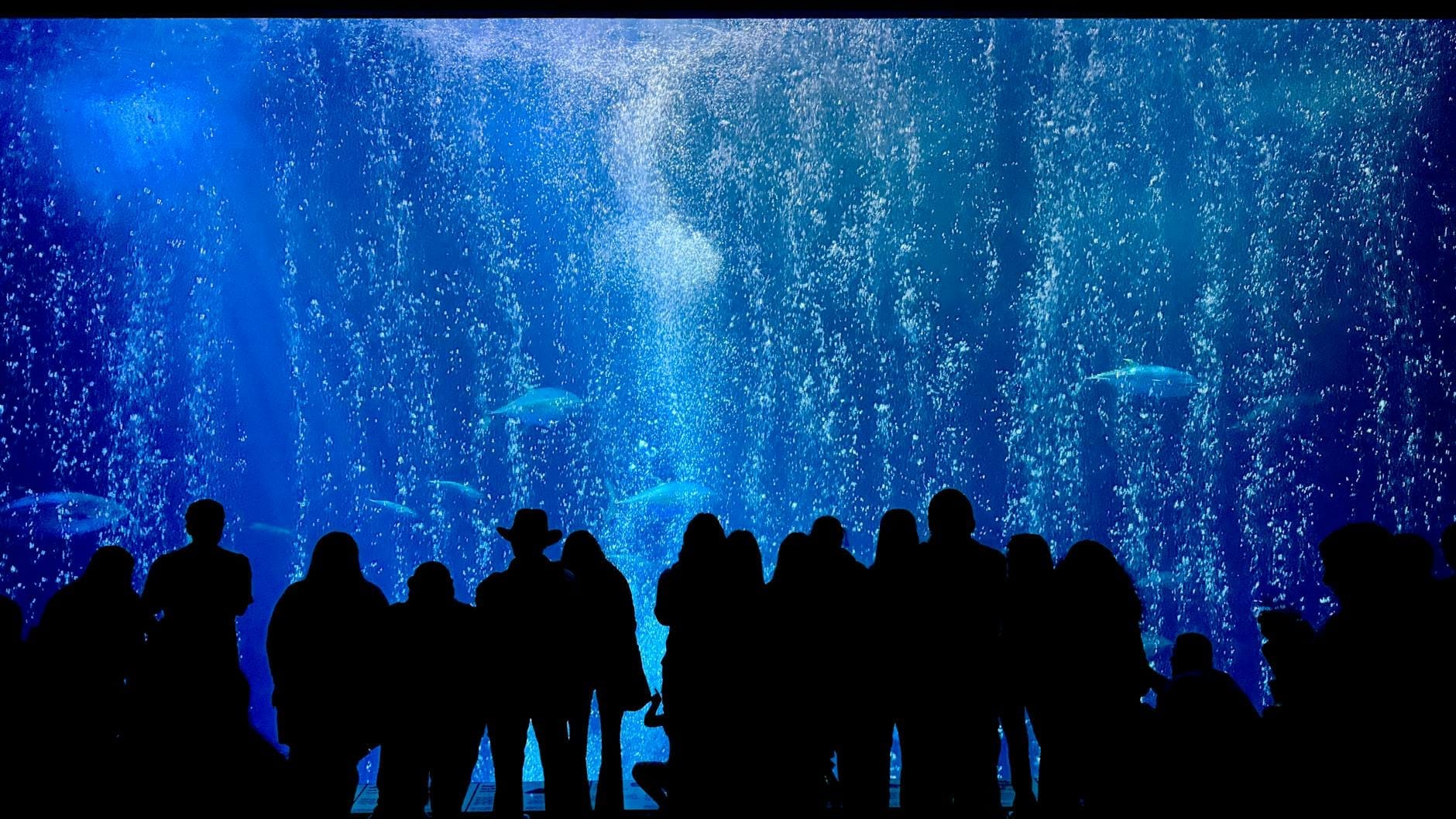
Business travelers and convention attendees are the natural audience for CBD hotels, but the Warehouse District is increasingly popular with leisure visitors who want cultural programming, good restaurants, and access to the river without the constant soundtrack of tourist nightlife. Couples and solo travelers with a strong museum agenda tend to rate it highly. Families traveling with children will find the area functional but not especially kid-oriented; the Aquarium of the Americas, a short walk along the river toward Canal Street, is the main draw for younger visitors.
💡 Local tip
The stretch of Camp Street between Julia and Howard has some of the most characterful boutique hotel options in the CBD, with small lobbies in 19th-century commercial buildings and walkable access to both the gallery district and the main restaurant corridor.
History & Context
The area now called the CBD was originally developed as Faubourg Ste. Marie in the late 18th century, the first planned extension of the original French colonial settlement that became the French Quarter. It was designed as a separate American quarter after the Louisiana Purchase of 1803, when an influx of American settlers created tension with the established Creole population, and Canal Street was laid out as a broad neutral buffer between the two communities. The canal was never actually built, but the name and the street's exceptional width remain.
The warehouses that now house galleries and restaurants along Magazine, Julia, and Tchoupitoulas Streets once served the port of New Orleans, one of the busiest in North America throughout the 19th and early 20th centuries. Cotton, sugar, and timber moved through these buildings. The shift from industrial to cultural use began in the 1970s and accelerated after the 1984 World's Fair, which was held on the riverfront land that is now the Convention Center. Several of the arts institutions on Julia Street trace their origins to that period of post-industrial reinvention.
Understanding how the CBD fits into New Orleans' longer history makes the neighborhood make more sense. The New Orleans history guide provides the full arc from French colonial settlement through the American period, the Civil War, and the 20th century's dramatic changes to the city's economy and population.
Quick Verdict
TL;DR
Best for: First-time visitors who want central access, business travelers, museum enthusiasts, and couples looking for upscale dining without French Quarter noise
Main draw: National WWII Museum, Julia Street gallery row, Mississippi riverfront access, and the city's best hotel selection
Biggest drawback: Inconsistent street-level experience, parking lots and bland blocks interrupt the historic fabric, and the area quiets unevenly after business hours
Getting around: Walkable to the French Quarter and riverfront; St. Charles Streetcar connects to the Garden District and Uptown; rideshare works well except during major Superdome events
Skip it if: You want atmospheric, local-feeling streets for wandering, or you're primarily interested in live music and nightlife, in which case the Marigny and Bywater or the French Quarter itself will serve you better
Top Attractions in Central Business District & Warehouse Arts District
Three days is enough to fall hard for New Orleans. This itinerary moves through the French Quarter, Garden District, Tremé, and Marigny in a logical order, covering the landmarks, food, music, and history that make this city unlike anywhere else in America.
New Orleans has one of the richest museum landscapes in the American South. Whether you're tracing the history of jazz, confronting the legacy of slavery, or exploring 5,000 years of fine art, these are the museums worth your time.
New Orleans rewards visitors differently depending on when you show up. This guide breaks down every season by weather, crowd levels, festival calendars, and food — so you can pick the visit that actually matches what you're after.
New Orleans rewards those who stay, but the surrounding Louisiana landscape rewards those who venture out. Within two hours of the city, you can drift through ancient cypress swamps, stand inside a plantation that centers the enslaved rather than the enslavers, and cycle along a river bluff. These are the best day trips from New Orleans.
New Orleans rewards curious walkers, music lovers, and history buffs with an extraordinary amount that costs nothing. From the French Quarter's architecture to world-class outdoor sculpture, here's how to experience the city on a zero-dollar budget.
New Orleans has no subway, but it does have the oldest continuously operating streetcar in the world, a surprisingly affordable bus network, and a city core compact enough to walk. This guide breaks down every transport option with real fares, route details, and honest assessments of what actually works for visitors.
New Orleans is one of the most visually dramatic cities in America. These 20 locations deliver the best shots, from the iconic ironwork of the French Quarter to the ancient oaks of City Park and the sweeping Mississippi River views from Crescent Park.
New Orleans beignets are one of the city's great culinary institutions — pillowy, square-cut fried dough buried in powdered sugar, best eaten hot and fast. This guide covers where to go, when to show up, and which spots are worth skipping the tourist line.
New Orleans does romance on its own terms: candlelit Creole restaurants, live jazz spilling into cobblestone streets, and century-old cocktail bars with stories on every wall. This guide covers the best things to do in New Orleans for couples, from free afternoon strolls through the Garden District to splurge-worthy riverboat dinners and everything in between.
New Orleans has earned its reputation as America's most haunted city through centuries of layered history, tragedy, and folklore. This guide covers the best ghost tours, cemetery visits, and voodoo cultural experiences — including what operators don't tell you before you book.
New Orleans takes Halloween more seriously than almost any other American city. With centuries-old cemeteries, a voodoo tradition that predates the city itself, and a culture that genuinely embraces the macabre year-round, October here hits differently. This guide covers the best haunted tours, major events, neighborhood-by-neighborhood tips, and honest advice on what's worth your time.
New Orleans carries more history per square mile than almost any American city. This guide cuts through the myth to explain what actually shaped NOLA — and where to encounter that history in person, from the Vieux Carré to the Whitney Plantation.
October transforms New Orleans into one of its most enjoyable versions: temperatures drop to the mid-70s, hurricane season winds down, and a calendar packed with music festivals, food events, and Halloween revelry takes over. This guide covers exactly what to do, when to go, what to skip, and how to make the most of autumn in the Crescent City.
New Orleans Jazz Fest is one of the largest music and culture festivals in the world, drawing hundreds of thousands to Fair Grounds Race Course each spring. This guide covers the lineup structure, ticket prices, stage breakdown, food, logistics, and how to make the most of your time at the festival.
New Orleans is the birthplace of jazz and one of the world's great live-music cities. This guide covers where to hear the best music, when to go, how to navigate the scene like a local, and what separates the real experience from the tourist circuit.
Mardi Gras is not a single night. Carnival season runs from Twelfth Night (January 6) through Fat Tuesday, lasting several weeks (the exact length varies by year depending on when Easter falls). With over 70 krewes, millions of throws, and traditions rooted in centuries of Creole culture, this guide covers the full timeline, major parades, viewing logistics, and the practical details that separate a great experience from a chaotic one.
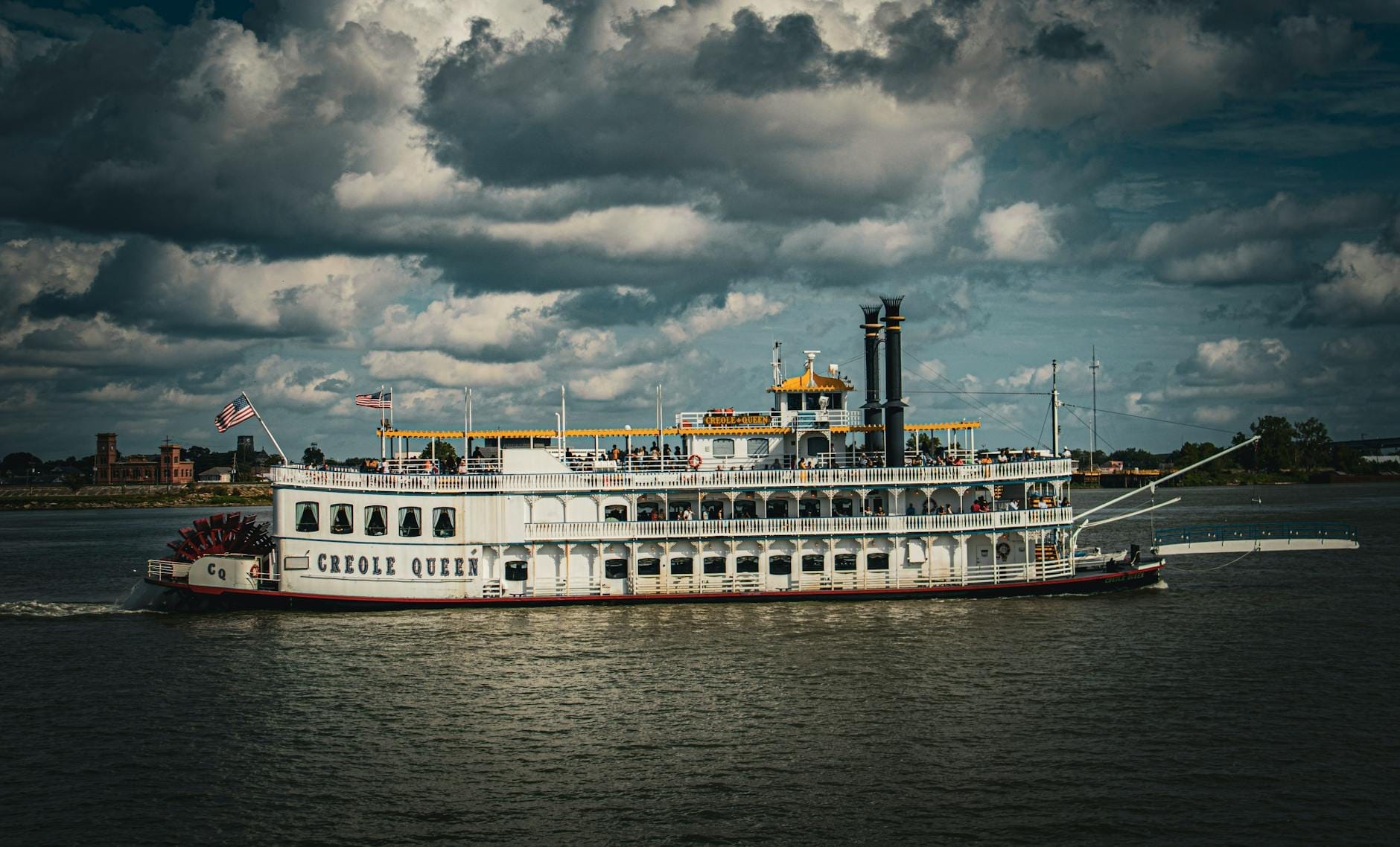
The Mississippi River is the soul of New Orleans, and experiencing it from the water is unlike anything else the city offers. Whether you want a 75-minute sightseeing cruise, a jazz dinner aboard a paddlewheeler, or a multi-day voyage upriver, this guide covers every option worth booking.
New Orleans at night is unlike anywhere else in the United States. Live music spills out of open doors seven nights a week, many bars stay open very late or around the clock — New Orleans has no statewide mandatory closing time, so nightlife runs on its own schedule — and the line between a concert venue and a neighborhood bar barely exists. This guide covers the best spots across every neighborhood, from tourist-friendly classics to where locals actually drink.
New Orleans has a reputation for indulgence, but the city offers more than 50 free or low-cost experiences year-round. From free sculpture gardens and streetcar rides to $7 breakfasts and no-cover live music, this guide shows exactly how to do NOLA without draining your wallet.
The River Road plantations sit 45-55 miles west of New Orleans and tell the full, complicated story of Louisiana's sugar economy. Here is how to choose the right tour, what each site focuses on, and how to make the most of your visit.
New Orleans draws millions of visitors every year, and the vast majority leave without incident. But the city does have real safety considerations that deserve honest discussion. This guide covers neighborhood-by-neighborhood risk, common tourist hazards, and the practical steps that make the biggest difference.
Second line parades are one of New Orleans' most authentic cultural traditions, rooted in West African dance and the city's history of Social Aid and Pleasure Clubs. This guide covers the history, how to find the Sunday parades, what to expect, and how to participate respectfully.
The Louisiana wetlands surrounding New Orleans are unlike anywhere else in North America. This guide covers every swamp tour type, from thrilling airboats to peaceful kayak paddles, plus the city attractions that bring the swamp experience closer to home.
New Orleans rewards walkers like few cities in America. Its compact historic neighborhoods pack centuries of architecture, music, and complex history into streets you can cover on foot. This guide covers the best stops, routes, and attractions to seek out on any walking tour of the city.
New Orleans rewards curious families with alligators, jazz, beignets, and centuries of history. This guide covers the best family activities in New Orleans, organized by age, budget, and neighborhood, so you can plan a trip your kids will actually remember.
New Orleans rewards visitors who go beyond Bourbon Street. This guide covers the top things to do in New Orleans across music, history, food, neighborhoods, and outdoor experiences, with practical details on prices, timing, and what to skip.
New Orleans food is one of the most distinctive culinary traditions in the United States, shaped by centuries of French, Spanish, African, and Native American influence. This guide breaks down the essential dishes, explains the real difference between Creole and Cajun cooking, and points you to the restaurants worth your time.
New Orleans food is unlike anywhere else in America. This guide breaks down the best restaurants by neighborhood and style, from century-old Creole institutions to the modern kitchens adding a contemporary edge to the city's already legendary food scene.
Choosing where to stay in New Orleans is the single most important decision you'll make before your trip. The right neighborhood shapes your entire experience, from what you hear at night to how far you walk to dinner. This guide breaks down every major area with honest assessments, so you can match your hotel to your travel style.