Where to Stay in New Orleans: Best Neighborhoods & Hotels for Every Traveler
Choosing where to stay in New Orleans is the single most important decision you'll make before your trip. The right neighborhood shapes your entire experience, from what you hear at night to how far you walk to dinner. This guide breaks down every major area with honest assessments, so you can match your hotel to your travel style.
Plan and book this trip
Tools from our partner Travelpayouts help you compare flights and hotels. If you book through them, we may earn a commission at no extra cost to you.
Flights
Hotels map
TL;DR
- The French Quarter is ideal for first-timers who want walkable access to history and nightlife, but noise and crowds are real trade-offs.
- The Garden District suits couples and families who want character without chaos, connected by the iconic St. Charles streetcar.
- Marigny and Bywater attract music lovers and independent travelers; use rideshares at night rather than walking alone.
- The Central Business District offers the most hotel inventory at the widest range of prices, with easy access to nearly every attraction.
- Book early for Mardi Gras (February/March) and Jazz Fest (late April/early May) — prices triple and availability drops months in advance.
How to Choose a Neighborhood in New Orleans
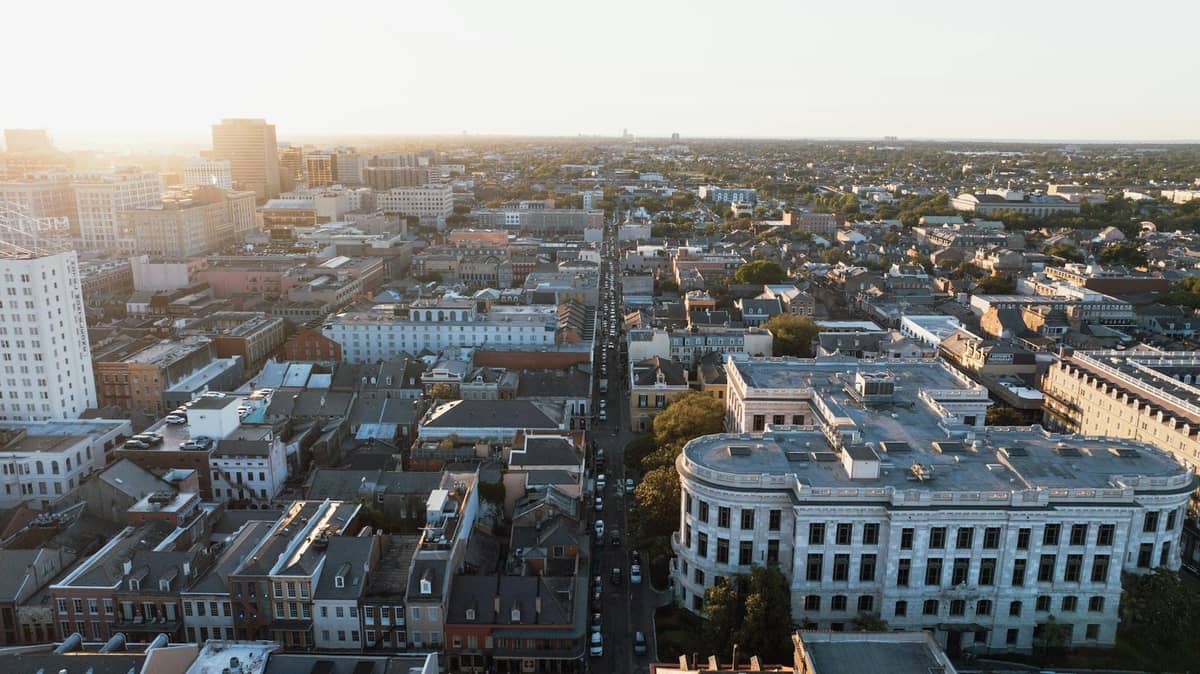
New Orleans is a compact city but its neighborhoods have genuinely distinct personalities. Staying in the wrong area for your travel style isn't just inconvenient — it can undermine the whole trip. A light sleeper who books a hotel one block off Bourbon Street will be miserable. A couple looking for romance who ends up in the convention hotel corridor of the CBD will feel like they missed the city entirely. The good news: every major neighborhood is within 15-20 minutes of everything else by rideshare, and most are walkable to at least some core attractions.
Before committing to a hotel, ask yourself three questions: Do you want to walk everywhere or are you comfortable with the St. Charles streetcar and Uber? Do you prioritize nightlife access or morning quiet? And what is your actual nightly budget? New Orleans hotel prices swing dramatically by season — a room that costs $150 in January can cost $450 or more during Mardi Gras or a major convention week.
⚠️ What to skip
Festival season pricing is not a guideline — it's a wall. During Mardi Gras, Jazz Fest, and major Sugar Bowl weekends, New Orleans hotel inventory is effectively sold out months in advance. If your dates overlap with any major event, book 3-6 months ahead or consider staying in Metairie or the North Shore and commuting in.
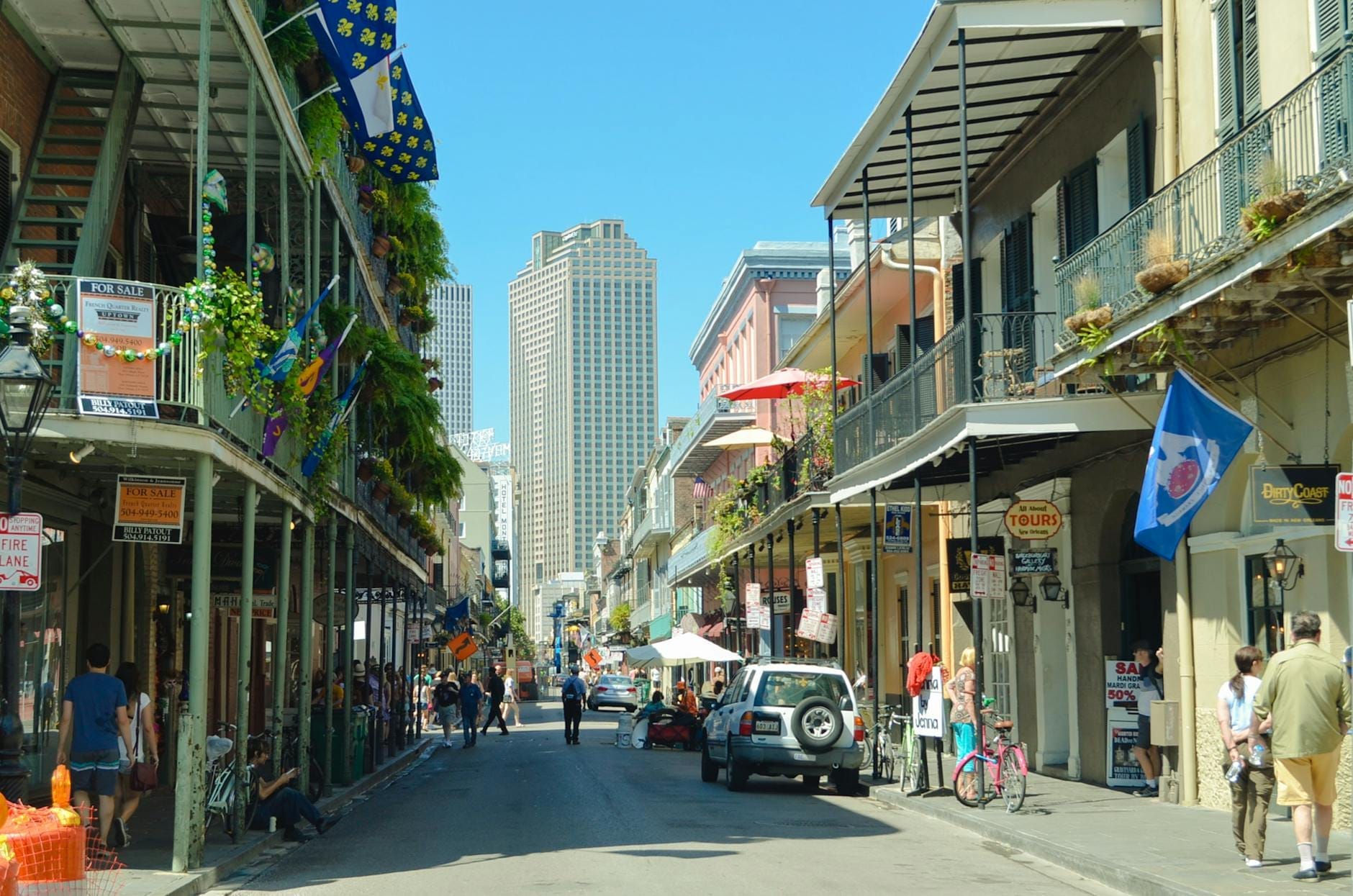
French Quarter: The Classic Choice for First-Timers
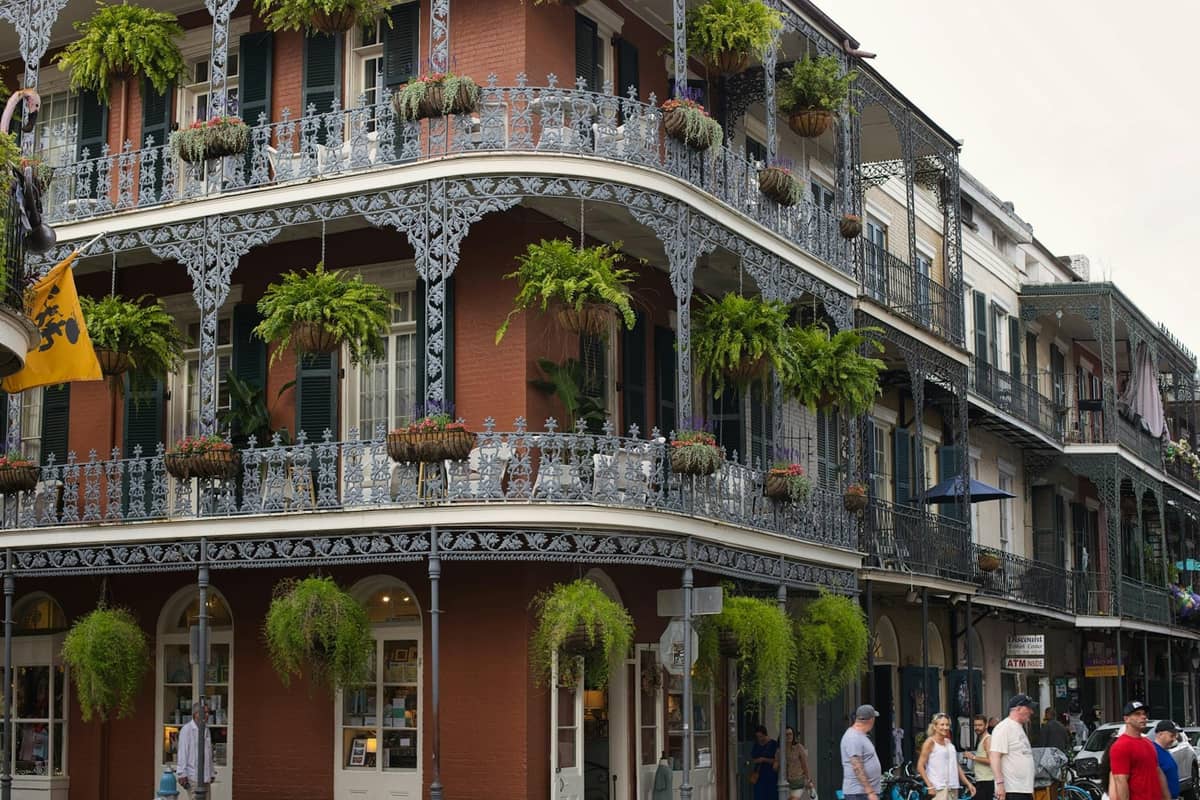
Established in 1718, the French Quarter (also called the Vieux Carré) is where New Orleans began. Staying here puts you within walking distance of Jackson Square, the St. Louis Cathedral, Café du Monde, and the entire historic core of the city. For first-time visitors who want maximum access with minimum planning, it is the pragmatic choice.
The trade-off is real. Bourbon Street is genuinely loud on weekends until 2-3am, and the tourist concentration in the Quarter means prices are consistently higher than comparable rooms in other neighborhoods. The architecture is extraordinary — wrought-iron balconies, gas lamps, Creole townhouses — but many of the hotels inside it are conversions of historic buildings, which can mean quirks like no elevator, smaller rooms, and HVAC systems working overtime in summer heat. The French Quarter is not just for partying; the upper Quarter near Royal Street is quieter, more residential, and home to serious antique shops and galleries. If you want the French Quarter experience without Bourbon Street noise, book on Royal, Chartres, or Decatur Street and specify a room facing the courtyard.
- Best for First-time visitors, history buffs, couples doing one big trip, travelers who want everything walkable
- Avoid if You're a light sleeper, traveling on a tight budget, or visiting with very young children who need early bedtimes
- Price range Around $150-$400+ per night depending on season; boutique properties and historic inns at mid-to-high end
- Getting around Walkable to most core attractions; Canal Street streetcar at the edge of the Quarter for broader access
Garden District and Uptown: Character Without the Chaos
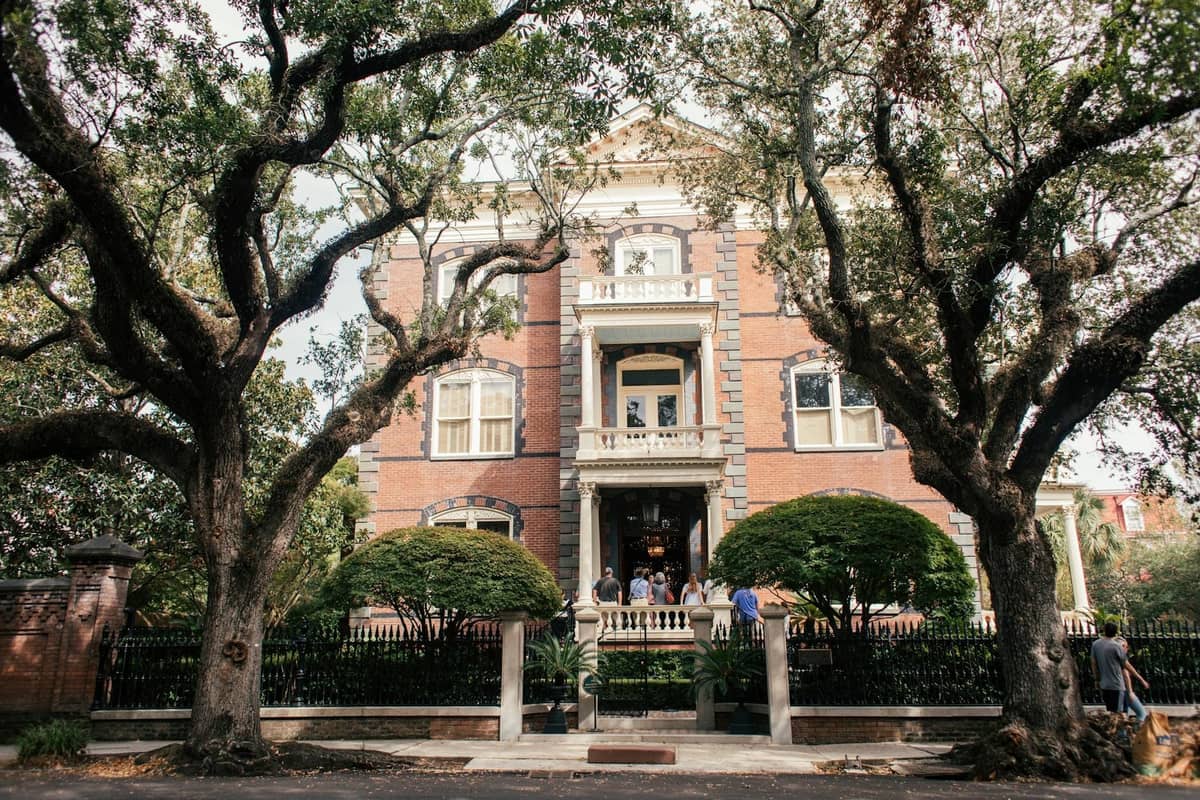
The Garden District is the most photogenic residential neighborhood in the city. Antebellum mansions line Prytania and Coliseum streets, live oaks create a canopy overhead, and the pace is genuinely slower than anywhere near the French Quarter. The St. Charles Avenue streetcar runs right through it and connects you to downtown in under 30 minutes for around $1.25 one-way. Magazine Street is the commercial spine: independent boutiques, coffee shops, and some of the best mid-range restaurants in the city are all here.
The hotel inventory in the Garden District is smaller than in the French Quarter or CBD, which means you're more likely to find yourself in a boutique inn, a bed and breakfast, or a vacation rental. That suits many travelers perfectly. Families with older kids often do well here: it's safe, walkable during the day, and the streetcar makes it easy to get anywhere. The main downside is that you won't stumble home from Frenchmen Street at midnight without planning ahead — rideshares are necessary after dark if you're going far.
✨ Pro tip
If you stay in the Garden District, build at least one morning into your schedule to walk the neighborhood without any agenda. The block between 4th and 6th Streets on Prytania is particularly striking. Lafayette Cemetery No. 1 on Washington Avenue is free to enter and genuinely worth an hour of your time.
Marigny and Bywater: For Music Lovers and Independent Travelers
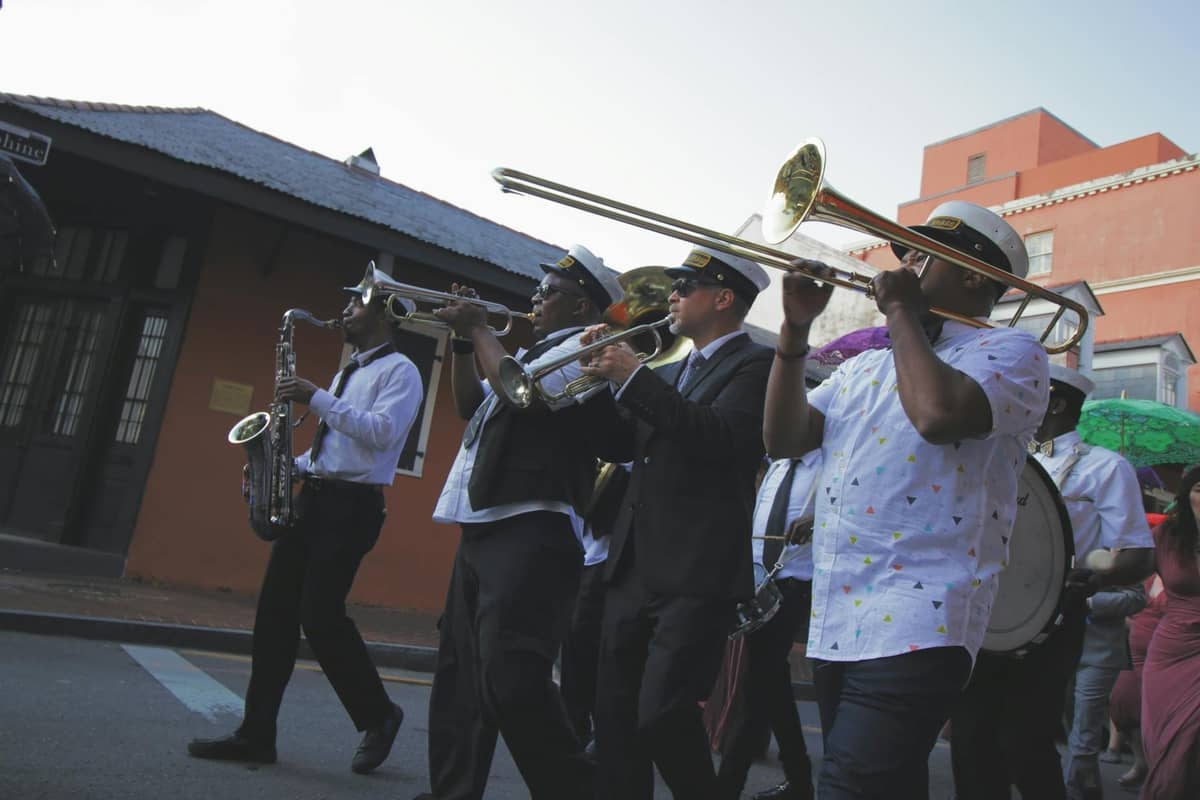
Faubourg Marigny sits directly east of the French Quarter and is where locals go when they want live music without the Bourbon Street circus. Frenchmen Street is the heart of it: a two-block stretch with multiple music clubs running simultaneously, no cover at most venues, and a crowd that skews toward people who actually care about jazz, funk, and brass band music. For anyone serious about New Orleans music culture, staying in the Marigny puts you within a 10-minute walk of the best live music in the city on any given night.
Bywater is the adjacent neighborhood to the east, slightly less polished and more residential. It has developed a strong food and coffee scene over the past decade, and Crescent Park along the river is one of the best green spaces in the city. Accommodations in both neighborhoods tend toward smaller guesthouses, short-term rentals, and boutique properties rather than large hotels. The honest caveat: while these neighborhoods are generally fine during the day, use rideshares at night if you're going more than a few blocks. This is practical advice for any unfamiliar urban neighborhood, not a warning specific to these areas.
Central Business District and Warehouse Arts District: Best Hotel Inventory in the City
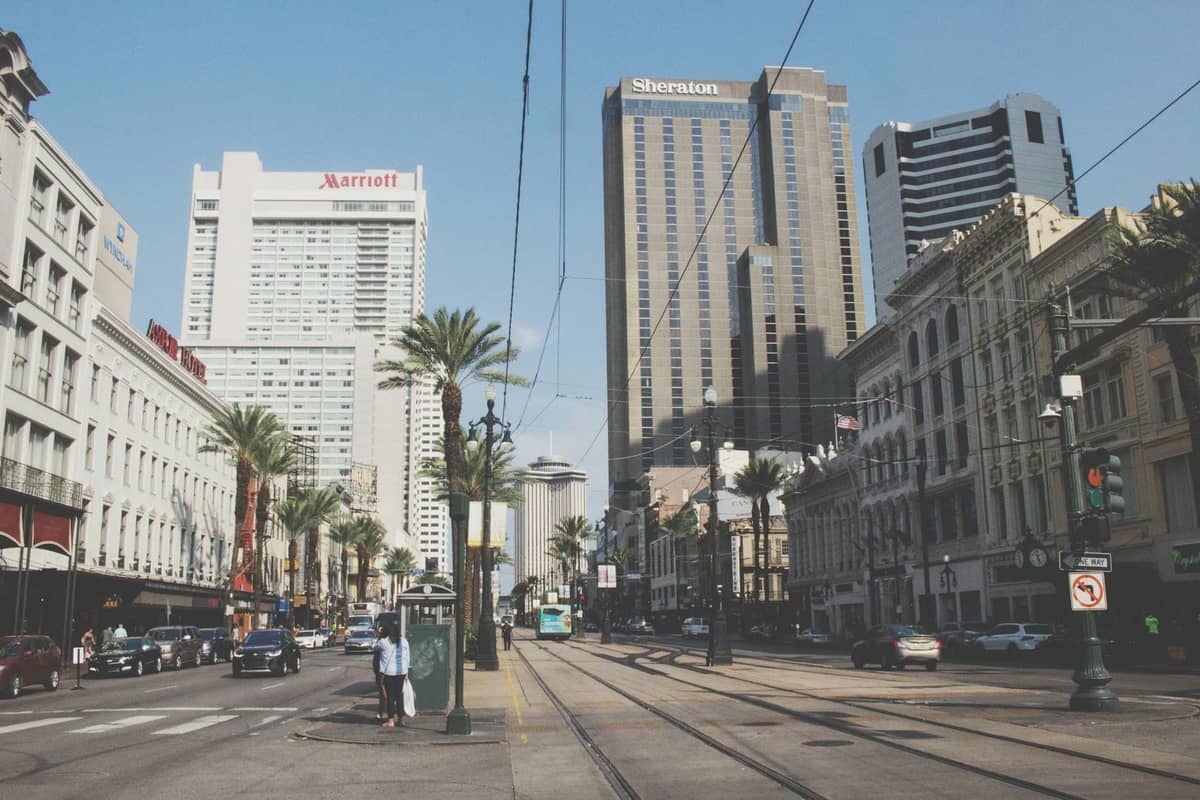
The CBD is where you'll find the widest selection of New Orleans hotels, from major chains to converted warehouse properties. It is the pragmatic choice for travelers who want reliable amenities, on-site parking, fitness centers, and consistent service at scale. Convention travelers, business visitors, and groups often end up here because the Ernest N. Morial Convention Center sits at the edge of the Warehouse District, and many large hotels are within easy walking distance.
The Warehouse and Arts District, technically adjacent to the CBD, is the more interesting half of this zone. The National WWII Museum is here, as are a cluster of contemporary art galleries and some of the city's best chef-driven restaurants. Staying in this area puts you about a 15-20 minute walk from the edge of the French Quarter, or a short rideshare from anywhere in the city. Pricing in the CBD is more competitive than in the Quarter, and you're more likely to find last-minute availability outside of peak convention weeks.
Other Neighborhoods Worth Considering
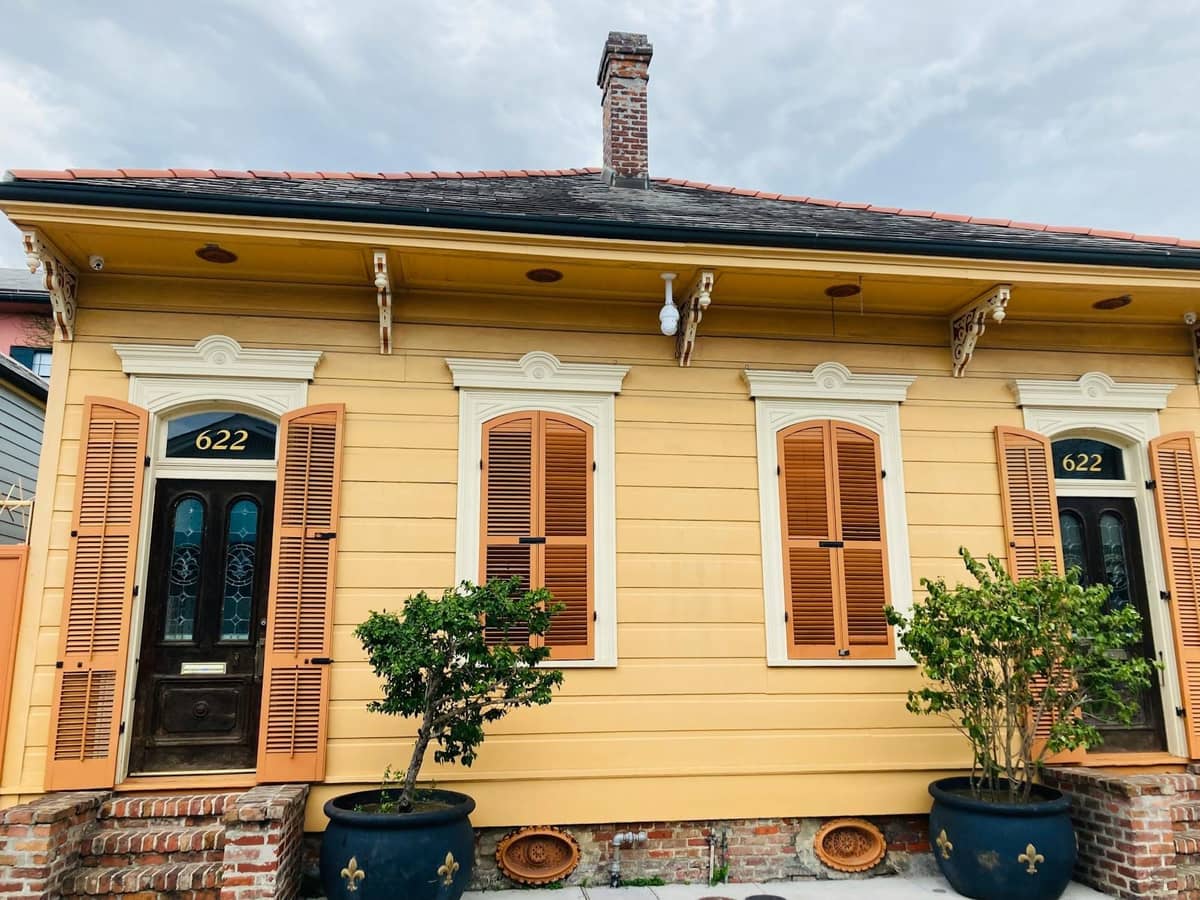
The Tremé is one of the oldest African American neighborhoods in the country and the birthplace of jazz. It sits directly behind the French Quarter and is home to Louis Armstrong Park and Congo Square. Accommodation options are limited but a handful of guesthouses and short-term rentals exist. For travelers focused on New Orleans cultural history, it's an authentically significant location.
Mid-City is worth considering if you're visiting for Jazz Fest, since the Fair Grounds Race Course where the festival is held is nearby. City Park is also here, a major urban park and home to the New Orleans Museum of Art. Accommodation is mostly rental properties and small inns; you'll need the Canal streetcar or a rideshare to reach the French Quarter (about 20-25 minutes).
- Tremé: Best for music historians and travelers focused on African American cultural heritage; very limited hotel inventory
- Mid-City: Best for Jazz Fest attendees and visitors prioritizing City Park; requires streetcar or rideshare to reach central attractions
- Uptown (beyond Garden District): Quieter, residential; good for longer stays and vacation rentals; served by the St. Charles streetcar
- Metairie (suburb): More affordable, near the airport; practical for road trippers or travelers arriving late/departing early
Practical Tips for Booking New Orleans Hotels
New Orleans hotel pricing is highly event-driven. The baseline rate for a decent mid-range room runs roughly $120-$250 per night in the shoulder season (November through early February, excluding holidays). Spring and fall — the most pleasant times to visit weather-wise — push rates higher, typically $180-$350 at quality properties. During Mardi Gras or Jazz Fest, expect to pay $350-$600 or more for rooms that cost $150 in January. Verify current rates directly; pricing shifts constantly based on conventions and events.
Parking is a genuine issue in the French Quarter and Garden District. If you're driving to New Orleans, budget $30-$50 per day for garage parking in the Quarter, or look for CBD hotels that include parking. Alternatively, the public transit and rideshare options in New Orleans are functional enough that most visitors don't need a car once they've arrived. Uber and Lyft are widely available; the RTA streetcar system covers the main tourist corridors for $1.25 one-way. From Louis Armstrong International Airport (MSY, about 15 miles from downtown), rideshares typically run $30–50 and MSY taxis use a regulated flat rate to downtown hotels (verify the current amount at the airport taxi stand). Verify current fares before your trip.
💡 Local tip
Always read the cancellation policy carefully before booking in New Orleans. Many French Quarter boutique hotels and B&Bs enforce strict no-refund policies during festival periods, and some require a minimum stay (2-3 nights) during Mardi Gras and Jazz Fest. Book refundable rates whenever possible if your dates might shift.
For travelers who want the most useful framework for a first trip: if your priority is experiencing everything New Orleans is known for in 3-4 days, stay in the French Quarter or CBD. If you're returning for the second or third time and want more depth and local character, the Garden District or Marigny will reward you. Our 3-day New Orleans itinerary pairs well with this neighborhood guide if you're still planning your overall schedule.
FAQ
What is the safest area to stay in New Orleans as a tourist?
The French Quarter, Garden District, and Central Business District are consistently the most visitor-friendly areas in terms of foot traffic, lighting, and general safety. Marigny and Bywater are generally fine during daylight and early evening on Frenchmen Street. As with any city, be aware of your surroundings at night, avoid poorly lit streets, and use rideshares rather than walking long distances alone after midnight. Check the New Orleans Safety Tips guide for more detail.
Is it worth staying in the French Quarter?
For first-time visitors, yes. The walkability to Jackson Square, Bourbon Street, Royal Street, Café du Monde, and the riverfront is genuinely useful. For repeat visitors or anyone sensitive to noise, the Garden District or Marigny often delivers a richer, more local experience at lower prices. The French Quarter is not overrated as a location — but it is overpriced relative to other neighborhoods.
How far in advance should I book hotels in New Orleans?
For standard travel dates (outside major festivals), 4-8 weeks in advance is usually sufficient. For Mardi Gras, Jazz Fest, the Sugar Bowl, or major convention weeks, book 3-6 months ahead. Many properties during Mardi Gras are fully booked a year in advance. If you're flexible on exact neighborhood, you'll have better options closer to your dates.
Which New Orleans neighborhood is best for couples?
The Garden District tops most lists for romantic stays: historic architecture, quieter streets, great restaurants on Magazine Street, and the St. Charles streetcar for atmosphere. The Marigny is a strong second choice for couples who want jazz, local restaurants, and a more bohemian feel. The French Quarter works for couples who want convenience and don't mind the energy, especially if you book a room with a private courtyard or balcony.
What is the cheapest time to find hotel deals in New Orleans?
January (after New Year's, before Mardi Gras season ramps up) and late summer (August-September) typically offer the lowest hotel rates. Summer deals exist because of the heat and humidity, which average 77-92°F with high moisture. If you can tolerate the climate and don't need to hit specific festivals, these periods offer real savings, often 30-50% below spring or fall rates.