New Orleans Second Line Parades: What They Are, Where to Find Them, and How to Join
Second line parades are one of New Orleans' most authentic cultural traditions, rooted in West African dance and the city's history of Social Aid and Pleasure Clubs. This guide covers the history, how to find the Sunday parades, what to expect, and how to participate respectfully.
Plan and book this trip
Tools from our partner Travelpayouts help you compare flights and hotels. If you book through them, we may earn a commission at no extra cost to you.
Flights
Hotels map
TL;DR
- Second line parades are organized by Social Aid and Pleasure Clubs (SAPCs) and feature brass bands, dancers with parasols, and a following crowd open to anyone.
- Most parades happen on Sunday afternoons in neighborhoods like Tremé and Central City, with dozens occurring each year.
- WWOZ 90.7 FM and the city's Social Aid and Pleasure Club parade permit calendar (available through NOLA.gov) publish schedules online — check before you go, as routes shift.
- Joining is free and welcomed; dress in bright colors, bring a handkerchief or small umbrella, and follow the band's lead.
- Second lines peak during Jazz Fest (April-May) and the fall SAPC season, but occur year-round.
What Is a Second Line Parade?
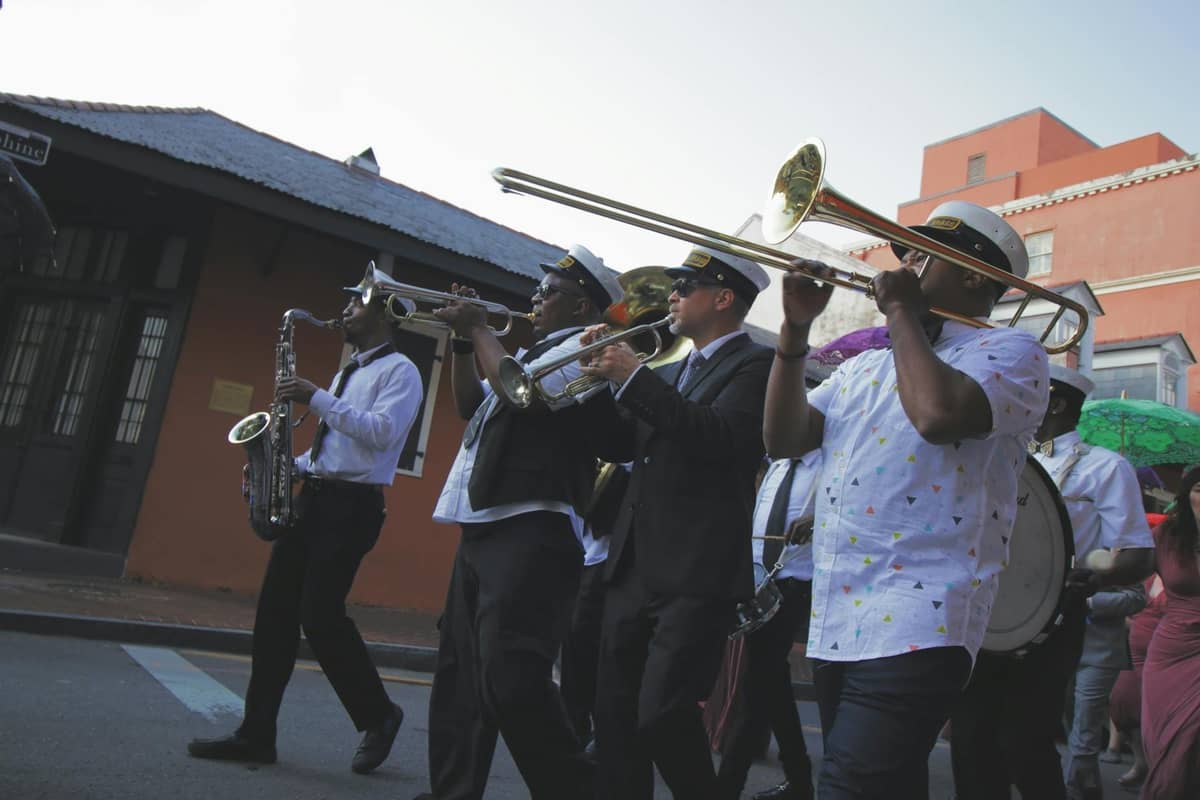
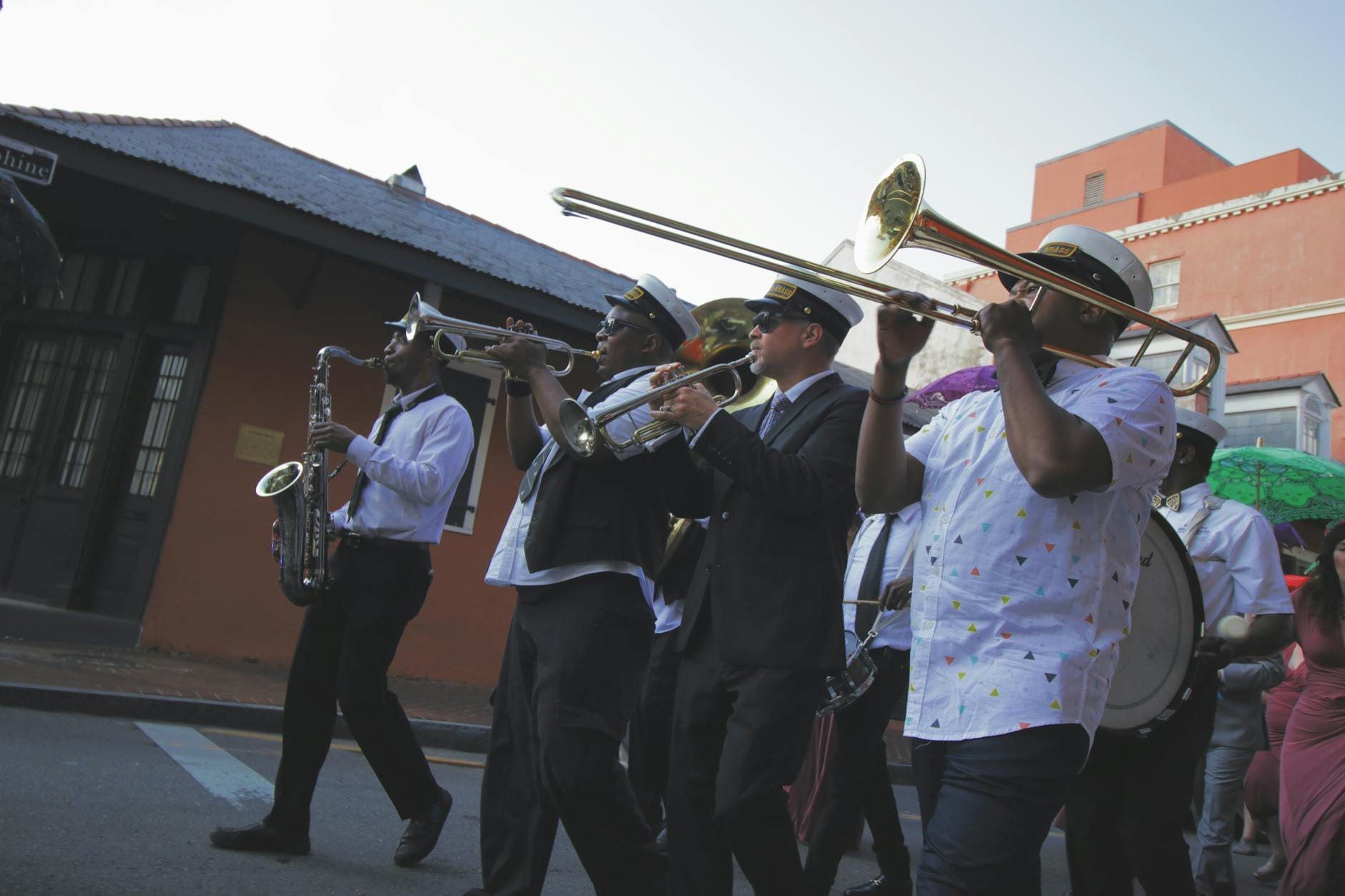
A second line parade is a street procession built around a brass band, organized by a Social Aid and Pleasure Club. The tradition has influences from West African dance traditions practiced by enslaved Africans in New Orleans, most notably at Congo Square in the early 19th century. After emancipation, freedmen formed mutual aid societies that funded funerals, medical care, and community support. These groups became the Social Aid and Pleasure Clubs, and their public celebrations evolved into the second line format we know today.
The terminology is specific: the "first line" includes the SAPC members, the grand marshal, and the brass band. The "second line" is everyone else, the crowd that follows, dances, waves handkerchiefs, and twirls parasols. Today the term is used for the whole event, but locals understand the distinction. You can see how deep this tradition runs at Congo Square, where its African roots are most tangible, and at Louis Armstrong Park, which borders the historically significant Tremé neighborhood.
ℹ️ Good to know
Second lines are not the same as jazz funerals, though the two share DNA. Jazz funerals are a specific subset of the tradition, held when a member of the community dies. Most second lines today celebrate SAPC anniversaries, community milestones, weddings, and neighborhood pride — not death.
The History Behind the Tradition
Social Aid and Pleasure Clubs have been documented in New Orleans since the 1860s, emerging directly from the mutual aid networks that freed Black residents built for survival. These organizations provided burial insurance and medical funds at a time when such services were denied to Black New Orleanians by mainstream institutions. The public parade was both a celebration and an advertisement: by marching through the neighborhood, SAPCs demonstrated their presence and invited new members.
The brass band format itself absorbed influences from European military marching bands, Afro-Caribbean rhythms, and the blues, eventually forming the foundation of what we now call New Orleans jazz. The Historic New Orleans Collection traces the origins of parading Black organizations back more than 200 years, making this one of the oldest continuous cultural traditions in American urban life. After Hurricane Katrina in 2005, second line parades resumed almost immediately as displaced communities returned, and they became a powerful symbol of recovery and cultural resilience.
When and Where Second Lines Happen
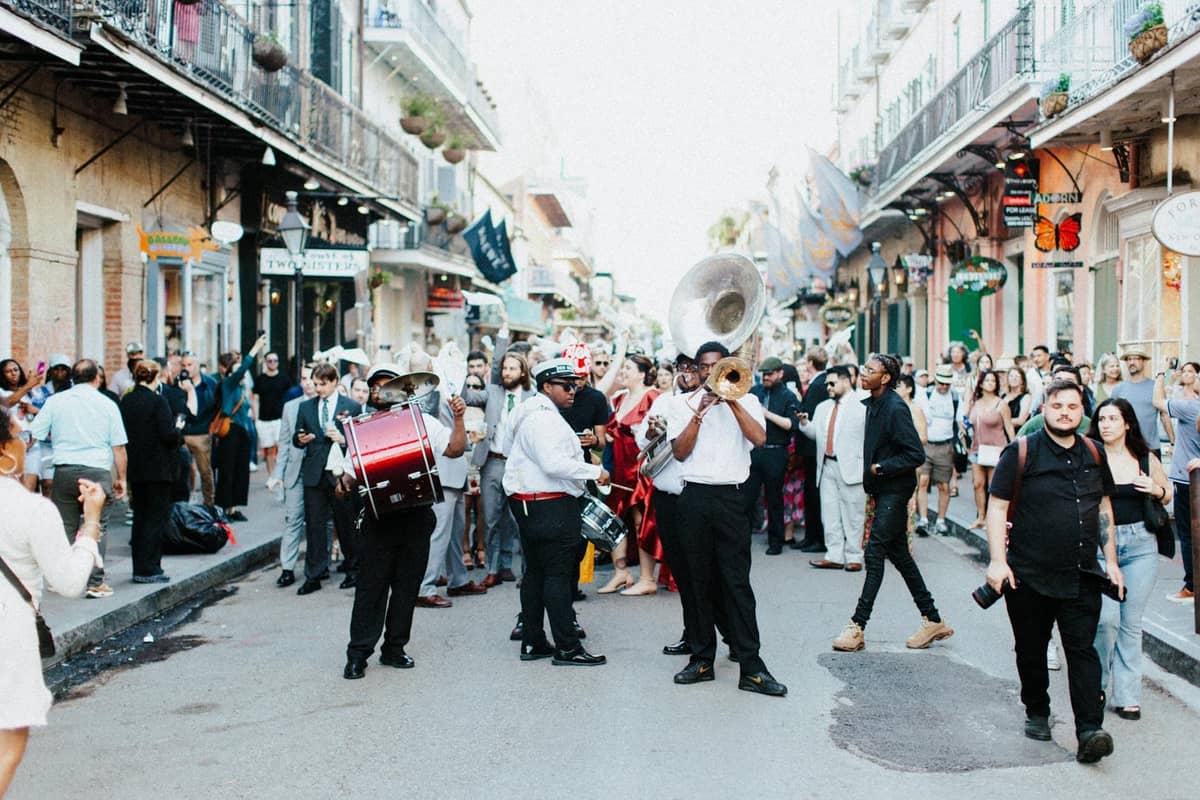
The formal SAPC second line season runs roughly from late September through late May, with individual clubs hosting their annual parades on designated Sundays. Most start in the early afternoon, typically between noon and 2 p.m., and wind through specific neighborhoods for three to five miles before ending at a club hall or bar. Tremé, Central City, and the 7th Ward are the most common starting points, though routes vary by club.
The single best resource for tracking second line schedules is WWOZ 90.7 FM (wwoz.org), New Orleans' community jazz and heritage radio station, which publishes a regularly updated parade guide. The New Orleans Jazz & Heritage Festival, held at the Fair Grounds Race Course in late April and early May, features organized second lines as part of the daily programming. Read the full breakdown in our New Orleans Jazz Fest guide.
- SAPC Season (late Sept to May) Formal club parades on Sundays, concentrated in Tremé, Central City, and 7th Ward neighborhoods.
- Jazz Fest (late April to early May) Daily second lines at the Fair Grounds, more accessible for tourists but less raw than neighborhood parades.
- Mardi Gras Season (Jan to Fat Tuesday) Mardi Gras Indians integrate second line elements into their own processions, creating a distinct hybrid tradition.
- Private Events Year-Round Weddings, funerals, and birthday parades happen without fixed schedules. You can encounter them anywhere in the city.
💡 Local tip
Follow @wwoz_neworleans on social media and bookmark wwoz.org/guides/second-line for up-to-date Sunday parade schedules. Routes are published in advance but can shift slightly on the day — arrive early at the starting point and follow the crowd.
How to Join a Second Line Parade
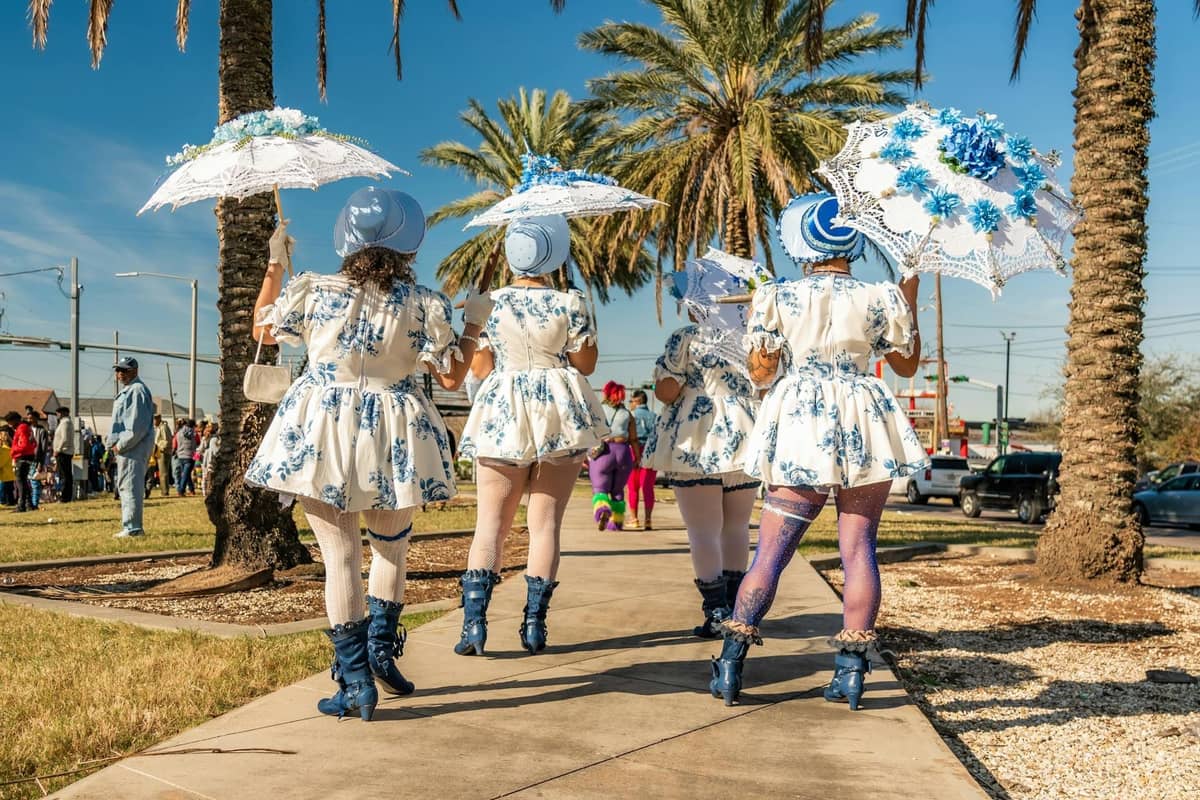
Joining is straightforward: show up, find the crowd, and start moving. There is no ticket, no registration, and no fee. The second line is by design an open, public procession. That said, there are unwritten codes of conduct that separate respectful participation from oblivious tourism.
- Dress with intention: bright colors, elaborate hats, and matching outfits show respect for the tradition. Plain tourist clothes won't get you kicked out, but the parade is a fashion statement as much as a musical event.
- Bring a white handkerchief or small parasol to wave. This is the most recognizable visual element of second line participation.
- Don't cut in front of the first line or walk alongside the brass band unless you're part of the SAPC. Follow behind and match the energy.
- Leave enough space for the grand marshal and SAPC members — they've planned and funded this event. The second line follows, it doesn't lead.
- Hydrate and wear comfortable shoes. A full second line route covers three to five miles on pavement, often in afternoon heat.
If you want deeper context before attending, consider booking one of the city's cultural walking tours that cover this history. Our guide to New Orleans walking tours includes operators who cover the Tremé and its SAPC heritage specifically.
What to Expect: The Atmosphere and the Music
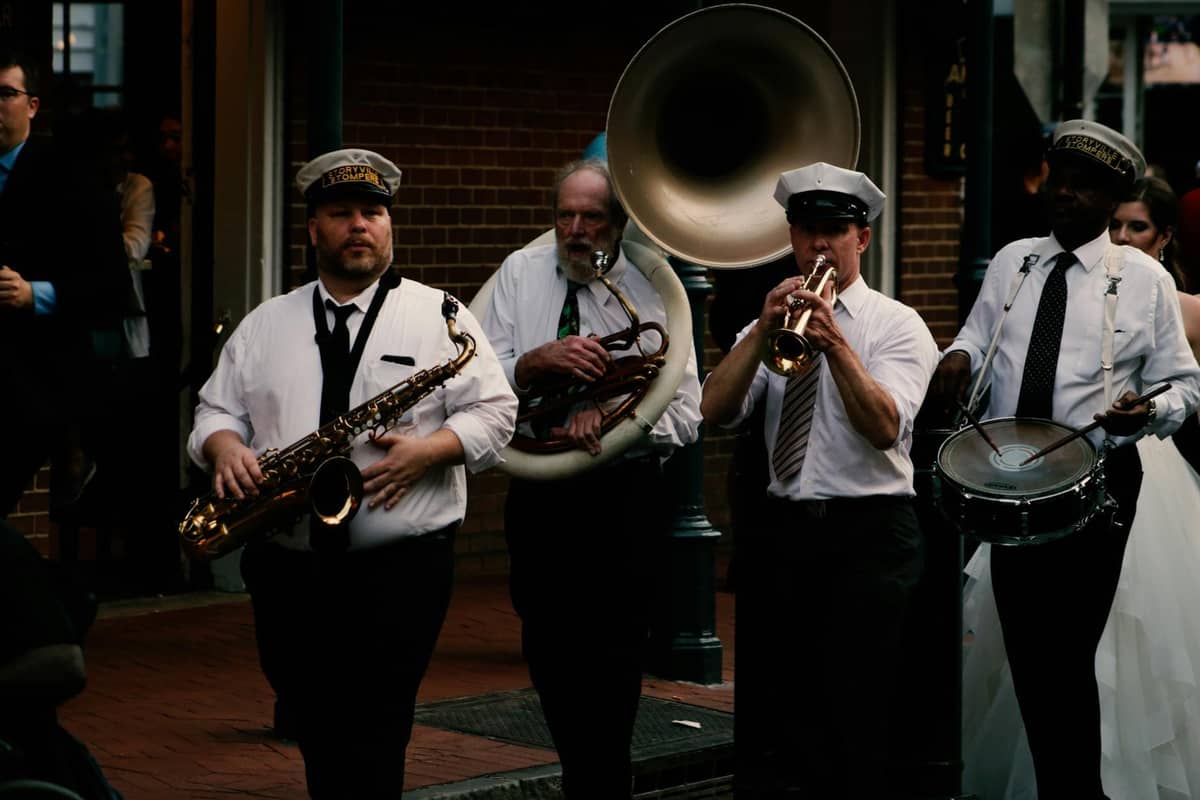
A neighborhood second line is loud, physical, and densely packed. Brass bands typically include sousaphone (the bass backbone), snare and bass drums, trumpets, trombones, and sometimes saxophones. The repertoire mixes jazz standards, gospel, hip-hop, and New Orleans bounce depending on the club's character. The crowd dances in a style called second line dancing, a syncopated strut-and-shuffle that looks deceptively simple. Locals have spent years perfecting it.
Vendors line the route selling cold beer, water, and food from coolers and carts. Businesses along the path often open their doors and host overflow crowds. The whole thing is more carnival than march. For a broader introduction to the music that powers these events, the New Orleans Jazz Museum in the French Quarter has exhibits dedicated to brass band history, and Preservation Hall hosts nightly performances that share DNA with second line brass band traditions.
⚠️ What to skip
Neighborhood second lines pass through residential streets that are not tourist corridors. Stay aware of your surroundings, keep your phone secured, and don't wander away from the crowd to explore side streets. Check our New Orleans safety tips before attending any large outdoor street event.
Common Misconceptions and What to Know Before You Go
The biggest misconception is that second lines are primarily about death. Jazz funerals exist and are significant, but they're one category within a much larger tradition. The vast majority of second line parades celebrate life: SAPC anniversaries, community pride, and the simple act of marching through your neighborhood with a band. Treating every second line as a funeral procession is factually wrong and culturally tone-deaf.
A related error is calling second lines a generic block party or a tourist event. They're organized, permitted, and deeply political in the sense that they assert Black cultural space in a city with a complicated racial history. SAPCs must obtain permits from the city and pay for police escorts. The tradition survived slavery, Jim Crow, and Katrina. Visitors who treat it as background entertainment miss the point entirely.
Second lines are also distinct from the more tourist-facing nightlife scene on Bourbon Street or even the live music on Frenchmen Street. They happen in residential neighborhoods, not entertainment districts, and they're organized by community members, not venues. That's what makes them irreplaceable.
If you're planning your trip around catching a second line, the best windows are October through December (dense SAPC season, cooler weather) and late April during Jazz Fest. For a full picture of timing, see our guide to the best time to visit New Orleans.
FAQ
Can tourists join a New Orleans second line parade?
Yes. The second line (the crowd following the band) is open to anyone. There's no ticket or registration. Show up, dress with some effort, wave a handkerchief, and follow the music. Give space to the SAPC members and band, who form the official first line.
How do I find the second line schedule in New Orleans?
WWOZ 90.7 FM (wwoz.org) is the most reliable source and publishes a regularly updated second line parade guide. The city's Social Aid and Pleasure Club parade permit calendar (available through NOLA.gov) also posts schedules. Check within a few days of your visit since routes and start times can shift.
Are New Orleans second line parades free?
Joining a neighborhood second line as part of the crowd is completely free. If you want to hire a brass band for a private second line at a wedding or event, costs vary significantly based on the band and duration — expect to budget several hundred to a few thousand dollars for a professional group.
What's the difference between a second line and a jazz funeral?
A jazz funeral is a specific type of second line held to honor someone who has died. The procession moves solemnly to the cemetery, then transitions into an upbeat celebration on the return. Most second lines have nothing to do with death — they celebrate SAPC anniversaries, weddings, birthdays, and community events.
What neighborhood are second line parades in New Orleans?
Tremé, Central City, and the 7th Ward host the highest concentration of SAPC second lines. The parades move through residential streets, not tourist corridors, so they feel genuinely local. Jazz Fest second lines happen at the Fair Grounds Race Course in Mid-City, which is more accessible for first-time visitors.