New Orleans Jazz & Live Music: The Definitive Guide
New Orleans is the birthplace of jazz and one of the world's great live-music cities. This guide covers where to hear the best music, when to go, how to navigate the scene like a local, and what separates the real experience from the tourist circuit.
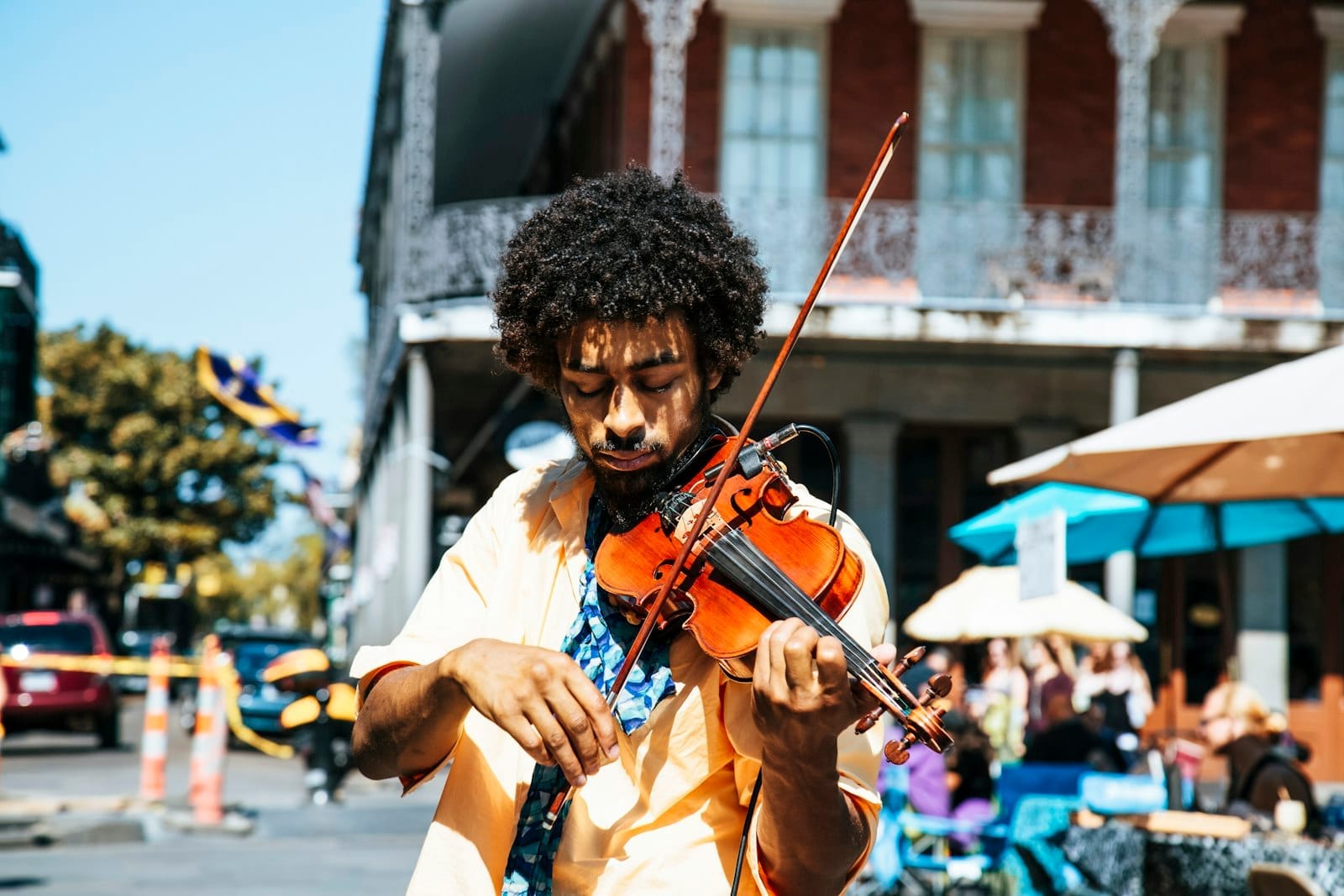
Plan and book this trip
Tools from our partner Travelpayouts help you compare flights and hotels. If you book through them, we may earn a commission at no extra cost to you.
Flights
Hotels map
TL;DR
- New Orleans jazz was born from African, French, Caribbean, and Creole influences in the late 19th century and remains alive across dozens of venues every single night.
- For authentic live music, skip Bourbon Street and head to Frenchmen Street in the Marigny, where locals actually go.
- The New Orleans Jazz & Heritage Festival (Jazz Fest) runs across two weekends in late April and early May and is the single biggest music event in the city's calendar.
- Preservation Hall is worth visiting once for the history, but cover charges and standing-room-only crowds mean it's not the best regular listening experience.
- The music scene runs year-round, but spring (March to May) and fall (October to November) offer the best combination of weather, festivals, and crowd levels. See the best time to visit New Orleans for full seasonal details.
Why New Orleans Is the Birthplace of Jazz
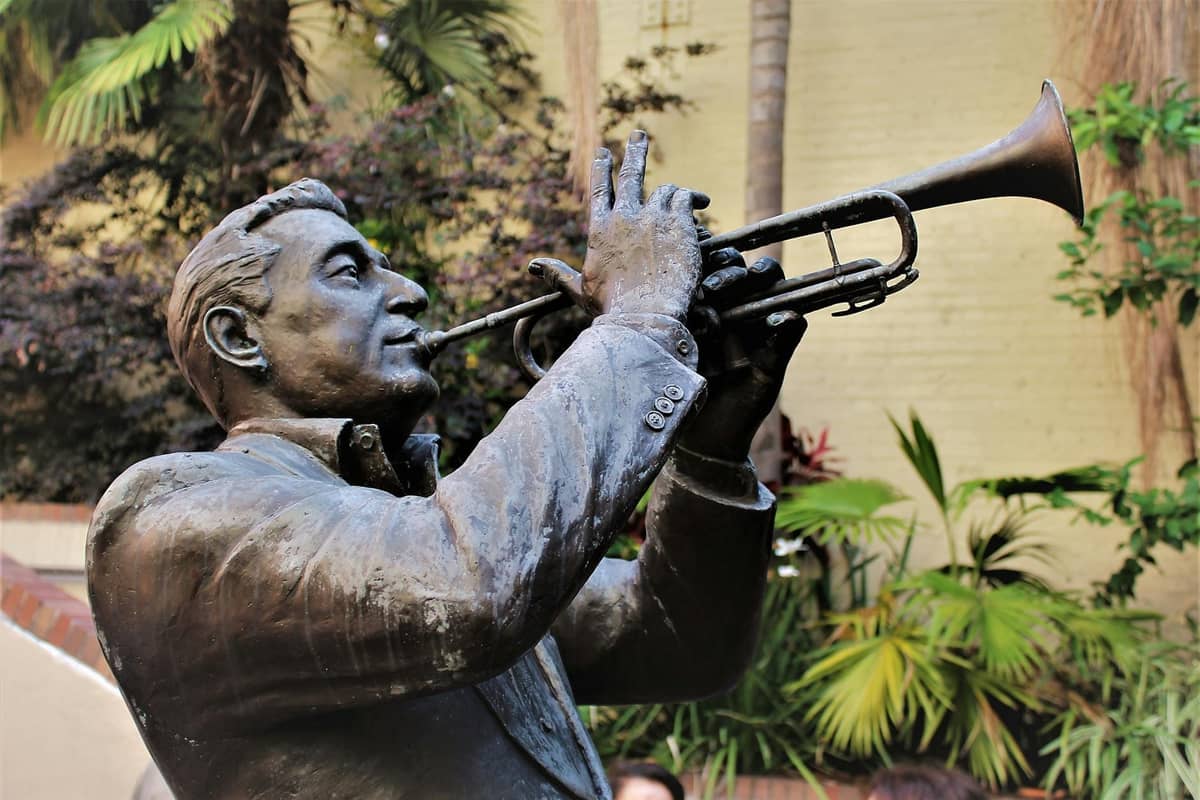
Jazz did not emerge from a single moment or a single person. It developed in New Orleans across the late 19th and early 20th centuries as an almost inevitable collision of cultures: West African drumming traditions, French and Spanish Creole musical heritage, Caribbean rhythms, Protestant hymns, military brass band music, blues from the Mississippi Delta, and ragtime from the piano parlors of the era. No other city in North America had quite the same combination of conditions: a port city with ongoing Caribbean contact, a substantial free Black Creole population with formal musical training, and Congo Square, where enslaved people were permitted to gather, drum, and dance on Sundays well into the 19th century. That square, now part of Louis Armstrong Park, is as close to a physical origin point as jazz has.
The earliest form of New Orleans jazz featured collective improvisation rather than the soloist-plus-rhythm-section format most listeners associate with the genre today. A front line of cornet or trumpet, clarinet, and trombone would weave independent melodic lines simultaneously, a style called polyphony. Piano became part of the standard ensemble only around 1915. Pioneers like Buddy Bolden, Jelly Roll Morton, King Oliver, and a young Louis Armstrong developed the music in dance halls, brothels, riverboat ballrooms, and social club parades throughout the city. By the 1920s, the music had traveled north to Chicago and New York, but its roots stayed planted in New Orleans.
ℹ️ Good to know
A common oversimplification: jazz did not stay in New Orleans. It evolved in Chicago and New York throughout the 1920s and 30s, developing bebop, swing, and later styles far from its origins. What New Orleans preserves is the traditional form, and that's exactly what makes the city's scene unique.
Beyond Jazz: The Full Spectrum of New Orleans Music
New Orleans music is not just jazz. The city has produced or nurtured funk (The Meters, Dr. John, The Neville Brothers), R&B, bounce (a hyperlocal hip-hop subgenre built on call-and-response chants and the Triggerman beat), Cajun and zydeco from the surrounding parishes, brass band music that evolved from jazz funerals into a street-party institution, and gospel that fills churches across the city every Sunday morning. Framing a trip entirely around jazz means missing half the picture.
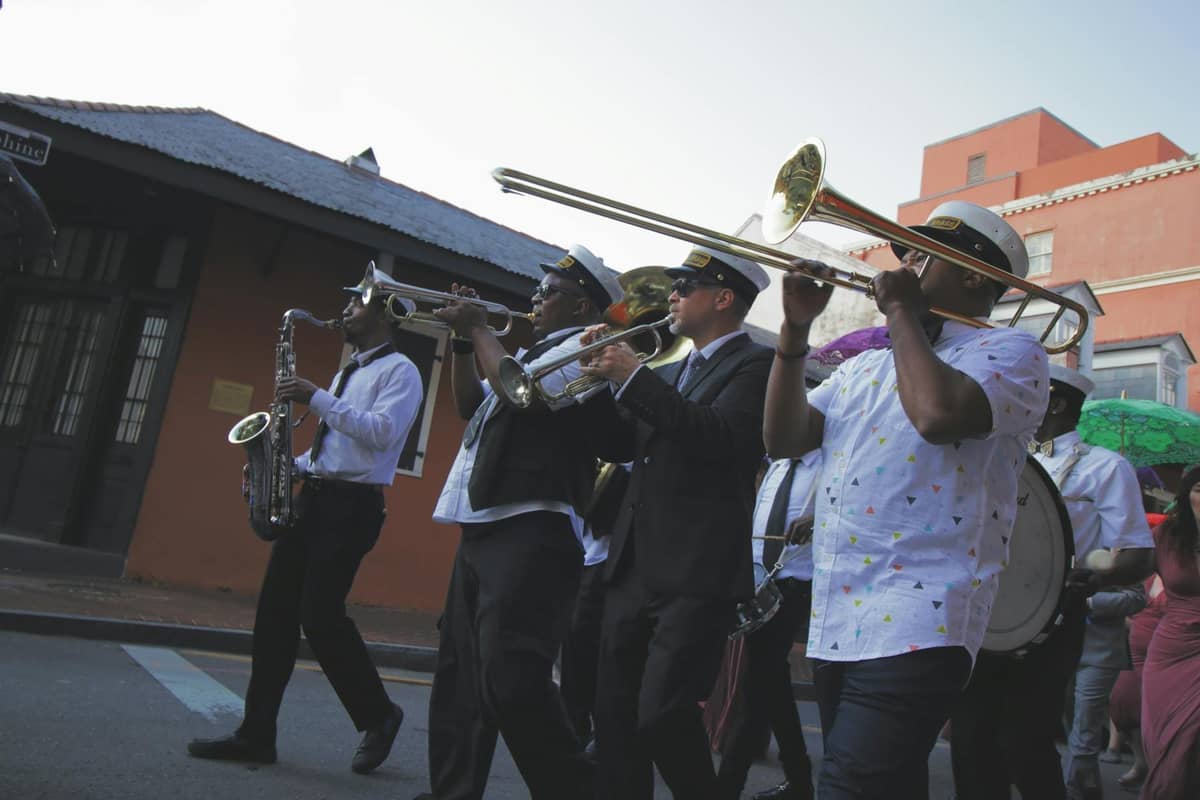
Brass band culture in particular deserves attention. Bands like the Rebirth Brass Band and Hot 8 Brass Band have transformed the second-line parade tradition, mixing jazz, funk, and hip-hop into something entirely their own. The second line parade season runs roughly October through June, when Social Aid and Pleasure Clubs organize neighborhood parades most Sundays. These are free, community-run events and among the most genuine musical experiences the city offers.
- Traditional Jazz Preservation Hall, Fritzel's European Jazz Pub, Palm Court Jazz Cafe. Polyphonic, ensemble-driven, rooted in the early 20th-century style.
- Modern Jazz & Funk Snug Harbor Jazz Bistro on Frenchmen Street. More concert-format listening, reserved seating available, nationally recognized artists.
- Brass Band Rebirth Brass Band plays Thursdays at The Maple Leaf Bar in Uptown. Raw, loud, and the most energetic live music experience in the city.
- Cajun & Zydeco Rock 'n' Bowl in Mid-City combines bowling, dancing, and live Cajun and zydeco bands. Genuinely fun, genuinely local.
- Singer-Songwriter & Indie Tipitina's in Uptown hosts everything from funk legends to touring indie acts. One of the great independent music venues in the American South.
Where to Hear Live Music: A Neighborhood-by-Neighborhood Breakdown
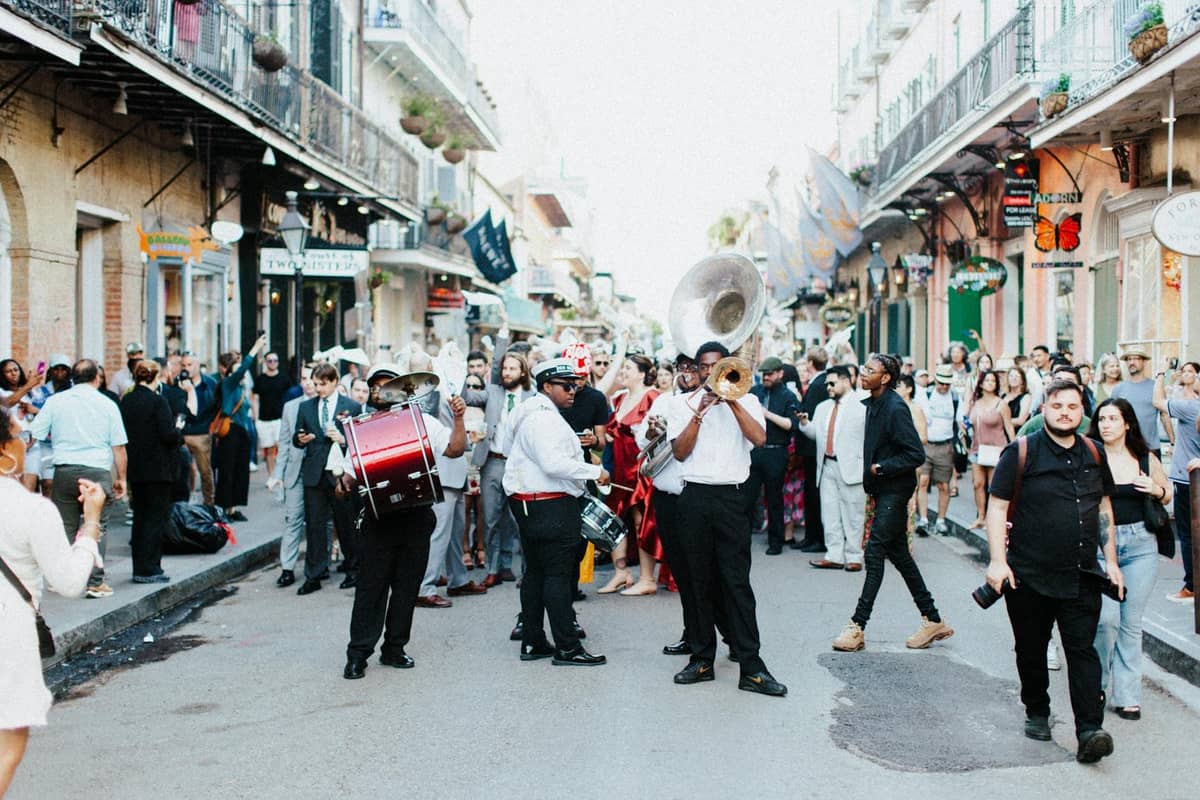
The Frenchmen Street strip in the Marigny is the city's most concentrated live-music corridor and the destination most locals recommend over Bourbon Street. Within a few blocks you'll find half a dozen venues: The Spotted Cat Music Club and d.b.a. both have free entry (tip the musicians generously) and rotating lineups that cover jazz, blues, funk, and Afro-Caribbean styles. The Maison books larger acts and charges a modest cover on weekends. On warm nights, musicians also set up in the street itself, drawing crowds at 11pm on a Tuesday. It's genuinely unpredictable in the best way.
In the French Quarter, Preservation Hall on St. Peter Street is the most famous jazz venue in New Orleans. The room is tiny, there are no seats for most visitors, the sets are short (around 45 minutes), and tickets are typically $20–35 depending on show tier (verify on preservationhall.org). It is historically significant and the quality of musicianship is high, but it's also extremely tourist-forward. Go once. The New Orleans Jazz Museum at the Old U.S. Mint hosts free concerts some afternoons and is worth checking for its programming calendar.
⚠️ What to skip
Bourbon Street has live music, but it's mostly cover bands and karaoke bars aimed at bachelor parties. The sound bleeds between venues, drinks are expensive, and the overall experience prioritizes volume over quality. It's fine for one rowdy night, but it tells you nothing about New Orleans music culture.
Uptown's Tipitina's, at the corner of Napoleon and Tchoupitoulas, is a legendary club that opened in 1977 as a venue for Professor Longhair, one of New Orleans' most influential piano players. It still hosts major acts across genres and is large enough to hold a real crowd without feeling like an arena. The St. Charles streetcar runs nearby, making it accessible from the French Quarter without a rideshare. Check the calendar at tipitinas.com and book in advance for headliner nights.
New Orleans Jazz Fest and the Major Music Festivals
The New Orleans Jazz & Heritage Festival, universally called Jazz Fest, runs across two consecutive weekends in late April and early May at the Fair Grounds Race Course. It is one of the largest music festivals in the United States by attendance and covers far more than jazz: blues, gospel, R&B, funk, Cajun, zydeco, brass band, Latin, and international music all appear across multiple stages. The food at Jazz Fest is equally famous, with hundreds of Louisiana-specific dishes served by local vendors. Single-day tickets typically run $90-120 (verify current pricing at nojazzfest.com before booking), and weekend passes sell out early for the most popular lineups.
For those who want the festival atmosphere without the ticket cost, the French Quarter Festival in early April is entirely free and draws significant local talent across dozens of stages scattered through the Quarter. It runs for four days and is genuinely underrated compared to Jazz Fest's profile. Both festivals make spring the most musically dense time to visit New Orleans. Pair either with the broader things to do in New Orleans to build a full itinerary.
✨ Pro tip
At Jazz Fest, the best strategy is to arrive at the Gentilly Stage or Congo Square Stage in the early afternoon before headliners draw the largest crowds. The Heritage Stage tent hosts traditional jazz and gospel, and it's often the most moving and least crowded space on the grounds.
- New Orleans Jazz & Heritage Festival: late April to early May, Fair Grounds Race Course. Ticketed. Book well in advance for major headliner weekends.
- French Quarter Festival: early April, throughout the French Quarter. Free admission. Strong local lineup across jazz, brass band, and R&B.
- Satchmo SummerFest: early August, the Old U.S. Mint and surrounding streets. Free. Dedicated to Louis Armstrong's legacy with traditional jazz programming.
- Voodoo Fest (Voodoo Music + Arts Experience): Halloween weekend, City Park. Rock, hip-hop, and electronic-leaning. Note: The Voodoo Music + Arts Experience (last held 2019) has been on hiatus; check official channels to confirm if it has resumed before planning around it.
- Bayou Boogaloo: mid-May, Bayou St. John in Mid-City. Free, neighborhood-scale, with strong local jazz and funk acts.
Practical Tips for Navigating the Live Music Scene
Most live music in New Orleans starts late by national standards. Even on weeknights, headline sets at Frenchmen Street venues rarely begin before 10pm, and the peak energy on weekends hits closer to midnight. If you arrive at 9pm expecting a full show, you'll often find the room half-empty and the band still setting up. Plan dinner first, take your time, and treat the night as an open-ended experience rather than a scheduled event.
Tipping musicians is not optional in New Orleans culture. At free-entry venues on Frenchmen Street, the musicians are compensated primarily through tips and merchandise. Put something in the jar after each set, or at minimum at the end of the night. A $5-10 tip per person per venue is a reasonable baseline. At ticketed venues like Preservation Hall or Snug Harbor, a tip is still appreciated but less critical since the cover charge supports the performers more directly.
Getting between Frenchmen Street and the French Quarter on foot takes about 10-15 minutes and is generally fine in the evening, though you should stay aware of your surroundings like any urban environment. For broader New Orleans safety tips, especially at night, read up before you go. Rideshare is available throughout the city and is the practical choice for getting back to hotels in the Central Business District or Garden District after a late night.
💡 Local tip
Download the venue apps or follow Frenchmen Street venues on social media before your trip. Lineups often change week to week, and the best local acts don't always show up on ticketing platforms. The Spotted Cat and d.b.a. post weekly schedules online.
The Jazz Museum, Music History, and Where to Learn More
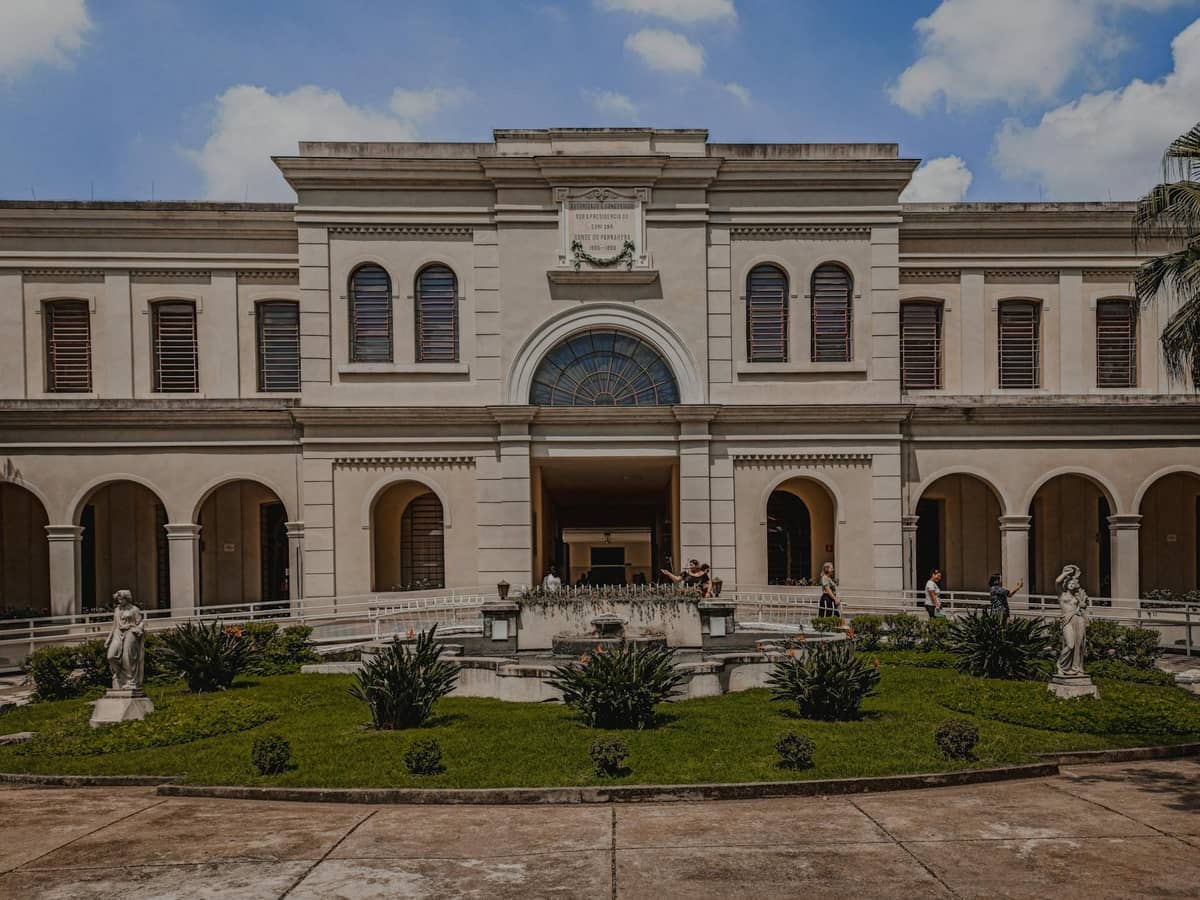
The New Orleans Jazz Museum occupies the Old U.S. Mint at 400 Esplanade Avenue at the edge of the French Quarter. The permanent collection covers the full arc from Congo Square to the contemporary brass band revival, with instruments, photographs, recordings, and interactive displays. Admission is modest (verify current rates), and the museum hosts live performances in its main hall on select days. It is one of the few places in the city where you can absorb both the history and hear the music in the same building.
For a deeper historical walk, consider one of the city's walking tours that specifically cover music history and the Tremé neighborhood. The Tremé is often described as the oldest African American neighborhood in the United States and was central to the development of jazz through its social clubs, churches, and brass band culture. Walking it with a knowledgeable guide provides context that no museum exhibit fully replicates.
FAQ
When is the New Orleans Jazz Fest in 2025 and 2026?
Jazz Fest traditionally runs across the last weekend of April and the first weekend of May. For confirmed 2025 and 2026 dates and lineups, check the official site at nojazzfest.com, as dates and headliners are announced on a rolling basis and subject to change.
What is the difference between Frenchmen Street and Bourbon Street for live music?
Frenchmen Street in the Marigny neighborhood is where locals and serious music fans go. Venues are smaller, the music is more varied and higher quality, and many have no cover charge. Bourbon Street in the French Quarter caters almost entirely to tourists, with cover bands, loud bars, and a party-focused atmosphere that prioritizes alcohol sales over musical quality.
Is there live jazz in New Orleans every night of the week?
Yes. The live music scene operates seven nights a week, year-round. The density and energy peak on Thursday through Saturday, but Frenchmen Street venues book acts every night, and Preservation Hall has nightly shows. Tuesday nights at The Maple Leaf Bar (Rebirth Brass Band) and various Sunday jazz brunches around the city are also reliable options.
How much does it cost to hear live jazz in New Orleans?
Costs vary widely. Many Frenchmen Street venues have no cover charge but depend on tips (budget $10-20 in tips per venue). Preservation Hall charges typically $20–35 per person (verify on preservationhall.org). Snug Harbor typically runs $20-35 depending on the act. Jazz Fest day tickets are usually $80-100. The French Quarter Festival and most second-line parades are free.
What should I know about the New Orleans Jazz Museum?
The New Orleans Jazz Museum is located at the Old U.S. Mint on Esplanade Avenue and covers the full history of jazz from its New Orleans origins through its national and global development. It hosts live performances in its concert hall and is manageable to visit in 1-2 hours. Verify current admission prices and performance schedules directly with the museum before your visit.