New Orleans Swamp Tours: Best Options & What to Expect in the Bayou
The Louisiana wetlands surrounding New Orleans are unlike anywhere else in North America. This guide covers every swamp tour type, from thrilling airboats to peaceful kayak paddles, plus the city attractions that bring the swamp experience closer to home.
Plan and book this trip
Tools from our partner Travelpayouts help you compare flights and hotels. If you book through them, we may earn a commission at no extra cost to you.
Flights
Hotels map
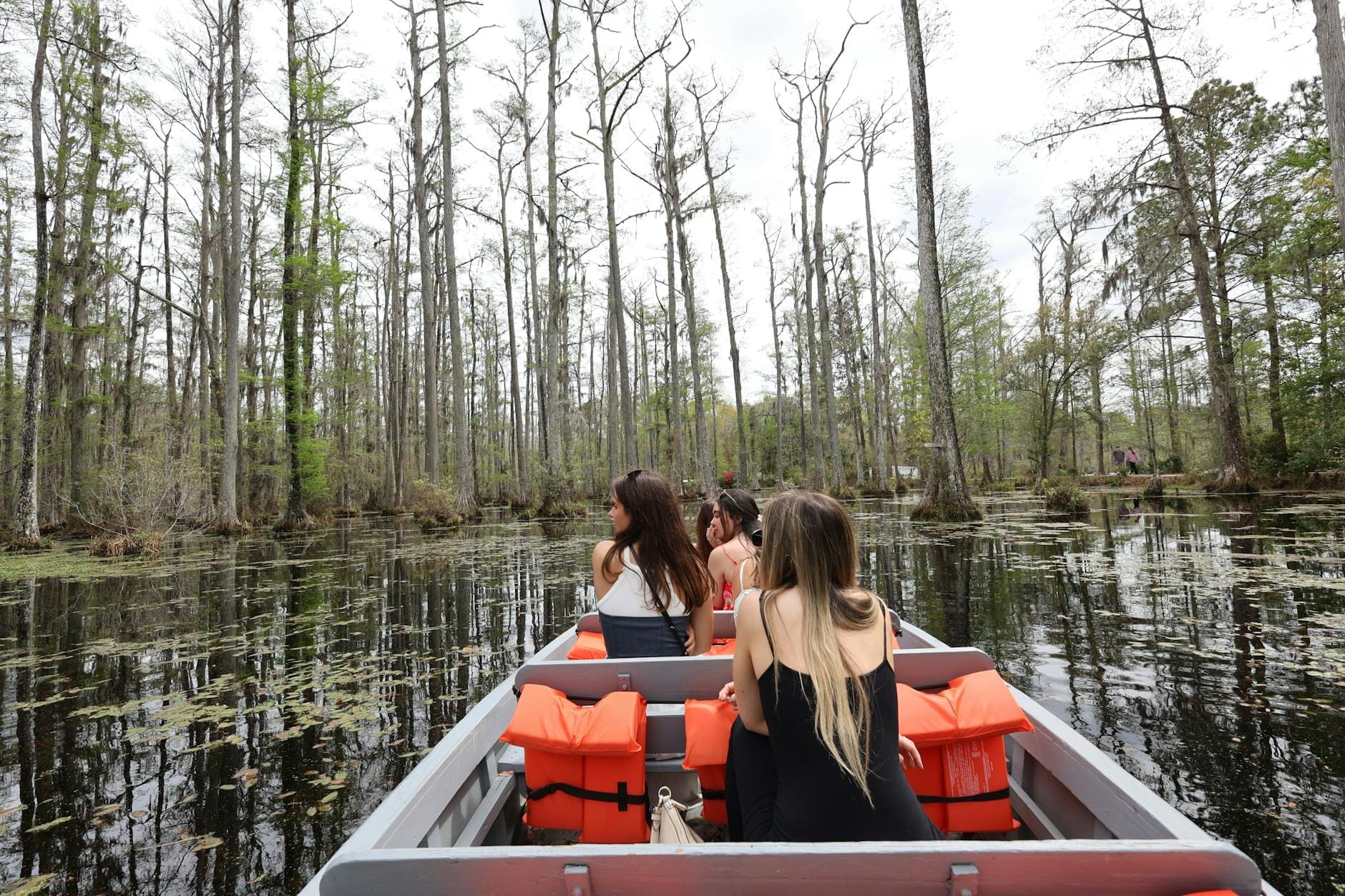
New Orleans sits at the edge of one of the most extraordinary ecosystems on earth: a vast network of bayous, cypress swamps, and brackish marshes that stretch across southern Louisiana. Getting out into those wetlands is one of the most memorable things you can do on a visit to the city. Most tours depart 25 to 45 minutes from downtown, so they pair naturally with a full 3-day New Orleans itinerary. Whether you want a relaxed pontoon boat drifting past alligators or an airboat ripping across open marsh at speed, this guide breaks down every format, what wildlife to expect, and which city-based attractions extend the experience before or after your tour.
💡 Local tip
Book swamp tours at least a day in advance, especially in spring and fall when demand peaks. Most operators pick up from Canal Street or the French Quarter, or provide driving directions to their launch sites 25-45 minutes from downtown.
Boat-Based Swamp Tours: The Classic Experience
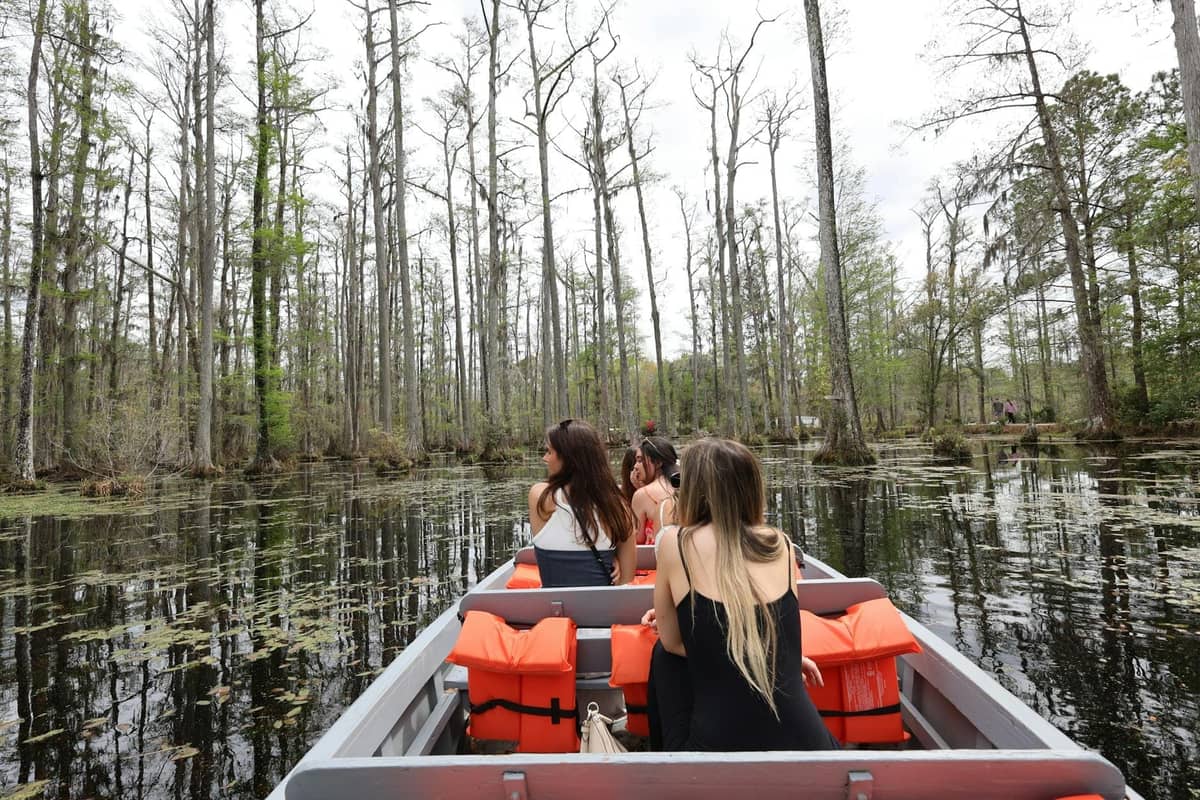
Pontoon swamp boats carry up to 20 passengers and move at a relaxed pace through flooded cypress forests, giving guides time to call alligators close, point out nesting herons, and explain the ecology of the Barataria Preserve. This is the format most first-time visitors imagine when they picture a swamp tour, and it delivers. Operators like Louisiana Tour Company and Cajun Encounters run these routes through wetlands that also protect centuries of Louisiana history, including the waterways used by the pirate Jean Lafitte during the Battle of New Orleans.
1. Preview Louisiana Swamp Wildlife at Audubon Zoo Before You Go
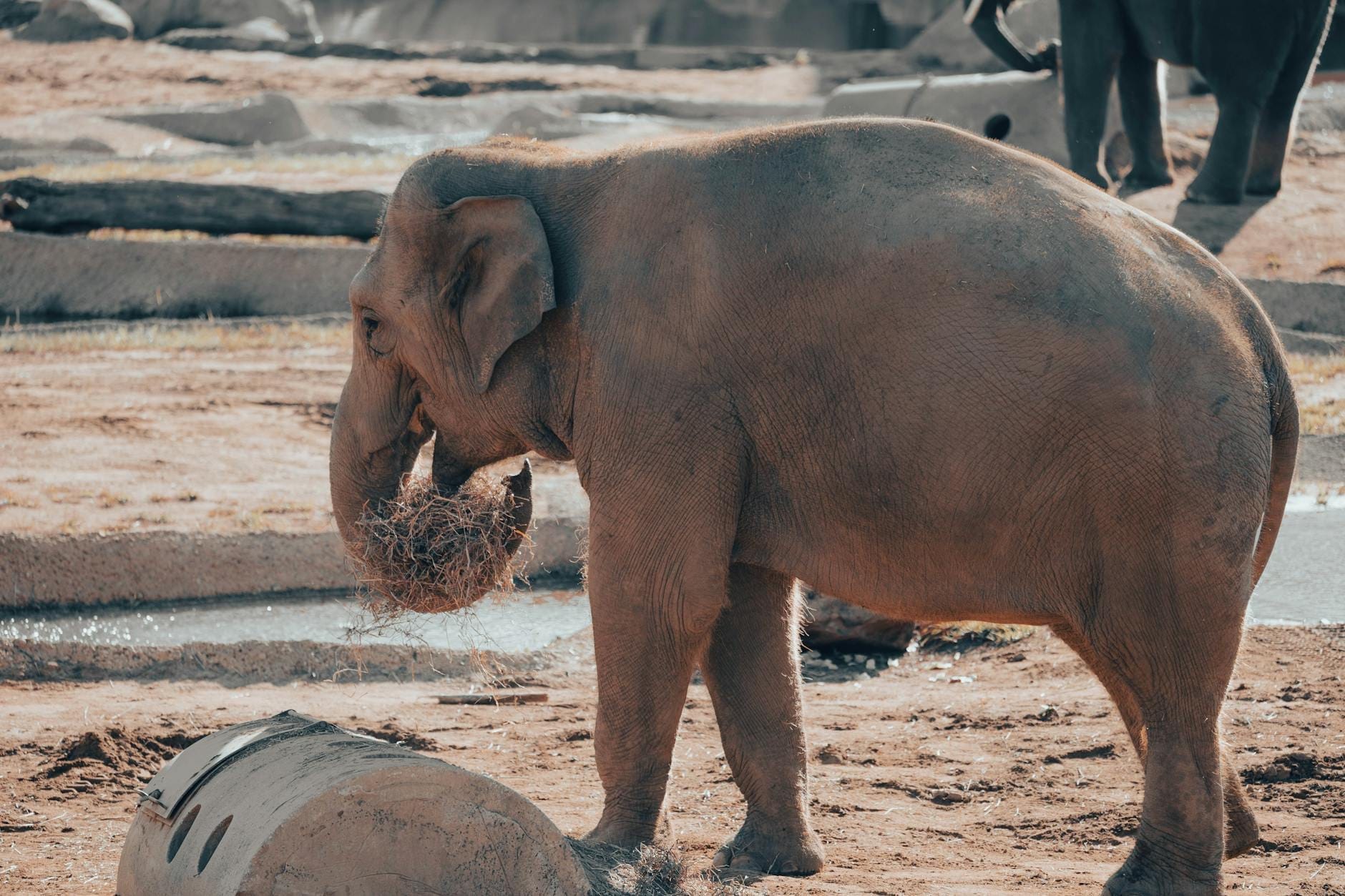
Audubon's Louisiana Swamp exhibit houses white alligators, river otters, and native reptiles in a recreated bayou setting. Visiting before your tour gives you context for what you'll encounter in the wild, plus a close look at species that hide in vegetation on real swamps.
Explore1. Preview Louisiana Swamp Wildlife at Audubon Zoo Before You Go
Audubon's Louisiana Swamp exhibit houses white alligators, river otters, and native reptiles in a recreated bayou setting. Visiting before your tour gives you context for what you'll encounter in the wild, plus a close look at species that hide in vegetation on real swamps.
Explore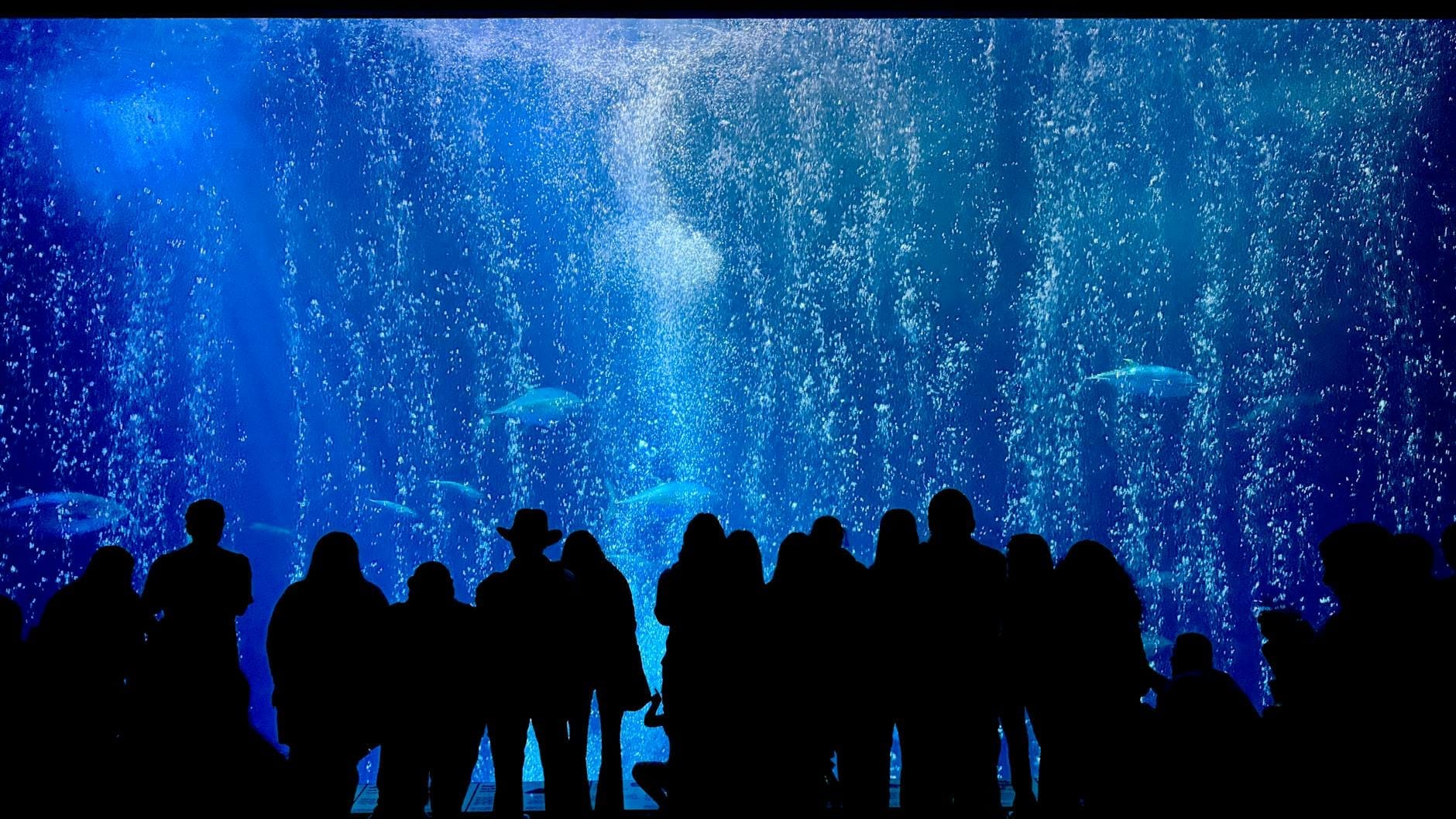
2. See White Alligators Up Close at the Aquarium of the Americas
The Aquarium houses rare leucistic white alligators, found almost exclusively in Louisiana's wetlands. Seeing them here before a swamp tour sharpens your eye for spotting their wild counterparts camouflaged along the banks of Barataria bayous.
Explore2. See White Alligators Up Close at the Aquarium of the Americas
The Aquarium houses rare leucistic white alligators, found almost exclusively in Louisiana's wetlands. Seeing them here before a swamp tour sharpens your eye for spotting their wild counterparts camouflaged along the banks of Barataria bayous.
Explore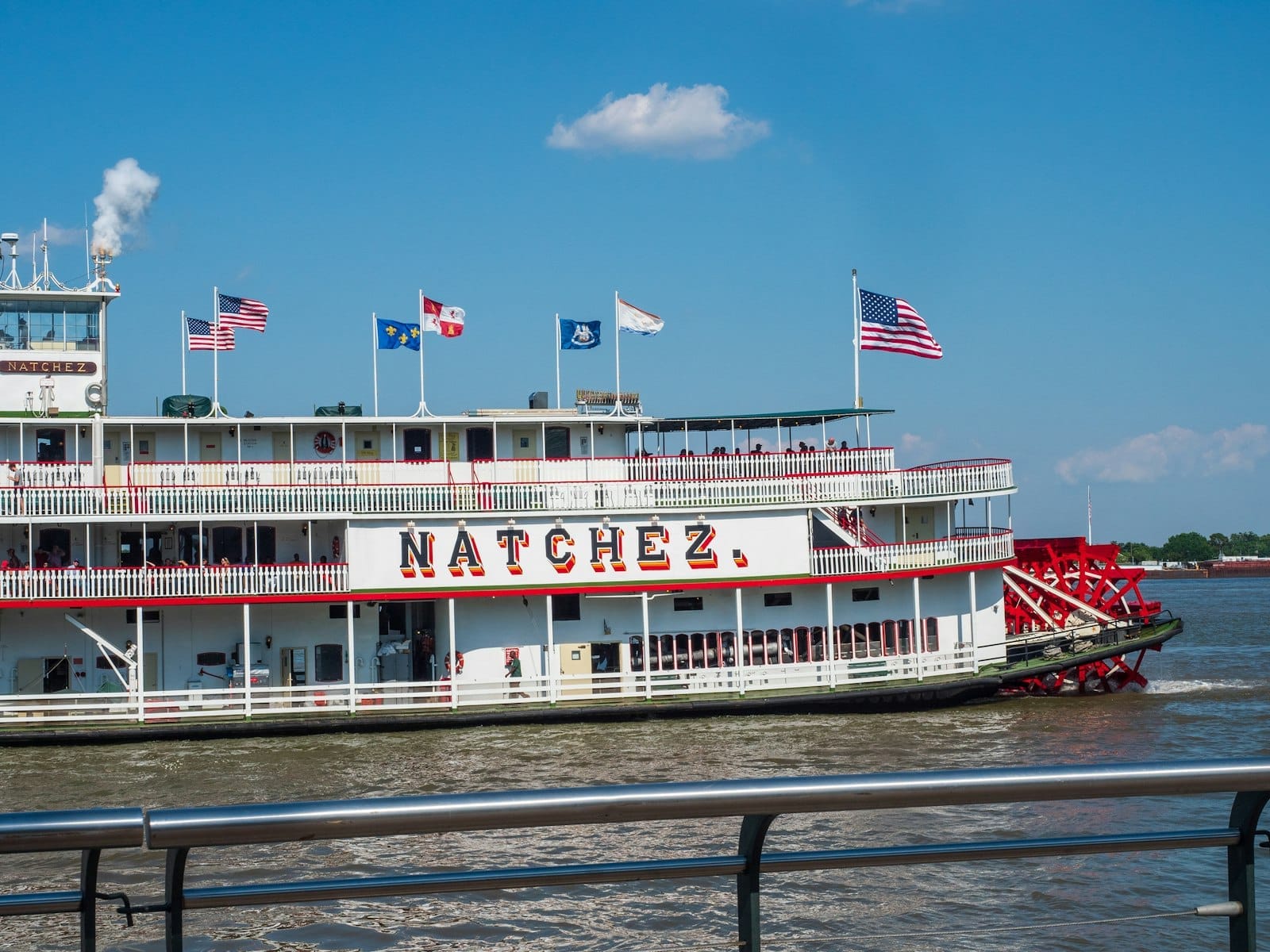
3. Get Your River Bearings on a Classic Mississippi Riverboat
A sightseeing cruise aboard a classic riverboat is a great complement to a swamp tour day — verify current vessels and departures near Jackson Square. The cruise covers the Mississippi, the same river system that feeds Louisiana's swamps and bayous, giving you a feel for the scale of the waterways before you venture into narrower cypress channels.
Explore3. Get Your River Bearings on a Classic Mississippi Riverboat
A sightseeing cruise aboard a classic riverboat is a great complement to a swamp tour day — verify current vessels and departures near Jackson Square. The cruise covers the Mississippi, the same river system that feeds Louisiana's swamps and bayous, giving you a feel for the scale of the waterways before you venture into narrower cypress channels.
ExploreAirboat Tours: Speed and Adrenaline Across Open Marsh
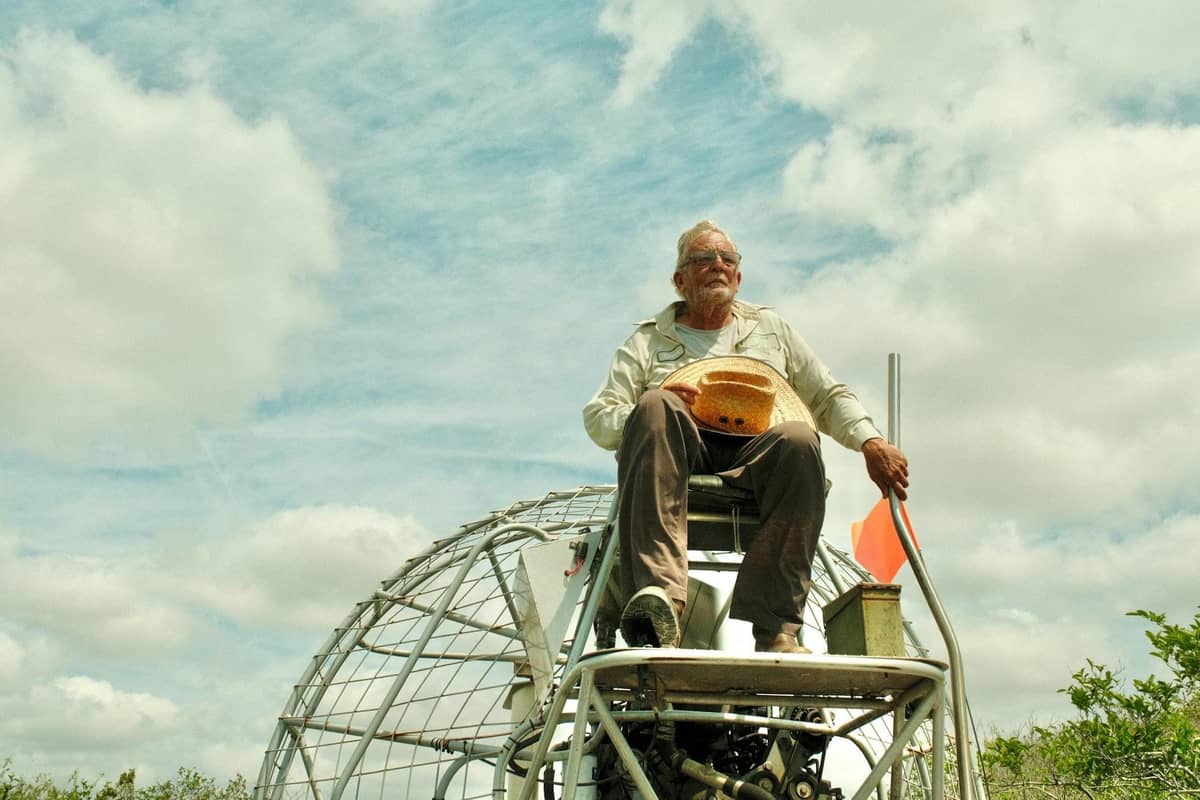
Airboats are a fundamentally different experience from pontoon swamp tours. Flat-bottomed and fan-propelled, they skim across shallow marsh at 30 to 50 mph, accessing areas where conventional boats cannot go. Operators like Airboat Adventures run airboat options through Jean Lafitte National Historical Park and Preserve, about 25 minutes south of the city. Expect noise (ear protection is usually provided), speed, and a wider variety of open-water habitats. If you're traveling with kids, airboats tend to be the crowd favorite, though minimum age and weight restrictions vary by operator, so confirm before booking.
✨ Pro tip
Airboat tours are louder than pontoon tours and move faster, which means fewer extended wildlife sightings. If spotting migratory birds, roseate spoonbills, or nesting egrets matters to you, the slower pontoon boat is the better choice.
4. Walk the Lagoons of City Park for a Taste of Bayou Atmosphere
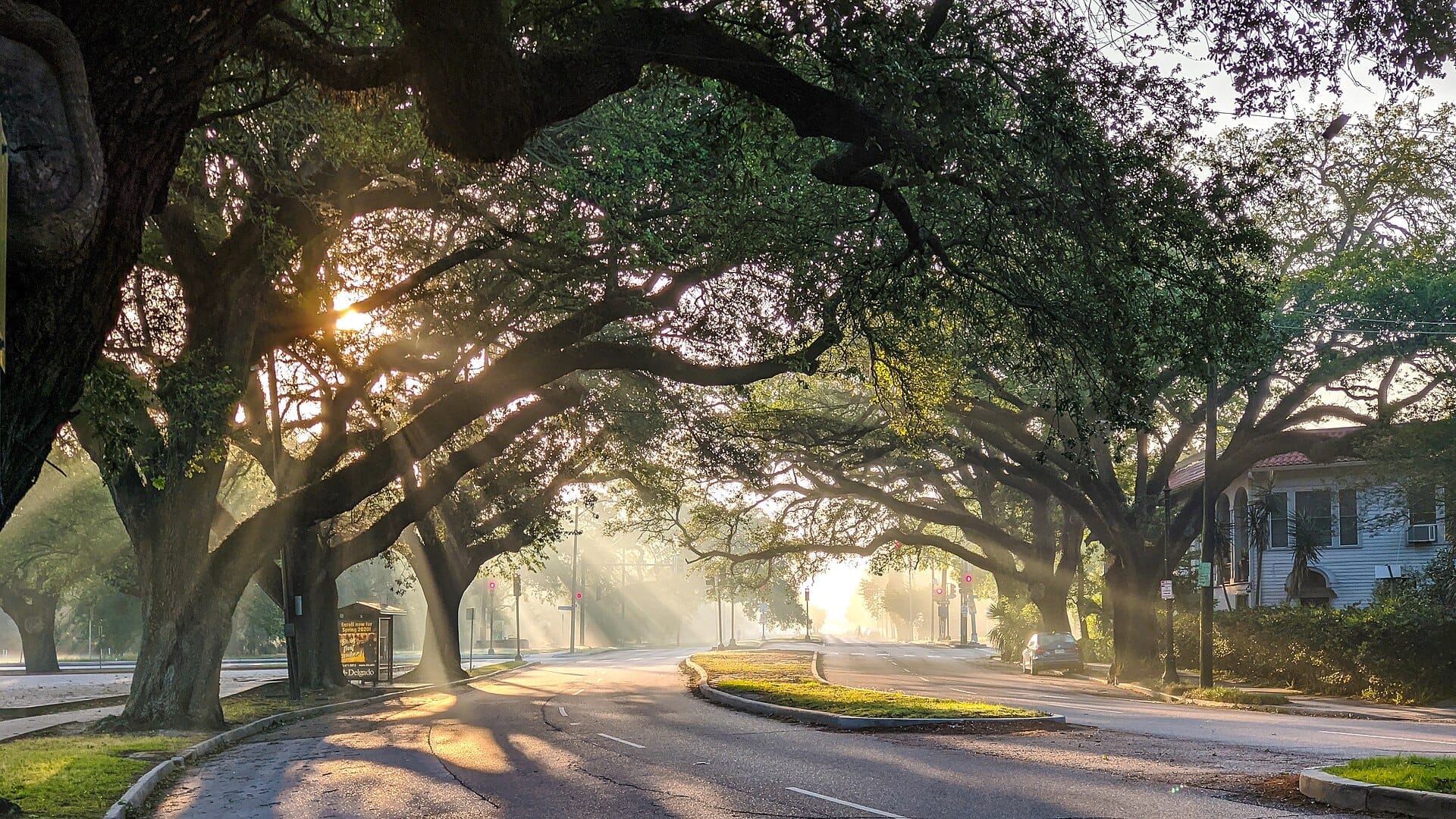
City Park's 1,300 acres include Spanish moss-draped live oaks and lagoons populated by egrets, turtles, and the occasional nutria. It won't replace a proper swamp tour, but it's a free, walkable introduction to Louisiana wetland scenery right inside the city.
Explore4. Walk the Lagoons of City Park for a Taste of Bayou Atmosphere
City Park's 1,300 acres include Spanish moss-draped live oaks and lagoons populated by egrets, turtles, and the occasional nutria. It won't replace a proper swamp tour, but it's a free, walkable introduction to Louisiana wetland scenery right inside the city.
Explore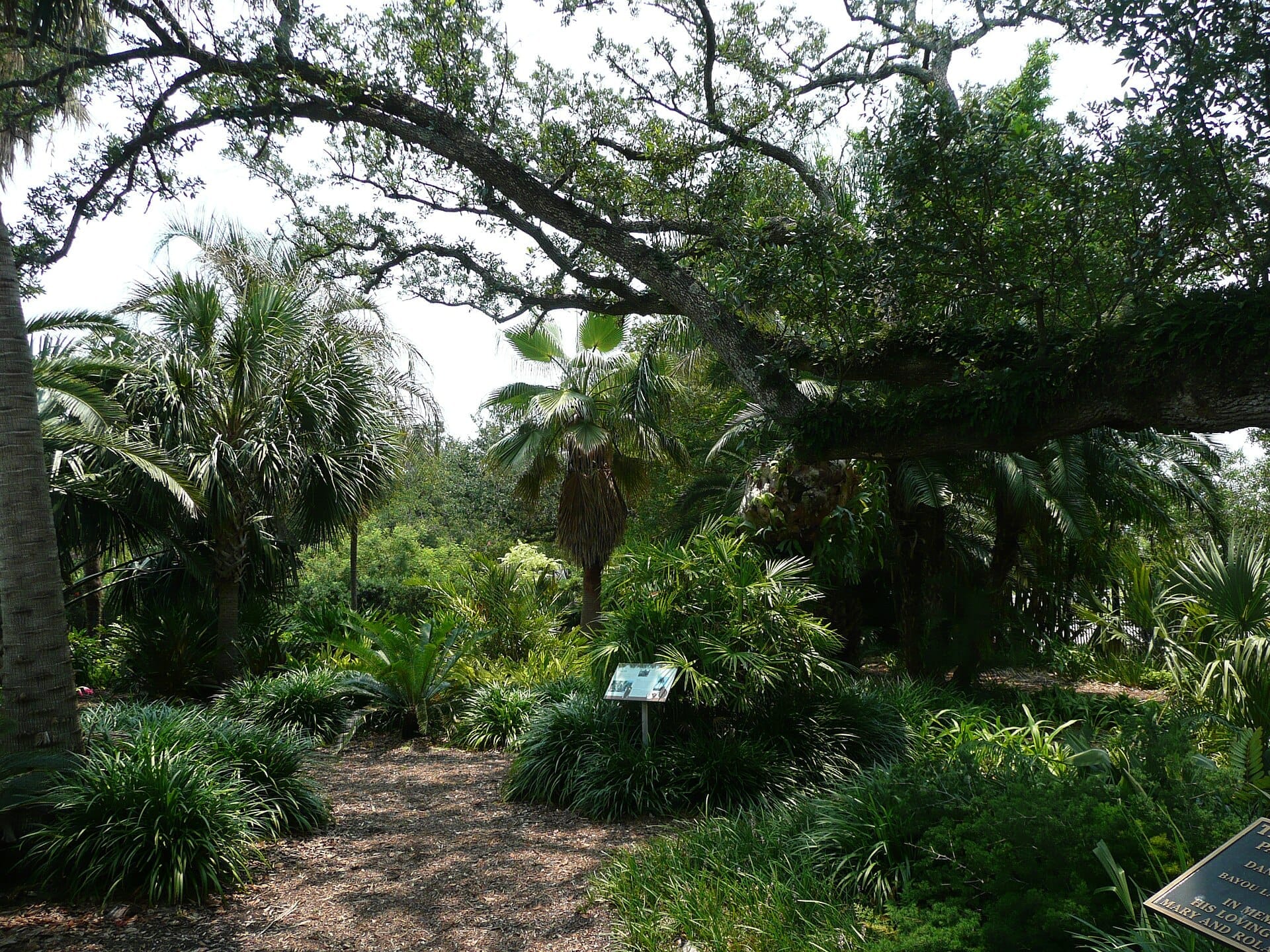
5. Explore Subtropical Flora at the Botanical Garden Before Heading to the Swamp
The Botanical Garden's tropical plantings and conservatory showcase many of the same plant families you'll encounter in Louisiana swamps: ferns, pitcher plants, and subtropical blooms. A 30-minute visit adds useful botanical context to any wildlife-focused swamp tour.
Explore5. Explore Subtropical Flora at the Botanical Garden Before Heading to the Swamp
The Botanical Garden's tropical plantings and conservatory showcase many of the same plant families you'll encounter in Louisiana swamps: ferns, pitcher plants, and subtropical blooms. A 30-minute visit adds useful botanical context to any wildlife-focused swamp tour.
ExploreKayak Tours: The Most Intimate Way Into the Wetlands
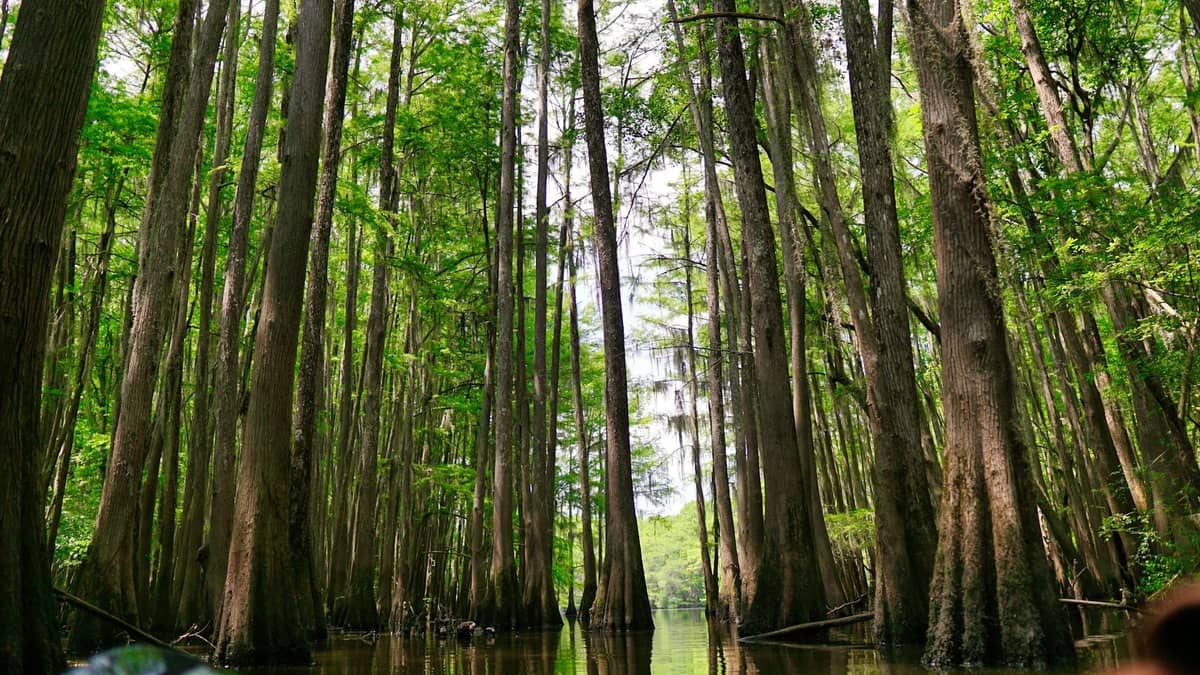
Kayak swamp tours place you at water level, padding silently through moss-draped cypress channels where motorboats rarely go. New Orleans Kayak Swamp Tours guides small groups through Maurepas Swamp, both within 45 minutes of the city. The silence is the point: you'll hear wood ducks, bullfrogs, and the occasional alligator slip into the water before you see it. These tours typically run two to three hours and suit anyone reasonably comfortable in a kayak. For a broader look at outdoor experiences across the region, the day trips from New Orleans guide covers kayak-friendly destinations alongside plantation and bayou options.
6. Warm Up Your Paddling Legs at Crescent Park on the Mississippi
Crescent Park stretches along the river in Marigny and Bywater, offering unobstructed water views and a feel for the current and scale of Louisiana's river system. It's an easy walk or bike ride and a good spot to calibrate your comfort with being near the water before a kayak swamp tour.
Explore6. Warm Up Your Paddling Legs at Crescent Park on the Mississippi
Crescent Park stretches along the river in Marigny and Bywater, offering unobstructed water views and a feel for the current and scale of Louisiana's river system. It's an easy walk or bike ride and a good spot to calibrate your comfort with being near the water before a kayak swamp tour.
Explore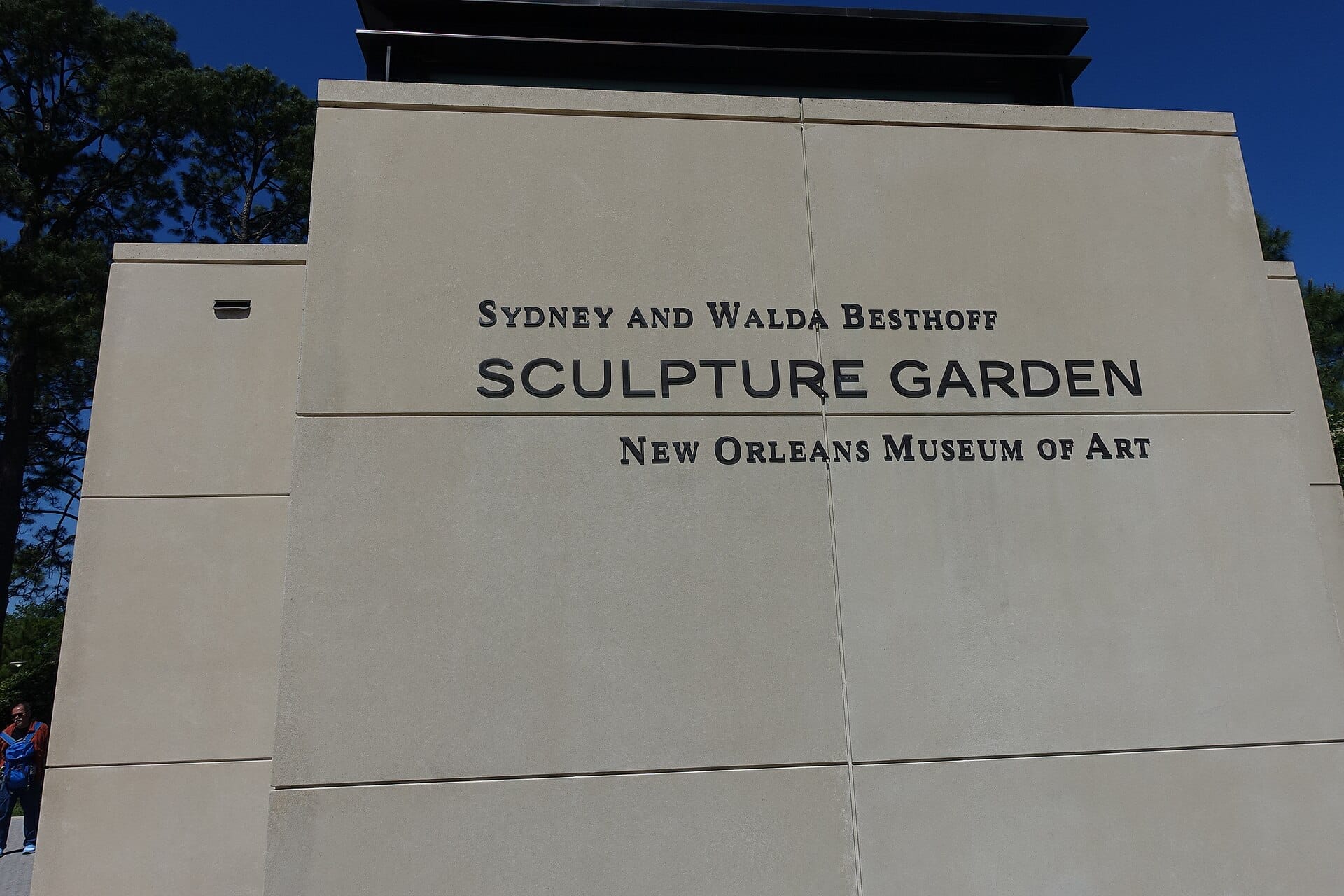
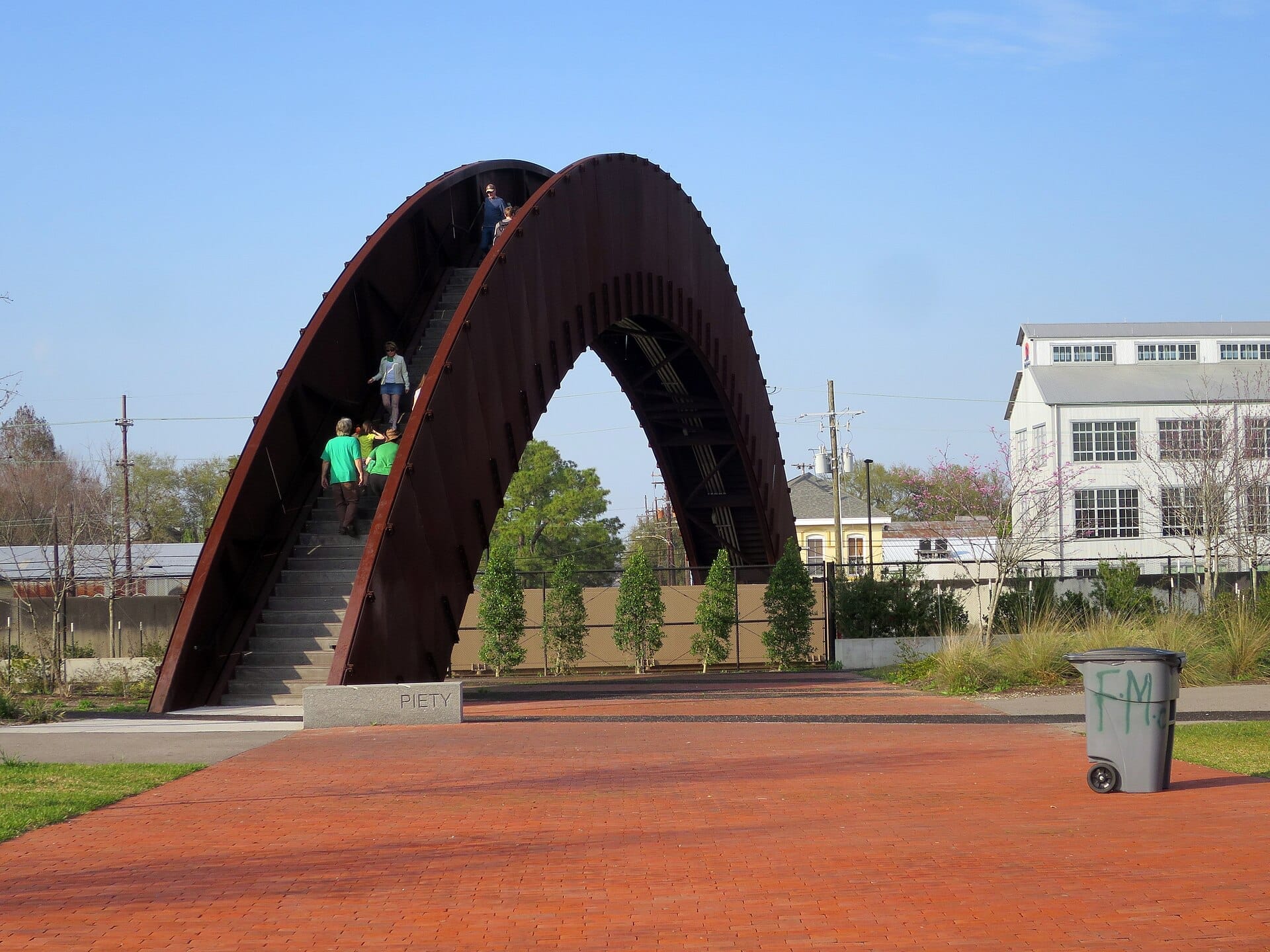
7. Stroll the Sculpture Garden's Lagoons for a Peaceful Pre-Tour Wind-Down
The Besthoff Sculpture Garden sits among live oaks and still lagoons in City Park, free to enter and beautifully landscaped. It captures some of the meditative quality you'll find on a quiet morning kayak tour and makes an excellent late-afternoon stop after returning from the swamp.
Explore7. Stroll the Sculpture Garden's Lagoons for a Peaceful Pre-Tour Wind-Down
The Besthoff Sculpture Garden sits among live oaks and still lagoons in City Park, free to enter and beautifully landscaped. It captures some of the meditative quality you'll find on a quiet morning kayak tour and makes an excellent late-afternoon stop after returning from the swamp.
ExploreUnderstanding the Ecosystem: Learn Before You Go
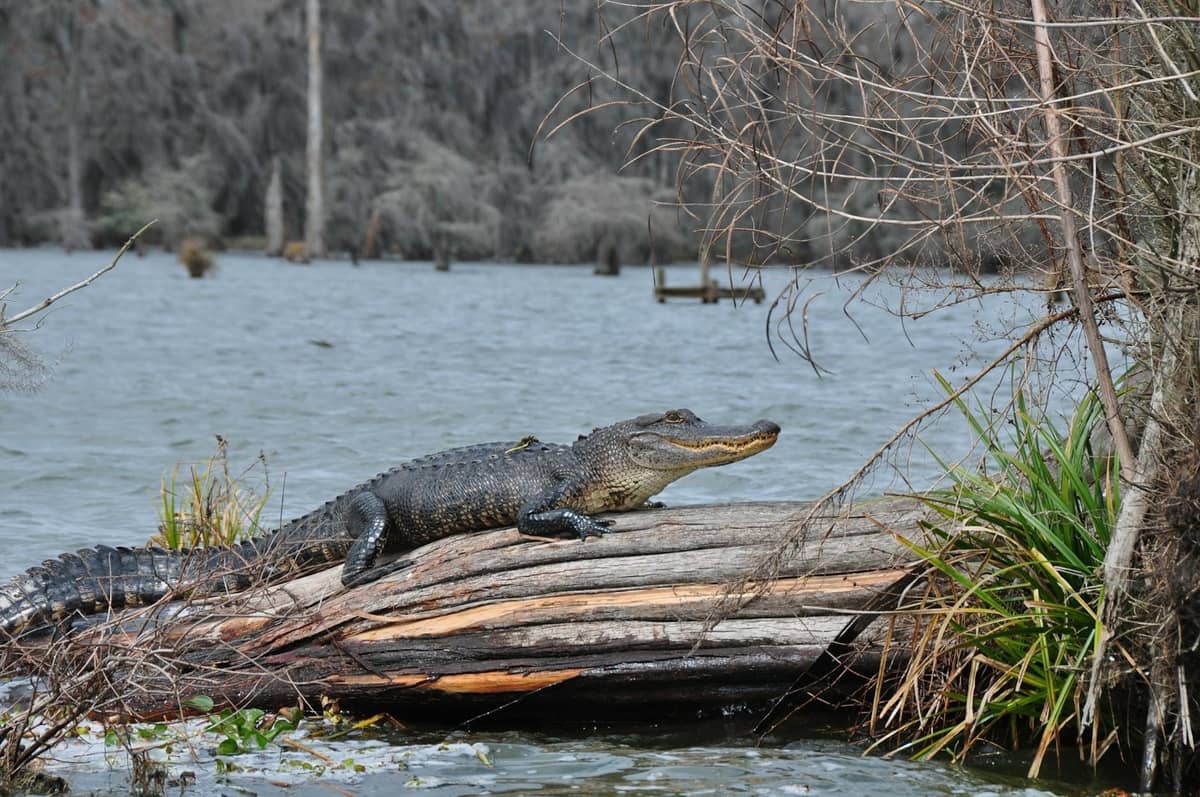
Swamp tours are more rewarding when you arrive with some ecological and historical context. The Louisiana wetlands formed over thousands of years from Mississippi River sediment, and they are under serious threat from coastal erosion, subsidence, and sea level rise. Several New Orleans museums and sites address this story directly. The city's relationship with water is also central to its cultural identity, from the jazz funerals of Tremé to the plantation economy that reshaped the Mississippi watershed.
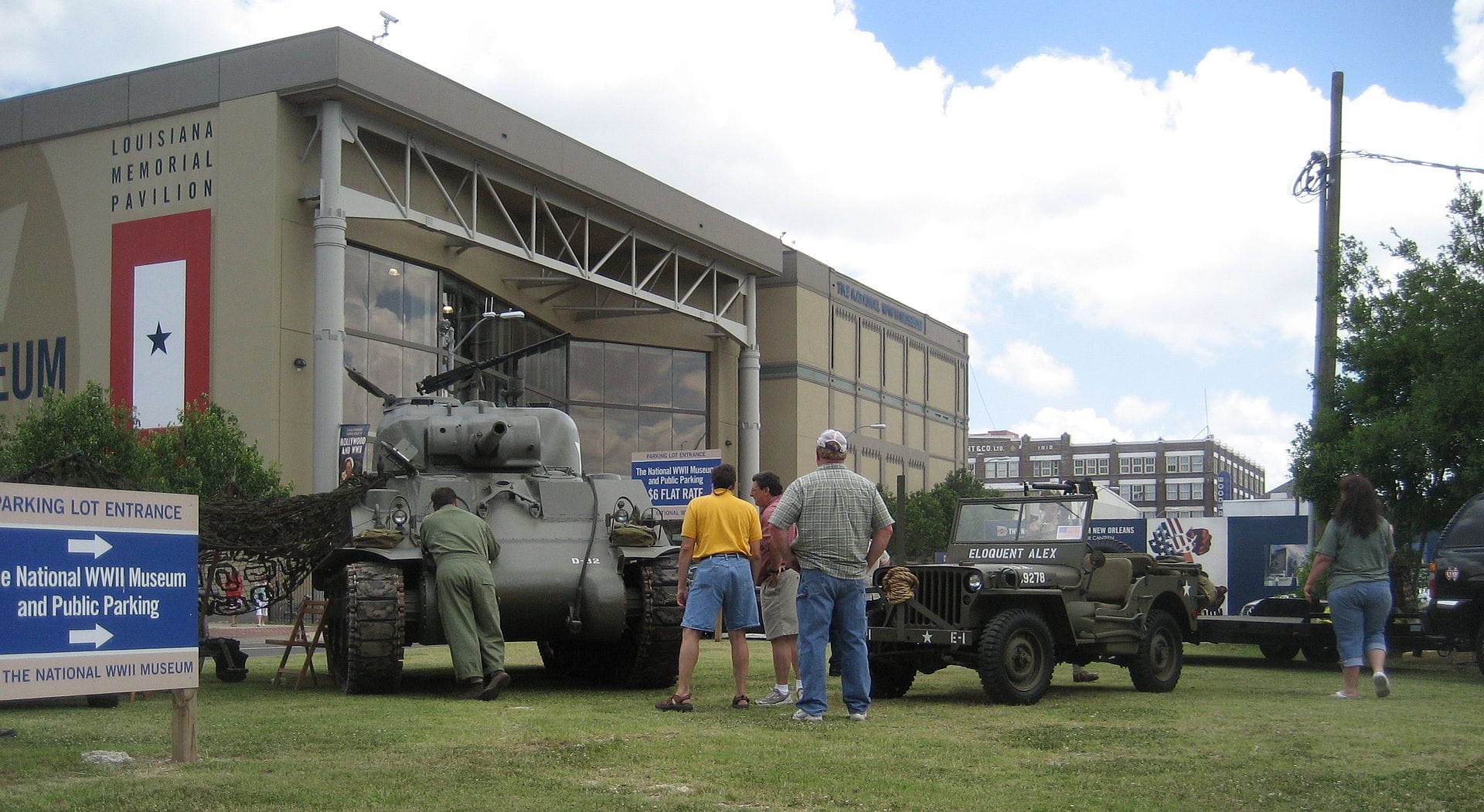
8. Appreciate Louisiana's Strategic Waterways at the National WWII Museum
The WWII Museum's exhibits on the Pacific and Gulf theaters touch on Louisiana's role as a strategic port and training ground. Understanding the region's waterway geography adds an unexpected layer of depth to swamp tours through the same bayous used for wartime logistics and training.
Explore8. Appreciate Louisiana's Strategic Waterways at the National WWII Museum
The WWII Museum's exhibits on the Pacific and Gulf theaters touch on Louisiana's role as a strategic port and training ground. Understanding the region's waterway geography adds an unexpected layer of depth to swamp tours through the same bayous used for wartime logistics and training.
Explore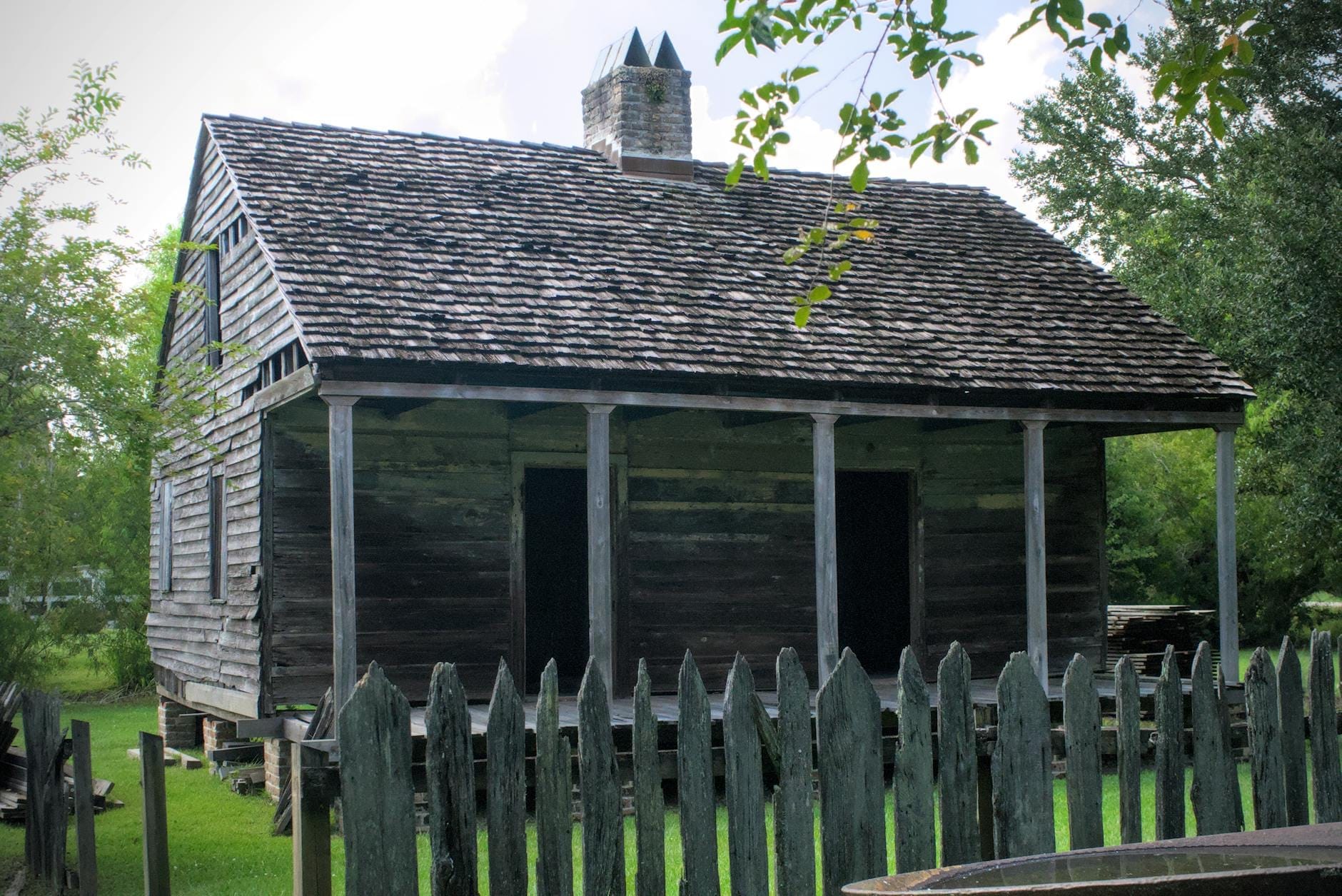
9. Pair Your Swamp Tour with a Visit to Whitney Plantation for Full Regional Context
Whitney Plantation, 45 minutes west of New Orleans, is the only Louisiana plantation museum centered on the enslaved. The same bayous you'll tour were the arteries of this plantation economy. Visiting both on the same day creates one of the most educational day trips possible from New Orleans.
Explore9. Pair Your Swamp Tour with a Visit to Whitney Plantation for Full Regional Context
Whitney Plantation, 45 minutes west of New Orleans, is the only Louisiana plantation museum centered on the enslaved. The same bayous you'll tour were the arteries of this plantation economy. Visiting both on the same day creates one of the most educational day trips possible from New Orleans.
Explore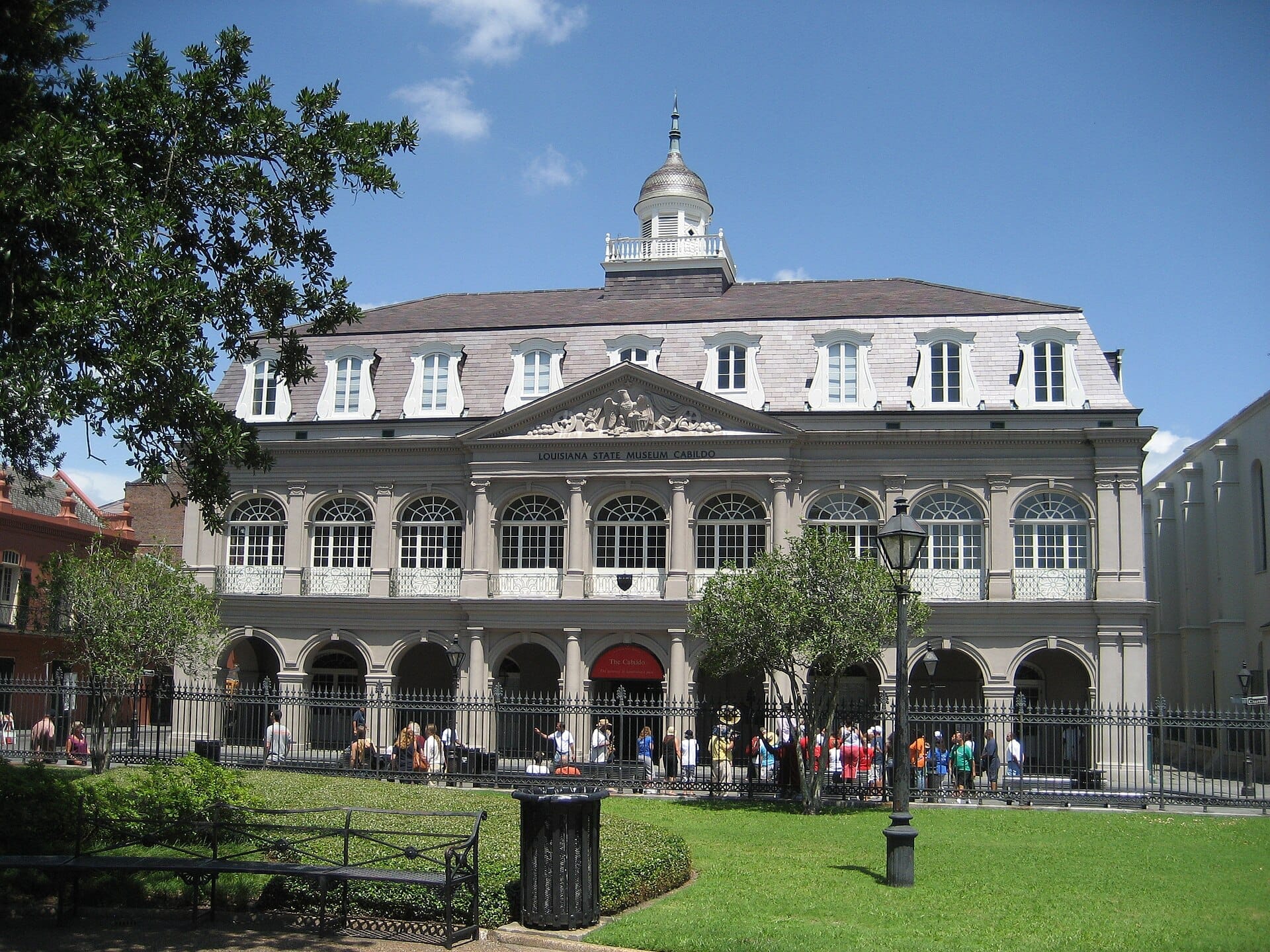
10. Trace Louisiana's Colonial Water History at The Cabildo
The Cabildo's exhibits on French and Spanish colonial Louisiana explain how settlers navigated the same bayou networks that swamp tours explore today. The Louisiana Purchase display puts the entire Mississippi watershed in geopolitical context in under an hour.
Explore10. Trace Louisiana's Colonial Water History at The Cabildo
The Cabildo's exhibits on French and Spanish colonial Louisiana explain how settlers navigated the same bayou networks that swamp tours explore today. The Louisiana Purchase display puts the entire Mississippi watershed in geopolitical context in under an hour.
Explore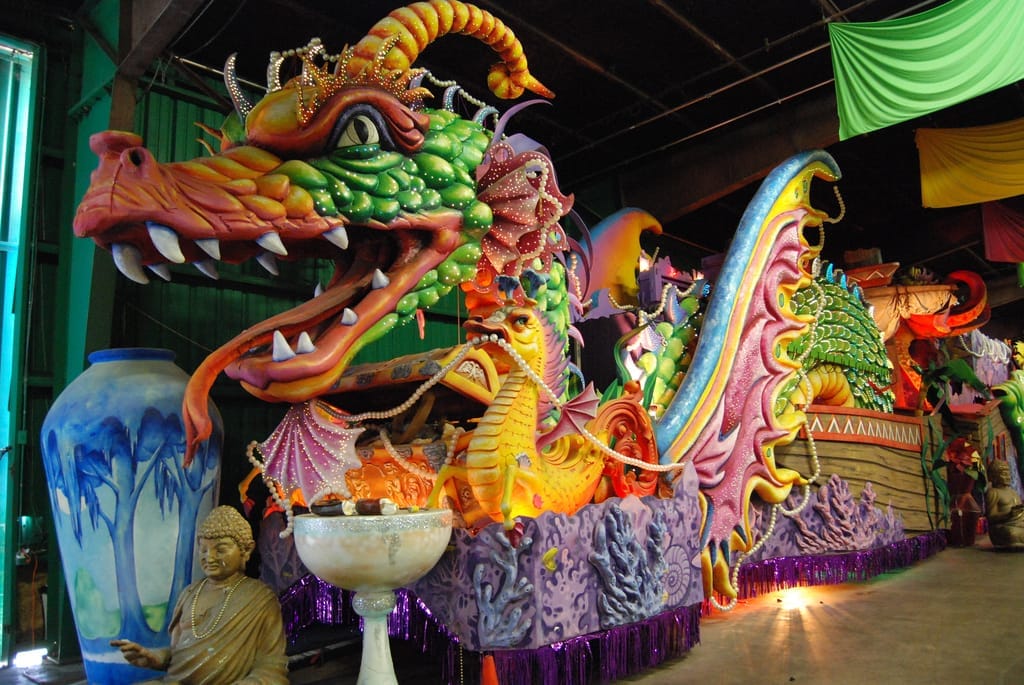
11. Round Out a Swamp Tour Day with a Visit to Mardi Gras World
Mardi Gras World sits near the Mississippi riverfront and takes about an hour. It's a practical add-on after returning from a morning swamp tour, letting you fill the afternoon before evening without backtracking far. Tours run continuously throughout the day.
Explore11. Round Out a Swamp Tour Day with a Visit to Mardi Gras World
Mardi Gras World sits near the Mississippi riverfront and takes about an hour. It's a practical add-on after returning from a morning swamp tour, letting you fill the afternoon before evening without backtracking far. Tours run continuously throughout the day.
ExploreAfter the Swamp: Refuel and Reflect in New Orleans
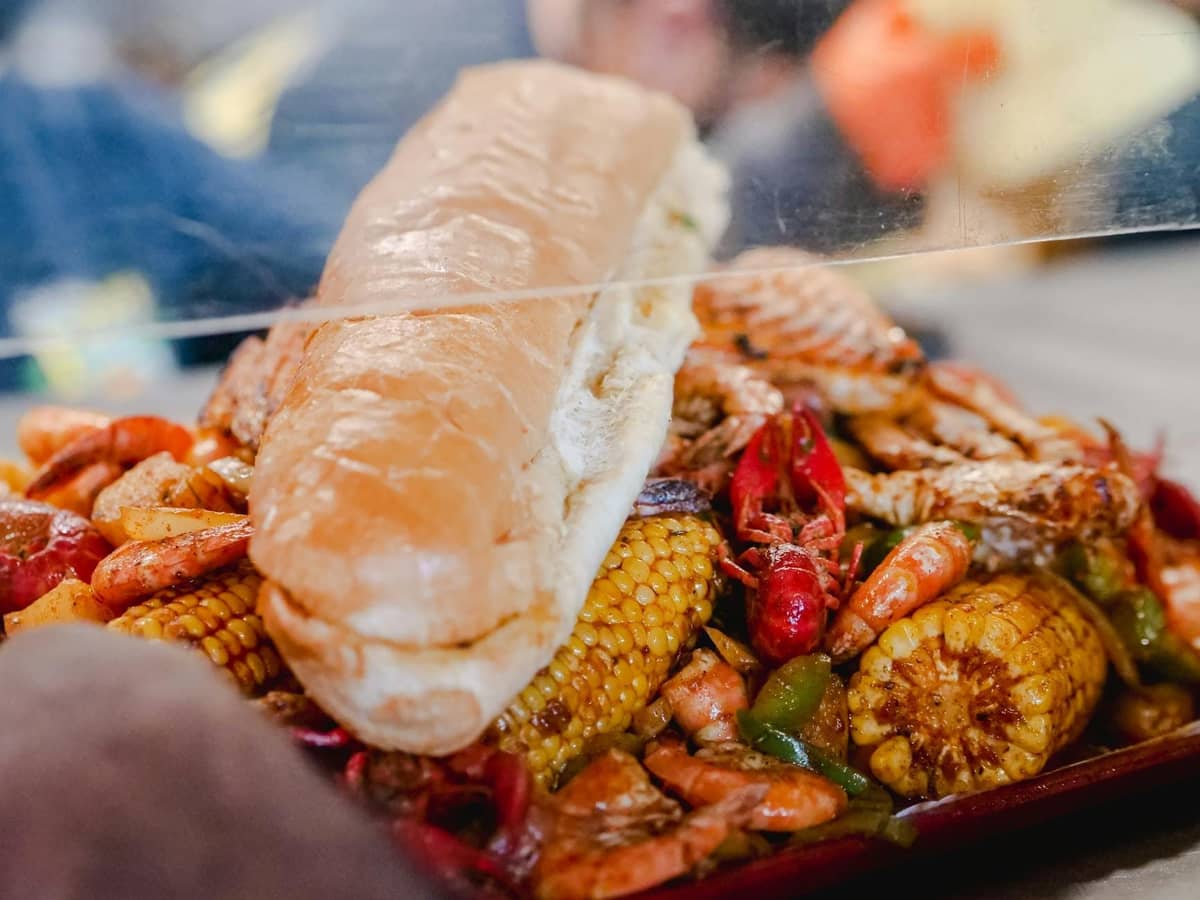
Most swamp tours return to New Orleans by early afternoon, leaving you time to eat, explore, and decompress. The natural pairing is Creole food: the same wetland ecosystem that hosts your tour also produces the shrimp, crawfish, and catfish that define Louisiana cooking. For a full breakdown of where to eat after a day on the bayou, the where to eat in New Orleans guide covers everything from casual po'boy counters to white-tablecloth Creole dining.
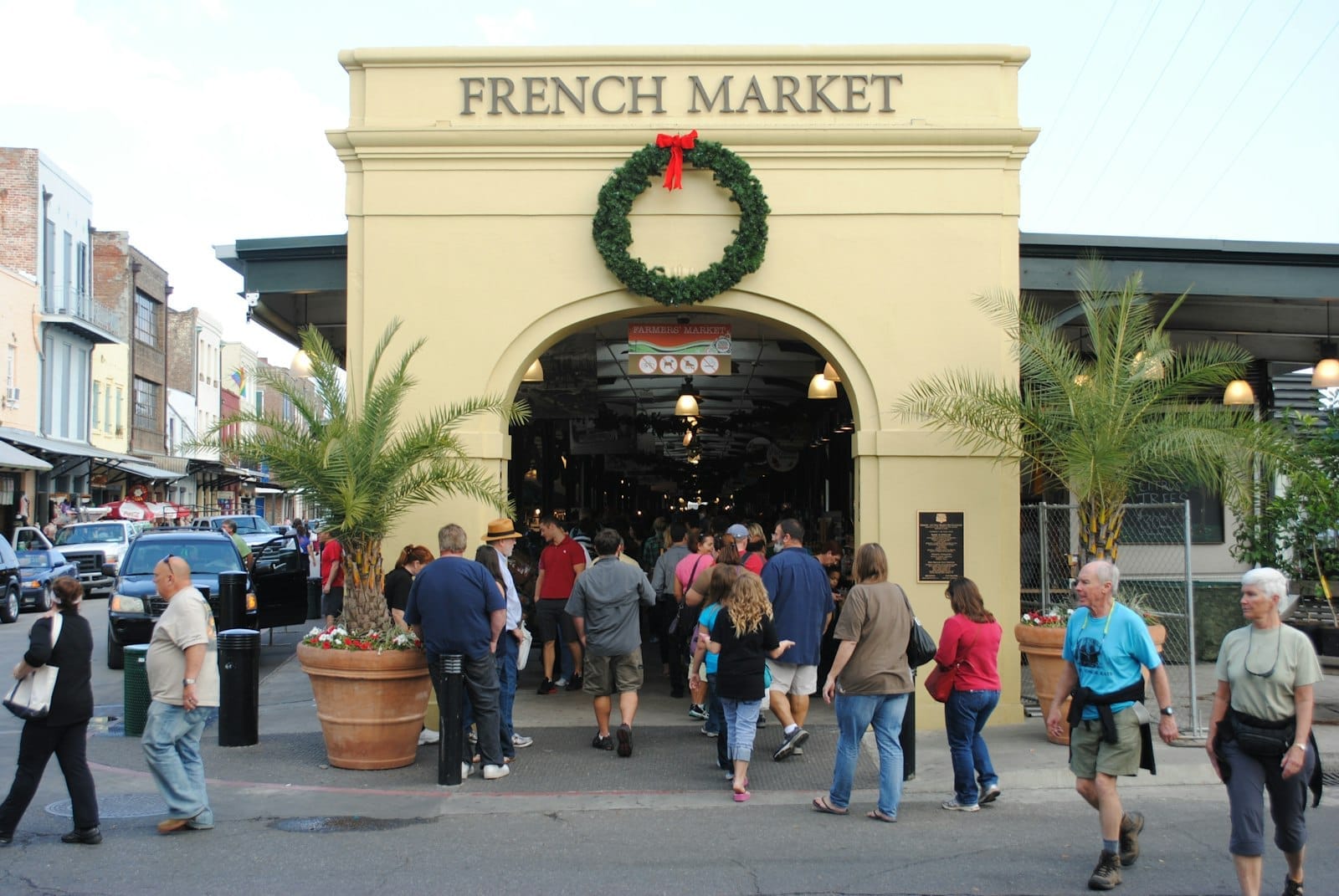
12. Pick Up Local Spices and Creole Ingredients at the French Market
The French Market's food stalls stock Creole seasoning blends, dried cayenne, and local hot sauces made with the same peppers and produce that grow along Louisiana bayous. It's a direct sensory link between the wetland ecosystem you just toured and the food culture of the city.
Explore12. Pick Up Local Spices and Creole Ingredients at the French Market
The French Market's food stalls stock Creole seasoning blends, dried cayenne, and local hot sauces made with the same peppers and produce that grow along Louisiana bayous. It's a direct sensory link between the wetland ecosystem you just toured and the food culture of the city.
Explore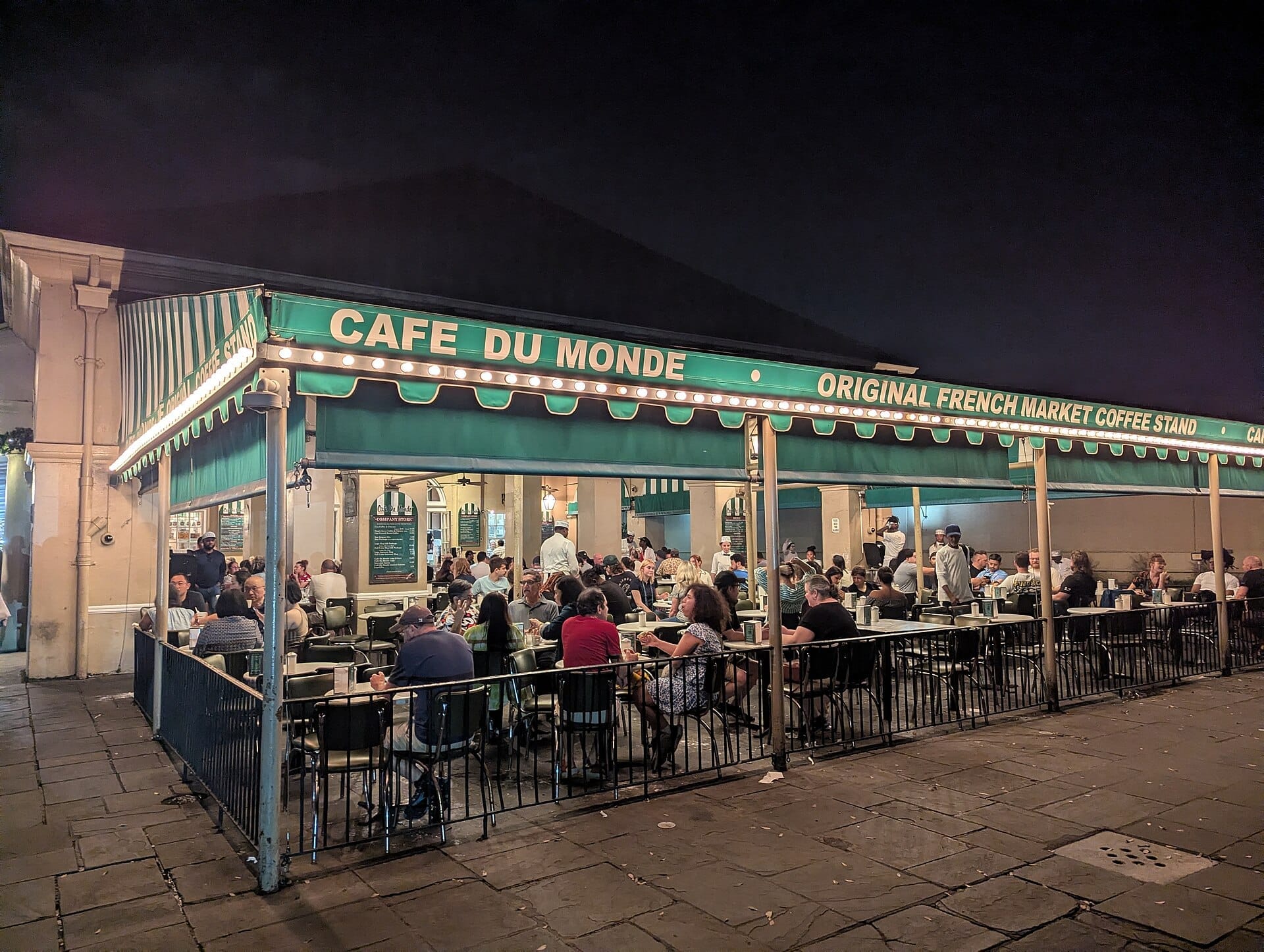
13. End the Day with Beignets and Café au Lait at Café du Monde
After hours on the water, the open-air ritual of Café du Monde, beignets dusted with powdered sugar and strong chicory coffee, is a grounding re-entry into city life. It's open around the clock, so timing after a swamp tour is never a problem.
Explore13. End the Day with Beignets and Café au Lait at Café du Monde
After hours on the water, the open-air ritual of Café du Monde, beignets dusted with powdered sugar and strong chicory coffee, is a grounding re-entry into city life. It's open around the clock, so timing after a swamp tour is never a problem.
Explore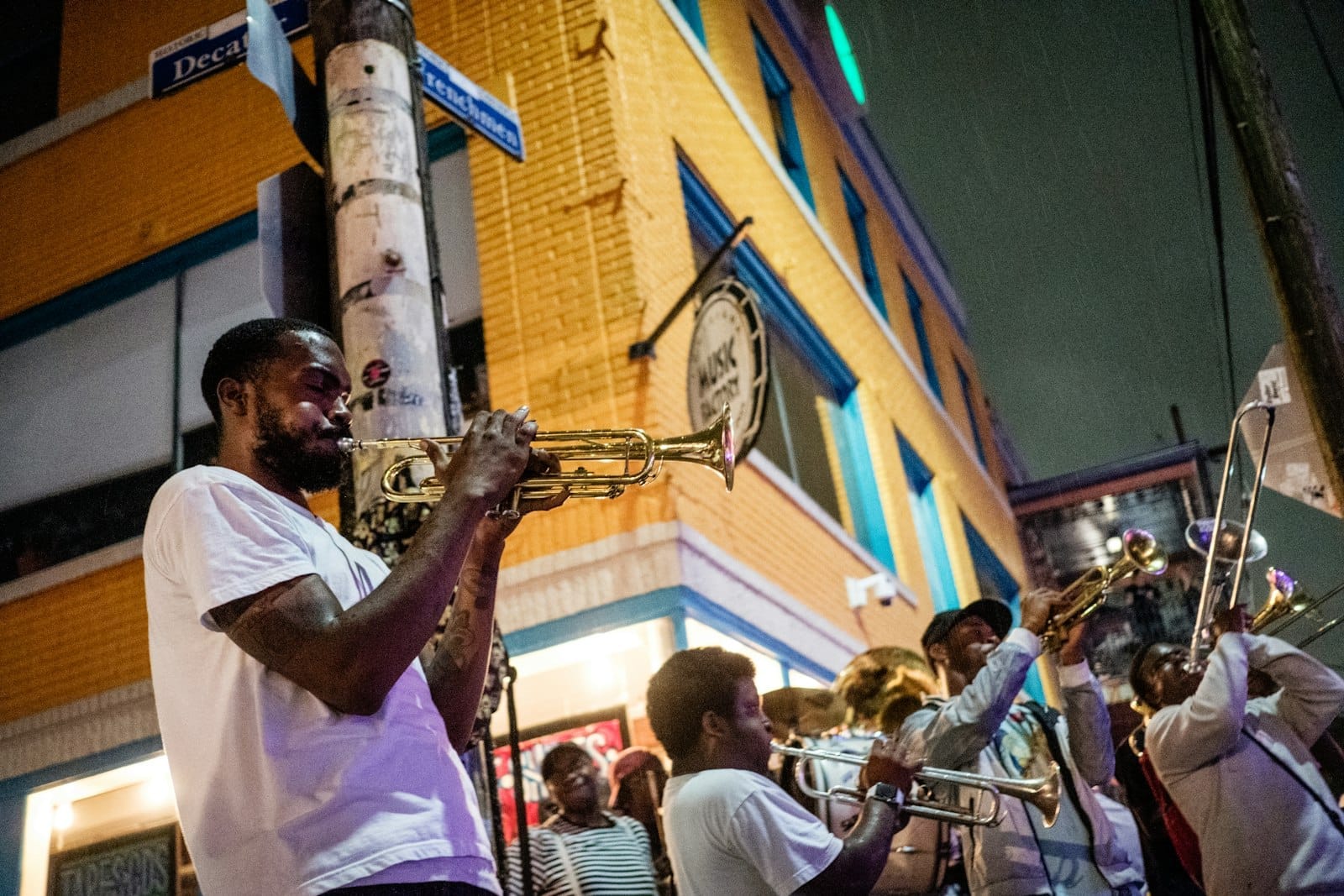
14. Close a Swamp Tour Day with Live Jazz on Frenchmen Street
Frenchmen Street's clubs open in the early evening and keep going past midnight. After a full day outdoors, this two-block stretch of jazz, brass band, and funk venues in the Marigny is the ideal low-key way to end a full Louisiana day without crossing into Bourbon Street crowds.
Explore14. Close a Swamp Tour Day with Live Jazz on Frenchmen Street
Frenchmen Street's clubs open in the early evening and keep going past midnight. After a full day outdoors, this two-block stretch of jazz, brass band, and funk venues in the Marigny is the ideal low-key way to end a full Louisiana day without crossing into Bourbon Street crowds.
Explore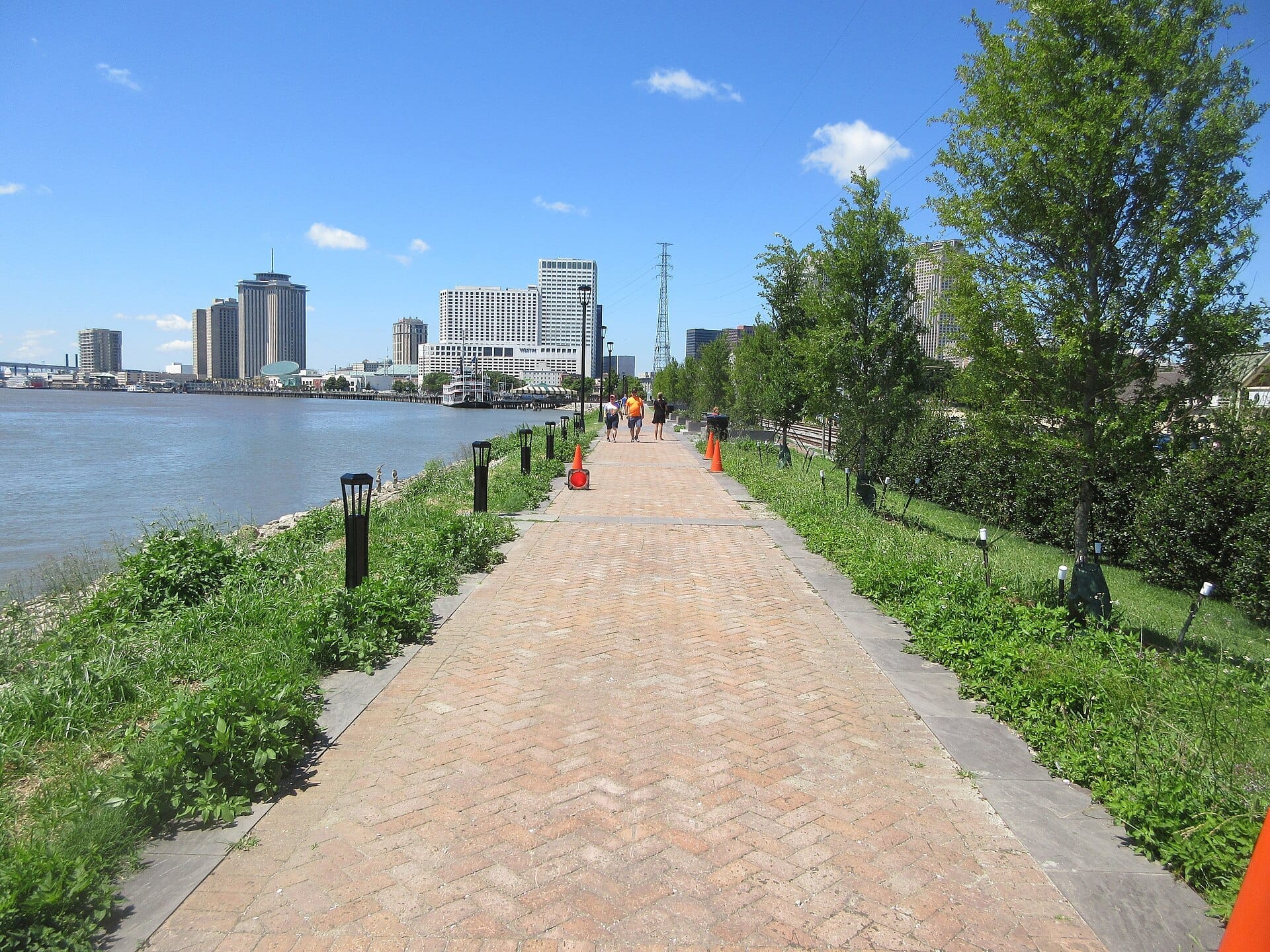
15. Watch the Mississippi at Sunset from the Moon Walk After Your Tour
The Moon Walk riverfront promenade is a five-minute walk from Café du Monde and gives you an unobstructed view of the Mississippi at its widest. After a day in the bayou tributaries, standing at the main river channel puts the entire Louisiana waterway system in perspective.
Explore15. Watch the Mississippi at Sunset from the Moon Walk After Your Tour
The Moon Walk riverfront promenade is a five-minute walk from Café du Monde and gives you an unobstructed view of the Mississippi at its widest. After a day in the bayou tributaries, standing at the main river channel puts the entire Louisiana waterway system in perspective.
ExploreFAQ
How far are swamp tours from downtown New Orleans?
Most swamp tour launch sites are 25 to 45 minutes from downtown. Jean Lafitte National Historical Park is about 25 minutes south, the Barataria Preserve 30-35 minutes, and Honey Island Swamp roughly 45 minutes northeast. Many operators offer hotel pickup from Canal Street or the French Quarter.
What is the best time of year to take a New Orleans swamp tour?
Spring (March-May) and fall (October-November) offer the most comfortable temperatures and peak wildlife activity. Summer tours are hot and humid but alligators are highly active. Winter tours are cooler and quieter, with migratory waterfowl as a seasonal highlight. Avoid scheduling tours immediately after heavy rain, as water clarity drops.
What is the difference between a swamp boat tour and an airboat tour?
Pontoon swamp boats carry up to 20 passengers, move slowly through cypress channels, and are best for extended wildlife observation. Airboats are flat-bottomed, fan-propelled, and much faster, accessing shallow open marsh. Airboats are louder and more thrilling but offer less time stopped near wildlife. Neither format is better overall; the choice depends on whether you prioritize wildlife viewing or the experience of the ride itself.
Will I definitely see alligators on a New Orleans swamp tour?
In spring and summer, alligator sightings are nearly guaranteed. Experienced guides know feeding spots and call alligators close with chicken scraps on most tours. In winter, alligators become less active and may be harder to spot, though they do not fully hibernate in Louisiana's mild climate. Check with your specific operator about seasonal sighting rates.
Are New Orleans swamp tours suitable for children?
Most pontoon boat tours are family-friendly with no age restrictions. Airboat tours often have minimum age or weight requirements, typically around age 4 or 40 lbs, though this varies by operator. Kayak tours are best for children aged 8 and up who are comfortable on the water. Always confirm restrictions when booking if traveling with young children.