New Orleans Botanical Garden: Art Deco Beauty in the Heart of City Park
Set across 10 to 12 acres inside City Park, the New Orleans Botanical Garden is one of the few surviving WPA-era public gardens in the American South. With Art Deco sculpture, a glass conservatory, and over 2,000 plant varieties, it rewards slow exploration far more than a quick pass-through.
Quick Facts
- Location
- 5 Victory Avenue, City Park, New Orleans, LA 70124
- Getting There
- RTA Bus routes serve City Park; ride-hail drop-off at Oscar J. Tolmas Visitor Center is easiest
- Time Needed
- 1.5 to 2.5 hours for a thorough visit
- Cost
- Paid admission required; verify current prices at neworleanscitypark.org before visiting
- Best for
- Garden lovers, architecture buffs, families, and anyone needing a quiet break from the French Quarter
- Official website
- neworleanscitypark.org/visit-city-park/botanical-garden
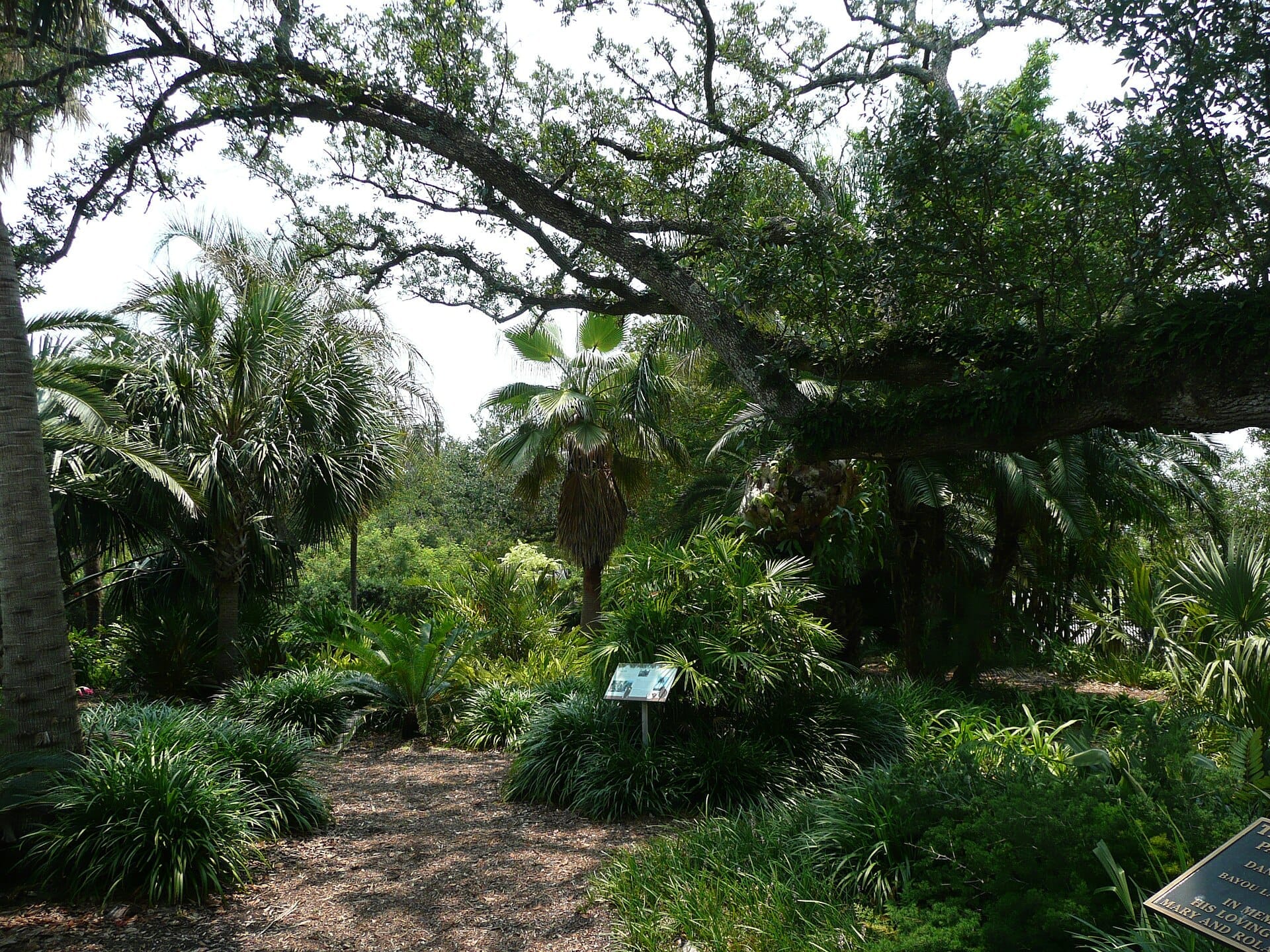
What the New Orleans Botanical Garden Actually Is
The New Orleans Botanical Garden is a public garden spanning 10 to 12 acres within the larger City Park, one of the oldest urban parks in the United States. It opened in 1936 as the City Park Rose Garden, funded through the Works Progress Administration (WPA) during the New Deal era, and was renamed the New Orleans Botanical Garden in the early 1980s. That history matters because it shaped everything you see: the layout, the sculpture, the ironwork, the hardscape. This is not a modern botanical garden built to Instagram specifications. It is a place with genuine age and layered character.
The garden covers ground that feels far larger than its acreage suggests, partly because the design uses hedgerows, grade changes, and dense plantings to create a sense of enclosure and discovery. Within its borders you will find a rose garden, a glass conservatory, a Japanese garden currently undergoing renovation, a historic miniature train garden, and a collection of Art Deco concrete sculptures that are among the most underappreciated public artworks in the city.
ℹ️ Good to know
The garden is open Tuesday through Sunday, 10am to 4:30pm. It is closed Mondays. The Japanese Garden (Yakumo Nihon Teien) is currently closed for renovation; confirm its status before your visit at neworleanscitypark.org.
The Art Deco Architecture and Sculpture
The garden was designed by landscape architect William Wiedorn and architect Richard Koch, with sculpture created by Enrique Alférez, a Mexican-born artist who spent most of his career in New Orleans. Alférez produced dozens of concrete figures for the WPA project, and many of them still stand here: nude figures emerging from fountains, stylized plant and animal forms integrated into walls and entryways, and bas-reliefs that blur the line between architecture and art. They show the wear of nearly 90 years and a major flood, and that weathering only deepens their presence.
The structural vocabulary throughout the garden is Art Deco: geometric planters, symmetrical allées, pergolas with clean horizontal lines. Koch's design was influenced by the formal European tradition but adapted for the subtropical South, where plant growth quickly overwhelms rigid geometry. The result is a garden that feels planned and slightly wild at once, which suits New Orleans perfectly.
If you appreciate WPA-era civic ambition expressed in physical form, this garden belongs in the same conversation as the city's other great historic spaces. It connects naturally to a wider exploration of New Orleans history, where the Depression era left a surprisingly rich architectural legacy across the region.
Tickets & tours
Hand-picked options from our booking partner. Prices are indicative; availability and final rates are confirmed when you complete your booking.
New Orleans Garden District small group guided walking tour
From 31 €Instant confirmationFree cancellationGuided celebrity tour in New Orleans
From 47 €Instant confirmationFree cancellationFood tour of the Lower Garden District in New Orleans
From 64 €Instant confirmationGarden District Food and History Tour of New Orleans
From 92 €Instant confirmationFree cancellation
The Conservatory of the Two Sisters
The glass conservatory is the garden's single most impressive structure. Inside are exhibits named the Conservatory of the Two Sisters and other displays. Inside, two main exhibit spaces present Living Fossils and Tropical Rainforest environments. The Living Fossils section focuses on plant lineages that have survived largely unchanged for tens of millions of years, with specimens like cycads, ginkgos, and tree ferns given interpretive context that most visitors find genuinely surprising. The Tropical Rainforest section is hot, humid, and dense in ways that feel dramatically different from the outdoor garden, especially if you visit on a cool winter morning.
The conservatory structure itself dates to the WPA era and has been restored following Hurricane Katrina damage. The proportions are modest compared to famous conservatories in larger cities, but the quality of the plantings and the interpretive labeling make it worth at least 30 to 40 minutes on its own. Photography inside is generally permitted, and the diffused light through the glass panels produces good results in the morning hours before direct sun creates harsh contrast.
How the Experience Changes Through the Day
The garden opens at 10am, and the first hour is by far the most peaceful. Foot traffic is light, the light is soft, and you can hear the birds clearly. The rose garden in particular, with its symmetrical beds and central fountain, feels genuinely still in the early morning. By midday, especially on weekends, school groups and family visitors arrive in numbers, and the conservatory entrance area can feel crowded.
The garden's subtropical plantings respond strongly to season. Spring brings the most color, with roses, camellias, and seasonal annuals in full display. Summer growth is aggressive but the heat can be punishing by noon, with temperatures regularly reaching the upper 80s to low 90s Fahrenheit. The garden does not offer significant shade cover over most of its paths, so summer visits should start at opening time and plan to finish by noon. Fall and winter, by contrast, offer the most comfortable walking temperatures and a quieter atmosphere.
⚠️ What to skip
Most garden paths have limited shade. In summer (June through August), visit at opening time and bring water. Humidity combined with temperatures above 90°F makes midday visits genuinely uncomfortable.
The Historic Train Garden
Near the garden's interior, the Historic Train Garden is a detailed scale recreation of New Orleans landmarks in miniature, with model trains running through the layout. It is an unusual feature for a botanical garden and is specifically designed with children in mind, though adults with an interest in architectural miniatures tend to stop longer than they expected. The level of detail in the miniature New Orleans streetscapes is considerable, and local visitors often enjoy identifying specific buildings.
The train garden fits naturally into a visit that includes City Park's broader grounds, which offer additional family-oriented attractions nearby. If you are traveling with children, budget time for both.
Hurricane Katrina and the Garden's Recovery
In August 2005, Hurricane Katrina submerged the garden under approximately four feet of floodwater. The damage to plantings, infrastructure, and the WPA-era sculpture was extensive. The recovery was faster than many expected, driven by volunteer labor and institutional commitment from City Park management, and the garden reopened in stages. Some of the Alférez sculptures show permanent surface damage from the flood, and certain mature specimens were lost entirely. Knowing this context changes how you read the garden: it is partly a document of survival and restoration, not just a static horticultural display.
The broader City Park, where the garden sits, is itself a study in post-Katrina renewal. For travelers interested in understanding this dimension of the city's recent history, the Mid-City neighborhood surrounding City Park experienced severe flooding and has its own layered story of loss and rebuilding.
Getting There and Practical Notes
The garden is located at 5 Victory Avenue within City Park. Enter through the Oscar J. Tolmas Visitor Center, where you purchase admission. The easiest approach from the French Quarter or Central Business District is by ride-hail, which drops you directly at the entrance. RTA bus service reaches City Park but involves more planning; check the RTA website for current routes and schedules.
The garden is not served by the St. Charles streetcar, which runs along a different corridor. If you are combining this visit with other Mid-City stops, note that the neighborhood has its own distinct character worth understanding before you go. The New Orleans Museum of Art sits within City Park and can be combined with a garden visit in a single afternoon.
Accessibility information specific to the garden is not detailed in publicly available sources; contact City Park directly to confirm wheelchair access on specific paths before visiting. Comfortable walking shoes are recommended regardless, as some garden surfaces are uneven brick or compacted gravel. Photography is welcome throughout the outdoor areas, and the garden has appeared frequently in media looking for Southern botanical settings with architectural character.
💡 Local tip
Parking is available within City Park. If driving, approach via City Park Avenue for the most straightforward route to the botanical garden section of the park.
Honest Assessment: Who Should and Should Not Visit
The New Orleans Botanical Garden is a genuinely rewarding destination for anyone who appreciates garden design, WPA-era history, or early 20th-century public art. It is not a world-class botanical garden in the scale of major institutions, and first-time visitors to New Orleans who have only one or two days might reasonably prioritize other experiences. But for travelers on a longer trip, or for anyone who has already seen the French Quarter landmarks and wants to understand a different dimension of the city, the garden delivers something specific and difficult to find elsewhere: an intact New Deal-era civic garden that survived nearly a century and a catastrophic flood, still functioning as a public green space.
Travelers focused purely on nightlife, food, or music-centric New Orleans will find this out of scope. But for those building a broader itinerary, it pairs well with the nearby Sydney and Walda Besthoff Sculpture Garden, which is free to enter and sits adjacent to the Museum of Art within City Park. Together, these two stops make a strong half-day in a part of the city most short-stay visitors miss entirely.
Insider Tips
- The Alférez sculptures near the main entrance are easy to walk past without realizing their significance. Slow down and look for the fountain figures and wall reliefs before heading deeper into the garden.
- Tuesday mornings are the quietest weekday window. Weekend visits between 11am and 2pm are the most crowded, particularly with family groups.
- The conservatory light is best for photography in the morning before direct sun creates harsh contrast through the glass panels.
- Confirm the status of the Japanese Garden (Yakumo Nihon Teien) before your visit, as it has been periodically closed for renovation and its opening status can change.
- City Park itself is worth at least an hour of walking beyond the botanical garden boundary. The ancient live oaks in the park are among the oldest in the country and are free to wander among.
Who Is New Orleans Botanical Garden For?
- Garden and horticulture enthusiasts who want more than ornamental flower beds
- Architecture and design travelers interested in WPA-era Art Deco civic projects
- Families with children, particularly for the Historic Train Garden
- Photographers looking for textured architectural backgrounds with botanical settings
- Repeat visitors to New Orleans who want to explore beyond the French Quarter
Nearby Attractions
Other things to see while in Mid-City:
- City Park
At 1,300 acres, New Orleans City Park is larger than Central Park and contains one of the largest collections of mature live oaks in the United States, some between 600 and 800 years old. Free to enter, it functions as Mid-City's green backbone and rewards visitors who go beyond the main lawn.
- New Orleans Museum of Art (NOMA)
The New Orleans Museum of Art is the city's oldest fine arts institution, established in 1910 and opened to the public December 16, 1911, and home to more than 40,000 accessioned works spanning 5,000 years. Set inside City Park, it pairs a serious permanent collection with one of the South's finest outdoor sculpture gardens — and admission to the garden is always free.
- Sydney and Walda Besthoff Sculpture Garden
Spread across 11 acres of City Park, the Sydney and Walda Besthoff Sculpture Garden places more than 90 sculptures among ancient live oaks, still lagoons, and magnolia groves. It is free to enter, genuinely uncrowded on weekday mornings, and one of the most rewarding outdoor art experiences in the American South.