Plantation Tours from New Orleans: What to Know Before You Go
The River Road plantations sit 45-55 miles west of New Orleans and tell the full, complicated story of Louisiana's sugar economy. Here is how to choose the right tour, what each site focuses on, and how to make the most of your visit.
Plan and book this trip
Tools from our partner Travelpayouts help you compare flights and hotels. If you book through them, we may earn a commission at no extra cost to you.
Flights
Hotels map
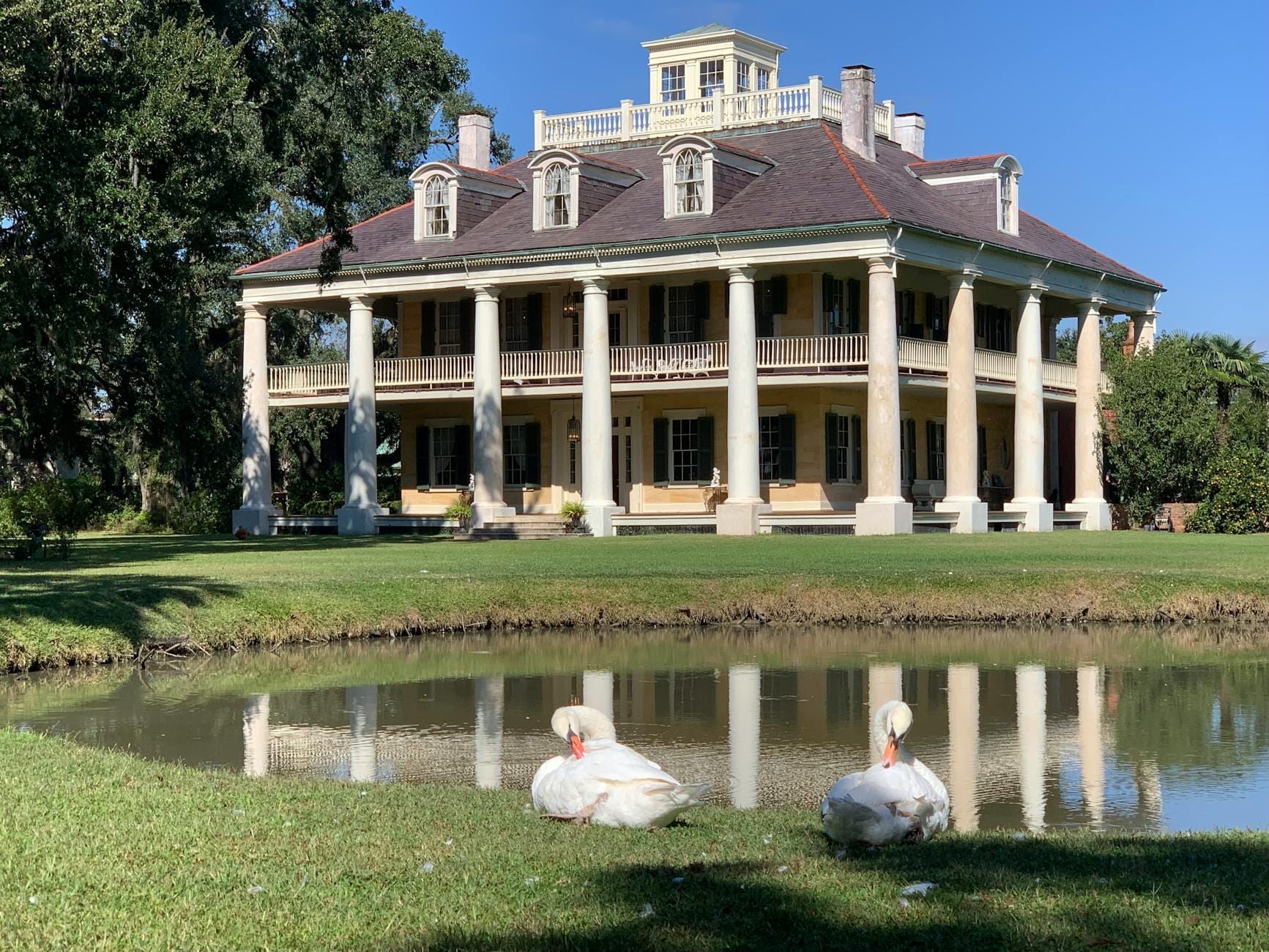
Plantation tours are one of the most significant day trips you can take from New Orleans, and one of the most misunderstood. These are not simply tours of grand antebellum architecture. The plantations along River Road were built and operated by enslaved people whose forced labor generated enormous wealth and shaped the entire region. Understanding that context before you arrive changes everything about the experience. If you are still planning your broader New Orleans itinerary, our 3-day New Orleans guide can help you fit a plantation visit into your trip. You might also consider pairing it with a swamp tour since several operators combine both into a single full-day excursion.
✨ Pro tip
Book Whitney Plantation tickets in advance — they sell out weeks ahead, especially on weekends. Public transit doesn't serve River Road; rideshare and taxi are technically available but expensive and limited — most visitors use a guided tour, rental car, or organized shuttle.
Start Here: The Essential Context in New Orleans
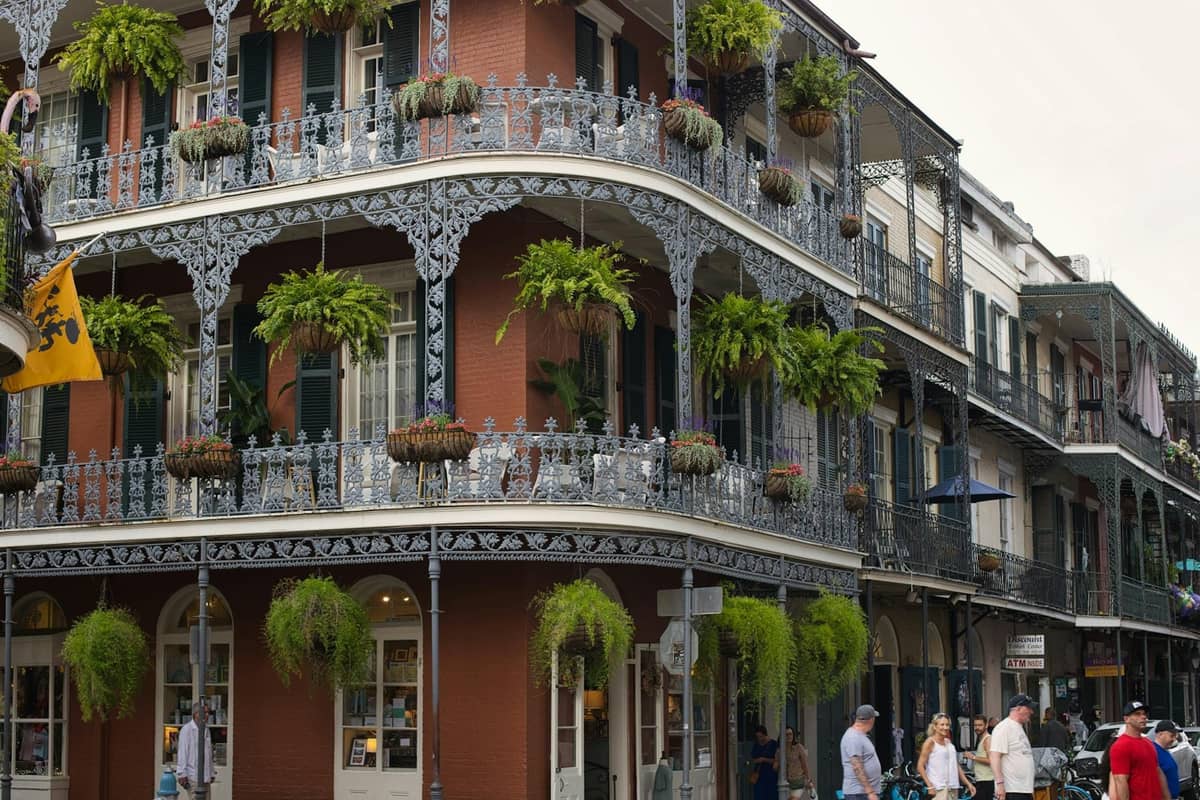
Before you drive out to River Road, a few sites in New Orleans itself provide critical grounding in the history of slavery and the people whose labor built this city. The Tremé neighborhood and the French Quarter both contain important starting points. Combining these with a plantation visit on the same trip creates a much fuller picture than either experience alone.
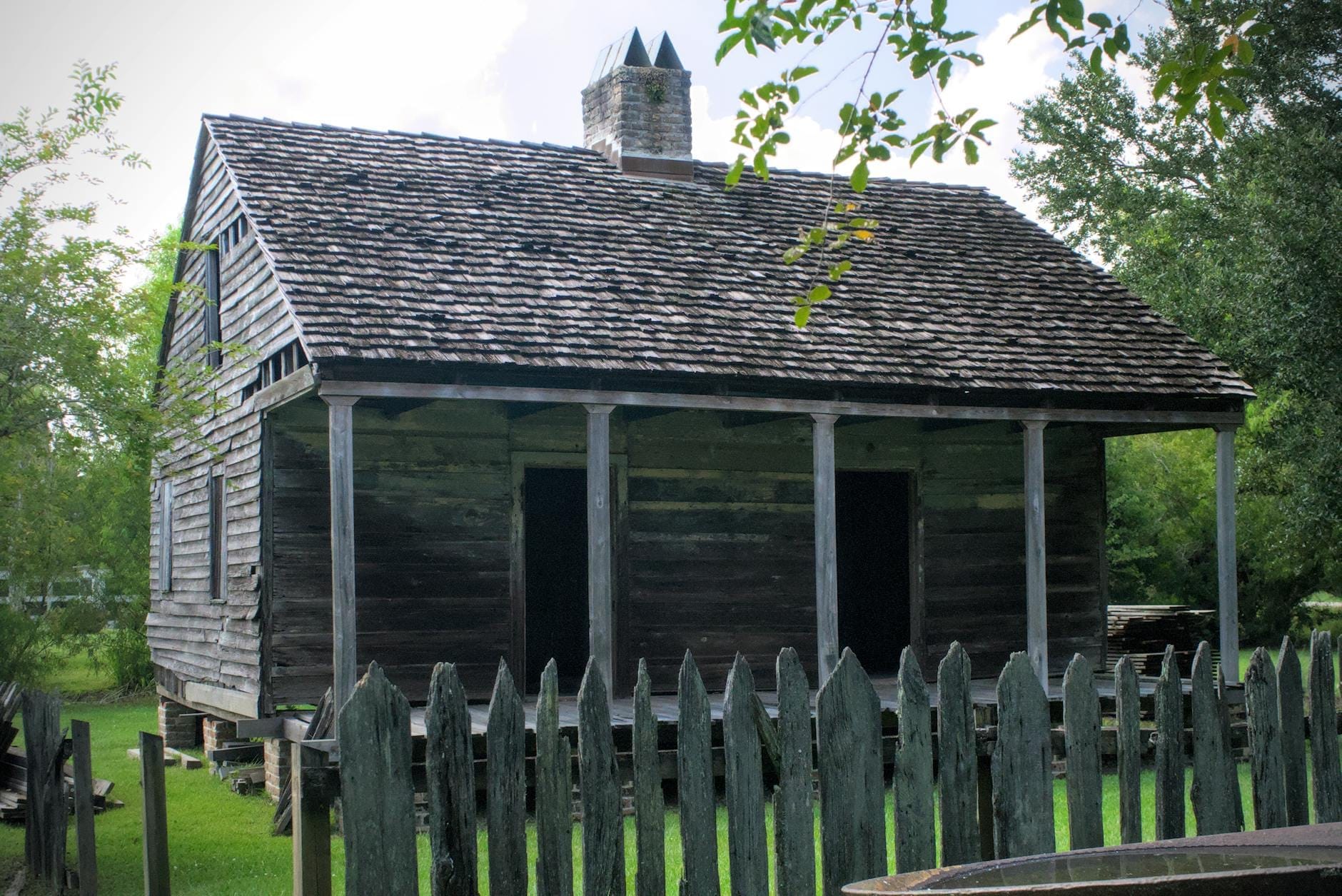
1. Visit the Only Louisiana Plantation Museum Focused on Enslaved People
Whitney Plantation, 45 minutes from New Orleans, is the essential plantation visit. Every exhibit centers the enslaved rather than the planter class: memorials, first-person testimonies, and life-size iron sculptures make this a profoundly sobering, necessary experience.
Explore1. Visit the Only Louisiana Plantation Museum Focused on Enslaved People
Whitney Plantation, 45 minutes from New Orleans, is the essential plantation visit. Every exhibit centers the enslaved rather than the planter class: memorials, first-person testimonies, and life-size iron sculptures make this a profoundly sobering, necessary experience.
Explore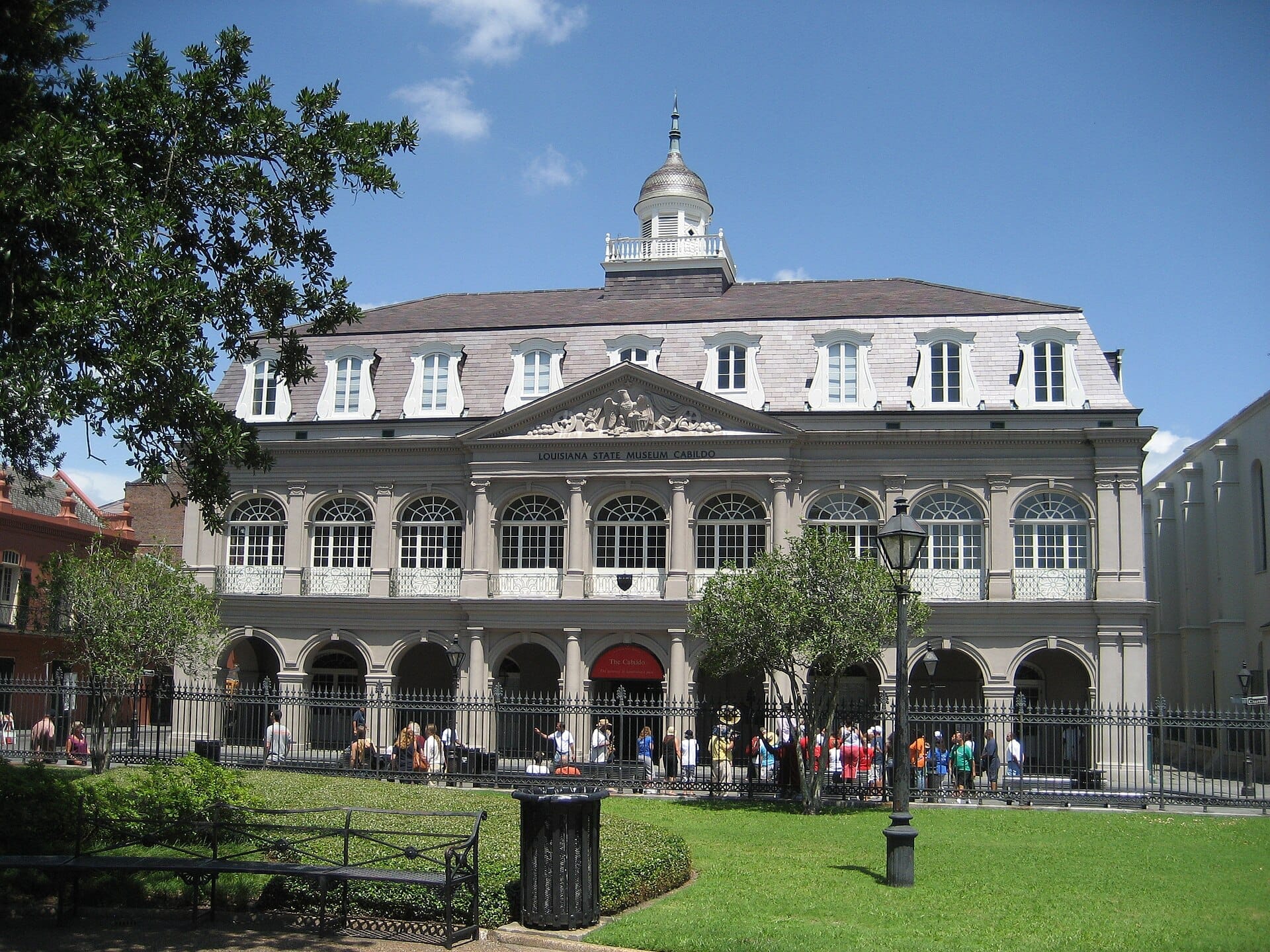
2. Understand the Louisiana Purchase and Colonial History at The Cabildo
The Louisiana Purchase was signed here in 1803, setting in motion the expansion of American slavery into a vast new territory. Spending an hour at this museum before your plantation tour sharpens the political and economic context you will encounter on River Road.
Explore2. Understand the Louisiana Purchase and Colonial History at The Cabildo
The Louisiana Purchase was signed here in 1803, setting in motion the expansion of American slavery into a vast new territory. Spending an hour at this museum before your plantation tour sharpens the political and economic context you will encounter on River Road.
Explore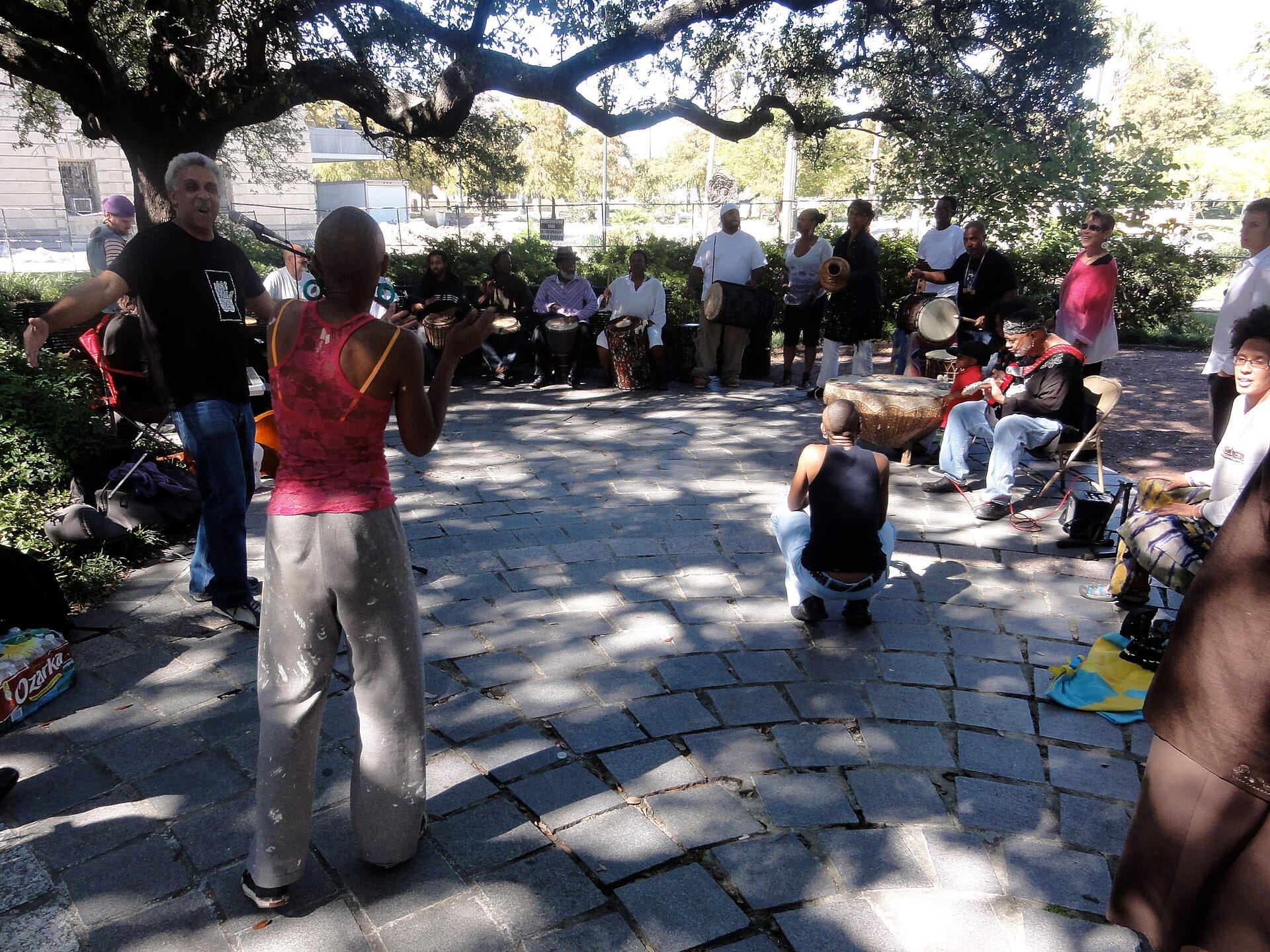
3. Walk Congo Square, Where Enslaved People Kept Their Culture Alive
In the heart of Louis Armstrong Park, Congo Square is where enslaved Africans gathered on Sundays to sing, drum, and dance. It is one of the most historically charged pieces of ground in America and a profound prelude to any plantation visit.
Explore3. Walk Congo Square, Where Enslaved People Kept Their Culture Alive
In the heart of Louis Armstrong Park, Congo Square is where enslaved Africans gathered on Sundays to sing, drum, and dance. It is one of the most historically charged pieces of ground in America and a profound prelude to any plantation visit.
Explore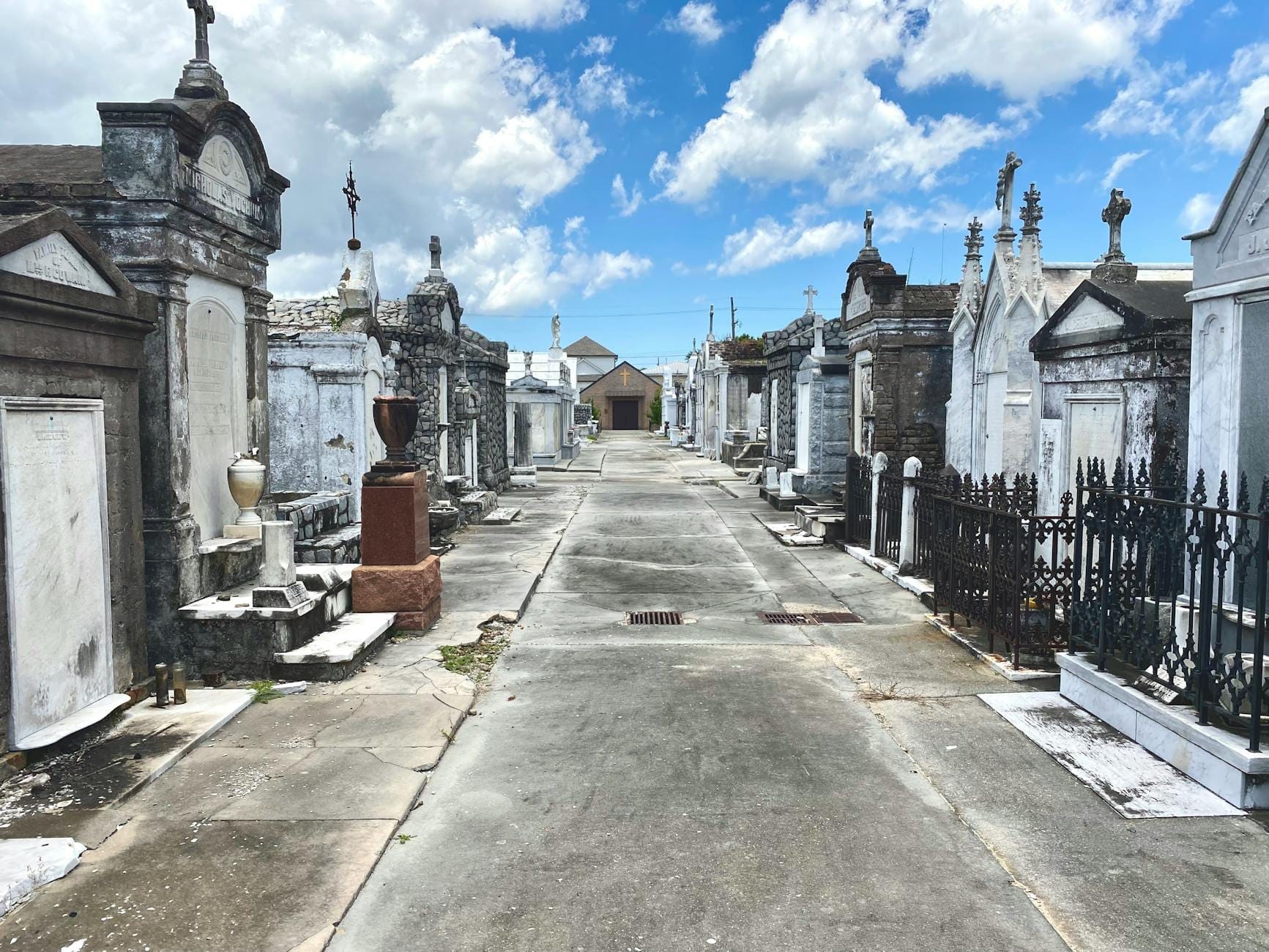
4. Visit St. Louis Cemetery No. 1 to Connect History to Community
Dating to 1789, this cemetery holds the remains of free people of color, enslaved individuals, and the city's Creole population. Its above-ground tombs reflect the social hierarchies of antebellum New Orleans that you will see playing out on River Road.
Explore4. Visit St. Louis Cemetery No. 1 to Connect History to Community
Dating to 1789, this cemetery holds the remains of free people of color, enslaved individuals, and the city's Creole population. Its above-ground tombs reflect the social hierarchies of antebellum New Orleans that you will see playing out on River Road.
Explore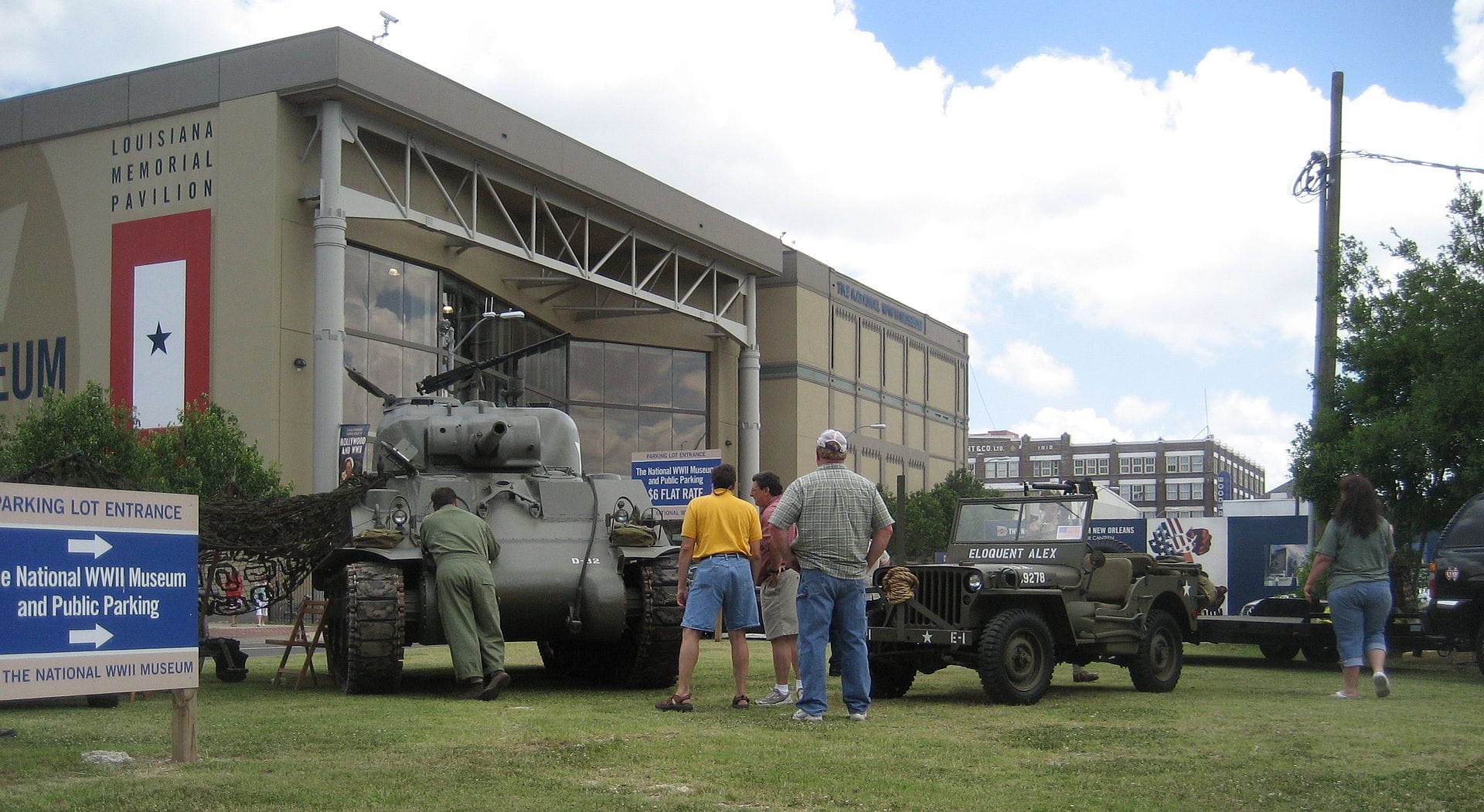
5. See How New Orleans Approaches Difficult History at the WWII Museum
This is not a plantation site, but it is the gold standard for how immersive, emotionally honest history museums operate. Visiting it gives you a useful frame for evaluating how different plantation sites handle their own difficult narratives.
Explore5. See How New Orleans Approaches Difficult History at the WWII Museum
This is not a plantation site, but it is the gold standard for how immersive, emotionally honest history museums operate. Visiting it gives you a useful frame for evaluating how different plantation sites handle their own difficult narratives.
ExploreGetting to River Road: Tours, Logistics, and Timing
River Road runs along both banks of the Mississippi between New Orleans and Baton Rouge. The major plantations are clustered between 45 and 55 miles from downtown. There is no public transit to any of them. Your options are a guided tour with hotel pickup, a rental car, or a private driver. Guided tours are the most practical choice for most visitors: operators like Gray Line and Cajun Encounters offer half-day and full-day options combining one or two plantations, sometimes paired with a swamp tour. Check the guide to getting around New Orleans for rental car and transport tips. Plan for at least four hours at Whitney Plantation alone; a combined Whitney and Oak Alley day runs seven to eight hours.
6. Pair Your River Road Day with a Morning at Mardi Gras World
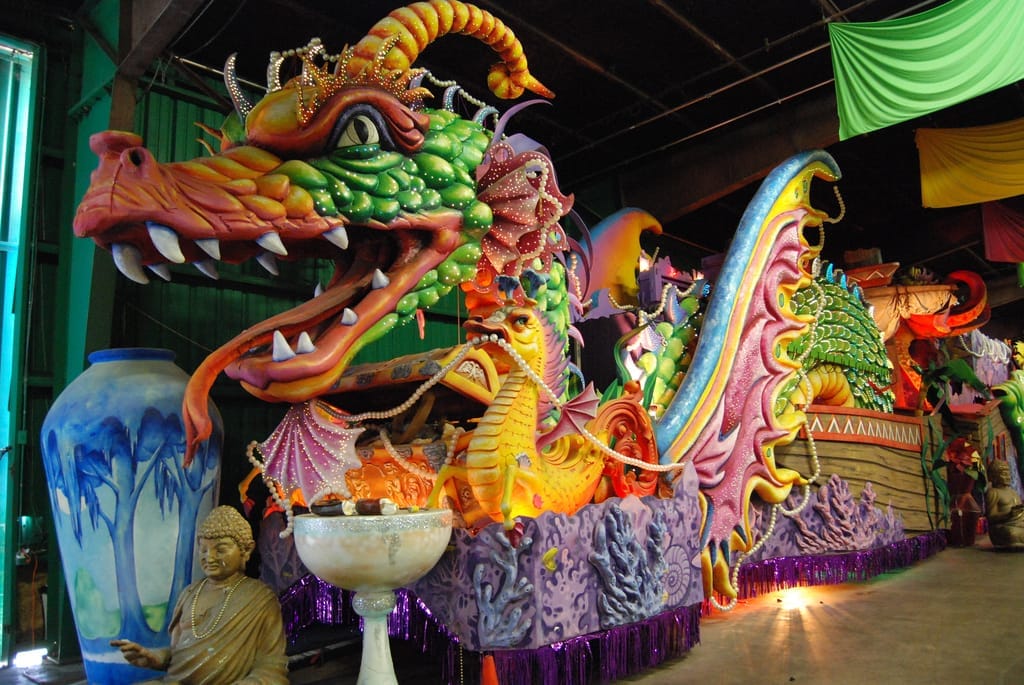
If your tour departs in the afternoon, Mardi Gras World makes an efficient morning stop. It is close to several tour departure points in the CBD, takes about 90 minutes, and provides a vivid contrast to the solemnity of plantation visits later in the day.
Explore6. Pair Your River Road Day with a Morning at Mardi Gras World
If your tour departs in the afternoon, Mardi Gras World makes an efficient morning stop. It is close to several tour departure points in the CBD, takes about 90 minutes, and provides a vivid contrast to the solemnity of plantation visits later in the day.
Explore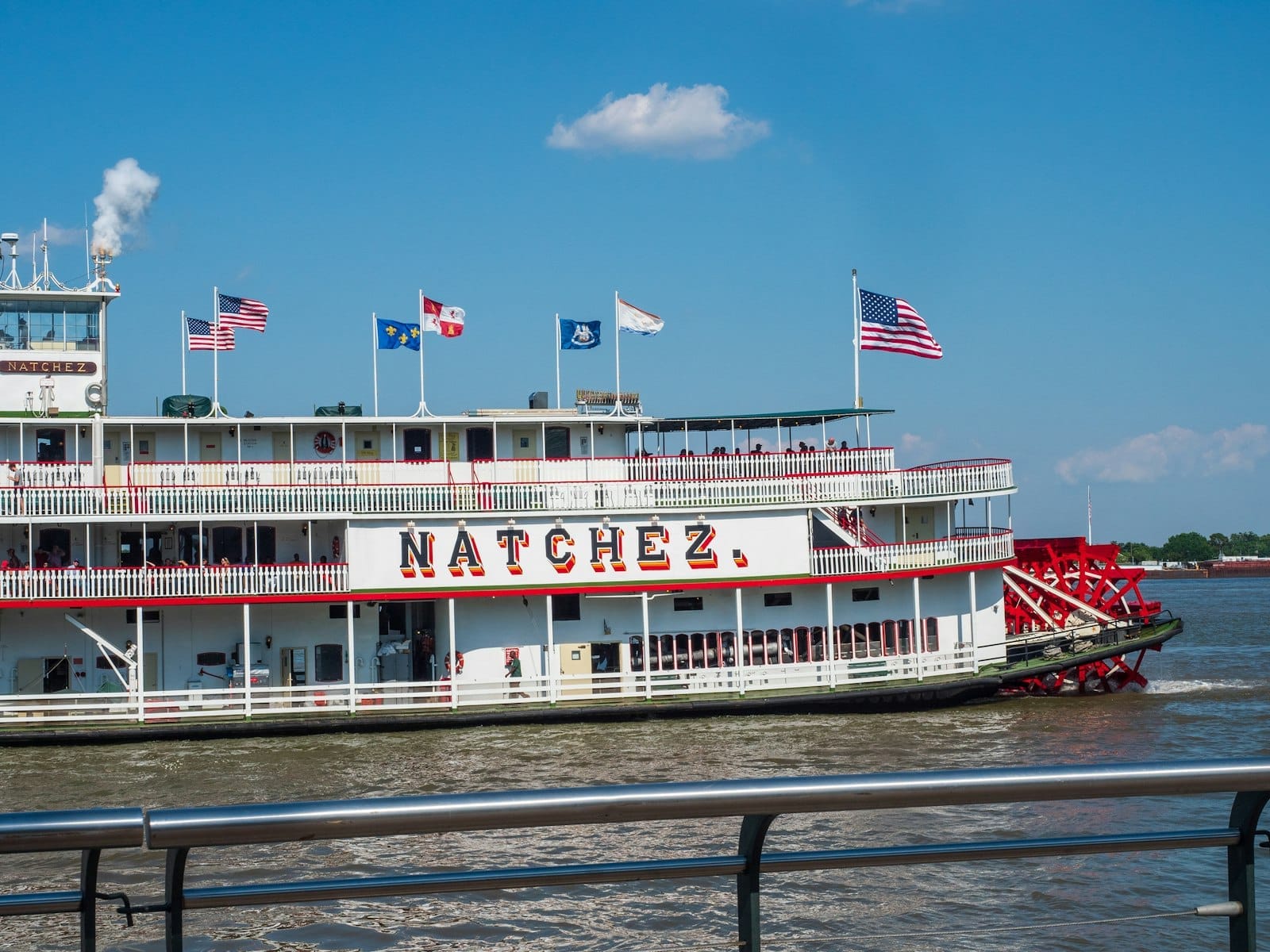
7. Take the Steamboat Natchez to Understand the Mississippi's Role in the Slave Trade
The Mississippi River was the artery of the domestic slave trade and the sugar economy. A historic riverboat cruise departing near Jackson Square connects that geography to your River Road visit in a visceral, concrete way — verify current vessel and schedule with the operator.
Explore7. Take the Steamboat Natchez to Understand the Mississippi's Role in the Slave Trade
The Mississippi River was the artery of the domestic slave trade and the sugar economy. A historic riverboat cruise departing near Jackson Square connects that geography to your River Road visit in a visceral, concrete way — verify current vessel and schedule with the operator.
Explore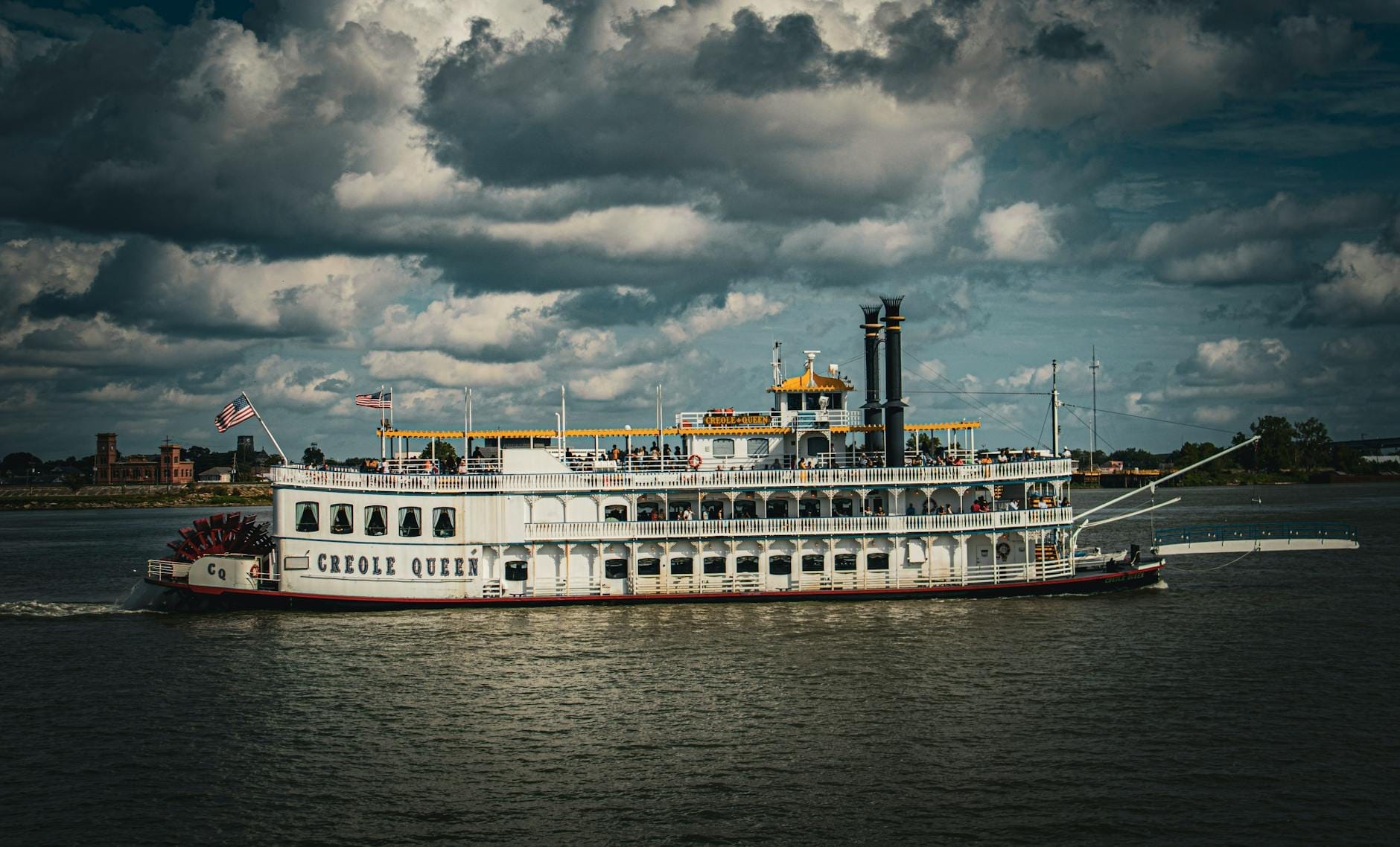
8. Cruise Past the Plantation Corridor on the Creole Queen
The Creole Queen's dinner and jazz cruises head upriver along the same corridor that once transported enslaved people and sugar between the plantations and the city. The skyline views and river scale help contextualize the plantation landscape before or after your land visit.
Explore8. Cruise Past the Plantation Corridor on the Creole Queen
The Creole Queen's dinner and jazz cruises head upriver along the same corridor that once transported enslaved people and sugar between the plantations and the city. The skyline views and river scale help contextualize the plantation landscape before or after your land visit.
Explore💡 Local tip
Spring (March-May) and fall (October-November) are the most comfortable seasons for plantation visits. Summer temperatures regularly exceed 90°F with high humidity, and you will spend significant time outdoors at every site.
Understanding What You Will See: Architecture, Landscape, and History
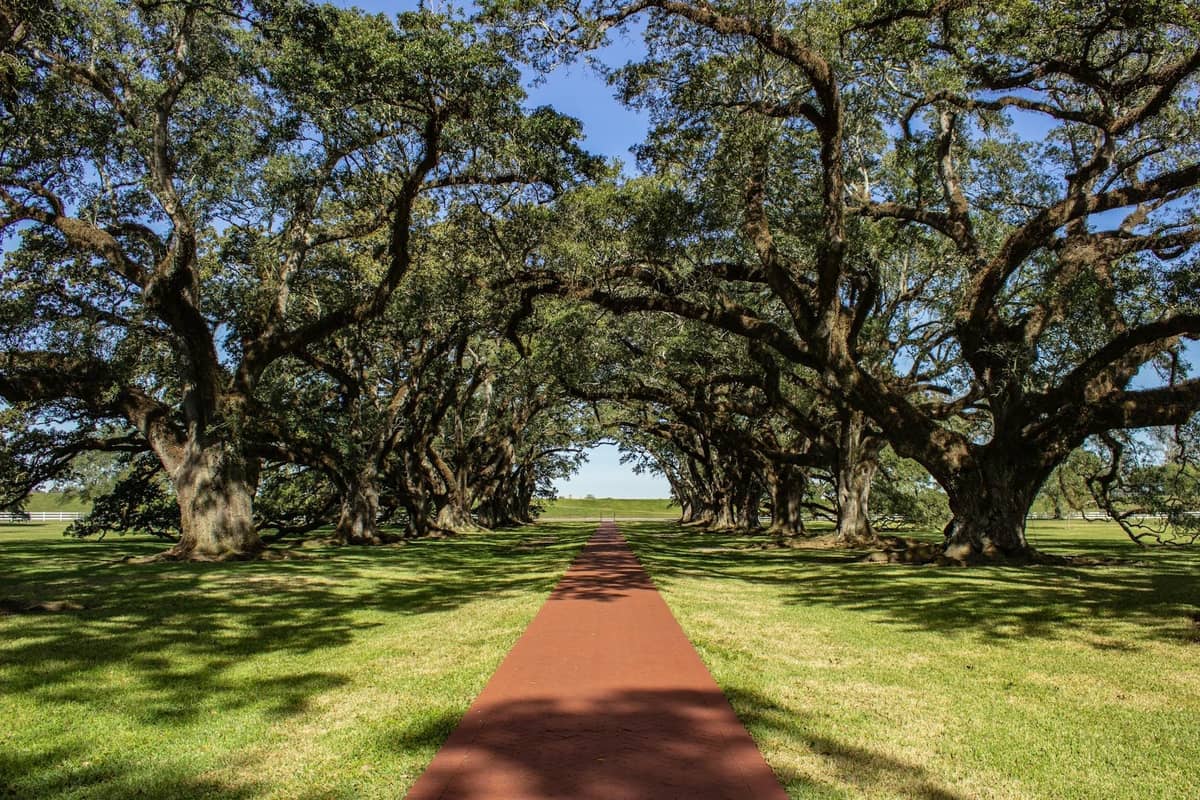
The River Road plantations vary significantly in their focus and tone. Oak Alley is famous for its 300-year-old oak alley leading to a Greek Revival house and includes exhibits on enslaved workers, though the architecture is the visual anchor. Laura Plantation presents Creole rather than American plantation culture, with well-preserved slave cabins. Destrehan Plantation, dating to 1787, is the oldest intact plantation in the Lower Mississippi Valley and features a dedicated exhibit on the 1811 German Coast Uprising, the largest slave revolt in American history. Before you go, consider reading through the New Orleans history guide to build a stronger foundation for what you will encounter.
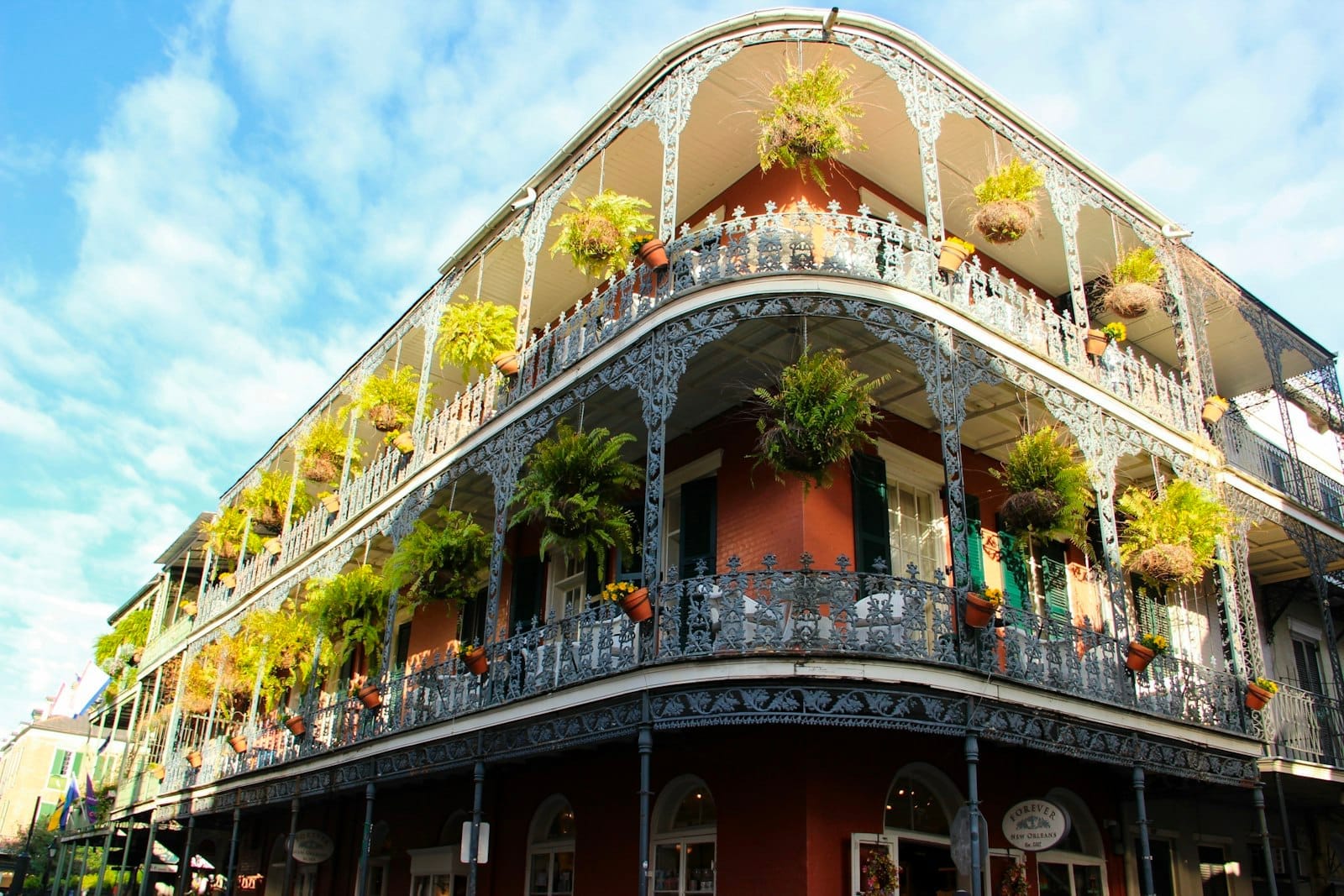
9. Walk the French Quarter's Historic District to See the Wealth Plantations Built
The 78-block French Quarter was financed largely by plantation sugar and cotton wealth. Walking the Vieux Carré after a River Road visit makes the connection between enslaved labor and the city's architectural grandeur immediate and tangible.
Explore9. Walk the French Quarter's Historic District to See the Wealth Plantations Built
The 78-block French Quarter was financed largely by plantation sugar and cotton wealth. Walking the Vieux Carré after a River Road visit makes the connection between enslaved labor and the city's architectural grandeur immediate and tangible.
Explore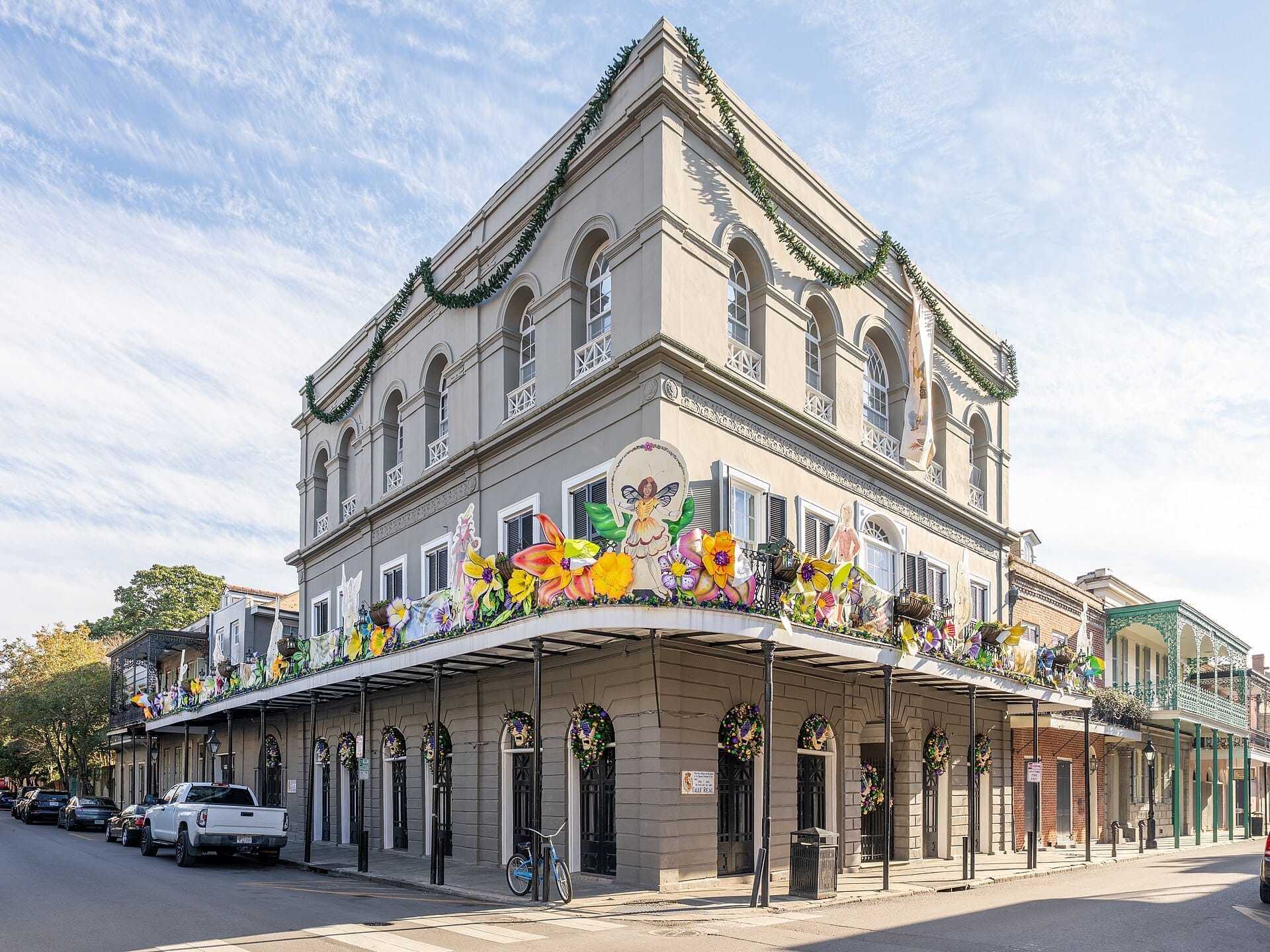
10. Walk Past the LaLaurie Mansion to Confront Urban Slavery in New Orleans
The LaLaurie Mansion on Royal Street is infamous for the torture of enslaved people that was discovered there in 1834. It is a stark reminder that the brutality of plantation slavery existed within the city itself, not only on rural River Road estates.
Explore10. Walk Past the LaLaurie Mansion to Confront Urban Slavery in New Orleans
The LaLaurie Mansion on Royal Street is infamous for the torture of enslaved people that was discovered there in 1834. It is a stark reminder that the brutality of plantation slavery existed within the city itself, not only on rural River Road estates.
Explore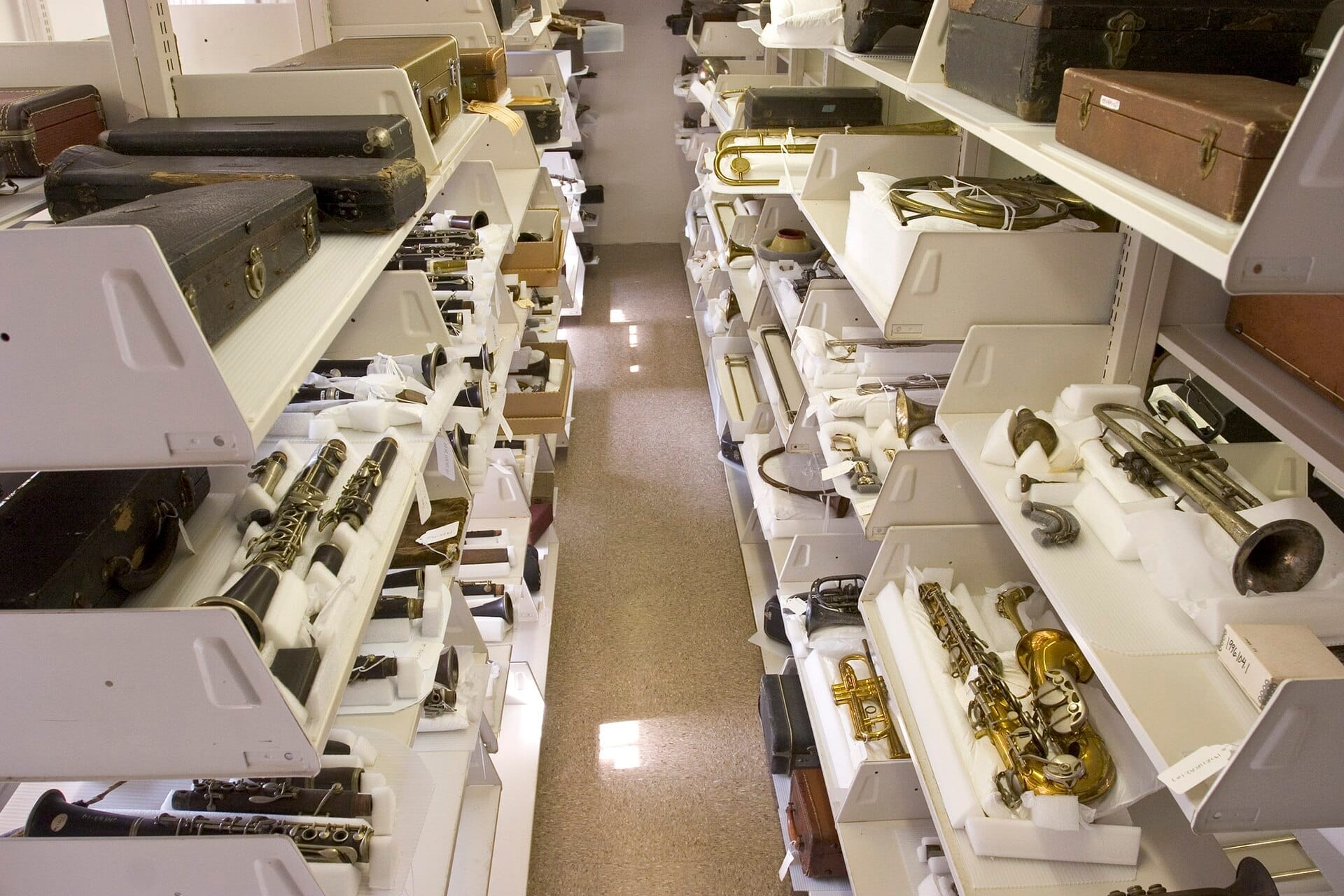
11. Trace Jazz Back to Its Plantation and Congo Square Roots at the Jazz Museum
Housed in the Old US Mint, this museum draws a direct line from Congo Square gatherings and plantation-era musical traditions to the birth of jazz. It is one of the most relevant cultural stops for anyone trying to understand what enslaved people built and preserved.
Explore11. Trace Jazz Back to Its Plantation and Congo Square Roots at the Jazz Museum
Housed in the Old US Mint, this museum draws a direct line from Congo Square gatherings and plantation-era musical traditions to the birth of jazz. It is one of the most relevant cultural stops for anyone trying to understand what enslaved people built and preserved.
Explore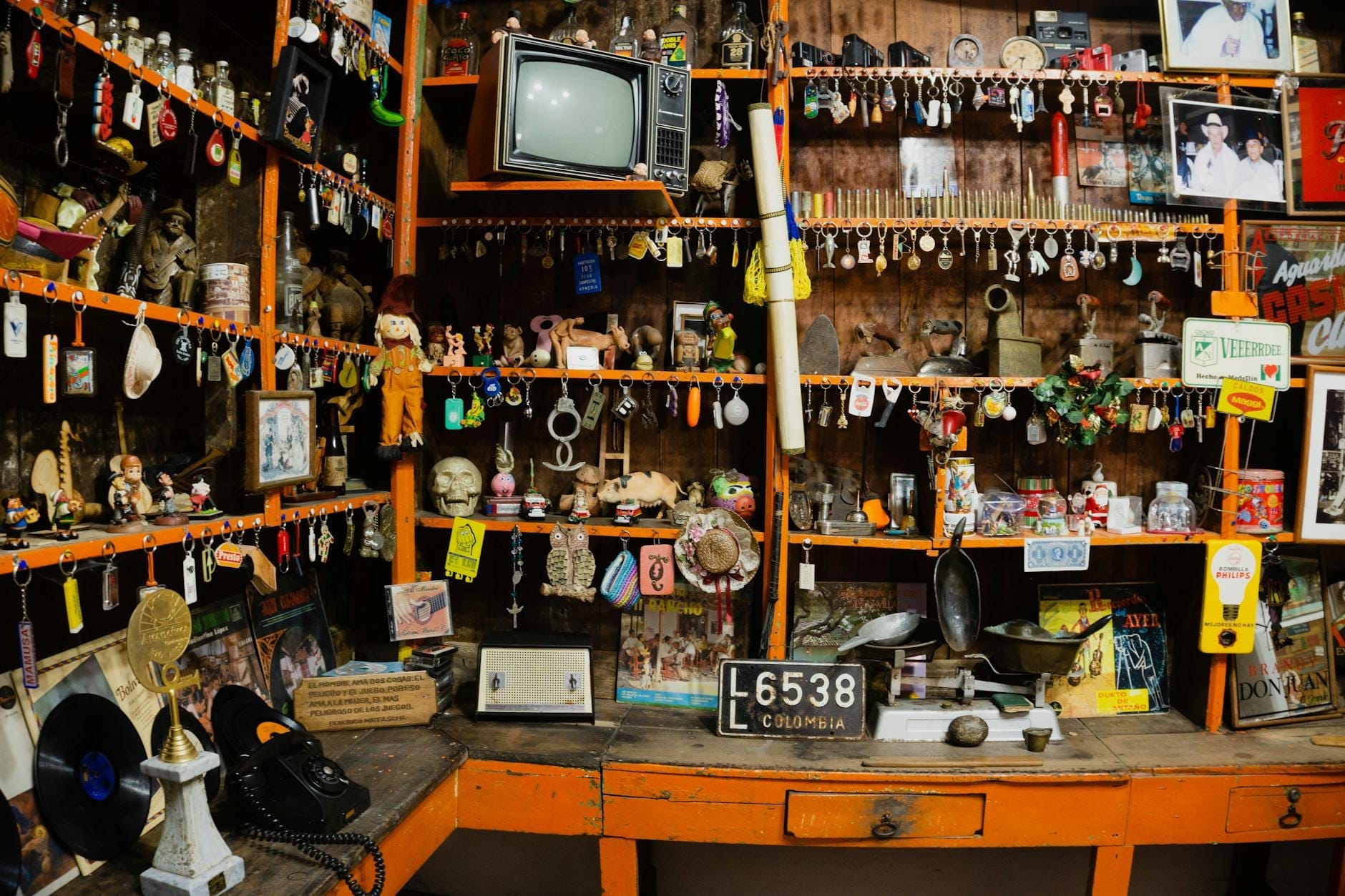
12. Explore Louisiana Voodoo's African Roots at the Historic Voodoo Museum
Louisiana Voodoo was practiced by enslaved people on plantations as a form of spiritual and cultural resistance. This small French Quarter museum covers that history through Marie Laveau's story and authentic artifacts, adding another dimension to the River Road experience.
Explore12. Explore Louisiana Voodoo's African Roots at the Historic Voodoo Museum
Louisiana Voodoo was practiced by enslaved people on plantations as a form of spiritual and cultural resistance. This small French Quarter museum covers that history through Marie Laveau's story and authentic artifacts, adding another dimension to the River Road experience.
ExploreAfter the Tour: Processing What You Saw
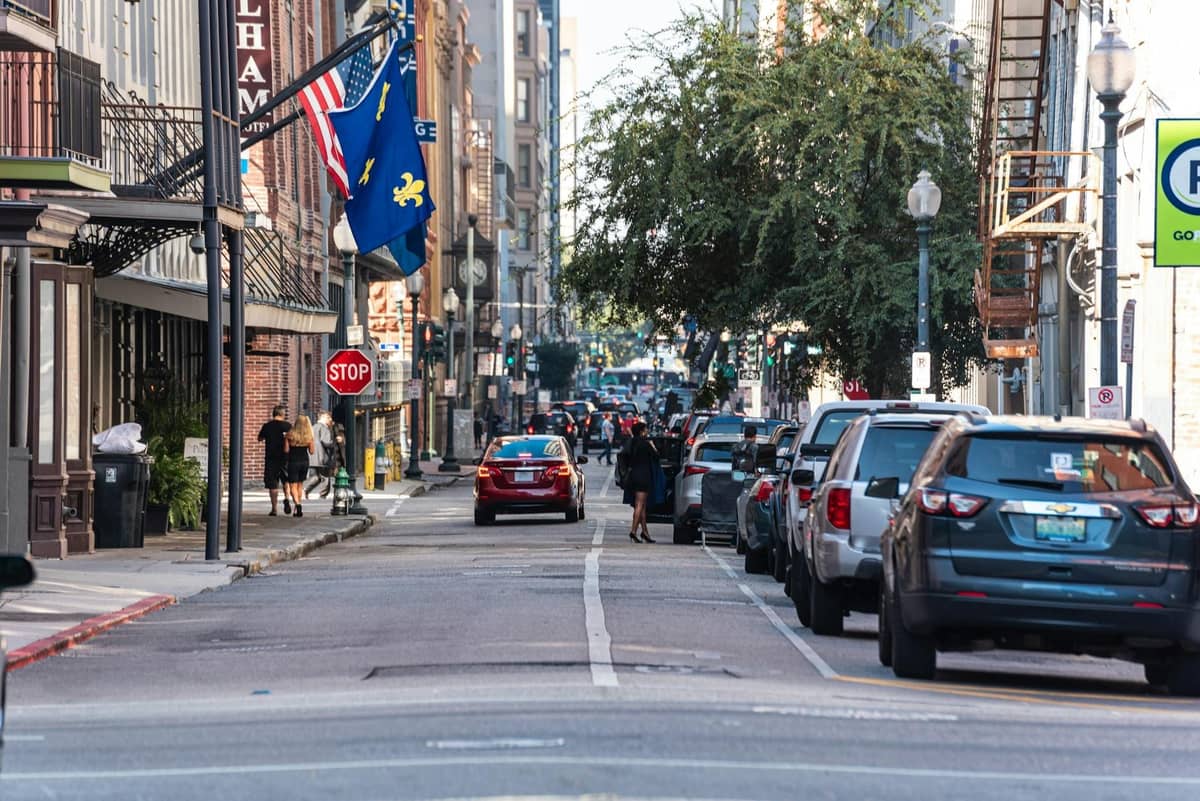
Plantation visits are emotionally demanding, particularly Whitney. Many visitors find they need time to decompress afterward. A quiet walk through the Marigny and Bywater neighborhoods or an evening on Frenchmen Street listening to live jazz can feel like a natural, grounding conclusion to a heavy day. New Orleans' cultural richness is inseparable from the history you have just witnessed, and the music especially carries that weight and resilience forward.
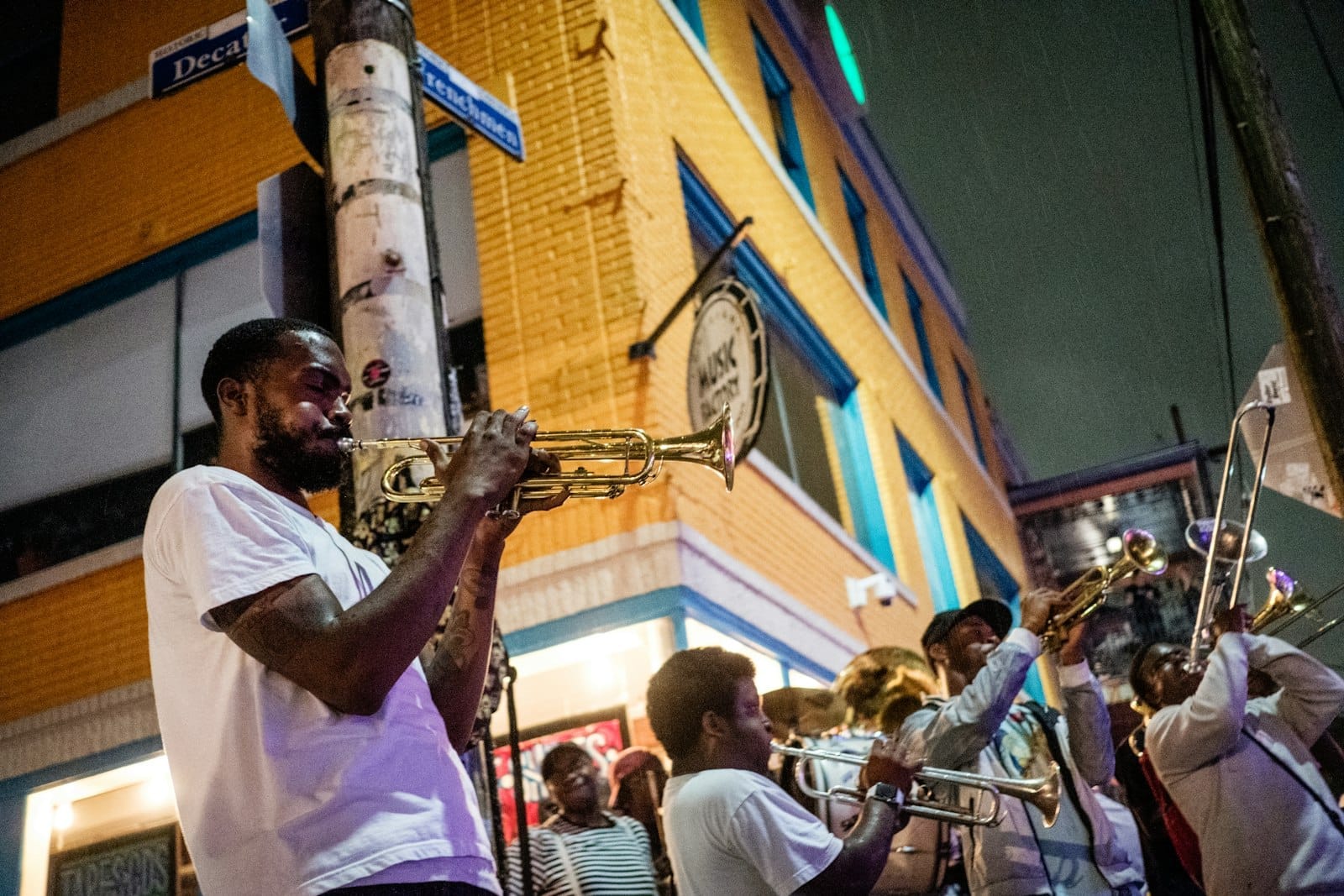
13. End a Heavy Day at Frenchmen Street, Where the Music Tells Its Own History
After a plantation visit, Frenchmen Street's brass bands and jazz clubs offer something that transcends the tourist experience: music rooted in the same African traditions that survived enslavement. It is a meaningful, not frivolous, way to close the day.
Explore13. End a Heavy Day at Frenchmen Street, Where the Music Tells Its Own History
After a plantation visit, Frenchmen Street's brass bands and jazz clubs offer something that transcends the tourist experience: music rooted in the same African traditions that survived enslavement. It is a meaningful, not frivolous, way to close the day.
Explore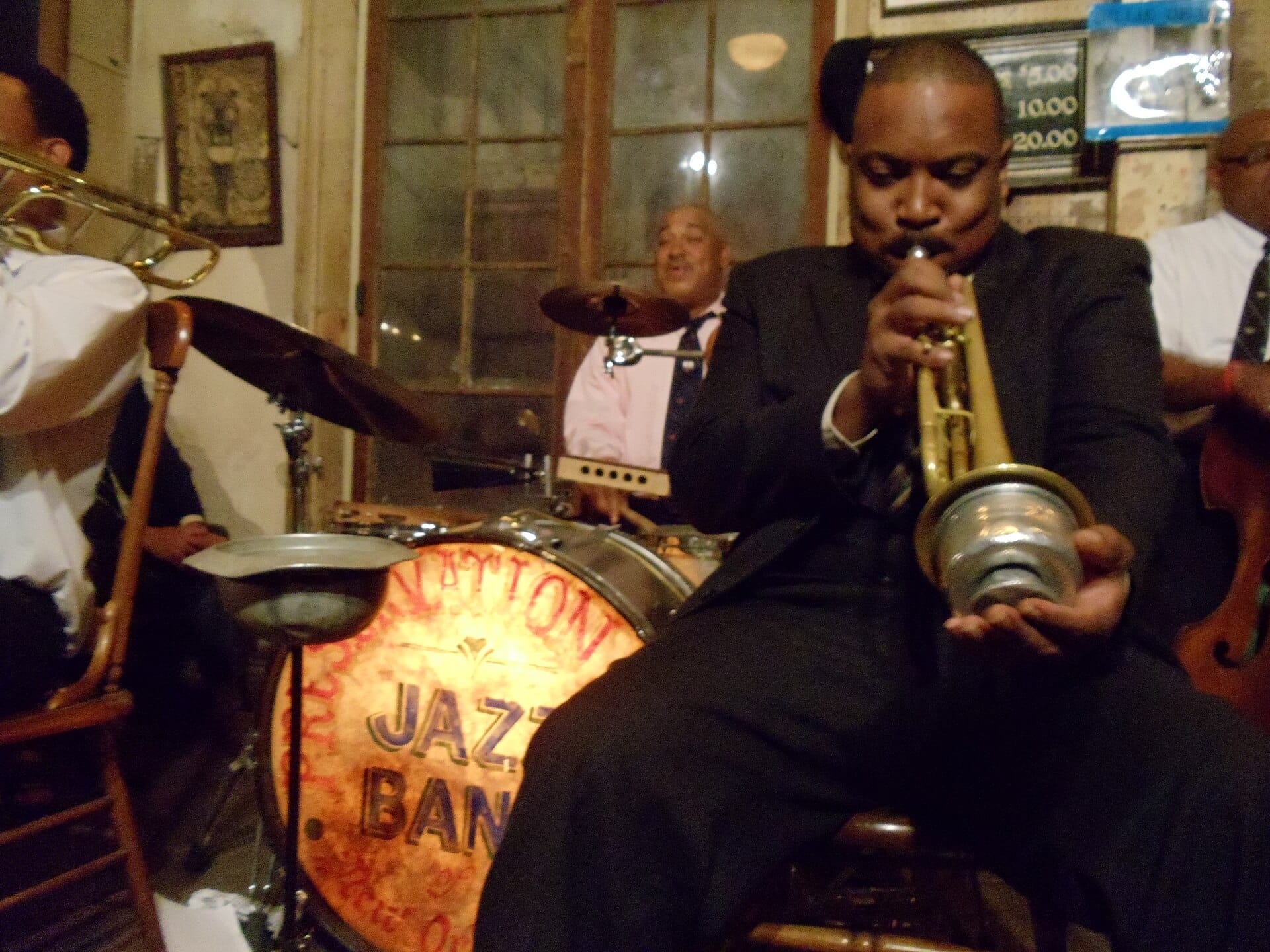
14. Attend a Preservation Hall Performance to Hear Living Jazz Heritage
Preservation Hall has hosted traditional New Orleans jazz nightly since 1961. The intimate setting and uncompromising musical focus make it the best single venue to connect the cultural legacy of the people you learned about on River Road to the living city around you.
Explore14. Attend a Preservation Hall Performance to Hear Living Jazz Heritage
Preservation Hall has hosted traditional New Orleans jazz nightly since 1961. The intimate setting and uncompromising musical focus make it the best single venue to connect the cultural legacy of the people you learned about on River Road to the living city around you.
Explore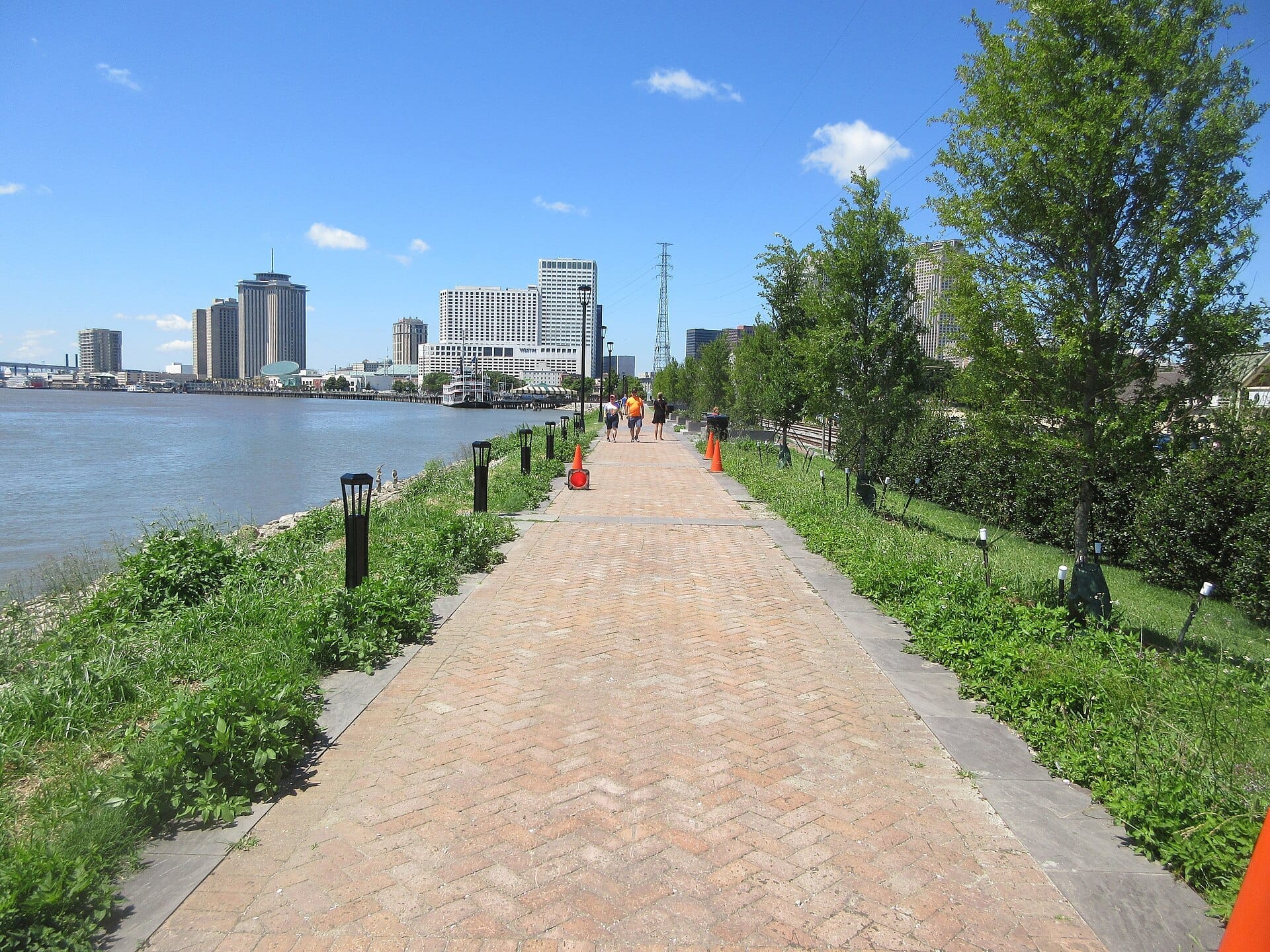
15. Sit at the Moon Walk and Watch the Mississippi That Connected It All
The Moon Walk riverfront promenade puts you directly on the Mississippi levee. Watching barges move upriver toward the plantation corridor at dusk, with the French Quarter behind you, makes the geography of everything you have learned concrete and quietly unforgettable.
Explore15. Sit at the Moon Walk and Watch the Mississippi That Connected It All
The Moon Walk riverfront promenade puts you directly on the Mississippi levee. Watching barges move upriver toward the plantation corridor at dusk, with the French Quarter behind you, makes the geography of everything you have learned concrete and quietly unforgettable.
Explore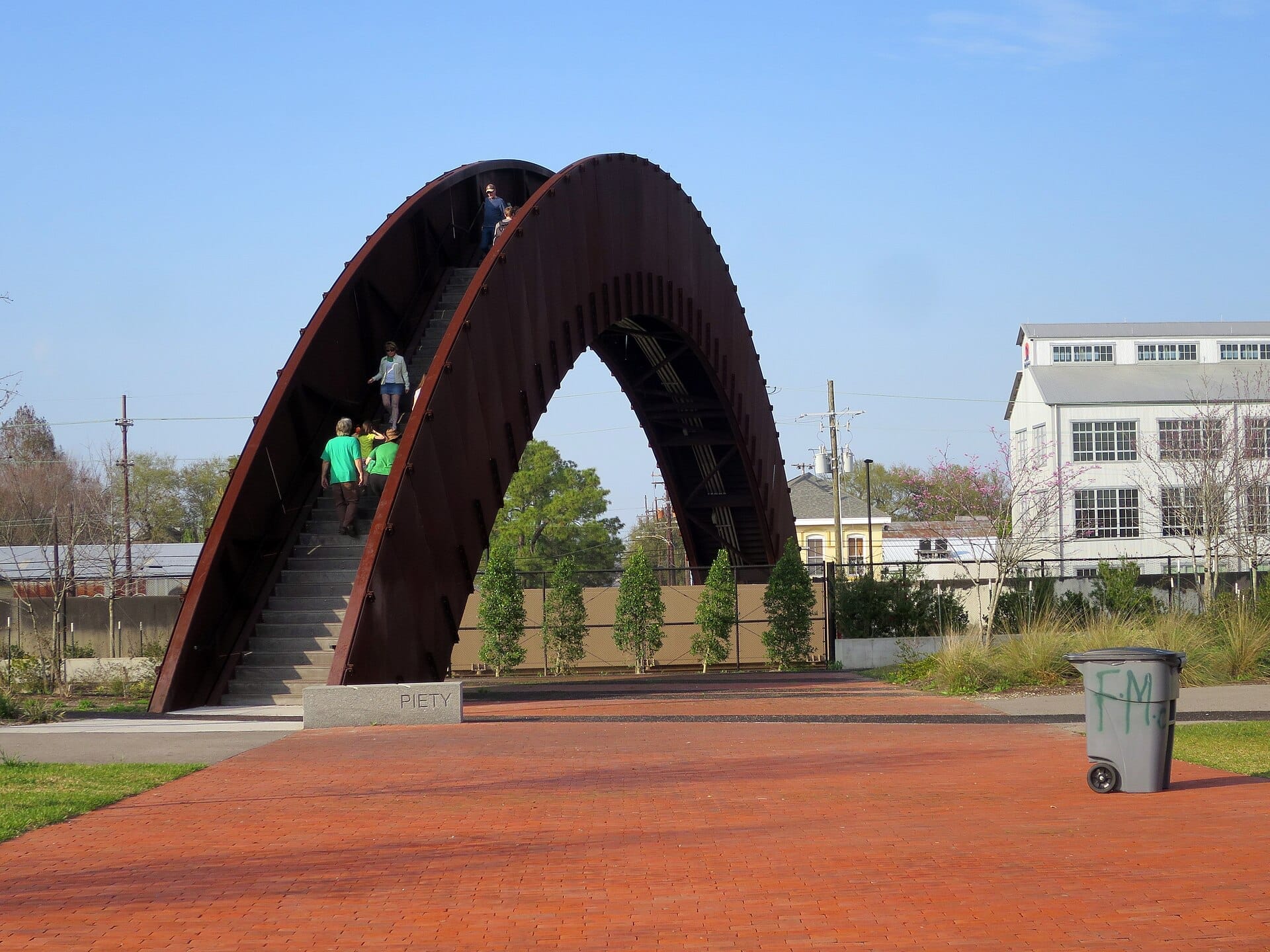
16. Take a Quiet Walk Through Crescent Park to Decompress After the Tour
This modern riverside park in the Marigny offers sweeping Mississippi views away from the tourist crowds. After an emotionally intense plantation visit, the open sky, river light, and relative quiet make it one of the best spots in New Orleans to simply sit and reflect.
Explore16. Take a Quiet Walk Through Crescent Park to Decompress After the Tour
This modern riverside park in the Marigny offers sweeping Mississippi views away from the tourist crowds. After an emotionally intense plantation visit, the open sky, river light, and relative quiet make it one of the best spots in New Orleans to simply sit and reflect.
ExploreFAQ
How far are the plantations from New Orleans?
The main River Road plantations are 45-55 miles from downtown New Orleans. Whitney Plantation is about 47 miles (roughly 50-60 minutes by car). Oak Alley is about 54 miles. Destrehan Plantation is the closest at about 20 miles. None are accessible by public transit, so you will need a guided tour, rental car, or private transfer.
Which plantation tour is best for understanding slavery history?
Whitney Plantation is the only one in Louisiana with a mission exclusively dedicated to the lives of enslaved people. It features memorials, first-person testimonies gathered in the 1930s, and life-size iron sculptures. It is the most historically honest and emotionally impactful experience on River Road. Oak Alley and Destrehan Plantation also include significant slavery exhibits alongside their architectural tours.
Should I book a guided tour or drive myself?
Driving yourself gives you flexibility and more time at each site, but guided tours provide interpretation, hotel pickup, and combined itineraries that are hard to replicate on your own. If you are visiting Whitney Plantation, the guided tour experience is particularly valuable since docents provide context that significantly deepens the visit. Book Whitney tickets in advance regardless of whether you join a group tour.
How long does a plantation visit take?
Whitney Plantation alone requires a minimum of 3-4 hours to do it justice. Oak Alley tours run about 2-3 hours. Guided group tours combining one or two plantations typically run 5.5-8 hours including transport from New Orleans. Plan for a full day if you want to visit two sites without feeling rushed.
What is the best time of year to visit the River Road plantations?
March through May and October through November offer the most comfortable conditions: temperatures between 60-78°F, lower humidity, and the oak trees and gardens at their best. Summer visits are possible but the heat and humidity are intense, and you will spend substantial time outdoors at every plantation site. All major plantations are open year-round; verify current hours before visiting.