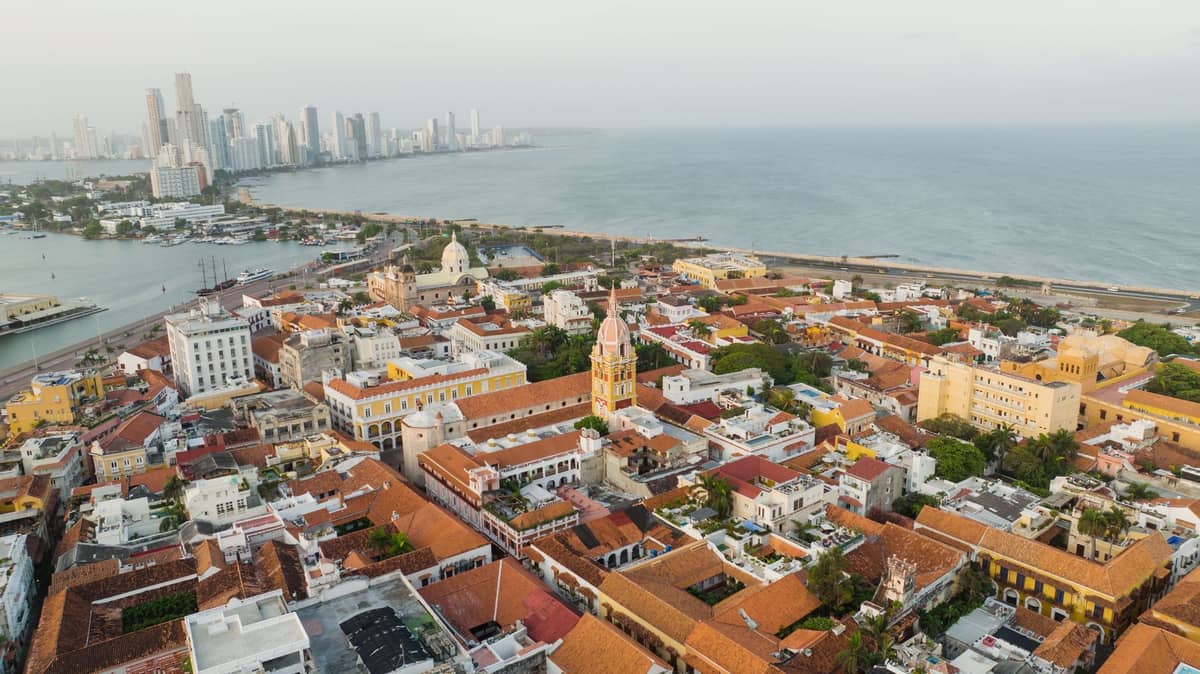
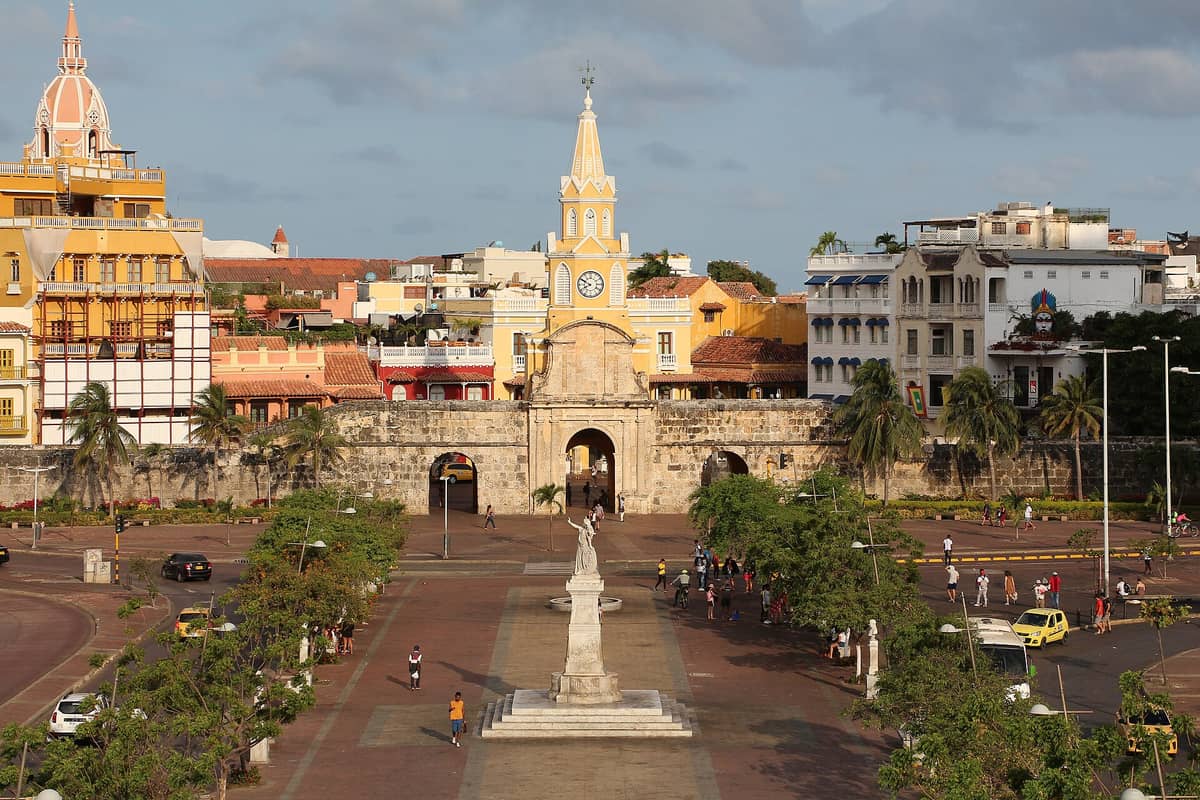
Centro Histórico, known locally as the Ciudad Amurallada, is Cartagena de Indias' UNESCO-listed colonial heart. Enclosed by centuries-old stone walls, it holds the city's greatest concentration of landmarks, restaurants, and hotels, making it the natural starting point for any visit to Colombia's Caribbean coast.
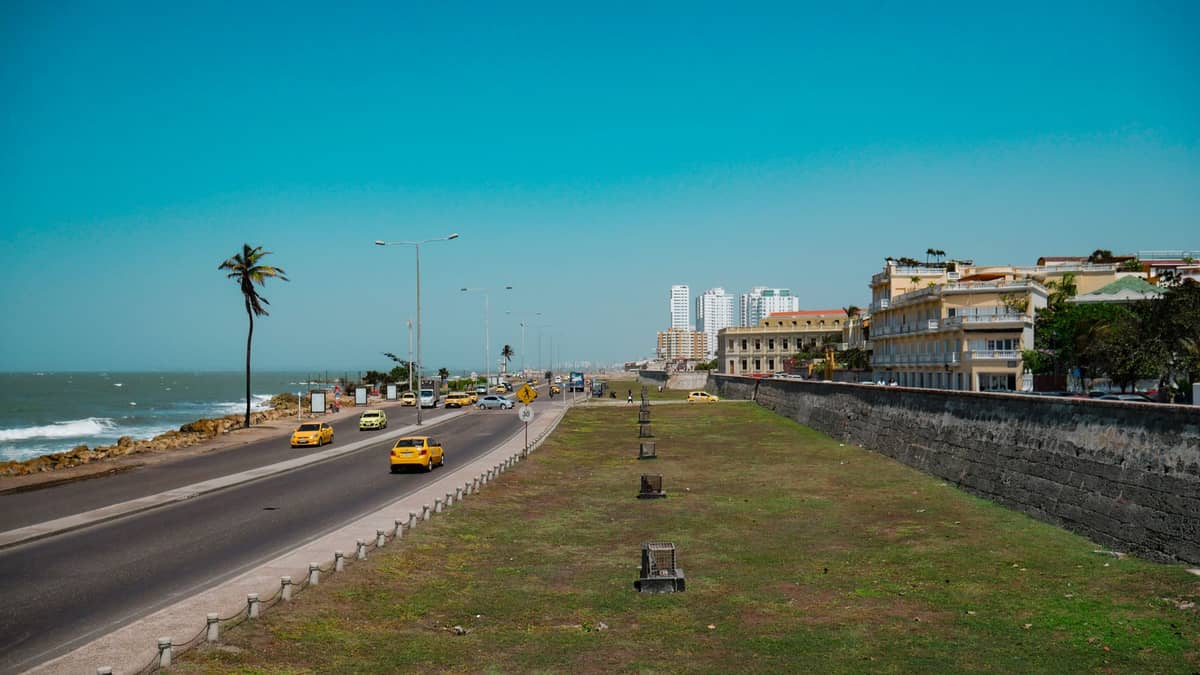
Centro Histórico, or the Ciudad Amurallada, is the fortified colonial core of Cartagena de Indias and the reason most people come to this Caribbean city in the first place. Within its 11 kilometers of coral-stone walls sit some of the best-preserved Spanish colonial architecture in the Americas, alongside plazas that shift from quiet morning calm to evening spectacle as the day unfolds.
Orientation: Building a Mental Map of the Walled City
The Ciudad Amurallada sits on Cartagena's northwestern Caribbean coast, enclosed almost entirely by its famous colonial walls. The neighborhood is small enough to walk end-to-end in about twenty minutes, yet dense enough to absorb several days of serious exploration. Visitors typically enter through one of the historic gates: the most-used is the Puerta del Reloj, the clock-tower gate on the southeastern edge facing Getsemaní and the bay.
Internally, the Walled City divides into two principal sectors. El Centro occupies the southwestern portion, roughly the area around the Torre del Reloj, Plaza de los Coches, and the main commercial and civic streets. San Diego takes up the quieter northeastern corner, characterized by narrower streets, boutique hotels, and a more residential feel. La Matuna, a modern commercial district of office towers, sits just outside the walls to the south and southeast, connecting the historic core to Getsemaní.
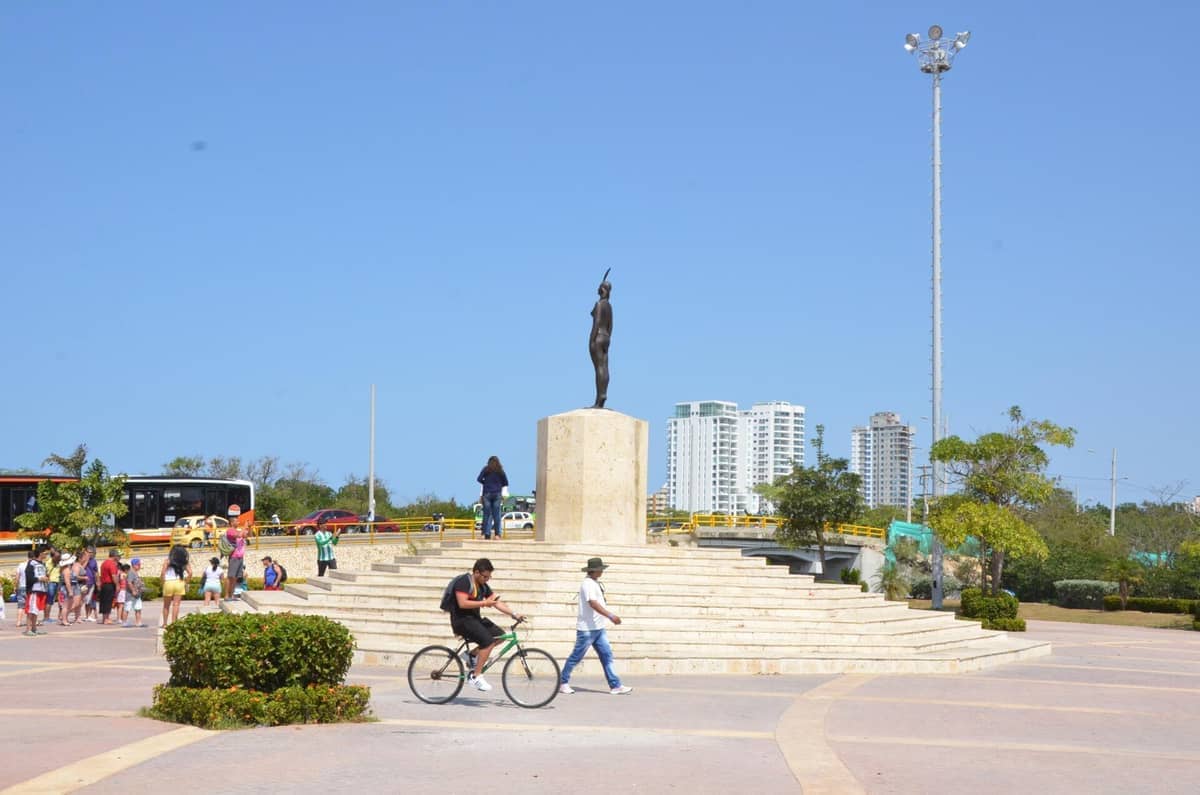
Directly outside the walls to the south lies Getsemaní, Cartagena's most talked-about barrio for street art, nightlife, and budget accommodation. To the south, the walls meet the bay and the Muelle de los Pegasos waterfront promenade. To the southwest, the road leads toward the Bocagrande peninsula and its high-rise hotels. Understanding this layout makes navigating between neighborhoods straightforward on foot or by taxi.
ℹ️ Good to know
The Walled City is compact but not flat. Streets in San Diego rise and fall slightly and some alleyways are cobblestone. Comfortable walking shoes make a meaningful difference, especially in the afternoon heat.
Character and Atmosphere: What the Walled City Actually Feels Like
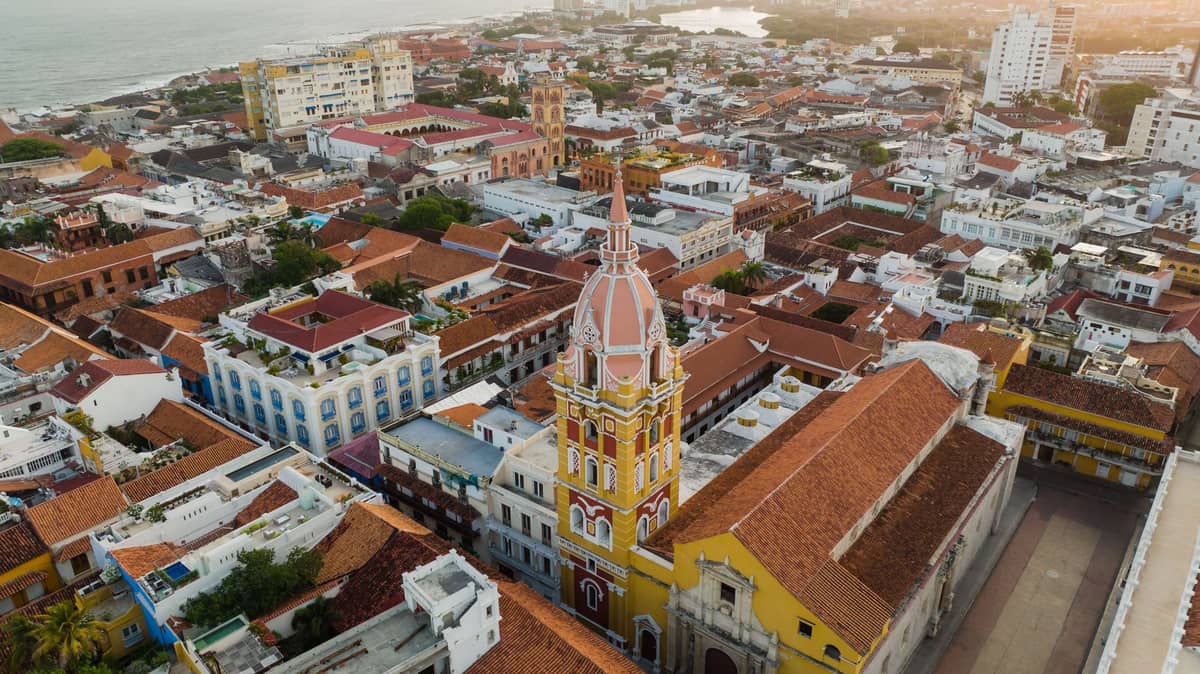
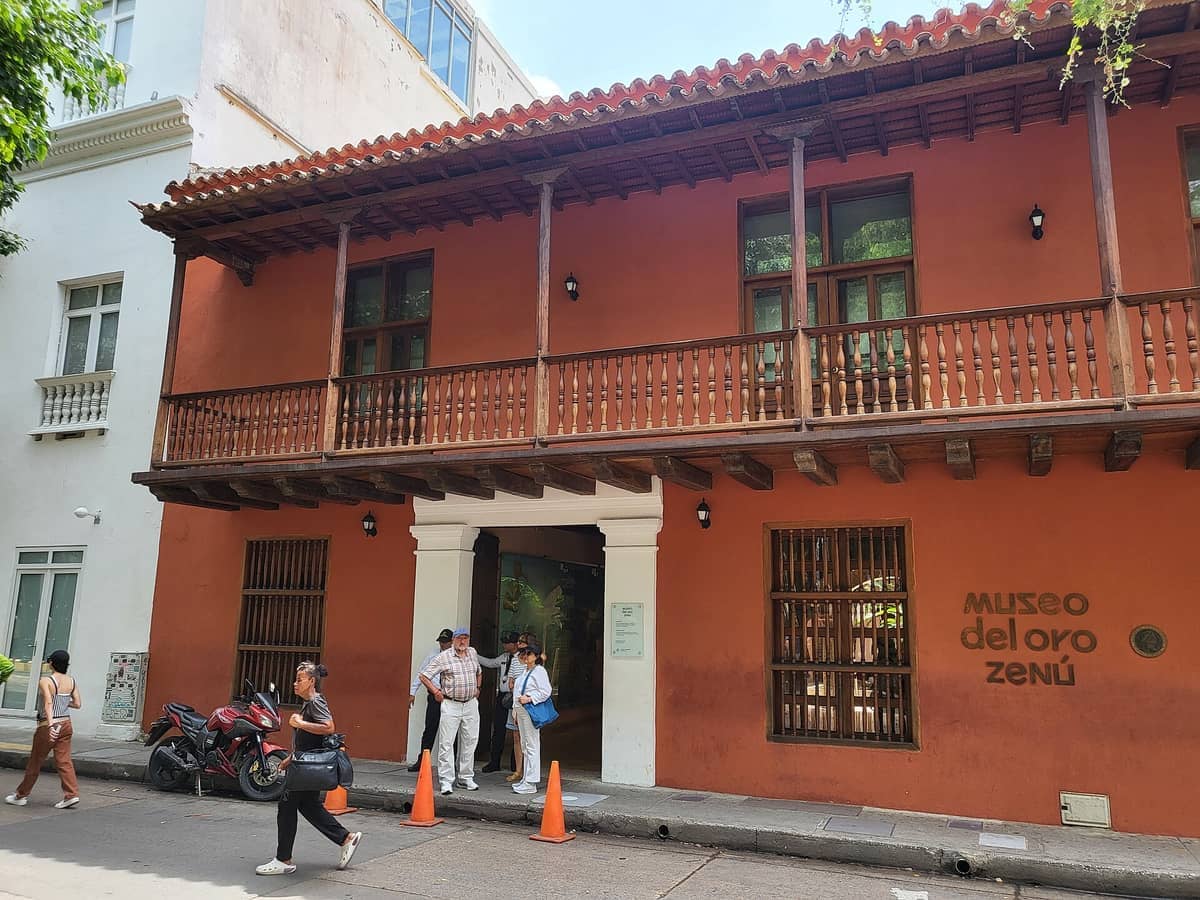
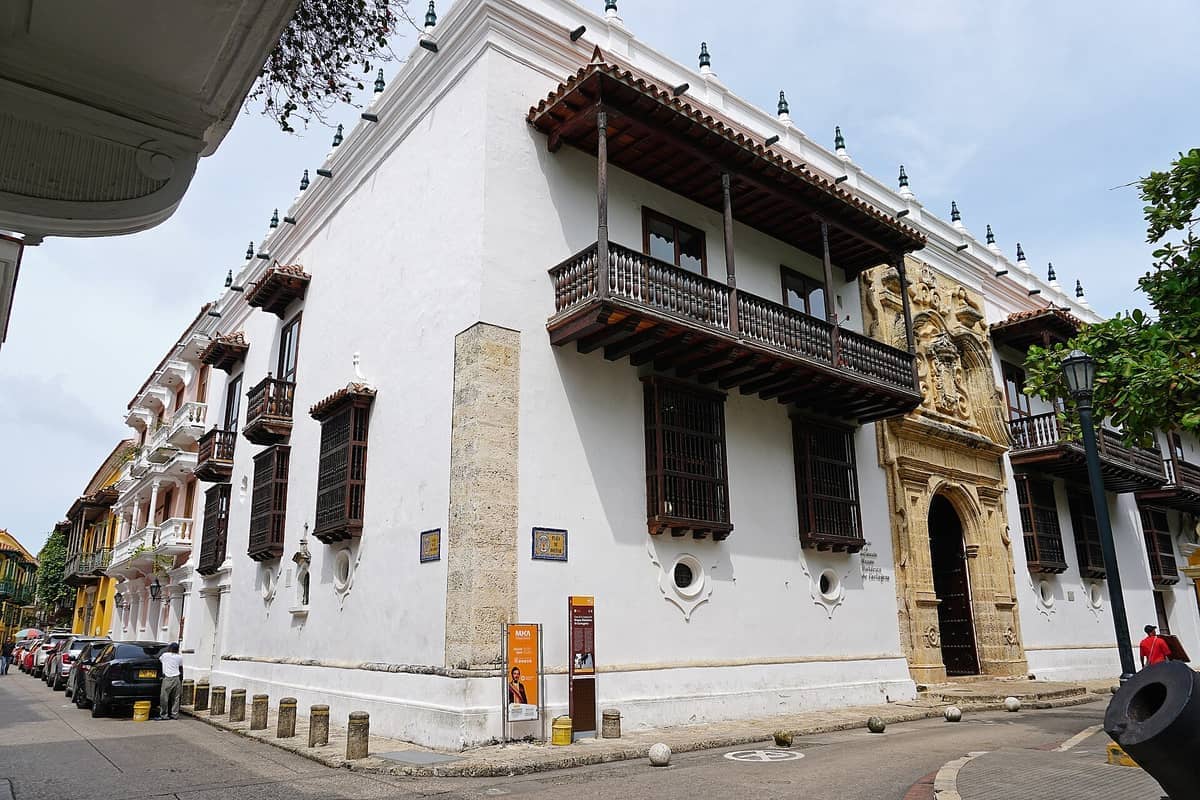
Early morning in Centro Histórico belongs to residents and service workers. By 7am, deliveries are being made through narrow streets still cool enough to walk comfortably. The plazas are nearly empty. Light cuts low through bougainvillea-draped balconies onto yellow and coral colonial facades. This is when the architecture registers most clearly, without the crowds and noise that arrive later.
By mid-morning, tour groups begin moving through the streets near the Palacio de la Inquisición and the cathedral. The main plaza, Plaza de Bolívar, fills with vendors and photographers. The heat intensifies quickly, and by early afternoon most of the city retreats indoors. Restaurants and cafés with air conditioning become temporary sanctuaries. The streets empty out in a way that can feel almost surreal, the quiet broken only by the occasional horse-drawn carriage clattering over cobblestones.
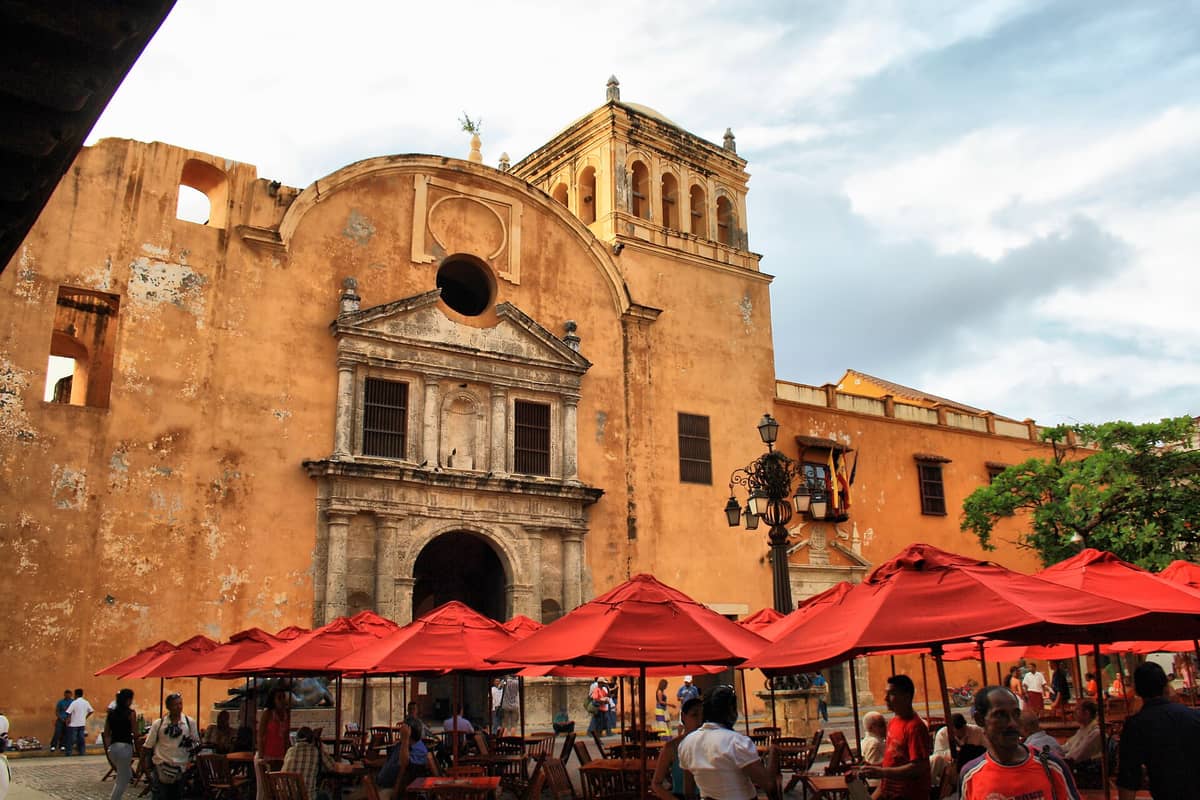
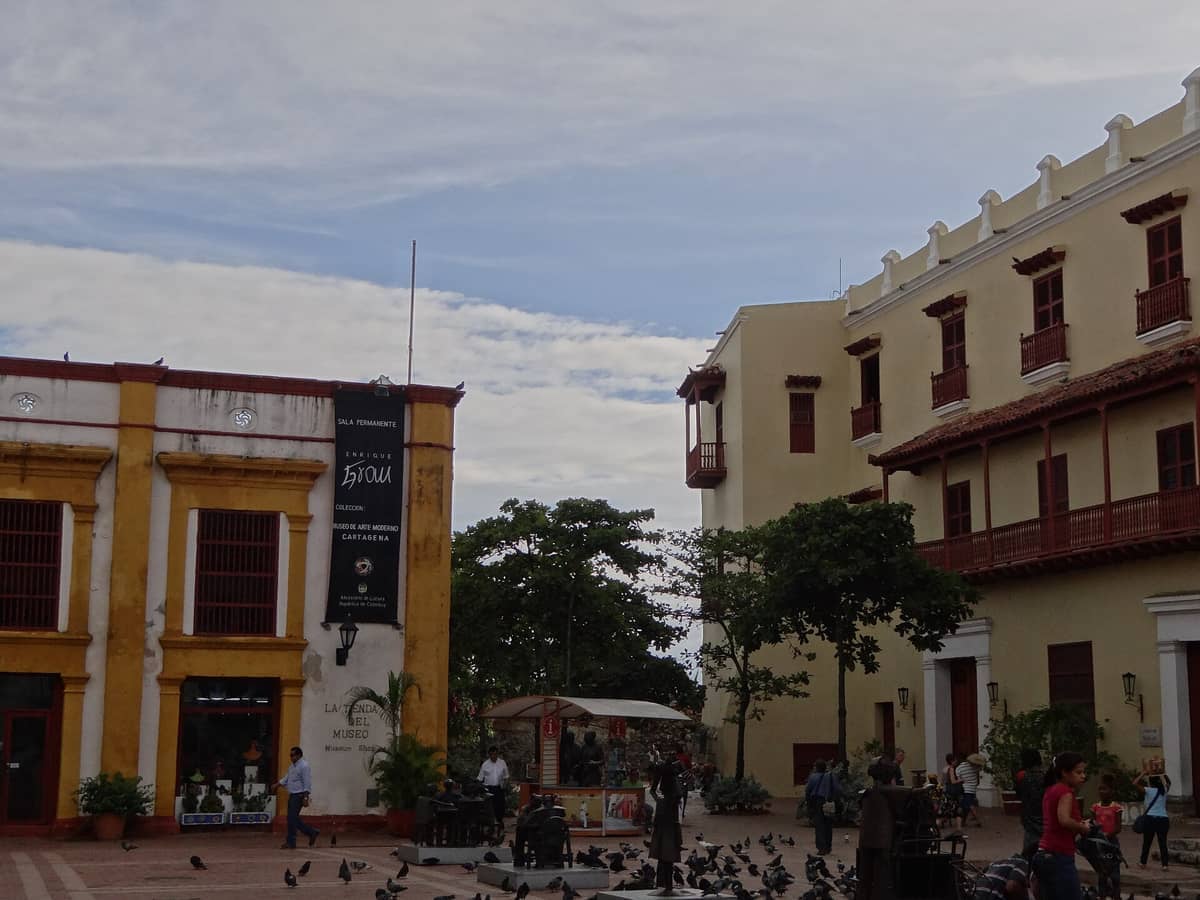
After 5pm, Centro Histórico transforms again. The light turns golden across the old walls and rooftop terraces fill up. Plaza Santo Domingo draws the largest crowd, its outdoor tables spilling into the cobbled square as locals and tourists intermingle around cold beers and cocktails. Street food vendors appear near Plaza de los Coches. The energy is social and unhurried rather than frenetic. By 10pm, the neighborhood quiets earlier than Getsemaní, which takes over as the nightlife center.
Tourist activity is concentrated heavily along a few main corridors: Calle de Santo Domingo, the streets around Plaza de Bolívar, and the waterfront near the Torre del Reloj. Move even one block off these routes and the character shifts noticeably, with quieter streets, laundry hanging from balconies, and corner shops serving the people who actually live here. The contrast between tourist Cartagena and everyday Cartagena exists within meters of each other.
What to See and Do
The single most important structure in the entire city is not inside the walls at all but rather a few minutes east of the Walled City: Castillo San Felipe de Barajas, the massive Spanish fortress that dominates the hill of San Lázaro. It is a short taxi or walk from the walls and provides context for understanding why Cartagena was considered the most fortified city in the Spanish Americas.
Within the walls, the logical starting point is the Torre del Reloj and its adjoining Plaza de los Coches. The clocktower was the main entrance to the Walled City for centuries and remains the symbolic threshold today. From here, walking north along Calle de Santo Domingo leads past some of the finest colonial architecture, including the Iglesia Santo Domingo, the oldest church in Cartagena, and the Plaza Santo Domingo, one of the liveliest squares in the city.
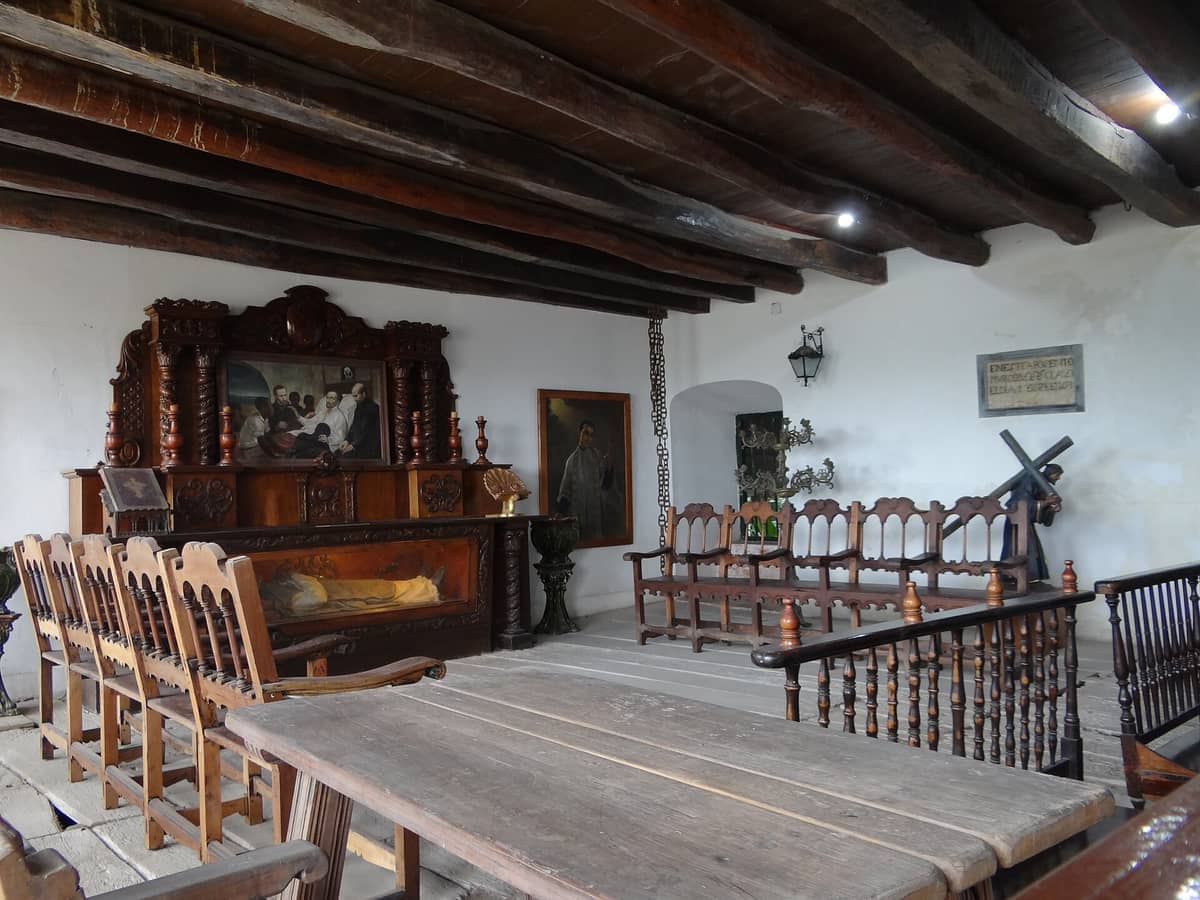
History-focused visitors should prioritize the Palacio de la Inquisición on Plaza de Bolívar, which houses exhibits on the colonial period and the Spanish Inquisition's operations in the New World. Across the plaza, the Catedral Santa Catalina de Alejandría is one of the oldest cathedrals in South America, its mottled yellow facade a constant backdrop for plaza life. The Santuario San Pedro Claver is a short walk south and honors the Spanish Jesuit priest who dedicated his life to enslaved Africans arriving in Cartagena's port.
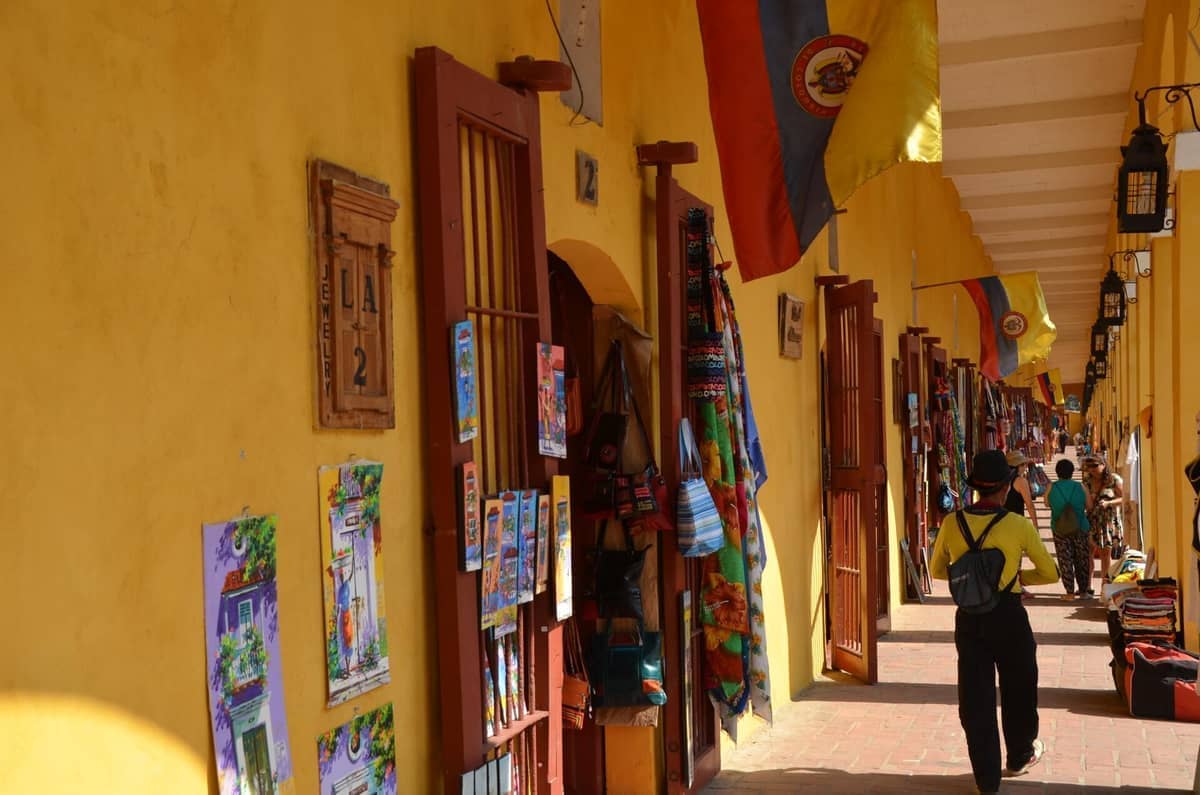
Walking the city walls themselves is an experience that should not be skipped. The Cartagena city walls can be accessed at several points and offer elevated views over the rooftops, the Caribbean, and the inner bay. The stretch along the northern edge of the Walled City toward the San Diego sector is particularly photogenic in late afternoon. At the northern tip of the walls, Las Bóvedas offers a row of arched colonial warehouses now converted into craft and souvenir shops, a useful stop for anyone wanting locally made goods.
Torre del Reloj and Plaza de los Coches: the historic gateway into the Walled City
Plaza de Bolívar: the main civic square, surrounded by museums and the cathedral
Iglesia Santo Domingo and its plaza: the social center of evening life
Palacio de la Inquisición: the best colonial history museum in Cartagena
Santuario San Pedro Claver: significant for its connection to Afro-Colombian history
Cartagena city walls: walkable at multiple points, best at sunset
Las Bóvedas: colonial vaulted chambers along the northern wall, now artisan shops
Museo Naval del Caribe: naval history museum near the San Pedro Claver complex
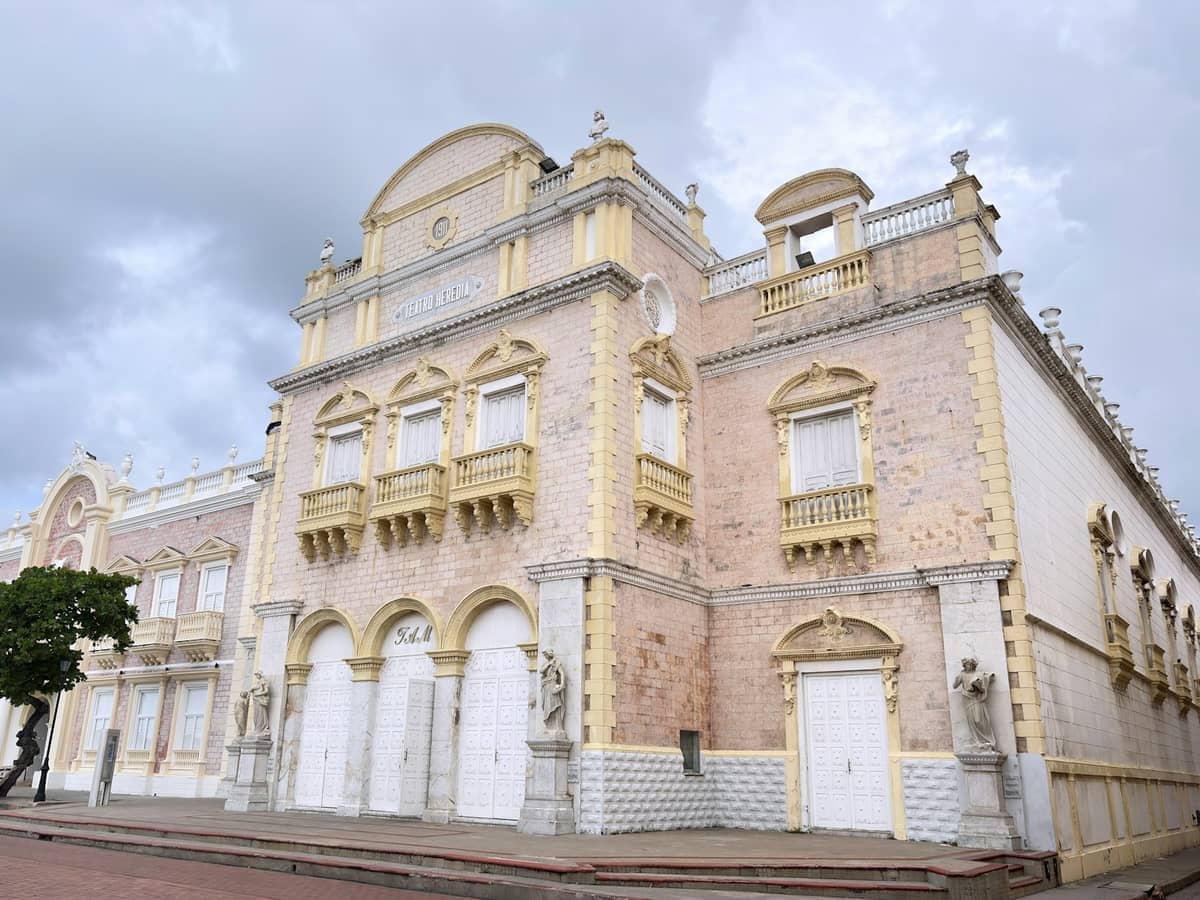
Teatro Heredia: a beautifully restored early-20th-century theater near the city walls
For visitors interested in the broader colonial architecture of the city, the guide on Cartagena colonial architecture covers the key buildings, their history, and how to read the visual language of the Spanish colonial style.
Eating and Drinking
The food scene inside the Walled City skews upscale compared to the rest of Cartagena. Restaurant-lined streets around Plaza Santo Domingo and Calle del Curato are where most visitors end up, and prices reflect the location. A sit-down dinner at one of the well-regarded restaurants on these streets will cost significantly more than comparable food in Getsemaní or Bocagrande. That said, quality is generally high and the outdoor setting on a plaza at night is part of what you are paying for.
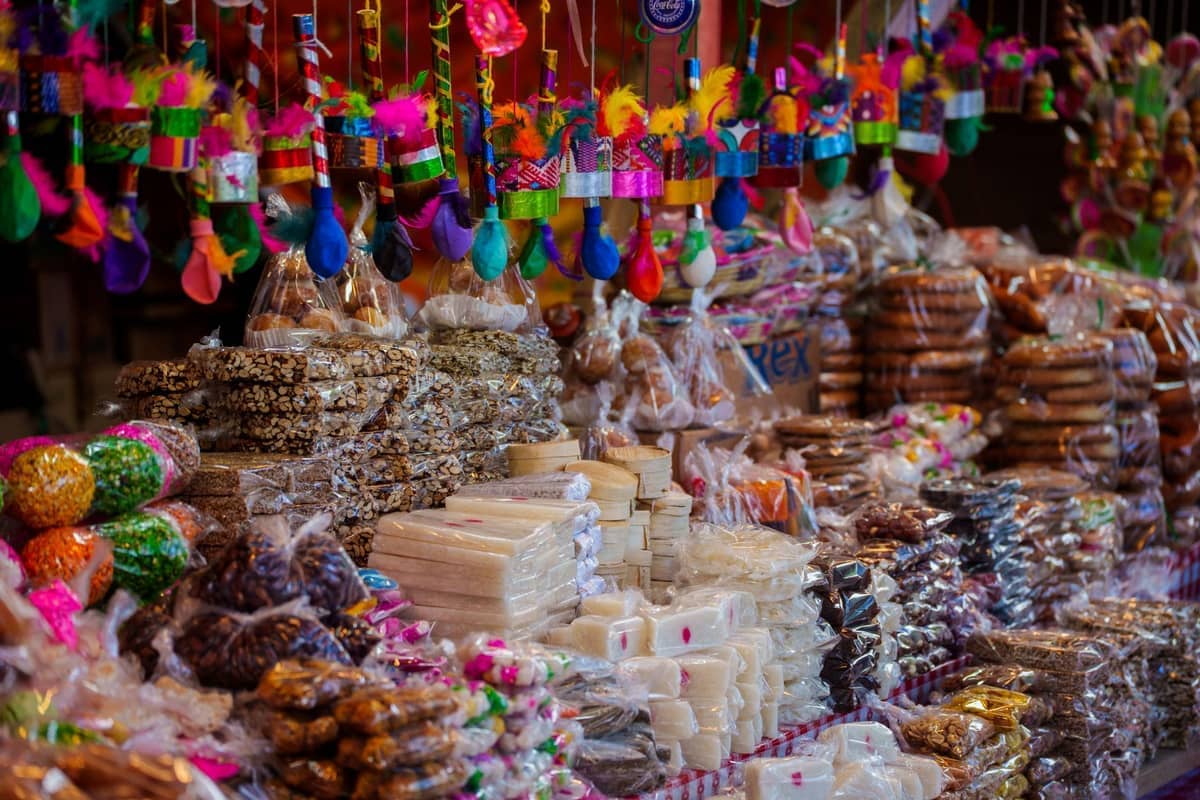
For street food, the area near the Portal de los Dulces just inside the clocktower gate offers one of Cartagena's most atmospheric street food experiences. The Portal is a covered arcade of candy and sweet vendors selling traditional Colombian sweets: cocadas (coconut sweets), caballitos (fruit-filled candy), enyucado (yuca cake), and more. It is touristy, but the products are genuine and the prices are fair. This is a good spot to try local sweets without committing to a sit-down meal.
Coffee culture has taken hold inside the walls. Several specialty coffee shops have opened in restored colonial buildings, particularly in the San Diego sector, where a morning espresso can be enjoyed in a courtyard with bougainvillea overhead. These are not budget options but they provide a comfortable place to escape the heat while sampling good Colombian coffee.
For a broader overview of what and where to eat across Cartagena, the Cartagena street food guide covers the neighborhood-by-neighborhood breakdown, including where to find the most authentic Caribbean coastal cooking at accessible prices.
💡 Local tip
Restaurants on Plaza Santo Domingo charge a premium for their terrace tables. If you want similar food at lower prices, walk one or two blocks off the main plazas. The quality often holds, the ambiance is quieter, and the bill is noticeably smaller.
Getting There and Around
Rafael Núñez International Airport (IATA: CTG) is located in the Crespo neighborhood, approximately 3 to 7 kilometers northeast of the Walled City depending on which route you take. By official airport taxi, the fare to Centro Histórico runs roughly 17,800 to 21,400 Colombian pesos, with a journey time of 10 to 25 minutes depending on traffic. Ride-hailing apps including Uber operate in Cartagena and can be requested from outside the terminal. Fares via app are typically higher than a fixed taxi fare for this short route, so compare before committing. All transport prices should be verified locally before travel as they change with fuel costs and tariff adjustments.
Cartagena has no metro or urban rail. The city's public bus system, Transcaribe, runs BRT-style corridors with multiple lines serving the Walled City area. Cartagena has no metro or urban rail. The city's public bus system, Transcaribe, runs BRT-style corridors with multiple lines serving the Walled City area. The nearest stops to Centro Histórico include Centro, Avenida Venezuela, Muelle Los Pegasos, La Bodeguita, and Parque de la Marina. The bus is the cheapest way to get around the city and connects the historic center to Bocagrande, Getsemaní, and outlying neighborhoods. The bus is the cheapest way to get around the city and connects the historic center to Bocagrande, Getsemaní, and outlying neighborhoods.
Within the Walled City itself, everything is on foot. The area is entirely walkable and most of the main attractions are within a 10-minute walk of each other. Horse-drawn carriages operate along set routes inside the walls and are a slow, scenic way to move through the neighborhood, though they add to traffic on already narrow streets. Taxis and ride-hail cars cannot always enter the narrowest colonial alleys, so the last stretch is typically on foot regardless.
For a full breakdown of how to navigate the city across all neighborhoods, the guide on getting around Cartagena covers Transcaribe, taxis, and ride-hailing in detail.
⚠️ What to skip
Street parking and car access inside the Walled City are restricted in many areas. If you are staying at a hotel inside the walls and arriving by taxi with luggage, confirm with your hotel whether vehicles can reach the door directly or whether you will need to walk the last block or two.
Where to Stay
Staying inside the Walled City means waking up inside the UNESCO heritage zone itself. Hotels range from boutique properties in restored colonial mansions with interior courtyards to larger international brands near the main plazas. Prices are the highest in the city at this address, and they rise further during the December to April dry season and over Colombian public holidays. The trade-off is immediate access: you step out of your front door and you are already in the middle of the city's most significant architecture.
The San Diego sector generally offers a quieter stay than El Centro. Streets here are less trafficked by tour groups after dark, making it a better choice for travelers who want colonial atmosphere without the noise that builds around Plaza Santo Domingo on weekend nights. El Centro is better for travelers who want to be in the middle of the action and do not mind the trade-off in noise.
Travelers on tighter budgets will find better value directly outside the walls. Getsemaní offers hostels, guesthouses, and mid-range hotels a 5-minute walk from the Puerta del Reloj, at prices well below what the Walled City commands. For a full comparison of all neighborhoods and accommodation types across Cartagena, see the where to stay in Cartagena guide.
Safety and Practical Notes
Centro Histórico is among the safest areas in Cartagena for visitors. Police presence is consistent and the main tourist zones around the plazas and principal streets are well-monitored throughout the day and into the evening. The high density of hotels, restaurants, and visitors means there are almost always people around during daylight and early evening hours.
That said, basic urban awareness applies. Poorly lit alleys in quieter parts of the walls, particularly in the very early morning hours before sunrise or very late at night, are best avoided when alone. Pickpocketing can occur in crowded plaza areas, especially where tourist attention is concentrated on landmarks. Keep phones in pockets rather than in hand when not actively using them. For a wider assessment of safety conditions across the city, consult a current and reputable source before travel.
The guide on is Cartagena safe provides a neighborhood-by-neighborhood breakdown with current context for travelers.
ℹ️ Good to know
Centro Histórico is most crowded from late December through March, when Colombian nationals and international tourists arrive in peak numbers. If you are visiting during this window, book accommodation well in advance. The shoulder months of May and November offer significantly lower hotel prices with only occasional afternoon rain.
Is Centro Histórico Right for You?
The Walled City is the obvious choice for first-time visitors to Cartagena de Indias who want to be close to the main landmarks and immersed in colonial atmosphere from the moment they arrive. It is also the most expensive neighborhood in the city and the most likely to feel crowded during peak hours. Travelers who want a quieter, more local experience at lower prices tend to gravitate toward Getsemaní or Bocagrande after their first night or two inside the walls.
If you are trying to decide how to allocate your time across the city, the 3 days in Cartagena itinerary provides a structured way to balance the Walled City with the surrounding neighborhoods and day trips to the islands and beaches.
TL;DR
Centro Histórico (Ciudad Amurallada) is Cartagena's UNESCO-listed colonial core: the city's top concentration of landmarks, restaurants, and boutique hotels, all within a compact and walkable area.
Best for: first-time visitors, couples, architecture enthusiasts, and travelers who want direct access to Cartagena's most significant sites without relying on transit.
Not ideal for: budget travelers, those sensitive to noise on weekend evenings, or visitors primarily interested in beaches rather than history.
The San Diego sector is quieter than El Centro for accommodation; Getsemaní just outside the walls offers significantly better value for those on a budget.
The Walled City is safest during the day and early evening; basic urban caution applies at night on less-trafficked streets, and travel advisories from official sources should be consulted before arrival.
Top Attractions in Centro Histórico (Ciudad Amurallada)
Three days is enough time to experience the best of Cartagena de Indias: the UNESCO-listed walled city, a boat trip to the Rosario Islands, the street art and nightlife of Getsemaní, and a memorable day trip beyond the city. This itinerary is built for first-time visitors who want depth, not just highlights.
Cartagena de Indias is a year-round destination, but when you go shapes everything from hotel rates to beach conditions. This guide breaks down the dry season, rainy season realities, peak holiday crowds, and the sweet-spot months that most travelers overlook.
Cartagena de Indias sits at the heart of Afro-Colombian history. From the UNESCO-recognized Cultural Space of San Basilio de Palenque to the living traditions embedded in Getsemaní and beyond, this guide covers the history, the neighborhoods, and the practical details for experiencing this heritage authentically.
Cartagena, Colombia has a small but well-defined selection of true all-inclusive resorts. This guide breaks down every major option, where they sit geographically, what's included, current price ranges, and the real trade-offs so you can book with confidence.
Cartagena's beach scene spans gritty urban strips, local fishing villages, and some of the most spectacular Caribbean coastline in South America. This guide covers every option, from the accessible shores minutes from the old city to the powdery white sands of Isla Barú and the coral-fringed Rosario Islands.
Cartagena de Indias holds one of the best-preserved colonial ensembles in the Americas, recognized as a UNESCO World Heritage Site. This guide covers every major building, practical entry details, the best times to visit, and what most travelers get wrong about exploring the historic center.
Cartagena de Indias delivers one of the Caribbean's most genuinely romantic settings: a UNESCO-listed walled city, warm turquoise waters, and a sunset that turns the stone ramparts gold every evening. This guide covers the best romantic activities, where to stay, when to visit, and how to avoid the tourist traps that can flatten an otherwise exceptional trip.
Docking at Cartagena de Indias gives you one of the Caribbean's great port days — colonial forts, walled-city streets, and beach escapes all within reach. This guide covers exactly how to get from the pier to the good stuff, what to prioritize with limited time, and what to skip.
December is one of Cartagena de Indias' busiest and most expensive months, but also one of its best for weather. This guide covers the climate, seasonal events, booking realities, and practical tips to make the most of a December visit to Colombia's Caribbean coast.
Cartagena sits at the gateway to some of the Caribbean's most rewarding island destinations. This guide covers the coral reefs of the Rosario Islands, the white sands of Playa Blanca on Barú, the quieter shores of Tierra Bomba, and the best beaches and nature trips you can reach by boat or road from the city.
From rooftop cocktails above the Walled City to salsa-soaked plazas in Getsemaní, Cartagena de Indias comes alive after dark. This guide covers every major nightlife zone, realistic price ranges, what to skip, and how to plan a great night out in Colombia's most atmospheric Caribbean city.
Cartagena de Indias has a reputation as an expensive Caribbean destination, but the reality is more nuanced. With the right neighborhoods, transport choices, and food strategy, a week in Colombia's most photogenic city is well within reach of budget travelers. Here is exactly how to do it.
Cartagena de Indias has one of the most rewarding street food scenes on the Caribbean coast of Colombia. This guide covers the essential snacks, the best neighborhoods and markets to find them, realistic price ranges, and clear advice on what to skip.
Cartagena de Indias works surprisingly well as a family destination, but it rewards planning. From the Oceanario at Islas del Rosario to the hop-on hop-off city bus, this guide covers the best kid-friendly activities, practical logistics, and the seasonal factors every parent needs to know before booking.
Cartagena de Indias is one of the Caribbean's great base camps. Within a few hours by boat or road, you can reach pristine coral islands, an Afro-Colombian UNESCO heritage village, a one-of-a-kind mud volcano, and mangrove lagoons barely touched by tourism. These are the best day trips to plan from the city.
Everything you need to navigate Cartagena de Indias, from landing at Rafael Núñez International Airport (CTG) to hopping between neighborhoods. Real fare ranges, TransCaribe basics, ride-hailing realities, and seasonal advice included.
Cartagena, Colombia draws millions of visitors each year, but the safety question deserves a straight answer. This guide breaks down neighborhood-by-neighborhood risk, the most common threats tourists actually face, and practical steps to stay safe without missing the city.
Cartagena de Indias is one of the Caribbean's most photogenic cities, but it comes with real trade-offs: heat, crowds, and tourist pricing. This guide cuts through the hype to help you decide if Cartagena Colombia deserves a spot on your itinerary.
Cartagena de Indias delivers a rare combination of UNESCO-listed colonial architecture, Caribbean waterfront, and a genuine luxury infrastructure that rivals any Latin American city. This guide covers where to stay, where to eat, what to do, and when to book to get the most out of a high-end visit to Colombia's crown jewel.
Cartagena de Indias packs colonial fortresses, Caribbean islands, street art, and serious food into one compact city on Colombia's northern coast. This guide cuts through the tourist noise with specific prices, opening hours, seasonal advice, and specific rankings to help you spend your time well.
Choosing where to stay in Cartagena de Indias shapes your entire trip. This guide covers every major neighborhood, from the colonial Centro Histórico to the beach hotels of Bocagrande, with clear trade-offs, practical price context, and seasonal tips to help you book with confidence.