Is Cartagena Safe? An Honest Safety Guide for Travelers
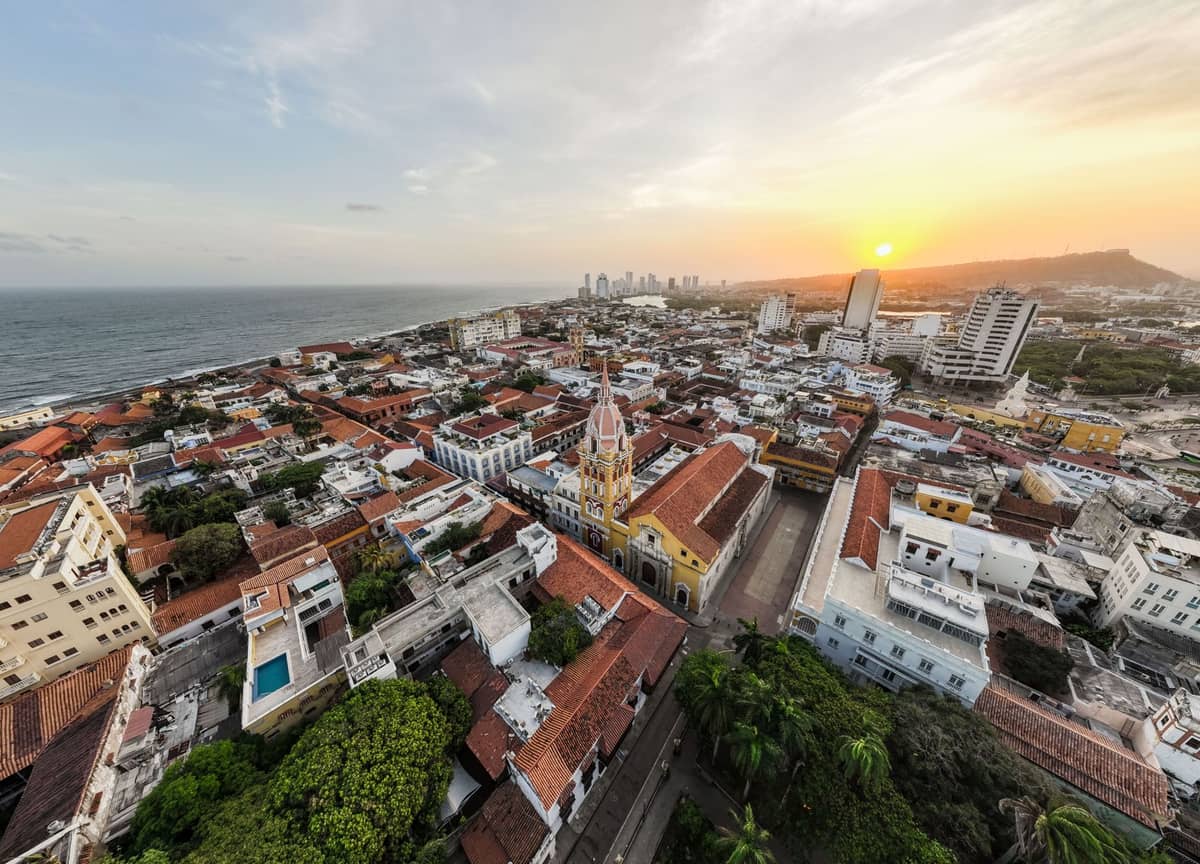
Cartagena, Colombia draws millions of visitors each year, but the safety question deserves a straight answer. This guide breaks down neighborhood-by-neighborhood risk, the most common threats tourists actually face, and practical steps to stay safe without missing the city.
Plan and book this trip
Tools from our partner Travelpayouts help you compare flights and hotels. If you book through them, we may earn a commission at no extra cost to you.
Flights
Hotels map
TL;DR
- Cartagena is safe enough for most travelers who stay aware, but it is not crime-free — petty theft and scams are the main risks, not violent crime.
- The U.S. State Department's Colombia Level 3 advisory applies nationwide and does not single out Cartagena specifically; the UK's FCDO advises similar caution.
- Tourist-heavy areas like the Walled City and Bocagrande are the most patrolled and generally the safest zones for visitors.
- Nights in Getsemaní require more caution than days; solo female travelers and late-night wandering carry higher risk.
- Most trips go without incident when travelers use registered taxis or ride-hailing apps, avoid displaying valuables, and skip unlicensed tour operators.
The Direct Answer: Is Cartagena Safe for Tourists?
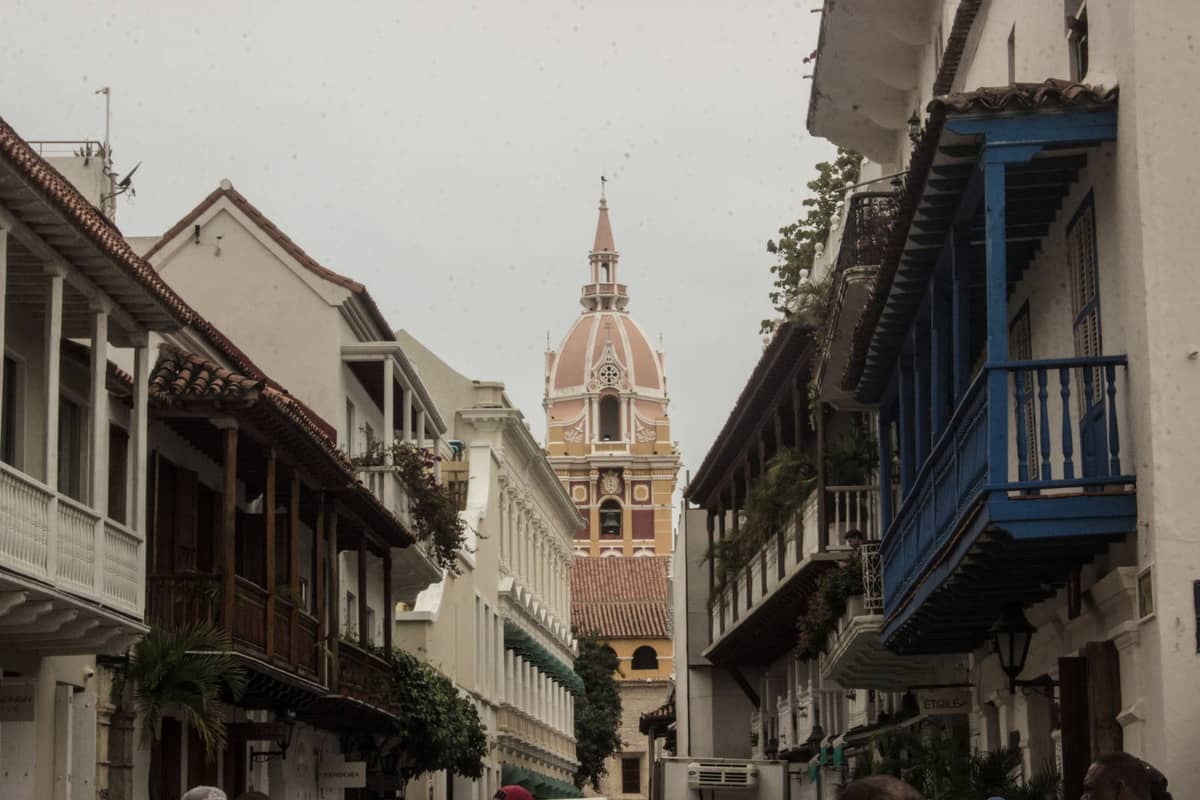
Cartagena de Indias is one of the most-visited cities in Colombia, and the vast majority of tourists complete their trips without any serious incident. That said, framing Cartagena as straightforwardly safe does travelers a disservice. Colombia's national security situation means that the U.S. State Department currently rates the entire country at Level 3 (Reconsider Travel). That classification is country-wide and reflects conditions in regions like Chocó and the borders with Venezuela and Ecuador far more than it reflects the tourist center of Cartagena. It is worth knowing, but it should not be treated as a reason to avoid the city.
The UK's Foreign, Commonwealth and Development Office similarly advises caution throughout Colombia, while noting that Cartagena's main tourist areas see consistent police presence. The real safety picture for visitors is this: the threats are real but manageable, they are overwhelmingly concentrated in specific situations (late nights, poorly lit streets, transaction-based scams), and they are not random violence against tourists. Treating Cartagena like a European capital with zero vigilance is naive. Treating it like an active conflict zone is equally wrong.
ℹ️ Good to know
Government travel advisories rate all of Colombia, not just Cartagena. The city's main tourist districts have a very different risk profile from rural conflict zones. Always check the most current advisory from your own country's foreign ministry before departure, as ratings can change.
Neighborhood-by-Neighborhood Safety Breakdown
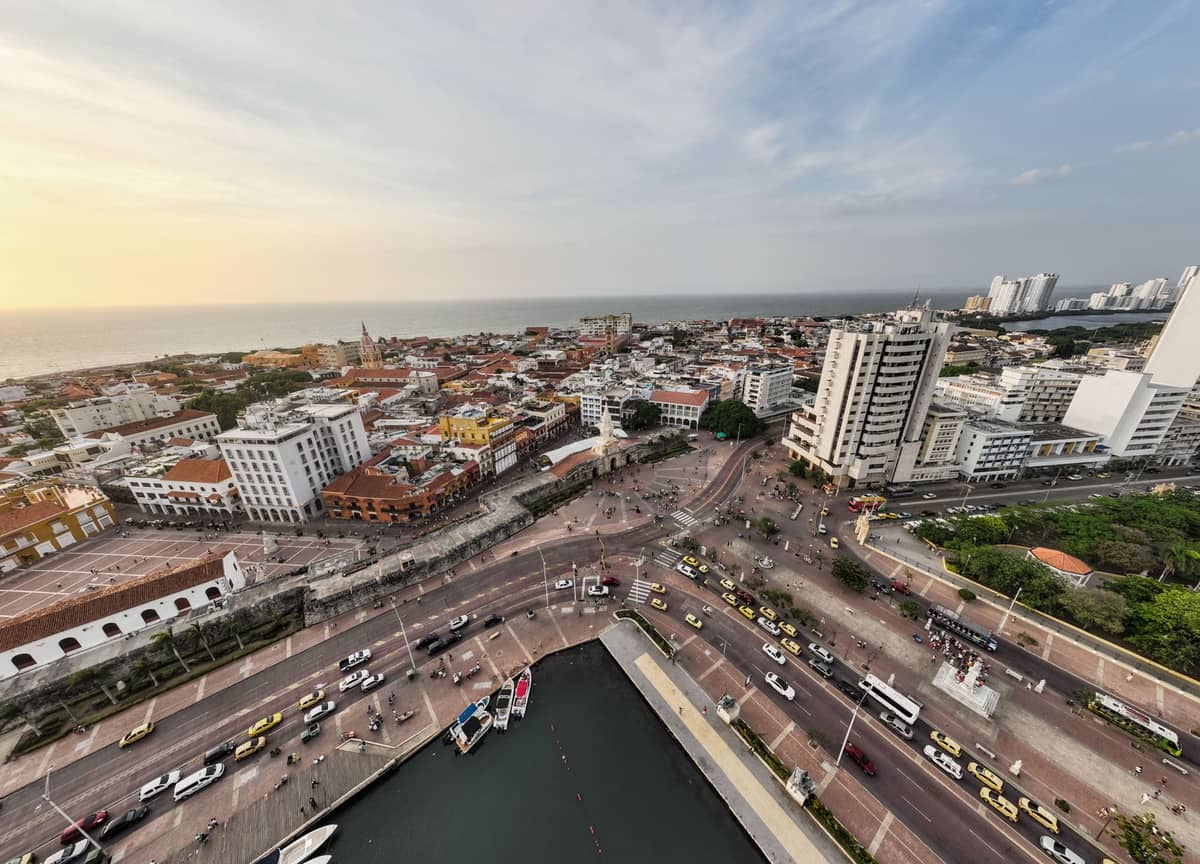
The Centro Histórico, the colonial Walled City enclosed by the old fortifications, is the most policed area in Cartagena. Tourism police patrol the main streets in pairs, particularly around the Torre del Reloj and the Plaza de Bolívar. Petty theft still happens here, particularly in crowded markets and on busy pedestrian streets, but street-level violent crime targeting tourists is uncommon in daylight hours.
Getsemaní has gone through significant change over the past decade, shifting from a neighborhood with a rough reputation to one with a lively creative scene. During the day, the streets around the Iglesia de la Trinidad are perfectly walkable. After midnight, particularly on side streets away from the main squares, the risk of muggings increases noticeably. Going out late in Getsemaní in a group is a different experience from walking alone at 2 a.m.
- Centro Histórico (Walled City) Lowest risk zone for daytime sightseeing. Heavy tourist police presence. Pickpocketing in markets and around popular squares is the main concern.
- San Diego Calm, mostly residential within the walls. Generally safe day and night, with fewer crowds than the central plazas.
- Getsemaní Fine during the day and for early evenings. Risk increases after midnight, especially on quieter streets. Muggings and phone snatching have been reported by travelers staying out late.
- Bocagrande The beach hotel strip is generally safe. Scams targeting tourists (fake tour offers, overpriced services) are more common here than street crime.
- Bazurto Market area Not a tourist destination and not recommended for independent visitors. The surrounding streets carry higher risk and are not worth the detour.
The Scams and Risks That Actually Affect Travelers
Violent crime against tourists is rare in Cartagena's main visitor areas. What is not rare are transactional crimes: situations where someone takes advantage of an inattentive or trusting traveler. Understanding these scenarios removes most of the practical risk.
The most reported issue is phone and bag snatching, often by someone on a motorbike passing close to pedestrians on the sidewalk. Walking while using your phone near the street edge is one of the most reliable ways to lose it. Keep your phone in your pocket or bag, particularly on narrower streets outside the tourist core.
Unlicensed taxi drivers and unofficial tour operators represent another consistent problem. Prices are rarely agreed in advance, trips are sometimes diverted, and there have been isolated reports of more serious incidents involving unofficial drivers. The fix is straightforward: use registered taxis from hotel stands, agree on the fare before getting in, or use a ride-hailing app. The TransCaribe bus system is the cheapest option for getting around, with most trunk and airport-linked routes running Monday to Friday from 5:00 a.m. to 9:00 p.m., Saturdays from 5:30 a.m. to 8:30 p.m., and Sundays and holidays from 6:00 a.m. to 8:00 p.m.
- Motorbike phone snatching: keep devices out of sight when walking near the roadway.
- Overcharging in unlicensed taxis: always agree on the fare before entering any cab, or use Uber or inDrive.
- Fake tour operators: book island and excursion tours through established agencies or your hotel.
- Scopolamine (burundanga): a drug used in rare but serious scams, typically delivered via drinks. Do not accept drinks from strangers and watch your glass in bars.
- Overpriced everything near the main squares: prices at restaurants and shops directly on Plaza de Bolívar can be two to three times higher than a few streets away.
- Gem scams: people offering to sell emeralds at bargain prices are almost always selling low-quality stones at inflated rates.
⚠️ What to skip
Scopolamine incidents, while statistically rare, are serious. They have been reported in Cartagena's bar scene. Never leave a drink unattended, and be skeptical of overly friendly strangers who push drinks on you in nightlife areas. This applies regardless of gender.
Practical Safety Tips for Getting Around
Getting from Rafael Núñez International Airport (CTG) to the city is one of the first decision points. Official airport taxis charge around 16,000 to 25,000 COP to the Centro Histórico, a trip that takes 15 to 25 minutes. Ride-hailing apps (Uber and inDrive both operate in Cartagena) cost roughly USD 6 to 12 for the same route. The city bus stop on Avenida Santander, about a 10-minute walk from the terminal, connects to the center for the equivalent of around USD 1, though this is a different experience with luggage. See the full breakdown in our guide on getting around Cartagena.
Within the city, walking is fine in daylight across the Walled City and Bocagrande. Registered taxis are widely available and reliable when flagged from hotel stands or called through apps. Avoid hailing cabs from the street late at night if you are alone. For anything beyond the central zones, pre-arranged transport through a hotel or reputable agency is the safer approach.
Traveling to the beaches and islands requires a bit of planning. Playa Blanca on Barú and the Islas del Rosario are popular day trips that involve boat transfers. Use established boat operators departing from the official Muelle Turístico terminal. Avoid last-minute deals from strangers on the street near the port, where tourist-targeted overcharging is extremely common.
💡 Local tip
Book island excursions through your hotel reception or a registered agency the day before. Walk-up deals at the dock almost always cost more and come with less accountability if something goes wrong.
Who Needs to Be Extra Careful
Solo female travelers can have excellent experiences in Cartagena, but should plan with more specificity. Street harassment (verbal catcalling and persistent attention from vendors or men on the street) is more common here than in many other destinations and is worth acknowledging. Walking alone after dark, particularly in Getsemaní or through unlit streets near the market areas, carries more risk than the same walk in a group. Staying in well-reviewed hostels or hotels where staff can advise on current neighborhood conditions is a practical step.
Families traveling with children will find the main tourist zones manageable, though the heat (daytime temperatures consistently range around 28 to 32°C / 82 to 90°F year-round) demands more logistical planning. See our dedicated guide to Cartagena with kids for more detail on child-friendly logistics.
Budget travelers staying in Getsemaní or cheaper areas outside the walls need to be more situationally aware than those in Bocagrande hotel towers or Walled City boutique hotels. This does not mean the budget experience is unsafe, but the margin for inattention is smaller. Keep emergency cash separate from your main wallet, save the local emergency number (123 in Colombia) in your phone, and carry a photocopy of your passport rather than the original.
Seasonal Safety Considerations
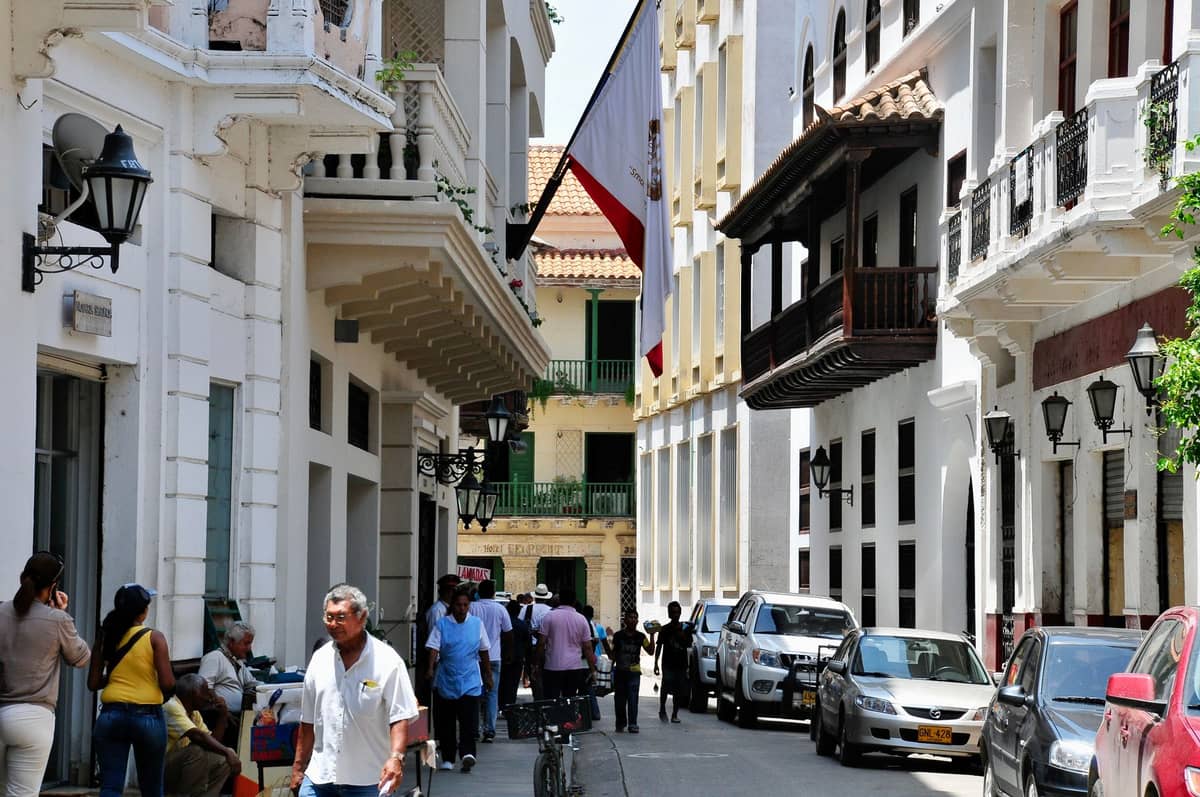
Cartagena's dry season runs from December through April, with the heaviest tourist influx landing between late December and March. More tourists means more police presence in the main zones, but also more opportunities for scam operators and pickpockets who work crowded areas. Peak season (especially Christmas week and Carnaval in February) brings very dense crowds around the main plazas and markets.
The rainy season (May through November, with the wettest period typically in September and October) sees fewer visitors and sometimes lower prices. It does not mean constant all-day rain: showers typically come in the afternoon and last a couple of hours. Fewer crowds generally mean slightly lower petty theft risk in tourist zones. For a full picture of how seasons affect the travel experience, see the guide on the best time to visit Cartagena.
FAQ
Is Cartagena, Colombia safe for tourists?
Yes, for most travelers who exercise standard urban awareness. The main tourist zones (Walled City, Bocagrande, San Diego) have a consistent police and tourism police presence. The primary risks are petty theft, scams, and phone snatching rather than violent crime. The U.S. State Department Level 3 rating applies to all of Colombia and reflects conditions in higher-risk regions more than it does central Cartagena.
Which areas of Cartagena should tourists avoid?
The Bazurto Market area and surrounding streets are not recommended for independent tourist visits. Parts of Getsemaní become riskier after midnight, particularly side streets away from the main plazas. As a general rule, any area more than a few blocks from the established tourist zones warrants extra caution, especially at night.
Is Cartagena safe for solo female travelers?
It can be, with planning. Daytime sightseeing in the main zones is generally fine. Verbal street harassment is common and should be expected. Walking alone late at night in Getsemaní or near market areas is not advisable. Staying in well-reviewed accommodations with attentive staff and planning evenings in groups significantly reduces risk.
What are the most common scams in Cartagena?
The most frequently reported scams include overcharging in unlicensed taxis (always agree on the fare before entering), fake or misleading tour operators near the port, gem scams involving 'bargain' emeralds, and drink-spiking incidents in bars (scopolamine). Phone snatching by motorbike is also a consistent issue on busier streets.
Is Cartagena safer than other Colombian cities like Bogotá or Medellín?
Comparisons are difficult because risk profiles differ by neighborhood and activity. Cartagena's main tourist zones are generally considered among the more accessible areas of Colombia for visitors. However, Cartagena has its own risks, particularly around tourist-targeted scams and petty theft, that travelers should not discount simply because it has a postcard-friendly reputation.