Getting Around Cartagena: Transport & Airport Guide
Everything you need to navigate Cartagena de Indias, from landing at Rafael Núñez International Airport (CTG) to hopping between neighborhoods. Real fare ranges, TransCaribe basics, ride-hailing realities, and seasonal advice included.
Plan and book this trip
Tools from our partner Travelpayouts help you compare flights and hotels. If you book through them, we may earn a commission at no extra cost to you.
Flights
Hotels map
TL;DR
- Rafael Núñez International Airport (CTG) sits about 6 km from the historic Walled City, roughly 15-20 minutes by taxi in normal traffic.
- Official airport taxis are the easiest option: expect COP 16,000-20,000 to Centro Histórico. Use only the authorized taxi ranks at the terminal exits.
- TransCaribe BRT is the cheapest way around the city (around COP 3,900 per ride), but requires a reloadable TuLlave card — cash is not accepted on board. See our budget guide to Cartagena for more money-saving transport tips.
- Uber and inDrive operate in Cartagena but fares from the airport to the Walled City start around COP 32,000 and vary by demand.
- During Christmas, Easter, and major festivals, expect heavier traffic and higher effective prices. Check the best time to visit Cartagena before booking transport.
Rafael Núñez International Airport (CTG): What to Know Before You Land
Cartagena de Indias is served by a single commercial airport: Rafael Núñez International Airport, IATA code CTG. It sits in the Crespo neighborhood on the northeastern edge of the city, sandwiched between the Caribbean Sea and the urban grid. Despite being described as an international airport, its terminal is compact by regional standards — arrivals and departures share a building, and you will clear customs and collect bags within 20-40 minutes of landing on most international flights.
The airport's location is genuinely convenient. At approximately 6 km from the historic center, it is closer to the city core than most Latin American airport-to-city distances. In light traffic, the taxi ride takes 15-20 minutes. During rush hour or peak holiday periods (Christmas week, Semana Santa, Carnaval), that same trip can take 35-45 minutes as traffic backs up along Avenida Santander, the main artery connecting Crespo to the Walled City.
⚠️ What to skip
Do not accept rides from informal drivers who approach you in the arrivals hall. Rafael Núñez Airport has authorized taxi ranks at the exits of both the national and international terminals. Use only these official stands. Unsolicited offers inside the building are a known scam vector.
Airport to City Centre: All Your Transport Options with Real Fares
There are four practical ways to get from CTG to the city: official airport taxis, the TransCaribe bus, ride-hailing apps, and pre-booked private transfers. Each has a distinct price point, comfort level, and logistical trade-off.
- Official Airport Taxi The default choice for most arrivals. Taxis queue at the authorized ranks outside the terminal. Fares to Centro Histórico or Getsemaní typically run COP 16,000-20,000. To Bocagrande and Castillogrande, fares are roughly COP 15,000-20,000 depending on exact destination within the peninsula. Fares are zone-regulated, so agree on the zone before you get in. Travel time: 15-25 minutes in normal conditions.
- TransCaribe BRT (Bus) The cheapest option. City buses connect the airport area (via a stop on Avenida Santander, about a 10-minute walk from the terminal) to central Cartagena. Single rides cost around COP 3,900. Critical caveat: TransCaribe requires a reloadable TuLlave smartcard — cash is not accepted on board. Cards cost COP 4,000-6,000 to purchase and can be loaded at stations. Core route operating hours are approximately 05:00-21:30 on weekdays, shorter on weekends.
- Uber / inDrive Both apps work in Cartagena. From CTG to the Walled City, expect starting fares around COP 32,000, rising significantly with surge pricing during high season or late-night arrivals. Convenient, but not necessarily cheaper than a regulated taxi when surge pricing kicks in. App coverage can also be inconsistent at the airport if drivers are reluctant to pick up airport fares.
- Pre-Booked Private Transfer Several companies offer fixed-rate transfers from CTG. Prices generally run COP 40,000-70,000 one way to hotels in the historic center or Bocagrande. More expensive for outlying destinations like Barú or Playa Blanca. The main advantage: a driver waiting for you with your name on a sign, no negotiation needed. Worth it if you are traveling with luggage, children, or arriving after midnight.
💡 Local tip
If you plan to use TransCaribe during your stay, buy your TuLlave card at the airport station or a nearby Transcaribe booth on your first day. Trying to figure out the card system while tired after a flight and loaded with luggage is not the move — take a taxi on arrival and sort out the bus card later.
One misconception worth clearing up: several outdated websites quote TransCaribe fares in single-digit COP amounts or describe entirely cash-based bus transactions. Neither is accurate. Current fares sit in the low thousands of pesos and the system is card-only. For more on managing costs across the city, the Cartagena on a budget guide breaks down daily transport spending in detail.
Getting Around Cartagena City: Taxis, Buses, and On Foot
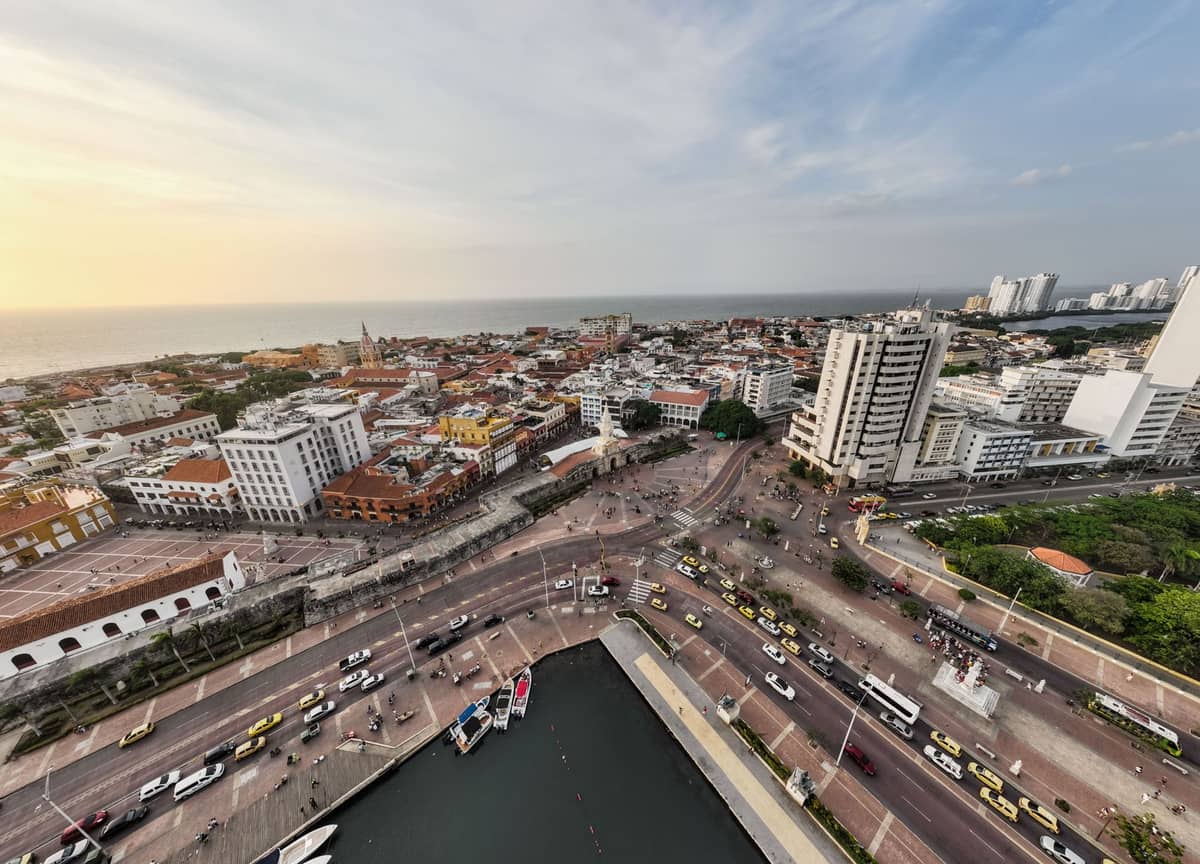
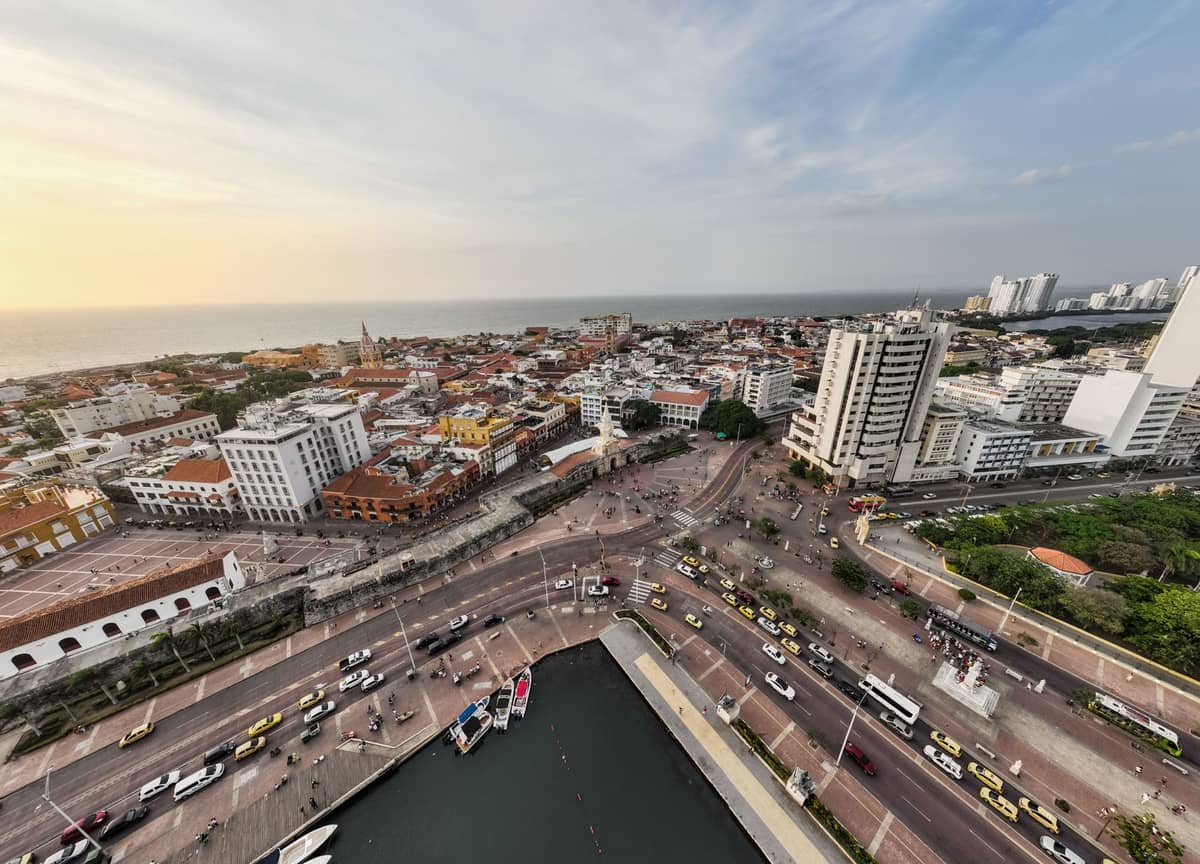
Once you are in the city, your transport strategy largely depends on which neighborhoods you are staying in and visiting. The historic center is genuinely walkable: the Walled City (Centro Histórico) is compact enough that you can cross it on foot in 20-25 minutes. Most of the main attractions, including the city walls, Castillo San Felipe de Barajas, and the cathedral, are reachable without any transport at all if you are based inside the walls.
Taxis within the city operate on a zone-based regulated tariff. As of early 2024, the minimum fare in the historic center was around COP 9,800, with most short cross-city trips running COP 10,000-18,000. The Getsemaní neighborhood sits just outside the Walled City walls and is a 5-10 minute walk from most of Centro Histórico, so taxis are rarely needed for that specific hop. Bocagrande, the high-rise beach peninsula about 4-5 km south of the Walled City, is a COP 10,000-15,000 taxi ride away.
TransCaribe is a legitimate option for longer cross-city routes, particularly if you need to reach areas not covered by the main tourist circuit. The BRT lanes run along Avenida Venezuela and connect to several outer districts. For most visitors spending time between the Walled City, Getsemaní, and Bocagrande, it is honestly faster and simpler to take a taxi or walk than to navigate the bus system. TransCaribe becomes more useful if you are staying longer or venturing to neighborhoods like La Boquilla.
✨ Pro tip
Negotiate or confirm the fare before getting into any non-metered taxi in Cartagena. Meters are not universal, and some drivers quote inflated rates to tourists, especially near popular attractions. Asking 'cuánto me cobra al Centro?' (how much to the center?) before you get in is standard practice, not rude.
Navigating the Key Neighborhoods
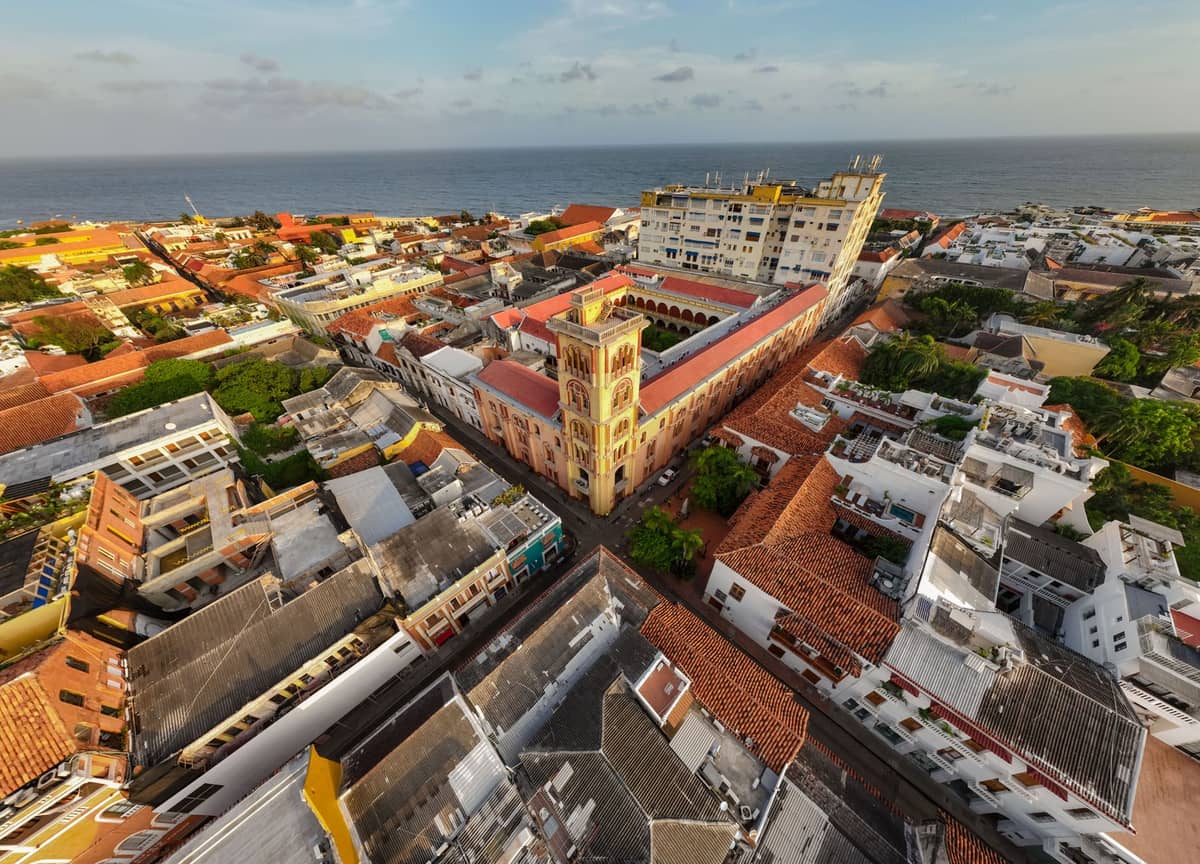
Understanding Cartagena's geography saves a lot of confusion. The city's main visitor areas cluster around the old peninsula and the Bocagrande peninsula to the south. The Centro Histórico (Walled City) is the colonial core, enclosed by 11 km of fortified walls built during Spanish rule. San Diego sits in the northern section of the Walled City and connects directly to El Centro. Both are part of the same walkable historic district.
Just south of the walls, Getsemaní has become a major draw in its own right, known for its street art, independent restaurants, and more affordable accommodation than inside the historic center. See the Getsemaní street art scene for a walking route through the neighborhood's murals. Further south, Bocagrande is essentially a different city in feel: high-rises, international hotels, a beach strip, and a more resort-like atmosphere. Castillogrande and El Laguito are extensions of this peninsula.
- CTG Airport (Crespo) to Centro Histórico: ~6 km, 15-25 min by taxi, COP 16,000-20,000
- CTG Airport to Bocagrande / Castillogrande: ~6-8 km, 20-35 min by taxi, COP 15,000-25,000
- Centro Histórico to Getsemaní: walkable, 5-10 minutes on foot
- Centro Histórico to Bocagrande: ~4-5 km, 15-20 min by taxi, COP 10,000-15,000
- Centro Histórico to La Boquilla: ~8 km north, 25-35 min by taxi or mototaxi
Seasonal Factors and Timing Your Transfers
Cartagena operates on Colombia Time (COT, UTC-5) year-round with no daylight saving adjustments. The city runs a tropical wet-and-dry climate: the dry season runs December to April, the rainy season May to November, with September and October being the wettest months. Climate has a direct effect on transport logistics, which many guides overlook entirely.
During the December to April dry season, roads are clear and taxis flow predictably. The peak holiday crunch, however, runs from mid-December through New Year and again during Semana Santa (Holy Week, typically March or April). In these windows, airport taxi queues grow significantly, ride-hailing surge pricing pushes fares toward the top of their ranges, and traffic on the main arteries can double journey times. If you are arriving during these periods, a pre-booked private transfer removes the guesswork. For a full overview of how timing affects your trip, the best time to visit Cartagena guide covers the trade-offs month by month.
During the rainy season, afternoon downpours (typically 15:00-18:00) can cause brief but disruptive flooding on low-lying streets. Avenida Santander and the approach roads to the airport are generally fine, but travel to the beach areas or outer neighborhoods can be slower after heavy rain. Mototaxis, which are common for short local hops, are not recommended in wet conditions.
Day Trips and Getting Out of the City
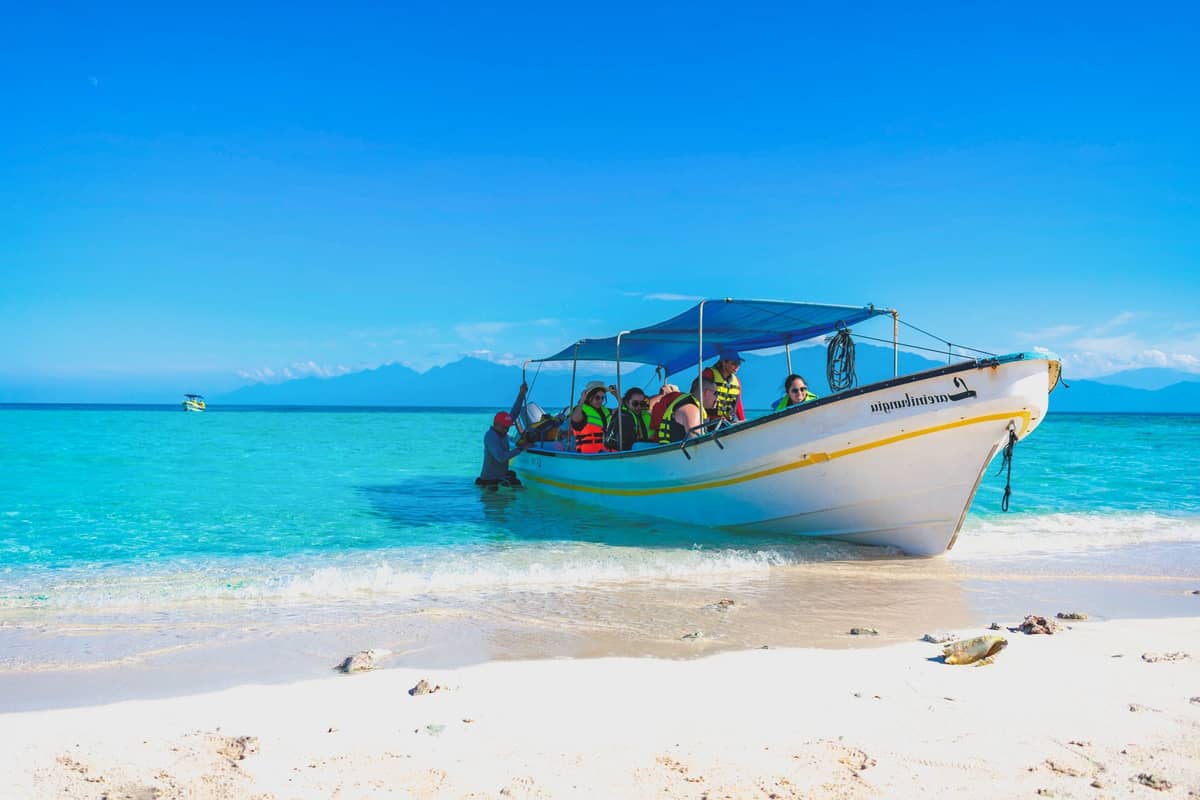
Getting around Cartagena also means understanding how to reach the destinations beyond the city limits. Boats to the Islas del Rosario depart from Muelle Turístico La Bodeguita near the clock tower in the historic center. The standard boat crossing takes 45-60 minutes depending on weather and vessel. Trips to Isla Barú and Playa Blanca are accessible by boat or by road via a 1.5-2 hour land route through the Canal del Dique bridge.
For overland trips, local buses and shared taxis (colectivos) serve routes toward San Basilio de Palenque; Mompox is a long 6–8 hour journey, not a day trip. The village of San Basilio de Palenque, a UNESCO-recognized Afro-Colombian community, is about 70 km southeast of the city and typically reached by shared taxi or organized tour from Cartagena. For a broader overview of excursions, see the day trips from Cartagena guide.
ℹ️ Good to know
Cartagena does not have a metro or urban rail system. All city transport runs on road: taxis, TransCaribe BRT buses, mototaxis (informal, for short local hops), and ride-hailing apps. For international connections, all flights operate through CTG — there is no secondary airport serving the city.
FAQ
How far is Cartagena airport from the city center?
Rafael Núñez International Airport (CTG) is approximately 6 km from the historic Walled City (Centro Histórico). In normal traffic, the taxi ride takes 15-25 minutes. During peak holiday periods or rush hour, allow up to 40 minutes.
How much does a taxi from Cartagena airport cost?
Official airport taxis charge approximately COP 16,000-20,000 to Centro Histórico or Getsemaní. Fares to Bocagrande run roughly COP 15,000-20,000 depending on the exact destination. Always confirm the zone fare before getting in. These are regulated fares, but always ask the driver to confirm before departure.
Can I use Uber in Cartagena?
Yes, Uber and inDrive both operate in Cartagena. From the airport to the Walled City, starting fares are around COP 32,000 but surge pricing applies during peak hours and holiday seasons. Official airport taxis are often more predictable in price for the airport-to-city run specifically.
How does the TransCaribe bus work in Cartagena?
TransCaribe is Cartagena's BRT (bus rapid transit) system. Single rides cost approximately COP 3,900. Cash is not accepted — you must use a reloadable TuLlave smartcard, which costs around COP 4,000-6,000 to purchase. Core routes operate roughly 05:00-21:30 on weekdays. It is the cheapest way to move around the city but requires a bit of setup on arrival.
Is it safe to take taxis in Cartagena?
Official taxis from the airport's authorized ranks are generally safe and reliable. Within the city, stick to licensed taxis hailed through apps or from your hotel rather than flagging down random cars on the street. For detailed safety context, including neighborhood-specific advice, see the dedicated guide on whether Cartagena is safe for travelers.