San Basilio de Palenque: Colombia's Living Monument to Freedom
San Basilio de Palenque is a living Afro-Colombian village roughly 60 km south of Cartagena, recognized by UNESCO as a Masterpiece of Intangible Heritage. Founded by escaped enslaved Africans in the 17th century, it is widely considered the first free town in the Americas, and today visitors come to witness traditions in music, language, and culture that have survived largely intact for four centuries.
Quick Facts
- Location
- Corregimiento in the municipality of Mahates, Bolívar Department, approx. 55–60 km south-southeast of Cartagena de Indias
- Getting There
- Private or tour vehicle (1.5–2 hrs from Cartagena); or bus to Mahates then moto-taxi (~2 hrs, approx. COP 25,000 one way)
- Time Needed
- Full day (most organized tours run 08:00–15:00 or 16:00)
- Cost
- Village entry is free; guided day tours from Cartagena typically COP 311,000–330,000 per person (verify before booking)
- Best for
- History and heritage travelers, Afro-Latin culture, UNESCO enthusiasts, responsible tourism
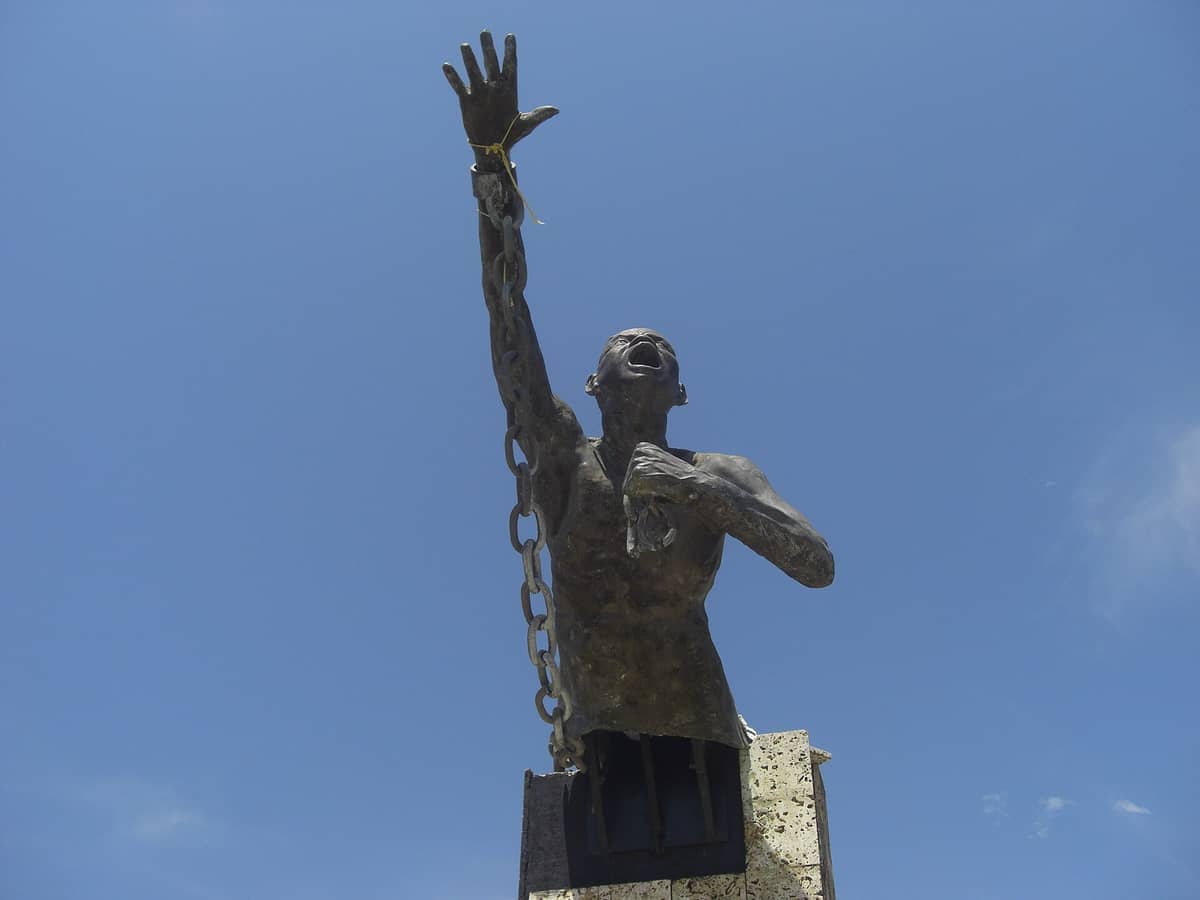
What Is San Basilio de Palenque?
San Basilio de Palenque is not a museum, not a theme park, and not a reconstructed heritage site. It is a fully functioning village of around 3,500 residents, located in the Montes de María region of Bolívar Department, and it happens to be one of the most historically significant communities in the entire Western Hemisphere.
Founded in the 17th century by Benkos Biohó, a leader who escaped slavery and organized other runaways into a self-governing maroon community, Palenque successfully resisted Spanish colonial authority and eventually secured a formal peace agreement that recognized its freedom. That makes it the first legally recognized free town founded by formerly enslaved Africans in the Americas — a fact that is not hyperbole but documented historical record.
In 2005, UNESCO proclaimed the Cultural Space of San Basilio de Palenque a Masterpiece of Oral and Intangible Heritage of Humanity, with formal inscription on the UNESCO Intangible Heritage list following in 2008. The designation recognized not just the history but the living culture: the Palenquero language (a Spanish-African Creole that is the only post-colonial contact language in Latin America to survive), distinctive funeral rites called Lumbalú ceremonies, musical traditions rooted in African drumming, and medicinal knowledge passed orally across generations.
ℹ️ Good to know
San Basilio de Palenque is a residential community, not a ticketed attraction. There are no entrance gates or barriers. Visiting respectfully — ideally with a local guide — is both practically helpful and culturally appropriate.
The Experience of Arriving
The road out of Cartagena cuts through flat Caribbean lowlands, passing scrub vegetation and small roadside settlements before the terrain shifts slightly into the low foothills of the Montes de María. After roughly 90 minutes, you turn off the main highway near Malagana onto a narrower road. If you arrived independently by bus, this is where you'll negotiate a moto-taxi for the final stretch into the village.
The village announces itself gradually. There are no dramatic gates or signage. Brightly painted houses in yellows, blues, and terracottas line unpaved streets. Women in traditional dress sell sweets called dulces de palenque — coconut and sugar confections wrapped in leaves — from basins balanced on their heads. The same women, known as Palenqueras, are a familiar sight in Cartagena's historic center, but here you encounter the source of that tradition, not a tourism performance of it.
By mid-morning, when most organized tours arrive, the streets have genuine foot traffic: children heading to school, older residents sitting in doorways, music occasionally drifting from an open window. There is a particular quality of unhurried rhythm here that is immediately different from Cartagena's tourist-facing pace. That said, the village is not untouched by tourism — guides, community cultural centers, and workshops catering to visitors do exist, and the community has clearly developed ways of engaging with outside interest while preserving its internal life.
Tickets & tours
Hand-picked options from our booking partner. Prices are indicative; availability and final rates are confirmed when you complete your booking.
Totumo Volcano and lunch at a VIP hotel from Cartagena
From 34 €Instant confirmationFree cancellationCity tour of Cartagena with entry to San Felipe castle
From 25 €Instant confirmationFree cancellationSan Andres Islands pontoon tour through the inner bay
From 26 €Instant confirmationFree cancellationGlass-bottom boat tour to San Andres aquarium and mangroves
From 21 €Instant confirmationFree cancellation
What You'll Actually See and Do
Most guided visits cover several distinct elements, though the exact program varies by operator and time of year. A typical tour includes a walk through the residential streets with explanation of the community's history, a visit to a cultural center where the Palenquero language and oral traditions are introduced, a demonstration of traditional music featuring percussion instruments with deep West African roots, and an opportunity to purchase handmade crafts and local food directly from residents.
The Palenquero language is one of the most remarkable things to encounter. It draws on Kikongo, Wolof, Portuguese, and Spanish in ways that reflect the diverse African origins of the original maroon community. You won't become fluent from a day visit, but even a brief guided introduction to its sounds and structure makes the broader story of African cultural survival feel concrete rather than abstract.
Traditional drumming sessions, when arranged, are genuinely powerful rather than performative — the rhythms played here connect directly to ceremonial music used in the Lumbalú funerary tradition, and local musicians treat the context seriously. Photography during these sessions should be approached with the guide's specific guidance about what is and isn't appropriate.
If you're planning a broader itinerary exploring Afro-Colombian history and culture in the region, the Afro-Colombian culture guide for Cartagena provides useful context on how Palenque connects to the wider narrative visible in neighborhoods like Getsemaní and beyond.
Practical Logistics: Getting There and Back
The most straightforward option for most visitors is a guided day tour booked through a Cartagena-based operator. Tours typically depart around 08:00, allow three to four hours in the village, and return to Cartagena by mid-afternoon. Prices at the time of writing ranged from approximately COP 311,000 to COP 330,000 per adult — verify current pricing directly with operators before booking, as these figures change.
Independent travel is possible but requires more planning. From Cartagena's main bus terminal, take a bus toward Mahates and request to be dropped near the Malagana junction for San Basilio. From there, moto-taxis cover the remaining distance into the village for roughly COP 30,000–35,000 one way (as of 2025). Total journey time each way is approximately two hours. There is no fixed bus stop at the village itself, so confirming your return transport before you arrive — either by pre-arranging a pickup or confirming moto-taxi availability — is essential.
💡 Local tip
If you go independently, arrive by 10:00 to maximize time in the village during cooler morning hours, and carry sufficient cash in Colombian pesos. There are no ATMs in San Basilio de Palenque.
The road from Cartagena is generally paved and passable year-round, but the internal streets of the village are unpaved. After heavy rain during the wet season (May to November), these become muddy and difficult on foot. Waterproof shoes or closed-toe footwear with grip are advisable regardless of season. The sun at this latitude is intense from mid-morning onward; a hat, sunscreen, and at least one liter of water per person are practical necessities.
Timing Your Visit
There is no definitive 'wrong' time to visit San Basilio de Palenque, but some periods are more rewarding than others. The dry season, roughly December through April, makes the unpaved streets and rural paths considerably easier to navigate. The village is also more photogenic — the colors of painted facades appear sharper in bright, dry-season light than under the flat grey skies that accompany wet-season afternoons.
Palenque's most significant cultural festival, the Festival de Tambores (Festival of Drums), typically takes place in October. If your visit coincides with it, you will encounter the village at a moment of concentrated cultural energy — drumming, dance, oral traditions, and community gatherings that are entirely different from a standard day visit. Check local event calendars before finalizing travel dates.
For general timing of your broader Cartagena trip, the best time to visit Cartagena guide covers seasonal conditions in detail. December through March is consistently cited as the most comfortable period for day trips into the surrounding region.
Cultural Protocols and Respectful Visiting
San Basilio de Palenque receives visitors, but it is not built around them. Residents' daily lives continue independently of tourist schedules, and the community's cultural practices carry weight and significance that exists entirely outside the tourism economy. This matters for how you behave as a visitor.
Always ask before photographing individuals, particularly children and elders. Many residents are willing to be photographed, but the request should be made and consent given — don't treat people as scenery. When purchasing food, crafts, or music recordings, buy directly from community members where possible rather than through intermediaries. The economic benefit to the community is one of the few ways tourism can contribute positively to Palenque without disrupting it.
A knowledgeable local guide is not just convenient here — it is genuinely important. The history of Palenque is layered, contested in parts, and deeply personal to the community. A guide from the village (as opposed to an outside guide who simply drives visitors there) can provide context and introductions that make the difference between a superficial photo stop and a genuinely educational experience.
⚠️ What to skip
This is not an attraction suited to visitors who want maximum sights in minimum time. If your schedule in Cartagena is tight, a rushed 90-minute visit to Palenque does a disservice to both the community and your own understanding of it. Allocate a full day or don't go.
Fitting Palenque Into Your Cartagena Itinerary
A trip to San Basilio de Palenque works best as a dedicated day from Cartagena rather than a half-day add-on. Given the two-hour travel time each way, even a well-organized tour leaves only three to four hours in the village. If you have three days in Cartagena, consider devoting one of them entirely to this trip and using the 3-day Cartagena itinerary to structure the remaining time around the historic center and the coast.
Palenque also makes natural thematic sense when paired with visits to Cartagena's own Afro-Colombian heritage sites. The Santuario de San Pedro Claver in the historic center documents the other side of the same history — the scale of the slave trade that made Cartagena one of the principal points of entry for enslaved Africans into the Americas. Visiting both in the same trip gives the history a depth that neither site alone can fully convey.
Travelers interested in other significant day trips from the city can find a broader overview in the day trips from Cartagena guide, which covers destinations ranging from Palenque to the Islas del Rosario and the Volcán de Lodo el Totumo.
Insider Tips
- Book a guide who was born and raised in Palenque rather than a Cartagena city guide who visits occasionally. The difference in depth and personal connection is significant — ask your tour operator specifically about the guide's background before booking.
- Carry small-denomination Colombian peso notes. Palenquera women selling dulces and handmade items rarely have change for large bills, and there are no card terminals or ATMs in the village.
- If you visit independently, the public buses toward Mahates depart from Cartagena's main terminal (Terminal de Transportes) rather than the city center. Allow extra time to reach the terminal first.
- The Festival de Tambores in October is the single best time to experience the village's musical traditions at full intensity, but it also draws larger crowds and may require advance coordination with local hosts or tour operators.
- Bring a reusable water bottle and fill it before leaving Cartagena. The heat between 11:00 and 14:00 is considerable, shade on village streets is limited, and buying cold water inside the village is not always straightforward.
Who Is San Basilio de Palenque For?
- History travelers with a specific interest in the African diaspora and maroon communities of the Caribbean
- UNESCO heritage enthusiasts looking for living intangible culture rather than monuments
- Responsible tourism advocates who want their visit to contribute directly to a community rather than a commercial operator
- Educators or researchers with an interest in Palenquero linguistics or Afro-Latin American studies
- Travelers who have already covered Cartagena's main sites and want a full-day experience that contrasts entirely with the colonial city
Nearby Attractions
Combine your visit with:
- Mercado de Bazurto
Mercado de Bazurto is where Cartagena actually shops for food. Far from the polished streets of the Walled City, this enormous working market is a sensory overload of fresh fish, tropical fruit, and cumbia drifting from open-air stalls. It rewards curious visitors who come prepared.
- Casa Museo Rafael Núñez
The Casa Museo Rafael Núñez preserves the lakeside El Cabrero home of Rafael Núñez Moledo, Colombia's most consequential 19th-century statesman. Free to enter and a short walk from the Old City, it offers a rare, unhurried look at the private life of the man who wrote the 1886 constitution and penned the national anthem.
- Castillo de San Felipe de Barajas
Perched on Cerro San Lázaro just east of Cartagena's walled city, the Castillo de San Felipe de Barajas is the largest Spanish colonial military fortress ever built in the Americas. Its tunnels, ramparts, and sweeping Caribbean views reward visitors who come prepared and arrive early.
- Convento de Santa Cruz de la Popa
Rising roughly 150 meters above sea level in Cartagena de Indias, the Convento de Santa Cruz de la Popa sits on the city’s highest natural point and one of its oldest religious sites. Visitors climb to a 17th-century Augustinian monastery for panoramic views, colonial architecture, and a surprisingly serene escape from the heat of the streets below.